Hydraulic Cylinders for OEM and Equipment Applications
Explore Our Hydraulic Cylinder Range

Welded Hydraulic Cylinders
Welded cylinders use a welded body construction and are commonly considered for mobile equipment where installation space matters.
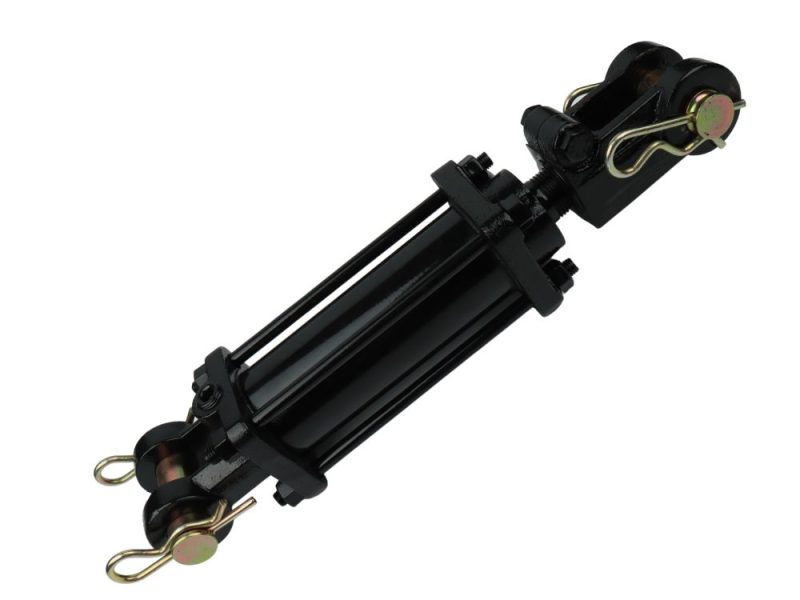
Tie-Rod Hydraulic Cylinders
Tie-rod cylinders use external rods to hold the cylinder assembly together.
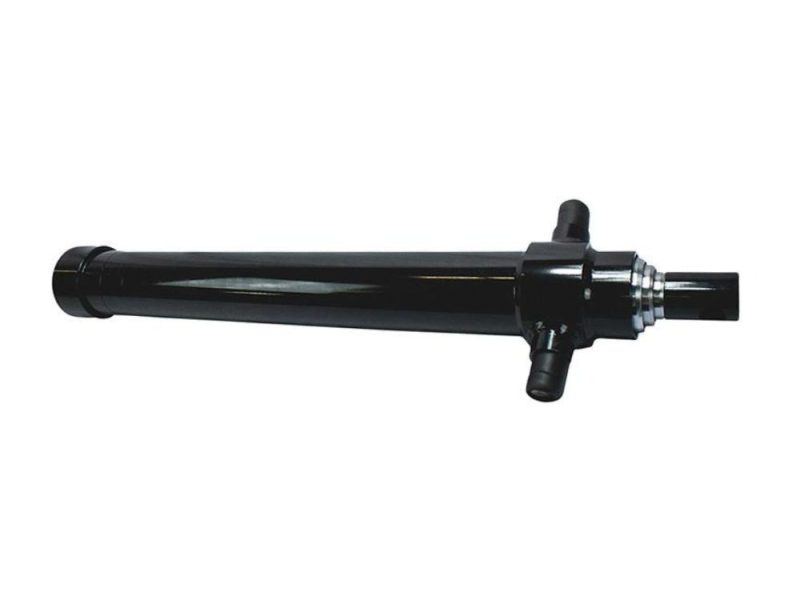
Telescopic Hydraulic Cylinders
Telescopic cylinders use multiple stages to provide an extended stroke from a shorter retracted package.

Custom Hydraulic Cylinders
For equipment with specific installation or operating requirements, send a drawing or dimensional sketch for review.
Choose the Operating Action and Mounting Style

Single-Acting Cylinders
A single-acting cylinder uses hydraulic pressure to move in one direction. Return movement depends on the design and may use gravity, a spring, or an external load. Confirm how the cylinder will return throughout the machine’s operating cycle.
Double-Acting Cylinders
A double-acting cylinder uses hydraulic pressure for both extension and retraction. For a conventional single-rod design, extension and retraction force differ because the effective piston areas are different.
Mounting Options
The mounting arrangement must match the machine’s movement and available space. Send the mount type, pin diameter, mounting width, and orientation at both ends. Where applicable, include flange dimensions and the position of the ports relative to the mounts.
Custom Cylinder Configuration
Dimensions and Mounting
Identify the bore, rod diameter, stroke, retracted length, and mounting arrangement. Include the installation envelope and any clearance restrictions around the cylinder, hoses, and moving equipment.
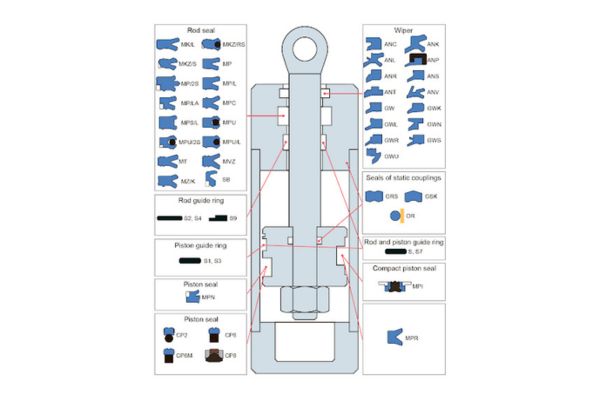
Ports, Seals, and onditions
Specify the port thread, size, position, and direction. Hydraulic fluid, temperature, pressure, and operating frequency should be included when reviewing the seal arrangement and cylinder design.
Finish, Marking, and Packaging
Include the required color or coating specification, product identification, and packaging instructions. For repeat orders, reference the approved drawing revision so the requirements remain clear.
End-of-Stroke Cushioning
If the cylinder needs to slow down near the end of its travel, include cushioning requirements in the design review. Provide the moving load, travel speed, and mounting orientation so the cushioning arrangement can be assessed.
Position Sensing and Feedback
For equipment that needs to monitor cylinder movement, specify whether you require end-position detection or continuous position feedback.
Hydraulic Cylinders for Equipment Applications
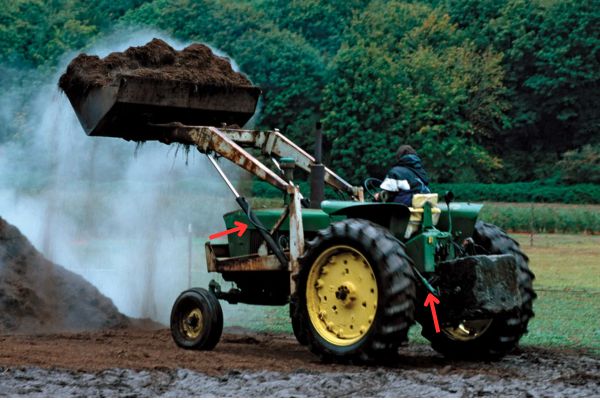
Agricultural Equipment
Hydraulic cylinders operate lifting arms, tilt mechanisms, and linkages on tractors and other farm equipment.

Construction Equipment
Hydraulic cylinders provide lifting, tilting, and positioning movement on loaders, excavators, and other construction machinery.

Trailers and Tipping Equipment
Hydraulic cylinders raise and lower trailer bodies, dump beds, and tipping platforms.
Why Choose Topa for Hydraulic Cylinders?
Drawing-Based Configuration
Send your cylinder drawing, mounting dimensions, and operating requirements.
Standard and Custom Options
Explore welded, tie-rod, and telescopic cylinders for different equipment needs.
Multiple Models in One Order
Combine your cylinder requirements into one model list.
Clear Inspection Requirements
Discuss critical dimensions, functional checks, and required inspection records before production.
Support for Repeat Orders
Use approved drawings, item numbers, and revision references to keep repeat-order specifications clear.
Responsive After-Sales Support
Contact Topa with your order reference, cylinder identification, photos, and operating details when an issue occurs.
Our Factory
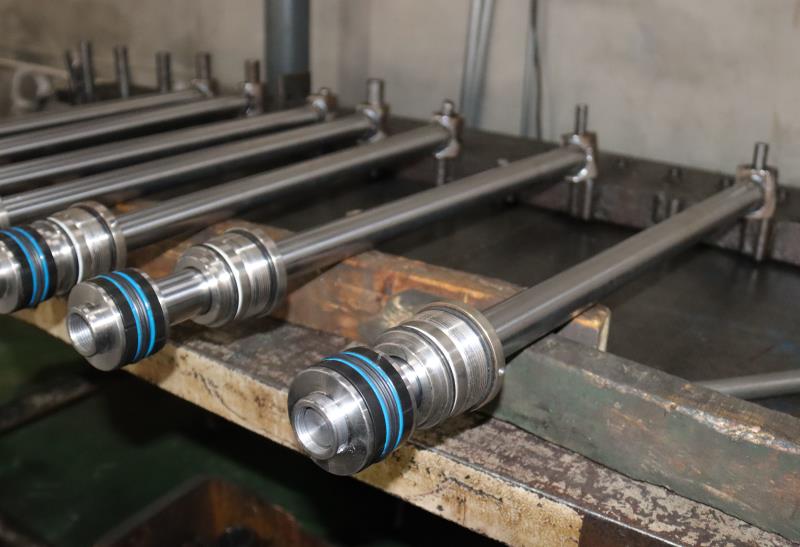
From Cylinder production involves several stages, from material preparation and machining to assembly and finishing. The images below should show the actual processes used for the products offered on this page.






Agree on Inspection Requirements Before Production
Inspection requirements should be linked to the approved drawing and the cylinder’s intended use. Confirm which dimensions, operating checks, and records are required for your order before production begins.
Items to discuss include:
- Critical dimensions and mounting connections
- Port threads, position, and orientation
- Stroke and movement checks
- External condition and specified finish
- Agreed pressure and leakage checks
- Product identification and required records
Test pressure, holding time, acceptance criteria, and documentation should be agreed for the specific product. A general statement about pressure testing does not define the complete inspection requirement.
FAQ
What is the difference between single-acting and double-acting cylinders?
A single-acting cylinder uses hydraulic pressure for movement in one direction and relies on another force for return. A double-acting cylinder uses hydraulic pressure for both extension and retraction. Choose according to the movement and control required by the machine.
How do I choose between welded and tie-rod cylinders?
Compare the installation space, mounting arrangement, operating requirements, and service access. The construction name alone does not establish the correct pressure rating or confirm that a cylinder will fit your equipment.
What information is needed for a cylinder quotation?
Send the application, drawing or dimensional sketch, bore, rod diameter, stroke, retracted length, mounting details, port specification, working pressure, and quantity. Include the destination and any marking, packaging, or documentation requirements.
Can I identify a cylinder from photographs?
Photographs can help identify the general construction and mounting arrangement. Critical dimensions, port threads, and operating requirements still need to be confirmed. Include a nameplate or part number if one is available.
Are cylinders with the same bore and stroke interchangeable?
Bore and stroke are only part of the specification. Retracted length, mounting dimensions, rod diameter, ports, pressure rating, and installation clearance may differ. Compare the complete drawing before approving an alternative.
Can you review a custom cylinder drawing?
Send the drawing revision, application details, operating conditions, and expected order quantity for review. Any proposed changes should be confirmed before the drawing is approved for production.
What should I include for multiple cylinder models?
Provide one line per model with the drawing number, revision, quantity, and application. Identify differences between similar models so they can be reviewed separately.
How are production and shipping schedules confirmed?
Provide the model list, quantities, destination, and requested schedule. Production and shipment arrangements should be confirmed against the final specification, inspection requirements, and order plan.
Get More Information About Products
