



FAQ
What is a BSP one-piece hydraulic hose fitting?
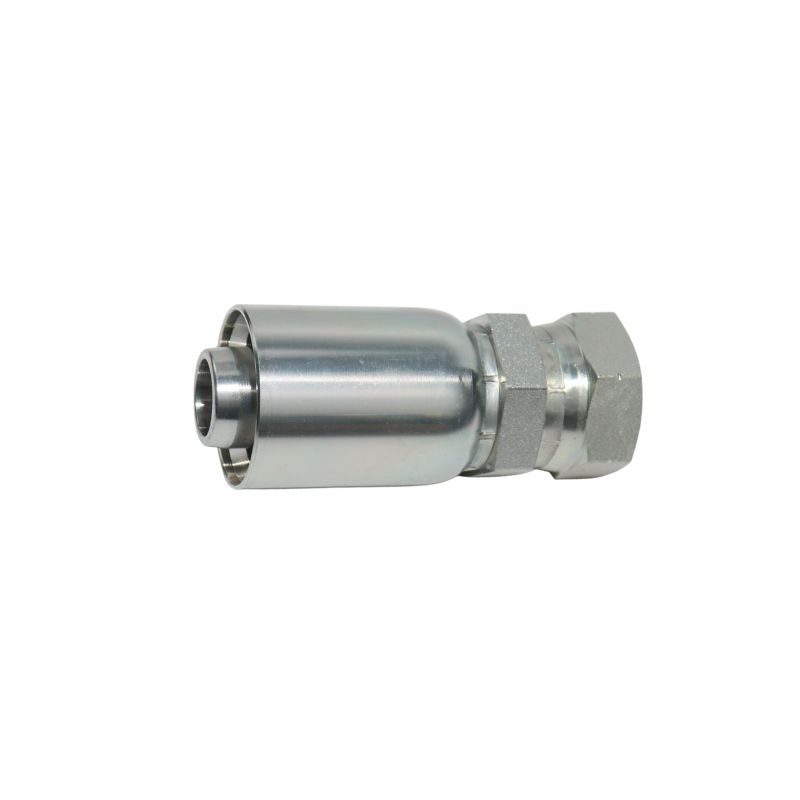
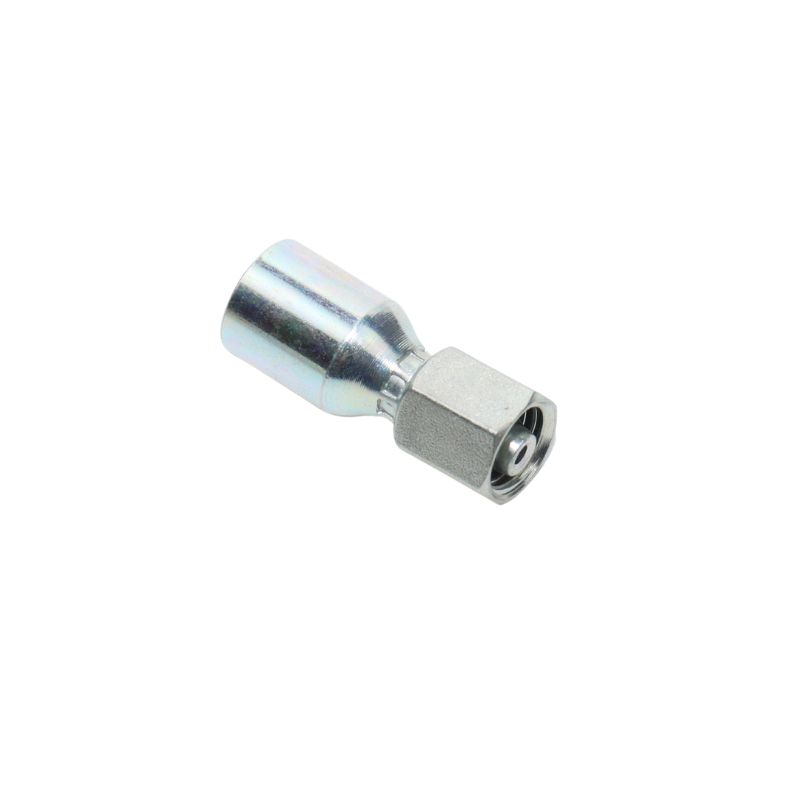
A BSP one-piece hydraulic hose fitting combines the hose insert and ferrule into an integrated fitting structure. The connection end uses a BSP configuration, while the hose side must match the correct hose specification, fitting series, and crimping requirement.
What is the difference between BSPP and BSPT fittings?
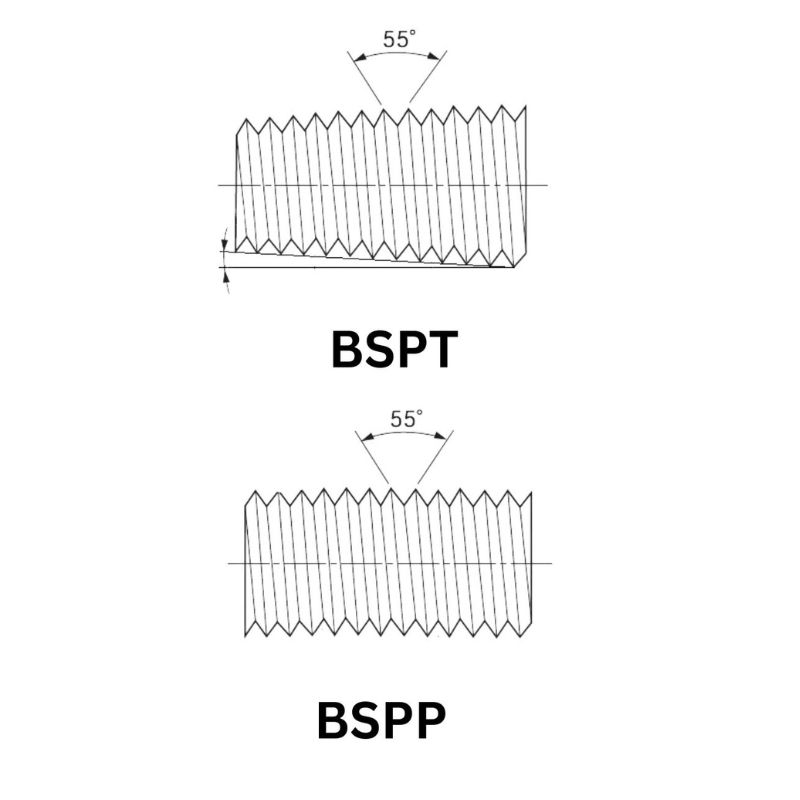
BSPP uses a parallel thread, while BSPT uses a tapered thread. They may also use different sealing methods, so they should not be selected only by comparing the nominal thread size or outside diameter.
Are BSPP and BSPT one-piece fittings interchangeable?
No. BSPP and BSPT threads have different profiles and sealing arrangements. Even when the nominal size appears similar, the fitting may not engage, install, or seal correctly with the mating port.
How do I identify the correct BSP one-piece fitting?
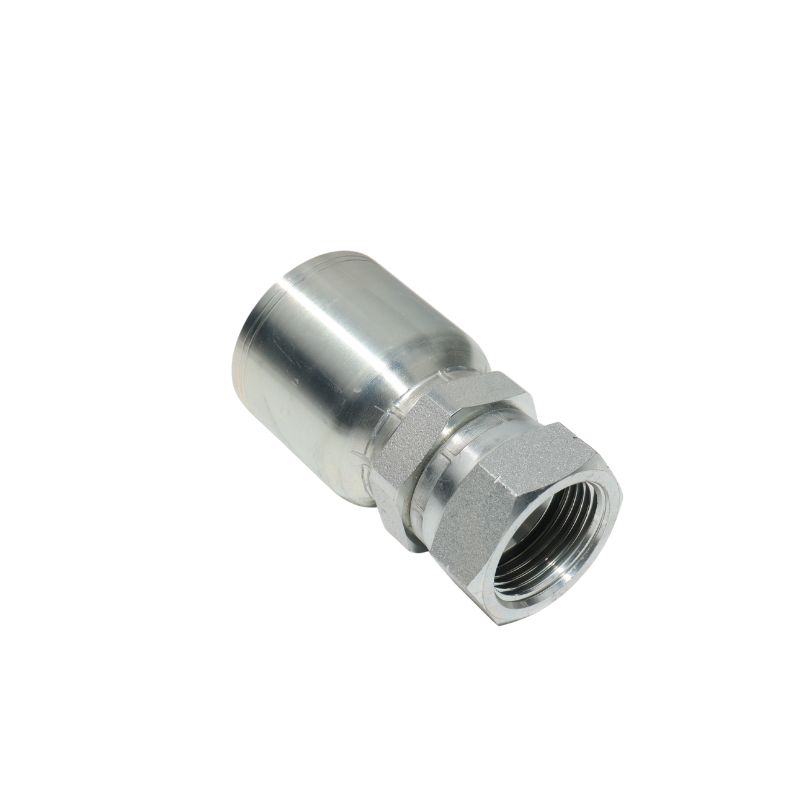
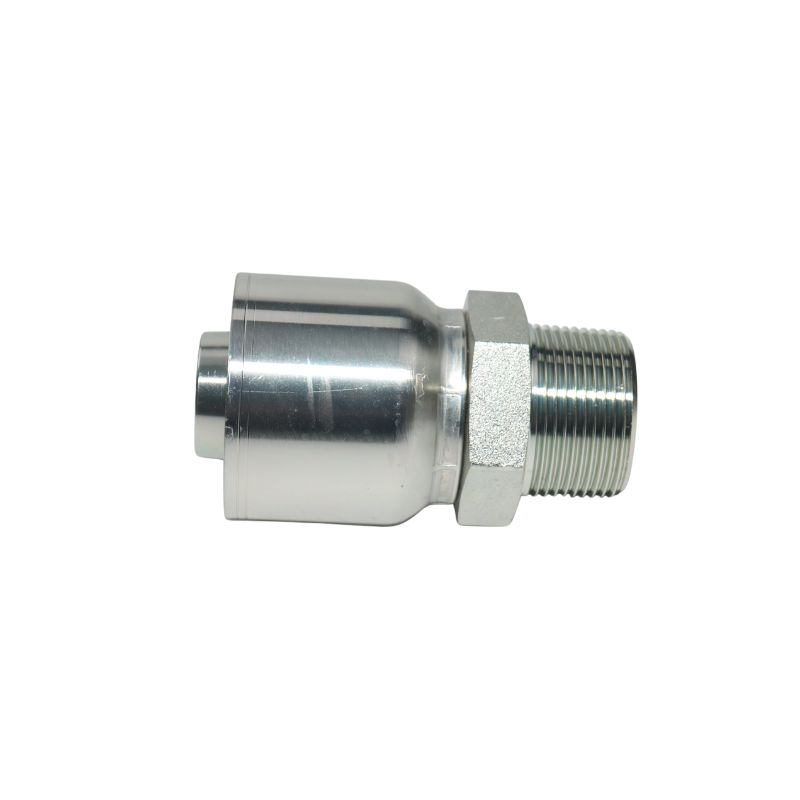
Confirm the male or female structure, swivel or fixed design, BSPP or BSPT thread, thread diameter, thread pitch, sealing seat, hose size, fitting angle, and fitting series. Clear photos, drawings, or an existing part number can also support identification.
Is the BSP thread size enough to confirm the fitting model?
No. The thread size does not confirm the sealing method, internal seat, male or female structure, angle, hose-side size, or fitting series. The complete connection and hose requirements must be checked together.
Can the same BSP one-piece fitting be used with different hose brands?
Not automatically. Hoses with the same dash size may have different outer diameters, reinforcement structures, cover thicknesses, and crimping requirements.
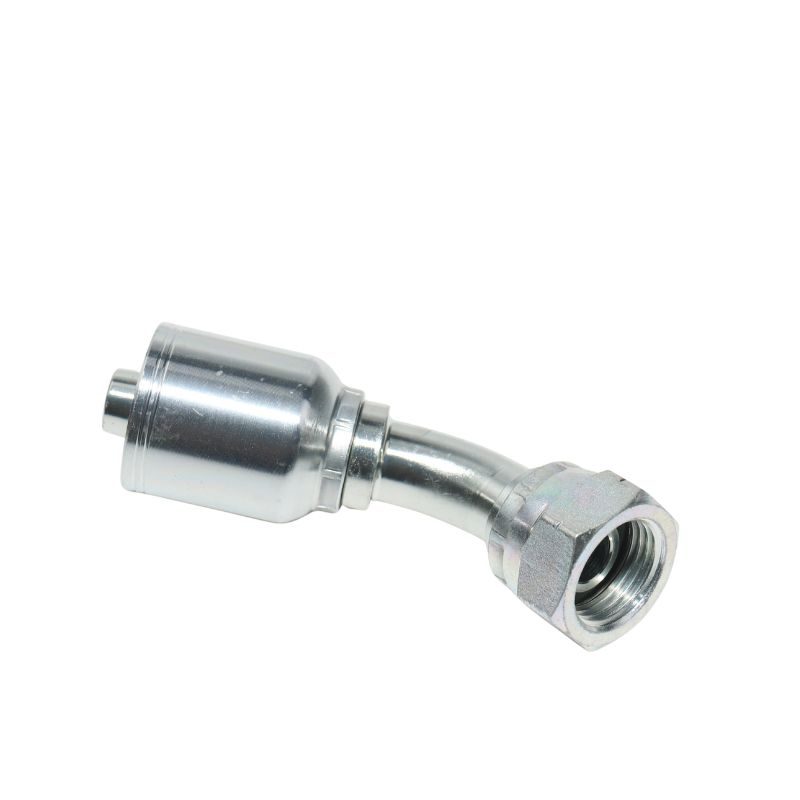
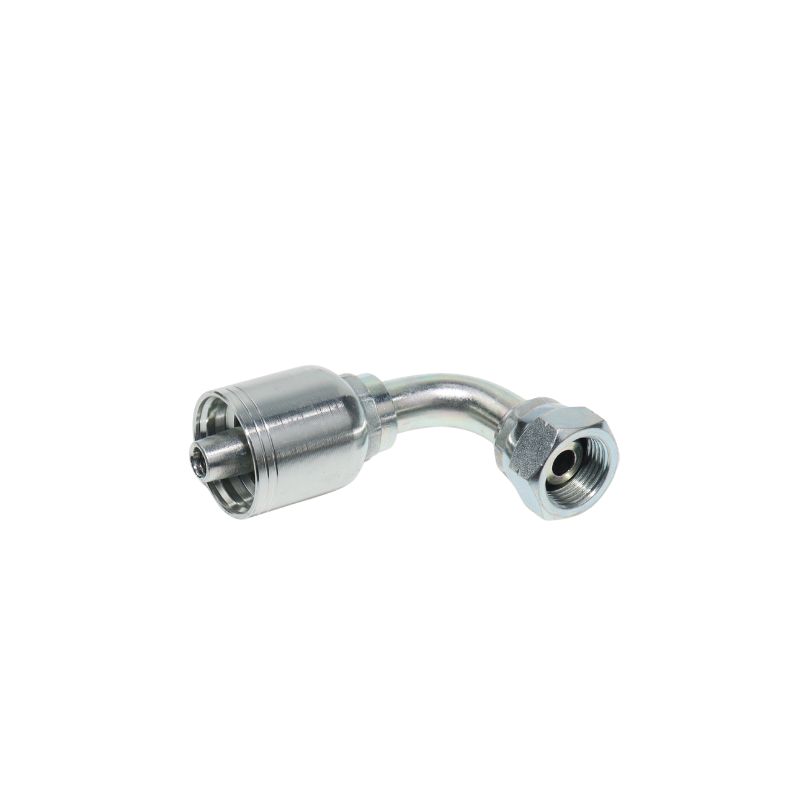
How should I choose between straight, 45°, and 90° fittings?
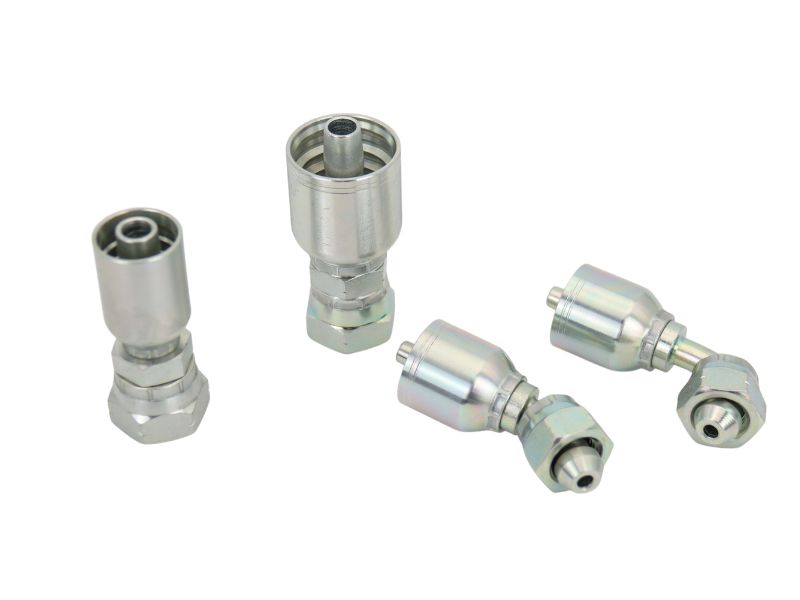
Select the angle according to the port position, available installation space, hose routing direction, minimum bend radius, and nearby interference. The correct angle should allow the hose to run naturally without excessive bending or side loading.
Can I use an existing crimp diameter for a new BSP fitting?
Do not reuse a crimp diameter without verification. Changes in hose brand, hose construction, fitting series, ferrule design, machine, or die set may require a different crimping specification.
