















FAQ
What hydraulic fitting standards can you supply?
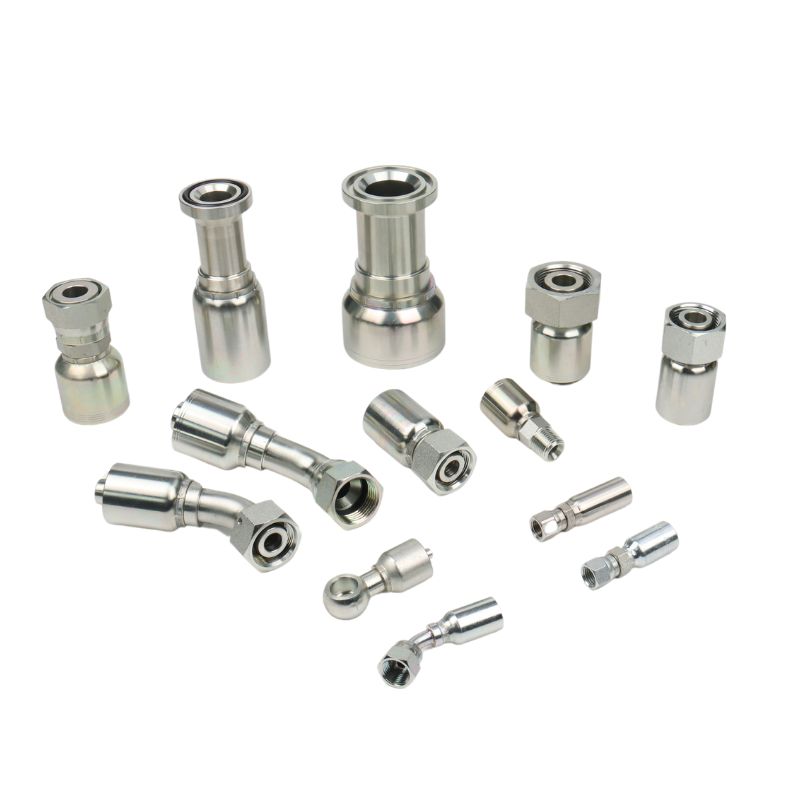
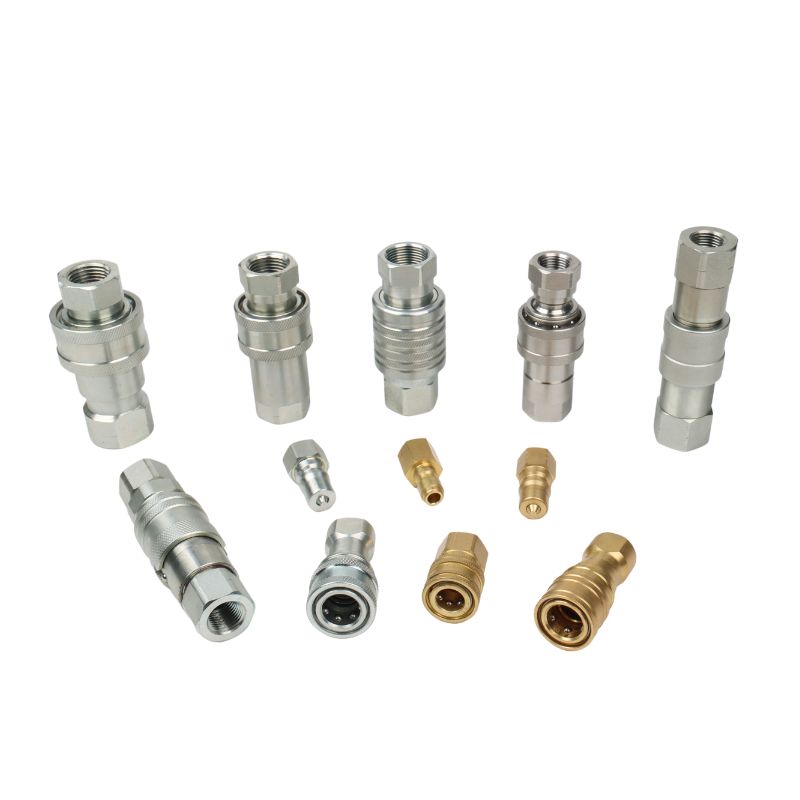
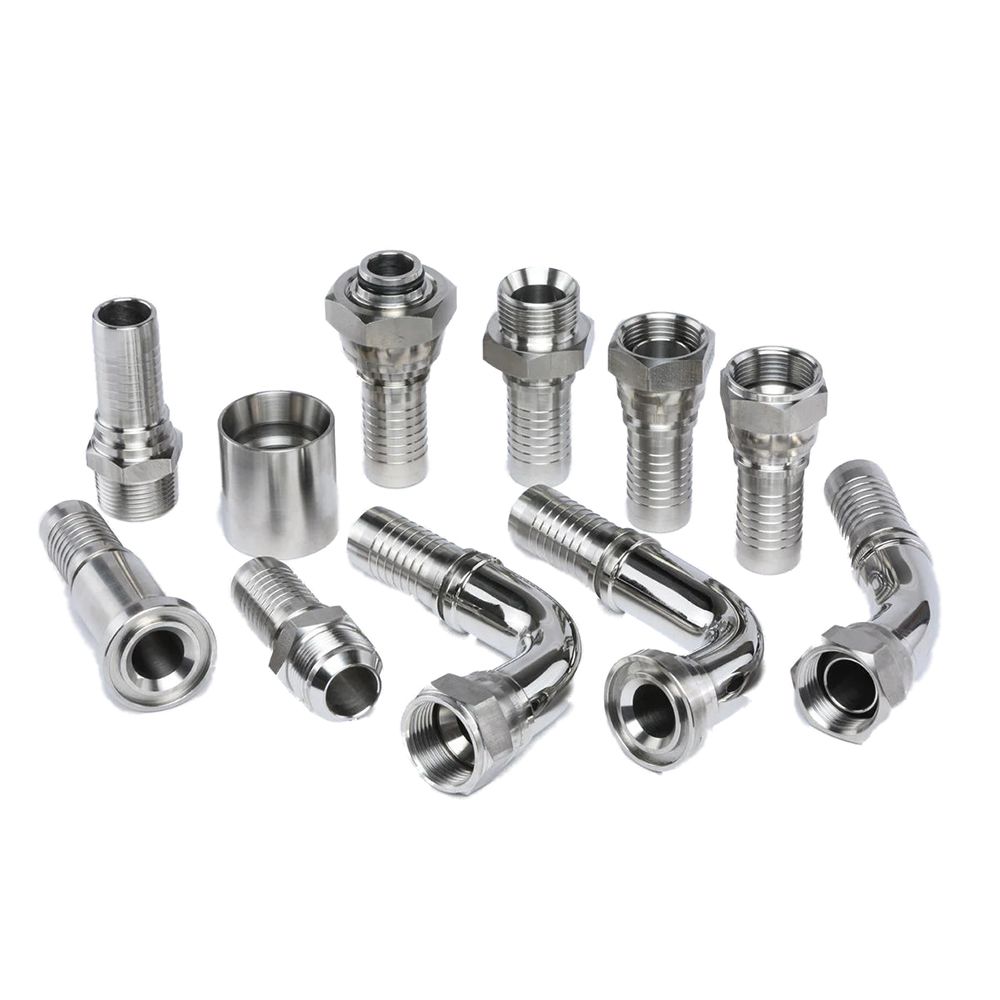
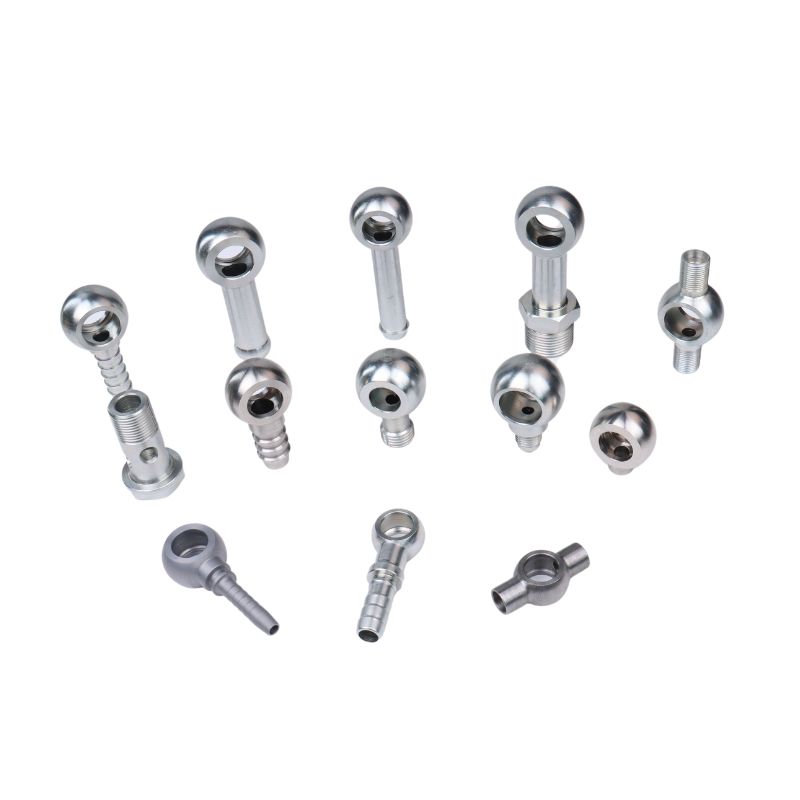
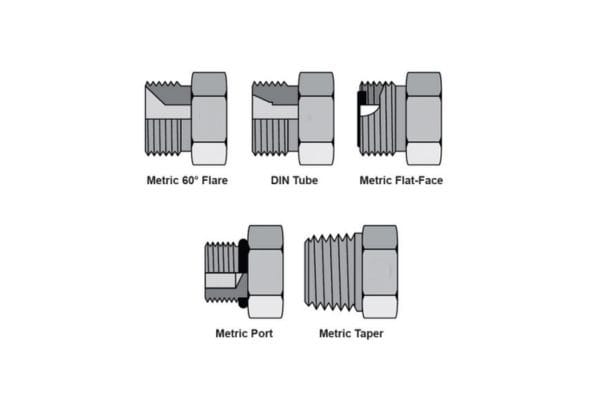
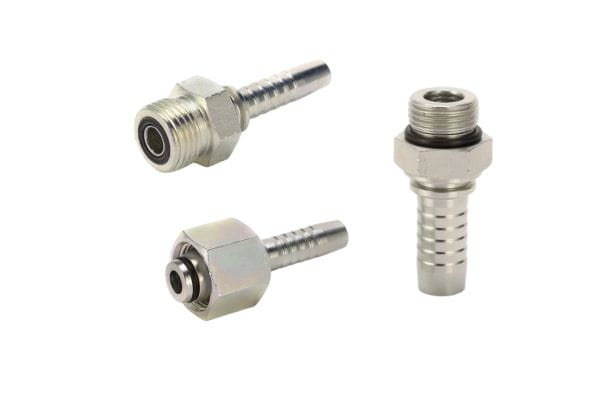
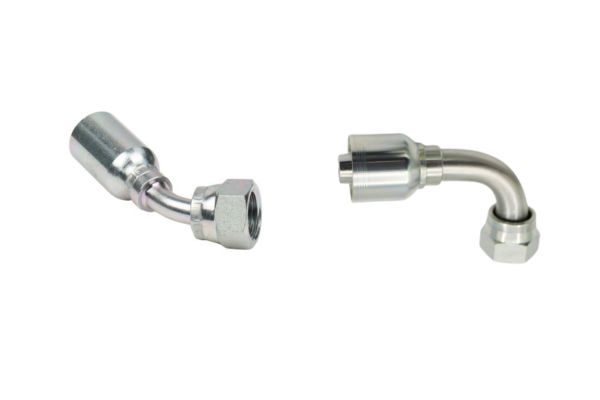
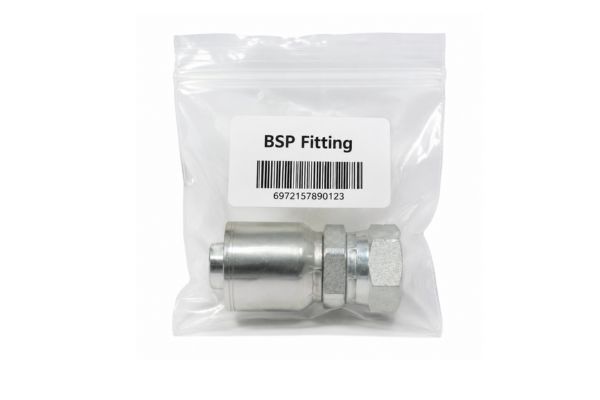
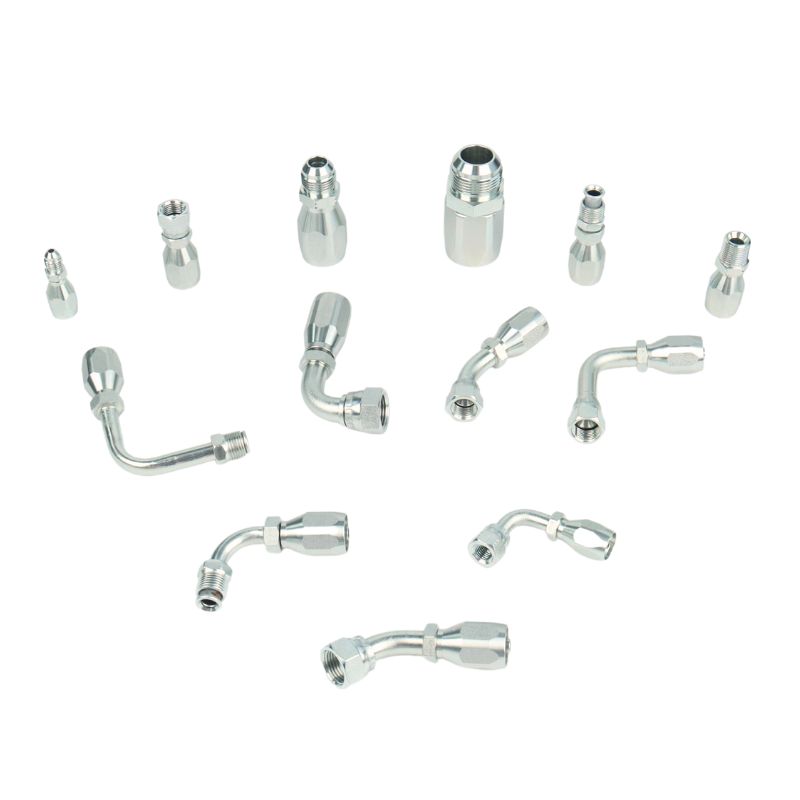
Topa supplies a wide range of hydraulic fitting standards, including JIC, BSP, NPT, ORFS, SAE/ORB, Metric, JIS, hydraulic flanges, hose fittings, adapters, swivel fittings, and related connection products.
Can different hydraulic fitting types and sizes be combined in one order?
Yes. Different fitting standards, thread sizes, body styles, hose ends, adapters, and related products can be combined into one multi-SKU purchasing program.
What information should I provide for a hydraulic fitting quotation?
Please provide the part number or reference number, fitting standard, thread size, sealing type, material, quantity per SKU, packaging requirements, destination, and purchasing frequency; for larger inquiries, an Excel or purchasing list is preferred.
Can you cross-reference existing hydraulic fitting part numbers?
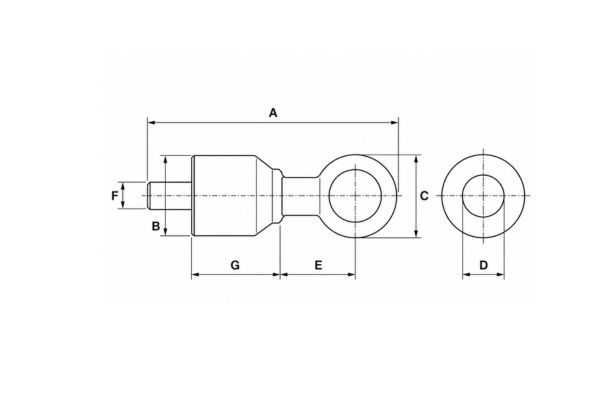
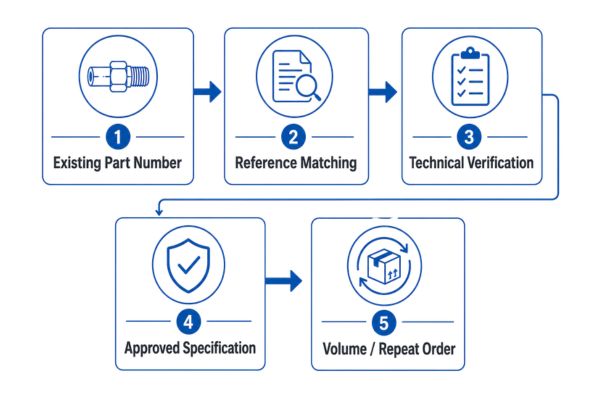
Yes. Existing supplier part numbers, catalog references, internal SKUs, or drawings can be used as a starting point, but thread type, sealing method, dimensions, material, and other critical specifications should be verified before volume purchasing.
Do you support distributor stock replenishment?
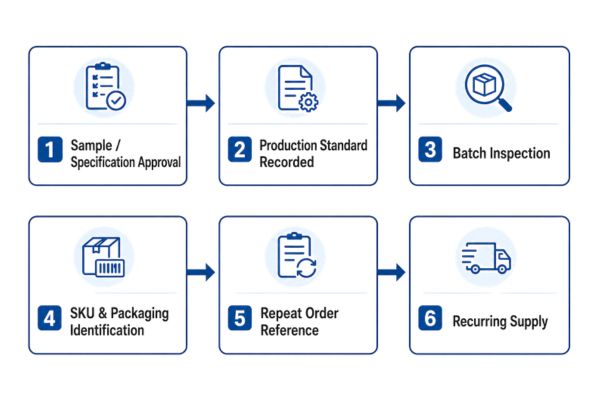
Yes. Approved specifications, part numbers, packaging requirements, and SKU information can be recorded to support regular distributor replenishment and recurring orders.
How do you maintain consistency between repeat orders?
Confirmed drawings, dimensions, threads, materials, finishes, markings, and packaging requirements can be recorded before production, while key characteristics are checked during production and final inspection to support repeat-order consistency.
Can you provide OEM and private-label hydraulic fittings?
Yes. OEM and private-label options can include custom dimensions, selected materials, surface finishes, laser marking, customer part numbers, labels, bags, cartons, and other approved packaging requirements.
What materials are available for hydraulic fittings?
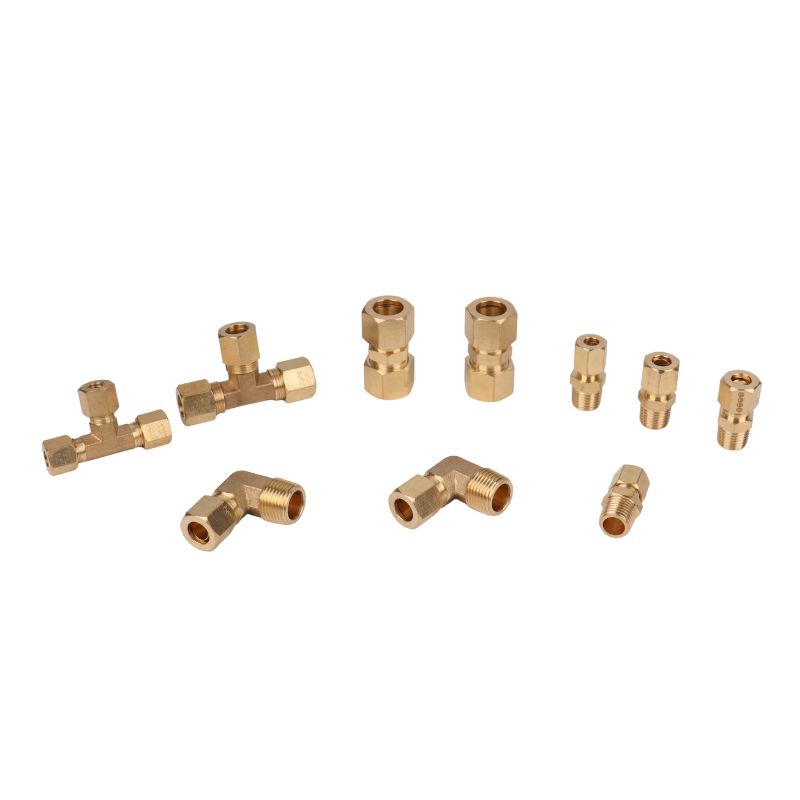
Common options include carbon steel, stainless steel, and brass, with material selection based on pressure, fluid compatibility, corrosion exposure, temperature, operating environment, and project requirements.
