One Stop Sulotion for Your Hydraulic Hose Fittings


※ Thread Matching Support

※ One-Piece & Two-Piece Options

※ 100% Pressure Tested

※ Fast Drawing Review

Product List

With more than 20 years of experience, we supply Metric, JIC, BSP, BSPP, NPT, ORFS, SAE, and other thread types in straight, 45°, and 90° styles. We also support custom production based on your drawing, sample, or thread requirement.

From replacement demand to bulk distributor stock, Topa gives you more fitting options, faster selection support, and more control over quality and delivery.

JIC 37° Hose Fitting

JIC fitting is parallel or straight threads.

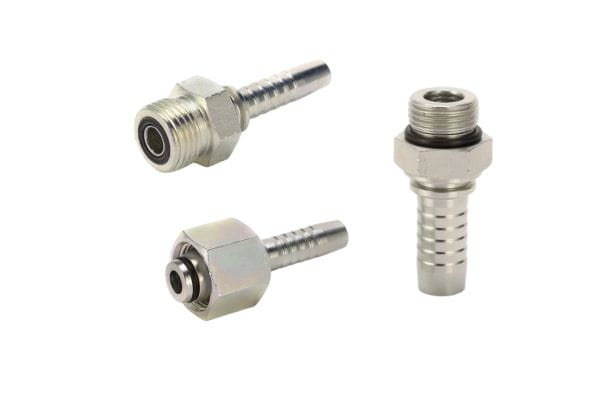
ORFS Hose Fittings

The O-Ring Face Seal (ORFS) is the best leak protection available today.

BSP Hose Fittings

BSP hose fittings conform to the BSP standard.

Metric/DIN Hose Fitting

One of the most commonly hydraulic fittings in European.

NPT Hose Fitting

NPT Pipe Thread is the most common type of thread in North America

JIS Hose Fitting

Used in Japanese and Korean heavy equipment, such as Komatsu, Hitachi, Kubota and Toyota. Compliant with JIS B8363 specification.

SAE Hose Fitting

SAE hydraulic fitting mainly include SAE J514 and SAE J516 standard fittings.

Hose Flange

Hydraulic flange meet SAE J518 and ISO 61 and 62 standards.

Push Lock Fitting

Push-Lok Hose Fittings are easy to install, and feature a wide range of end configurations in DIN, BSP, SAE and ORFS connections

Barb Hose Fitting

Barbed hose fittings have barbs on one or both ends of the fitting, creating a leak-proof seal.

Brass Hose Fitting

Brass hose fitting ensure that any liquidis contained within pipes and hoses.

Hose Ferrule

Hydraulic hose ferrules fix hose fittings at the end of hoses to make hose assemblies.

Reusable Hose Fitting

Reusable hose fittings are also known as field installable fittings, Assembly can be accomplished with hand wrenches.

Banjo Fitting

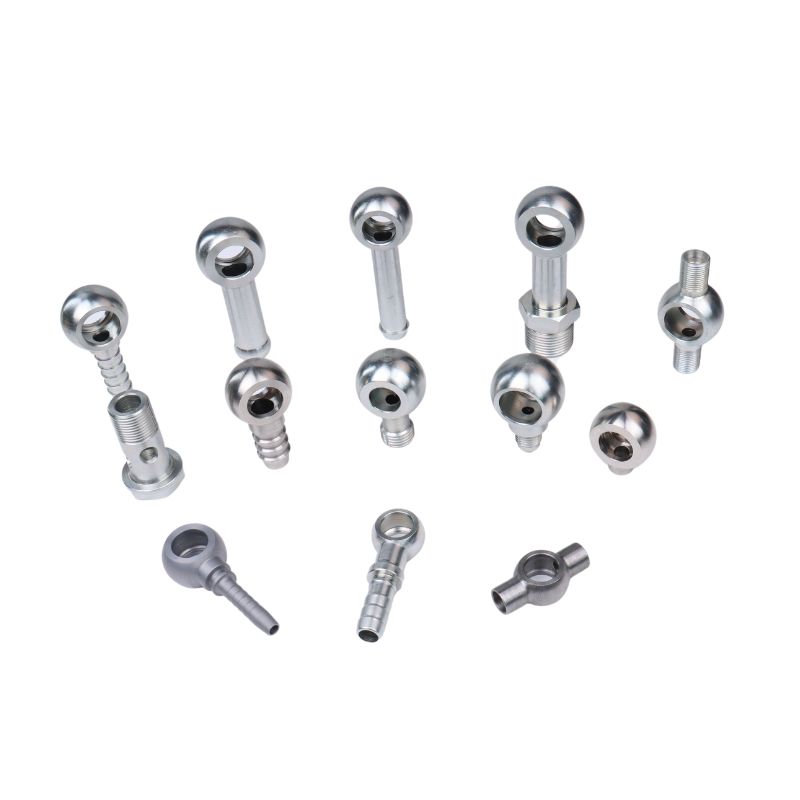
From banjo eyes and bolts to banjo elbow fittings, unions, washers and covers, we have every banjo fitting you need to assemble a complete banjo assembly.

Crimp Hydraulic Fitting

Crimp hydraulic fittings are designed for secure connections and are fully compatible with Parker Hannifin standards.

Stainless Steel Hose Fitting 

Stainless steel hose fitting are used to connect hoses to various components.

Hydraulic Hose Fitting Video

This video showcases a comprehensive range of our hose fittings, including Metric, JIC, BSP, BSPP, NPT, and ORFS thread types. Our extensive selection ensures you can find the perfect solution for your hydraulic systems.

With over 1,000 types of hydraulic fittings in our inventory, we cater to diverse industries and applications. Whether you need standard fittings or specialized designs, we provide high-quality options tailored to meet your requirements.

For custom hose fittings or unique specifications, our team is here to help. Please don’t hesitate to contact us for personalized solutions to suit your needs.

Application

Hydraulic hose fitting factory application

Construction

Hose fitting use fluid as a medium to transmit power or pressure to the moving parts, so there is no need to use mechanical connections, which can reduce the pressure on the mechanical parts, to extend the use of the machine.

Hydraulic hose fitting supplier application

Material Handling

Hose fitting plays an important role in material handling and is widely used for lifting, holding, and moving load work. With it, we can easily accomplish tasks such as dock loading, forklift lifting, and aerial work.

Hydraulic hose fitting manufacturer application

Agriculture

The application of agricultural hose fitting has significantly improved several functions of agricultural machinery, and the performance of cash crop agricultural machinery and production subsidiary machinery has been enhanced.

Contact Us Now!

Topa quality, customized solutions, your first choice for hydraulic fittings!

What is a Hydraulic Hose Fitting?

A hose fitting is a critical component designed to connect hydraulic hoses to other parts of a hydraulic system, such as pumps, valves, and cylinders. Hose fittings have a hose end for connecting hydraulic hoses and a threaded end for mounting with hydraulic machinery. These fittings are engineered to provide a secure and reliable connection that prevents leaks and ensures smooth fluid transfer under high-pressure conditions. Made from durable materials like stainless steel, carbon steel, or brass, they are built to withstand the demanding environments where hydraulic systems operate.

Hose fittings play a vital role in maintaining the efficiency and safety of hydraulic systems. By enabling the seamless flow of hydraulic fluids, they help power heavy machinery and equipment used across various industries, including construction, manufacturing, agriculture, and mining. Their ability to endure extreme pressures and harsh conditions makes them indispensable for the proper functioning of hydraulic applications.

Stainless steel hydraulic hose fitting supplier china

Products Features

Consistent Material and Machining

We use stable material sources and controlled machining to keep fitting dimensions consistent and reduce mismatch during assembly.

Accurate Threads for Better Sealing

Threads are processed with strict control to help fittings connect correctly and reduce leakage risk in hydraulic systems.

Multiple Thread Standards Available

Metric, JIC, BSP, BSPP, NPT, ORFS, and SAE types are available to support different regional and equipment requirements.

Custom Production Support

We can produce fittings based on your drawing, sample, or specific requirements, including size, thread, material, and packaging.

Controlled Quality Before Shipment

Each batch goes through inspection before packing to reduce defects and support more reliable repeat orders.

Suitable for Replacement and Stock

Our fittings are widely used for maintenance replacement and distributor inventory, helping you manage supply and reduce sourcing risk.

Hose Fitting Design

When selecting or designing hose fittings, several critical factors must be taken into account to ensure compatibility, reliability, and system efficiency. Below is a comprehensive guide to the key considerations:

1. Hose and Fitting Compatibility

Material Compatibility: Ensure the material of the fitting (e.g., stainless steel, brass, carbon steel) matches the hydraulic fluid and hose material to prevent corrosion and degradation.

Size and Dimensions: Match the fitting size with the hose’s inner diameter (ID) and outer diameter (OD) to prevent leaks and ensure proper fluid flow.

2. Pressure Requirements

Maximum Working Pressure: Select fittings rated for pressures higher than the maximum operating pressure of the system.

Pressure Surges: Consider pressure spikes or fluctuations that may exceed standard operating pressures, as fittings must be designed to handle these variations.

3. Thread Type and Connection Style

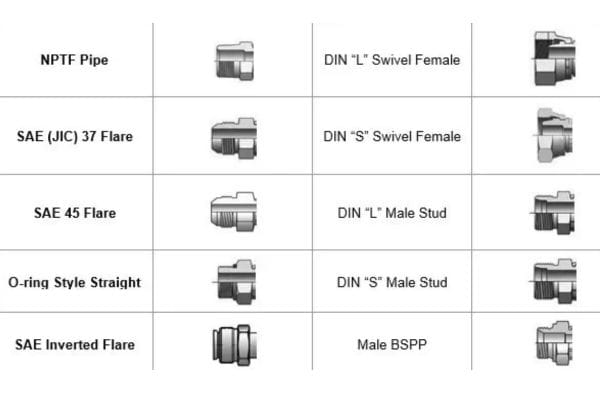
Thread Standards: Choose from common standards such as BSP, NPT, JIC, SAE, and Metric to match the system’s specifications.

Connection Method:

Crimped Fittings: Provide a permanent and leak-proof connection, ideal for high-pressure applications.

Reusable Fittings: Offer flexibility for on-site repairs and maintenance without requiring specialized tools.

Quick-Connect Fittings: Simplify connection and disconnection, suitable for systems requiring frequent setup changes.

4. Seal Type and Leak Prevention

O-rings and Seals: Ensure the fitting includes high-quality seals or O-rings to prevent fluid leakage.

Sealing Mechanism: Opt for fittings with cone seats, flat faces, or tapered thread designs based on the system’s sealing needs.

Hydraulic hose Fittings seal
5. Fluid Compatibility

Hydraulic Fluids: Check compatibility with the specific fluid being used (e.g., mineral oil, water-glycol, synthetic fluids) to avoid chemical reactions or seal damage.

Multi-Medium Use: Some fittings are designed to handle multiple media types, offering greater versatility.

Contact Us Now!

Topa Quality, Custom Solutions—Your Go-To for Hydraulic Fittings! Order Now to Boost Efficiency!

Hydraulic Hose Fittings Types: What Works Best for You?

Table of Contents

A poorly matched fitting can lead to leaks, reduced system performance, or even costly downtime. Whether you’re maintaining heavy machinery or designing new equipment, the right fitting ensures smooth operation and reliable fluid transfer. Hose fittings serve as the critical link that connects hoses, components, and machinery in a fluid power system. They maintain secure connections under high pressure, withstand extreme conditions, and enable seamless fluid flow.

Types of Hydraulic Hose Fittings

According to Thread

BSP (British Standard Pipe)

BSP threads are widely used in Europe and other regions for hydraulic applications. Known for their reliability in moderate-pressure systems, these threads create a tight seal through metal-to-metal contact or the addition of a sealing washer. They are ideal for industries like manufacturing and agriculture.

NPT (National Pipe Tapered)

NPT threads, prevalent in North America, feature a tapered design that provides a secure fit as the threads tighten. These fittings are commonly found in high-pressure systems and are used across industries like oil and gas, construction, and mining.

Metric Threads

Metric threads are a universal choice, often favored in international markets. They offer compatibility with global machinery standards and are highly reliable for a range of pressures and environments.

JIC (Joint Industry Council)

JIC fittings are designed for high-pressure hydraulic systems and are popular due to their versatile, 37-degree flare design. They provide a leak-proof connection, making them a staple in heavy machinery and industrial applications.

Topa Hydraulic hose Fittings thread
According to Design

Reusable Fittings

Reusable fittings are designed for assembly without specialized tools, making them perfect for field repairs. These fittings save time and reduce costs, especially in applications where flexibility and quick replacements are needed.

Crimp Fittings

Crimp fittings are permanently attached using a crimping machine, ensuring a strong and leak-resistant connection. They are ideal for high-pressure systems that require long-term reliability and stability.

Push-On Fittings

Push-on fittings are simple to install without tools, making them perfect for low-pressure systems. They are widely used in automotive and light industrial settings where ease of use is a priority.

Brass barbed hose fitting Topa

Material Choices for Hose Fittings

Carbon Steel

Carbon steel fittings are a top choice for their strength and durability. They are well-suited for high-pressure applications and provide excellent wear resistance. Additionally, they are cost-effective, making them a practical option for industries like construction and heavy equipment manufacturing.

Stainless Steel

Stainless steel fittings stand out for their resistance to rust and corrosion, even in harsh environments. They are ideal for marine, chemical, and food processing industries where durability and cleanliness are crucial. Their ability to withstand high pressures and extreme temperatures adds to their versatility.

Brass Fittings

Brass fittings offer a lightweight solution with excellent thermal conductivity and corrosion resistance. They are commonly used in low to moderate-pressure systems, such as automotive and HVAC applications, where ease of handling and long service life are essential.

How to Select the Right Hose Fittings

Assessing Hydraulic Hose Specifications and Standards

The first step in selecting the right fitting is to understand the specific standards and specifications your hydraulic hose must meet. This includes dimensions, material compatibility, and compliance with industry certifications like ISO or SAE. Ensuring these align guarantees a safe and effective connection.

Matching Fittings to Hydraulic Hose Types

Different hose types require compatible fittings to function properly. For instance, high-pressure hoses may need crimped fittings, while low-pressure applications often use push-on designs. Matching the fitting style to the hose type ensures optimal performance and longevity.

Considering Compatibility with Hydraulic Equipment

The fitting must connect seamlessly with your hydraulic system’s equipment, such as pumps, valves, and actuators. Ensure the threads and sealing mechanism match the existing system components to prevent leaks and inefficiencies.

Understanding Pressure Ratings and Temperature Ranges

Each fitting is designed to handle specific pressure levels and temperature ranges. Exceeding these limits can lead to system failure or unsafe conditions. Always verify that the fitting’s ratings align with the operational requirements of your hydraulic system.

Hose Fittings Installation

Tools You’ll Need for Proper Installation

Wrenches: For tightening fittings securely.

Torque Wrench: Ensures proper tightening without overtightening.

Hose Cutters: Provides clean and precise cuts for optimal sealing.

Crimping Machine: Required for crimp fittings to ensure a strong and durable connection.

Lubricants: Helps reduce friction during fitting assembly.

Step-by-Step Guide to Installing Hose Fittings

Prepare the Hose and Fittings

Inspect the hose for wear or damage.

Ensure the fitting is compatible with the hose and system.

Cut the Hose to Length

Use a hose cutter to create a clean, straight edge.

Avoid jagged cuts, which can compromise the seal.

Attach the Fitting

For reusable fittings, insert the fitting ferrule into the hose, then tighten.

Place the fitting in the crimping machine and follow the manufacturer’s specifications for crimp fittings.

Secure the Connection

Use a torque wrench to tighten the fitting to the recommended torque level.

Avoid overtightening, which can deform threads and compromise the connection.

Avoiding Common Installation Mistakes

Using the Wrong Tools: Improper tools can damage fittings or lead to unsafe connections.

Overtightening or Undertightening: Can cause leaks or fitting deformation.

Ignoring Manufacturer Guidelines: Always adhere to recommended procedures for cutting, crimping, and assembly.

Skipping the Pressure Test: Testing ensures the connection is leak-proof and secure before operation.

Let’s Talk About Your Hydraulic Needs

Please provide the size, material, and type of hydraulic fittings or couplings you need, along with the application details. With this information, we’ll quickly respond with tailored solutions and competitive quotes. Act now!

Choose Topa

Manufacturing Process

From raw material to final inspection, every hose fitting goes through controlled machining steps to help you get stable quality and reliable batch consistency.

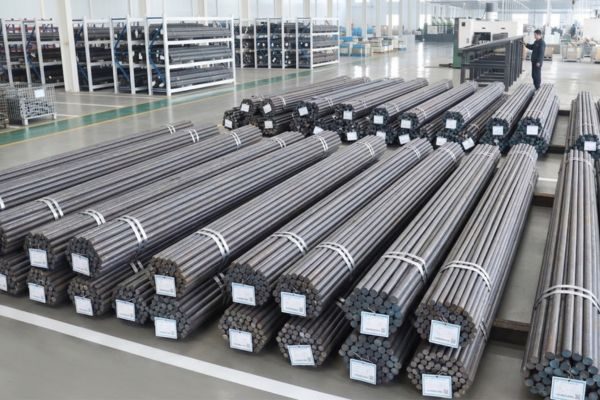
Raw Material Area

Raw Material Check

We inspect the steel material before production to keep size, strength, and surface quality under control from the start.

hydraulic fittinf material cutting

Cutting

The raw material is cut into the right size for each fitting type to support accurate follow-up machining.

CNC roboto arm Manufacture

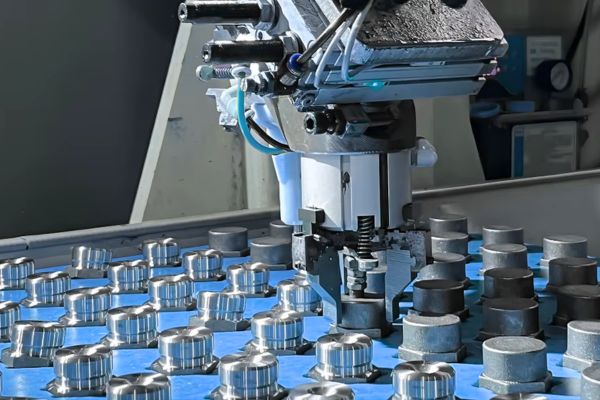
CNC Machining

Each fitting body is machined on CNC equipment to keep dimensions stable and improve thread accuracy.

CNC thread machining hydraulic fitting

Thread Machining

Threads are processed carefully so the fitting can connect correctly and seal better in hydraulic systems.

6. fitting galvanize Topa

Surface Treatment

The fittings go through surface treatment to improve corrosion resistance and keep a cleaner product finish.

dimension Test Topa

Inspection and Packing

Finished fittings are checked before packing to reduce quality risk and support safer delivery.

See How Hydraulic Hose Fittings Are Made

Our hydraulic hose fitting production process is built to support stable dimensions, accurate threads, and reliable sealing performance in daily hydraulic applications.

Every step is arranged to reduce machining error, improve fitting consistency, and help customers get products that are easier to assemble and more dependable in use.

This video shows the real machining process behind our hose fittings, from raw material preparation to cutting, CNC machining, thread processing, surface treatment, inspection, and packing. 

It gives you a clearer view of our production capability, quality control workflow, and batch consistency, so you can better understand how we support replacement orders, distributor stock, and custom fitting projects.

Hydraulic Fitting Quality Check

Each hydraulic fitting is checked through a series of inspection and testing procedures to ensure consistent performance, reliable sealing, and long service life in hydraulic systems.

hardness test Topa

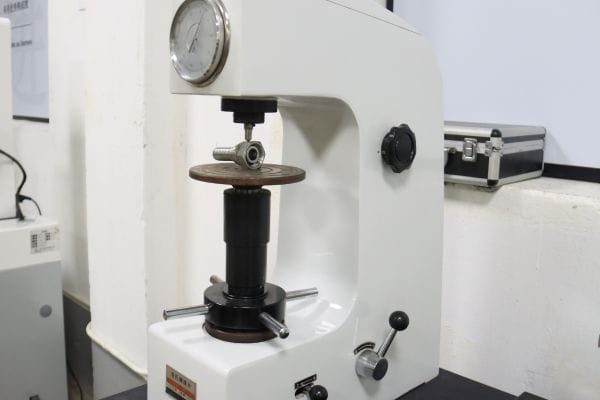
Hardness Testing

Material hardness is tested to ensure the fitting has the required strength and durability. Proper hardness helps prevent deformation, cracking, or failure under high-pressure working conditions.

dimension Test Topa

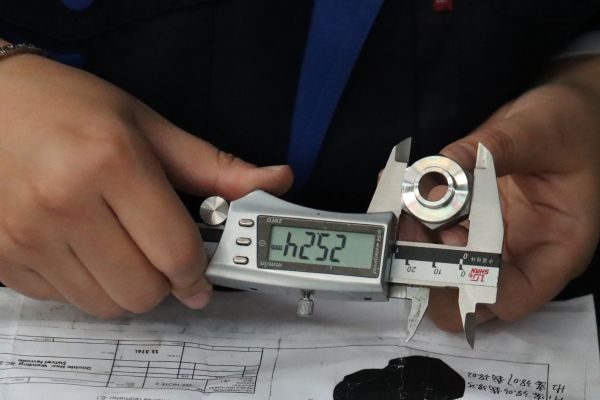
Dimensional Inspection

Key dimensions such as thread size, hose tail diameter, and overall length are measured using precision tools. Accurate dimensions ensure proper assembly and compatibility with hydraulic hoses and adapters.

Spectrometer Topa

Surface Roughness Testing

Surface roughness is inspected to ensure proper sealing performance. A controlled surface finish helps reduce leakage risks and improves connection reliability.

profile projector test Topa

Profile Inspection

Profile testing is used to verify the shape and angle of threads and sealing surfaces. This ensures that each fitting matches standard specifications such as JIC, BSP, or ORFS connections.

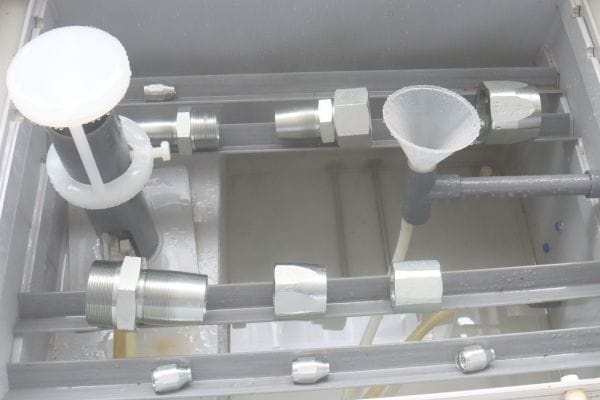
Hydraulic Fitting Salt Spray Test

Salt Spray Testing

Salt spray testing evaluates corrosion resistance of the plated surface. This helps ensure the fittings can perform reliably in humid, outdoor, or harsh operating environments.

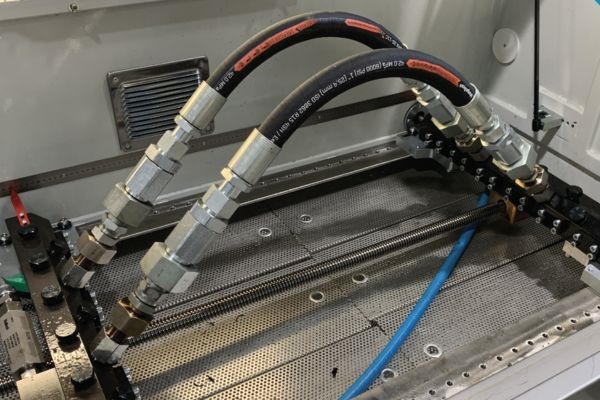
burst Test

Burst Pressure Testing

Burst testing is conducted on selected samples to verify pressure resistance. This ensures the fittings can withstand high-pressure conditions without failure.

Our Services

Services We can Help
You With

Wide Product Range

Over 1,000 types of hydraulic fittings, covering Metric, JIC, BSP, BSPP, NPT, and ORFS threads.

Customization

Tailored solutions for size, material, appearance, packaging, and branding logo.

Quality Control

Products meet international standards like ISO, SAE and CE for durability and performance.

Fast Delivery

Advanced production capabilities ensure quick turnaround times for large orders.

Eco-Friendly Materials

Use of lead-free metals and environmentally sustainable materials.

Global Service Coverage

Extensive export experience to markets like North America, Europe, and Asia.

Reliable After-Sales Support

Comprehensive technical assistance and problem-solving services.

Competitive Pricing and Discount

Topa offers the best prices and discounts for bulk orders!

FAQ

How can I tell BSPP and BSPT hydraulic fittings apart?

BSPP has parallel threads and usually seals with an O-ring or bonded seal, while BSPT has tapered threads and seals through thread interference.

What is the difference between JIC 37° and SAE 45° fittings?

JIC 37° and SAE 45° use different flare angles, so they may look similar but cannot seal correctly with each other.

When should I use ORFS fittings?

ORFS fittings are a better choice for high-pressure systems, strong vibration, and applications where leak prevention matters more.

How do I choose between one-piece and two-piece hose fittings?

One-piece fittings are easier for standard hose assembly, while two-piece fittings give more flexibility for matching different hose types.

Which hose fittings are better for on-site repair?

Reusable hose fittings are often better for on-site repair because they can be installed without a crimping machine.

Can I use the same fitting for braided hose and spiral hose?

No, braided hose and spiral hose often need different fitting designs because their structure, wall thickness, and pressure level are not the same.

What information should I provide if I do not know the fitting type?

You should send a clear photo, thread size, thread pitch, hose outer diameter, and the machine application for faster matching.

Why do hydraulic hose fittings leak even when the thread looks correct?

A fitting can still leak if the sealing surface, flare angle, or thread type does not match the connected part.

Are one-piece crimp fittings suitable for replacement applications?

Yes, one-piece crimp fittings are widely used in replacement applications because they help reduce assembly error and improve consistency.

Can you customize hydraulic hose fittings for special applications?

Yes, custom hydraulic hose fittings can be made based on your drawing, sample, thread standard, or hose assembly requirement.

Need Help Matching Your Hose Fitting?

Send us your drawing, sample, or fitting photo for fast matching and quotation.

hydraulic hose fitting catalog

Contact Topa

Save 30% on maintenance costs with our easy-install hydraulic fittings. Contact Now!