Hydraulic Hose Manufacturer in China

Factory-Backed Hydraulic Hose for Global Buyers. One Source for Hydraulic Hose, Assemblies, and Custom Supply.

Product List

Topa stocks a comprehensive selection of hoses, including the R1 to R17 series and more, to meet your specific requirements. Click on the images below to explore detailed product features and specifications. Are you looking for something unique? We support full customization to ensure our products align perfectly with your operational needs.

R1

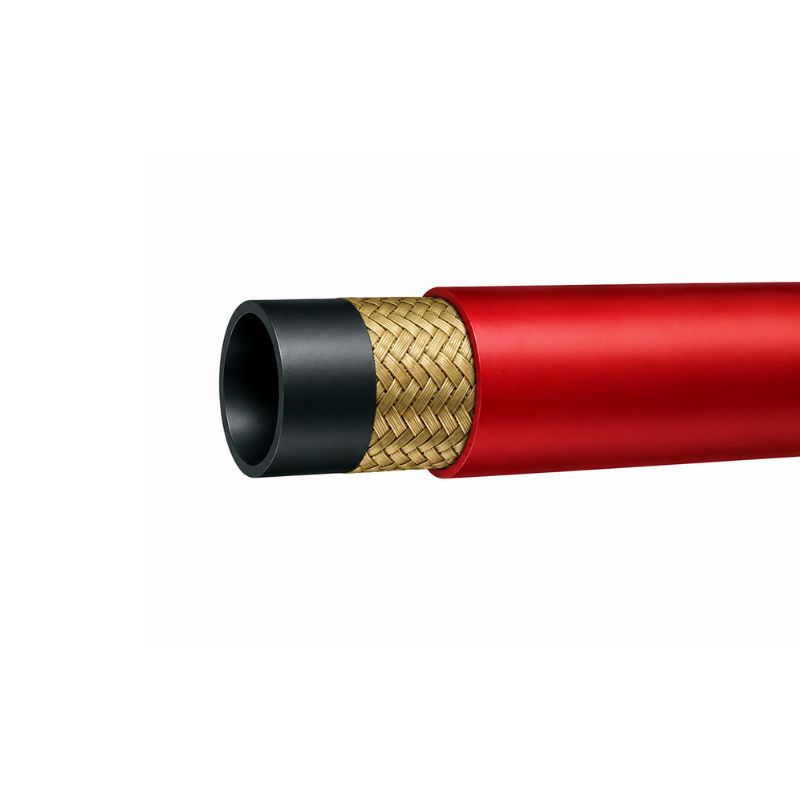
1-steel wire braid hose, used with crimp or attachable fittings

R2

2-steel wire braid hose, used with crimp or attachable fittings

R3

2-textile wire braid hose, used with crimp or attachable fittings

R4

Multiple layers of fiber braid and one heilcal wire hose, used with crimp or attachable fittings

R5

One high tensile steel wire braid hose, used with crimp or attachable fittings

R6

R6 hoses used for water-based hydraulic fluids in the temperature range of -40°C to +100°C

R7

One textile thread braid, also available for double-row tubes.

R8

Two-textile wire braid hose wrapped in weather-resistant thermoplastic material

R9

4-steel wire spiral, for very high pressure 4000psi heavy-duty equipment

R12

4-steel wire spiral no-skive hydraulic hose, Impulse cycle is 400,000

R13

4/6-steel wire spiral hose, maximum working pressure 350 bar

R14

Stainless steel braided teflon hose has Smooth bore and convoluted.

R15

Maximum working pressure up to 420 bar, six layers of steel wire-wound hose

R16

2-steel wire braid hose with half bend radius (compared to 100R2)

R17

3,000 PSI 1-steel wire braid hose with half bend radius (compared to 100R1)

4SH

Maximum working pressure up to 420 bar, four layers of steel wire-wound hose

4SP

Four high tensile steel wire spiral layers hose with high quality

Steam Hose

Steam hoses can withstand high temperatures and climate changes

Brake hose

The brake hose is made of PTFE, which is crack resistant, corrosion-resistant, and will not expand

A/C hose

Air conditioning ducts are used in the temperature range of -40°C ~ +135°C

Fuel hose

The precision-engineered fuel hose is capable of safely handling a wide range of petroleum-based fuels.

Application

Hoses are the lifeline of countless industries, serving as essential components in systems that require fluid power to function efficiently. From powering heavy construction equipment to ensuring precision in industrial automation, these hoses are engineered to deliver reliable performance under demanding conditions. Whether lifting heavy loads, harvesting crops, automating production lines, or maintaining vehicle systems, Topa’s hoses are tailored to meet the diverse needs of modern industries.

Agriculture Hydraulics Topa

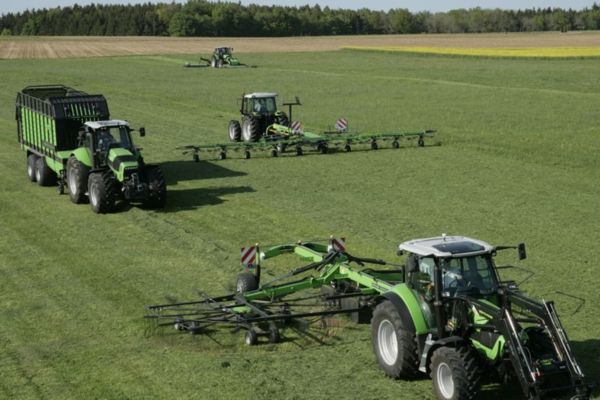
Agriculture

In agriculture, hoses optimize the performance of machinery like tractors, harvesters, and irrigation systems. They provide the necessary fluid power for tasks such as steering, cutting, and water distribution. Their durability and flexibility allow them to perform reliably in dusty and muddy conditions, making them a trusted solution for farmers.

Construction Hydraulic hose Topa

Construction

Hoses are indispensable in construction, powering essential equipment such as excavators, cranes, and bulldozers. They transfer hydraulic fluid to enable precise control of movements like digging, lifting, and steering. Designed to withstand extreme pressure and resist abrasion, these hoses ensure reliable operation even in challenging outdoor conditions.

Topa hydraulic fitting industry supplier in china

Industry

Hoses are vital for industrial manufacturing, powering assembly lines, hydraulic presses, and material handling equipment. These hoses ensure precise control of robotic arms and machinery under intense heat and pressure, making them essential for maintaining efficiency in automated systems.

transportation Hydraulic hose Topa

Transportation

Hoses play a crucial role in the transportation sector, enabling smooth operation of brake and suspension systems in vehicles, as well as hydraulic couplers in railways. Built to withstand vibrations, heat, and prolonged wear, these hoses are designed for safety-critical, high-performance systems that ensure reliability in motion.

How to Choose the Right Hydraulic Hose

A hydraulic hose should not be selected by model name alone. Buyers need to check pressure, impulse conditions, media compatibility, temperature range, routing space, and fitting connection before confirming the correct hose type and assembly solution.

Check Working Pressure First

Start with the maximum system pressure. The hose must safely handle normal working pressure with enough safety margin for daily operation.

Then Check Impulse Conditions

Some systems do not run at steady pressure. If your machine has frequent pressure shock, vibration, or fast cycling, the hose structure becomes very important.

What Buyers Should Prepare Before Inquiry

A clearer inquiry helps the supplier recommend the right hose faster and reduces back-and-forth.

Check Media Compatibility

The inner tube material must suit the fluid passing through the hose. A hose that works for standard hydraulic oil may not be suitable for every chemical or fluid type.

Confirm Temperature Range

Temperature affects rubber flexibility, pressure performance, and service life. Both ambient temperature and fluid temperature should be checked.

Common Selection Mistakes

One-Stop Hose Assembly Supply for Bulk and Custom Orders

You do not need bulk hose only. They also need compatible fittings, matched ferrules, controlled crimping, finished hose assemblies, pressure testing, marking, labeling, and export packing. This section helps customers quickly understand your hose assembly capability before inquiry.

Complete Hydraulic Hose Assembly Service

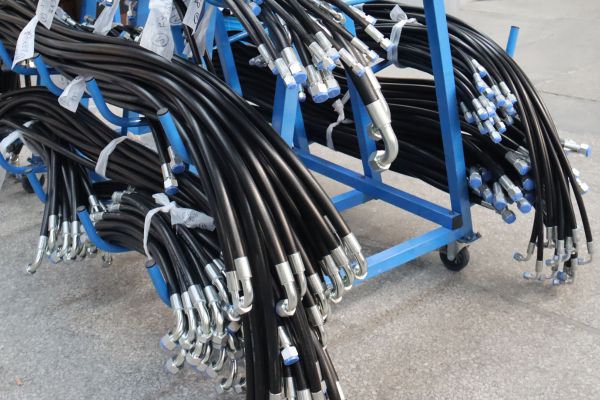
We support hydraulic hose assembly production from hose selection to fitting matching, crimping, testing, marking, and final export packing. Buyers can source hose, fittings, ferrules, and finished assemblies from one supplier instead of coordinating with multiple vendors.

Fitting Matching

Support BSP, NPT, JIC, ORFS, Metric, and other common connection standards.

Assembly Production

Bulk hose, cut length, crimped assembly, and sample-based custom production.

Controlled Crimping

Crimping parameters managed by hose type, fitting type, ferrule size, and assembly structure.

Testing Support

Pressure test and finished assembly inspection before shipment.

Crimping hydraulic hoses

Hose + Fittings + Ferrules in One Order

We help buyers source the full assembly set instead of ordering each component separately.

Crimping Control and Length Tolerance

Buyers care about repeatability. Crimping and total length need to stay consistent in batch orders.

Finished Assembly Pressure Testing

The customer often wants more than component supply. They want confidence in the finished assembly.

Custom Marking, Labeling, and Packing

We also support practical order details that matter in resale and project delivery.

Ask Us about Our Products

At Topa, we offer all types of hoses! Request a free quote from us today!

All You Need to Know About Hydraulic Hose

At Topa, our hoses are designed to deliver unmatched reliability and performance in demanding industrial environments. Built with advanced materials and innovative engineering, our products address the most critical challenges faced by industries today. Whether you need durability, customization, or adaptability, Topa’s hoses offer a solution that ensures seamless and efficient operations across a wide range of applications.

 High-Pressure Durability

Our hoses are reinforced with multiple layers of high-tensile steel braiding or spiral construction, enabling them to withstand extreme pressures of up to 6000 PSI. This makes them ideal for heavy-duty applications where reliability is critical. With their robust construction, these hoses minimize the risk of system failures, downtime, and costly repairs, ensuring uninterrupted operations even in the harshest conditions.

Customizable Solutions

Topa offers hoses tailored to your exact specifications, including length, diameter, fittings, and pressure ratings. This customization ensures that our hoses integrate seamlessly with diverse hydraulic systems, eliminating the need for additional modifications. By providing perfectly matched components, we help you save time, improve efficiency during installation, and meet the unique requirements of your project.

Explosion Resistance 

Safety is paramount, which is why our hoses are crafted from high-quality rubber and advanced materials that exceed industry safety standards. Designed to resist sudden bursts or cracks under extreme pressure or fluctuating temperatures, our hoses enhance operational safety and extend the lifespan of your hydraulic systems. This reduces

Topa Hydraulic hose types

Hydraulic Hose Structure and Dimension Guide

Hoses are engineered with a sophisticated multi-layer structure designed to deliver exceptional performance and durability under demanding conditions. Understanding the structure and working principle of hoses is key to appreciating their reliability and versatility in fluid power systems.

STAMP method sizes Topa

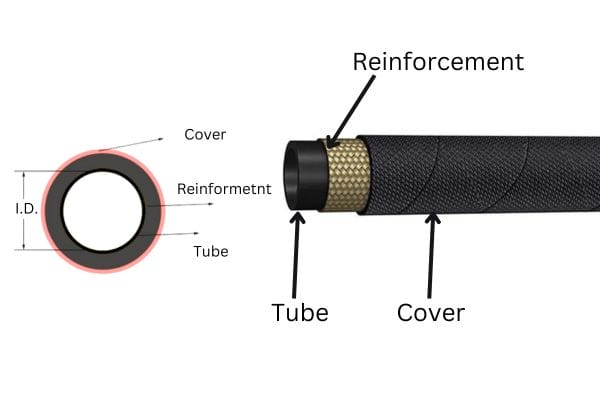
Hydraulic Hose Cross-Section Structure

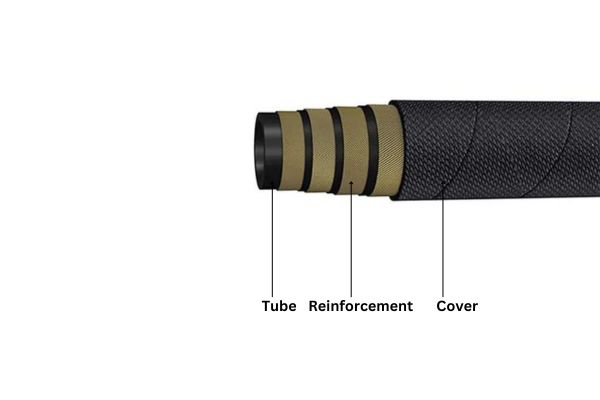
This diagram helps customers quickly understand the basic hose layer structure. It is useful for explaining what is inside the hose and why reinforcement type matters in pressure applications.

Hydraulic Hose Spiral Layer vs braid layer

Braided Hose vs Spiral Hose

Buyers often know the hose model but do not clearly understand the reinforcement difference. This diagram makes the structure difference visible and supports faster model selection.

different types of hydraulic hoses Topa

Smooth Cover vs Wrapped Cover

Cover type affects appearance, wear behavior, flexibility, and product positioning. Some buyers only know the hose standard, but they also want to confirm the outer cover type before placing an order.

High Pressure Hose Assembly Failure

Hydraulic Hose Assembly Structure

Many customers do not buy bulk hose only. They need a clear view of how hose, ferrule, and fitting work together in a finished hose assembly.

Industrial hose sizes

Key Size Diagram: ID, OD, Bend Radius, and Length

Buyers need this part very much. It helps them understand which dimensions should be confirmed before asking for quotation or matching a replacement hose.

Hoses Structure and Working Principle

Hoses are engineered with a sophisticated multi-layer structure designed to deliver exceptional performance and durability under demanding conditions. Understanding the structure and working principle of hoses is key to appreciating their reliability and versatility in fluid power systems.

Multi-Layer Hydraulic hoses

Multi-Layer Structure

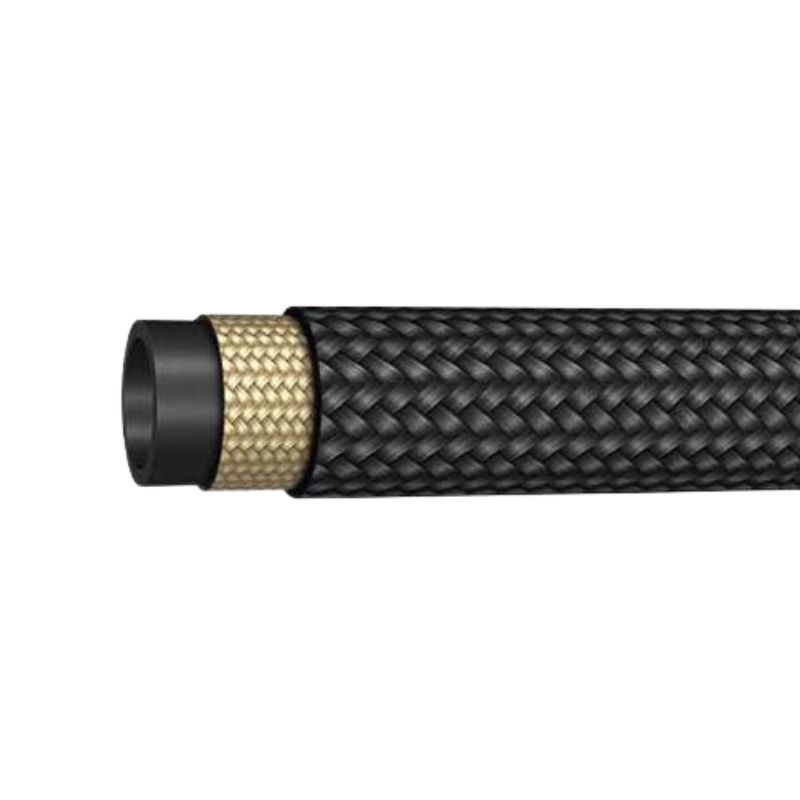
Hoses consist of three primary layers, each serving a specific purpose:

Inner Tube:

Material: The inner tube is typically made from oil-resistant synthetic rubber or thermoplastic materials.

Function: It serves as the core of the hose, ensuring compatibility with various hydraulic fluids, such as oil, water, and synthetic-based solutions.

Benefit: Prevents fluid leakage and maintains consistent flow under high pressure.

Reinforcement Layer:

Material: Multiple layers of high-tensile steel wire braiding or spiral wrapping.

Function: This layer provides strength and the ability to withstand extreme pressures, ensuring the hose remains functional even under heavy loads.

Benefit: Prevents deformation, bursting, and wear during prolonged use.

Outer Cover:

Material: Made from weather- and abrasion-resistant synthetic rubber or thermoplastic.

Function: Protects the hose from external environmental factors such as UV rays, chemicals, moisture, and physical wear.

Benefit: Extends the hose’s lifespan and ensures reliable performance in harsh conditions.

Working Principle

Fluid Flow
At the heart of a hydraulic system lies the hydraulic fluid, often specialized oil or fluid designed for high-pressure applications. This fluid is pumped into the hose by the system’s hydraulic pump. The hose then channels the fluid to specific components, such as hydraulic actuators, motors, or cylinders, which are responsible for executing the required mechanical tasks.

Energy Transfer
The hydraulic system’s core functionality lies in its ability to convert hydraulic pressure into mechanical energy. As the fluid flows through the hose, it exerts pressure due to the force applied by the hydraulic pump. This pressurized fluid interacts with actuators or motors, generating the mechanical force necessary to perform various tasks. Whether it’s lifting a massive load, cutting through tough materials, or moving heavy machinery components, the system’s efficiency and reliability hinge on the seamless energy transfer facilitated by the hose.

Safety Assurance
Hoses are constructed with a multi-layer design that combines inner tubes, reinforcement layers, and outer coverings. This robust structure ensures the hose can withstand sudden pressure spikes, vibrations, and external abrasions without leaking or bursting. Additionally, the quality of materials used in the hose construction, such as reinforced steel wire or high-strength fibers, plays a vital role in maintaining the system’s integrity.

Hydraulic hose components design Topa

Hydraulic Hoses Video

Step inside our world of excellence with this exclusive video showcasing the precision engineering that goes into crafting every Topa hose. From raw material selection to the final inspection, the video provides a comprehensive view of our state-of-the-art production facility.

Our hoses are available in various sizes, pressure ratings, and materials, and we pride ourselves on our ability to customize products to your exact specifications. Whether you need tailored lengths, specific fittings, or branding options, Topa delivers with precision. Our products come with internationally recognized certifications, such as ISO 9001 and CE, ensuring quality and compliance with global standards.

Click below to watch the video and discover why industries across the globe rely on Topa. Contact us today for a free quote or sample!

Inner Tube Construction

The inner tube is the core of the hose and plays a critical role in fluid transmission. It is extruded using advanced machinery to create a smooth, seamless surface that minimizes flow resistance and prevents leakage. The material is chosen based on its ability to withstand the type of hydraulic fluid used, whether oil-based, water-based, or synthetic.

Reinforcement Layer Application

To handle high-pressure conditions, one or more reinforcement layers are added over the inner tube. These layers are made of braided or spiraled steel wire or textile yarn, providing the strength needed to withstand extreme pressure and prevent the hose from bursting. The number and type of reinforcement layers depend on the pressure rating and intended application of the hose.

Outer Covering

The outer cover is applied over the reinforcement layer to protect the hose from external damage such as abrasion, weather conditions, and exposure to chemicals. It is typically made of synthetic rubber or thermoplastic, designed to endure tough operating environments while maintaining flexibility and durability.

Assembly and Curing

Once all layers are constructed, the hose undergoes a curing process to ensure the materials are bonded securely and achieve the required flexibility and strength. This is often done through vulcanization, where heat and pressure are applied to enhance the hose’s structural integrity and performance.

How Are Hydraulic Hoses Made

How Are Hydraulic Hoses Made

How to Customize Hose

1. Hydraulic Hose Types

Hoses come in various types, from R1 to R17, each designed for specific pressure ranges and applications. For instance, R1 and R2 hoses are ideal for medium to high-pressure systems, while R12 and R17 are suited for extremely high-pressure applications. Understanding the required pressure and application will help determine whether you need a braided (R1, R2) or spiral (R12, R13) structure, ensuring durability and efficiency.

Customize Hose Colors

2. Pressure Requirements

Pressure is a critical factor when customizing a hose. Ensure the hose can handle the maximum operating pressure of your system, along with potential pressure surges. Selecting the wrong pressure rating can lead to leaks or bursts, compromising safety and system performance. Always consult with a hydraulic expert to match the hose with your pressure needs.

3. Material and Environmental Compliance

The material of the hose should be compatible with the fluid being transported and the operating environment. Options like synthetic rubber, thermoplastic, or PTFE are common. Additionally, consider eco-friendly materials if sustainability is a priority. Selecting environmentally compliant materials not only supports green initiatives but also meets regulatory standards in various markets.

4. Custom Logo

Custom branding adds value and professionalism to your hoses. You can choose between embossed logos, which are durable and elegant, or film-coated logos, which allow for vibrant, detailed designs. Embossing offers longevity under harsh conditions, while film coating provides flexibility for intricate branding.

5. Outer Cover

The outer layer of the hose can be customized to a smooth or fabric-textured finish. Smooth finishes are easier to clean and ideal for environments where hygiene is a priority, while fabric finishes provide better grip and resistance to abrasion. Your choice should align with the operating conditions and aesthetic preferences.

6. Minimum Order Quantity

Customization often requires a minimum order quantity to ensure production efficiency. For hoses, the MOQ is typically 200 meters. This threshold allows for optimal manufacturing processes while offering flexibility to meet specific client needs. Bulk orders may also qualify for cost benefits.

Avoid Common Pitfalls

When purchasing hoses, it’s easy to encounter challenges that can lead to costly downtime, safety risks, or system inefficiencies. At Topa, we understand these issues and offer solutions designed to address them proactively. Our commitment to quality, customization, and service ensures that you get reliable products that meet your exact needs, avoiding the common pitfalls buyers often face.

Poor-Quality Materials

Using hoses made from substandard materials can result in frequent replacements, safety hazards, and operational disruptions. Topa guarantees the use of premium materials, such as high-tensile steel reinforcements and oil-resistant rubber, to deliver durable and reliable hoses that withstand demanding applications.

Inadequate Pressure Ratings

Incorrect pressure ratings can cause hoses to burst, leading to downtime and equipment damage. With Topa, you’ll receive hoses that are thoroughly tested to handle pressures up to 6000 PSI, ensuring safety and optimal performance for your hydraulic systems.

Lack of Customization

Standard hoses may not fit specific applications, causing installation issues and inefficiencies. Topa offers fully customizable solutions, including tailored lengths, diameters, and fittings, so you get a perfect fit for your system without unnecessary adjustments.

REQUEST A QUOTE FOR MORE DETAILS

Choose Topa

See Our Production, Inspection, Storage, and Delivery Capability

Buyers want more than product descriptions. Real factory photos, production scenes, inspection areas, warehouse stock, shipping preparation, and export market coverage help build trust before inquiry.

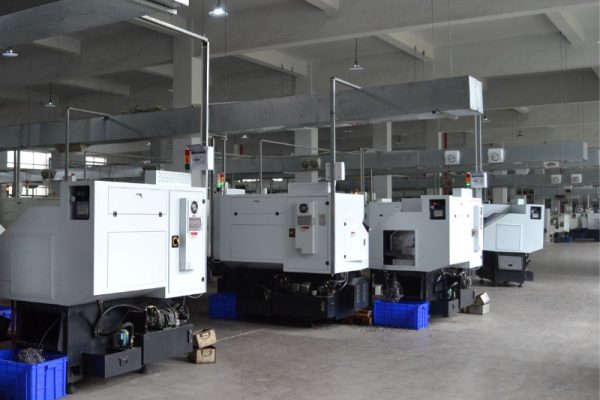
CNC machines Topa

Factory View

Show your real factory building, workshop environment, and production capacity to help customers understand your actual manufacturing base.
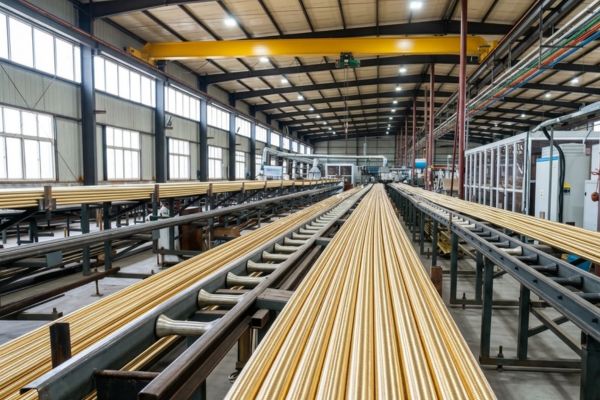
Hydraulic hose product line

Production Line

Display hose production, reinforcement processing, crimping, or assembly line photos so buyers can see how orders are handled.

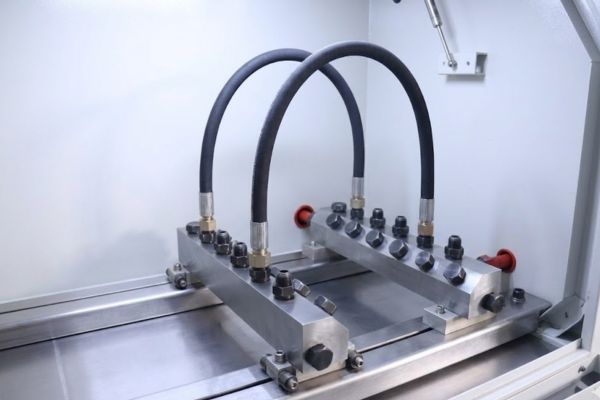
Hydraulic hose burst test

Testing and Laboratory Area

Add pressure testing, inspection tools, and laboratory photos to show that hose and assemblies are checked before shipment.
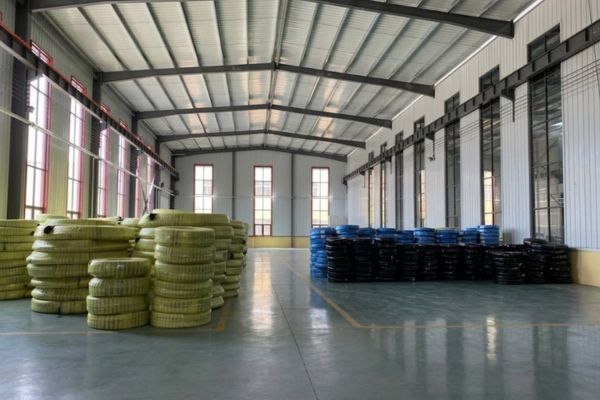
Hydraulic hose warehouse

Warehouse and Inventory

Warehouse photos help buyers judge stock condition, material organization, and your ability to support repeat or urgent orders.
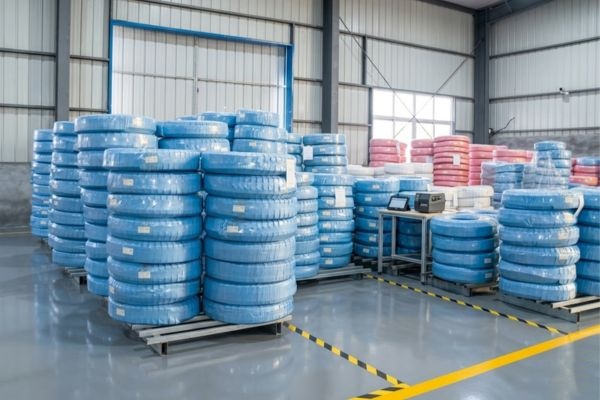
Hydraulic hose package

Export Packing

Show cartons, pallets, labels, and shipping preparation to prove that products are packed properly for international transport.
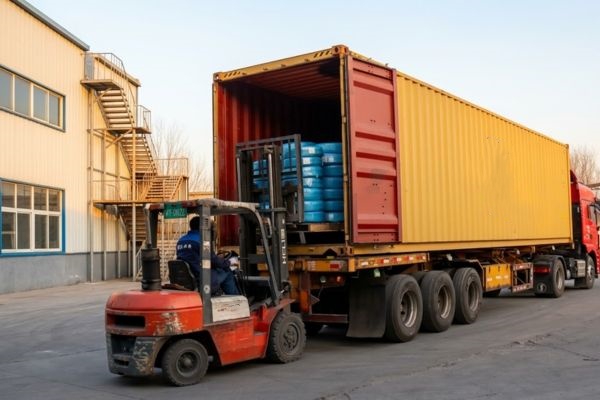
Hydraulic hose transportation

Global Customer Markets

Add market coverage proof to show that your hydraulic hose products have been supplied to different regions and industries.

Choose Topa

More Than Just a Hydraulic Hoses Manufacturer

Custom Hydraulic Design

Your challenges inspire our solutions. Whether it’s specialized hoses or unique fitting configurations, our team collaborates with you to create components that address your specific system needs with precision and expertise.

Personalized Services

At Topa, every customer is unique, and so are our solutions. We provide tailored products and services to align with your system requirements, ensuring that your operations run efficiently and effectively.

Flexible Order Quantities

We understand the dynamics of your business, from tight budgets to varying project scales. That’s why we offer flexible order sizes, with no minimum order requirements, ensuring you get exactly what you need without constraints.

Installation Guidance

Our experienced engineering team is here to assist you from concept to completion. Whether it’s product selection, customization advice, or installation support, Topa ensures a seamless and efficient experience for your business.

Frequently Asked Questions

What hose is best for high-temperature environments?

Choose a hose rated for your actual fluid and ambient temperature, and add heat protection if the hose runs near strong heat sources.

How can I prevent hose cracking in cold climates?

Use a hose designed for low-temperature flexibility and avoid installing or bending it when the hose is too cold and stiff.

Which hose is better for high-impulse equipment?

Spiral hose is usually better for high-impulse and severe-duty systems because it handles repeated pressure shock more effectively.

What should I do if installation space is limited?

Choose a hose with a smaller bend radius and confirm the correct fitting angle to avoid over-bending in tight spaces.

Why does the hose cover wear out too fast?

Fast cover wear is usually caused by friction, vibration, or rough routing, so you may need a more abrasion-resistant cover or added protection.

How do I know if the hose is compatible with my fluid?

Check that the hose inner tube material matches your specific fluid, temperature, and concentration before ordering.

How can I reduce hose aging during sea shipping and storage?

Use sealed export packing and keep the hose away from sunlight, moisture, and long-term high heat during storage.

Should I buy bulk hose or finished hose assemblies?

Buy bulk hose if you assemble locally, and choose finished assemblies if you want ready-to-install products with matched fittings.

What information should I send for faster hose matching?

Send the hose size, pressure, length, fluid type, fitting standard, application, and quantity for quicker matching.

Why can a hose fail early even if the pressure rating looks correct?


A hose can still fail early because of pressure spikes, wrong bend radius, heat, fluid mismatch, abrasion, or poor assembly.

Request a Hydraulic Hose Quote

Fill in the key hose details below so we can recommend the right model, fitting option, and quotation faster.

Hydraulic hose catalog Topa

Contact Topa

Save 30% on maintenance costs with our easy-install hydraulic fittings. Contact Now!