NPT Hydraulic Fitting Manufacturer in China

NPT & NPTF Fitting Options
Mixed-SKU Supply
OEM & Private Label Support
Consistent Batch Quality

Product List

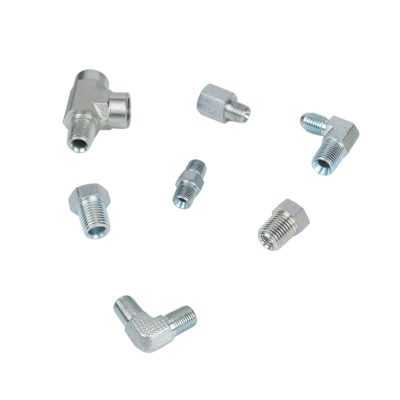
Topa has a martial of carbon steel, stainless steel, and brass for high-pressure applications. We have types not limited to NPT male, NPT female, NPT female to male, bushing, and NPT bulkhead fittings. At Topa, we pride ourselves on offering a comprehensive range of NPT hydraulic fittings to meet the diverse needs of our customers. Whether you require straight, elbow, tee, or coupling fittings, we provide high-quality products in various sizes, shapes, and materials to suit your specific applications. With our vast inventory, customizable options, and fast delivery, we are ready to support your hydraulic system requirements. 

Reusable NPT Fitting

15618 hydraulic reusable NPT thread pipe fitting, made of stainless steel and carbon steel.

NPTF Hydraulic Fittings

NPTF hydraulic fittings have NPTF connections at one or several ends. While NPTF threads can create a seal directly.

NPT to ORFS Hydraulic Fitting

ORFS to NPT Male Female fittings, with different threads at both ends, can effectively seal hydraulic hoses for gas or fluid delivery.

NPT to Flange Hydraulic Fitting

NPT to flange hydraulic fitting For connection to NW/KF flange system, with NPT internal and external threads, carbon steel, stainless steel materials are available, for conveying water-based fluids.

NPT to JIC Adapter

Adapter has NPT thread at one end and JIC thread at the other end. It can be connected to different male and female connectors. It is used in agricultural machinery, manufacturing, etc.

BSPP to NPT Adapter

BSPP to NPT adapter, different threads on both ends, with O-ring seal, strong and leak-proof, with good durability.

NPT to Metric Adapter

NPT thread to metric thread hydraulic pipe adapter, made of carbon steel and stainless steel,

NPT Male to Female Fitting

Hydraulic fitting NPT thread, one end is male, one end is female, straight, 45°, 90°, when connecting with female thread, it is recommended to use sealing tape to achieve sealing, for gas or fluid delivery.

NPT Male Fitting

NPT male hydraulic fittings are available in multiple thread sizes and configurations for hydraulic hose and adapter connections.

Female NPT Fitting

NPT female hydraulic fitting is a fitting that is widely used in hydraulic system, it is used to connect the fitting with female thread, and it is easy to install.

NPT Hydraulic Adapter

NPT Hydraulic fitting is made of carbon steel, stainless steel, used in high pressure hydraulic system, with good strength.

Tee and Cross

NPT tee and cross fitting can combine or separate fluids, connect multiple different pneumatic hydraulic parts, and achieve the effect of fast fluid transportation.

NPT Bend Hydraulic Fitting

NPT bend hydraulic fitting A variety of threads at both ends, a variety of sizes, connecting different mechanical equipment, high quality, high performance.

NPT Brass Hydraulic Fitting

NPT brass hydraulic fittings are made of brass with NPT (National Pipe Tapered) threads. For applications where low to medium pressures are present in the fluid line.

Garden Hose to NPT Adapter

The garden hose to NPT adapter, one end is garden hose thread connection (GHT) and on the other end, it is National Pipe Taper (NPT) connection.

NPT to Hose Barb Adapter

Npt to hose barb adapter can be selected from various materials, brass, stainless steel, carbon steel, not easy to corrode, widely used

NPT Plug

NPT plug adapters are manufactured from high quality carbon steel for threaded ends to prevent dirt contamination, easy installation and quick disassembly.

SAE ORB to NPT hydraulic adapter

SAE ORB to NPT Adapter

SAE orb to NPT adapter with O-ring, NPT male and female Brass, carbon steel various materials, classic tapered thread joint for mining, elevator and other large machinery industries.

NPT hydraulic bulkhead fitting supplier

Bulkhead Fitting

NPT bulkhead hydraulic adapter is specially designed for connecting pipes to pass through panels or steel barricades.

NPT hydraulic stainless steel fitting

Stainess Steel NPT Fitting

NPT stainless steel fittings, as the name suggests, are stainless steel fittings with NPT threads. Thread sealant must always be used to achieve a leak-free seal.

NPT Hose Fitting

15611 NPT hose fitting, male NPT thread, for use with hydraulic hoses.

NPT Hydraulic Fittings Video

Discover the versatility and reliability of our NPT hydraulic fittings through this comprehensive video demonstration. This video showcases a wide variety of NPT fittings, including straight, elbow, tee, and coupling types, designed to meet the demands of different hydraulic systems. Each fitting is carefully manufactured with a tapered thread design to ensure a secure, leak-free seal, making them suitable for high-pressure and high-temperature applications across industries.

Take a closer look at the precision machining and high-quality standards that make our NPT hydraulic fittings stand out. From reliable sealing to customizable options, our fittings are engineered for efficiency and durability. Send us your NPT fitting part numbers, specifications, quantities, or SKU list, and our team can help review your requirements and prepare a suitable supply proposal.

Application

NPT hydraulic fittings are widely used in hydraulic hose assemblies, mobile equipment, construction machinery, transportation systems, waste-handling equipment, and industrial fluid systems. TOPA supplies these products for distributors, hose assembly businesses, OEM programs, and recurring industrial purchasing requirements.

NPT hydraulic fittings manufacturer application

Transportation

NPT hydraulic fittings are widely used in transportation, such as vans, trucks, and other large transport vehicles, it can make the vehicle has a large load capacity and hydraulic lifting function, can be completed lifting without equipment loading and unloading of goods.

NPT hydraulic fittings factory application

Construction

The construction industry involves NPT hydraulic fittings. NPT hydraulic fittings use fluid as a medium to transmit power or pressure to the moving parts, so there is no need to use mechanical connections, which can reduce the pressure on the mechanical parts, to extend the use of the machine.

NPT hydraulic fittings suppler application

Refuse and Waste

The use of NPT hydraulic fittings to refuse can process and increases efficiency, makes it easier to load and transport solid waste, reduces wear and tear on engines, decreases maintenance costs, saves fuel, and can increase the efficiency of recycling operations.

Planning an NPT Fitting Order?

Don't wait, contact our team for a personalized quote and fast delivery to keep your business running smoothly!

Features of Hydraulic NPT Fittings

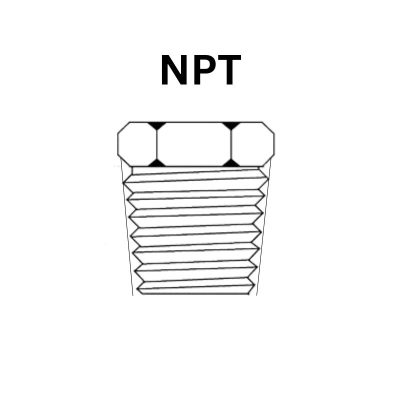
NPT stands for National Pipe Taper and is a widely used tapered pipe thread standard in the United States. Its tapered design allows the male and female threads to tighten progressively as they are assembled, helping create a secure connection. NPT threads are commonly used in hydraulic, pneumatic, and general fluid-transfer systems.

Unlike straight threads that typically rely on an O-ring or sealing face, NPT connections seal through thread interference together with an appropriate thread sealant. Because repeated assembly and disassembly can affect the sealing surfaces, NPT fittings are generally better suited to connections that do not require frequent removal. The actual sealing performance and pressure capability depend on the thread size, fitting material, installation method, sealant, and the rated specification of the fitting.

Features

Hydraulic NPT fittings are an essential component in fluid and gas systems, offering a reliable, pressure-tight seal for a wide range of hydraulic applications. These fittings are commonly used in machinery, heavy equipment, and industrial systems due to their ease of installation and secure connection. The following are key features of Hydraulic NPT Fittings:

Tapered Threads: NPT fittings have a unique tapered thread design that allows for a self-sealing connection when tightened. The thread’s taper increases the pressure on the seal, which ensures a leak-free fit.

Material Variety: These fittings can be made from various materials such as stainless steel, brass, carbon steel, and more, depending on the specific application and required resistance to corrosion, high pressure, and temperature.

Customizable Sizes: NPT fittings come in a wide range of sizes, allowing flexibility in meeting the requirements of different hydraulic systems.

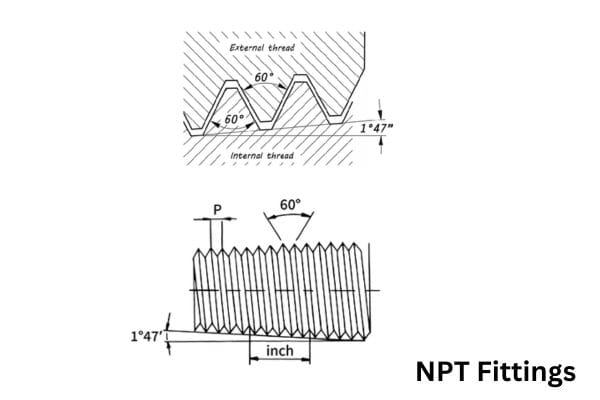
Thread Profile: The NPT thread has a 60-degree angle, which helps create the tight, secure seal needed for hydraulic systems. The combination of tapered threads and precise machining provides superior sealing performance.

NPT Fittings sizes
NPT fitting guide Topa

Operating Principle

The operating principle of hydraulic NPT fittings relies on the tapered thread design. When two NPT fittings are screwed together, the threads’ taper increases the contact surface area and causes the threads to deform slightly, which results in a pressure-tight seal. Here’s how it works:

Sealing Action: As the male and female threads are tightened, the threads deform and create a tight seal against each other. This taper ensures that, as the fitting is torqued, the joint becomes progressively tighter, allowing the fitting to withstand higher pressures without leaking.

Sealing Compound: To enhance the sealing properties, hydraulic NPT fittings are often used with sealing compounds like Teflon tape or thread sealant paste, especially in high-pressure or high-temperature applications.

Application in Hydraulics: NPT fittings are primarily used in systems where fluids or gases are carried under high pressure, ensuring safe and efficient operation.

Advantages of NPT Fittings

Hydraulic NPT fittings are renowned for their exceptional sealing capabilities and versatility, making them a cornerstone in fluid and gas systems. Designed with a tapered thread structure, they ensure a reliable, leak-free connection that withstands high pressures, extreme temperatures, and demanding environments.

Self-Sealing Design

The tapered threads of NPT fittings allow them to form a tight, self-sealing connection when torqued, unlike straight-thread or compression fittings. As the threads tighten, they compress against each other, creating a pressure-tight seal without needing additional sealing materials.

Reliable Sealing Performance

When the correct thread, sealant, tightening method, and fitting specification are used, NPT connections can provide reliable sealing for suitable hydraulic and fluid applications.

Versatile Material Compatibility

NPT fittings are compatible with a variety of materials beyond just steel and brass, including PTFE, PVC, nylon, bronze, and cast iron. This makes them suitable for use in different environments and applications, accommodating various fluid types and pressures.

Broad Configuration Options

NPT fittings are relatively easy to install due to their tapered design, which allows for a secure connection as they are tightened. This ease of installation reduces the risk of human error during assembly and enhances system reliability.

Strong Mechanical Lock

The male and female threads of NPT fittings wedge tightly together, forming a robust mechanical lock that resists loosening under pressure or vibration. This strength ensures long-lasting, reliable connections even in demanding environments.

Wide Range of Sizes

NPT fittings are available in a wide range of sizes, allowing flexibility in fitting different hydraulic systems. This enables engineers and installers to find the right fitting for almost any application, from small equipment to large-scale industrial systems.

Types of Threads in NPT Fittings

NPT fittings are a cornerstone in fluid and gas systems, widely appreciated for their ability to provide secure, leak-proof connections. Different types of threads can be found in NPT fittings, each tailored to meet the specific requirements of various applications. These threads differ in design, sealing mechanisms, and functionality, making them versatile across industries such as hydraulics, plumbing, and gas distribution. Below is a detailed explanation of the most commonly used types of threads in NPT fittings:

Tapered Threads (NPT)

Description:

NPT fittings feature tapered male and female threads that compress against one another as they are tightened. This taper, with a standard angle of 1° 47′, ensures that the threads fit progressively tighter, forming a leak-proof connection through thread deformation. The taper’s design makes these threads especially effective in high-pressure applications.

Applications:

Tapered NPT threads are commonly used in hydraulic systems, plumbing installations, and gas pipelines. Their primary role is to provide a robust seal that can withstand the pressure of liquids or gases in motion. These fittings are suitable for systems requiring a dependable seal under dynamic pressure conditions.

Sealing:

Although the tapered design allows for a tight fit, the use of sealing materials such as Teflon tape or thread sealant is recommended to enhance the seal further. These materials fill microscopic gaps between the threads, providing added protection against leaks and improving corrosion resistance.

NPT Fitting drawing Topa

National Pipe Tapered Fuel (NPTF)

Description:

Also known as “Dryseal” threads, NPTF fittings are a more refined version of NPT threads. The key distinction lies in their precision; NPTF is designed to achieve a dry pressure seal through controlled thread interference. Whether additional sealing measures are required should still follow the fitting manufacturer’s specification and actual application requirements.

Applications:

NPTF threads are widely used in fuel systems, hydraulic circuits, and other environments where the risk of contamination or leakage must be minimized. They are particularly advantageous in systems that handle sensitive fluids or require frequent disassembly and reassembly.

Sealing:

The dryseal design of NPTF threads eliminates the need for sealing materials such as tape or paste. By relying solely on thread deformation, these fittings provide a pressure-tight connection, making them ideal for clean environments where external sealants could compromise the system’s integrity.

NPTF Thread

National Pipe Straight (NPS)

Description:

Unlike tapered threads, NPS threads are straight and do not tighten into the material for sealing purposes. Instead, they are primarily used for mechanical connections where the threads hold the components together without forming a pressure-tight seal on their own.

Applications:

NPS threads are often paired with O-rings, gaskets, or other sealing elements to create a reliable seal in low-pressure systems. These threads are commonly found in structural assemblies, compressed air systems, and connections that do not require high-pressure sealing but prioritize mechanical strength.

Sealing:

NPS threads do not seal on the threads themselves. Instead, they rely on external sealing elements, such as gaskets or O-rings, to prevent leaks. This makes them more suitable for applications where thread deformation is unnecessary or undesirable.

NPSM Thread

Need to Verify an NPT Fitting Before Ordering?

For qualified distributor, OEM, or repeat purchasing projects, we can review specifications, drawings, or sample requirements before production.

How to Install Hydraulic NPT Fittings

Table of Contents

Installing hydraulic NPT fittings requires careful preparation and attention to detail to ensure a secure, leak-free connection. Proper installation is critical for the efficiency and reliability of hydraulic systems, especially when they operate under high pressures. By following the steps outlined below, you can achieve a successful installation and prevent common issues such as leaks, misalignment, or thread damage.

Gather the Required Tools and Materials

Before beginning, make sure you have the necessary tools and materials for the job. Using the right equipment will make the process smoother and reduce the chances of errors.

NPT Fittings: Select the appropriate male and female NPT fittings for your hydraulic system, ensuring they are the correct size and material for your application.

Pipe Wrench or Adjustable Wrench: These tools are essential for tightening the fittings securely.

Thread Sealant: Choose between Teflon tape or thread sealant paste, depending on your preference and the application requirements.

Cleaning Tools: Use a wire brush, cloth, or solvent to clean the threads and remove any dirt, old sealant, or debris that could interfere with the connection.

Pro Tip: Ensure the fittings match the system specifications and are compatible with the fluid type and operating pressure.

Clean the Threads

Cleaning the threads is a crucial step in the installation process. Dirty or damaged threads can prevent proper engagement, resulting in poor sealing or leaks.

Why It’s Important: Dirt, rust, or residual sealant can obstruct the threads, preventing a tight fit and compromising the seal.

How to Clean:

Use a wire brush or solvent to scrub the male and female threads thoroughly.

Wipe them down with a clean cloth to remove any remaining debris or moisture.

Inspect the threads for burrs, cracks, or other damage. Replace any fittings with visible defects.

Apply Thread Sealant

Thread sealant plays a vital role in preventing leaks by filling the gaps between the threads. Depending on the application, you can use either Teflon tape or thread sealant paste.

Using Teflon Tape:

Wrap the tape clockwise around the male threads (in the direction of tightening).

Start wrapping 1-2 threads back from the end to prevent the tape from blocking the pipe.

Apply 2-3 layers of tape evenly, ensuring complete coverage.

Using Thread Sealant Paste:

Apply a thin, even layer of paste over the male threads with a brush or your finger.

Be careful not to use excessive paste, as it can enter the pipe and cause clogs or contamination.

Tip: For hydraulic systems, make sure the sealant is compatible with the fluid being transported to avoid chemical reactions or degradation.

NPT Thread Teflon tape

Hand-Tighten the Fitting

Begin the assembly process by threading the male fitting into the female fitting by hand.

How to Do It:

Insert the male fitting into the female fitting and turn it clockwise.

Ensure the threads align properly and the fitting screws in smoothly.

If resistance occurs early, stop, remove the fitting, and inspect the threads for dirt, misalignment, or damage.

Why It’s Important: Proper hand-tightening minimizes the risk of cross-threading and ensures a secure base for final tightening.

Tighten with a Wrench

After hand-tightening, use a pipe wrench or adjustable wrench to secure the connection further.

Steps:

Place the wrench on the fitting and turn it clockwise.

Tighten the fitting until resistance is felt, typically 1-2 full turns beyond hand-tight.

Avoid over-tightening, as this can damage the threads or deform the fitting.

Pro Tip: If you’re unsure about how much torque to apply, consult the manufacturer’s guidelines for specific torque values.

Check for Leaks

install NPT fittings

Once the fitting is installed, test the hydraulic system under operating pressure to check for leaks.

How to Test:

Gradually introduce fluid or gas into the system and bring it up to working pressure.

Inspect the connection for any signs of leakage.

What to Do If Leaks Are Found:

Depressurize the system and disassemble the connection.

Reapply thread sealant and reinstall the fitting, ensuring proper alignment and tightening.

Tip: Regularly inspect connections during system operation to catch any leaks early.

Ensure Proper Alignment

Alignment is critical for maintaining the integrity of the hydraulic system. Misaligned fittings can lead to stress on the threads, resulting in leaks or damage over time.

How to Align Properly:

Make sure the fitting is installed in a straight line with the connected pipe or hose.

Avoid bending or twisting the assembly during or after installation.

Why It Matters: Proper alignment reduces stress on the connection, extending the life of both the fitting and the system.

Tips for a Successful Installation

Avoid Over-Tightening: Over-tightening can strip threads or crack fittings, leading to leaks or system failure. Tighten only as much as necessary for a secure connection.

Use the Right Sealant: Select a thread sealant compatible with the hydraulic fluid and operating conditions to ensure long-term performance.

Inspect Before Use: Always inspect fittings and threads for burrs, rust, or damage before installation to prevent potential issues.

Lubrication: Applying a light lubricant can reduce friction during tightening, making it easier to achieve a secure connection.

Installing hydraulic NPT fittings requires attention to detail and proper technique to ensure a secure, leak-free connection. By cleaning the threads, applying the correct sealant, and avoiding common mistakes, you can achieve a reliable connection that supports your hydraulic system’s performance.

Looking for a Reliable NPT Fitting Supply Partner?

Share your SKU list, required quantities, material preferences, and purchasing schedule. TOPA supports distributors, hose shops, OEMs, and repeat buyers with standard and custom NPT fitting supply.
Choose Topa

More Than Just a Hydraulic Fittings Manufacturer

At Topa, we are dedicated to delivering high-quality hydraulic solutions tailored to your needs. Whether you need reliable NPT fittings, fast delivery from our vast inventory, or customizable products, Topa ensures precision, durability, and efficiency in every solution we provide. Partner with us to experience unparalleled excellence in hydraulic systems.

ISO, TUV, BV Approved

Topa is certified by ISO, TUV, and BV, ensuring our products meet the highest international standards. Trust us for reliable hydraulic fittings backed by global certifications.

Mixed-SKU Supply

Combine multiple NPT fitting types, sizes, and configurations within one purchasing program to support distributor and inventory requirements.

100% Tested

Every product undergoes rigorous testing to guarantee performance and reliability. We ensure zero defects so you can trust our fittings in your hydraulic systems.

OEM & Private Label Support

Custom marking, packaging, product specifications, and private label options are available for qualified B2B programs.

Repeat Order Support

We support ongoing replenishment programs based on SKU requirements, purchasing frequency, and supply planning.

Custom NPT Solutions

Materials, sizes, connection combinations, finishes, and configurations can be evaluated based on drawings and technical requirements.

Your Reliable NPT Hydraulic Fittings Manufacturer

NPT hydraulic fitting factory process

At TOPA, we support distributors, hose shops, OEMs, importers, and industrial buyers with reliable NPT hydraulic fitting supply for repeat purchasing and mixed-SKU requirements. Our focus is not only on product quality, but also on consistent specifications, flexible customization, and dependable supply for ongoing B2B purchasing programs.

Precision Manufacturing

With 5 production lines and more than 100 CNC machines, TOPA supports stable production, dimensional consistency, and repeatable quality across different NPT fitting sizes and configurations.

OEM & Custom Solutions

We support customized NPT hydraulic fittings based on your drawings, specifications, material requirements, surface finishes, marking, packaging, and private label needs.

Consistent Quality Control

NPT fittings are inspected according to product and application requirements, including dimensions, threads, surface condition, and other relevant quality checks to help maintain consistency between batches.


FAQ

What is NPT hydraulic fittings?

NPT is National Pipe Taper, U.S. standard for tapered threads, widely used on pipes and fittings for over 100 years. NPT thread sealed forming metal to metal.

What is the difference between MPT and NPT hydraulic fittings?

MPT and FPT are both sub-types of NPT. MPT is male NPT and FPT is female NPT thread hydraulic fittings.

How do NPT threads work?

NPT hydraulic fittings is National Pipe Taper sealed by metal to metal sealing design,  where the male and female thread form together.

Is JIC better than NPT hydraulic fittings ?

JIC fittings have a 37° flare angle, while NPT hydraulic fittings rely only on their tapered threads for sealing.JIC and NPT fittings are not to be mixed, they are subject to different pressures and have different sealing properties. NPT can be sealed by tightening the fitting.

Is SAE the same as NPT hydraulic fittings ?

The biggest difference is that SAE threads are straight threads and require additional O-rings, gaskets or sealing surfaces to create a seal; NPT threads are tapered threads and use their pitch to create a seal.

Is NPT measured by ID or OD?

NPT hydraulic fittings are listed by inside diameter (I.D.) The outside diameter (O.D.) of the thread is typically about 1/4 (0.250) in.

What's the difference between NPT hydraulic fittings and NPTF?

NPT (National Pipe Taper) is a general purpose tapered pipe thread and NPTF (National Pipe Taper Fuel) is a dry seal tapered pipe thread. NPT connections require thread sealant. NPTF connection creates a leak-proof seal without the use of a sealant

How tight should the NPT threads be?

Tight the NPT hydraulic fitting 2-3 full turns to the maximum size after hand tightening. You should have left 3.5 to 6 engaged threads.

How much pressure can NPT threads hold?


NPT type gauge fittings with a maximum working pressure of 15,000 psi (1050 bar).

Can you reuse NPT fittings?

Reusing NPT hydraulic fittings is not recommended. It can cause wear or increase the potential for leakage.

Contact Us for Your Needs!

NPT fitting catalog

Contact Topa

Save 30% on maintenance costs with our easy-install hydraulic fittings. Contact Now!