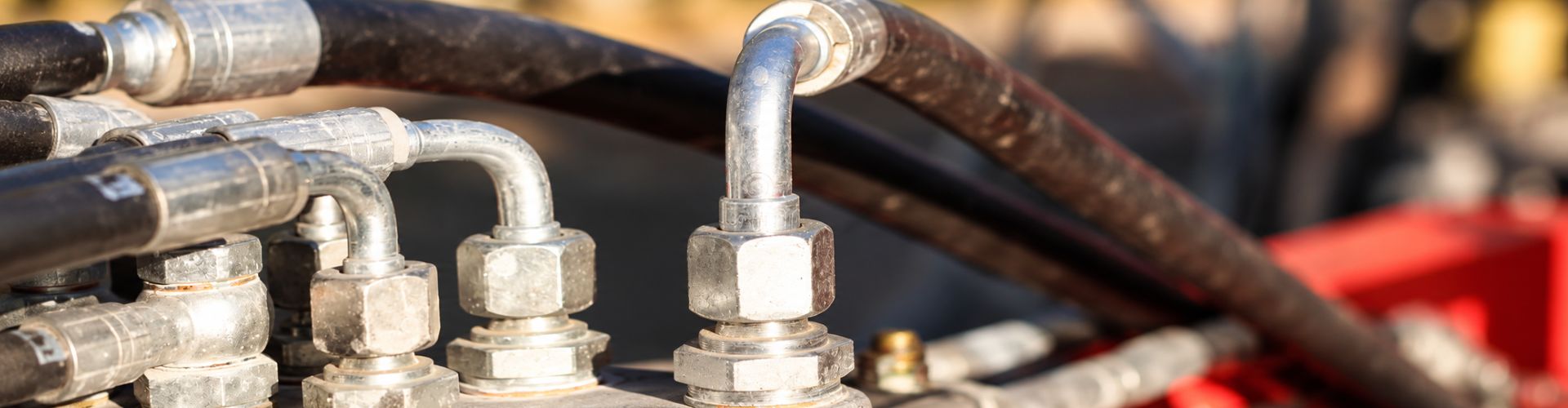
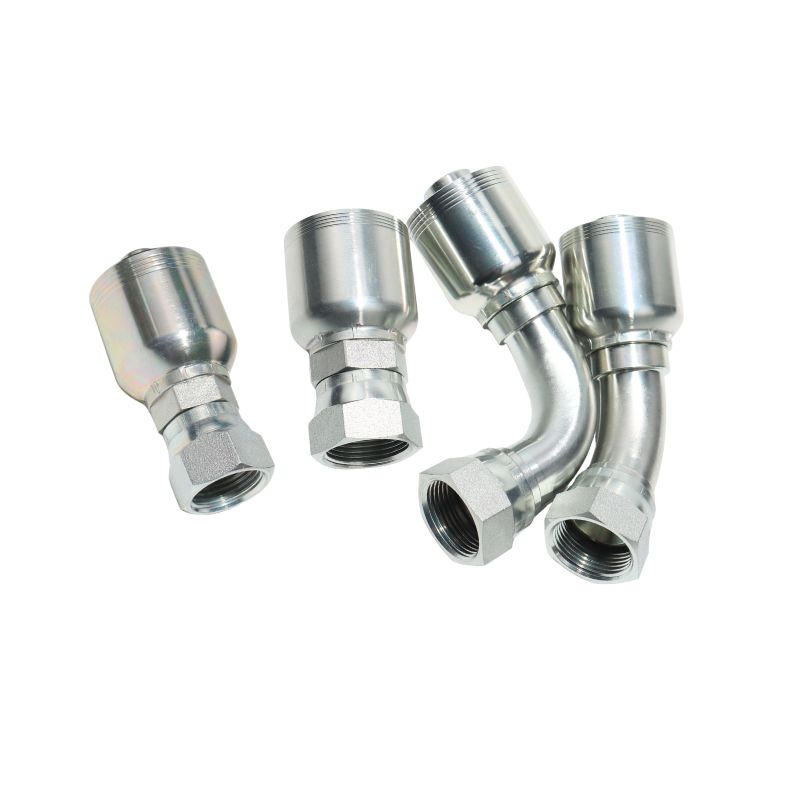
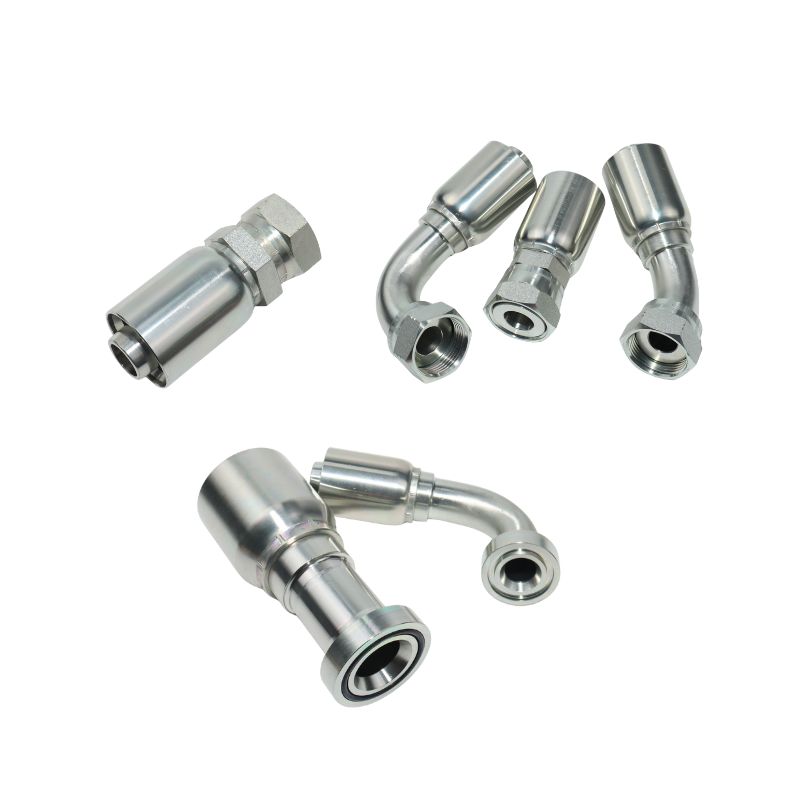
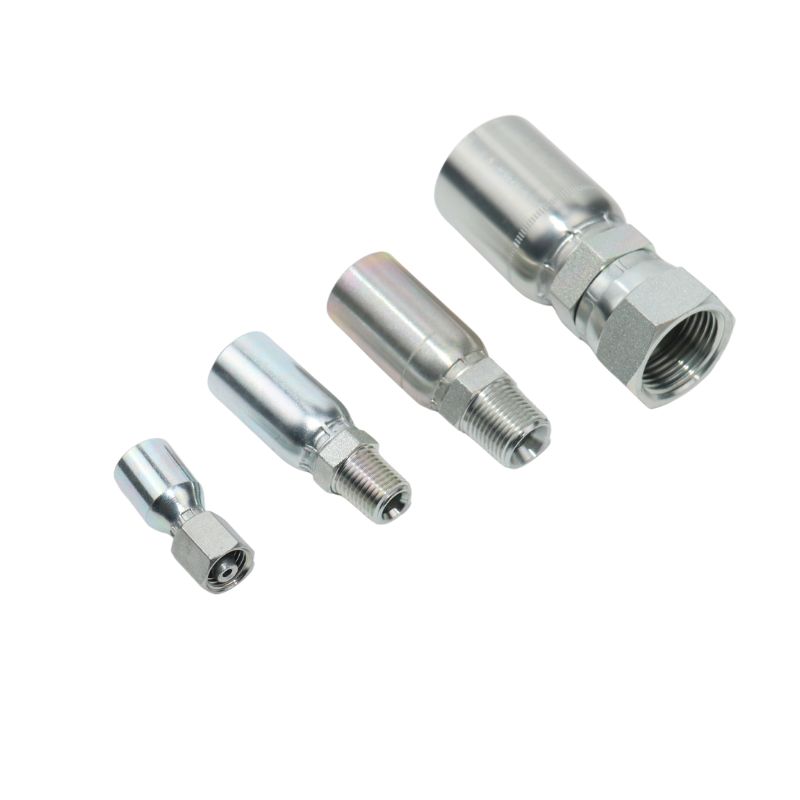
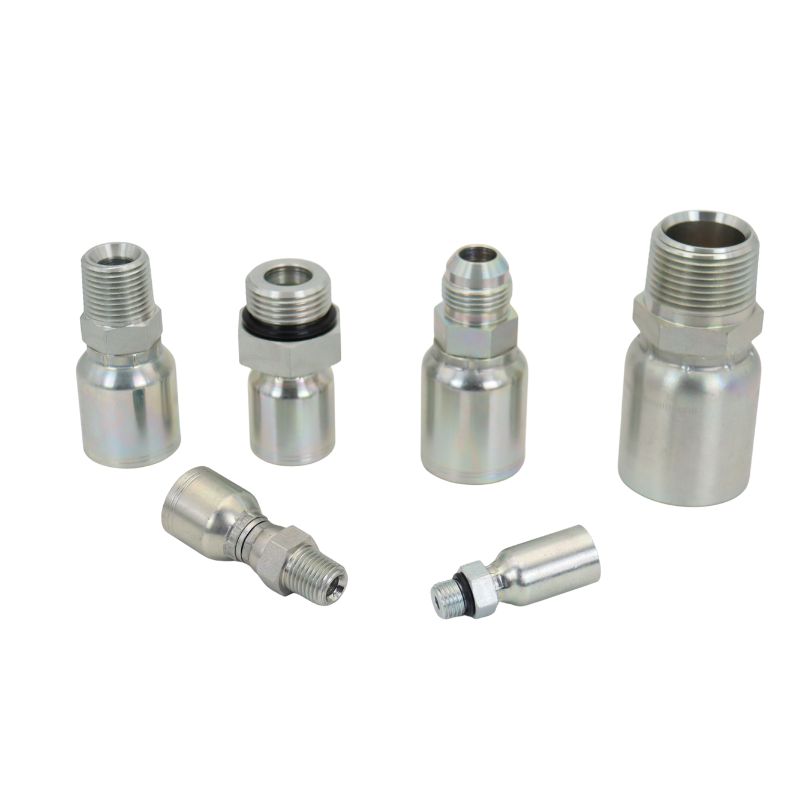
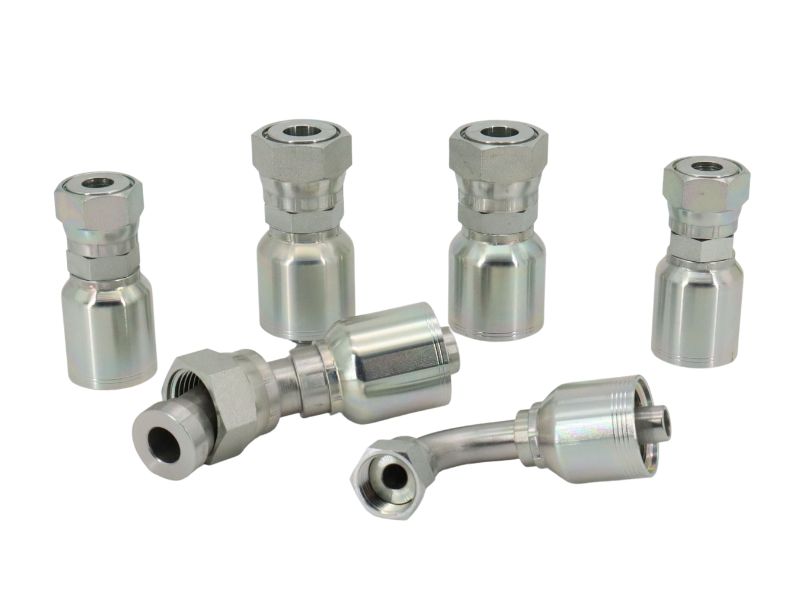

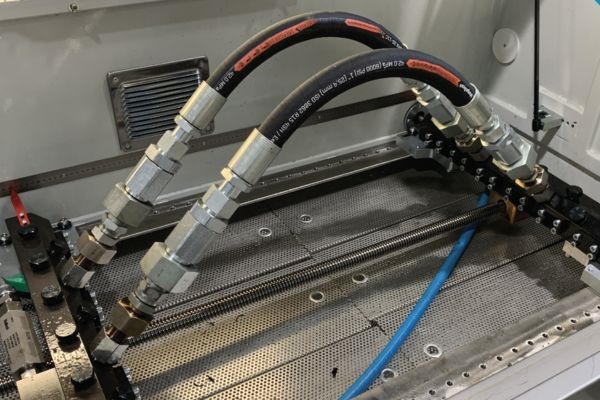
Parker Compatible Hydraulic Fittings Manufacturer in China

Topa helps hydraulic distributors, hose assembly shops, and repair service companies check Parker-style hydraulic fittings by part number, hose type, thread standard, photos, or samples. We support fast-moving fitting stock, trial orders, and bulk supply for replacement and resale needs.

Product List

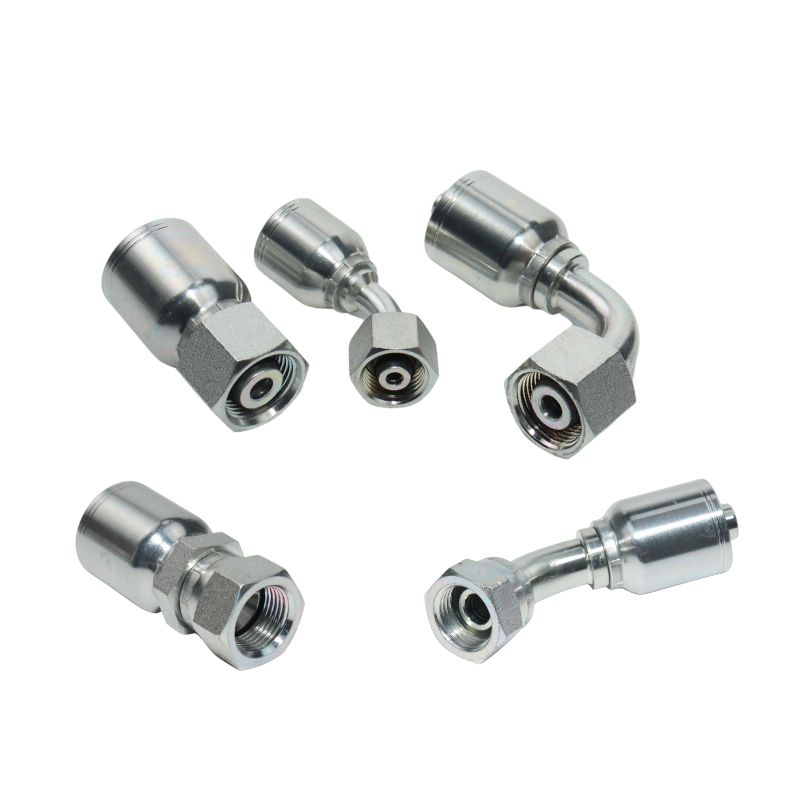
Crimp hydraulic fittings are designed to be permanently attached to hydraulic hoses using a crimping machine. They are widely used in hose assemblies for construction equipment, agricultural machinery, mining equipment, trucks, industrial hydraulic systems, and repair service work. Since many hydraulic fittings look similar but use different thread forms and sealing methods, correct identification is important before quotation and production. Our team can help check thread type, sealing surface, hose size, fitting angle, and current part numbers to reduce mismatch, leakage, and rework risk.

43 series Hydraulic Crimp Fitting

Reliable one-piece fittings for 1-2 wire braided hoses, offering easy assembly and leak-free performance.

71 series Hydraulic Crimp Fitting

High-pressure fittings designed for 4-wire spiral hoses, ensuring secure and durable hydraulic connections.

77 series Hydraulic Crimp Fitting

Heavy-duty fittings for 6 wire spiral hoses, built to handle extreme pressure and high-impulse conditions.

78 series Hydraulic Crimp Fitting

Compact fittings for R13 and R15 hoses, providing superior sealing and smooth fluid flow in tight spaces.

91/91N series Hydraulic Crimp Fitting

Specially designed for PTFE (R14) hoses, offering excellent chemical resistance and clean fluid transfer.

HY series Hydraulic Crimp Fitting
HY Series Hydraulic Crimp Fitting

Versatile fittings for 1-2 wire braided and Push-Lok hoses, ideal for medium-pressure hydraulic systems.

56 series Hydraulic Crimp Fitting

Lightweight fittings compatible with R7, R8, and Push-Lok hoses, ensuring flexible and quick installation.

Male Hydraulic Crimp Fitting

Durable external-thread fittings for reliable, high-pressure connections with matching female components.

JIC Hydraulic Crimp Fitting

37° flared hydraulic fittings are available in a many sizes, it is most popular thread.

BSP Series Hydraulic Crimp Fitting

The BSP fitting represents British Standard Pipe with a 55° thread angle. This standard includes BSPT and BSPP.

Metric Hydraulic Crimp Fitting

DIN Metric light hydraulic Fittings is available in mining,industrial, and machine-tool application

NPTF Hydraulic Crimp Fitting

The male and female threads are joined and form a seal when the two are mated together. This is referred to as a dry seal thread.

Flange Hydraulic Crimp Fitting

Available in SAE Code 61, SAE Code 62 DIN, ISO. Flanges come in an array of configurations and sizes

ORFS Hydraulic Crimp Fitting

Flat and O-rings create the best seal for leak-free hydraulic applications

R7 Parker hydraulic fitting factory in china
R7 Hydraulic Crimp Fitting

It is suitable for J517 100R7 hose, In addition to crimp fittings, field attachable fittings can be used.

Crimp Hydraulic Fittings Video

This video gives you a closer look at Topa one-piece hydraulic fittings, including common thread types, fitting shapes, surface details, and hose assembly applications. One-piece fittings combine the fitting body and ferrule into an integrated structure, helping hose assembly shops reduce ferrule matching mistakes and improve crimping efficiency.

Topa one-piece hydraulic fittings are available for different hydraulic hose types and connection standards, including JIC, NPT, BSP, Metric, ORFS, and flange options. They are widely used in hydraulic hose assembly, equipment repair, agricultural machinery, construction equipment, mining maintenance, and mobile hose service.

Application

Topa crimp hydraulic fittings are used in hose assembly, equipment repair, mobile service, construction machinery, agricultural machinery, mining maintenance, transport equipment, and industrial hydraulic systems. Different applications require different hose types, thread connections, fitting angles, pressure ratings, and crimping requirements.

To reduce mismatch risk, Topa helps customers confirm fitting type, hose compatibility, thread standard, material, surface treatment, and crimping details before production.

Crimp On Hydraulic Fitting Agriculture
Agricultural Machinery

Agricultural machinery uses crimp hydraulic fittings in tractors, harvesters, sprayers, seeders, balers, loaders, and other field equipment. Seasonal repair demand makes fast stock and quick replacement especially important.

Pickup Trucks
Truck, Trailer & Transport

Crimp hydraulic fittings are used in truck and trailer hydraulic systems, tipping systems, lift gates, hydraulic steering, service vehicles, and transport equipment maintenance.

Crimp On Hydraulic Fitting construction
Construction Equipment

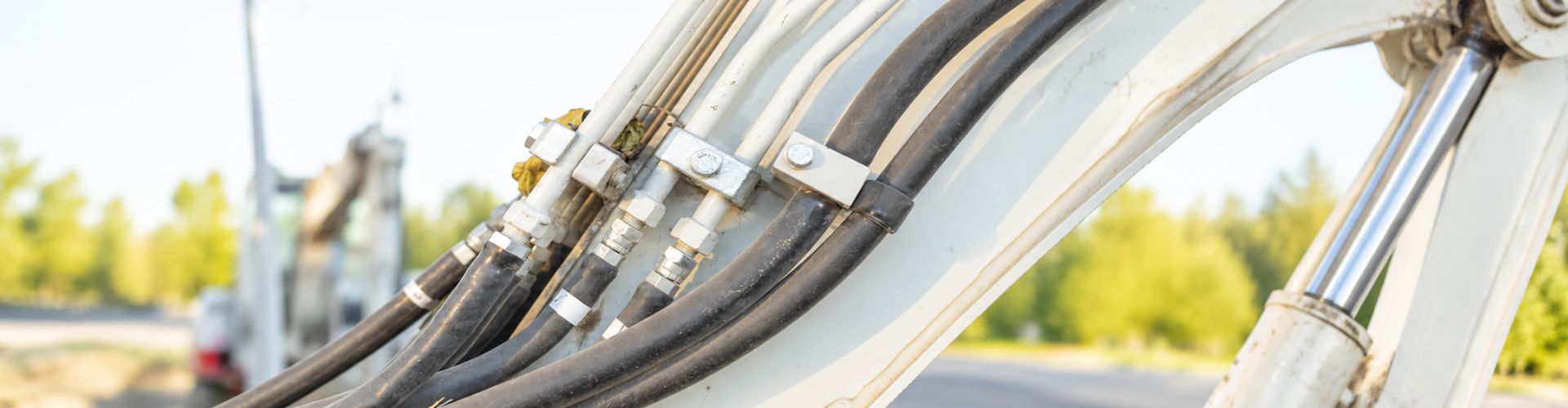
Crimp fittings are used in hydraulic hose assemblies for excavators, loaders, cranes, bulldozers, concrete pumps, and other construction machinery. These machines often work under high pressure, vibration, dust, and frequent movement.

Hose Compatibility for Crimp Hydraulic Fittings

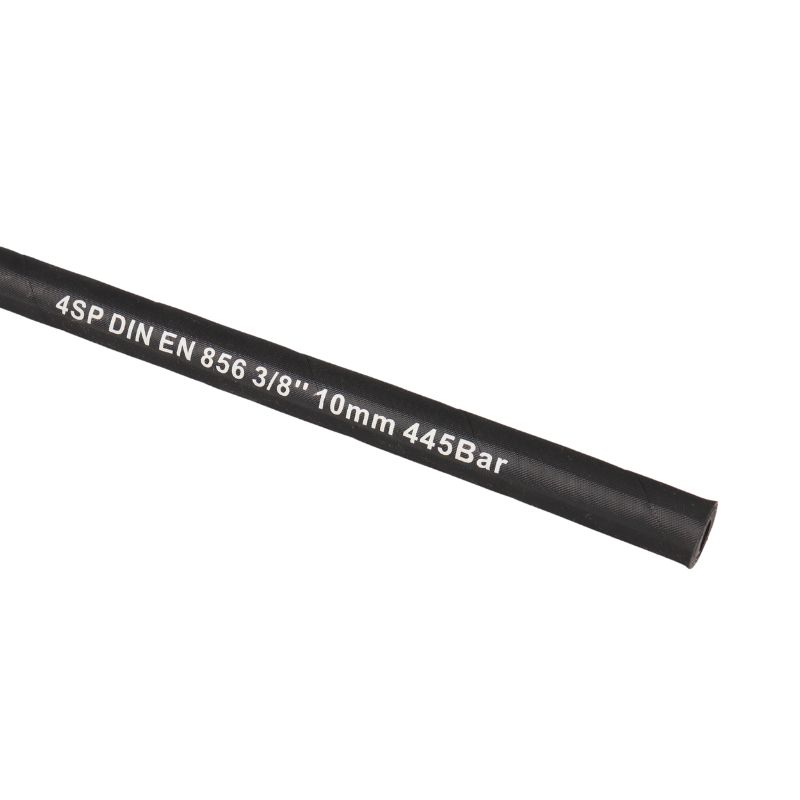
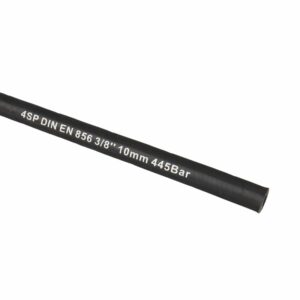
Topa crimp hydraulic fittings can be matched with different hydraulic hose structures, including 1/2 wire braided hose, 4/6 spiral hose, thermoplastic hose, and PTFE hose. Before quotation, we help confirm hose type, working pressure, fitting structure, and crimping requirements to reduce mismatch risk.

Crimp hydraulic fittings for 1-wire and 2-wire braided hoses are commonly used in general hydraulic systems, agricultural machinery, construction equipment, forklifts, trucks, and repair hose assemblies.

Crimp fittings for 4-spiral and 6-spiral hydraulic hoses are designed for high-pressure and heavy-duty hydraulic applications. These hose assemblies are often used in mining equipment, excavators, drilling machines, heavy construction machinery, and high-pressure hydraulic systems.

Thermoplastic hoses are commonly used where flexibility, lightweight structure, abrasion resistance, and clean routing are required. Topa can supply crimp fitting solutions according to hose size, pressure level, fitting connection, and application requirements.

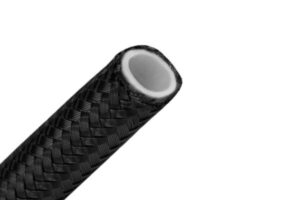
PTFE hose assemblies are used in applications requiring chemical resistance, high temperature resistance, low friction, or clean fluid transfer. Topa can help confirm suitable crimp fittings based on PTFE hose structure, braid type, size, thread connection, and sealing requirements.

How to Confirm the Right Crimp Hydraulic Fitting?

01. Hose Type

Braided hose, spiral hose, thermoplastic hose, or PTFE hose.

02. Hose Size

Hose ID, OD, standard, and pressure rating.

03. Thread Type

JIC, NPT, BSP, Metric, ORFS, ORB, SAE flange, or JIS.

04. Fitting Shape

Straight, 45°, 90°, flange type, swivel type, or custom angle.

05. Crimping Requirement

Crimping machine, die set, crimp diameter, and hose/fitting combination.

06. Current Sample or Part Number

Photos, drawings, old fittings, brand part numbers, or 10–20 fast-moving items.

Male Hydraulic Crimp Fitting
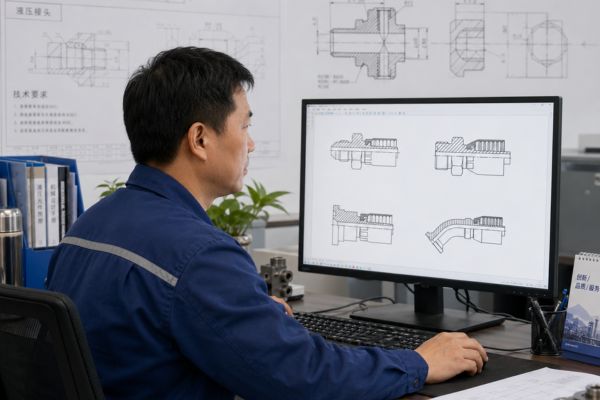
Crimp Hydraulic Fitting CAD

Crimping Compatibility & Safety Reminder

Correct crimping is critical for hydraulic hose assembly performance. Before production or assembly, the hose type, fitting structure, ferrule design, crimping machine, die set, and final crimp diameter should be confirmed carefully to reduce leakage, hose pull-off, premature failure, and customer complaints.

Hose & Fitting Match

The hose type and fitting structure must be matched before crimping. A fitting used for braided hose may not be suitable for spiral hose, thermoplastic hose, or PTFE hose.

Correct Crimp Diameter

The final crimp diameter directly affects hose assembly safety. If the crimp is too loose, the hose may pull off. If it is too tight, the hose tube or reinforcement may be damaged.

Ferrule Structure Check

For crimp fittings, the ferrule or sleeve structure should match the hose reinforcement and fitting stem. Wrong ferrule selection may cause poor gripping, leakage, or assembly failure.

Machine & Die Compatibility

Different crimping machines and die sets may produce different crimping results. Before bulk assembly, the machine, die set, and crimping data should be checked.

Pressure & Application Safety

The fitting should be selected according to working pressure, equipment type, temperature, and environment. Heavy-duty applications need stronger fitting and hose combinations.

Test Before Bulk Use

For new hose and fitting combinations, trial crimping and inspection are recommended before bulk use. This helps reduce leakage, hose pull-off, and customer complaints after delivery.

Fast, Efficient Service at Your Fingertips!

Need hydraulic fittings now? Fill out our form, and we’ll expedite your order to meet your urgent needs!

Why We Are Best?

Wide Crimp Fitting Range

Topa supplies common crimp fitting types, including JIC, NPT, BSP, Metric, ORFS, SAE flange, ORB, and custom connection options.

Flexible Mixed Orders

Topa supports mixed sizes, mixed thread types, and different fitting angles in one order, helping distributors reduce stock pressure.

Private Label & Clear Packing

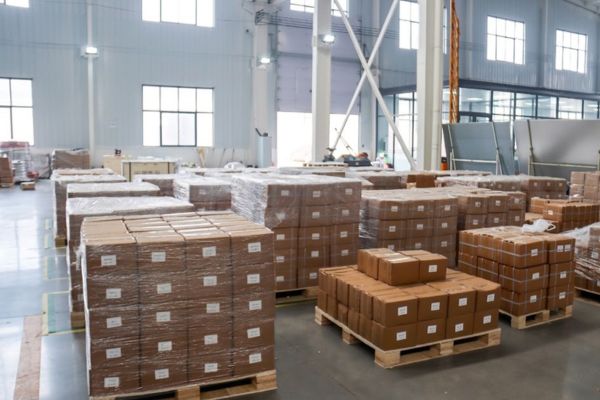
We provide labels, bags, cartons, and part number packing support for easier warehouse picking and resale.

Packing area

How Topa Supports Customer

Topa helps hydraulic distributors build stable, flexible, and easy-to-manage crimp fitting stock programs.

Fast-Moving SKU Support

Topa helps you prepare common crimp fitting models for daily hose assembly, repair, and resale demand.

Mixed Model Orders

You can combine different sizes, thread types, and fitting angles in one order to reduce inventory pressure.

Private Label Packaging

Topa supports custom labels, bags, cartons, and packaging for distributors and brand owners.

Stable Replenishment

We help customers plan repeat orders and keep key crimp fitting models available for regular stock.

Trial Order Before Bulk Order

Start with selected fast-moving models first, then move to larger stock orders after testing quality and market demand.

Clear Warehouse Labels

Each item can be packed with clear part numbers and labels to help reduce picking mistakes and warehouse confusion.

Crimp Hydraulic Fitting Manufacturing Process

Each hydraulic fitting is produced through a controlled manufacturing process to ensure reliable performance, precise dimensions, and consistent quality.

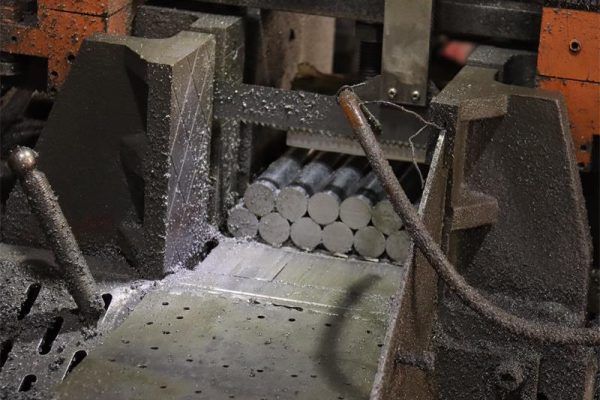
Topa hydraulic cylinder factory raw material cutting

Raw Material Preparation

The manufacturing process begins with selecting high-quality carbon steel bars. Each batch of raw material is inspected before entering production to guarantee stable quality for one-piece hydraulic fittings used in high-pressure systems.

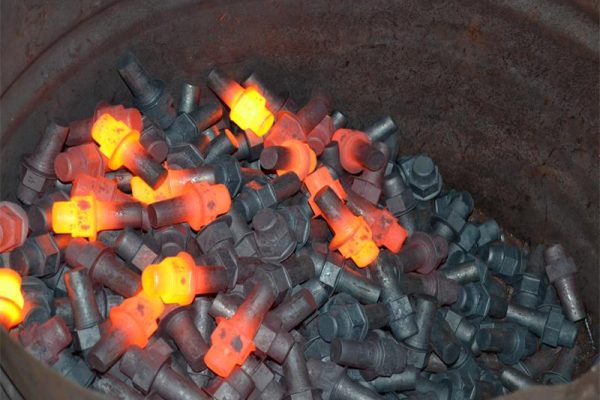
2. hot Forging Topa

Hot Forging

During hot forging, the heated steel is pressed into the initial shape of the hydraulic fitting body. This process improves the internal metal structure and enhances strength compared with simple machining.

CNC robotic machine Topa

CNC Precision Machining

After forging, the fittings move to CNC machining centers where the outer shape, hose tail, and connection surfaces are precisely processed.

JIC Fitting Thread grill

Thread Processing

Thread cutting is one of the most critical stages in hydraulic fitting production. Precision machines create threads such as JIC, BSP, NPTF, or ORFS according to international standards.

Hydraulic Fittings Galvanized machine

Surface Treatment

To improve corrosion resistance and service life, the fittings undergo protective surface treatment. Zinc plating or other coatings create a protective layer that helps one-piece hydraulic fittings perform reliably in harsh environments.

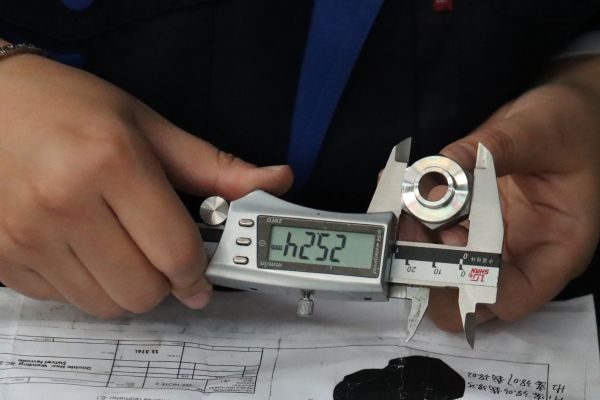
dimension Test Topa

Quality Inspection

Before shipment, each batch of fittings goes through multiple quality inspections. These checks include dimensional measurement, thread gauge testing, and visual surface inspection.

Crimp Hydraulic Fitting Quality Check

Each hydraulic fitting is checked through a series of inspection and testing procedures to ensure consistent performance, reliable sealing, and long service life in hydraulic systems.

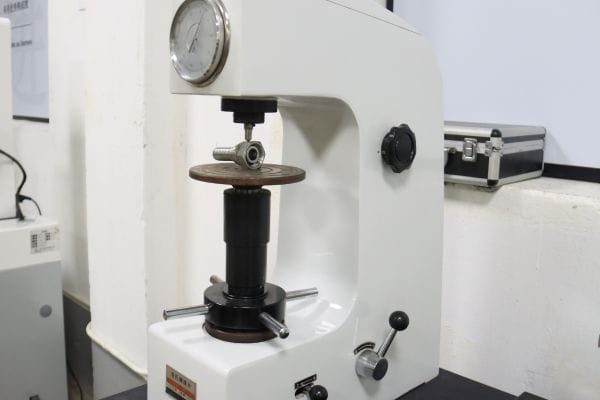
hardness test Topa

Hardness Testing

Material hardness is tested to ensure the fitting has the required strength and durability. Proper hardness helps prevent deformation, cracking, or failure under high-pressure working conditions.

dimension Test Topa

Dimensional Inspection

Key dimensions such as thread size, hose tail diameter, and overall length are measured using precision tools. Accurate dimensions ensure proper assembly and compatibility with hydraulic hoses and adapters.

Spectrometer Topa

Surface Roughness Testing

Surface roughness is inspected to ensure proper sealing performance. A controlled surface finish helps reduce leakage risks and improves connection reliability.

profile projector test Topa

Profile Inspection

Profile testing is used to verify the shape and angle of threads and sealing surfaces. This ensures that each fitting matches standard specifications such as JIC, BSP, or ORFS connections.

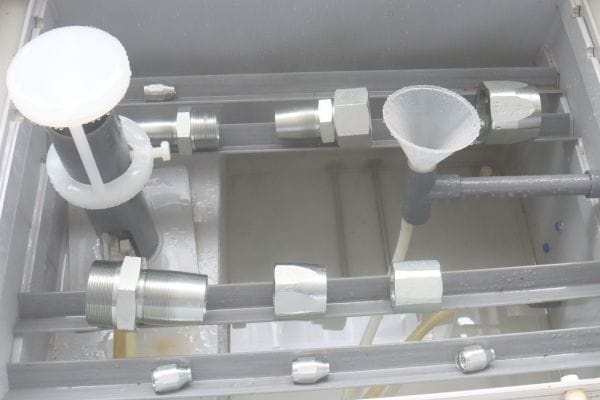
Hydraulic Fitting Salt Spray Test

Salt Spray Testing

Salt spray testing evaluates corrosion resistance of the plated surface. This helps ensure the fittings can perform reliably in humid, outdoor, or harsh operating environments.

burst Test

Burst Pressure Testing

Burst testing is conducted on selected samples to verify pressure resistance. This ensures the fittings can withstand high-pressure conditions without failure.

FAQ

What is a crimp hydraulic fitting?

A crimp hydraulic fitting is a permanent hose end connection attached to a hydraulic hose using a crimping machine.

How do I choose the right crimp hydraulic fitting?

Choose the right crimp hydraulic fitting by confirming the hose type, hose size, thread type, sealing form, pressure rating, and fitting angle.

What hoses can crimp hydraulic fittings be used with?

Crimp hydraulic fittings can be used with braided hydraulic hose, spiral hydraulic hose, thermoplastic hose, and PTFE hose when the fitting structure is correctly matched.

What thread types are available for crimp hydraulic fittings?

Common crimp hydraulic fitting thread types include JIC, NPT, NPTF, BSP, Metric, ORFS, ORB, SAE flange, and JIS.

Why is crimp diameter important for hydraulic fittings?

Crimp diameter is important because incorrect crimping may cause leakage, hose pull-off, hose damage, or premature assembly failure.

Can crimp hydraulic fittings be used for high-pressure applications?

Yes, crimp hydraulic fittings can be used for high-pressure applications when matched with the correct spiral hose, fitting series, and crimping specification.

What is the difference between one-piece and two-piece crimp fittings?

One-piece crimp fittings combine the fitting and ferrule into one structure, while two-piece crimp fittings use a separate fitting and ferrule.

Can crimp hydraulic fittings replace brand-name fittings?

Crimp hydraulic fittings can be used as compatible alternatives when the hose type, thread standard, sealing form, dimensions, and crimping data are correctly confirmed.

What information should I send before ordering crimp fittings?

Before ordering crimp fittings, send the hose size, hose standard, thread type, fitting photos, current part number, pressure requirement, and quantity.

Where are crimp hydraulic fittings commonly used?

Crimp hydraulic fittings are commonly used in hose assembly shops, hydraulic repair centers, mobile hose service, construction equipment, agricultural machinery, mining equipment, trucks, and industrial hydraulic systems.

Ready to Check Your Crimp Hydraulic Fitting Models?

Send us your hose size, thread type, current part numbers, photos, or 10–20 fast-moving items. Topa can help confirm matching models, trial order options, and stock order pricing.

Crimp Style Hydraulic fitting catalog Topa

Contact Topa

Save 30% on maintenance costs with our easy-install hydraulic fittings. Contact Now!