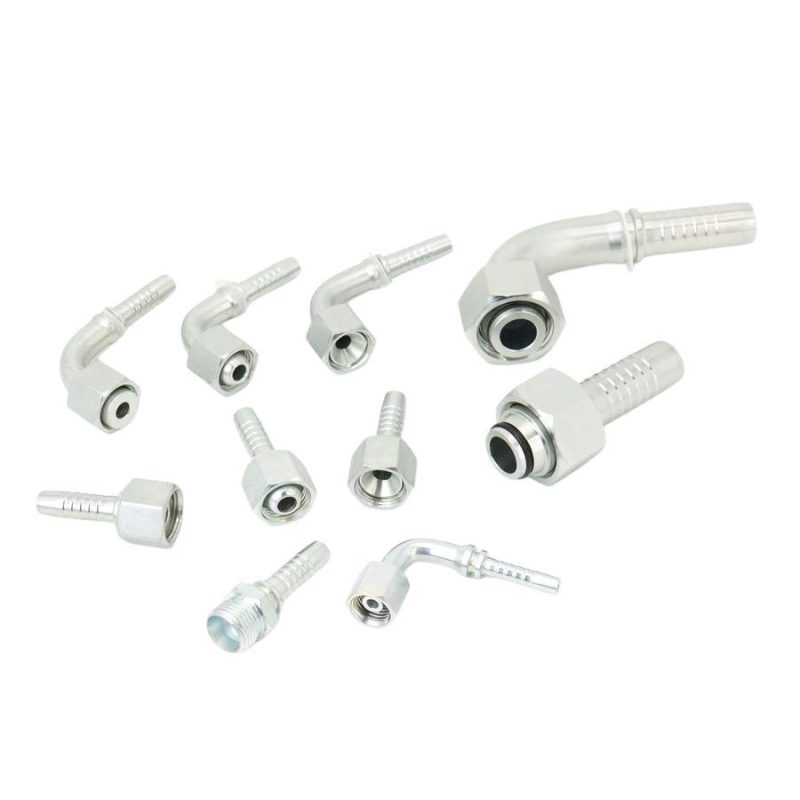
Metric Hydraulic Fittings Manufacturer in China

  • DIN 2353 / ISO 6149 / Metric Hose Fittings

  • Carbon Steel / Stainless Steel

  • Support Drawing, Sample, Custom Production

Product List

Topa offers a full line of metric hydraulic fittings. The type and material of fitting to be purchased depends on the material of the hydraulic hose used. Please refer to our list of metric fittings.

Metric Hose Fitting

Metric hose fittings include Light and heavy types, there are Female and female Hose Inserts, Metric standpipe and banjo fittings.

Metric Flat Seat Fitting

Metric female flat seal fittings for R1AT, R2AT, 4SH, 4SP spiral, and wire braided hoses.

Multiseal Metric Fitting

Metric female multi-seal threaded fittings, available in straight, 45°, and 90°types.

Standpipe Metric Fitting

Metric standpipe straight hydraulic fittingscan be crimped to PTFE hoses and other high-pressure hydraulic hoses.

Metric L.T. Hose Fitting

Metric male 24-degree tapered seat light hydraulic fittings are generally manufactured in 1/4 inch to 1 1/2 inch sizes.

Metric H.T. Hose Fitting

Metric male 24° tapered seat heavy-duty fittings are made of carbon steel and stainless steel.

Metric ORB hydraulic fitting supplier

ORB Metric Fitting

Metric orb fittings include fittings, port adapters and plugs. Designed according to ISO 6149. Male fittings have straight threads and O-rings.

Metric Adapter

Metric adapters include Metric threads on both ends, as well as standard threads on one end and Metric threads on the other.

Crimp Metric Fitting

The metric hydraulic crimp fitting is a permanently attached fitting for spiral and braided hydraulic hoses with Metric thread.

Compression Metric Fitting

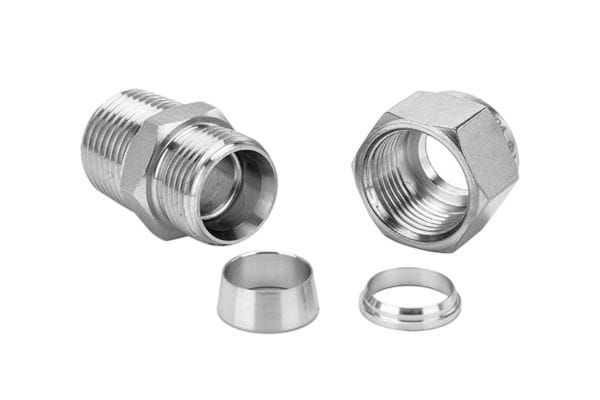
Metric compression fittings conform to international standard DIN 2353, when you tighten the nut, its sleeve (ferrule) bites into the pipe, creating the seal.

Bulkhead Metric Fitting

The hydraulic bulkhead fitting is used to connect the hydraulic hose to the tank. Tightening the nut fixes the fitting and forms a seal.

Metric Bite-type Adapter

Our metric bite-type adapter fittings are commonly used in industrial applications where high pressure and vibration resistance are required.

Metric JIC Fitting

Metric JIC fittings are Metric x JIC steel hydraulic hose adapters, one end JIC male/female, one end Metric threaded male/female.

Metric to BSP Adapter

Our metric to BSP adapter has the 24° metric thread and 60° cone BSP thread.

Metric NPT Adapter

Metric npt adapters are thread adapters that easily convert Metric threads to NPT threads. Metric can be male and female, or NPT male or female.

JIS Metric Adapter

JIS metric adapter has a 60-degree cone seat, which is used to create a seal with the corresponding flare on the end of the tubing or hose.

Metric O-ring Fitting

Metric O-ring fittings are Metric thread O-ring face seal fittings, which are one of the hydraulic fittings. There are male and female types.

Brass Metric Fitting

Brass Metric fittings are produced in brass with Metric threads for connection to water, air and gas lines.

Elbow Metric Fitting

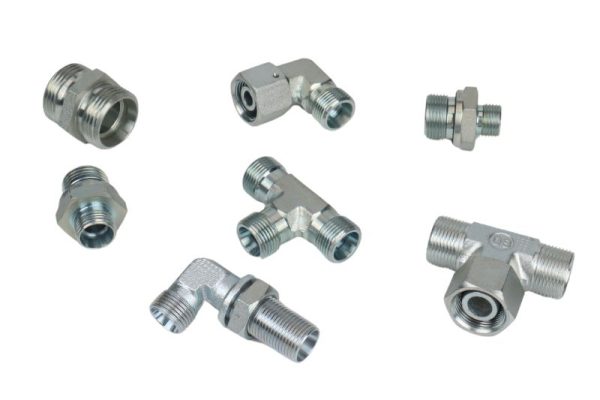
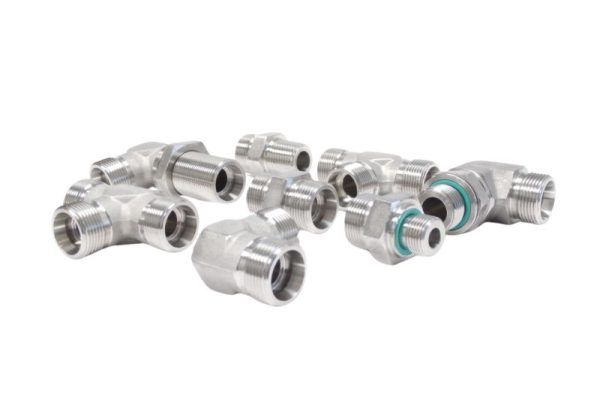
Metric elbow fittings are made from a variety of materials, including Metric 90-degree elbows and 45-degree elbows.

Tee and Cross

Metric hydraulic tee and cross are used to divide or combine fluids to allow fluid to pass smoothly between components.

Male Metric Fitting

Metric male fittings include hose fittings and threaded fittings with male Metric threads.

Metric Plug

Metric plug fittings is the hex plug which is with Metric threads. it is one of the hydraulic adapters.

Products Video

In this video, we show you the wide range of metric hydraulic fittings manufactured by Topa, covering a wide range of sizes and functions. These fittings utilize international metric standards to ensure a perfect fit for your hydraulic system needs. Whether you need a standard fitting or a customized solution, our video will provide you with a comprehensive reference that will give you an insight into the features and benefits of each product.

From high-strength stainless steel to corrosion-resistant copper alloys, each fitting is rigorously tested to ensure safety and stability in high-pressure environments. In addition, we show a variety of connection options, including threaded fittings and clamp fittings, to help you choose the most suitable connection solution to ensure efficient hydraulic system operation.

Made of steel or carbon steel, these metric fittings are impact-resistant, wear-resistant, electrically conductive, and durable. To learn more details, click on the video below.

Application

Topa specializes in the production of high-quality metric hydraulic fittings. Our metric hydraulic fittings are of high quality, integrity, and safety. As a result, they can be used for hydraulic fittings in machine tools, fuel, industrial, and gas plants for manufacturing or maintenance. Many industries have widely welcomed the good working performance of the couplings, and it can be applied in the following industries: Chemical, marine industry, automotive industry, etc.

metric hydraulic fittings supplierr application

Construction

In the industrial construction industry, metric hydraulic fittings are important for productivity improvement while increasing efficiency. Almost all large machinery will use metric hydraulic fittings, such as excavators, shield machines, rotary drilling, etc. Metric hydraulic fittings are present in almost all aspects of the construction industry.

metric hydraulic fittings factory application

Oil & Gas

Metric hydraulic fittings play an important role in the extraction and transportation of oil and gas, however, the environment is complex and changing, and machines are often used in harsh natural conditions. Metric hydraulic fittings can adapt to the requirements of different environments, improve machine life and reduce costs by increasing operational efficiency.

metric hydraulic fittings supplier application

Transportation

Metric hydraulic fittings are often used on trucks that require high power and durability, They can make the vehicle has a large load capacity and the hydraulic lifting function can be completed lifting without equipment loading and unloadinf goods. Metric hydraulic fittings are applied for lifting and dumping functions, making the truck easier to load and transport and more practical.

Get in Touch with Us Today!

Contact Topa now to discuss your hydraulic fitting needs and receive a personalized quote tailored to your specifications!

Metric Fittings Types

Metric fittings can have either parallel or tapered threads, each offering specific advantages. Parallel threads typically require an O-ring seal or another sealing method, ensuring a leak-tight connection when compressed. The O-ring is reinforced with a back-up washer and a nut, maintaining correct orientation and creating a reliable seal when the male and female parts connect.

DIN 2353 Metric Thread
DIN 2353 and ISO 8434

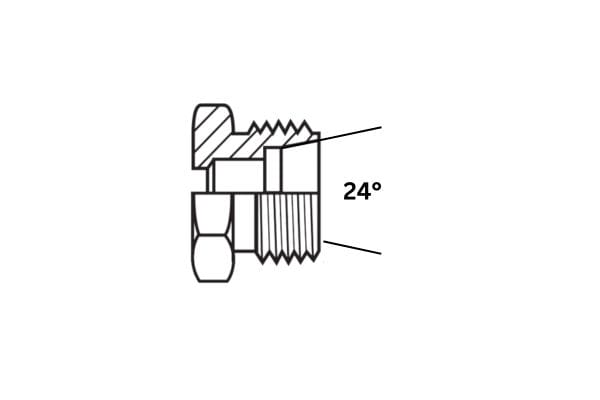
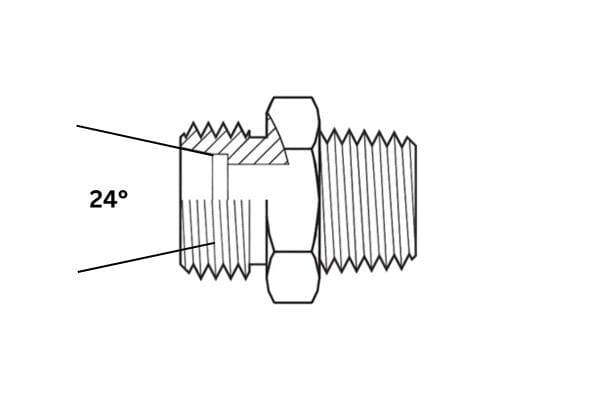
These are standard tube compression fittings used across Europe and other regions. They feature a 24-degree cone connection, making them widely compatible in hydraulic systems. These fittings are available in several variations, including DIN 20078, which also incorporates the 24-degree cone.

DIN 7631 Metric Thread
DIN 7631

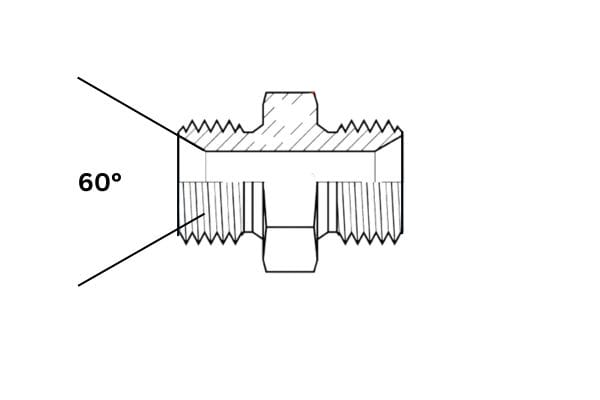
DIN 7631 fittings are designed with a 60-degree cone in hydraulic applications. This design allows for effective sealing and pressure retention, suitable for a wide range of hydraulic systems.

DIN 74234 Metric Fitting
DIN 74234 and DIN 74233

These fittings use a 45-degree cone, providing a balance between sealing efficiency and installation ease. Their design is common in specific hydraulic applications requiring this angle for proper sealing.

Komatsu Fittings (JIS B2070)

The Komatsu hydraulic fittings, following the JIS B2070 specification, feature a 60-degree flare, typically used for hose adapters. These fittings are prevalent in Japanese-made machinery, offering excellent reliability in high-vibration environments.

French G GAZ Fittings

Common in French hydraulic systems, Kobelco French G GAZ fittings use a 24° sealing surface and metric straight threads. These fittings are similar to German DIN fittings but feature fine threads across all sizes, unlike the coarser threads used in larger German DIN fittings.

ISO 6149-1 Metric port
ISO 6149-1

ISO 6149-1 is one of the most recognizable metric thread forms for North American users, primarily employed for ports on pumps, valves, and actuators. These fittings are similar to SAE ORB ports but use a bonded rubber washer to create a seal inside a machined turndown at the face of the port.

Thread Standards

Metric hydraulic fittings are most used in Europe. Topa has DKOL DKOS, metric npt, metric jic, metric banjo, metric brake fitting, standad pipe, compression fitting.

Metric Thread types

Thread Standards

Metric fittings are available in the main sealing and connection standards used in hydraulic systems. This helps you match the correct fitting structure to ports, hose ends, and working requirements.

Points:
DIN 2353 (24° cone, light & heavy series)
ISO 6149 (O-ring port)
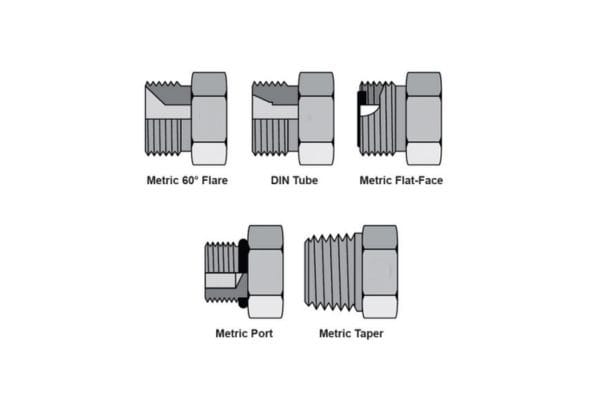
Metric flat face and other sealing types

measure metric hydraulic fitting

Size Range

A wide size range makes it easier to match both OEM projects and replacement needs. Buyers can confirm thread, tube outside diameter, and hose size before quotation.

Points:
Thread: M10 × 1 to M52 × 2
Tube OD: 4 mm – 42 mm
Hose size: 1/8” – 2”

Topa metric hydraulic fitting Manufacturer in China Topa

Material Options

Different materials are available for different pressure levels, corrosion environments, and budget targets. This gives buyers more flexibility for both standard and special projects.

Points:
Carbon Steel (zinc plated / Zn-Ni optional)
Stainless Steel 304 / 316
Brass (for low-pressure applications)

Metric Bite Type Fittings type

Pressure Range

Pressure class is one of the first points buyers need to confirm during fitting selection. Different series are suitable for different hydraulic system demands.

Points:
Light series (L): according to actual fitting structure and size
Heavy series (S): according to actual fitting structure and size

Metric Compression ferrule Fittings

Surface Treatment

Surface finish affects corrosion resistance, storage condition, and service life in demanding environments. This is especially important for outdoor, marine, and humid applications.

Points:
Cr6-free zinc plating
Zn-Ni optional
Salt spray: 72h / 120h / 200h

Metric Sealing Methods

Matching Support

If you are not fully sure about the thread, seat, or sealing type, our team can help you confirm it before production. This reduces sourcing risk and shortens communication time.

Points:
Support drawing-based review
Support size confirmation by sample or photo
Support quick quotation after matching

OEM & Custom Capability for Metric Hydraulic Fittings

Standard products solve common demand, but many OEM and replacement projects require more exact matching. Our custom support helps youo handle structure changes, brand presentation, and sample confirmation in one workflow.

Metric hose fittings supplier
Custom Thread

Support metric, BSP, NPT, and JIC thread requirements for different market and system standards.

Custom Structure

Support angle, length, and special fitting structure changes to match actual installation space and connection layout.

Logo Marking

Support laser marking or stamping to help buyers build brand consistency and improve product identification.

Special Packaging

Support bag, box, and label customization for retail packing, warehouse management, and brand presentation.

Drawing-Based Production

Support quotation and production by technical drawing to reduce matching mistakes and speed up engineering review.

Request a Sample!

Experience the quality and reliability of Topa’s metric hydraulic fittings – request a sample today and see the difference for yourself!

How to Identify Metric Threads: A Step-by-Step Guide

Identifying metric threads is crucial for ensuring compatibility in hydraulic and mechanical systems. Here’s a practical guide to help you accurately identify metric threads, ensuring a secure and reliable connection.

Step 1: Examine the Thread Form

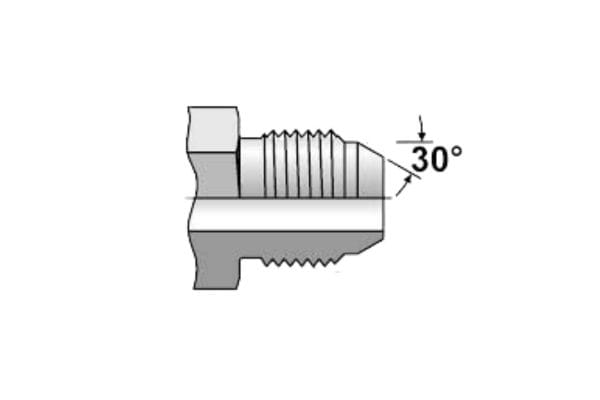
The first step is to determine the type of thread form. Metric threads typically have a straight, parallel design, unlike other thread types like BSP or NPT, which are either tapered or angled. Look closely at the angle of the thread. Most metric threads, especially those per ISO standards, have a 60-degree thread angle (such as DIN 7631), while some like DIN 2353 and ISO 8434 feature a 24-degree cone.

Metric Fittings sizes

Step 2: Measure the Thread Pitch

Metric threads are specified by their pitch, which is the distance between adjacent thread crests. To measure the pitch:

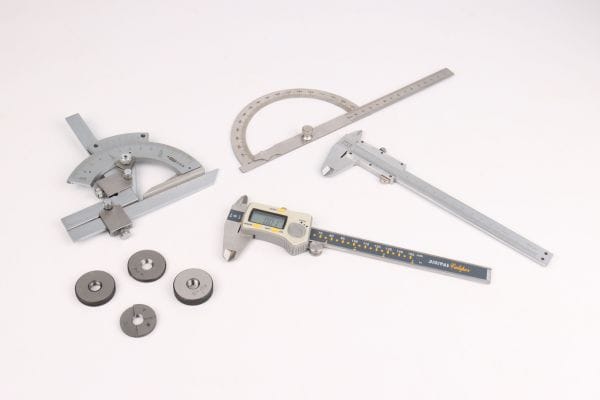
Use a thread pitch gauge (also called a thread gauge tool), which has various blades designed to match thread pitches.

Place the gauge on the threads and find the one that fits perfectly, matching the distance between threads.

The pitch is commonly measured in millimeters (mm) for metric threads, with values ranging from 0.5mm to 4.0mm (or more) for common hydraulic fittings.

Step 3: Measure the Outer Diameter

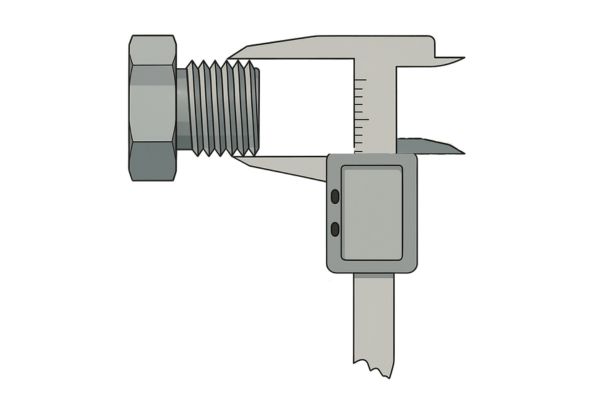
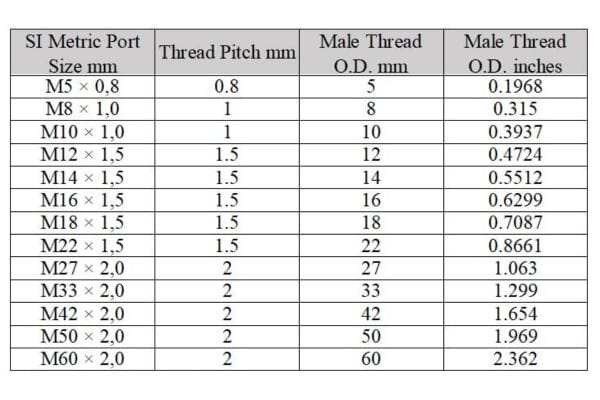
Next, measure the outer diameter of the male thread using calipers. This will give you the nominal size of the fitting (e.g., M10, M16, M22). The “M” stands for metric and the number refers to the outer diameter in millimeters.

For example, an M10 fitting means the outer diameter of the male thread is 10mm.

Identifying Hydraulic Fittings Tools

Step 4: Check the Thread Type (Parallel or Tapered)

Metric threads can either be parallel (where the threads run straight) or tapered (where the threads gradually narrow). To identify the type:

Parallel threads are common in fittings like DIN 2353, where the diameter remains constant along the length of the thread.

Tapered threads (such as ISO 7 and ISO 6149-1) gradually become smaller as they move away from the base.

Step 5: Identify the Seal Type (if applicable)

Metric threads often feature sealing elements like O-rings, bonded rubber washers, or cone seals. Check if the fitting includes any seal type, which is especially important in high-pressure systems. These seals ensure that the fitting remains leak-free, contributing to system safety and efficiency.

Step 6: Confirm Thread Pitch and Size Using Standards

Once you’ve measured the pitch and outer diameter, refer to international metric thread standards, such as ISO 261 and DIN 13, to confirm the specifications. These standards provide a reference chart for different thread sizes and pitches, allowing you to cross-check your measurements and identify the correct fitting.

Identifying metric threads requires attention to detail, but by following the steps above, you can be confident that you are matching and selecting the correct fitting for your system.

Avoid Common Pitfalls

At Topa, we take great care to ensure that all our metric hydraulic fittings are sized accurately, made from high-quality materials, and undergo rigorous testing for compatibility and performance. Our custom packaging solutions guarantee that your fittings arrive in perfect condition, while our comprehensive catalog allows you to easily select the correct fitting type and material for your application. With flexible ordering options and an experienced team ready to assist with any queries, Topa helps you avoid the common pitfalls in procurement, ensuring a smooth and efficient purchasing experience.

Incorrect Sizing

One of the most common mistakes in purchasing metric hydraulic fittings is selecting the wrong size. Metric fittings come in various sizes, and getting the wrong dimensions can lead to poor sealing, leaks, or even system failure. Always verify the required outer diameter (OD) and thread size before ordering. For best results, cross-check the specifications with your hydraulic system’s requirements.

Unsuitable Material Selection

Choosing the wrong material can compromise the fitting's durability and resistance to corrosion, especially in harsh environments. Metric hydraulic fittings are available in materials like stainless steel, brass, and carbon steel, each with its own benefits and limitations. Make sure to select a material that aligns with your system’s pressure ratings, environmental conditions, and chemical exposure.

Inadequate Surface Treatment

Surface treatment is essential for enhancing corrosion resistance, improving wear resistance, and ensuring long-term durability. Be cautious of suppliers offering uncoated fittings that may not withstand corrosive environments. Always check the surface finish—whether it’s chrome-plated, zinc-coated, or other protective coatings—to ensure that it meets the requirements of your application.

Choosing the Wrong Fitting Type

Metric hydraulic fittings come in different types, such as compression fittings, flare fittings, and straight fittings. Selecting the wrong type of fitting for your system can lead to installation difficulties or system inefficiencies. Make sure you understand the specific needs of your application (e.g., sealing type, thread form, pressure rating) before making your purchase.

Inconsistent or Poor Packaging

Improper or inadequate packaging can lead to damaged fittings during shipping or storage. Ensure that the fittings are well-protected in sealed bags or boxes to prevent scratches, dents, or contamination. Check for any signs of damage before accepting deliveries, as damaged goods can compromise the integrity of the fittings.

Ordering the Wrong Quantity

Overordering or underordering is a common procurement pitfall. Overordering can tie up capital and increase storage costs, while underordering can delay production and repairs. Accurately forecast the quantity you need based on your system's requirements, expected usage, and potential future maintenance needs.

Our Team

Topa Services

Customized Solutions

We provide tailored hydraulic fittings to meet your specific size, material, and design requirements, ensuring perfect compatibility with your systems.

Fast Delivery

With our efficient production and logistics capabilities, we guarantee quick turnaround times and timely delivery to keep your projects on track.

High-Quality Standards

All our fittings are manufactured under strict quality control processes, ensuring that each product meets the highest industry standards for durability and performance.

Customer Support

Our dedicated customer service team is available to assist with technical queries, product recommendations, and after-sales support, ensuring a smooth experience from start to finish.

Choose Topa

Manufacturing Process

From raw material to final inspection, every hose fitting goes through controlled machining steps to help you get stable quality and reliable batch consistency.

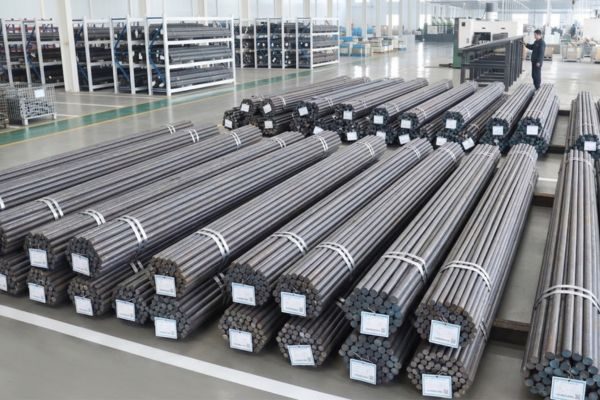
Raw Material Area

Raw Material Check

We inspect the steel material before production to keep size, strength, and surface quality under control from the start.

hydraulic fittinf material cutting

Cutting

The raw material is cut into the right size for each fitting type to support accurate follow-up machining.

CNC robotic machine Topa

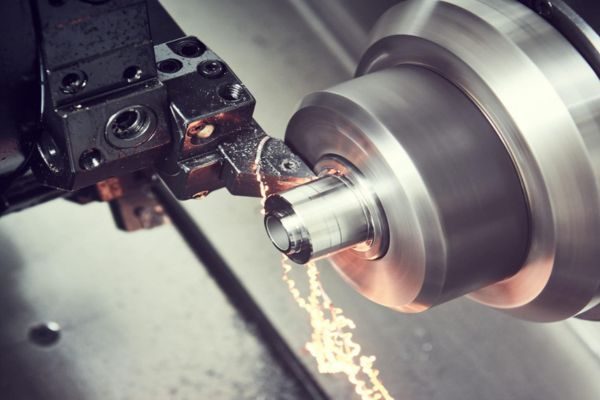
CNC Machining

Each fitting body is machined on CNC equipment to keep dimensions stable and improve thread accuracy.

CNC thread

Thread Machining

Threads are processed carefully so the fitting can connect correctly and seal better in hydraulic systems.

galvanized Hydraulic fittings

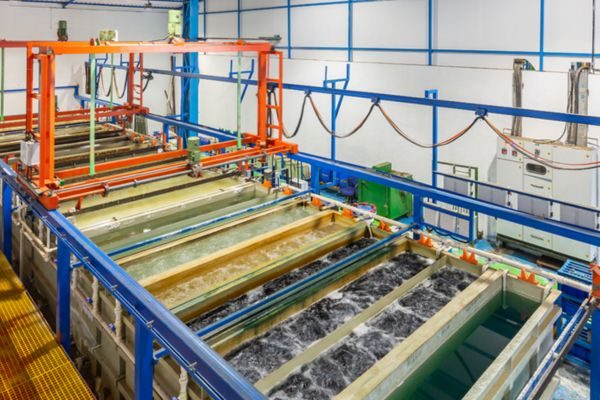
Surface Treatment

The fittings go through surface treatment to improve corrosion resistance and keep a cleaner product finish.

measure ORS Hydraulic fittings Topa

Inspection and Packing

Finished fittings are checked before packing to reduce quality risk and support safer delivery.

Quality Check

Each hydraulic fitting is checked through a series of inspection and testing procedures to ensure consistent performance, reliable sealing, and long service life in hydraulic systems.

hardness test Topa

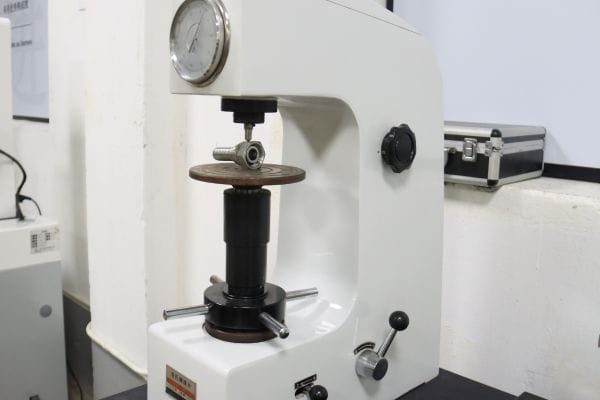
Hardness Testing

Material hardness is tested to ensure the fitting has the required strength and durability. Proper hardness helps prevent deformation, cracking, or failure under high-pressure working conditions.

Spectrometer Topa

Surface Roughness Testing

Surface roughness is inspected to ensure proper sealing performance. A controlled surface finish helps reduce leakage risks and improves connection reliability.

profile projector test Topa

Profile Inspection

Profile testing is used to verify the shape and angle of threads and sealing surfaces. This ensures that each fitting matches standard specifications such as JIC, BSP, or ORFS connections.

Hydraulic Fitting Salt Spray Test

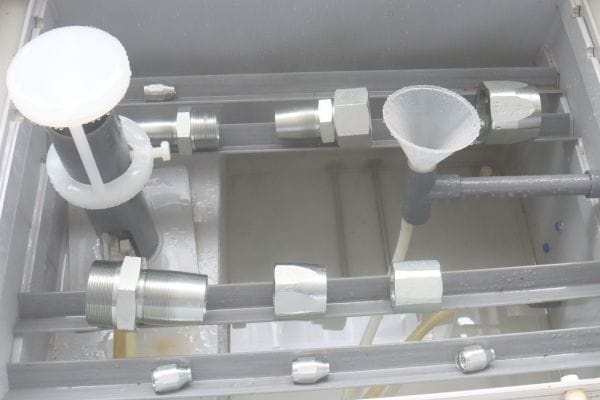
Salt Spray Testing

Salt spray testing evaluates corrosion resistance of the plated surface. This helps ensure the fittings can perform reliably in humid, outdoor, or harsh operating environments.

Supply & Delivery Capability

Reliable supply is a key part of purchase decisions. 

Stock for Common Sizes

Common specifications can be prepared faster when stock support is available.

● Stock available for common sizes
● Faster support for repeat demand
● Helpful for urgent replacement orders

Monthly Capacity

Stable production capacity is important for buyers managing large projects and long-term supply plans.

● Monthly capacity: 100000 pcs
● Support for bulk and scheduled orders
● Stable production planning

Peak Season Support

Delivery stability during busy seasons matters for distributors and OEM buyers.

● Stable delivery during peak season
● Better scheduling for repeat orders
● Lower risk of delayed shipment

Export Experience

Export experience reduces communication risk and helps buyers handle documents, packing, and shipment arrangements more smoothly.

● Export experience: 50+ countries
● Familiar with international shipment process
● Support for long-term overseas supply

Main Markets

Existing market coverage helps buyers judge whether products and service already fit their regional standards and demand habits.

● Main markets: USA
● Main markets: Europe
● Main markets: Asia

Delivery Coordination

Supply is not only about production. Delivery coordination also affects purchase timing, stock turnover, and project progress.

● Support delivery schedule confirmation
● Better communication on order progress
● Helpful for repeat and planned purchasing

FAQ

What is metric hydraulic fitting?

The metric hydraulic fitting is a compression fitting that consists of a body, o-ring, and nut. It has a good seal and can connect metric hydraulic hoses to hydraulic fittings.

Are there metric hydraulic fittings?

Topa can manufacture a complete line of hydraulic metric fittings. Our metric hydraulic fittings are vibration resistant, provide tight, reliable connections, and prevent leaks.

What are the different types of Metric hydraulic fitting?

Hydraulic fittings can be classified according to their thread type, size, and configuration. The commonly used distinctions are O-ring, bend angle, and thread.

What is Metric hydraulic fitting's material?

The metric hydraulic fitting can be selected from steel, stainless steel, and brass materials, the choice of material being related to the pipe to be connected, and the application scenario.

What to pay attention to when choosing Metric hydraulic fitting?

First, the diameter of the fitting and the hose should match. Secondly, the choice of material for Metric hydraulic fitting should consider the environment where it is located, such as pressure, humidity, temperature, etc. Finally, what kind of application, such as quick connect or welding form.

How to connect Metric hydraulic fitting?

Firstly, the hose should be cut to the right size with a cutting machine. Secondly, choose the right Metric hydraulic fitting in terms of use scenario and demand. finally, tighten the nut to achieve the purpose of pressing the ferrule.

How are hydraulic metric fittings measured?

First, you measure the inner and outer diameters of the hydraulic fitting with a caliper, next you calculate the distance between adjacent threads.

How do identify the different Metric hydraulic fittings?

This can be identified by checking whether the Metric hydraulic fitting is available for reuse, what type of connection port it is, in what way it is sealed, and the relevant accessory

How to determine if Metric hydraulic fitting is reusable?

For reusable Metric hydraulic fitting, you can use a wrench and a vise to take it apart and put it back together. For the non-reusable Metric hydraulic fitting, you need to use a crimping tool to do it.

What are the sealing methods of Metric hydraulic fitting?

There are three most common types of seals. o-rings, mating angles, and tapered thread designs.

Get More Information About Products

METRIC hydraulic fitting catalog Topa

Contact Topa

Save 30% on maintenance costs with our easy-install hydraulic fittings. Contact Now!