Hydraulic Fittings Production Process
From Raw Material To Final Shipment

From raw material selection to final packing, this process helps you understand how your fittings
are made and checked before delivery.

What This Production Process Means For You

From Material Preparation To Final Packing

When you source hydraulic fittings, you usually care about a few things first: whether the thread is correct, whether the surface finish meets your standard, and whether batch consistency can be maintained. A clear production process helps reduce those risks before the goods arrive at your warehouse.

topa hydraulic fitting manufacture process

Production Process

Each step below is not just a factory action. It is also a control point that affects fitment, leakage risk, corrosion resistance, and delivery reliability.

raw carbon steel materials Topa

Raw Material Preparation

The process starts with suitable raw material selection for the fitting type, pressure requirement, and target market. Stable raw material is the base for later machining and plating performance.
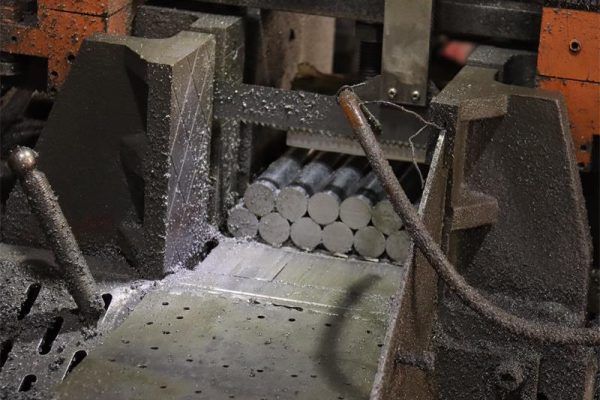
Topa hydraulic cylinder factory raw material cutting

Cutting

Material is cut into controlled blank sizes before forging or machining. Consistent blank dimensions help later processes run more smoothly and reduce unnecessary variation.
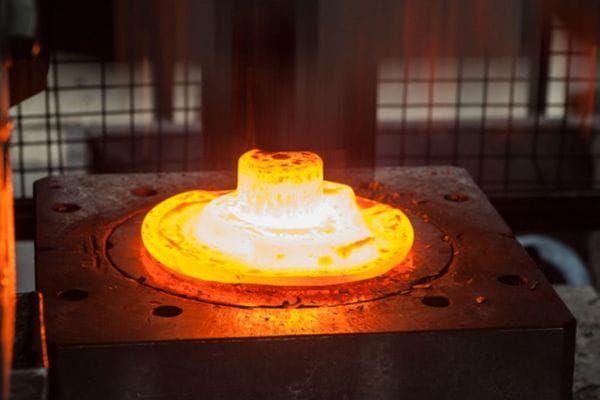
Hot Forging Machining

Hot Forging

Hot forging helps form the rough body shape and improves material density for fittings that require stronger structure. It creates a better base before detailed machining starts.
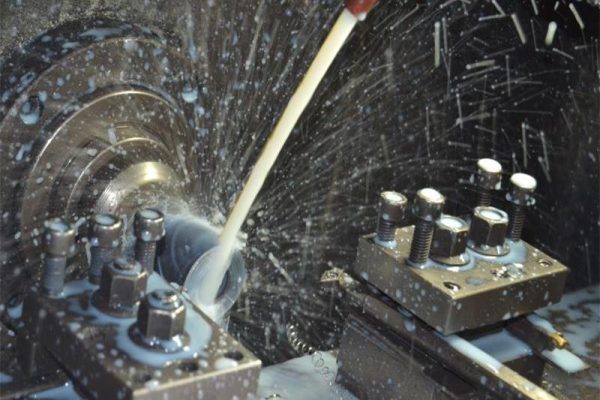
3. drilling Topa

Drilling

Drilling prepares internal passages and key structural holes before final machining. This step needs stable control because it affects later flow channel accuracy and overall geometry.

JIC Fitting CNC machine

CNC Machining

CNC machining controls outer dimensions, seat angle details, and the main part geometry. This is one of the most important steps because it directly affects fitting accuracy and repeat order consistency.

CNC thread machining hydraulic fitting

Thread Processing

Thread processing is where BSP, NPT, JIC, Metric, and other standards must be handled correctly. Thread diameter, pitch, and sealing area all need close control to reduce installation problems.
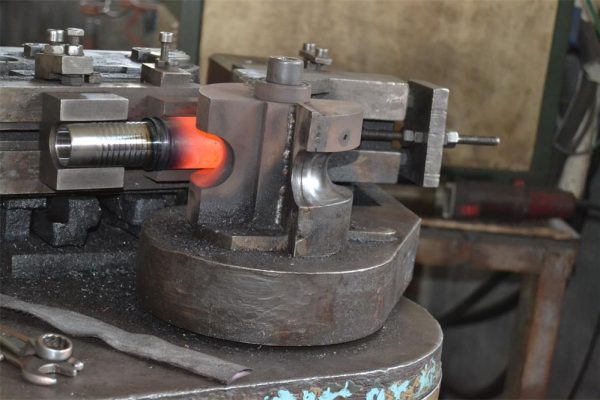
5. hot Bending Topa

Bending And Forming

For bent tube ends or shaped parts, forming work must keep angle and structure under control. This step matters when buyers need fittings that match limited installation space or specific routing design.

6. fitting galvanize Topa

Surface Treatment

Plating and surface protection help improve corrosion resistance during storage, shipment, and field use. Buyers often pay attention to this step because appearance and rust resistance both affect complaints after delivery.

Hydraulic Fittings Processing Video

What You Can See In This Video

This main video gives you a clearer look at how your hydraulic fittings move through production, from the first material preparation step to final packing before shipment. You can see the real machining environment, workshop management, and inspection flow in a more direct way, which helps you better understand how the factory handles daily production.

It is also a practical way to show how raw material preparation, hot forging, CNC machining, thread processing, plating, final inspection, and export packing are carried out inside the factory.

If you want to see how these steps work together in actual production, click the video to watch the full process.

Key Capabilities Behind The Production Process

Multi Standard Thread Processing

Supports different market needs for BSP, JIC, NPT, Metric, and other common standards used in hydraulic systems.

Precision Machining Control

CNC machining helps keep dimensions, angles, and connection details more stable from sample stage to repeat production.

Surface Protection Support

Surface treatment improves corrosion resistance and keeps parts in better condition through storage, shipping, and field use.

OEM And Custom Orders

The process can support standard parts, customer drawings, sample development, and repeat bulk orders with clearer production control.

Quality Control Inside The Production Process

To reduce quality risk before shipment, each hydraulic fitting goes through a clear inspection process. From size accuracy to material performance, every step helps confirm that the parts match order requirements and are suitable for real working conditions.

dimension Test Topa

Dimension Inspection

We check key dimensions such as thread diameter, pitch, hex size, overall length, cone angle, and sealing areas.

hardness test Topa

Hardness Testing

Hardness testing is used to confirm whether the material reaches the required strength range after processing.

profile projector test Topa

Profile Inspection

Profile inspection is used to check thread shape, sealing surface, and critical contour details.

Spectrometer Topa

Material Analysis

Material analysis helps verify whether the raw material matches the required specification.

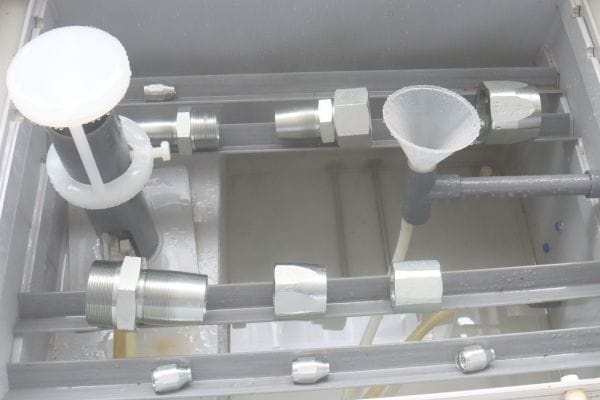
Hydraulic Fitting Salt Spray Test

Salt Spray Testing

Salt spray testing is used to evaluate the corrosion resistance of surface treatment.

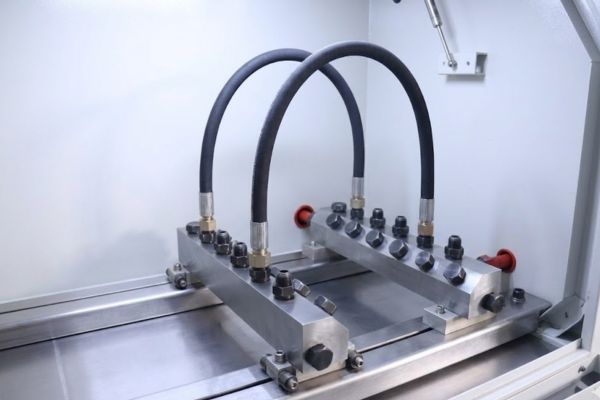
Hydraulic hose burst test

Pressure Testing

Pressure testing is used to check whether the fitting can perform safely under working pressure conditions.

Packing And Delivery Support For Export Orders

Custom logo

Order Sorting And Carton Packing

Parts are grouped by order requirement to help reduce mixed products and improve warehouse receiving efficiency.

Label And Identification Support

Clear labels help buyers handle stock faster, lower confusion, and simplify later inventory management.

Shipment Ready Preparation

Export packing support helps parts stay more organized and better protected during handling and transportation.

Real Workshop Scenes

To reduce quality risk before shipment, each hydraulic fitting goes through a clear inspection process. From size accuracy to material performance, every step helps confirm that the parts match order requirements and are suitable for real working conditions.

Raw Material Area

CNC Machines

Inspection And Testing

Packing And Shipment

Send Your Drawing Or Product Details For A Faster Quote

If you are checking suppliers for hydraulic fittings, adapters, or custom connection parts, you can send us your thread standard, size, material, quantity, or drawing for review. This helps us understand your project more clearly and lets us check the product type, machining requirements, and production details that matter to your order.

If you already have a sample, technical drawing, or key dimensions, you can send those details as well. That makes it easier to confirm the right connection type, reduce communication errors, and give you a more accurate quotation based on your actual application and purchasing needs.

Contact Topa

Save 30% on maintenance costs with our easy-install hydraulic fittings. Contact Now!