
PTFE Hose Fittings for OEM & Bulk Supply

 
  • Hose-Specific Matching
  • Multiple End Connections
  • Material & Configuration Options
  • Multi-SKU Order Support

Product List

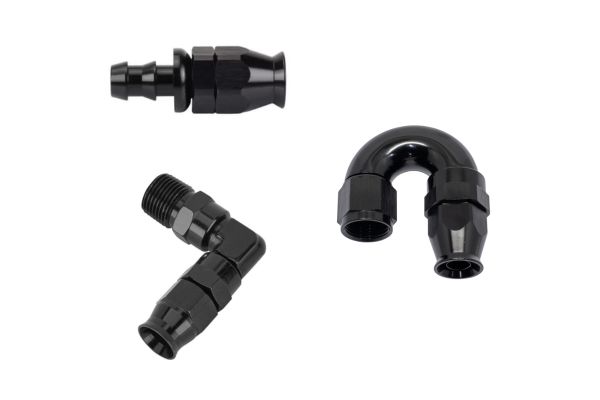
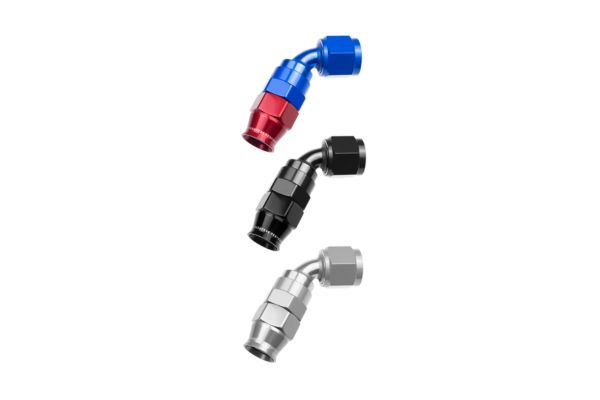
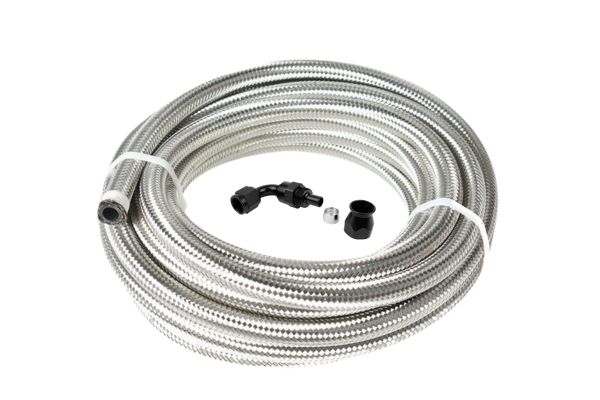
Topa supplies permanent crimp fittings, selected field-attachable fittings, hose-end components, and related configurations for compatible PTFE hoses. Available connection ends include JIC, NPT, BSP, metric, ORFS, and other specified types.

Product appearance or thread type alone does not confirm hose compatibility. Before selecting a fitting, verify the hose manufacturer and series, hose ID and OD, smooth-bore or convoluted construction, reinforcement type, fitting assembly method, end connection, material, and operating requirements.

For multi-SKU purchasing, send your existing part numbers, product list, hose specifications, drawings, or samples for review.

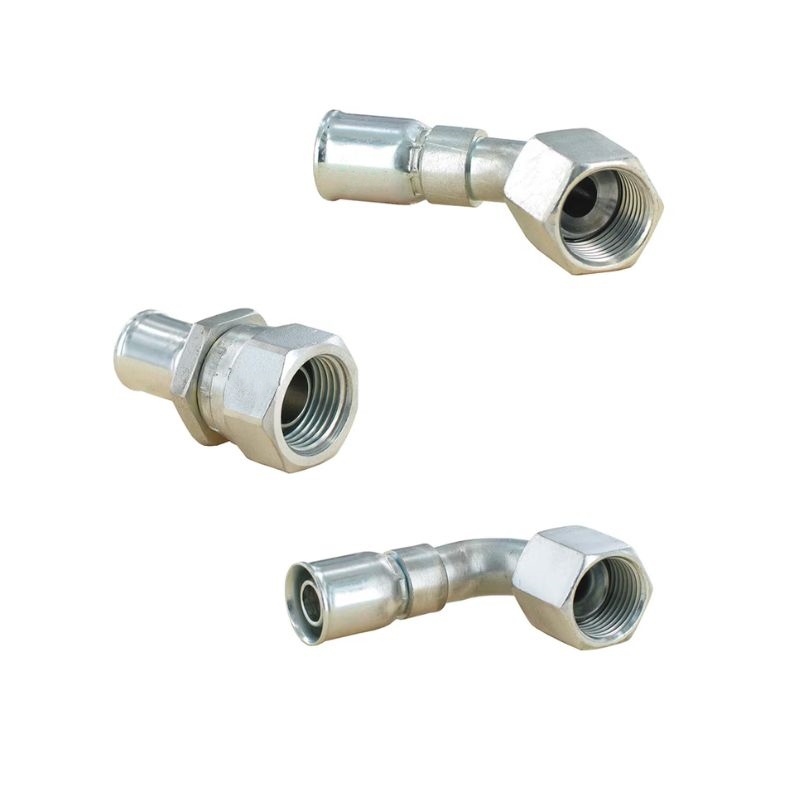
Permanent Fittings for PTFE Hose

Crimp Fittings for PTFE Hose

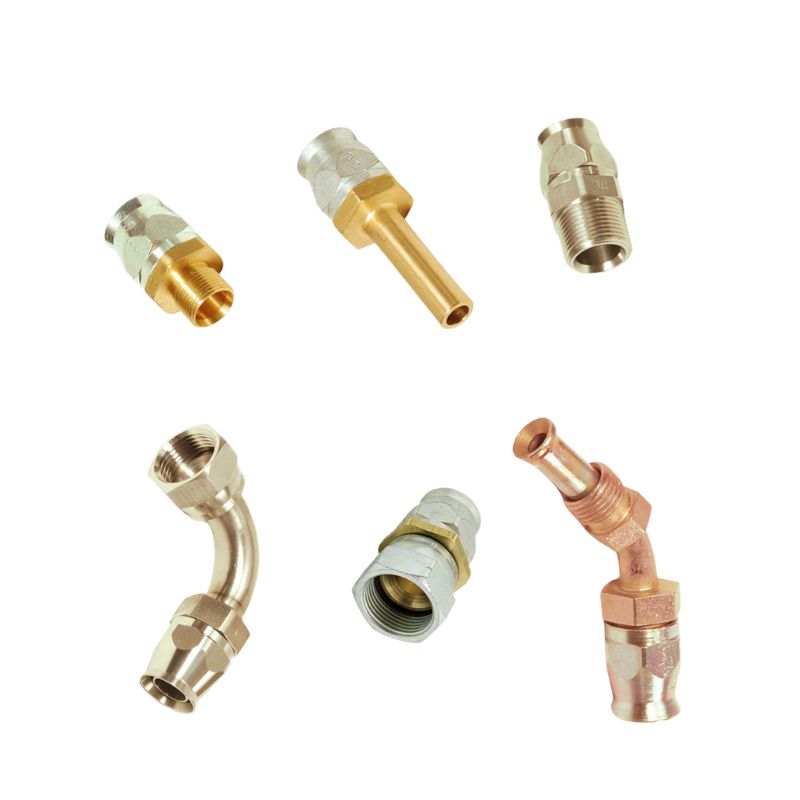
Field Attachable Fittings for PTFE Hose

Field Attachable Fittings for PTFE Hose

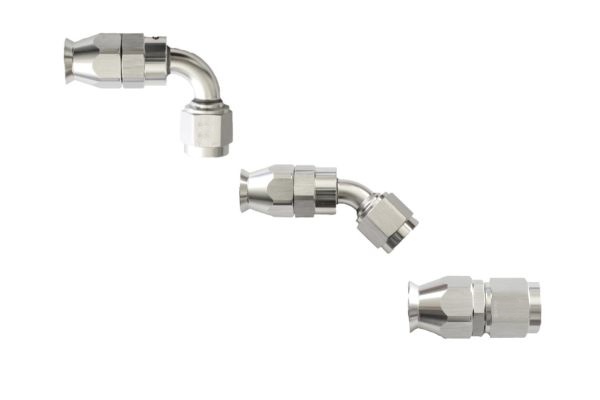
PTFE hose end fitting manufacturer

PTFE Hose End Fitting

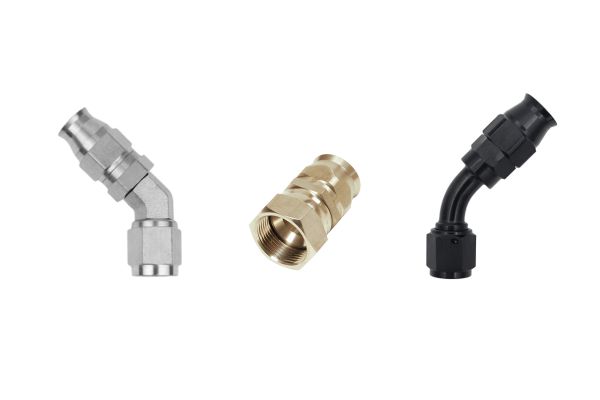
ptfe fuel lines wholesale

PTFE Fuel Lines Fitting

PTFE Hose Compatibility Checking

A fitting should be selected as part of a confirmed hose assembly rather than by thread size or appearance alone. PTFE hoses can differ in tube construction, wall thickness, reinforcement, dimensions, conductivity, and assembly requirements. These differences affect the insert, socket, sleeve, and assembly method required.

Provide the following information so the fitting and hose combination can be reviewed before sampling or volume purchasing.

Hose Manufacturer and Series

Provide the existing hose brand, series, specification sheet, or hose-marking photo.

End Connection

Specify the thread standard, size, sealing method, and straight, 45°, or 90° configuration.

Hose Dimensions

Provide the nominal size, actual ID and OD, and any available wall-thickness information.

Fitting Structure

Confirm whether a crimp or field-attachable fitting is required and provide any existing assembly reference.

Hose Construction

Confirm whether the hose has a smooth-bore or convoluted PTFE tube and identify its reinforcement construction.

Operating Conditions

Provide the media, working pressure, temperature range, movement, cleaning process, and applicable technical requirements.

Application

PTFE hose fittings are used in selected industrial fluid-transfer and equipment-connection systems where the hose construction, fitting material, end connection, assembly method, operating media, pressure, and temperature have been confirmed as a compatible combination.

Application suitability should be evaluated for the complete hose assembly. The performance of the PTFE hose tube alone does not determine the pressure, temperature, chemical compatibility, or service life of the finished assembly.

JIC hydraulic fittings manufacturer

Agriculture

The application of agricultural Topa's PTFE hydraulic fittings has significantly improved several functions of agricultural machinery, and the performance of cash crop agricultural machinery and production subsidiary machinery has been enhanced.

PTFE hydraulic fittings application construction

Construction

The construction industry is one of the most important contributors to economic development, where PTFE hydraulic fittings provide many benefits to the development of the construction industry, it can increase the efficiency and productivity of machines.

PTFE hydraulic fitting oil and gas supplier

Oil and Gas

Topa’s PTFE hydraulic fittings play an important role in oil and gas system. These are used for pipes containing flowing fluids such as water or oil, or steam or air.

Topa Factory Video

This video presents selected production stages for PTFE hose fitting components, including raw-material preparation, CNC body machining, hose-insert processing, socket or sleeve production, thread machining, sealing-surface finishing, deburring, cleaning, surface treatment, inspection, identification, and packing.

For PTFE hose assemblies, dimensional control is required at both the hose end and the equipment connection. Important inspection points include insert geometry, socket or sleeve dimensions, thread accuracy, sealing surfaces, material, finish, cleanliness, and part-number identification.

Before repeat production, the fitting series, PTFE hose specification, assembly method, approved dimensions, material, finish, inspection requirements, packaging, and SKU identification should be recorded. Send your hose information, existing part numbers, drawings, and required quantities for production review.

Planning a Multi-SKU PTFE Fitting Order?

Send your PTFE hose specifications, fitting part numbers, end connections, material requirements, quantity per item, and delivery plan. Topa can review standard and selected custom configurations for distributor replenishment, hose-assembly supply, and OEM production requirements.

PTFE Fittings Features

PTFE Hose Fitting features

Structure

Hose-End Interface

The insert, socket, or sleeve must match the dimensions and construction of the specified PTFE hose. A similar hose size does not by itself confirm assembly compatibility.

Connection End

The equipment end may use JIC, NPT, BSP, metric, ORFS, or another specified connection. Thread size, sealing method, mating component, and key dimensions should be verified together.

Assembly Method

Crimp fittings and field-attachable fittings use different components and assembly procedures. The applicable fitting series, tools, preparation steps, and inspection criteria should be confirmed before assembly.

Complete Assembly Review

Working pressure, temperature, chemical compatibility, movement, and service conditions should be determined for the approved hose-and-fitting combination rather than from the hose or fitting material alone

Material

Aluminum

Aluminum is a lightweight material with excellent corrosion resistance and is easily machined to provide high strength while keeping weight low. Aluminum PTFE fittings are commonly used in low to medium-pressure and temperature applications.

Stainless Steel

Stainless steel is an extremely corrosion-resistant metal that can withstand high temperatures and pressures and is well suited for use in chemically reactive environments. Stainless steel PTFE fittings exhibit excellent durability and stability in long-term use.

Carbon Steel

Carbon steel is a lower cost and high strength material suitable for use in environments subjected to higher pressures. It has poor corrosion resistance and often requires additional surface treatment (such as galvanizing or coating) to increase corrosion resistance.

PTFE Hose Fitting material

PTFE Hose Fitting Customization Requirements

At Topa, we offer customized PTFE line fittings designed to meet specific customer needs. Our customization service includes precise control over dimensions, materials, connections and other technical requirements. Below is a step-by-step process for customizing PTFE fittings to help you through the customization process.

Communicate and analyze your needs

Requirement Confirmation: Our sales team will communicate with you in depth to understand your application requirements. Including the working pressure of the pipeline, the working temperature, the type of media, etc.

Environment: Understand your application environment (such as high temperature, high pressure, chemical corrosion environment, etc.), in order to select the appropriate material and design.

Dimensional requirements: Customers need to provide the pipe diameter, coupling length, connection (such as thread type, flange specifications, etc.) to ensure that the customized product is compatible with the existing system.

Technical parameters: Including working pressure, working temperature, fluid type and any possible special requirements, such as impact resistance, corrosion resistance, etc.

Product design and material selection

According to the requirements provided by the customer, our engineers will design the product to ensure that the structure and function of the product meet your specific application.

We offer a wide range of materials to choose from, such as: stainless steel, carbon steel, aluminum and so on. The choice of material will be determined by your working environment (e.g. corrosive, high-temperature resistance, etc.).

Sealing design: According to the application requirements, we will design a suitable sealing method to ensure the sealing and leakage resistance of the joints.

Sample making and testing

According to the design, we will make samples and conduct preliminary tests. Tests include: pressure test, temperature adaptability, chemical compatibility, etc. to ensure that the samples meet the requirements.

After the samples are completed, we will confirm with the customer and make further modifications or optimization to meet the final technical requirements.

PTFE Hose Fitting custom

Mass production

After the samples are confirmed to be correct, we will enter the mass production stage, TOPA’s production plant is equipped with modern production facilities and strict quality control procedures to ensure that each customized PTFE fittings meets the ISO 9001 quality certification.

Our production process includes strict quality inspection to ensure that every detail of the product meets the design requirements.

Packaging and delivery

Once the production is completed, we will carefully pack the products to ensure that they are not damaged during transportation.

Offering flexible delivery time, we arrange reasonable delivery date according to your order quantity and delivery requirements.

Requirements to be provided when customizing PTFE line fittings:

Pipe size: including inner diameter, outer diameter, length, etc.

Pressure and temperature requirements: working pressure range and temperature range.

Medium type: the type of liquid or gas being transferred to ensure chemical compatibility of materials and seals.

Connection method: such as threaded connection, flange connection, quick coupling, etc., to clarify the connection method you need.

Material selection: if there are special material requirements, such as stainless steel, copper, or other alloy materials.

Sealing requirements: Seal types as well as any special aging and corrosion resistance requirements.

Special functional requirements: e.g. impact resistance, vibration resistance, explosion protection, etc.

PTFE Fitting requirement

Discuss Your OEM PTFE Fitting Requirements

Send your drawing, reference part number, PTFE hose specification, connection requirements, material, quantity per item, number of SKUs, and expected purchasing plan. Topa will review the project for compatibility, manufacturability, sampling, and production requirements.

Your Reliable PTFE Hose Fitting Manufacturer

Material Verification

Fitting material and surface-finish requirements are checked against the confirmed product specification and purchasing documents.

Hose-End Dimension Inspection

Insert profiles, socket or sleeve dimensions, and other hose-end characteristics are inspected according to the approved fitting design.

Thread and Sealing Surface Inspection

Thread dimensions, sealing geometry, surface condition, and specified key dimensions are checked using appropriate inspection methods.

Visual and Surface Inspection

Products are checked for machining defects, burrs, contamination, coating condition, and visible damage before packing.

Assembly or Performance Evaluation

Trial assembly, pressure testing, leakage testing, or other evaluations can be performed when included in the agreed inspection or validation plan for the specified hose-and-fitting combination.

SKU and Batch Identification

Part numbers, labels, quantities, and batch information are controlled to support multi-SKU receiving, inventory management, and repeat purchasing.

PTFE Fitting Supplier in China

PTFE Fitting Supply for Multi-SKU and Repeat Orders

A fitting should be selected as part of a confirmed hose assembly rather than by thread size or appearance alone. PTFE hoses can differ in tube construction, wall thickness, reinforcement, dimensions, conductivity, and assembly requirements. These differences affect the insert, socket, sleeve, and assembly method required.

Provide the following information so the fitting and hose combination can be reviewed before sampling or volume purchasing.

Multi-SKU Specification Review

Part numbers, hose requirements, dimensions, materials, finishes, and quantities can be reviewed together before quotation and production.

Specification Management

Confirmed drawings, samples, materials, finishes, inspection requirements, and packaging instructions can be recorded as the reference for production.

Consistent SKU Identification

Part numbers, labels, bags, cartons, and item separation can be specified to support receiving, warehousing, and distribution.

Repeat-Order Reference

Approved product and packaging requirements can be referenced during future production, subject to order review and change control.

OEM and Private-Label Support

Selected marking, label, packaging, and drawing-based requirements can be evaluated for qualified production programs.

Batch Consistency Control

Critical dimensions, thread specifications, materials, surface treatments, and marking details must all be verified against the approved requirements.

FAQ

What is PTFE hydraulic fitting?

PTFE hydraulic fitting is a fitting specifically for PTFE hose, also known as Teflon hose

Where are PTFE hydraulic fittings commonly used?

PTFE hydraulic fittings are used in a wide range of applications, generally in the automotive, fluid industry, extractive industries, etc.

Why choose Industrial hose fittings for PTFE hoses?

When using PTFE hoses, you need to use Industrial hose fittings, because it has a special design inside for PTFE hoses, the use of both together to achieve the ideal sealing effect.

How tight should PTFE fittings be?

Assembly requirements depend on the hose construction and fitting series. Use the applicable manufacturer-approved instructions for hose preparation, component installation, lubrication where permitted, crimp dimensions or tightening requirements, and final inspection. A single tightening value or assembly gap should not be applied to every PTFE fitting design.

How is chemical compatibility confirmed?

Chemical compatibility should be checked for every wetted component, including the PTFE tube, fitting body, reinforcement, seals, and any plating or internal components. The media, concentration, temperature, pressure, cleaning process, and exposure time should be reviewed before approving the assembly.

Can PTFE fittings be reused?

PTFE hydraulic fittings can be reused, but be sure to replace the ferrule with a new one when using them again.

Can you cross-reference existing PTFE fitting part numbers?

Existing supplier part numbers, catalogs, drawings, samples, and product photos can be used as identification references. Final interchangeability should be confirmed by checking the PTFE hose series, hose dimensions, fitting structure, connection end, key dimensions, material, assembly method, and operating requirements.

How to install PTFE fittings?

Installation procedures differ between crimp and field-attachable fittings. Confirm the hose and fitting series, prepare the hose according to the applicable instructions, use the specified components and tooling, follow the approved assembly dimensions or tightening procedure, and inspect the completed assembly before use.

Can different fitting sizes and configurations be included in one order?

Yes. Buyers can submit a multi-SKU list covering different hose sizes, end connections, body configurations, materials, and quantities.

How soon can I get my PTFE fittings?

We have a large stock of PTFE hydraulic fitting and can deliver in 10 days in general, or about 20 days if production needs to be arranged.

Get More Information About Products

PTFE Fittings Catalog

Contact Topa

Save 30% on maintenance costs with our easy-install hydraulic fittings. Contact Now!