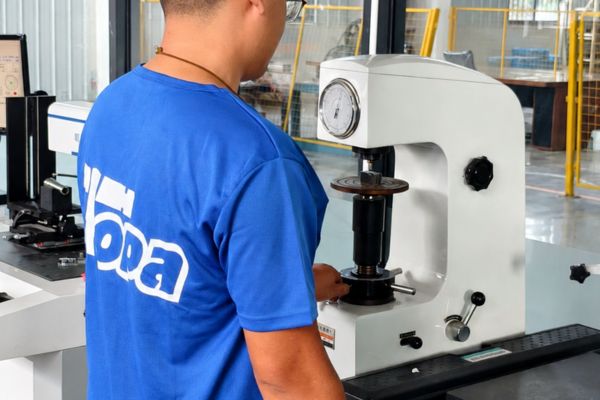
Check material hardness against the specified requirements before machining. This helps verify material condition and identify variations that require further review.
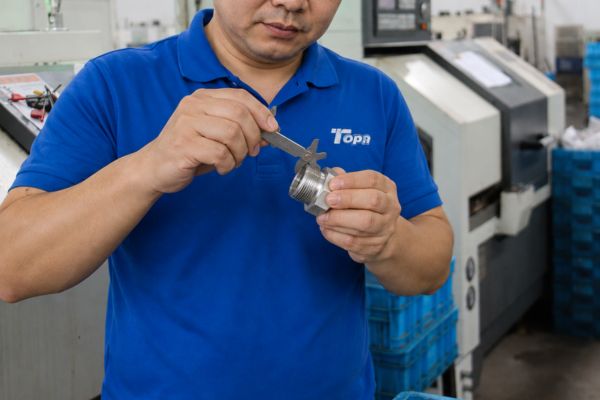
Measure critical dimensions against the approved drawing, including lengths, diameters, and other specified features. These checks help maintain proper fit and consistent installation dimensions.
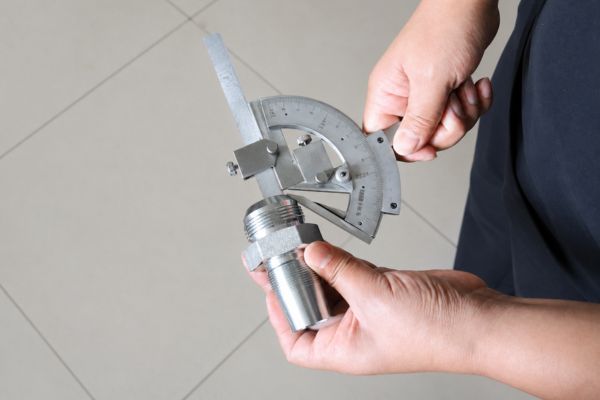
Check specified thread angles and sealing seat angles using suitable measuring tools. Accurate angles help maintain the intended connection geometry and mating contact.
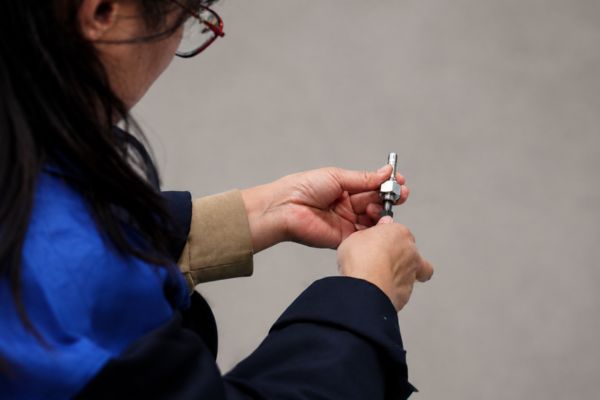
Inspect threads for damage, burrs, and incomplete machining. Where applicable, use GO/NO-GO gauges to check conformity with the specified thread requirements.
Check thread pitch against the specified connection type. This helps identify incorrect threads and reduce the risk of mismatched connections during assembly.
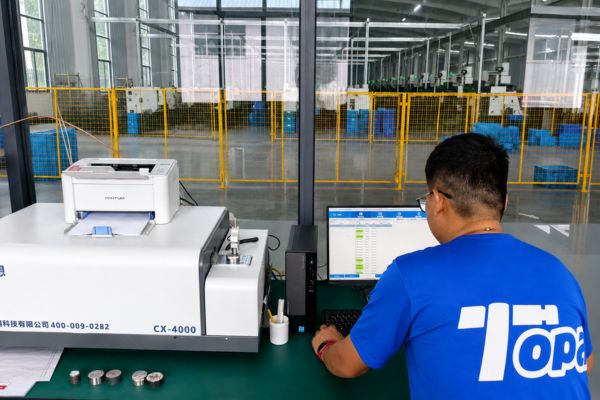
Use spectrometric analysis to check the measured chemical composition against the specified material grade. This supports material identification and helps detect incorrect material before further processing.
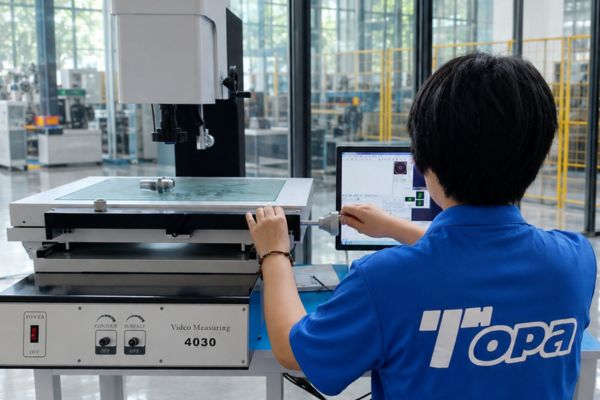
Use optical measuring equipment to inspect small features that require a closer view. Magnified measurement helps check fine details against drawing dimensions and tolerances.
Compare part profiles, angles, and geometric dimensions with the drawing requirements. Profile projection provides a clear view of contours that may be difficult to assess with handheld tools alone.
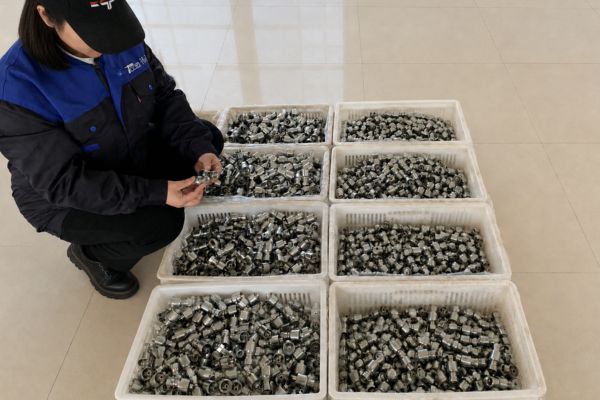
Inspect fittings for visible defects, including burrs, scratches, plating irregularities, and contamination. Particular attention is given to threads, sealing surfaces, and other areas that affect assembly.
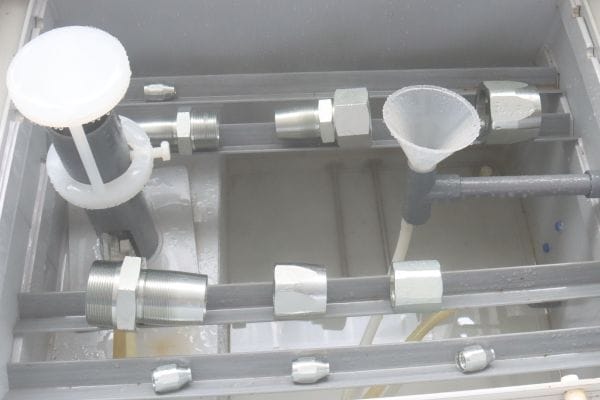
Evaluate the corrosion resistance of the specified surface finish under controlled salt spray conditions. Test duration and acceptance criteria follow the applicable specification or agreed requirements.
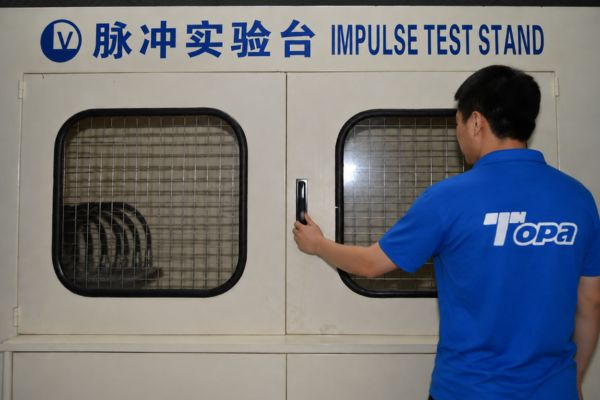
Apply increasing pressure to selected test specimens under controlled conditions to evaluate burst performance. The test setup, specimen configuration, and acceptance criteria must match the applicable product requirements.
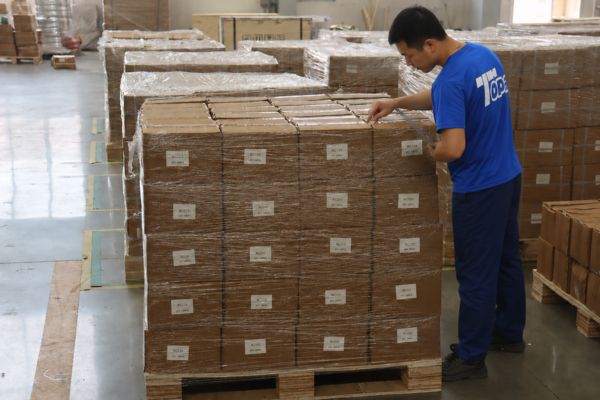
Check product identification, quantities, labels, protective measures, and packaging condition before shipment. Confirm that the packed order matches the agreed packing and shipping requirements.
See selected production and inspection activities at Topa. The video provides a closer look at how fittings are handled and checked during manufacturing.
Share your fitting list or drawings with Topa so we can review the product specifications and quality requirements before quotation. Clear requirements help us confirm which inspections, tests, and documents are needed for your order.
To help us review your request, please include:
For recurring orders, include your expected ordering schedule and any specifications that need to stay consistent across batches. If some details are still undecided, send the information you have and identify what needs clarification.