
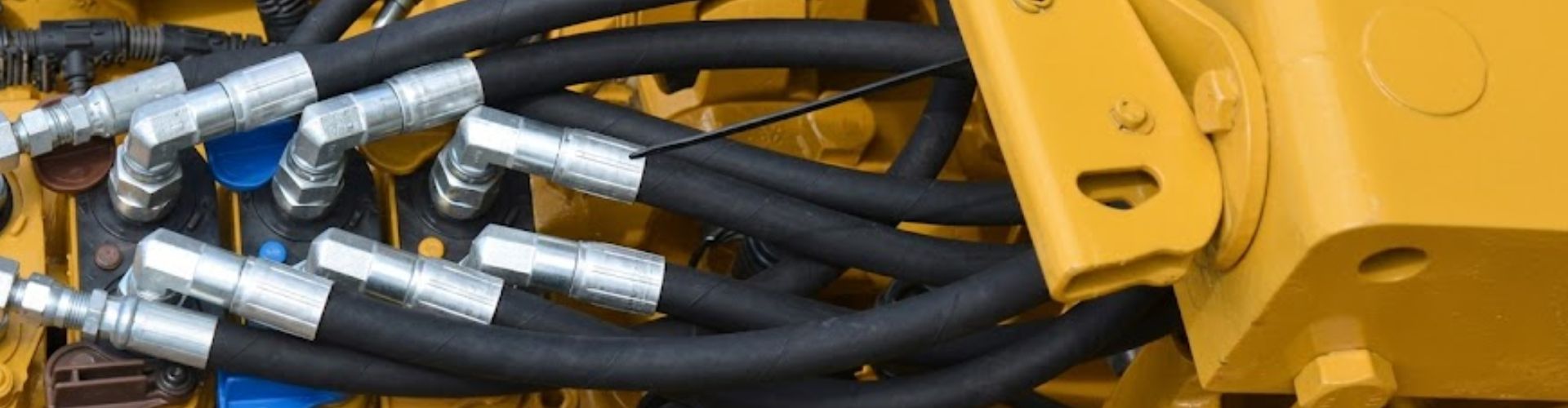
Imagine your excavator suddenly stalling in the middle of a critical foundation pour because a line ruptured, spraying hot oil everywhere and halting your entire crew. This high-cost downtime and the associated safety risks are the direct result of hydraulic hose failure , a problem that plagues unprepared job sites. By adopting professional standards for your hydraulic systems, you can eliminate these unpredictable breaks and keep your machinery running at peak efficiency.
What Are The Primary Causes Of Hydraulic Hose Failure?
Environmental factors, excessive pressure spikes, and physical abrasion are the most common triggers for system breakdowns. You must recognize that a typical hydraulic hose failure on a construction site usually stems from the grueling conditions heavy equipment must endure daily.
Why Do External Environments Damage Hoses?
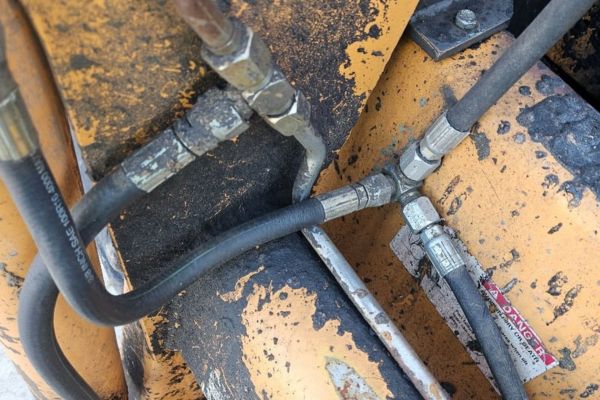
Construction sites expose your equipment to abrasive dust, flying rocks, and extreme sunlight that degrades rubber components. When you leave hoses unprotected, the outer cover eventually cracks, allowing moisture to reach the wire reinforcement.
- Abrasive debris wears down the outer protective layer.
- UV exposure leads to “sun-cracking” in the synthetic rubber.
- Chemical exposure from site runoff can soften the hose exterior.
By shielding your lines from these external threats, you extend the service life of every assembly and ensure your machine remains operational in harsh weather.
| Factor | Primary Impact | Prevention Method |
| Debris | Cover Abrasion | Protective Sleeving |
| UV Rays | Material Cracking | Proper Routing |
| Moisture | Internal Corrosion | Regular Cleaning |
How Do You Choose Hoses To Prevent Hydraulic Hose Failure?
You choose the right hose by strictly matching the maximum working pressure, temperature range, and size to the specific requirements of your machinery. Selecting an incorrect component is a leading driver of hydraulic hose failure because a hose that cannot handle system surges will inevitably burst.
Which Pressure Ratings Are Essential For Safety?
You should always verify that the hose’s working pressure meets or exceeds the highest relief valve setting on your excavator or loader. A common mistake is ignoring the 4:1 safety factor, which provides a buffer for the sudden surges common in heavy lifting.
- Check the lay line for the maximum psi rating.
- Ensure the hose size (ID) matches the flow rate requirements.
- Verify that the reinforcement layers are suitable for high-surge applications.
Choosing a hose with the correct pressure rating ensures that your system can handle the intense “hammering” effect during heavy-duty digging operations.
| Selection Metric | Requirement | Critical Benefit |
| Pressure | 4:1 Safety Factor | Prevents sudden bursts |
| Dash Size | Matches Flow Rate | Reduces internal heat |
| Temperature | -40°C to +100°C | Prevents rubber hardening |
Can Correct Fittings Stop Hydraulic Hose Failure?
Using precision-engineered connectors that match the specific thread standard of your machine is critical for preventing leaks and blowouts. A hydraulic hose failure often occurs at the connection point when you use mismatched threads or low-quality fittings that cannot withstand the vibration of the engine. You must ensure a perfect metal-to-metal seal or O-ring seat to maintain system integrity under load.
Why Does Thread Standard Compatibility Matter?
If you try to force a JIC fitting onto a BSP port, you will create a weak point that will eventually fail under high pressure. You need to identify the exact thread type before installation to avoid “weeping” leaks that waste expensive hydraulic fluid.
- Identify JIC, BSP, NPT, or ORFS standards accurately.
- Use a thread gauge to verify pitch and diameter.
- Inspect threads for burrs or damage before assembly.
By ensuring your fittings are perfectly matched, you eliminate the risk of a “blow-off” failure where the hose physically detaches from the machine.
| Fitting Type | Sealing Method | Best Usage |
| JIC 37° Flare | Metal-to-Metal | High-vibration areas |
| ORFS | O-Ring Face Seal | High-pressure systems |
| NPT Pipe | Thread Interference | Low-pressure auxiliary lines |
Does Proper Installation Reduce Hydraulic Hose Failure?
Correct installation prevents internal stress by ensuring hoses are never twisted, over-tensioned, or bent beyond their specified limits. Even a minor twist during assembly can lead to a hydraulic hose failure shortly after the system reaches full operating pressure. You must follow professional layout guidelines to allow the hose to move naturally with the machine’s articulation.

How Do You Avoid Hose Twisting Errors?
You should always use the “lay line” or the printed text on the hose as a visual guide to ensure it remains straight during installation. If you tighten a fitting while the hose is twisted, the internal wire braids will rub against each other and fail prematurely.
- Keep the lay line straight from end to end.
- Leave enough slack for the hose to contract under pressure.
- Use two wrenches to prevent the hose from rotating during tightening.
Avoiding these installation mistakes ensures that the internal reinforcement layers are not subjected to unnecessary torque that causes structural fatigue.
| Installation Rule | Correct Action | Failure Prevented |
| Anti-Twist | Align lay line | Wire braid fatigue |
| Slack Allowance | Add 5-8% length | Fitting pull-out |
| Bend Radius | Follow minimum spec | Reinforcement kinking |
Why Does Routing Impact Hydraulic Hose Failure Rates?
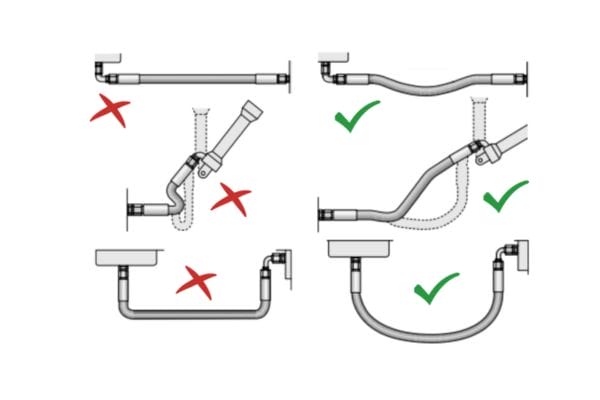
Professional routing prevents external damage by directing hoses away from heat sources, moving parts, and sharp metal edges on the machine’s chassis. You will find that most hydraulic hose failure incidents on the job site are caused by hoses rubbing against each other until the reinforcement is exposed. You must use clamps and spacers to organize your lines and keep them in a safe path.
Can Adapters Help Improve Hose Routing?
You can use 45-degree or 90-degree adapters to redirect a hose path and avoid tight bends that would otherwise stress the fitting. These components allow you to keep the hose close to the machine’s body, reducing the chance of it snagging on external debris.
- Redirect paths with elbow adapters for cleaner layouts.
- Keep hoses away from hot exhaust manifolds.
- Use clamps to prevent hoses from “whipping” under pressure.
Strategic routing keeps your hydraulic lines organized and protected, significantly reducing the frequency of abrasion-related leaks on your equipment.
| Routing Tool | Function | Safety Benefit |
| 90° Adapter | Changes direction | Prevents sharp bends |
| Hose Clamps | Secures the line | Stops friction rubbing |
| Bulkhead Plate | Organizes connections | Prevents hose tangling |
How Does Heat Management Curb Hydraulic Hose Failure?
Managing both internal fluid temperature and external radiant heat is essential to keep the rubber from becoming brittle and prone to cracking. Excessive heat is a silent contributor to hydraulic hose failure because it accelerates the aging process of the internal tube. You must monitor your system’s cooling efficiency to ensure the oil remains within the hose’s rated temperature window.
What Are The Effects Of System Overheating?
When your hydraulic oil runs too hot, the inner tube of the hose hardens like plastic, losing the flexibility required for machine movement. You will notice small internal cracks that eventually grow into full-scale ruptures if the heat issue is not resolved.
- Maintain oil coolers to keep fluid temperatures stable.
- Check for “heat-aging” indicators like stiff rubber.
- Ensure the hose material is compatible with high-heat fluids.
By controlling the thermal environment of your hoses, you prevent the material degradation that leads to catastrophic bursts during high-intensity work.
| Heat Type | Danger Sign | Prevention |
| Internal Fluid | Hard, brittle inner tube | Service oil cooler |
| External Radiant | Charrred or flaked cover | Heat shielding |
| Friction Heat | Localized soft spots | Better routing |
Is Fluid Cleanliness Vital To Avoid Hydraulic Hose Failure?
Clean hydraulic fluid prevents internal erosion by eliminating abrasive particles that act like sandpaper against the inner walls of the hose. A hydraulic hose failure can be caused by metal shavings or dirt circulating at high speeds, which thins the inner tube until a pinhole leak forms. You must implement a strict filtration and oil sampling schedule to protect your system from within.
How Does Contamination Destroy Hose Walls?
Abrasive particles in the oil gradually “sand” away the inner rubber layer, eventually exposing the wire reinforcement to the fluid. You need to replace filters regularly and ensure that the reservoir remains sealed to keep site dust out of the system.
- Change hydraulic filters at the specified intervals.
- Seal the reservoir properly to prevent dust entry.
- Sample oil to check for microscopic metal contaminants.
Ensuring your fluid is free of debris significantly reduces the internal wear that causes “mysterious” leaks and premature hose replacements.
| Contaminant | Effect | Maintenance Step |
| Metal Shavings | Internal abrasion | Use magnetic filters |
| Water Entry | Rubber degradation | Check reservoir seals |
| Dirt/Dust | Clogged valves | Regular filter swaps |
Do Protective Guards Mitigate Hydraulic Hose Failure?
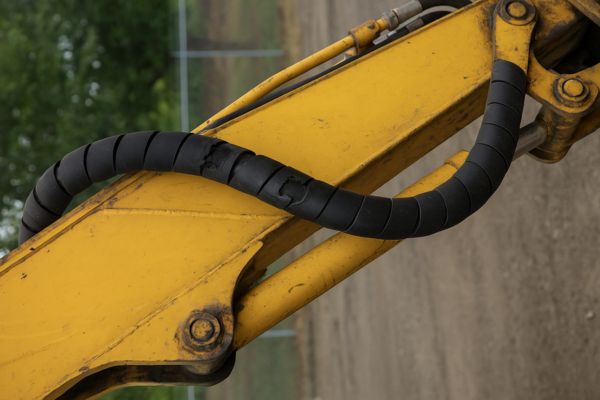
Guards like spiral wraps and fire sleeves provide an extra layer of defense against the physical impacts and heat sources found on construction sites. While the hose itself is durable, a hydraulic hose failure can often be delayed or prevented by using these sacrificial layers to take the brunt of the wear. You should apply protection to any lines that are exposed to heavy friction or extreme radiant heat.
Which Guard Is Best For Your Application?
You can use plastic spiral wraps to bundle hoses together and protect them from rubbing against the ground or the machine’s chassis. For hoses near the engine, a fire-resistant sleeve can insulate the rubber from thermal stress that causes hardening.
- Use spiral wrap for abrasion and impact protection.
- Install fire sleeves near exhaust systems or hot pumps.
- Apply spring guards to prevent kinking at tight pivot points.
Investing in these simple protective accessories significantly extends the life of your most vulnerable hoses, reducing your overall maintenance spend.
| Guard Type | Best For | Benefit |
| Spiral Wrap | Friction and Bundling | Abrasion resistance |
| Fire Sleeve | High Heat Areas | Thermal insulation |
| Spring Guard | Heavy Impact | Kink prevention |
When Is Replacement Necessary To Halt Hydraulic Hose Failure?
You must replace a hose as soon as you see visible reinforcement, deep cracks, or permanent deformation to prevent an unexpected blowout. Waiting for a hydraulic hose failure to occur before acting is a dangerous strategy that risks both your equipment and your crew.
Why Are Reusable Fittings Useful For Field Repairs?
On remote sites where a crimping machine isn’t available, reusable fittings allow you to assemble a temporary or permanent hose line with basic hand tools. This ensures you don’t have to wait days for a specialized technician to arrive while your machine sits idle.
- Keep bulk hose and reusable fittings in your service truck.
- Assemble replacement lines on-site for immediate repair.
- Use these options to minimize downtime during critical projects.
Having the ability to perform immediate, professional-grade replacements allows you to maintain progress even when a hose is damaged by accidental impact.
| Failure Indicator | Urgency | Required Action |
| Exposed Wire | Critical | Immediate replacement |
| Fitting Leak | Moderate | Inspect and reseal |
| Cover Cracking | Low/Moderate | Schedule for next service |
We have explored how proactive selection, precision installation, and rigorous maintenance can virtually eliminate the threat of hydraulic line breaks. At Topa, we provide the high-performance hoses, adapters, and fittings you need to keep your construction equipment moving without interruption. Our vision is to empower your business with zero-downtime hydraulic solutions that withstand the world’s toughest environments. If you want to secure your site against unpredictable system failures and expensive oil spills, contact us today for expert guidance and premium hydraulic components.
FAQ
Can I reuse old fittings on a new hydraulic hose?
No, you should never reuse a crimped fitting because the metal has already been permanently deformed during the initial assembly. Using it again will result in a weak connection that is highly likely to blow off under pressure.
What is the best way to clean a new hose before installation?
You should use a pneumatic cleaning projectile or high-pressure air to remove any debris left over from the cutting process. This prevents metal dust from entering your sensitive hydraulic valves and causing internal wear.
Can extreme cold weather cause my hoses to fail?
Yes, standard rubber can become brittle and crack in freezing temperatures when it is flexed. You should choose hoses specifically rated for “low-temp” environments if you are operating in sub-zero conditions.
Is it safe to patch a pinhole leak with tape or a clamp?
Absolutely not, as a pinhole leak can release oil at high enough speeds to penetrate human skin, causing a medical emergency. You must replace the entire hose assembly immediately if any leak is detected.
How often should I inspect my hydraulic hoses?
You should perform a visual walk-around inspection every single day before starting your machine. A more detailed inspection of high-wear areas and fitting connections should be included in your weekly maintenance routine.