How to Select One Piece Fittings for High Heat

How to Select One Piece Fittings for High Heat

Select a high-temperature fitting as part of a verified hose assembly and installation, not as an isolated metal component. Select one-piece fittings for high-temperature hydraulic applications must be checked against fluid temperature, ambient air, radiant heat, heat cycling, hose construction, seals, O-rings, coating, fluid chemistry, routing, and current crimp data. The complete assembly is limited by its lowest-rated component, and a metal body that tolerates heat does not approve the hose or sealing materials. A reliable selection begins by mapping every heat source and exposure duration, then confirming product-specific limits and protective measures without assuming that brief, continuous, storage, and operating temperatures are interchangeable.

Map Every Temperature Exposure

Temperature should be described at the component, not only at the machine or room level. Fluid flowing through the assembly, hot air, nearby exhausts, radiant surfaces, process equipment, and cycling between operating and shutdown conditions can produce different limits and failure mechanisms.

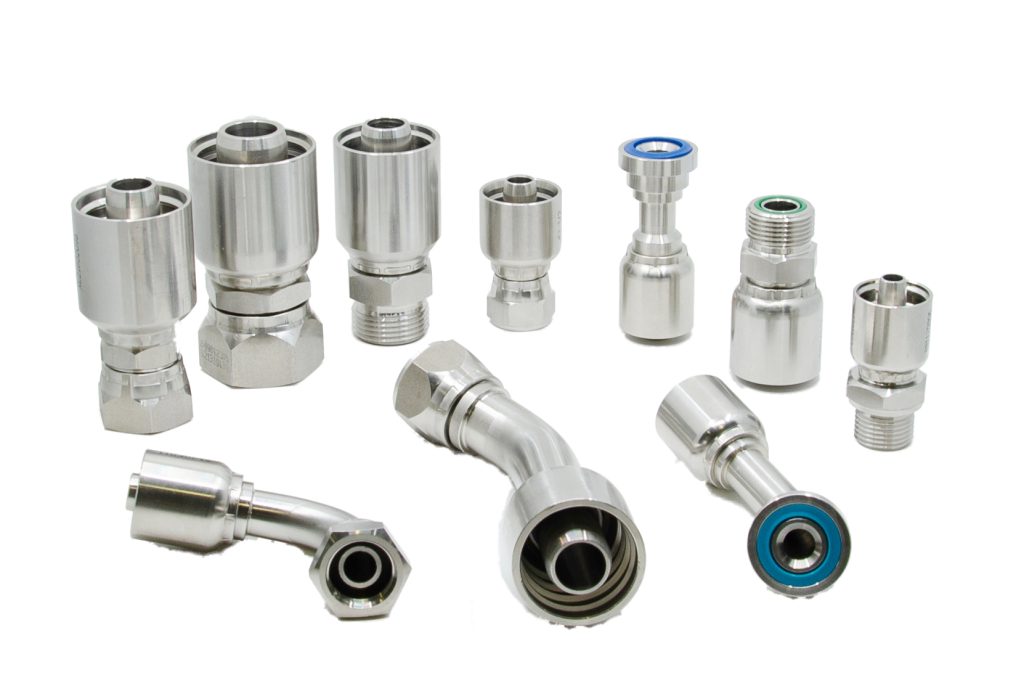
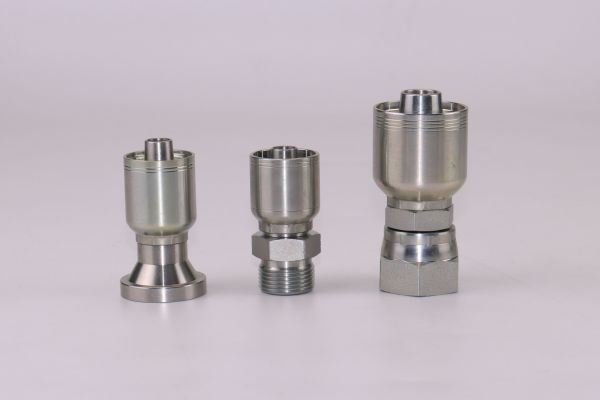
One-Piece Fittings for hot Climates

Separate fluid, ambient, and radiant heat

Fluid temperature acts from inside the hose and fitting, while ambient air affects outer surfaces and heat dissipation. Radiant heat can warm one side of an assembly even when measured air temperature appears acceptable. Record measurement location, operating state, duration, and expected peaks so a general “high temperature” label does not hide the controlling exposure.

Distinguish continuous and intermittent conditions

A component may have different allowances for continuous operation, short excursions, storage, or non-operating handling. Frequent heat cycles can matter even when each exposure is brief. Use equipment and component documentation to define the applicable condition; do not average peaks into a lower temperature or assume that a short excursion is acceptable without stated approval.

Collect the following operating picture:

Review Metal, Plating, and Surface Treatment

The fitting body, ferrule, nut, and any swivel components need verified material and finish suitability, but their approval cannot be transferred from a generic metal-property table. Exact design, size, connection, material condition, and surface system influence the usable product data.

Metal suitability is product specific

Carbon steel, stainless steel, and other materials include multiple grades and conditions. Strength, corrosion behavior, thermal expansion, and interaction with adjacent parts may differ. Confirm the current rating and application guidance for the exact fitting rather than assuming stainless steel always tolerates more heat or that carbon steel has one universal limit.

Coatings face combined heat and environment

Elevated temperature can interact with plating, passivation, topcoats, contaminants, condensation, and cleaning chemicals. A finish selected for corrosion resistance under ordinary conditions may require separate evidence near heat. Coating color or salt-spray duration does not establish temperature suitability, pressure rating, or field life.

Check whether installation tools, clamps, or repeated thermal movement can damage the finish at exposed locations. Evidence from an untouched sample may not represent a scratched elbow or a ferrule beside a hot, wet guard. The inspection plan should address these combined conditions without inventing a universal service interval.

Seals and O-Rings May Set the Limit

Elastomeric seals often control a connection before the metal body reaches its limit. Material family, formulation, fluid, temperature, compression, aging, and cycling all influence behavior, so a visual match or generic O-ring name is insufficient.
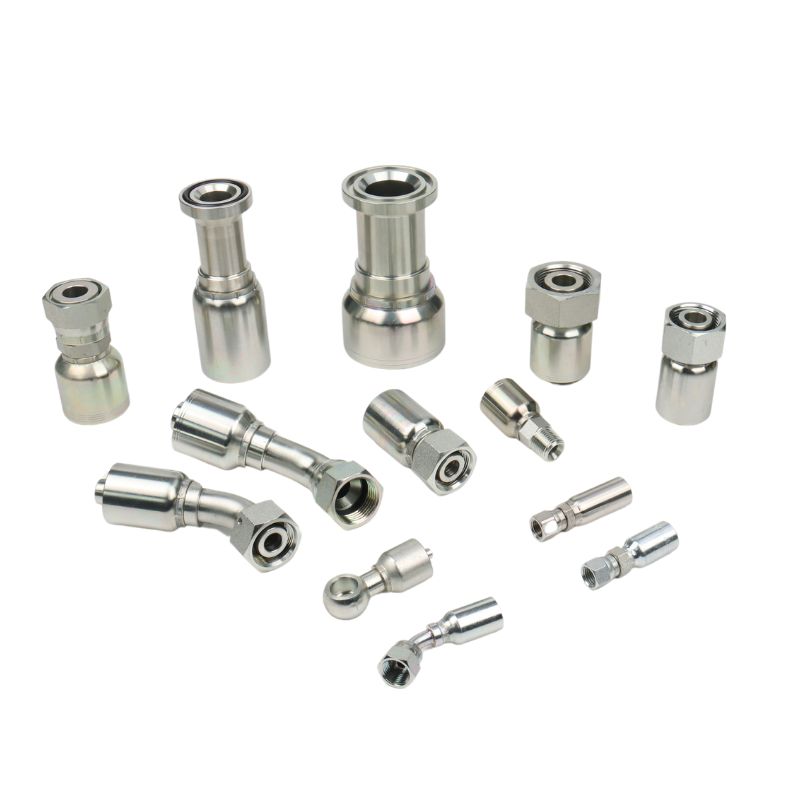
crimp style Hydraulic hose fitting Manufacturer Topa

Identify every sealing element

Determine where sealing occurs: tapered thread, flare seat, flat face, cone, bonded seal, O-ring face, port O-ring, or another designed interface. Record each O-ring and seal material, including seals in adapters, ports, valves, and nearby components. A fitting can be mechanically correct yet unsuitable because one unverified seal is exposed to the hot fluid.

Check fluid and heat together

Compatibility tables must be relevant to the exact fluid, concentration, additives, temperature, and exposure duration. Heat can accelerate material degradation or change compression behavior. Do not substitute seal materials or mix compounds to solve a temperature problem without approval from the applicable component and equipment data.

Hose Construction and Crimp Data Are Essential

The hose frequently controls high-temperature assembly performance. Tube, reinforcement, cover, adhesive systems, and outside dimensions can respond differently to heat, and matching dash size alone does not establish compatibility.

Verify the exact hose series

Identify the hose manufacturer or accepted specification, series, construction, hose ID, dash size, reinforcement, tube, and cover. Confirm the allowed internal and external temperature conditions with the actual fluid. A cover exposed to radiant heat may have a different risk from the tube carrying hot fluid, so both sides require review.

Use current assembly instructions

Heat can affect hose condition and the long-term behavior of an assembly, but the response is not permission to change preparation or crimp settings. Skive or no-skive method, insertion, die set, crimp diameter, and inspection criteria must come from current data for the exact hose-and-fitting combination and equipment. An approximate crimp measurement is not proof of approval.

The assembly record should identify the data revision used by the shop and keep it linked to the finished hose. This matters when two hoses share a dash size but use different construction or fitting series. Marking, work instructions, and final inspection should prevent an operator from selecting a familiar setting that belongs to another combination. If current data cannot be located, quarantine the configuration instead of reconstructing a procedure from an old assembly.

Account for Fluid, Routing, and External Heat

Selection improves when temperature control is addressed through system layout as well as component rating. Fluid condition, pressure loss, routing, airflow, shielding, and proximity to hot surfaces may create or reduce heat exposure.

Fluid condition changes the problem

Mineral oil suitability does not prove compatibility with water-containing, synthetic, biodegradable, or specialty fluids. Viscosity, oxidation, contamination, and additive behavior can change with temperature, affecting the system beyond the fitting. Use current fluid, equipment, hose, seal, and fitting sources together rather than relying on one compatibility statement.

Routing can prevent avoidable heating

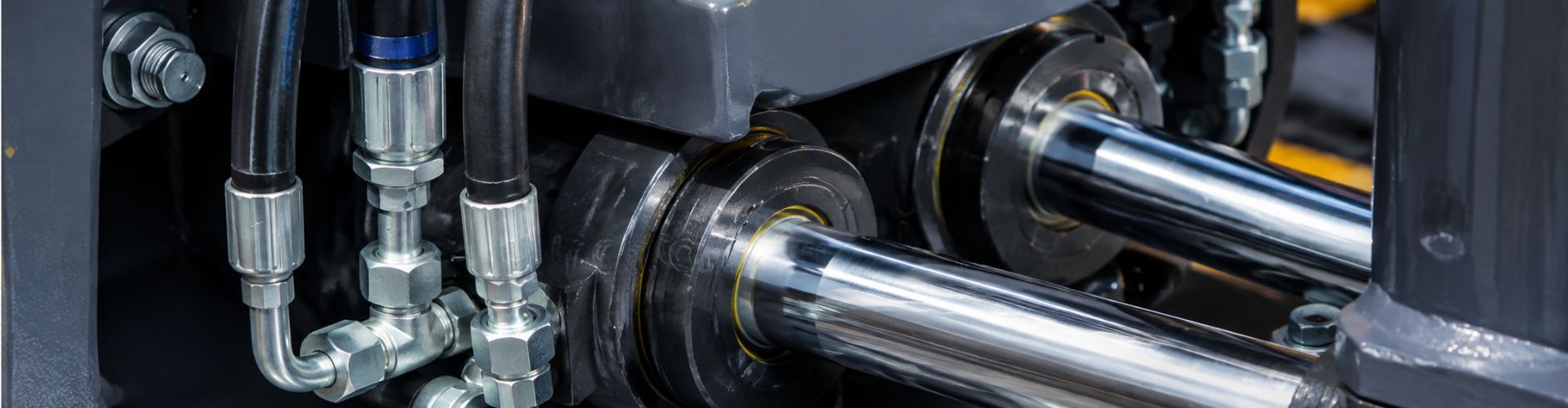
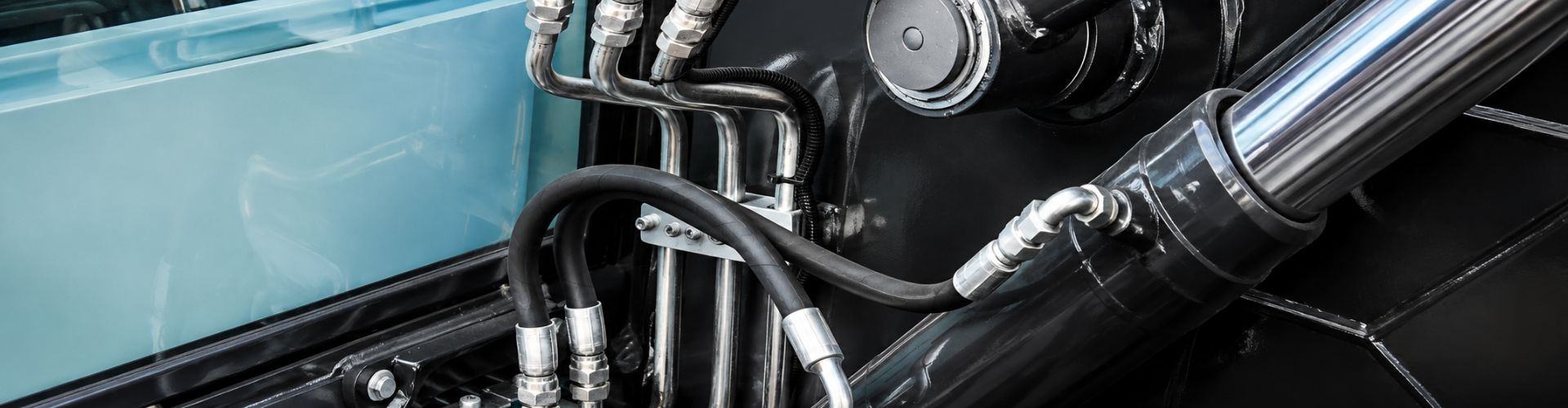
Keep hoses away from heat sources where the approved design allows, preserve the required bend radius, avoid torsion, and protect against abrasion. Heat shields or sleeves must be selected and installed under suitable procedures; a cover can trap heat or interfere with inspection if used incorrectly. Never reroute a safety-critical line without considering motion, pressure loss, support, and equipment requirements.

Routing review should address:

Follow a Step-by-Step Selection Process

A repeatable process prevents the fitting material from receiving attention while a hose, seal, or route remains unverified. Keep assumptions visible and stop approval when required data is missing.

Screen the complete configuration

First identify connection standard, gender, size, seat or sealing method, orientation, hose side, fitting series, material, and finish. Then document fluid, pressure duty, temperature sources, duration, cycling, environment, and installation geometry. Reject a visual cross-reference as final evidence because similar fittings can have different materials, passages, seals, and ratings.
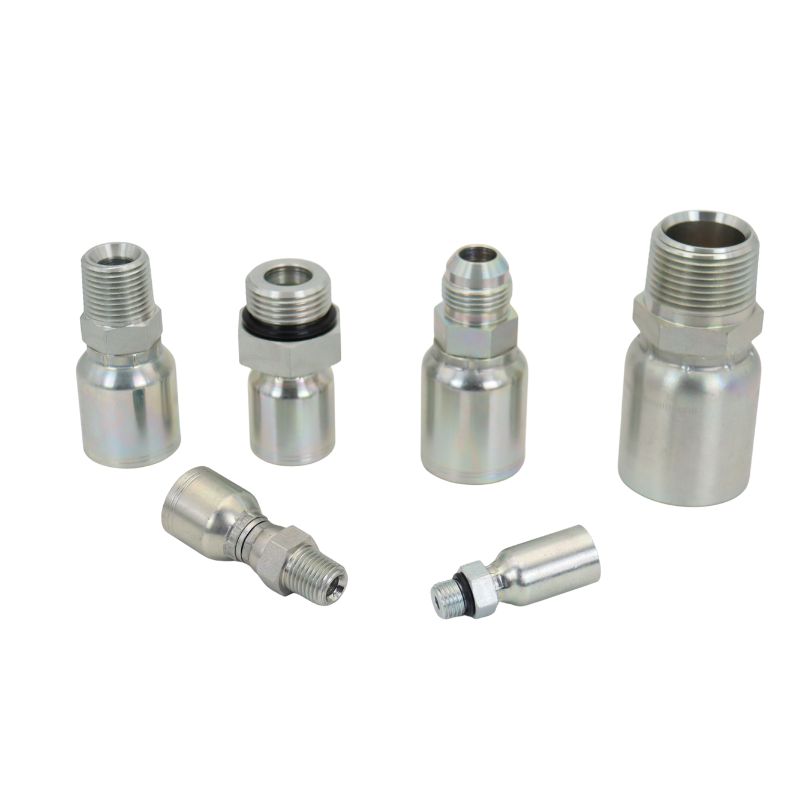
Male Hydraulic Crimp Fitting

Confirm and record the lowest-rated component

Compare current limits for the hose, fitting, ferrule, seals, adapter, port, valve, and other affected components under the same stated condition. Confirm the approved crimp procedure and any temperature-related routing or protection requirement. The usable assembly limit cannot exceed the lowest applicable limit, and changes require review rather than automatic inheritance.

Verification should also consider the interaction between temperature and pressure duty. Static pressure, pressure impulses, vibration, and thermal expansion can load a connection differently, while hot fluid may change hose or seal behavior. Do not use a room-temperature pressure rating as the only approval evidence unless the applicable source explicitly covers the actual temperature and duty. Record any derating or conditional limit exactly as issued rather than creating a local estimate.

Finally, plan how the condition will be checked after installation. A route survey, temperature measurement method, inspection interval, and clear rejection criteria help confirm that the design assumption remains true. Maintenance records should capture hardening, discoloration, leakage, cover damage, coating change, shield movement, or contact with a heat source. These observations support timely review but do not authorize touching a suspected high-pressure leak or inspecting an energized system by hand.

Avoid Common High-Temperature Mistakes

Most errors come from treating “metal fitting temperature” as the whole decision. Other failures arise from confusing storage with operation, ignoring radiant heat, or using a generic seal description.

Do not approve by the strongest component

A heat-resistant fitting body cannot raise the allowed condition of a lower-rated hose, O-ring, adapter, or port. Likewise, a hose description cannot approve the attached fitting and crimp. Burst pressure, room-temperature data, and a previous successful installation should not be substituted for the current operating approval.

Do not improvise temporary operation

Do not continue above rated conditions because exposure seems brief, wrap an assembly with unapproved material, or change seals and crimp settings without verified procedures. If overheating is suspected, stop and isolate equipment, release pressure and stored energy, secure loads, and follow lockout and manufacturer instructions before inspection.

Conclusion

High-temperature selection succeeds only when the complete assembly and installation are reviewed under the same operating condition. Separate fluid temperature from ambient and radiant heat, and document duration, cycling, and abnormal exposure. Verify the exact fitting metal and finish, every seal and O-ring, the hose tube and cover, fluid compatibility, routing, shielding, and current crimp data. The lowest-rated hose, fitting, seal, adapter, port, or other component sets the usable limit; a capable metal body cannot raise it. Never improvise operation above approved conditions. Before approving one-piece fittings for high-temperature hydraulic applications, prepare the full temperature profile, product revisions, fluid, pressure duty, connection details, assembly procedure, route survey, and evidence source for each affected component, and preserve the approved installation boundary.

FAQ

Is fluid temperature the same as ambient temperature?

No, fluid acts on internal surfaces while ambient air affects external heat transfer. Both can differ from radiant exposure near an exhaust or hot process surface.

Are stainless-steel fittings always best for high heat?

No, stainless grades and fitting designs vary, and the complete assembly may be limited elsewhere. Use current part-specific pressure, temperature, fluid, hose, and crimp data.

Can a heat shield raise a hose assembly rating?

No, a shield may reduce a defined external exposure but does not change component ratings. Its material, installation, heat retention, movement, and inspection effects require approval.

Does intermittent heat need to be reviewed?

Yes, repeated or short exposures can still affect materials and may have separate limits. Confirm the stated intermittent condition rather than averaging it into normal operation.

Can an existing crimp setting be reused for a high-temperature hose?

Only when current data approves the exact hose, fitting, preparation, equipment, die, and crimp specification. Similar size or appearance does not establish the combination.
Stainless Steel vs Carbon Steel One-Piece Fittings

Stainless Steel vs Carbon Steel One-Piece Fittings: How to Choose

Choose between stainless steel vs carbon steel by matching verified product data to corrosion exposure, fluid, temperature, mechanical demand, pressure, availability, and the complete hose assembly. In a stainless steel vs carbon steel one-piece fittings comparison, stainless is not automatically safer and carbon steel is not automatically limited to dry service. Stainless grades and conditions vary, while carbon-steel performance depends partly on its coating and whether that protection remains intact. The right choice is application specific and size specific.

Compare Base Materials and Corrosion Behavior

The most visible difference is how each material approach manages corrosion. Stainless steel relies on the corrosion behavior of a defined alloy and surface condition, while carbon steel commonly relies on a protective coating system in addition to the base metal.

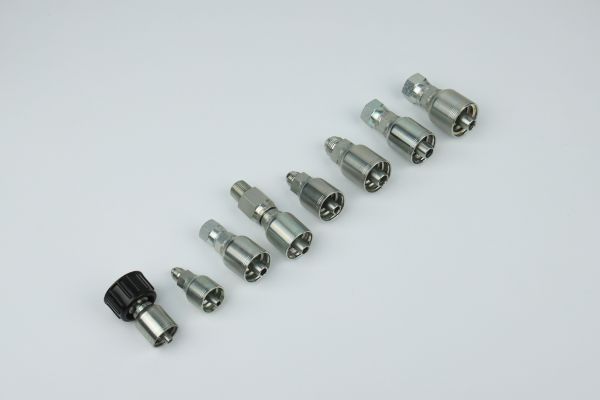
Standard crimp Fitting

Stainless steel is a material family

“Stainless” does not identify one grade, strength level, or corrosion response. Alloy composition, processing, surface condition, contamination, fabrication, and the service environment can change performance. Chlorides, chemicals, crevices, deposits, and contact with dissimilar materials may create risks even when the general material description sounds suitable.

Carbon steel depends on coating and condition

Carbon-steel fittings may use zinc, zinc-nickel, passivation, topcoats, or another confirmed system to delay corrosion. Performance depends on the exact finish, coverage, component geometry, handling, and damage. A coated fitting can be appropriate in many environments when evidence and maintenance support it, but exposed base metal at scratches, threads, or worn contact points may change the local risk.

Define the corrosion problem with:

Pressure and Mechanical Suitability Need Product Data

Material name alone does not establish a pressure rating. The usable rating depends on the exact fitting size, connection, geometry, material condition, hose, ferrule, crimp, adapter, port, seal, temperature, impulse conditions, and the lowest-rated component in the assembly.

Strength cannot be inferred from corrosion resistance

A corrosion-resistant material is not necessarily higher rated for every fitting geometry. Stainless and carbon steels can be supplied in different grades, heat treatments, and manufacturing conditions. The correct comparison uses current data for the exact part rather than a general property from a material handbook or another supplier’s catalog.

Mechanical environment can control the choice

Vibration, impact, side loading, installation stress, and repeated pressure impulses can affect the connection independently of visible corrosion. Thread engagement, wall sections, elbow geometry, swivel design, and adapter interfaces also matter. If material is changed during replacement, confirm that dimensions, sealing surfaces, assembly procedures, and ratings remain valid instead of transferring approval from the old part.

Check Fluid and Temperature Compatibility

Both choices must be reviewed against the hydraulic fluid, contaminants, internal temperature, ambient temperature, and any external heat or cold exposure. Compatibility applies to the complete assembly, including coating, O-rings, hose tube, seals, and adjacent components.

Parker stainless steel hydraulic fitting

Fluid chemistry affects more than the metal

Mineral oil compatibility does not establish suitability for water-containing, synthetic, biodegradable, or specialty fluids. Concentration, additives, contamination, and exposure duration can change the response of metals, coatings, seals, and hose materials. Use current compatibility information from the relevant product and fluid sources rather than a generic material label.

Temperature can change several limits at once

High temperature may affect seals, hose tube, cover, coating, fluid condition, and crimp requirements before it limits the metal body. Low temperature may reduce hose flexibility, alter seal behavior, increase fluid viscosity, and complicate routing or startup. The permitted operating range is controlled by the lowest-rated component and may differ from storage limits or brief handling exposure.

Evaluate Cost, Availability, and Order Conditions

Commercial practicality matters, but a useful cost comparison includes the controls needed to keep the assembly suitable. Unit price alone can hide slow-moving inventory, coating damage, mixed materials, additional inspection, special storage, or emergency replacement risk.

Compare total purchasing conditions

Record exact sizes, connection systems, shapes, hose-side configurations, minimum practical order conditions, replenishment reliability, and traceability needs. A material may be attractive for one high-exposure group but unnecessary for every low-risk SKU. Segmenting the range by verified application can be more rational than converting an entire product family to one material.

Availability affects replacement discipline

When the specified material is unavailable, teams may be tempted to substitute another finish or material under downtime pressure. The purchasing plan should identify acceptable approved alternatives in advance, including the evidence required for each. An unverified stainless item is not automatically a safe substitute for coated carbon steel, and a coated carbon-steel item is not automatically acceptable where stainless was specified.

Range coverage should also be checked at the configuration level. A material may be readily available in common straight fittings but limited in elbows, swivel ends, flanges, or mixed port-and-hose dash combinations. Approving the material concept without checking the actual SKU matrix can create partial coverage, emergency substitutions, and duplicate stock. Record which configurations are approved and leave unavailable variants visibly unresolved.

Commercial review should include:

Match the Material to the Application Environment

Neither material owns a universal application category. The choice depends on how corrosion, contamination, mechanical loading, inspection, cleaning, and replacement interact at the installation point.

Where stainless steel may be justified

Stainless may be considered where a verified grade and product design address persistent corrosive exposure, washdown, chemical requirements, coating-damage concerns, or equipment specifications. It may also simplify a corrosion strategy when a plated finish would be repeatedly compromised. These potential advantages still require confirmation of pressure, fluid, temperature, galling, connection, hose, crimp, and adjacent-material conditions.

Where carbon steel may be practical

Coated carbon steel may be appropriate in controlled indoor, mobile, outdoor, or moderately corrosive service when the defined finish, packaging, installation, and inspection plan address the actual exposure. It should not be rejected solely because moisture exists. Conversely, a strong laboratory coating result should not override evidence of repeated field damage, trapped contaminants, or an equipment requirement for another material.

Where different metals meet, also review electrical contact, retained moisture, and the surrounding design. Isolation, drainage, and inspection may be as important as the fitting material itself.

Choose with Evidence Rather Than Assumptions

The decision should be recorded as a product-and-application approval, not a broad statement that one metal is better. A structured review makes missing evidence visible and prevents material preferences from substituting for engineering checks.

Parker 43series Hydraulic Fitting

Build a part-specific evidence package

Identify the exact material grade or controlled specification, component revision, manufacturing condition when relevant, coating system for carbon steel, and surface requirements. Link corrosion evidence to the component and intended environment. Then collect current ratings and compatibility information for the fitting, hose, crimp, seal, port, adapter, fluid, temperature, and duty cycle.

Validate changes and samples proportionately

Sample inspection can confirm identity, dimensions, finish, markings, condition, and document linkage for selected items. It cannot approve all sizes, connection types, or applications. Higher-risk configurations and safety-critical assemblies require suitable technical validation, and later changes in material, coating, process source, or geometry should trigger review before routine purchasing continues.

Evidence quality matters as much as the number of documents. A generic material statement may identify a family but fail to link the grade, condition, or finish to the delivered revision. Conversely, a traceable drawing, inspection report, and controlled specification can define what receiving should verify. Resolve conflicting identifiers before approval; do not choose whichever document gives the more favorable claim.

Common Material-Selection Mistakes

The most common errors are treating stainless as one uniform material, treating carbon steel as one uniform finish, and using price or color as the deciding evidence. These shortcuts ignore the exact grade, coating system, geometry, environment, and complete assembly.

Avoid universal rankings

Do not say stainless always lasts longer, carbon steel is always stronger, or one option always costs less overall. The result changes with product design, exposure, damage, maintenance, availability, and replacement strategy. Likewise, salt-spray duration is not a direct service-life prediction and cannot be compared without methods and criteria.

Keep material approval separate from compatibility

A correct base material does not prove thread form, seat angle, sealing method, hose-tail design, or crimp suitability. A visual match or old part number cannot confirm working pressure, impulse behavior, temperature, fluid compatibility, or installation clearance. These factors remain required even when the material decision is sound.

Neutral Material-Comparison Checklist

Use one worksheet for both alternatives so the decision is based on comparable evidence. Mark unknowns as unresolved instead of assuming that a general material reputation answers them.

Information to confirm

The selection record should state why the chosen material fits the defined environment and which limits still apply. That record gives purchasing, receiving, assembly, and maintenance teams the same decision boundary.

Conclusion

Stainless steel and coated carbon steel are conditional material strategies, not a simple premium-versus-budget ranking. Compare the exact stainless grade or carbon-steel coating system with the real moisture, salt, chemical, temperature, impact, storage, and maintenance environment. Then verify part-specific mechanical ratings, fluid compatibility, connection geometry, hose series, ferrule, crimp data, port, adapter, and seals. Include availability, identification, inspection, and alternative-approval controls in the commercial decision. Do not infer performance from color, generic alloy names, or salt-spray duration. A responsible stainless steel vs carbon steel one-piece fittings decision records the evidence for the exact configuration and application, states unresolved limits, and preserves a safe review path whenever material, finish, size, or operating conditions change throughout the documented life of the complete assembly.

FAQ

Are stainless-steel fittings always more corrosion resistant?

No, corrosion behavior depends on the exact alloy, surface condition, contaminants, geometry, and environment. A verified stainless choice may perform well, but the name alone does not guarantee suitability.

Can coated carbon steel be used outdoors?

Yes, when a defined coating system and product data support the actual exposure and maintenance plan. Outdoor conditions vary, so moisture, salt, damage, drainage, and inspection must be described.

Does stainless steel have a higher pressure rating?

Not automatically. Pressure rating depends on the exact material condition, fitting design, size, connection, hose assembly, temperature, impulse conditions, and lowest-rated component.

Should every fitting in one machine use the same material?

Not necessarily, unless equipment or system requirements specify it. Different locations may have different exposure, compatibility, inspection, and galvanic-contact considerations that require coordinated review.

Can material be confirmed from a photograph?

No, appearance cannot reliably establish material grade or coating specification. Use controlled markings, purchase records, drawings, certificates or test evidence where required, and traceability to the exact part.

How to Read Salt Spray Test Results for One-Piece Fittings

How to Read Salt Spray Test Results for One-Piece Fittings

Salt spray testing is a controlled laboratory method for comparing corrosion behavior under stated conditions; it is not a direct forecast of field service life. When reviewing salt spray test for one-piece hydraulic fittings, examine the test method, specimen identity, preparation, coating system, exposure conditions, evaluated surfaces, white corrosion, red rust, and acceptance criteria together. A reported duration without those details has limited purchasing value. The test also says nothing by itself about thread accuracy, sealing, hose compatibility, crimp quality, or pressure integrity. Used correctly, the report helps compare defined finishes or process controls. Used as a calendar promise, it can support the wrong material or coating decision.

What the Test Actually Measures

The test exposes a prepared specimen to a controlled corrosive atmosphere and records changes according to a defined method and evaluation plan. Its value comes from repeatable comparison, not from duplicating every wet, dry, hot, cold, abrasive, or chemically contaminated condition a fitting may face in service.

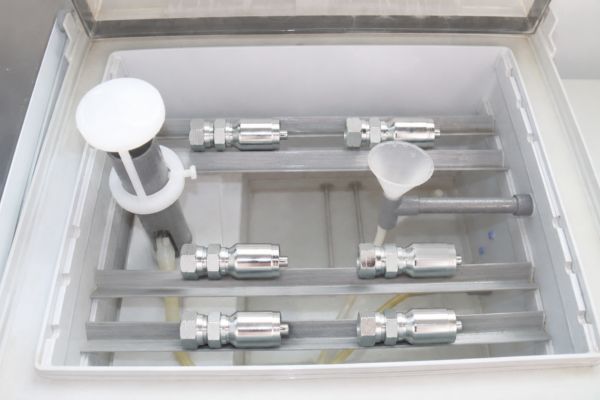
salt spray test crimp Fitting

Controlled exposure creates comparative evidence

A useful report identifies the chamber conditions, test duration, inspection intervals, specimen position, preparation, and criteria used to classify corrosion. Those controls allow results to be interpreted within the test. If two claims use different methods, specimens, exclusions, or pass criteria, the durations should not be ranked as if they came from the same experiment.

The specimen must represent the claim

Determine whether the tested object was an actual fitting, a production-representative component, or a separate coupon. A flat panel can support coating-process information, but it may not represent threads, recesses, swivel areas, edges, or contact marks on a one-piece fitting. The report should explain why the specimen is relevant to the product being considered.

Separate White Corrosion from Red Rust

White corrosion and red rust generally indicate different stages or materials in the corrosion process, so they should not be combined into one vague “rust” result. Their exact acceptance significance depends on the coating system, test method, inspected surface, and stated criteria.

White corrosion concerns the protective coating

On zinc-based systems, white corrosion products are associated with the zinc layer rather than direct corrosion of the steel substrate. Their appearance may show that the coating is reacting in the test environment, but the extent, location, and allowable condition must be judged against the report’s definitions. A buyer should not assume that any white deposit means complete failure or that its absence proves long-term protection.

Red rust indicates base-metal corrosion

Red rust generally points to corrosion of an iron-containing base material after protection is locally absent, damaged, or consumed. Its location matters: a broad exposed surface, a cut edge, an uncoated test fixture contact, and a tool-damaged thread may have different relevance under the stated criteria. The report should identify evaluated and excluded areas instead of reporting only a final duration.

Review the corrosion language for:

Why Test Hours Do Not Equal Service Life

Laboratory duration cannot be converted directly into months or years of service because the exposure mechanisms are different. Field corrosion depends on cycles, contaminants, component temperature, design, damage, maintenance, and opportunities for surfaces to dry.

Real equipment experiences changing conditions

An installed fitting may alternate between rain, drying, condensation, dust, oil film, washdown, sunlight, temperature changes, and physical contact. Salt spray testing deliberately maintains a controlled environment to accelerate and compare corrosion behavior. That consistency is useful for process evaluation, but it does not reproduce the full sequence or severity of a particular machine location.

salt spary Topa

Application design changes local exposure

Water can collect behind clamps, guards, hose sleeves, or poorly drained geometry even when surrounding surfaces dry quickly. Wrench marks, abrasion, stone impact, and thread engagement may break or thin protection in places that an untouched specimen does not represent. Consequently, a coating with a longer comparable laboratory result can still perform poorly if the application creates a more damaging mechanism.

Factors that prevent a simple time conversion include:

Read the Test Conditions and Report Details

A credible purchasing review starts with the complete report, not a certificate headline. The objective is to understand exactly what was tested, how it was evaluated, and which product claim the evidence can reasonably support.

Confirm method, preparation, and exposure

Record the named method and revision without assuming that all “salt spray” procedures are interchangeable. Check cleaning, masking, intentional damage, aging, assembly state, and any preconditioning. Verify the chamber conditions, exposure continuity, inspection intervals, specimen placement, and handling during evaluation as reported rather than filling gaps from general expectations.

Connect results to clear acceptance criteria

The report should state whether acceptance concerns first white corrosion, first red rust, percentage affected, a rating scale, or another defined outcome. It should also identify special treatment of edges, threads, recesses, and fixture marks. A “passed” statement without the acceptance rule does not allow a buyer to compare risk or repeat the review later.

Coating System and Preparation Affect Results

Salt-spray performance belongs to a defined specimen and coating process, not to a color name or the word “plated.” Base material, deposit, passivation, topcoat, component geometry, and process control can all influence the result.

The full coating system must be identified

For zinc or zinc-nickel finishes, ask which deposit system, passivation, seal or topcoat, and production controls apply to the exact part. Different combinations may look similar while behaving differently in the chamber. A supplier or internal drawing should preserve the approved specification so later lots do not inherit a result from an unconnected finish.

Edges, threads, and damage need context

Cut edges can expose base material, threads create complex geometry, and handling can leave contact marks. Some methods or acceptance plans treat these areas separately, while service may expose them directly. Review both the formal test judgment and the practical application risk; neither should be hidden by an overall pass label.

Compare Claims Without Oversimplifying

Comparable claims require comparable test methods, specimens, coating definitions, preparation, evaluated surfaces, and criteria. If any of these differ, a longer duration may reflect a different question rather than a better product.

Normalize the evidence before ranking results

Create a review sheet for each claim and place unknown information in an “unverified” category. Do not reward missing details by assuming favorable conditions. When reports are not directly comparable, identify the gap and request clarification or a more relevant test instead of creating a false ranking.

Parker reference Fitting

Keep corrosion evidence in its proper decision layer

The coating report supports a corrosion-protection decision under defined conditions. It does not approve material strength, thread form, seat angle, sealing face, fitting series, hose combination, crimp data, pressure, temperature, fluid, or application. These controls require separate evidence even when the salt-spray report is complete.

Purchasing teams should also distinguish process qualification from routine lot acceptance. A historical test may support approval of a defined coating process, while current production still needs identity, change control, and suitable incoming checks. Repeating the laboratory test on every receipt may not be the chosen control, but silently transferring an old report to a changed finish, base material, geometry, or process source is not a valid substitute.

A comparison file should capture:

Common Interpretation Mistakes

The most common error is treating a single duration as a product grade. Other errors include comparing unlike methods, ignoring specimen identity, and assuming a coating result proves the complete fitting is safe.

Avoid calendar and quality shortcuts

Do not translate test hours into guaranteed field years, and do not assume that more hours always mean better performance in a specific environment. A tightly documented result at a relevant condition can be more useful than a larger number with unknown preparation and criteria. Salt spray is one evidence source, not a universal quality score.

Do not overlook production changes

A report can become irrelevant if the base material, plating source, deposit, passivation, topcoat, cleaning, or component geometry changes without review. Purchase documents and drawings should identify the approved system and require change notification. Receiving inspection can confirm identity and obvious condition, but appearance alone cannot recreate process evidence.

Neutral Test-Report Checklist

The review should end with a traceable conclusion that states what the report supports, what remains uncertain, and what application evidence is still required.

Questions to close before approval

If any answer is missing, label the corresponding claim unverified rather than estimating it. This protects later purchasing decisions from relying on a headline that cannot be reproduced or connected to production.

Conclusion

Salt spray testing is most useful as controlled comparative evidence for a defined coating system and specimen. Interpret the duration only with the method, preparation, exposure, inspections, evaluated surfaces, and acceptance criteria. Separate white corrosion of a protective layer from red rust of the base metal, and examine how threads, cut edges, recesses, or handling damage were treated. Never convert laboratory hours directly into field life or use them as proof of pressure integrity. A responsible review of salt spray testing for one-piece hydraulic fittings links the report to the exact product revision, records differences between claims, describes the real service environment, and keeps thread, sealing, hose, crimp, fluid, temperature, and pressure approvals in separate technical checks for each application.

FAQ

Is salt spray testing the same as outdoor exposure testing?

No, salt spray is a controlled laboratory exposure with its own method and criteria. Outdoor service adds changing weather, drying, ultraviolet light, contaminants, damage, and maintenance conditions.

Does white corrosion mean the steel fitting has rusted?

Not necessarily, because white corrosion is commonly associated with a zinc-based protective layer. Confirm the coating system, observation location, and report definition before judging the result.

Can reports from two laboratories be compared directly?

Only when the methods, revisions, specimens, preparation, exposure, evaluation, and acceptance criteria are sufficiently comparable. Different report structures or durations alone do not establish equivalence.

Why might threads corrode differently from the fitting body?

Threads have different geometry, coating distribution, contact, engagement, and handling exposure. The test report and application review should state whether threaded areas were evaluated or excluded.

Does passing a salt spray test approve a hose assembly?

No, it supports only the stated corrosion evaluation. The exact hose, fitting, ferrule, crimp, connection, pressure, temperature, fluid, and application still require verified approval.

Contact Topa

Save 30% on maintenance costs with our easy-install hydraulic fittings. Contact Now!