“Send all certificates” is too vague to produce useful evidence. One-piece fitting certificates should be requested for a defined characteristic, order, SKU, batch, sample, test method, and acceptance requirement. Otherwise, a buyer may receive a generic material statement, old coating report, or unrelated test result that looks formal but cannot support the actual parts. This guide maps common evidence documents to the questions they can answer, explains how to check linkage and scope, and helps purchasing teams build a focused request. Required documents depend on the order specification and application; no certificate type is universally mandatory, and no single certificate proves overall product conformity.
Begin With the Requirement, Not the Document Name
A certificate is evidence about a stated subject. The useful starting point is the characteristic that needs support, such as material identity, coating process, dimensions, cleanliness, or a defined test.
Translate the order into evidence questions
For each requirement, ask what must be shown, who generated the evidence, which method was used, what item was evaluated, and how the result links to supplied stock. “Material certificate required” is incomplete if it does not say whether chemical composition, mechanical properties, heat treatment, or batch identity matters.
Likewise, “test certificate” could mean a dimensional inspection, pressure test, coating test, or something else. Name the characteristic and the governing specification. If the order does not require a certificate, do not create an obligation after shipment without evaluating cost, availability, and purpose.
Separate declarations from measured records
A declaration of conformity states that identified goods meet specified requirements. A material report presents source or test data. An inspection report records measured characteristics. A laboratory report describes samples, methods, and results. These documents may support one another but are not interchangeable.
Check whether the document contains actual results, pass/fail statements, or only a general declaration. A signed page with a logo is not automatically stronger than a simple record with clear scope, sample identity, method, date, and traceability.
| Requirement to support | Useful document | Traceability field to check |
| Base material identity | Mill or material certificate, controlled material declaration | Heat, melt, lot, component, grade, SKU or batch link |
| Coating or plating requirement | Process certificate, thickness report, or specified corrosion-test report | Finish code, batch, sample identity, method, date |
| Critical dimensions | Dimensional or first-article inspection report | Drawing number, revision, characteristic, instrument or method, sample |
| Functional test | Test report for the named requirement | Tested part, configuration, sample quantity, method, conditions, result |
| Batch release or conformity | Batch inspection record or declaration tied to the order | Purchase order, part number, batch, quantity, specification revision |
Verify Material Certificates and Batch Linkage
Material evidence is useful only when it identifies the material, component, and traceability path. A certificate for generic steel does not show that the body, ferrule, nut, or swivel in the received SKU came from that documented heat.
Read the scope of the material record
Check material designation, issuing source, heat or melt number, chemical composition, mechanical properties when required, test methods or standards, dates, and authorized review. Determine whether results are transcribed, copied from a producer, or independently tested. Each format has a different evidentiary scope.
Compare the specified grade and revision with the drawing and order. Do not assume a similar grade is equivalent because the main alloy elements look close. If heat treatment, hardness, or condition matters, verify where that requirement and evidence appear rather than expecting the chemistry table to prove it.
Follow the link to the finished fitting batch
The heat number or material lot should connect through manufacturing records to the finished-part batch. The received carton label, batch number, packing list, or inspection report should provide a bridge. If parts were mixed, repacked, or relabeled without preserving that link, the original mill document cannot be assigned confidently to them.
Ask whether all components share the same material evidence. A one-piece fitting can include a body, ferrule, swivel nut, and seal with different materials and sources. The request should state which components need evidence. Avoid using a body certificate as proof for the entire assembly.
Interpret Coating and Corrosion Reports Narrowly
Coating documents can support process identity, thickness, adhesion, appearance, or a specified corrosion test. They do not predict exact field life and do not correct damaged base geometry.
Match the report to the finished condition
Confirm the coating designation, process, component, batch, sample preparation, thickness method or test method, measurement locations, date, and acceptance requirement. A general process certificate may show that a line is controlled, while a batch report may show results for identified samples. Know which one the order calls for.
A salt-spray or similar corrosion report must identify the tested samples and method. A report from a different part, coating revision, or earlier development trial may demonstrate capability but not certify the received batch. Test duration alone is not a universal service-life prediction because exposure, damage, chemicals, geometry, and storage differ.
Inspect the parts as well as the paperwork
Even a relevant coating certificate cannot rule out local bare spots, blisters, stains, thread buildup, damaged sealing faces, or transit abrasion. Incoming inspection should examine the actual batch under the agreed plan. Keep visual findings distinct from laboratory or process evidence.
If touch-up or rework occurred, request the authorized method and reinspection record where required. Confirm whether the certificate covers the final condition after rework, not only the original process.
Use Dimensional and Functional Inspection Records Correctly
Inspection reports show what was checked on defined samples. Their value depends on drawing alignment, characteristic coverage, method, and batch identity.
Dimensional reports need controlled references
Look for the part number, drawing number and revision, batch, sample IDs, characteristics, nominal requirements, tolerances, actual results, units, instrument or method, date, and approval. A list of “PASS” entries without actual values may be appropriate for some attribute checks but provides less information for variable characteristics.
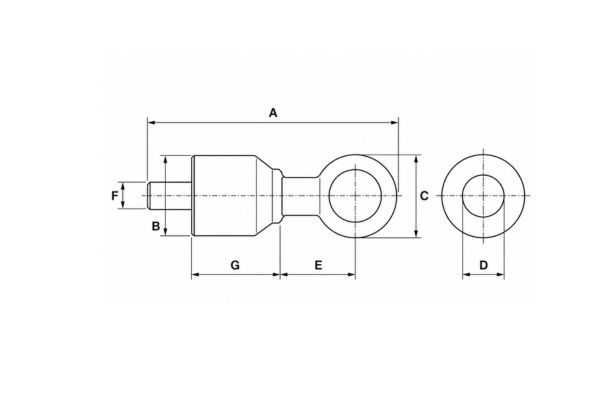
Ensure the report covers the connection and sealing features relevant to approval: thread, seat or face, O-ring groove, critical lengths, orientation, stem or ferrule geometry, and any specified surface requirements. Do not demand every manufacturing dimension when the order defines a focused inspection plan.
Functional checks keep their own boundaries
A thread-gauge result addresses specified thread characteristics, not seat geometry. A seat-gauge result does not prove material grade. A cleanliness result does not prove coating adhesion. The report should name each method and avoid a single “functional test passed” line with no definition.
For first-article or sample approval, verify that the inspected configuration matches later production. Record any deviation, conditional approval, or characteristic not evaluated. A first-article report supports design verification at that stage; it is not automatically a batch certificate for every future shipment.
Examine Test Reports and Sample Identity
Test reports are persuasive only when the tested sample represents the claim being made. A detailed method cannot compensate for an unidentified or different product.
Define the test question before requesting evidence
State the characteristic, configuration, conditions, method, acceptance criteria, and responsible approval source. Pressure, impulse, corrosion, material, or assembly testing may apply to different levels: component, connection, hose assembly, family, or specific application.
Do not assume a fitting body test approves every hose, crimp, adapter, port, seal, temperature, and fluid combination. The complete assembly is limited by its components and application conditions. If a family-level qualification is used, request the rationale connecting the tested configuration to the ordered SKU.
Check what actually entered the test
The report should identify the part number, revision, batch or sample code, quantity, condition, mating components, hose series when relevant, test equipment or laboratory, date, method, conditions, deviations, and results. Photographs can support sample identity but are not a substitute for controlled identifiers.
Review failures and retests, not only the final pass. If samples were reworked or the method changed, the report should say so. A summary certificate that omits these conditions may be insufficient for a safety-critical or contractually defined decision.
Check Document Traceability, Authenticity, and Revision
Evidence must survive beyond the email in which it arrived. Store it so a later receiving, complaint, or audit team can connect the file to the correct goods and requirement.
Follow the identity chain
Match purchase order, supplier order, part number, drawing revision, quantity, batch or lot, carton labels, packing list, and document number. Not every field must appear on one page, but the chain should be clear and controlled. If a document covers several batches, identify which results apply to each.
Check issuer, date, signature or approval mechanism, page count, revision, and any altered fields. A translated copy should remain linked to the original; translation helps understanding but should not silently change technical terms, units, or results.
Resolve generic or recycled documents
A document with no SKU, batch, sample, or order link may still describe a process or material family, but label it accurately. Do not file it as batch-specific evidence. Request the missing bridge record or narrow the claim it supports.
Watch for repeated reports attached to new shipments with unchanged dates or sample IDs. Reuse is not automatically wrong if the document is a standing qualification, but its role must be explicit. Batch release requires batch-linked evidence when the specification calls for it.
Build a Certificate-Request Matrix Before Ordering
A matrix makes the request specific and prevents a last-minute demand for every document a supplier can produce. It also gives receiving teams a clear completeness check.
Define the request fields
For each characteristic, record:
- ordered SKU and controlled drawing revision;
- requirement and specification source;
- acceptable document type and whether actual values are required;
- component, sample, batch, or order scope;
- traceability fields that must appear;
- required language or approved translation arrangement;
- submission timing, reviewer, and retention location;
- action when the document is missing, outdated, or inconsistent.
Keep optional process information separate from contractual release evidence. A useful document package is one that answers the agreed questions without burying critical records among generic brochures and expired reports.
Review the package against physical goods
At receipt, compare labels, quantities, part numbers, batch codes, and document references. Confirm that the drawing and specifications cited are the approved revisions. Record missing links and quarantine affected stock when release depends on the evidence.
Certificates do not replace inspection of damaged packaging, threads, sealing faces, mixed SKUs, or contamination. Paperwork and physical review are complementary controls. Release only after both meet the applicable order and inspection plan.
Conclusion
Certificate requests work best when they begin with a characteristic and end with a traceable decision. Define whether you need material identity, coating evidence, dimensions, a functional result, or batch release, then request the document that can support that question. Verify SKU, component, drawing revision, batch, sample, method, date, conditions, and result rather than accepting a generic title. No material, plating, inspection, or test certificate proves complete conformity by itself. Generic evidence should be labeled as such instead of being promoted silently to batch-specific proof. Before approving one-piece fitting certificates, align the request matrix with the order specification, received labels, physical inspection, document-control system, and the application evidence that remains outside the certificate package.
Frequently Asked Questions
Is a generic certificate acceptable for hydraulic fittings?
It may support a general process or material claim, but not a batch-specific release unless a controlled record links it to the supplied SKU and lot. Label its scope accurately.
How should a material certificate link to the fitting batch?
The heat or material lot should connect through production records to the finished batch shown on labels and receiving documents. Missing links should be resolved before relying on it.
Does a passing test report approve every related fitting?
No. Review the tested part, configuration, sample identity, method, conditions, and family rationale. Differences in hose, seal, connection, or application can limit the claim.
What should a coating certificate show?
It should identify the finish, scope, batch or samples where required, method, date, results, and governing requirement. Physical coating defects still require incoming inspection.
Can certificates be supplied in another language?
Yes if the agreed review process can interpret them accurately. Keep any translation linked to the original and preserve technical terms, units, identifiers, and results.