
Description
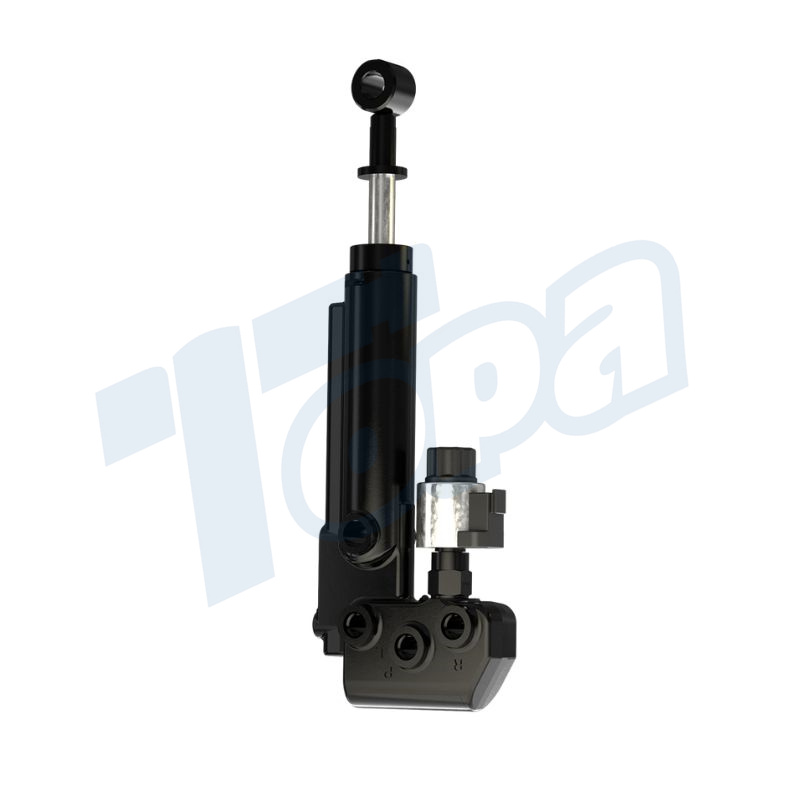
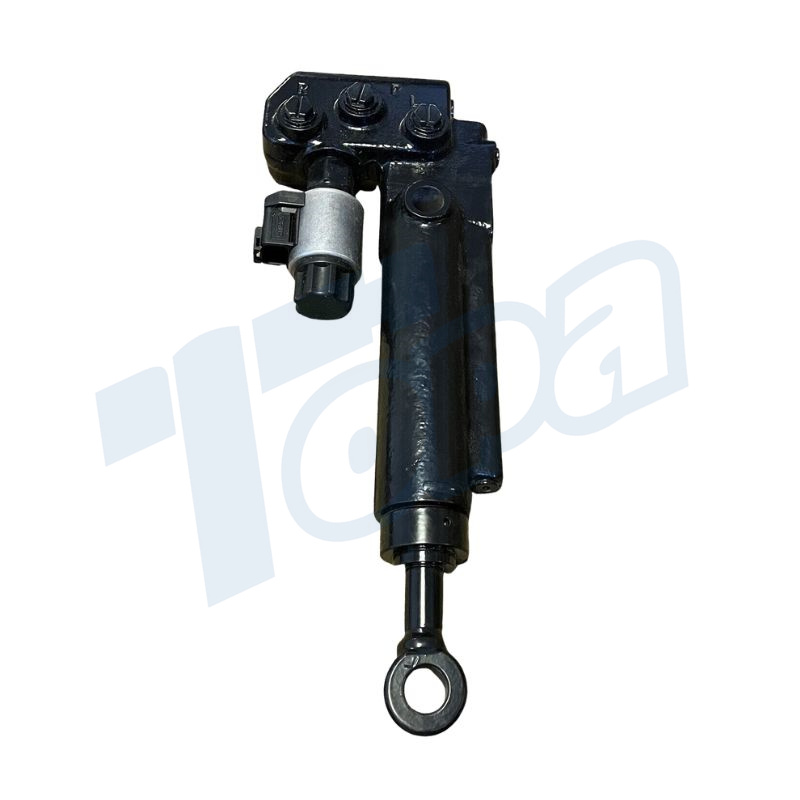
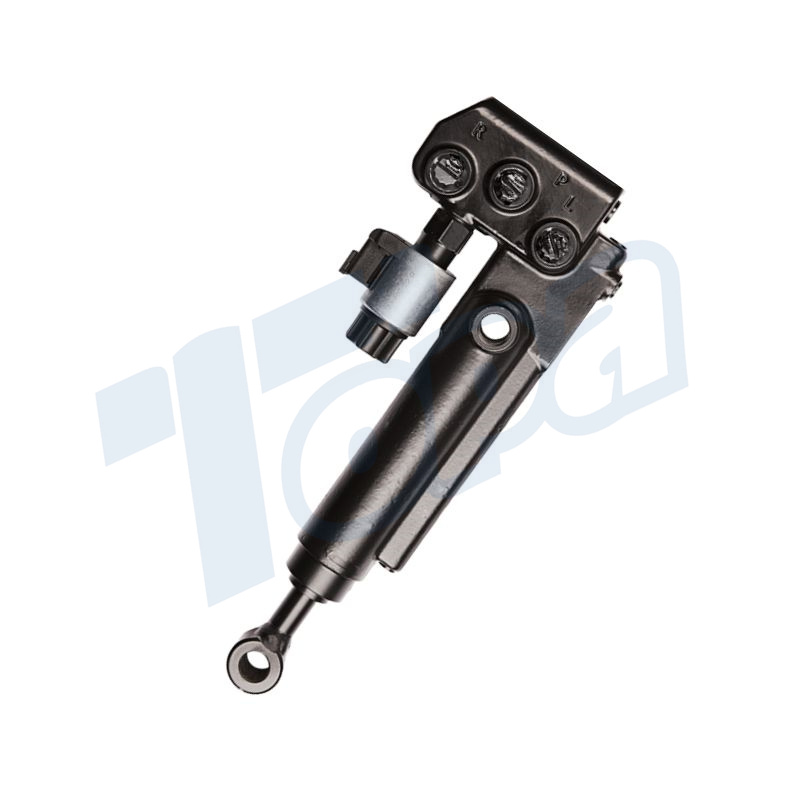
Delta Force hydraulic cylinders are typically robust in design. They have a sleek, cylindrical shape with a polished exterior, often made from high-grade steel. The exterior is designed to withstand harsh conditions. And the craftsmanship ensures a smooth finish that minimizes wear and tear.
The primary function of these cylinders is to convert hydraulic energy into mechanical force. This allows for powerful and controlled movement within machinery.
Delta Force Hydraulic Cylinders involves a hydraulic system. Fluid is pressurized in a pump, transmitted through hoses, and then introduced into the cylinder. The pressure of the fluid causes the piston in the cylinder to move, creating linear force that can be harnessed for various tasks.
Key Details for Cylinder Selection
Mounting Fit
Check the mounting arrangement at both ends of the cylinder. Pin diameter, mounting width, bushings, and available clearance should be compared with the row-unit brackets. Include photos of both mounting points when a complete drawing is unavailable.
Stroke and Installation Length
Confirm the stroke and the pin-to-pin distance with the cylinder fully retracted. Provide the extended length where available. These dimensions help define the required movement and identify possible interference through the row unit’s travel.
Hydraulic Connections
Identify each port by thread, sealing type, position, and function. Include details of attached valves, fittings, or manifolds rather than treating the cylinder as a separate component with standard connections.
Operating Requirements
Provide the working pressure, hydraulic fluid, temperature range, and expected operating cycle. The cylinder specification must be reviewed against the actual circuit and application, including any special requirements for leakage, friction, or response.
Applications
Precision seeding: They are most commonly used in precision seeding equipment. They are used to regulate the downward pressure on each row of the planter to ensure that the seed is planted at the optimum depth and soil pressure for optimum germination and growth conditions.
Automated Tillage Equipment: These cylinders are an integral part of the automation of farm equipment, allowing for more precise control.
Conservation Tillage: They can be used in conservation tillage practices where maintaining soil structure is important. This is because they help minimize damage to the soil.
High-Speed Seeding: Maintaining consistent downforce is a challenge for planters designed for high-speed operation. Delta Force cylinders provide the quick adjustments necessary.
Specialty Crops: Some crops may have very specific seeding requirements. These cylinders provide the precision to help meet those needs.
Landscaping and Reclamation: In addition to agriculture, these hydraulic systems are used for landscaping and land reclamation.
Custom Delta Force Hydraulic Cylinder
Topa can review drawing-based hydraulic cylinder requests for planter applications. Start with the dimensions and operating requirements that define your installation, including the mounting arrangement, stroke, port connections, and working conditions.
For an existing cylinder, provide the original part number, a dimensioned drawing, or a sample with supporting equipment information. If measurements are taken from a used component, identify any worn or damaged areas that may affect the results.
The review should also cover components attached to the cylinder, such as valves, fittings, brackets, or sensors. Their arrangement may affect installation and system operation even when the main cylinder dimensions appear similar.


