
Wait when the complete order can become usable before the real need date, split when an early group of approved SKUs can unlock specific work, and expedite only when faster transport closes a verified operational gap worth the added cost and coordination. A hydraulic order split shipment vs expedite comparison must begin with line-level readiness and the date parts can enter usable stock, not a vague promise to “ship sooner.”
Define the Operational Need Before Choosing Transport
The decision should protect an identified job, stock position, or maintenance requirement. “Urgent” is not enough; the team needs to know which parts are required, where, and when they must be accepted for use.
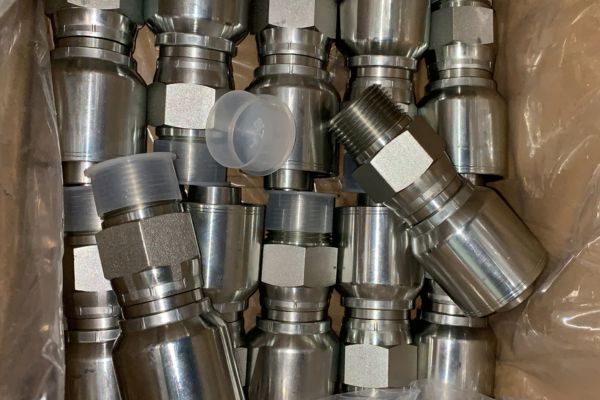
Work backward from usable availability
Name the destination and the event that matters: received, inspected, released, and available to the people doing the work. Dispatch, carrier pickup, port arrival, delivery, and usable stock are different milestones. Estimate each interval from current responsible parties and route information, then keep assumptions visible because schedules can change.
The required date should connect to an operational consequence. Record the affected equipment, planned assemblies, customer commitments, minimum stock position, or shutdown window without inventing a monetary impact. If the missing items do not block a defined activity, waiting may be more rational than paying for speed that creates no immediate use.
Identify complete sets, not isolated SKUs
Hydraulic work often needs matching components. Sending one hose end, adapter, seal, or fitting early may not help if another approved part needed for the same assembly remains unavailable. Group line items by the work they can complete, while preserving each part number, revision, quantity, and technical approval.
Confirm Readiness and Technical Release by Order Line
Transport cannot solve an unresolved specification or an unfinished inspection. Before comparing delivery options, classify every line by actual readiness and release status.
Build a line-level readiness map
For each SKU, record ordered quantity, ready quantity, expected completion, inspection status, packaging state, and any document hold. Separate confirmed facts from estimates. A line described as “almost ready” should not be included in an early shipment until the required product, inspection, identification, and release steps are complete.
Technical approval remains a hard gate. A commercial shortage does not authorize a different thread, sealing method, material, hose compatibility, fitting series, or unverified substitute. If a part is not approved for the application, faster transport only moves the wrong risk sooner.
Useful inputs include:
- order and line numbers, part numbers, revisions, approved quantities, and destinations;
- current stock, demand, complete component sets, and the usable-availability date;
- confirmed readiness, inspection release, labels, and packaging status by line;
- current route options, cutoffs, capacity, estimates, and responsible logistics contacts;
- incremental freight, handling, packing, brokerage, receiving, and document work;
- consequences of waiting, partial availability, and a failed or late expedited plan.
Protect product identity during any split
A partial shipment needs its own traceable quantity, carton map, packing list, invoice treatment, and remaining-order balance. Keep old and revised document versions controlled. The receiving team should know which lines are arriving, which remain open, and which quantities are still subject to later release.
Option One: Wait for a Consolidated Shipment
Waiting is appropriate when consolidation still meets the required usable date or when an early subset cannot produce operational value. It can reduce duplicate handling and document sets, but it should be an explicit decision rather than passive delay.
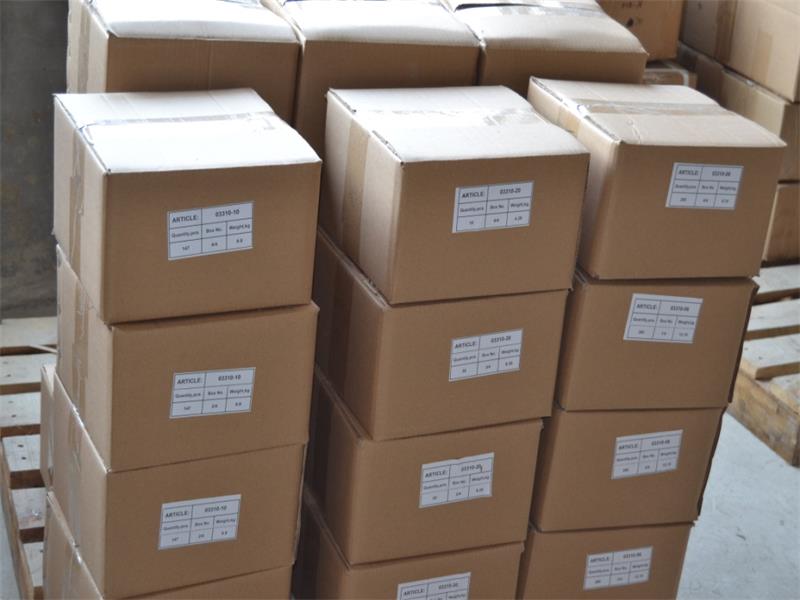
Benefits and limits of consolidation
A consolidated release can simplify packing, pickup, shipment documents, destination processing, receiving, and invoice reconciliation. It may also reduce the chance that related parts become separated across locations. These advantages depend on the actual transport and commercial arrangement; they are not a guarantee of lower total cost.
The main risk is that one late line delays everything. Review whether that line belongs in the same operational set and whether the rest of the order has a separate use. If waiting threatens a documented shortage or shutdown, compare alternatives before the route cutoff rather than after the consolidated plan has already failed.
Option Two: Split the Order Around Critical Sets
A split shipment is justified when the early quantity is technically released, can become usable in time, and completes a valuable set of work. Splitting merely because some cartons are ready can create cost and confusion without reducing the real delay.
Select the early shipment deliberately
Start with the blocked activities and calculate the approved parts and quantities needed to release them. Include a reasonable receiving and inspection allowance based on the actual process. Do not strip all common stock from the later shipment if doing so creates another shortage; record how the early quantity affects both the urgent need and remaining replenishment.
A split creates at least two execution paths. Each needs packing, identity, documents, tracking, destination processing, receiving, and order-balance updates. The comparison should include the extra work in purchasing, quality, warehousing, finance, and logistics, not only the carrier charge.
Coordinate the remaining balance
After the first release, revise the open-order record by SKU and quantity. Do not mark the complete order delivered or match an invoice against parts still in transit. Confirm whether the remaining goods keep the original route, combine with later orders, or require a separate decision when ready.
Option Three: Expedite a Focused Quantity
Expediting makes sense when a faster verified route changes the usable-arrival outcome for a critical quantity. It should target the gap, not automatically move every available carton by the fastest named service.
Compare feasible arrival, not mode labels
Obtain current pickup cutoff, capacity, routing, estimated milestones, destination requirements, and delivery scope from responsible logistics parties. Air, courier, sea, rail, road, and combined services vary by origin, destination, package, commodity, season, and current conditions. There is no universal transit time or weight at which one option becomes preferable.
Include packaging suitability, dimensional weight where applicable, handling, destination charges, brokerage, insurance decisions, local delivery, and receiving workload. A faster main leg may not produce faster usable stock if documents are late, destination processing is unresolved, or the receiving location cannot accept the shipment.
Preserve the technical and safety gates
Do not release uninspected goods, approve an unverified substitute, or bypass safe assembly to meet the transport cutoff. If the expedited quantity will be used in a hydraulic repair, the normal requirements for system isolation, pressure release, stored-energy control, correct fitting and hose matching, and approved assembly procedures remain unchanged.
Compare the Three Options With One Decision Matrix
Use the same facts for every option and show uncertainty rather than hiding it in a single promised date. The best option is the one that closes the defined need with acceptable cost, coordination, and residual risk.
| Decision factor | Wait for completion | Split shipment | Expedite focused quantity |
| Operational value | Complete order arrives together | Early approved set releases specific work | Critical approved quantity arrives earlier if route performs |
| Readiness requirement | All included lines released before dispatch | Early lines released; balance separately controlled | Expedited lines released before cutoff |
| Added coordination | Usually one document and receiving cycle | Multiple packing, document, tracking, and receiving cycles | Route-specific booking, packaging, documents, and monitoring |
| Cost review | Consolidated freight and holding impact | Extra handling and transport plus balance shipment | Incremental transport and destination costs versus avoided impact |
| Main failure mode | One late line holds useful goods | Early set is incomplete or records lose the balance | Faster leg does not improve usable availability |
Set a decision rule before booking
Define what evidence would select each path and who may approve incremental cost. Include a fallback if a readiness date or route cutoff changes. This prevents repeated decisions based on the latest urgent message and creates a record for improving future replenishment.
Transparent Hypothetical Decision Example
Assume a hypothetical multi-SKU order supports two planned hose-assembly groups and general stock. Some lines are released, one fitting needed by the first group is still under inspection, and the remaining stock lines will finish later. No current freight quote, transit time, or savings is assumed.
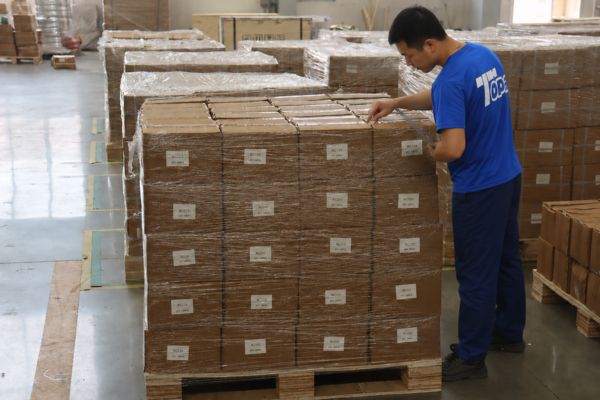
Test what each early quantity can actually complete
Waiting would provide one consolidated receiving cycle but may miss the first assembly date. Shipping all ready lines early would not help if the fitting under inspection is required for every first-group assembly. The team therefore identifies a smaller complete set: approved ends, adapters, and related items that can support a separate group without the held fitting.
It requests current route and cost information for that focused set, while keeping the balance on the planned consolidated route. If the faster option is likely to reach usable stock before the required date and the authorized owner accepts the incremental cost, the focused set may be expedited. If destination processing erases the timing advantage, the team either uses a normal split or waits. Every decision remains tied to line-level readiness and a complete operational set.
Mistakes and Escalation Triggers
Poor decisions usually compare freight modes before confirming the shortage. They also confuse an estimated arrival with an accepted part on the shelf.
Avoid these common mistakes
- expediting all available items without checking which work they complete;
- using an unconfirmed ready date or transport estimate as a commitment;
- splitting technically linked components into unusable partial sets;
- ignoring duplicate packing, documents, brokerage, receiving, and invoice work;
- losing the remaining quantity after posting the first delivery;
- replacing a delayed approved part with an unverified alternative;
- quoting fixed transit times or break-even weights as universal rules.
Escalate when the shipment contains regulated or specially handled goods, documents conflict, destination requirements are uncertain, a contract or payment term changes, insurance or liability needs interpretation, or the proposed release affects technical approval. Qualified logistics, customs, legal, tax, financial, and technical specialists should address questions within their authority.
Shipment-Release Checklist
Before booking, the decision record should show why the selected option changes the real outcome. Keep rejected options and assumptions visible so the plan can be revisited if readiness or routing changes.
- Confirm the required usable date, destination, blocked activity, and accepted product set.
- Reconcile stock, demand, approved part numbers, revisions, and quantities.
- Verify readiness, inspection, labels, packaging, and documents by line.
- Compare consolidated, split, and focused expedite options on feasible usable arrival.
- Include incremental freight, handling, destination, receiving, and document work.
- Define shipment quantities, remaining balances, carton mapping, and invoice treatment.
- Record assumptions, uncertainties, approval authority, cutoffs, and fallback action.
- Reconfirm the plan immediately before release if any readiness or route input changed.
Conclusion
Choosing whether to wait, split, or expedite begins with the work a shipment can actually release. Define the usable-availability date, map approved SKUs into complete operational sets, and confirm readiness before comparing routes. Waiting can simplify handling when the full order remains timely; splitting is useful when an early set has independent value; expediting is justified only when a faster current route closes a verified gap. Compare incremental freight with packaging, destination, receiving, document, and residual-shortage effects, without assuming fixed transit times or universal break-even weights. Keep technical approval and safe assembly unchanged by urgency. A documented hydraulic order split shipment vs expedite decision should state quantities, milestones, assumptions, costs, approvals, remaining balances, and the fallback if conditions change.
FAQ
Is a partial shipment worthwhile when only some fittings are ready?
Only if the ready fittings form an approved set that can support defined work or stock needs. Availability alone does not establish operational value.
Should every critical SKU use the fastest transport mode?
No. Compare the quantity needed, feasible usable arrival, complete component set, added cost, and consequences before selecting a route.
How should receiving record a split order?
Post only the accepted quantities that arrived. Keep remaining quantities open by order line and reconcile each shipment’s packing and invoice records separately.
Can an expedited shipment leave before inspection is complete?
Not when the order requires release or inspection before dispatch. Transport urgency must not replace product approval, identification, or defined quality controls.
What if the faster route has an uncertain arrival date?
Record the uncertainty and compare it with the need date and fallback options. A higher transport price is not proof that usable arrival will occur sooner.