
Compression Hydraulic Fitting Manufacturer in China

Custom threads, precise ferrule fit, and consistent batch quality for hydraulic and industrial systems

  • Drawing & sample-based production
  • NPT, BSP, Metric, JIC available
  • Stable supply for bulk orders

Product List

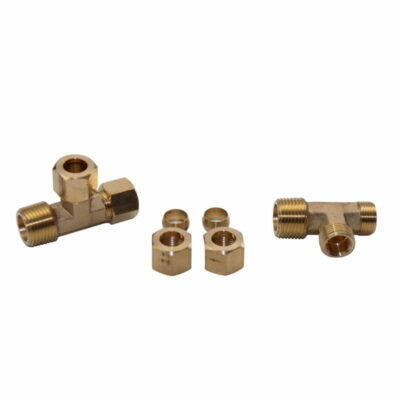
Compression fittings are made up of three key parts: a nut, a ferrule (olive), and a fitting body. They create a secure seal by compressing the ferrule onto the tube, ensuring a tight and reliable connection.

These fittings are widely used in hydraulic and industrial systems because they are easy to install, simple to maintain, and designed to minimize leakage—even under high-pressure conditions.

Compression fittings are available in several types, including flared, non-flared, and push-in designs, each suited for different applications and installation needs. Topa offers a full range of compression fittings to match your system requirements. You can view the available types in the images below.

Brake Line Compression Fitting

Brake line compression fitting, when tight, the wedging action of sleeve between body and nut create a leak free connection.

Brass Compression Fitting for Nylon Tubing

Brass compression fitting for nylon tubing, no rust.

DOT Compression Fitting

Compression fitting union , suitable for a broad range of industrial and commercial uses.

Compression Fitting for Water Line

Compression fitting for water line, deep threads allow the fittings to bite better providing perfect compression.

Gas Line Compression Fitting

Gas line compression fitting, available in brass, not suitable high pressure.

Copper Compression Fitting

Compression fittings for copper tubing. For use with: air, cutting oil, fuel, hydraulic fluid, mineral oil.

Topa stainless steel hydraulic fitting vendor

Stainless Steel Compression Fitting

Stainless steel compression fitting, ductility, and low magnetic permeability.

Brass Compression Fitting

Compatible with a wide range of tubing, brass compression fittings are easy to assemble with no need for flaring.

Compression Elbow Fitting

Compression Elbow fitting is made of brass for durable. Easy to disassemble no flaring tool required.

Compression Adapter

Compression adapter can be used with metal tubing. And require no flaring of the metal tube to install.

Metric Compression Fitting

Metric compression fittings are available in stainless steel, and brass, depending upon the tubing material that is being used.

NPT Compression Fitting

Brass compression connector adapter compression x NPT male thread.

Compression Plumb Fitting

Compression plumb fitting can suitable for plumb, available in stainless steel, brass, steel.

Compression Tee Fitting

Compression tee fitting, designed for use in water, gas, or oil applications.

An Compression Fittings wholesale

An Compression Fittings

An Compression Fittings, these provide a tight metal-to-metal seal on tubing.

Compression Fittings Video

In this video, we showcase a variety of hydraulic compression fittings, highlighting each of the different hydraulic compression fittings.

We invite you to watch this video for an in-depth look at the different types of hydraulic compression fittings we offer. Whether you are looking for standard fittings or customized solutions, this video will help you make an informed choice based on your business needs.

Please feel free to ask us about any specific requirements or customization options. Our team is ready to assist you and provide you with the best hydraulic fitting solution for your needs.

Application

Compression fittings can be applied in a variety of applications, such as family, agriculture, industry, automotive, etc. Since compression fittings are easy to disassemble and maintain, most people can use them directly without any special skills.

agriculture hydraulic fitting Topa manufacturer

Agriculture

For agriculture, compression fittings are made of brass, stainless steel, or carbon steel. Topa offers all kinds of compression fittings.

hydraulic compression fitting house use Topa

Household

For household use, compression fittings are easy to install without any complicated operations.

Brass compression fittings China truck transportation

Automotive

For automotive, compression fittings are used in the brake line system, where most of the brass compression fittings strictly follow the DOT standard.

Get a Custom Quote Today!

Unlock tailored solutions for your hydraulic needs! Fill out our form, and one of our experts will reach out to provide a personalized quote within 24 hours.

Compression Fittings Features

Compression Connections Topa

Construction

Hydraulic compression fittings consist of several key components that work together to create a secure, leak-proof connection in hydraulic systems. The typical structure includes:

Fitting Body: The main part of the fitting that provides the base for all other components. It is usually made of brass, steel, or stainless steel for strength and durability.

Compression Nut: This part is threaded onto the fitting body, securing the tubing or hose. When tightened, it compresses the ferrule against the tube to form a tight seal.

Ferrule (Compression Sleeve): This is the metal ring that is compressed by the nut onto the tubing. It creates the seal and ensures a secure grip, preventing leaks.

Insert/Seal: Some fittings may also include an internal seal to enhance leak-proof performance, especially in high-pressure systems.

Material

Hydraulic compression fittings are made from high-quality materials to ensure durability, corrosion resistance, and optimal performance in demanding environments. 

Fitting Body:

The fitting body is made from materials like stainless steel or brass for high strength, corrosion resistance, and the ability to withstand high pressures.

Compression Nut:

The compression nut is typically made from brass or stainless steel to ensure secure fastening and long-term durability.

Ferrule:

The ferrule is made from materials like brass, copper, or stainless steel to ensure a tight, leak-proof seal when compressed onto the tube or hose.

Seals:

Rubber, PTFE (Teflon), Nitrile, Viton. Seals are used to enhance the leak-proof performance of the fitting. Depending on the application, different seal materials are chosen for their chemical resistance, heat tolerance, and flexibility.

Compression Brass Fitting Topa
Compression Fitting work

Working Principle

The working principle of compression fittings is based on the tight seal created between the ferrule and the tubing when the compression nut is tightened. Here’s how it works:

Initial Insertion: The tubing is inserted into the fitting body, with the ferrule placed over the tube.

Compression Process: As the compression nut is tightened, it pushes the ferrule against the tube. This compression causes the ferrule to grip the tube tightly, forming a reliable seal.

Leak Prevention: The compression action ensures that no fluid can escape around the connection. The tightness of the ferrule against the tube prevents leaks, even under high-pressure conditions.

Advantages of Hydraulic Adapter

Leak-Free Sealing Performance

Precision ferrule design ensures tight sealing between tube and fitting, reducing leakage risk even under pressure.

No Welding or Crimping Required

Compression fittings can be installed directly without welding, making assembly faster and easier.

Strong Resistance to Vibration

Secure mechanical grip prevents loosening in high-vibration environments such as machinery and vehicles.

Multiple Material Options

Available in brass, carbon steel, and stainless steel to match different fluids and environments.

Precise Thread and Size Matching

Support for NPT, BSP, Metric, and JIC threads ensures correct fitting with your system.

Stable Batch Consistency

Controlled machining process ensures consistent dimensions across bulk orders.

Limited-Time Offer: Free Consultation

For a limited time, we are offering a free consultation with our technical team. Let us help you optimize your hydraulic systems for maximum performance!

Hydraulic Compression Fitting Installation Tips

Proper installation of hydraulic compression fittings is crucial to ensure reliable, leak-free connections in hydraulic systems. Here are some key tips for a successful installation:

Prepare the Tubing Properly

Tip: Before installing the compression fitting, ensure that the tubing is cut cleanly and squarely. Use a tubing cutter for a smooth, straight cut. Avoid using a hacksaw, as it can cause burrs or rough edges that may compromise the seal.

Why: A clean, square cut allows for a better seal between the tubing and the fitting, preventing leaks.

cut copper tube
Deburr the Tubing Edges

Tip: After cutting the tube, always deburr the edges using a deburring tool or a reamer.

Why: Burrs or sharp edges can damage the ferrule or cause improper sealing, leading to leaks or poor connection quality.

Select the Right Compression Fitting

Tip: Choose the correct fitting type and size based on the tubing diameter and application requirements. Ensure the fitting material is compatible with the medium being transported (e.g., oil, gas, or water).

Why: Using the right size fitting ensures a secure connection and prevents leaks or fitting failures. Incorrectly sized fittings can result in improper compression and performance issues.

Ensure Proper Alignment of the Tubing

Tip: When inserting the tubing into the fitting, make sure the tube is fully inserted, with no gaps between the tube and the fitting body.

Why: Proper alignment ensures that the ferrule is evenly compressed, creating a leak-proof seal. Misalignment can lead to uneven compression and weak connections.

Tighten the Compression Nut Correctly

Tip: Tighten the compression nut by hand first, and then use a wrench to tighten it further. Avoid overtightening, as this can damage the fitting or tubing.

Why: Proper torque is essential for creating a secure seal. Overtightening can crush the tubing or compress the ferrule too much, while under-tightening may result in leaks.

Undo Compression Fitting
Inspect the Fitting After Installation

Tip: After installation, inspect the fitting to ensure it’s properly tightened and the tubing is securely held in place. Look for any signs of leakage or misalignment.

Why: An initial check helps to identify potential issues before the system is pressurized, preventing costly repairs and downtime.

Avoid Using Worn or Damaged Fittings

Tip: Always use new compression fittings, especially when the components are made of softer materials like brass. Reusing worn or damaged fittings can result in poor sealing and potential system failure.

Why: Worn fittings may not provide a proper seal, leading to leaks and reduced system efficiency.

Use Anti-Seize Lubricant (if applicable)

Tip: In some cases, apply a small amount of anti-seize lubricant or thread sealant on the threads of the compression nut to prevent galling or seizing over time.

Why: Lubrication helps prevent friction, making it easier to tighten the nut and ensuring smooth installation, especially in high-temperature or high-pressure applications.

Avoid Common Pitfalls

At Topa, we understand the challenges our customers face when selecting and installing hydraulic fittings. Many of our customers have encountered common pitfalls that can lead to system inefficiencies, leaks, or costly maintenance issues. We’ve identified key areas where mistakes are often made and want to highlight them so you can make informed decisions when selecting hydraulic fittings.

Single or Double Ferrules

Many customers will forget to select the number of ferrules at the time of purchase, resulting in a faulty product. A single ferrule will provide a slightly less tight fitting than a double ferrule.

Fitting Thread Compatibility

Incorrect matching of fitting threads such as BSP, NPT or JIC is a common problem. The use of incompatible threads can result in a poor seal, leading to leaks or system inefficiencies.

Branch Tee or Straight Tee

Confusion between branch tees and straight tees can lead to improper installation, especially when connecting multiple pipes. A branch tee is used to branch off a main line, while a straight through tee is used to extend a main line.

Material Selection Issues

Choosing the wrong material for hydraulic fittings is another common pitfall. Some customers choose materials that are not suitable for the operating conditions of the system, such as brass for high temperature environments or stainless steel for corrosive environments.

Limited-Time Offer: Free Consultation

For a limited time, we are offering a free consultation with our technical team. Let us help you optimize your hydraulic systems for maximum performance!
Choose Topa

Topa Services

At Topa, we pride ourselves on delivering tailored, high-quality hydraulic solutions designed to meet your specific needs. With over a decade of experience in hydraulic fittings and a dedication to customer satisfaction, we provide services that ensure your operations run efficiently and smoothly.

Custom Product Design

We offer customized hydraulic fittings, including size, material, and logo, to meet your exact requirements.

Quick Production Time

Our efficient production process ensures fast turnaround times, even for large orders.

Global Shipping

We provide reliable international shipping, ensuring your products reach you on time, wherever you are.

Technical Support

Our expert team offers in-depth technical support to guide you in selecting the right solutions for your systems.

Quality Assurance

Every product undergoes rigorous quality control to guarantee high performance and durability.

Flexible Payment Options

We offer a range of flexible payment terms and options to suit your business needs.

Ongoing Maintenance

We provide after-sales support and maintenance services to ensure the long-term reliability of your hydraulic systems.

Custom Packaging

Our packaging services are tailored to protect your products and meet your specific shipping requirements.

Choose Topa

Manufacturing Process

From raw material to final inspection, every hose fitting goes through controlled machining steps to help you get stable quality and reliable batch consistency.

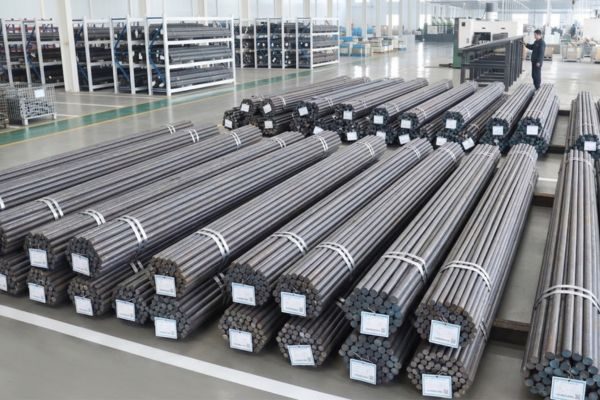
Raw Material Area

Raw Material Check

We inspect the steel material before production to keep size, strength, and surface quality under control from the start.

hydraulic fittinf material cutting

Cutting

The raw material is cut into the right size for each fitting type to support accurate follow-up machining.

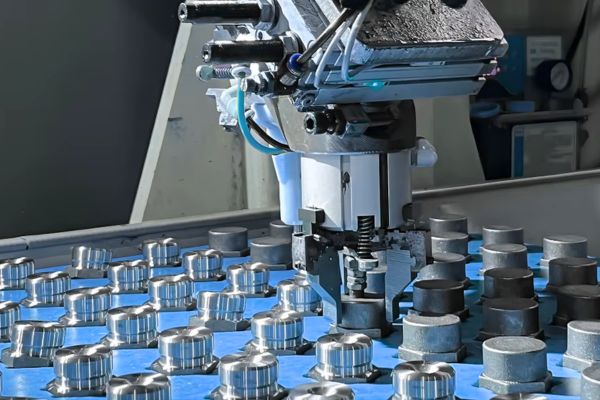
CNC roboto arm Manufacture

CNC Machining

Each fitting body is machined on CNC equipment to keep dimensions stable and improve thread accuracy.

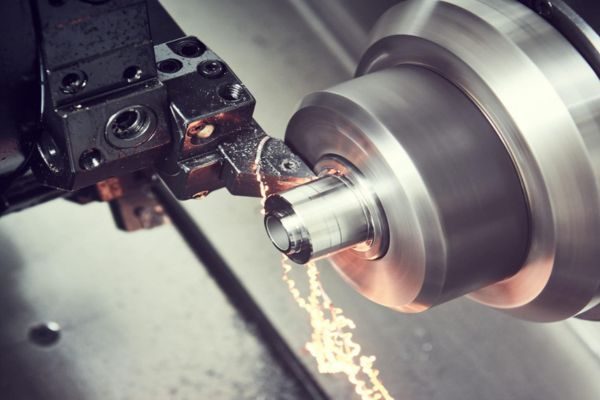
CNC thread

Thread Machining

Threads are processed carefully so the fitting can connect correctly and seal better in hydraulic systems.

6. fitting galvanize Topa

Surface Treatment

The fittings go through surface treatment to improve corrosion resistance and keep a cleaner product finish.

profile projector test Topa

Inspection and Packing

Finished fittings are checked before packing to reduce quality risk and support safer delivery.

Quality Check

Each hydraulic fitting is checked through a series of inspection and testing procedures to ensure consistent performance, reliable sealing, and long service life in hydraulic systems.

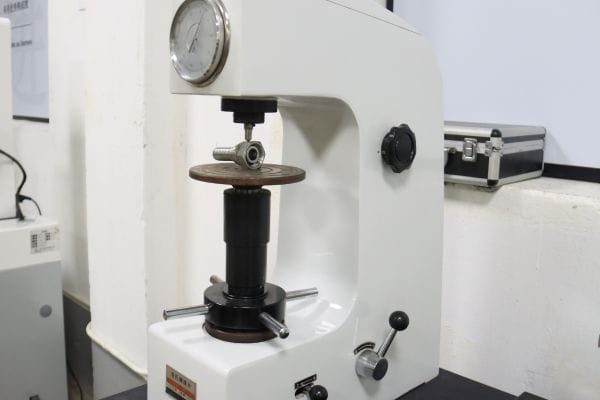
hardness test Topa

Hardness Testing

Material hardness is tested to ensure the fitting has the required strength and durability. Proper hardness helps prevent deformation, cracking, or failure under high-pressure working conditions.

Spectrometer Topa

Surface Roughness Testing

Surface roughness is inspected to ensure proper sealing performance. A controlled surface finish helps reduce leakage risks and improves connection reliability.

profile projector test Topa

Profile Inspection

Profile testing is used to verify the shape and angle of threads and sealing surfaces. This ensures that each fitting matches standard specifications such as JIC, BSP, or ORFS connections.

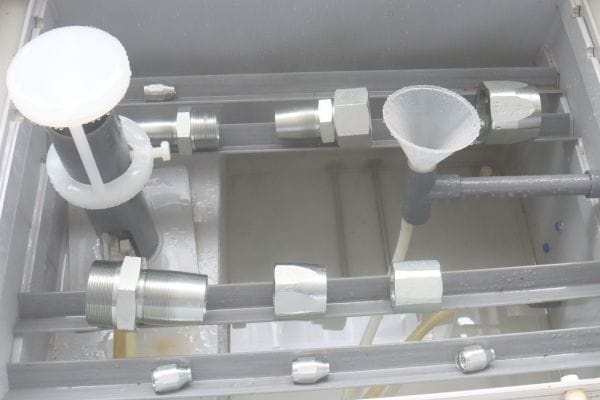
Hydraulic Fitting Salt Spray Test

Salt Spray Testing

Salt spray testing evaluates corrosion resistance of the plated surface. This helps ensure the fittings can perform reliably in humid, outdoor, or harsh operating environments.

FAQ

What is a compression hydraulic fitting?

A compression hydraulic fitting connects hydraulic tubes or pipes by using a nut and ferrule to create a tight seal. It is commonly used where a secure, removable tube connection is needed.

How does a compression hydraulic fitting seal?

It seals when the nut tightens the ferrule onto the tube surface. The ferrule grips the tube and forms a metal-to-metal sealing area.

What causes compression hydraulic fittings to leak?

Common causes include wrong ferrule size, mismatched thread type, damaged tube surface, over-tightening, under-tightening, or reusing old ferrules.

Can compression hydraulic fittings be used in high-pressure systems?

Yes, but the fitting material, ferrule type, tube size, and pressure rating must match the hydraulic system. For high-pressure or vibration systems, double ferrule fittings are often preferred.

What is the difference between single ferrule and double ferrule fittings?

Single ferrule fittings use one ferrule for gripping and sealing. Double ferrule fittings use one ferrule for sealing and another for gripping, giving better vibration resistance and sealing stability.

How do I choose the right compression hydraulic fitting size?

Check the tube outer diameter, thread type, thread size, pressure rating, and material. If you are replacing an old fitting, send a drawing, sample, or clear photos for matching.

Can I reuse a compression fitting ferrule?

It is not recommended. Once compressed, the ferrule is already deformed. Reusing it may cause poor sealing, tube damage, or leakage.

What materials are available for compression hydraulic fittings?

Common materials include carbon steel, stainless steel, and brass. Carbon steel is used for general hydraulic systems, stainless steel for corrosive environments, and brass for lower-pressure applications.

Are compression hydraulic fittings suitable for vibration?

Yes, but the correct type must be selected. For equipment with vibration or pressure fluctuation, double ferrule compression fittings provide stronger tube grip and more reliable sealing.

Can Topa provide custom compression hydraulic fittings?

Yes. Topa can support custom sizes, thread types, materials, surface treatment, logo, and packaging. Drawings, samples, or photos can be used for accurate matching.

Get More Information About Products

compression fitting catalog

Contact Topa

Save 30% on maintenance costs with our easy-install hydraulic fittings. Contact Now!