
Cold-weather selection must cover the fitting, hose, seals, fluid, routing, startup, and outdoor environment as one system. One-piece fittings for cold-weather hydraulic equipment are suitable only when product-specific data supports the actual operating temperature, storage history, pressure duty, fluid, and assembly method. Low temperature may reduce hose flexibility, change seal response, raise fluid viscosity, intensify startup pressure loss, and expose components to impact, condensation, and road salt. Stainless steel or a familiar fitting series does not solve those combined risks automatically. Begin with the coldest credible operating condition and the route’s movement, then verify every component and procedure without inventing a universal minimum temperature.
Understand How Cold Affects the Assembly
Cold changes several parts of a hydraulic circuit at the same time. The controlling limit may come from hose flexibility, an O-ring, the fluid, a coating, a crimped interface, or an installation condition rather than the metal fitting body.
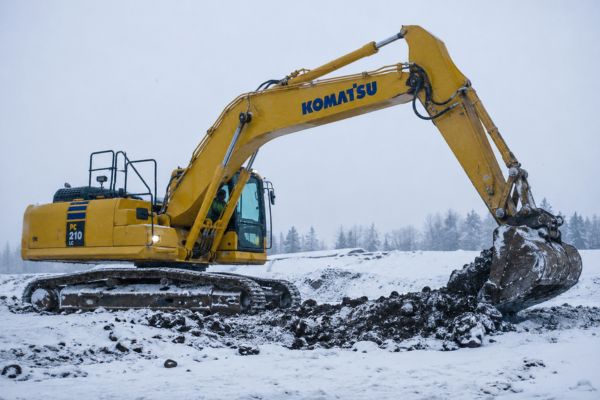
Separate storage from operation
Storage temperature describes a component at rest, while operating temperature includes pressure, movement, fluid contact, bending, vibration, and repeated cycling. A part that can be stored in cold conditions may still require warming within an approved range before assembly or operation. Confirm startup, continuous, intermittent, shutdown, and transport conditions from current sources instead of transferring one limit to another.
Account for thermal cycling and condensation
Equipment may move between a heated shop and cold outdoor air, creating condensation on or inside poorly protected components. Freeze-thaw cycles, trapped moisture, and changing clearances can compound corrosion and movement risks. Record how quickly the equipment cools, where water collects, and whether inspection can reach those locations.
The cold-weather profile should include:
- Lowest expected operating, startup, shutdown, storage, and transport conditions.
- Duration, cycling frequency, wind, precipitation, condensation, ice, and salt exposure.
- Pressure demand, fluid type, idle periods, and startup procedure.
- Hose movement, bend locations, clamps, impact, abrasion, and inspection access.
- Equipment-manufacturer limits and consequences of a cold-start failure.
Review Material, Impact, and Corrosion Risks
Material selection needs part-specific mechanical and environmental evidence. A generic metal name cannot establish impact behavior, pressure rating, or corrosion resistance for the exact fitting geometry and condition.
Confirm the exact material and design
Carbon steel, stainless steel, and other materials are available in different grades and manufacturing conditions. Verify the exact fitting, size, connection, material specification, finish, and current rating for low-temperature service. Do not assume stainless steel automatically solves cold-weather problems or that coated carbon steel is unsuitable whenever snow or moisture is present.
Combine impact and corrosion review
Cold outdoor equipment may experience debris, tool contact, vibration, road salt, fertilizer, deicing chemicals, and wet storage. Damage can breach a coating, while trapped contaminants keep the area wet. Evaluate base material, coating system, packaging, installation damage, drainage, cleaning, and inspection together; salt-spray duration alone does not predict winter field life.
Packaging and receiving practices can create the first corrosion exposure before installation. Parts moved from a cold vehicle into a warm, humid building may collect condensation inside sealed or poorly ventilated packaging. Define acclimation, dry storage, protective caps, and inspection practices through approved procedures. A suitable service finish should not be expected to compensate for mixed wet stock, damaged sealing faces, or lost coating identity.
Seals and O-Rings Need Exact Compatibility
Seals can stiffen, shrink, lose resilience, or respond differently during cold startup, depending on compound, fluid, compression, age, and cycling. The exact elastomer and product data matter more than the general statement that an O-ring is present.
Identify each seal and sealing method
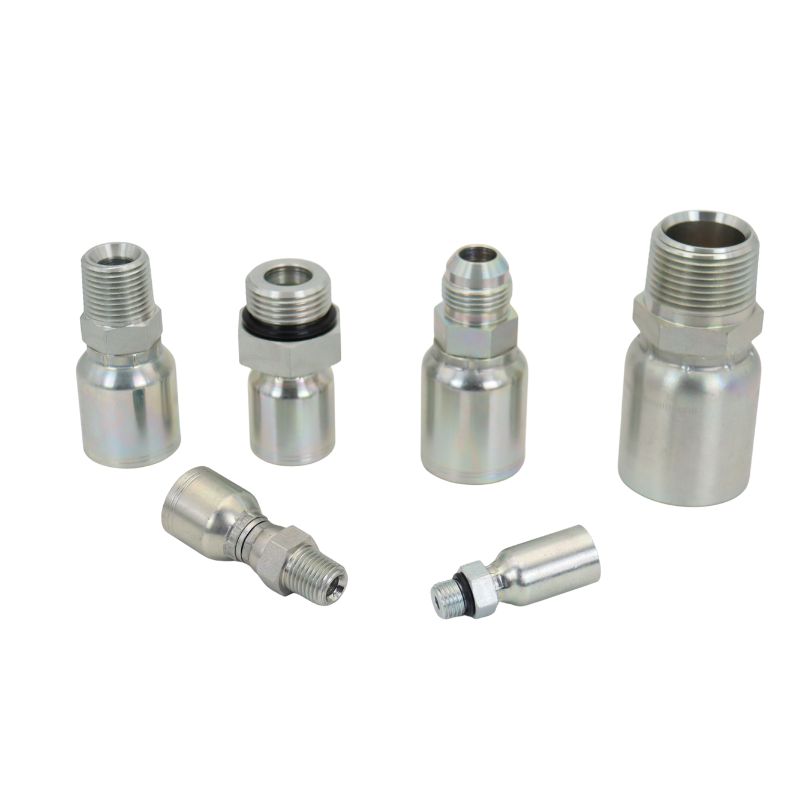
Distinguish thread form from sealing method and record whether the connection seals at a tapered thread, flare, flat face, O-ring, bonded seal, cone, or another surface. Include seals in the fitting, port, adapter, valve, and connected equipment. A correct thread can still leak or be unsuitable if the seat, face, or seal material is wrong.
Review fluid, temperature, and aging together
Compatibility must cover the exact hydraulic fluid, water content or concentration where relevant, additives, temperature, and exposure duration. A compound approved with mineral oil in ordinary conditions may not be approved for a specialty fluid or the same fluid at the cold extreme. Never substitute O-ring materials or apply unapproved lubricants to solve difficult assembly or leakage.
Seal history also matters during maintenance. An unidentified replacement compound may fit dimensionally while lacking verified cold and fluid performance. Preserve part identity, package condition, shelf controls, and installation records, and discard damaged or questionable seals under the applicable procedure rather than returning them to shared stock.
This prevents a familiar size from concealing an unapproved material change.
| Cold-weather factor | What can change | Required check |
| Storage versus operation | Movement, pressure, and fluid contact differ | Separate limits and approved preparation |
| Fitting material and finish | Impact and corrosion response vary | Exact part-specific data |
| O-rings and seals | Resilience and sealing response may change | Compound, fluid, temperature, and cycling |
| Hose construction | Flexibility and bend behavior may control | Exact hose-series data and route |
| Fluid viscosity | Startup losses and response can increase | Fluid and equipment startup guidance |
| Crimped interface | Combination remains configuration specific | Current hose, fitting, die, and crimp specification |
Hose Flexibility, Bend Radius, and Crimping
The hose may be the practical limiting component because low temperature can reduce flexibility and make an acceptable warm route too stiff during startup or machine movement. The fitting cannot compensate for a hose bent, twisted, or loaded outside its approved condition.
Verify the hose series and cold route
Identify hose manufacturer or accepted specification, series, tube, reinforcement, cover, hose ID, dash size, and minimum bend requirements under the relevant condition. Review bends near fittings, articulated joints, telescoping sections, clamps, protective sleeves, and points where ice or debris can restrict movement. Do not forcibly bend or warm a hose outside approved procedures.
Preserve the approved crimp combination
Low temperature does not authorize a different skive method, deeper insertion, alternate die, or tighter crimp. Use current instructions for the exact hose, fitting, ferrule, equipment, die set, and preparation method. Complete final inspection under applicable conditions and keep assembly records so a later repair does not copy an unidentified setting.
Assembly controls should verify:
- Hose and fitting series, sizes, and revisions match the approved combination.
- Cutting, preparation, cleaning, insertion, die, and crimp data are current.
- The hose is conditioned and handled only as approved before assembly.
- Routing avoids torsion, excessive bend, rubbing, and fitting-side loading.
- Marking and records preserve the configuration for future replacement.
Include Fluid Viscosity and Cold-Start Conditions
Cold fluid can become more resistant to flow, affecting startup response, pressure loss, pump demand, and local loading. The fitting’s internal passage, elbows, hose ID, ports, and other restrictions should be considered within a system review rather than judged from thread size alone.
Follow fluid and equipment guidance
Confirm the correct fluid and its approved cold-condition operating guidance. Do not mix fluids, add unapproved products, or assume that a lower-viscosity alternative is compatible with seals, hoses, coatings, pumps, and valves. The equipment procedure may define preheating, idle operation, or staged movement, but only that approved procedure should be used.
Avoid aggressive startup
Rapid actuation against stiff hoses, cold seals, viscous fluid, or ice-restricted mechanisms can create abnormal loads and pressure spikes. Operators should follow the equipment manufacturer’s startup and monitoring instructions and stop when response, sound, leakage, or pressure behavior is abnormal. Downtime pressure is not a reason to bypass limits or install a mismatched fitting temporarily.
Use a Step-by-Step Cold-Weather Selection Process
A structured review links environmental evidence to the exact assembly and prevents a single “low-temperature fitting” label from hiding missing data.
Define and screen the configuration
Record connection standard, gender, size, seat, sealing method, orientation, hose tail, fitting series, material, coating, and revision. Add hose construction, seals, fluid, pressure duty, route movement, impact, corrosion, storage, and startup conditions. A photograph can support initial identification but cannot establish final thread, material, seal, or pressure suitability.
Confirm the limiting condition
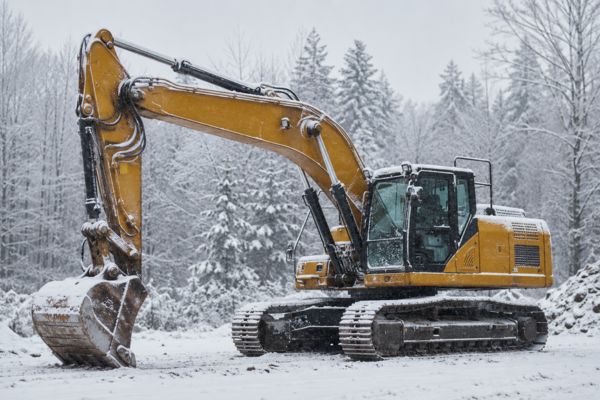
Use current data to compare the fitting, hose, seals, ferrule, crimp, adapter, port, valve, fluid, and equipment. State which component or procedure limits operation and under what condition. If a required source is missing or conditions fall outside its scope, keep the assembly unapproved rather than extending a nearby rating.
The review should include abnormal but credible events such as delayed startup, extended outdoor parking, blocked airflow around a heater, or a machine returning to service after maintenance. These scenarios are not reasons to invent a lower universal limit; they show which manufacturer or equipment data must be consulted. Record the approved response, inspection trigger, and person responsible for deciding whether the assembly can return to service.
After installation, verify that the actual route and identification match the approval record. Maintenance should observe cover cracking, unusual stiffness, leakage, abrasion, clamp movement, coating damage, corrosion products, and contact with ice or debris while the system is safely isolated. Trend observations by exact assembly identity. A repeated winter issue may require route, fluid, component, or operating review rather than repeated replacement with the same unexamined configuration.
Avoid Common Cold-Weather Mistakes
Common errors include confusing storage and operating limits, focusing only on metal, ignoring hose movement, and treating a slow cold response as normal without investigation.
Reject shortcuts and forced handling
Do not heat components with uncontrolled methods, force a stiff hose into position, exceed bend limits, reuse damaged fittings, or change seals without approval. Never check a suspected pinhole leak by hand. Stop equipment, isolate the system, release pressure and stored energy, secure raised loads, and follow lockout and manufacturer procedures before inspection.
Keep visual similarity out of final approval
A fitting that threads into a port may still have the wrong seat, O-ring, material, coating, hose side, or rating. An old part number or successful summer installation cannot prove winter suitability. Verify critical dimensions and the complete cold-condition assembly data for every replacement configuration.
Conclusion
Cold-weather suitability belongs to the complete hydraulic assembly and operating procedure, not to the metal fitting alone. Separate storage, startup, continuous operation, and transport conditions; then review thermal cycling, condensation, impact, salt, and inspection access. Verify the exact fitting material and finish, sealing method, O-ring compound, hose construction and flexibility, bend radius, fluid behavior, route, and current crimp data. Follow approved cold-start guidance and never force, heat, substitute, or operate components outside their procedures. Before selecting one-piece fittings for cold-weather hydraulic equipment, prepare the true temperature profile, pressure duty, fluid, complete component identities, movement and corrosion conditions, startup instructions, and the product-specific evidence that defines the lowest usable limit, and preserve that evidence for later inspection and safe replacement decisions.
FAQ
Is a storage temperature enough to approve operation?
No, operation adds pressure, fluid contact, movement, bending, vibration, and cycling. Confirm the separate operating and startup limits for the exact assembly.
Does stainless steel prevent all winter corrosion?
No, stainless grades and environments vary, and salt, deposits, crevices, damage, and dissimilar-metal contact can still matter. Verify the exact material and application.
Can a stiff cold hose be bent into position after warming?
Only under the hose and equipment manufacturer’s approved conditioning and installation procedure. Uncontrolled heating or forced bending can damage the hose or create hidden fitting loads.
Why can cold fluid affect fitting selection?
Higher viscosity can increase pressure loss and alter startup response through hoses, ports, elbows, and internal passages. Exact evaluation requires verified fluid, geometry, flow, temperature, and system data.
Can a summer-approved assembly be used in winter?
Not without confirming the colder condition. Hose flexibility, seals, fluid behavior, corrosion exposure, startup duty, pressure, and component ratings may create new limits.