


Description
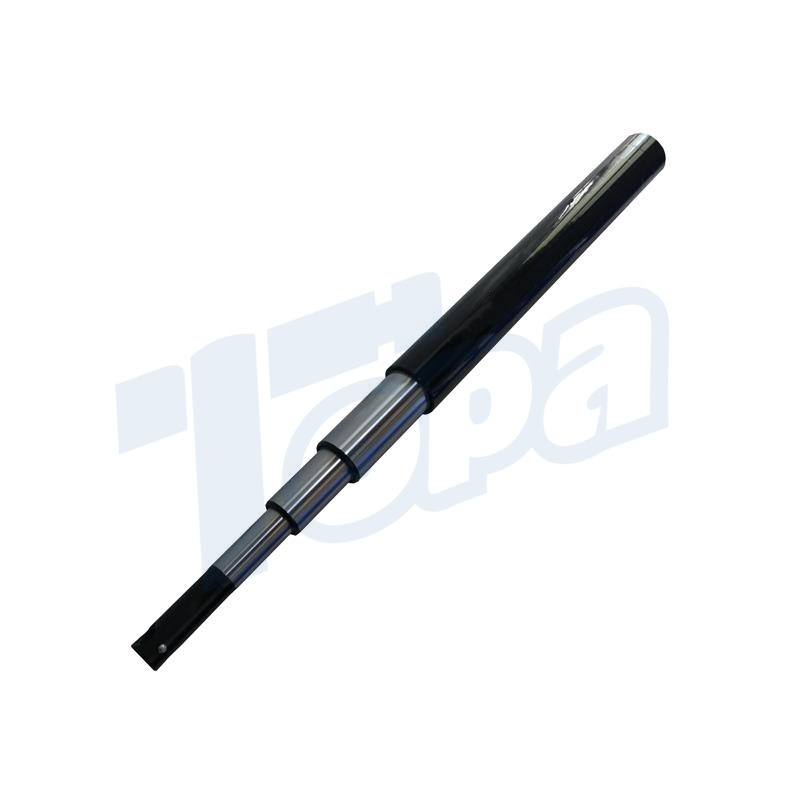
In a dump truck telescopic hydraulic cylinder, hydraulic fluid is pumped into the barrel through the port, pushing the piston and extending the nested piston rods. The extended rods lift the dump truck bed, allowing for the unloading of materials. To lower the bed, the hydraulic fluid is released, and the weight of the bed or an external force pushes the piston rods back into the barrel.
Applications
Construction Dump Trucks:Used to raise dump bodies for unloading sand, gravel, soil, and construction debris.
Dump Trailers and Tipper Semi-Trailers:Used in hydraulic tipping systems that lift trailer bodies for bulk unloading.
Mining and Quarry Tippers:Used on vehicles equipped with telescopic tipping systems to unload ore, rock, and aggregates.
Waste and Recycling Tippers:Used to tilt bodies carrying suitable bulk waste, scrap, and recyclable materials.
Advantages
High Lifting Capacity: These cylinders are engineered to handle heavy loads, making them ideal for the demanding conditions of dump truck operations.
Extended Reach: The telescopic design allows for a long stroke length, enabling the dump truck bed to be lifted higher for more efficient unloading.
Space Efficiency: The telescopic mechanism allows for a compact retracted size, saving valuable space in the vehicle.
Durability: Made with high-quality materials, these cylinders are built to withstand harsh conditions, ensuring a longer lifespan and reducing maintenance costs.
Stroke and Retracted Length: Specify the required lifting stroke and available installation space. Both the extended and retracted mounting lengths must match the dump body geometry and intended tipping angle.
Stage Configuration and Lifting Force: Cylinder sizing depends on the working pressure, load, mounting position, and changing leverage as the dump body rises. Provide the payload, dump body weight, and installation drawing so the required lifting force and stage dimensions can be evaluated.
Mounting Connections: Define the mounting type, pin diameters, mounting widths, and connection locations. For an inverted installation, include a drawing showing the cylinder orientation and its connections to the chassis and dump body.
Materials and Surface Protection: Material and surface treatment options can be reviewed according to the operating loads and exposure to moisture, dirt, or corrosive conditions. Moving-stage surfaces also require a finish compatible with the sealing system.
Seals and Operating Conditions: Specify the hydraulic fluid, operating temperature range, and working pressure. These details guide seal selection, while wiper requirements depend on the expected exposure to dust, mud, and other contaminants.
Oil Port Arrangement: Confirm the port thread, size, and location to suit the hydraulic circuit and hose routing. The connection must remain accessible and allow sufficient hose clearance throughout the tipping cycle.

Dump Truck Telescopic Hydraulic Cylinder
Topa’s quality inspection starts with checking materials against the cylinder’s specified requirements. During production, dimensional checks focus on the telescopic stages, sealing surfaces, and mounting connections. These checks help identify deviations that could affect assembly, sealing, or installation.
After assembly, pressure and leakage tests check pressure containment and sealing performance under the specified test conditions. Functional checks assess stage extension and retraction for sticking, irregular movement, or visible leakage. Test pressure and acceptance criteria follow the requirements for the cylinder model.
Before shipment, the finished cylinder is checked against the approved drawing and order specifications. Final inspection covers the surface finish, mounting dimensions, oil port connections, and overall condition. Particular attention is given to exposed stage surfaces and other areas where damage could affect sealing or operation.
Other Products


