91/91N Series Hydraulic Crimp Fittings Supplier in China
Topa supplies Parker-style 91N series hydraulic hose crimp fittings for braided hydraulic hose assemblies, covering JIC, NPTF, ORFS, BSP, Metric, SAE, and flange connection types.
Products Lists
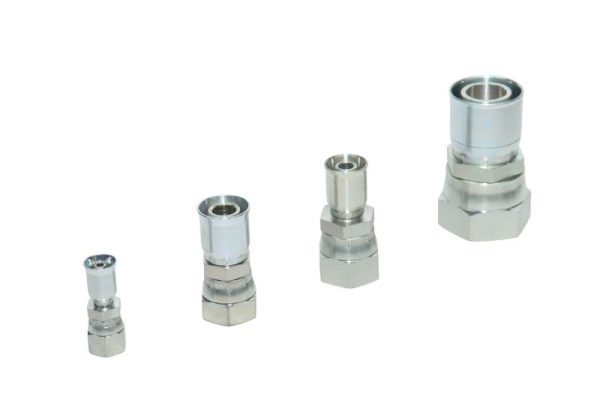
The 91 series crimp fittings are engineered for reliable performance in demanding hydraulic and PTFE hose applications. Designed as permanent, no-skive style fittings, they provide a secure, leak-free connection for a wide range of fluid systems.
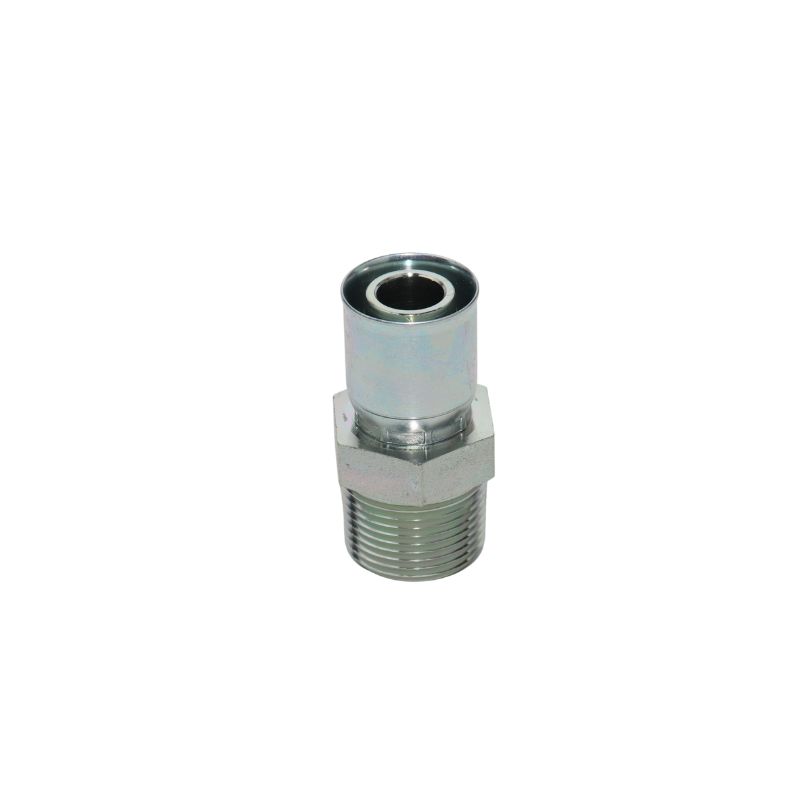
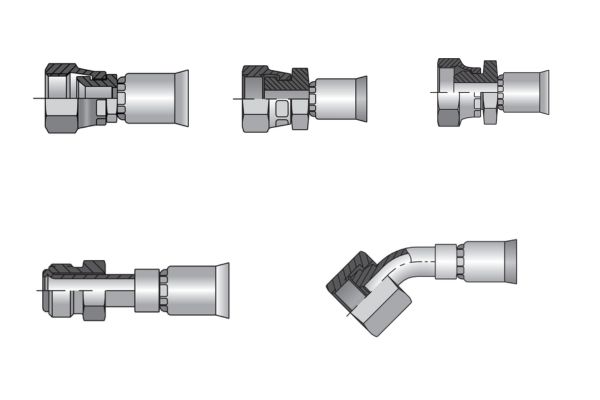
10191N
Male Taper Pipe Rigid
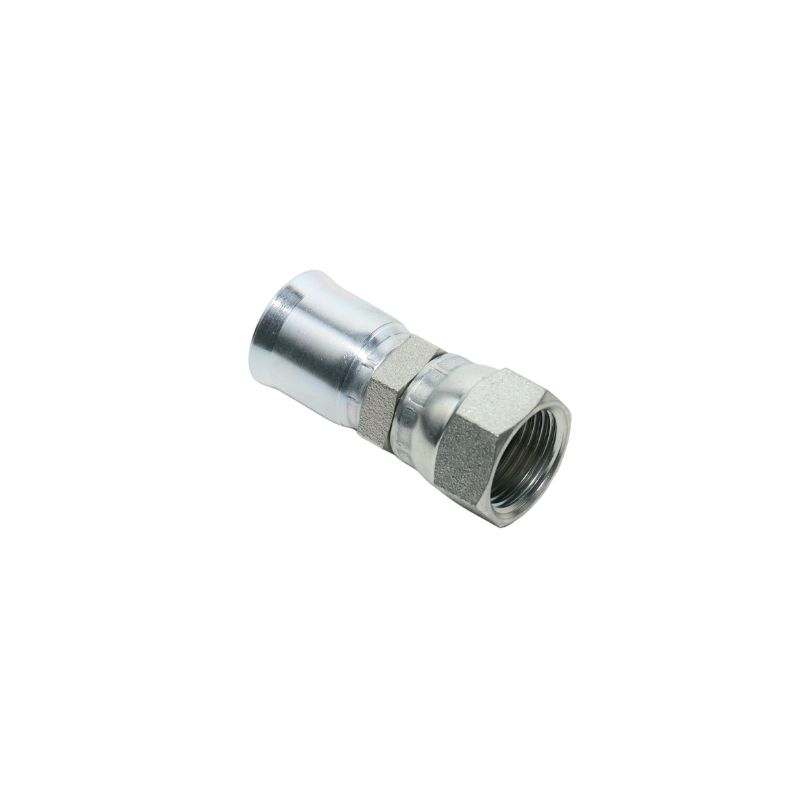
10691N
SAE (JIC) 37° Swivel
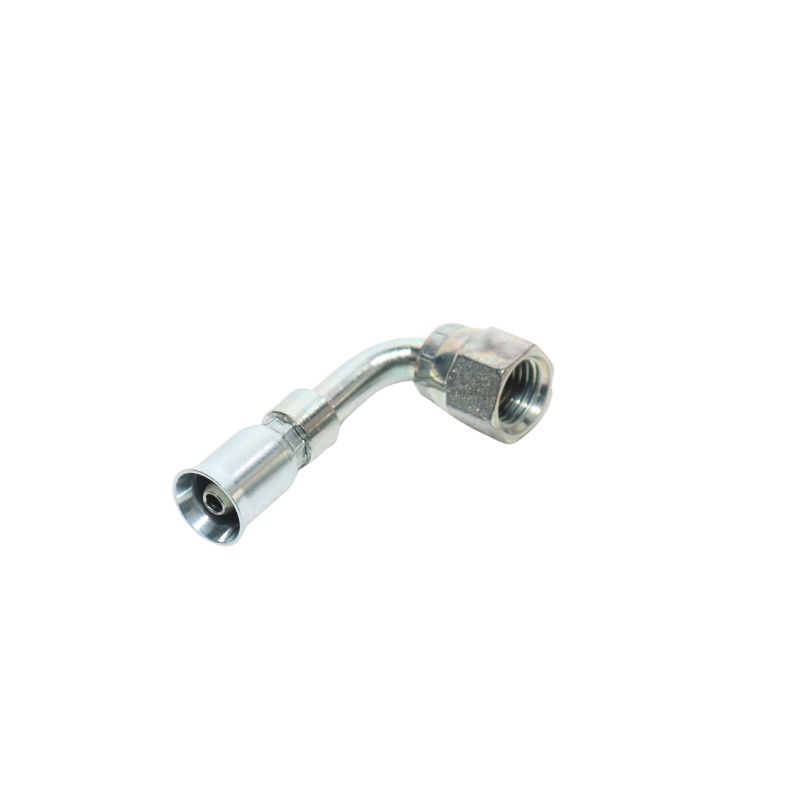
14191N
JIC 37° Swivel 90° Elbow Long Drop
Structure and Materials
A reliable 91N hose assembly depends on more than the thread type. The hose insert, retention profile, crimp ferrule, sealing surface and PTFE hose dimensions must work together to create secure retention and reliable sealing.
Hose Insert
The hose insert enters the PTFE liner and supports the internal flow path. Its outside diameter and insertion length must match the selected hose.
Crimp Ferrule
The ferrule compresses the hose reinforcement around the insert. Its inner diameter, wall thickness and crimping area directly affect the final assembly result.
Sealing Surface
The cone, face, thread seat or O-ring area creates the seal between the hose assembly and equipment port. Similar thread sizes may use different sealing methods.
Thread End
The thread end connects the assembly to a port, adapter or tube system. Thread diameter, pitch, angle and sealing type must all be confirmed.
The correct 91N fitting must match the PTFE hose series, inner diameter, outer diameter, liner structure, reinforcement and external cover. Two hoses with the same nominal size may still require different fitting or ferrule dimensions.
Hose Series
Confirm the original hose manufacturer and series before selecting a replacement fitting.
Hose Dash Size
The hose dash size, inner diameter and outer diameter must match the insert and ferrule.
Smooth-Bore PTFE Hose
Smooth-bore hose is commonly used for fluid transfer, instrumentation and high-temperature applications.
Convoluted PTFE Hose
Convoluted hose has a different wall and outer profile and may require another fitting structure.
Stainless Steel Reinforcement
Confirm the braid construction and number of reinforcement layers.
Covered PTFE Hose
Silicone-, rubber- or polymer-covered PTFE hose may require additional preparation before crimping.
Selecting the correct 91N fitting requires more than checking the thread size. The PTFE hose construction, hose dimensions, connection type, fitting angle, material and operating conditions must be reviewed together.
Confirm the PTFE Hose
Provide the hose brand, series, dash size and construction. Also confirm whether the hose has a smooth or convoluted bore, natural or static-dissipative liner, stainless steel braid or external cover.
Measure the Hose Dimensions
If the hose series is unknown, measure the hose inner diameter and outer diameter. These dimensions help confirm whether the fitting insert and crimp ferrule are suitable for the hose.
Identify the Thread
Confirm the thread standard, thread size, male or female connection and sealing style. Similar thread diameters may use different pitches, sealing angles or connection standards.
Confirm the Fitting Angle
Select a straight, 45°, 90° short-drop or 90° long-drop configuration according to the hose routing and installation space.
Choose the Material
Select carbon steel, stainless steel or brass according to the conveyed fluid, operating temperature, external environment and corrosion requirements.
Review the Application
Provide the working pressure, maximum temperature, fluid or chemical, equipment type, required quantity and destination country. These details help us review compatibility and quotation requirements.
The 91 series crimp fittings are widely used in industries where safe, leak-free connections are critical, especially in environments exposed to high pressure, vibration, or aggressive chemicals. Their versatility and robust design make them a trusted choice across multiple fields:
Chemical Processing
With stainless steel and corrosion-resistant options, the fittings are well suited for handling aggressive chemicals, solvents, and corrosive fluids. They are commonly installed in processing plants, chemical transfer systems, and laboratories where contamination control is essential.
Automation & Testing Equipment
Reliable connections are vital in automated machinery and precision test rigs. The 91 Series delivers consistent performance, supporting stable operation in equipment that requires repeatability and accuracy, such as robotic arms, hydraulic presses, and fluid test benches.
Marine & Offshore
Stainless steel versions provide superior corrosion protection in seawater and offshore oilfield environments. These fittings are used in ship hydraulics, offshore platforms, and subsea equipment, where both safety and reliability are non-negotiable.
Common 91N Assembly Problems We Help Prevent
A 91N fitting may look correct but still fail if the PTFE hose, thread, material or crimping parameters do not match. Small differences in hose dimensions, fitting structure or assembly preparation can lead to leakage, hose pull-off, liner damage and premature failure.
Wrong PTFE Hose Series
PTFE hoses with a similar appearance may have different liner thicknesses, outer diameters, reinforcement structures or cover designs. Using the wrong hose series can affect fitting insertion and ferrule compression.
Wrong Hose Dash Size
The hose dash size determines the required insert diameter and ferrule dimensions. An incorrect size may make the fitting too loose or too difficult to insert.
Incorrect Thread Selection
Threads with a similar outside diameter may have different pitches, sealing angles or connection standards. The thread may appear to fit but fail to seal correctly.
Incomplete Fitting Insertion
The fitting insert must reach the correct position inside the PTFE hose before crimping. Insufficient insertion reduces the contact area between the insert, hose and ferrule.
Damaged Stainless Steel Braid
Incorrect cutting, excessive handling or poor hose-end preparation can loosen or damage the stainless steel reinforcement.
Incorrect Crimp Diameter
The final crimp diameter must match the exact fitting and hose combination. Under-crimping may not provide sufficient grip, while over-crimping may deform or damage the PTFE liner.
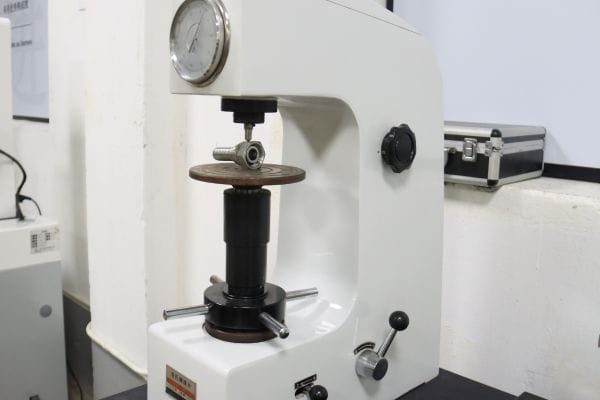
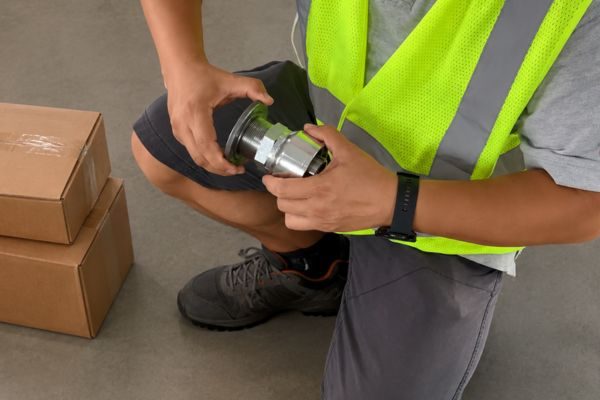
Each hydraulic fitting is checked through a series of inspection and testing procedures to ensure consistent performance, reliable sealing, and long service life in hydraulic systems.
Raw Material Verification
Check the material grade according to the purchase order and production requirement.
Thread Gauge Inspection
Verify thread type, pitch, diameter and tolerance using suitable gauges.
Surface Roughness Testing
Surface roughness is inspected to ensure proper sealing performance.
Profile Inspection
Profile inspection is used to check critical fitting shapes, angles, grooves, and thread details.
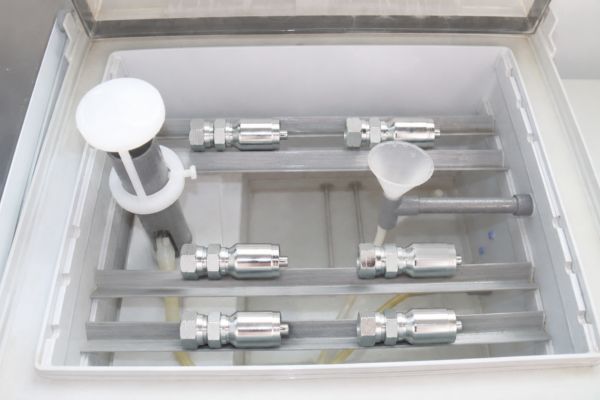
Salt Spray Testing
Salt spray testing evaluates the corrosion resistance of plated or coated fittings.
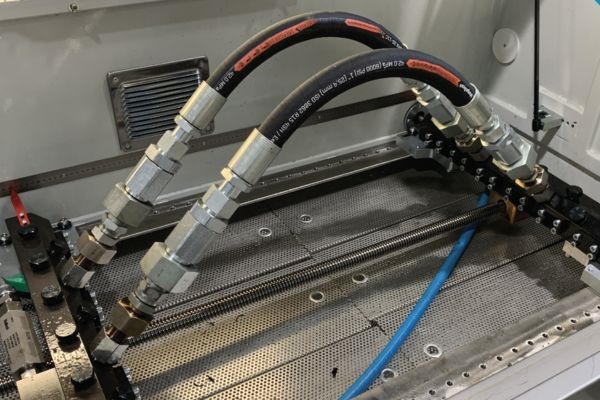
Burst Pressure Testing
Burst pressure testing checks the pressure resistance and safety margin of hose assemblies under extreme conditions.
What hoses are compatible with 91 series crimp fittings?
The 91 Series is designed for use with hydraulic hoses and PTFE hoses. Always check the hose size and pressure rating to ensure proper compatibility.
What pressure ratings can the fittings handle?
Pressure capability varies by hose size and material but generally supports medium-pressure applications up to approximately 3000 psi. Always confirm with the hose and fitting specification charts.
What materials are available?
The 91 Series is available in carbon steel, brass, and stainless steel. Stainless steel versions are recommended for corrosive or marine environments.
Do I need to skive the hose before crimping?
No. The 91 Series is a no-skive fitting, meaning the hose does not require skiving before assembly, which saves time and reduces the chance of errors.
Can I install the fittings without special tools?
The fittings must be installed with a proper crimping machine.
What industries use 91 series crimp fittings most often?
Common industries include construction, agriculture, aerospace, defense, chemical processing, automation, and marine applications.
Get Free Quotation Now!
Contact Topa
Save 30% on maintenance costs with our easy-install hydraulic fittings. Contact Now!