Twin-Line R8 hoses fail primarily due to internal core collapse caused by improper routing or exceeding the bend radius. You face lost production hours and safety risks whenever a twin-Line R8 hose fail occurs on your job site. Fortunately, implementing correct installation procedures and selecting high-grade components can eliminate these frustrating mechanical setbacks.
What Is a Twin-Line R8 Hose Failure?
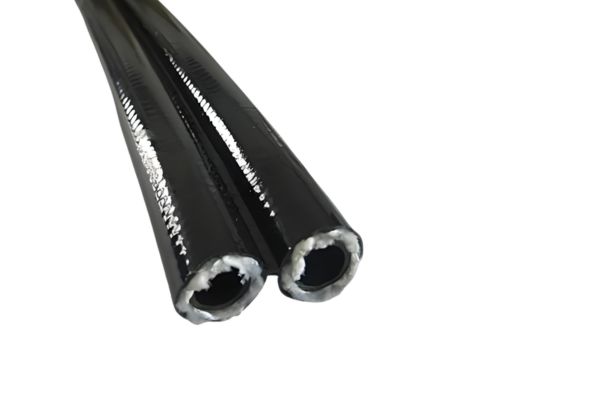
A twin-Line R8 hose failure typically involves the collapse of the thermoplastic inner core, which creates a blockage for the hydraulic oil. You will notice a twin-Line R8 hose fail when your equipment exhibits uneven movement or pressure drops during heavy lifts. This mechanical breakdown is often permanent because the internal fibers cannot regain their original shape once they are crushed.
Identifying The Physical Collapse
- Flattened hose segments.
- Restricted fluid passage.
- External cover abrasions.
The internal tube deforms when the system pressure exceeds the structural limits of the hose wall. This deformation causes the hydraulic fluid to create friction and heat as it tries to bypass the pinched area.
Recognizing Reinforcement Fatigue
Synthetic fiber braids provide the necessary strength but lose their elasticity over time if stressed. This fatigue leads to localized weak spots that eventually manifest as dangerous leaks.
| Symptom | Cause | Risk |
| Ovaling | Over-bending | Core collapse |
| Stiffening | Heat exposure | Cracking |
Monitoring the shape of your hoses during operation is vital for early detection of structural compromise.
Keeping your lines circular ensures that pressure is distributed evenly across the entire reinforcement braid during high-pressure cycles.
Why Is Synchronization Critical for R8 Hoses?
Synchronization is critical because uneven pressure between two lines causes one side of your machinery to lag behind the other. A twin-Line R8 hose fail in a dual-line system can lead to severe structural twisting of the load-bearing frame. When one hose expands more than its twin, the timing of your hydraulic-hose delivery becomes dangerously erratic.
Managing Pressure Balance
- Equal flow rates.
- Matched hose expansion.
- Identical line lengths.
Balanced pressure prevents the “seesaw” effect that ruins expensive synchronized machinery. You must ensure both lines are acting as a single, cohesive unit during the entire stroke.
Avoiding Mechanical Twist
Uneven hydraulic force can bend heavy-duty pistons if one side of the twin-line remains pressurized while the other fails. This torque creates a ripple effect of damage across all connected metal components.
| Symptom | Cause | Risk |
| Ovaling | Over-bending | Core collapse |
| Stiffening | Heat exposure | Cracking |
Maintaining perfect symmetry in your hose routing prevents the machine from fighting itself during operation.
Protecting the bond between the lines is the first step in ensuring your equipment moves in perfect harmony under load.
Does Exceeding the Bend Radius Cause Failure?
Exceeding the bend radius causes failure by crushing the internal tube on the inside of the curve. A twin-Line R8 hose fail often happens when the hose is forced into a tighter circle than the manufacturer specifies. Because thermoplastic is less flexible than rubber, these sharp bends result in permanent core deformation.
Understanding Bend Limitations
- Minimum radius limits.
- Fiber tension peaks.
- Core wall compression.
Every R8 hose has a “memory” that can be destroyed if the material is stretched too far. You must respect these limits to avoid restricted flow paths in your system.
Utilizing Angled Fittings
Installing 90-degree hydraulic-fittings can take the stress off the hose base. These adapters allow the hose to enter the port straight, preventing a sharp bend right at the crimp point.
| Symptom | Cause | Risk |
| Ovaling | Over-bending | Core collapse |
| Stiffening | Heat exposure | Cracking |
Reducing the physical stress at the junction point significantly extends the life of your thermoplastic assemblies.
Using the correct hardware allows your hoses to maintain their natural shape throughout the entire range of machine motion.
How Does Improper Hose Length Lead to Kinks?
Improper hose length leads to kinks because a hose that is too long will sag and fold over itself when pressurized. A twin-Line R8 hose fail frequently occurs when excess slack gets caught in moving parts or hangs too low. Conversely, a short hose will pull tight and flatten at the fitting base during full extension.

The Danger of Excessive Slack
- Hose looping.
- Snagging on frames.
- Pressure-induced folds.
Hoses that are too long often create “U-bends” that collapse under high pressure. This folding action permanently damages the internal fiber braid and the thermoplastic core.
Calculating Exact Reach
You should measure the distance between ports at the absolute furthest point of machine travel. Adding a small percentage for contraction ensures the hose never becomes a tension member during a lift.
| Metric | Reason | Adjustment |
| Full Stroke | Maximum reach | Add 5-10% |
| Idle Length | Resting position | Check for loops |
Precision in measurement prevents both structural tension and hazardous drooping during the critical machine cycle.
A well-sized hose assembly stays within its intended envelope without putting unnecessary stress on the couplings or reinforcement.
Are Kink Bubbles a Sign of Internal Damage?
Kink bubbles are a definitive sign that the internal reinforcement has failed and high-pressure fluid is trapped under the cover. When you see this on a twin-Line R8 hose fail, it means the structural integrity of the line is gone. The bubble is the last stage of failure before a catastrophic burst occurs.
Detecting The Core Breach
- Visible cover bulges.
- Soft spots on the line.
- Localized heat buildup.
Fluid leaking through the inner tube pushes the outer jacket away from the reinforcement layer. This indicates that the hose can no longer safely contain the system pressure at that point.
Managing Immediate Hazards
You must immediately depressurize the system and replace any hose showing signs of blistering. Operating a machine with a bubbled hose risks an explosive release of hydraulic oil and debris.
| Symptom | Severity | Action |
| Blister | Critical | Replace now |
| Abrasion | Moderate | Monitor/Sleeve |
Replacing damaged lines immediately prevents secondary damage to your cylinders and avoids injury to your personnel.
Visual inspections are your best defense against the sudden failure of a compromised or kinked thermoplastic hose.
Can Poor Routing Strategies Ruin Your System?
Poor routing strategies ruin your system by allowing hoses to rub against sharp edges or vibrate against hot surfaces. A twin-Line R8 hose fail is often caused by external factors that could have been avoided with better layout planning. You must ensure that the twin-line remains in a protected path during all equipment movements.
Avoiding External Abrasion
- Shielding sharp corners.
- Using stand-off brackets.
- Avoiding heat sources.
Thermoplastic covers are durable but will eventually wear through if they continuously grind against metal frames. This wear exposes the reinforcement to moisture, leading to internal fiber rot and rust.
Securing Parallel Lines
Using clamps to keep the lines organized prevents them from twisting around each other. Twisting induces torsional stress that quickly fatigues the internal synthetic fibers and the bonding material.
| Tool | Function | Benefit |
| Clamp | Position lock | No vibration |
| Sleeve | Cover guard | Abrasion resist |
Properly secured hoses experience much less friction and mechanical stress over their intended service lifetime.
Organizing your hydraulic lines creates a safer environment and simplifies your routine maintenance and inspection tasks.
Why Is Fluid Compatibility Important for R8?
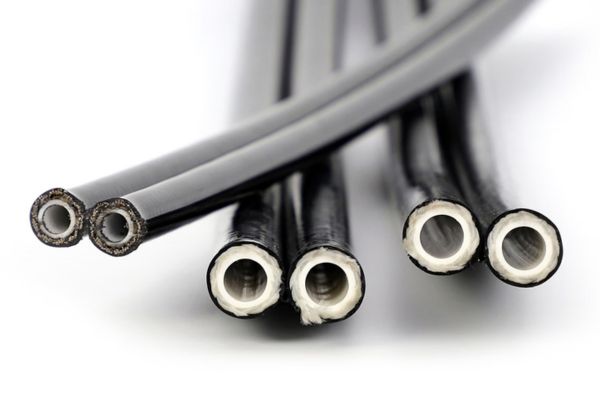
Fluid compatibility is important because the wrong hydraulic oil can chemically soften the thermoplastic inner tube. A twin-Line R8 hose fail might be the result of the tube losing its stiffness and collapsing more easily under pressure. You need to verify that your system fluid will not dissolve the polyester layers inside the hose.
Checking Chemical Reactions
- Material swelling.
- Inner tube hardening.
- Lost flexibility.
Incompatible fluids can leach out the plasticizers that keep the hose flexible during operation. This leads to a brittle core that cracks the first time it is bent around a pulley.
Selecting The Right Oil
Standard mineral oils usually work well with R8 hoses, but some synthetic fire-resistant fluids are aggressive. Always consult a compatibility chart before switching fluid brands in your synchronized hydraulic system.
| Fluid | Rating | Effect |
| Mineral | Good | Stable |
| Glycol | Fair | Possible softening |
Using compatible hydraulic oil preserves the internal geometry of the hose for years of reliable service.
Matching your system chemistry to your hose hardware prevents the “silent” degradation that leads to sudden hose bursts.
Does Heat Buildup Accelerate Hose Degradation?
Heat buildup accelerates degradation by lowering the “melting point” of the thermoplastic components within the hose. A twin-Line R8 hose fail is highly likely if the system fluid temperature regularly exceeds 200 degrees Fahrenheit. You must manage your thermal levels to keep the hose from becoming too soft and losing its shape.
Thermal Softening Effects
- Reduced pressure rating.
- Increased kinking risk.
- Accelerated aging.
When the hose material becomes warm, it loses the structural tension required to stay open during a bend. This softness allows the hose to “neck down” and restrict fluid flow to your cylinders.
Implementing Cooling Solutions
Oil coolers and heat shields can protect your hoses from engine heat and internal friction. These additions ensure the hydraulic fluid stays within the safe operating range for modern thermoplastic materials.
| Temperature | Status | Risk Level |
| < 180F | Safe | Low |
| > 210F | Danger | High |
Keeping your system cool is one of the most effective ways to prolong the life of your R8 assemblies.
Proactive thermal management prevents the hose material from warping and failing during peak equipment operation.
What Are the Benefits of Using Kink Protectors?
Kink protectors offer a benefit by distributing the bending force over a larger area of the hose, preventing sharp points of failure. A twin-Line R8 hose fail is much less common when a spring guard or molded plastic sleeve is used at the fitting. You can prevent the most vulnerable part of the hose from over-flexing during heavy use.
Shielding Stress Points
- Strain relief.
- Radius maintenance.
- Impact protection.
The transition from the rigid steel coupling to the flexible hose is where 90 percent of failures occur. These protectors act as a mechanical bridge that supports the thermoplastic hose material.
Enhancing Durability
Adding a secondary layer of protection also guards against external hits from tools or worksite debris. This dual-purpose benefit keeps your synchronized lines safe in even the harshest industrial or construction environments.
| Protector | Material | Strength |
| Spring | Steel | High |
| Wrap | Plastic | Moderate |
Investing in simple guards can save you thousands by preventing premature and unexpected hose replacement costs.
Protectors ensure that your hoses remain functional even when the machine operates in cramped or difficult spaces.
How Can Regular Maintenance Prevent Failures?
Regular maintenance prevents failures by allowing you to spot small abrasions or loose clamps before they turn into a major leak. A twin-Line R8 hose fail can often be predicted by looking for signs of twisting or surface wear during daily checks. You should establish a schedule to inspect all critical hydraulic lines for early warning signs.
Setting Inspection Cycles
- Weekly visual checks.
- Clamp torque audits.
- Cleanliness reviews.
Removing dirt and grease allows you to see small nicks in the cover that might be hiding internal damage. Keeping the lines clean also prevents abrasive wear from external grit buildup.
Proactive Hose Replacement
Replacing hoses before they fail is much cheaper than dealing with the costs of emergency downtime. Many operators choose to swap out their twin-line sets every two years as a smart preventative measure.
Scheduled maintenance ensures your machine is always ready for heavy-duty synchronized lifting without failure.
Conclusion
To ensure your operations stay productive and safe, you must prioritize the health of your hydraulic assemblies. We provide the expertise and high-performance components needed to eliminate the root causes of system downtime. If you are ready to upgrade your equipment with reliable solutions that prevent failures, contact us today . Our team is dedicated to supporting your brand’s vision of efficiency and total equipment reliability.
Frequently Asked Questions
Can I repair a twin-line R8 hose after it kinks?
No, you cannot safely repair it. A kink causes permanent internal damage to the thermoplastic core and the reinforcement fibers, making the hose a burst hazard. You must replace the entire assembly to restore safety.
What’s the best way to identify an internal failure?
The best way is to monitor the hose for localized heat spots during operation. A hot spot indicates a flow restriction where the inner core has collapsed and is creating friction.
How do I know if my hose length is correct?
You can check the tension when the machine is at its maximum extension point. The hose should still maintain a natural curve and not be pulled tight against the fittings or frame.
Can I use R8 hose for all hydraulic fluids?
No, you must verify compatibility first. While R8 is resistant to mineral oils, some synthetic fire-resistant fluids can soften the thermoplastic core and cause it to fail prematurely.
What’s the best fitting for tight spaces?
You should use a 90-degree elbow fitting with a swivel adapter. This allows the hose to find its natural path without being forced into a sharp bend right at the port.