Brake Fittings Manufacturer in China

※ Multiple Brake Connection Types

※ SAE and Metric Specifications

※ Controlled Thread and Sealing-Seat Dimensions

※ OEM and Multi-SKU Supply Support

Product List

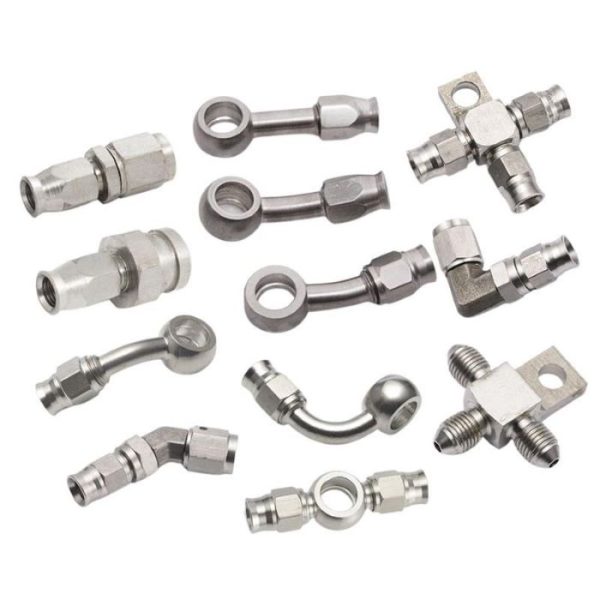
Brake line fittings, hose ends, banjo fittings, flare adapters, and DOT air brake fittings supplied according to confirmed threads, sealing interfaces, tube or hose specifications, materials, and purchasing requirements. Topa produce a wide range of hydraulic brake fittings of high quality that can be used in many different kinds of applications. You can check the picture below to select a product.

Brake Hose Fitting

Connects a specified brake hose to a caliper, master cylinder, distribution block, or brake line through a matched hose-end and port interface.

Brake Line Bulkhead Fitting

Provides a fixed brake-line connection through a panel or bracket, with the thread, sealing seat, and tube size selected to match the mating components.

PTFE Brake Line Fitting

Designed for assembly with compatible PTFE brake hose, with the insert, socket or olive, thread, and sealing interface matched to the specified hose construction.

Angled Brake Line Fitting

Provides an angled connection for routing a brake line around restricted spaces while maintaining the specified thread and sealing-seat interface.

Female to Female Brake Line Adapter

Joins two compatible male brake-line connections through female ports with specified threads and internal sealing seats.

Brake Line Union

Connects two compatible sections of rigid brake tubing through matched tube nuts, flare types, thread specifications, and internal sealing seats.

Brake Tee Fitting

Divides or combines a brake-fluid line through three specified ports, with an integrated mounting hole for installation on a bracket or vehicle structure.

Inverted Flare Brake Line Fitting

Uses a specified inverted-flare seat to connect compatible rigid brake tubing and tube nuts without relying on the thread itself as the primary sealing surface.

Copper Air Brake DOT Fitting

Designed to connect specified copper tubing in compatible air brake systems, subject to the required tube dimensions, connection type, pressure rating, and applicable compliance requirements.

DOT Brake Fitting

Connects approved nylon or copper tubing in commercial-vehicle air brake circuits using a fitting design matched to the tubing material, outside diameter, and applicable DOT requirements.

Brake Line Compression Fitting

This compression-style fitting is intended only for the specifically approved tube and application. It should not be presented as a universal repair fitting for vehicle hydraulic brake lines.

brass brake line fitting factory

Brass Brake Line Fitting

Brass brake fittings are available in selected union, adapter, tee, tube-nut, and air-brake configurations, subject to the required connection standard and application.

3 Way Brake Line Fitting

Distributes one brake line into two branches through three specified ports, with an integrated mounting point for secure installation.

4 Way Brake Line Fitting

Provides four connected brake-line ports in a compact body for multi-branch routing, with each thread and sealing seat matched to the specified tube connections.

Banjo Brake Fitting

Provides a compact, orientable brake-fluid connection using a banjo eye, compatible hollow bolt, and specified sealing washers.

JIC Banjo Brake Fitting

Converts a specified banjo connection to a JIC 37° flare interface where the complete assembly design and application permit this connection combination.

motorcycle brake hose fittings factory

Motorcycle Brake Hose Fitting

Connects a specified motorcycle brake hose to a caliper, master cylinder, or mating adapter in straight, angled, or banjo configurations.

Metric Brake Fitting

Metric brake fittings include tube nuts, unions, adapters, bulkhead fittings, tees, and hose ends produced with specified metric threads and matching sealing-seat geometries.

Topa Factory Video

In this video, we invite you to take a closer look at the state-of-the-art manufacturing process behind our premium brake line fittings. From material selection to final inspection, each stage is meticulously designed to ensure the highest quality and performance. Watch as our skilled technicians and advanced machinery work in harmony to produce reliable and durable brake line fittings that meet the strictest industry standards.

The video showcases the precision of our CNC machines, which are responsible for crafting each fitting with exact specifications. You will also see how we apply our dual-seal technology to guarantee leak-proof connections and demonstrate the rigorous quality control checks performed at each step to ensure the fittings meet both safety and functionality requirements.

At Topa, we pride ourselves on delivering not only top-quality products but also exceptional service. After watching the video, we encourage you to reach out to our team to place your order or inquire about customization options. 

Application

Topa produces hydraulic brake line fittings that can be used in many hydraulic equipment applications, mainly in the automotive industry. The quality of these fittings is by international standards and they have a long service life.

brake fitting for motorcycles supplier

Motorcycle

The application of Topa's brake fittings has significantly improved several functions of motorcycles.

brake fitting for vehicle manufacturer

Vehicle

Topa provides high quality brake fittings, whish can used for vehicle brake system , also as a connector on all air operated systems .

brake fitting for racing car supplier

Racing car

Topa’s brake fittings play an important role in material handling and are widely used for this field.

Get Your Quote Today!

Contact us now for a custom quote on your brake line fittings.

Products Features

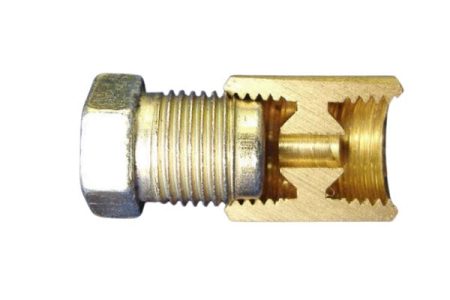
brake line Fittings Structure

Structure

Topa brake line fittings feature a robust dual-seal design, ensuring leak-proof performance under high-pressure conditions. The structure comprises a metal outer shell, an internal threaded connector, and fastening components. Each part is meticulously tested to meet the stringent requirements of high-speed brake systems. The metal outer shell is designed for durability, while the inner threaded section provides secure attachment to brake lines, offering reliable performance in demanding environments. These fittings are designed for easy installation and long-term functionality, ensuring a perfect fit for OEM and aftermarket applications.

Working Principle

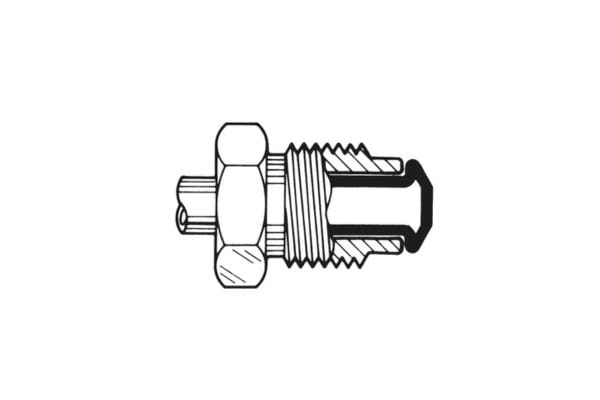
The brake line fittings function through their precisely engineered internal threads and sealing mechanism, creating a secure connection between the brake system and its pipes. When high-pressure hydraulic fluid flows through the fittings, the dual-seal design prevents leakage, maintaining the integrity and safety of the brake system. The inner thread securely connects the fitting to the brake line, while the seals ensure that fluid remains contained, preventing loss of pressure and ensuring efficient brake performance. This system is essential for maintaining the safety and reliability of the braking system, even under extreme conditions.

brake line Fittings working principle
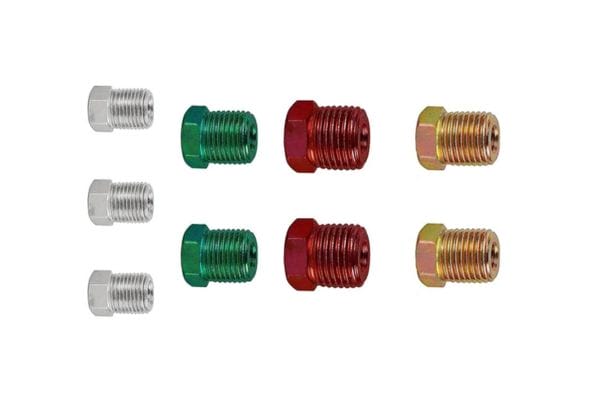
brake line Fittings material and color

Material and Color

Material

Topa brake line fittings are made from high-strength stainless steel (such as 304, and 316) and alloy steels, offering exceptional corrosion resistance. These materials are specifically selected for their ability to withstand high-pressure and high-temperature environments, ensuring long-lasting durability and performance in demanding applications. Whether used in automotive, industrial, or hydraulic systems, the materials used ensure reliability and longevity even under extreme conditions.

Color:

Typically, Topa brake line fittings come with a silver or black coating for added protection against corrosion and to enhance the overall aesthetic. The natural stainless steel finish is also a popular choice for its clean, professional look. The surface coatings not only provide an attractive finish but also serve as a safeguard against environmental factors like moisture, chemicals, and harsh weather conditions, ensuring the fittings remain robust and corrosion-resistant throughout their service life.

Advantages of Brake Line Fittings

High Durability and Strength

Topa brake line fittings are made from premium stainless steel and alloy steel, ensuring exceptional durability and strength. These materials are designed to withstand high-pressure environments, making them ideal for critical brake systems that require reliable, long-lasting performance, even in extreme conditions.

Leak-Proof Design

Topa brake line fittings feature a dual-seal system that ensures a secure and leak-proof connection. This design prevents any hydraulic fluid from leaking, maintaining the integrity of the brake system. With reliable sealing, these fittings help maintain system pressure and optimize braking performance.

Corrosion Resistance

The corrosion-resistant materials, such as 304 and 316 stainless steel, provide outstanding protection against environmental factors like moisture, chemicals, and high temperatures. This corrosion resistance extends the lifespan of the fittings and ensures safe, reliable performance in harsh environments.

Customizable Options

Topa offers a wide range of customization options, including material, size, thread type, and color. This flexibility allows customers to tailor brake line fittings to their specific needs, ensuring that they perfectly match their brake system’s requirements and aesthetic preferences.

Easy Installation

Topa brake line fittings are designed for ease of installation, with precise threading and user-friendly connection systems. This ensures a quick, hassle-free installation process, reducing labor time and costs, while ensuring a tight, secure fit that enhances overall system safety.

Cost-Effective Solutions

With efficient manufacturing processes and high-quality materials, Topa provides brake line fittings at competitive prices without compromising on quality. This cost-effectiveness makes Topa the ideal choice for bulk orders, offering great value for large-scale projects.

Plan Your Brake Fitting Purchase

Submit your required part numbers, fitting types, tube or hose specifications, quantities, and applicable standards for quotation and technical review.

How to Customize Unique Brake Line Fittings

Table of Contents

Customizing brake line fittings allows you to meet specific requirements for various applications, whether it’s for high-performance vehicles, industrial machinery, or specialized hydraulic systems. Here’s a step-by-step guide on how to customize brake line fittings:

Material Selection

The first step in customization is choosing the appropriate material. Brake line fittings are typically made from stainless steel, alloy steel, or other corrosion-resistant materials. Depending on the operating environment, you might choose:

Stainless Steel (304, 316) for high corrosion resistance, especially in harsh environments.

Alloy Steel for superior strength and durability under high-pressure and high-temperature conditions.

Size and Thread Type Customization

Brake line fittings come in various sizes and thread types (such as BSP, NPT, or metric threads). You can customize the fitting size to match specific brake system requirements:

Thread Type: Select from different thread types (e.g., BSP, NPT, SAE) depending on the existing brake system’s design.

Fitting Size: Customize the diameter and length of the fitting to match the brake line’s dimensions, ensuring proper sealing and fit.

Custom Size Considerations:

Matching with Brake System: Ensure the fittings’ size aligns with the brake line’s inner diameter for secure and effective fluid flow.

Length Adjustments: For specialized applications, the length of the fittings can be adjusted to reach specific connection points.

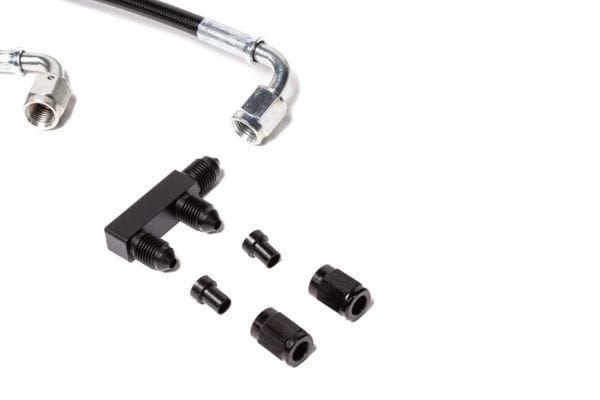
brake line fittings sizes
Seal and Connection Options

The choice of sealing material and connection type is critical for ensuring leak-proof and secure fittings. You can customize:

Seal Material: O-rings and seals made from rubber, Teflon, or Viton can be selected based on fluid compatibility and temperature range.

Connection Type: Depending on the brake system, choose from a variety of connection methods such as push-on, threaded, or crimped fittings.

Custom Sealing Options:

Viton Seals: Ideal for high-temperature and chemical-resistant applications.

Rubber Seals: Common in general-purpose applications with standard fluid types.

Coatings and Finish

The external finish of the fitting not only enhances its appearance but also protects against corrosion and wear. Custom coatings can be applied:

Color Coatings: Choose from silver, black, or custom color coatings for aesthetic preferences or brand identity.

Corrosion-Resistant Coatings: Options such as nickel plating or anodizing can be used to improve corrosion resistance, especially in harsh environments.

Custom Finish Considerations:

Aesthetic Preferences: Color options for custom branding or specific vehicle styles.

Protective Coatings: Ensure coatings meet your environment’s durability standards.

Logo and Branding
brake line fittings applications

Customizing your brake line fittings with your company logo or a unique branding mark is a great way to enhance product identity and differentiate your fittings. Laser engraving or stamped logos can be applied to:

Laser Engraving: Clear, permanent logos or identifiers.

Stamping: Less intrusive but effective for simple branding.

Custom Branding Options:

Brand Identity: Custom logos can be engraved or stamped on the fittings.

Part Numbers: Unique part numbers or identifiers for better traceability.

Pressure and Performance Specifications

Ensure that the customized brake line fittings are tested to meet your specific performance standards. Topa offers tailored pressure ratings to suit your application, whether it’s high-performance racing, heavy machinery, or commercial vehicles.

Pressure Rating: Customize the fitting to withstand high-pressure environments.

Temperature Range: Select materials and seals that can handle temperature extremes (from -40°C to 200°C or higher, depending on the application).

Custom Performance Considerations:

Pressure Testing: Ensure that the fittings are tested for pressure resistance.

Temperature Tolerance: Customize the fittings to suit your operating temperature range.

brake fitting factory
Design and Shape Customization

Depending on your specific application, you might require fittings in non-standard shapes, such as 90-degree or 45-degree angles. These angles ensure a secure fit within confined spaces and can help maintain the flow of brake fluid effectively. Custom shapes can be designed to fit specific brake system requirements.

Custom Shape Considerations:

Angles and Bends: Choose different angles (e.g., 90°, 45°) based on the brake system layout.

Custom Connections: Design fittings with specific orientations (e.g., T-shaped or Y-shaped) for specialized systems.

Prototyping and Testing

After selecting all customization parameters, a prototype fitting can be created. It’s important to:

Test the fitting in real-world conditions.

Ensure that the fitting integrates seamlessly with your brake system. Conduct leak, pressure, and thermal cycle tests to confirm durability and performance.

Customizing brake line fittings involves a combination of material selection, size adjustments, sealing choices, finish coatings, and branding. By working closely with a trusted manufacturer like Topa, you can ensure your fittings meet the precise requirements for your brake system, ensuring reliability, performance, and long-term durability.

Topa Services

At Topa, we are committed to delivering exceptional brake line fittings that ensure safety, durability, and performance for your hydraulic systems. With over 20 years of manufacturing experience, we specialize in providing high-quality, customized solutions for automotive, industrial, and hydraulic applications. Whether you’re looking for reliable products or expert support, Topa is here to deliver solutions that meet your exact requirements.

Customized Product Solutions

We offer tailor-made brake line fittings to meet your specific needs.

Production Planning

Production schedules are evaluated according to the confirmed specifications, product types, SKU quantity, order volume, material availability, testing requirements, and packaging instructions.

High-Quality Assurance

Each product undergoes rigorous testing to ensure top-tier performance and durability.

Expert Technical Support

Our experienced team is always available to assist with product selection and technical inquiries.

Multi-SKU Order Management

Different fitting types, sizes, threads, materials, and packaging requirements can be reviewed together for distributor replenishment, OEM production, and recurring purchasing.

Global Shipping Network

We ship to multiple regions worldwide, ensuring timely delivery wherever you are located.

FAQ

What are the hydraulic brake fittings?

Brake hydraulic fittings are the connector for brake hoses, used in the hydraulic field, with the aim of improving the performance of the car.

What information is required to identify a brake fitting?

Please provide the existing part number, brake-system type, thread diameter and pitch, male or female connection, sealing-seat type, seat angle, tube outside diameter, hose specification, and key dimensions.

Are hydraulic brake fittings and DOT air brake fittings interchangeable?

No. Hydraulic brake fittings and DOT air brake fittings use different fluids, tubing or hose structures, sealing methods, performance requirements, and applicable specifications.

What thread and sealing options are available?

Available products may include SAE and metric threads, inverted-flare connections, bubble-flare connections, cone seats, banjo connections, AN-style connections, and selected pipe-thread configurations.

What materials are available for brake fittings?

Depending on the fitting type and application, brake fittings may be produced from carbon steel, stainless steel, brass, or other specified materials.

Why the brake hydraulic fittings leaking?

You should check the interface, which was not handled properly during installation, or a defective flare may cause a leak.

What quality inspections can be performed on brake fittings?

Inspection may include material verification, dimensional measurement, thread-gauge checking, sealing-seat inspection, surface and coating inspection, internal passage checking, visual inspection, and part-number verification.

Can brake fittings be produced according to drawings or samples?

Topa can evaluate drawings, samples, and confirmed technical specifications for qualified OEM and custom production programs.

How is brake fitting compatibility verified?

Compatibility is evaluated by checking the brake-system type, thread diameter and pitch, connection gender, sealing-seat geometry, seat angle, tube or hose specification, key dimensions, material, and mating component.

Can brake fittings be produced according to drawings or samples?

Topa can evaluate drawings, samples, and confirmed technical specifications for qualified OEM and custom production programs. Critical dimensions, threads, sealing seats, materials, finishes, testing requirements, expected quantities, and annual demand should be provided for feasibility review.
Get More Information About Products

brake line fitting catalog

Contact Topa

Save 30% on maintenance costs with our easy-install hydraulic fittings. Contact Now!