
TP43 order approval consistency requires the first commercial order to match the written technical and commercial baseline established during sample review, not merely the sample’s general appearance. The controlled baseline should identify product structure, connection details, hose side, critical dimensions, material and finish requirements, markings, protection, packaging, labels, inspection evidence, and approved deviations. A sample that looks correct cannot independently prove hose, crimp, pressure, temperature, fluid, or application compatibility.
Sample Approval Needs a Written Baseline
An approved sample is evidence only when reviewers can tell what was examined, which requirements applied, and which questions remained open. Verbal approval such as “the sample is fine” does not define the first order and invites conflicting interpretations.
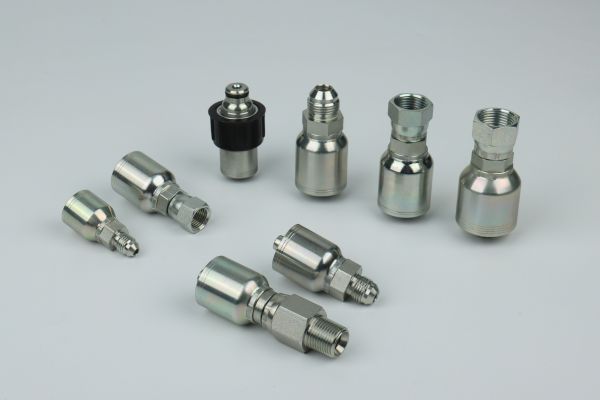
Record the scope of approval
The approval record should link the physical sample to part number, Parker-style reference if used, drawing revision, connection description, port dash, hose dash, fitting series, orientation, material requirement, finish requirement, and date or revision of the review. It should state whether dimensions, threads, sealing features, O-rings, swivel movement, ferrule relationship, markings, packaging, and documents were actually checked.
Equally important, record exclusions. If the review did not verify material evidence, pressure suitability, hose compatibility, or valid crimp data, label those items as open rather than treating appearance approval as complete technical approval. A precise limitation protects both purchasing and receiving teams from relying on evidence that never existed.
Separate the reference object from the requirements
A physical sample can be lost, damaged, corroded, handled, or mixed with another model. It also contains natural manufacturing variation that should not become an accidental zero-tolerance master. The approved drawing, specification, inspection method, photographs, and written decision should define conformity; the sample supports those records rather than replacing them.
Store the retained sample under conditions that preserve identity and condition. Mark it in a way that does not damage a thread or sealing surface, and link it to the approval record. If the sample is later used for repeated handling comparisons, note any wear that may make its appearance or swivel feel an unreliable reference.
Structural Features Must Follow Controlled Technical Data
The first batch should preserve the approved connection identity, sealing arrangement, hose-side design, and other functional features. Similar shape or shared reference language is not enough to establish interchangeability.
Connection and sealing characteristics
Control male or female form, thread standard, diameter, pitch or TPI, straight or tapered geometry, seat angle, sealing face, O-ring location, and fitting orientation as separate characteristics. A thread can resemble the approved sample while using a different standard, and a nut can rotate while its seat or accessible threads are damaged. Applicable gauges, drawings, and inspection methods provide stronger evidence than casual mating.
Sealing features deserve specific records because an O-ring, flare seat, ORFS face, or other interface can be hidden in general photographs. Confirm the specified O-ring identity through controlled evidence; color and apparent fit do not identify material or exact size. Inspect the groove and adjacent face as well as the presence and position of the seal.
Hose-side and one-piece construction
A one-piece fitting generally has the body or stem and ferrule preassembled, attached, or retained together. The first order should maintain the approved fitting series, stem geometry, ferrule design, retention arrangement, and hose-side identification. This reduces separate component-picking risk but does not guarantee that the fitting fits a particular hose.
Compatibility still depends on the hose manufacturer or qualified specification, hose series, construction, ID, dash size, reinforcement, crimp equipment, die set, and current crimp data. Do not treat a matching hose dash or visually similar stem as approval. When commercial samples were not assembled and tested under the applicable controlled procedure, state that limitation.
| Baseline area | What should be recorded | What it does not prove alone |
| Product identity | Part number, reference, series, angle, revision | Complete interchangeability |
| Connection end | Thread, seat, face, O-ring, key dimensions | Pressure or application suitability |
| Hose end | Stem, ferrule, dash, construction reference | Valid hose and crimp combination |
| Material and finish | Specification and evidence requirement | Field life from appearance |
| Marking and protection | Content, location, caps, handling condition | Functional conformity of every unit |
| Packaging and labels | Inner pack, quantity, carton, batch links | Technical compatibility |
| Inspection evidence | Features, methods, batch, result, disposition | Conformity outside the recorded scope |
Appearance and Protection Conditions Need Clear Boundaries
Appearance matters when it affects product identity, corrosion protection, visible damage, cleanliness, or customer acceptance. It should not be used to reject every harmless color difference or accept technically incorrect parts because they look uniform.
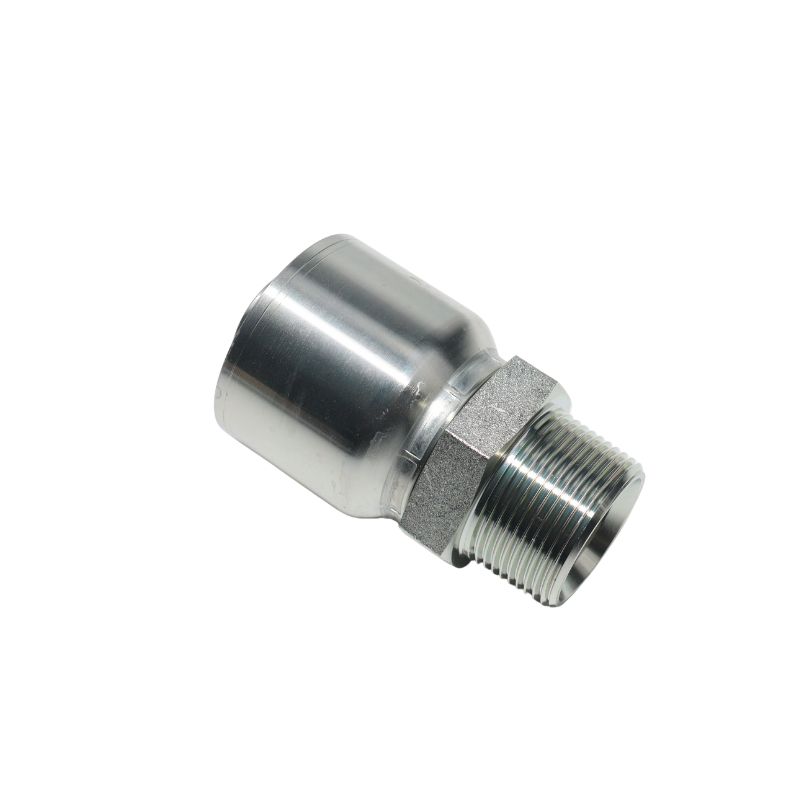
Define functional and cosmetic observations
Functional appearance checks include damaged threads, scratched sealing faces, deformed nuts, missing O-rings, loose ferrules, corrosion, embedded debris, and missing protective caps where caps are required. Cosmetic observations may include minor shade variation or nonfunctional surface marks whose acceptability depends on the written requirement. Do not invent color standards or defect limits after the first order arrives.
Sample photos should use consistent lighting and include both overall and close views. Record which surface areas were reviewed and what condition was approved. Because photographs distort color and scale, pair them with specifications and inspection results rather than making them the sole acceptance source.
Preserve critical areas during shipment
The first order should maintain the agreed protection for male and female threads, flare seats, ORFS faces, flange faces, O-ring grooves, swivel nuts, stems, ferrules, and exposed edges. A cap or plug should match the connection without cutting threads, contacting a sealing surface improperly, or displacing a seal. The packaging solution may differ by geometry and weight; one material is not universal.
Review inner separation, metal-to-metal contact, moisture exposure, carton loading, and the ability to restore protection after inspection. A fitting that was conforming before packing can arrive damaged if heavy parts strike each other. Protection is therefore part of the sample-to-order baseline when arrival condition matters to acceptance.
Markings, Labels, and Packaging Preserve Product Identity
The first batch can be technically correct yet commercially unusable if similar SKUs are mislabeled or mixed. Identity controls should connect the fitting, inner pack, carton, packing list, and receiving record.
Agree on marking and label content
Record required product marking, label fields, language, model description, port and hose dash, quantity, batch identifier, and drawing or reference information where applicable. Define placement and readability without forcing information onto a functional surface. Parker references should be used only for identification or comparison, not to present an alternative as an original branded product.
Check that order-line terminology is consistent across the purchase order, drawing, inspection report, label, and packing list. Small wording differences can hide a model mismatch when several TP43-style fittings share similar shapes. Any approved alternate description should be documented before shipment.
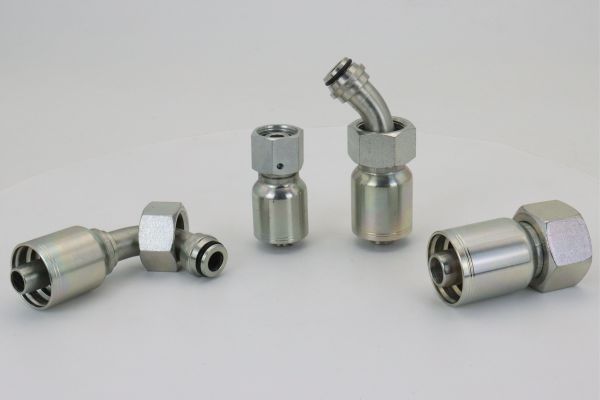
Control package structure
The baseline should show how many product identities appear in an inner pack or carton, how they remain separated, and how quantities are recorded. Carton numbers and batch references should support traceability. If mixed cartons are allowed, the inner labeling and separation method need enough clarity for receiving staff to reconcile every line without opening and resorting all stock.
Packaging photos can support comparison, but they do not prove final quantities or condition of every unit. Connect them to packing records and receiving inspection. Preserve sample packaging only if it represents the approved method; an attractive presentation assembled solely for sample delivery should not silently become the assumed bulk standard.
Drawings and Inspection Records Support First-Order Decisions
The first order needs batch-specific evidence against the current requirements. Reusing a sample report or generic certificate does not show that commercial production was inspected.
Synchronize revisions and characteristics
Drawings, purchase specifications, inspection templates, product labels, and approval records should point to the same revision. Define critical characteristics with enough information to inspect them, including datums, units, methods, and tolerances where verified. If a requirement is unavailable, obtain it from an authorized technical source rather than copying a limit from a similar fitting.
Inspection records should identify the SKU, batch, revision, characteristic, method, result, inspection scope, and disposition. The exact frequency depends on the approved plan and risk; no universal sample size applies to every fitting or order. When several batches appear in one shipment, preserve their separate evidence.
Compare evidence, not document volume
A thick report package is not necessarily strong. Verify that material evidence, dimensional reports, thread inspection, sealing-feature checks, assembly observations, finish records, marking, packaging, and final inspection correspond to the actual order. Generic pages without product or batch links cannot support containment later.
Receiving inspection should confirm that documentation and physical stock tell the same story. If labels show a different revision, a photo shows another cap arrangement, or measurements reference a previous sample, place the affected line on hold until the discrepancy is resolved.
Important first-order evidence may include:
- Approved drawing, specification, and sample record
- Critical-dimension and connection inspection results
- O-ring, material, finish, and assembly evidence required by the agreement
- Marking, label, packaging, and pre-shipment photo references
- Batch identifiers and traceable shipment documents
- Approved deviations, open items, and final disposition
Changes and Deviations Require Explicit Review
Consistency does not mean nothing may ever change. It means changes are identified, evaluated against the approved requirements, and accepted or rejected before they create an unexpected first batch.
Use change control before shipment
Changes in material source, O-ring, thread process, tooling, stem or ferrule design, swivel assembly, finish, marking, cap, packaging, label, or inspection method may affect the baseline. The party proposing the change should describe what changed, why, which SKUs and batches are affected, and what evidence supports review. The buyer then determines whether drawing updates, new samples, additional inspection, or other approval is required.
Do not rely on a statement that a change has “no effect” without enough technical basis to evaluate it. Conversely, do not reject every disclosed change automatically. The decision should reflect functional, identification, protection, traceability, and application consequences.
Handle deviations without rewriting history
A deviation is a controlled request to accept a specific departure for a defined quantity or batch. It should identify the requirement, actual condition, affected stock, evidence, risk review, decision, and duration. Temporary acceptance should not silently change the drawing or become the standard for future orders.
Verbal waivers create disputes because participants remember different limits. Record the authorization and link it to the affected batch before goods are released. Keep rejected or pending stock physically separated from approved stock during the decision.
Prevent Common Sample-to-Order Mistakes
The largest mistake is treating sample approval as a general endorsement of a supplier or product family. Approval should apply only to the identified sample, requirements, evidence, and scope.
Mistakes that weaken the baseline
Avoid approving from photographs without retaining technical records, using an unmarked sample, ignoring open verification items, accepting a different drawing revision, or comparing only exterior color. Do not assume the first batch may use different packaging because “the product is the same.” Packaging changes can affect threads, sealing faces, cleanliness, separation, and identification.
Do not use one approved straight fitting as evidence for every elbow, swivel, flange, or dash combination. Similar models may have different critical dimensions, sealing features, O-rings, stems, or protection needs. Each order line should have a proportionate but explicit basis.
Neutral first-order consistency checklist
Before accepting the first commercial order, verify:
- Sample ID, SKU, Parker-style reference, drawing revision, and approval scope
- Connection standard, thread details, sealing feature, angle, and critical dimensions
- Stem, ferrule, hose-side identity, and required crimp-data references
- Material, finish, O-ring, and applicable batch evidence
- Marking content, product label, inner label, carton label, and batch number
- Protective caps, inner separation, package structure, and visible arrival condition
- Batch-specific inspection reports and pre-shipment evidence
- Approved changes, deviations, exclusions, and still-open questions
- Receiving results, held quantities, and final disposition
Conclusion
TP43 sample approval consistency begins when the sample review becomes a controlled, written baseline. Record the exact product identity, drawing revision, connection and sealing features, hose-side design, material and finish requirements, O-ring, markings, protection, packaging, labels, inspection evidence, and approval limits. Keep appearance observations separate from technical characteristics, and do not convert minor cosmetic variation into an automatic failure. The first commercial batch still needs batch-linked inspection and receiving confirmation because one acceptable sample cannot prove later conformity. Require explicit review of changes and document any temporary deviation without rewriting the permanent standard. Before releasing stock, reconcile the physical fittings, labels, packaging, reports, and current requirements, while separately verifying hose, crimp, pressure, temperature, fluid, and application suitability.
FAQ
Does matching the sample’s color prove the first batch is acceptable?
No, color is only one visual observation and may vary without defining technical conformity. Verify controlled dimensions, connections, material and finish requirements, markings, protection, and evidence.
Must every minor visual difference be treated as a nonconformity?
No, the decision depends on the approved appearance requirement and whether the difference affects function, protection, identification, or agreed presentation. Record and evaluate unexpected changes rather than assuming either acceptance or rejection.
Can the approved sample replace a drawing?
No, a sample cannot communicate all dimensions, tolerances, materials, methods, revisions, or application limits. Use it with current controlled technical documents.
What happens if packaging changes after sample approval?
Review the change before shipment when it may affect protection, cleanliness, separation, labels, or handling. Update the approved baseline or require new evidence as appropriate.
Does first-order acceptance approve the fitting for any hose?
No, order acceptance does not establish universal hose compatibility. Verify the hose construction, series, size, fitting series, ferrule, equipment, die, and current crimp specification for the intended assembly.