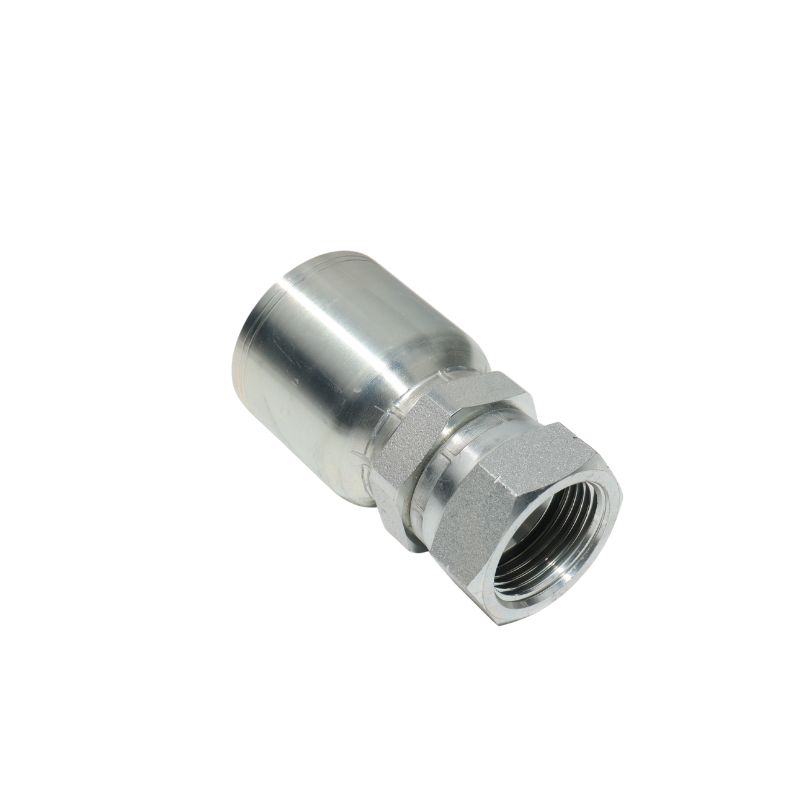
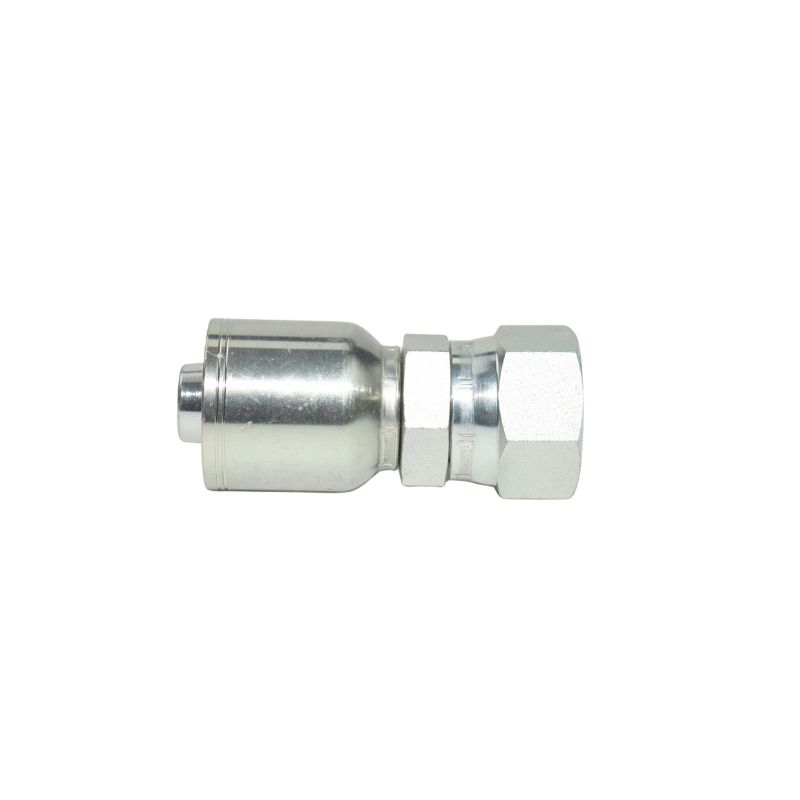
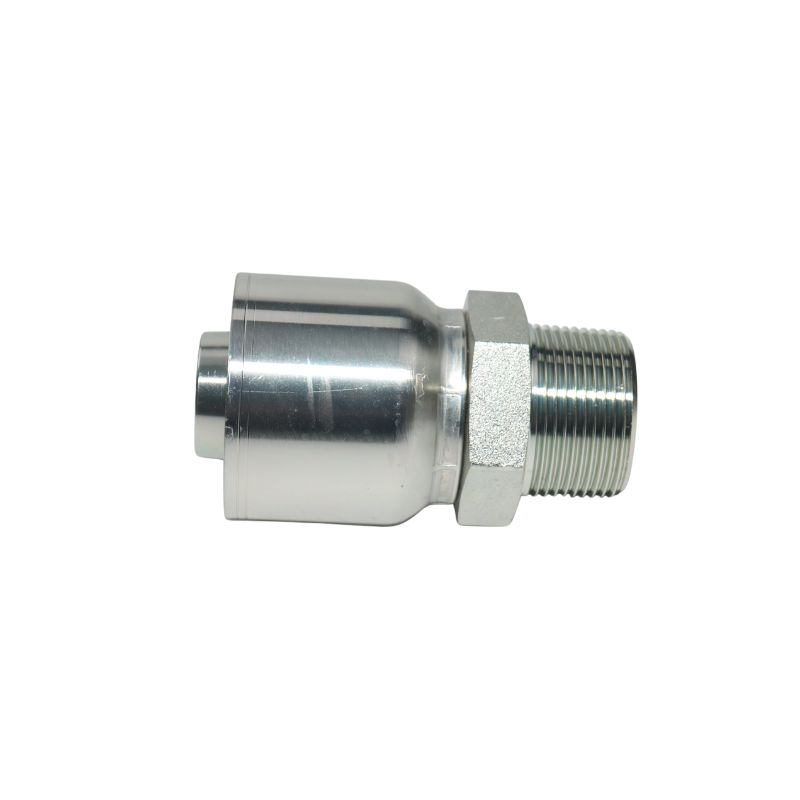
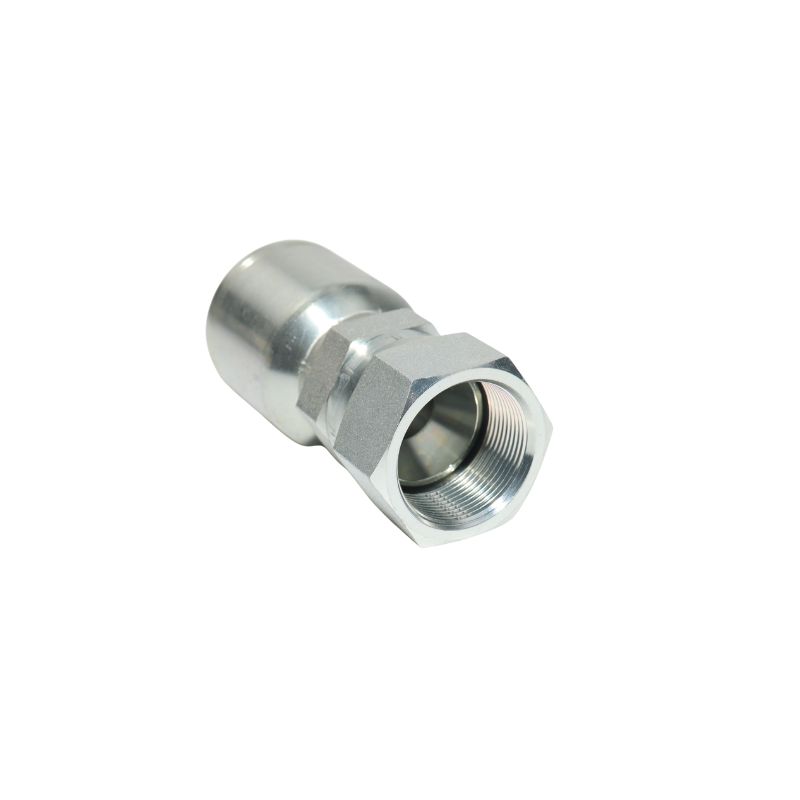
43 Series Hydraulic Hose Crimp Fittings Supplier in China
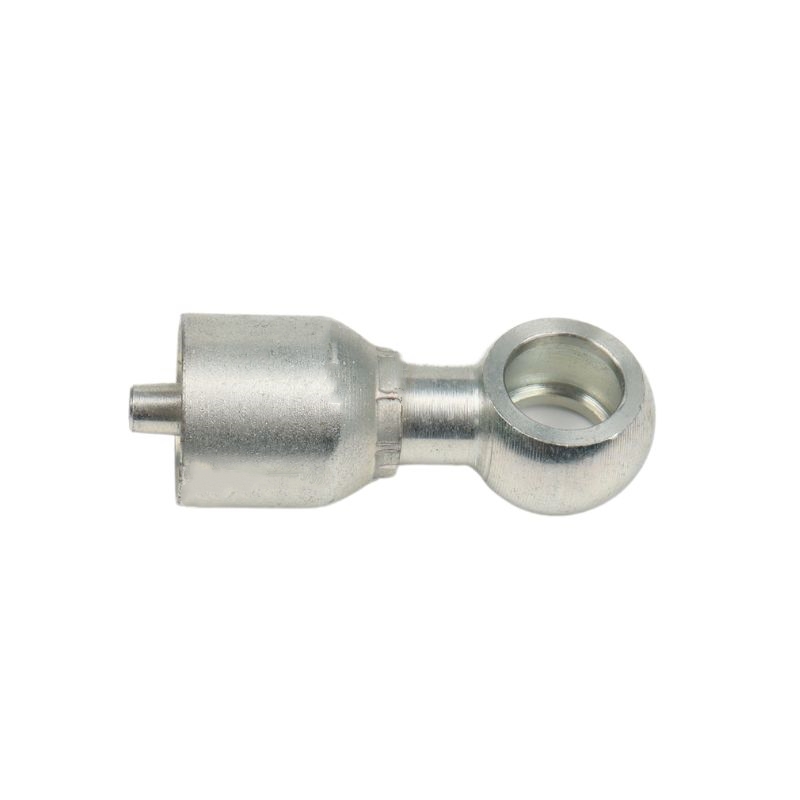
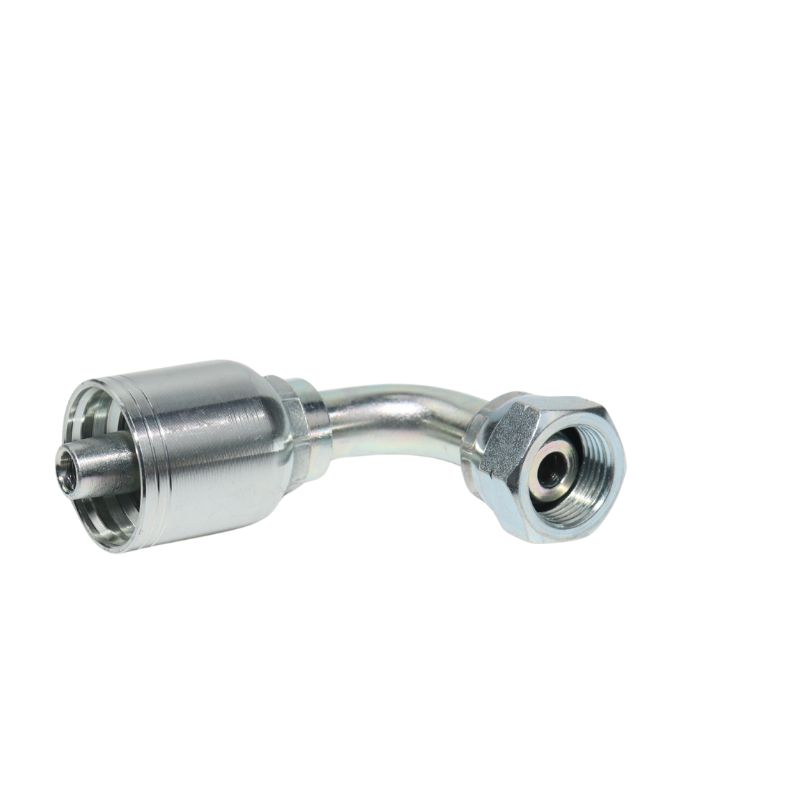
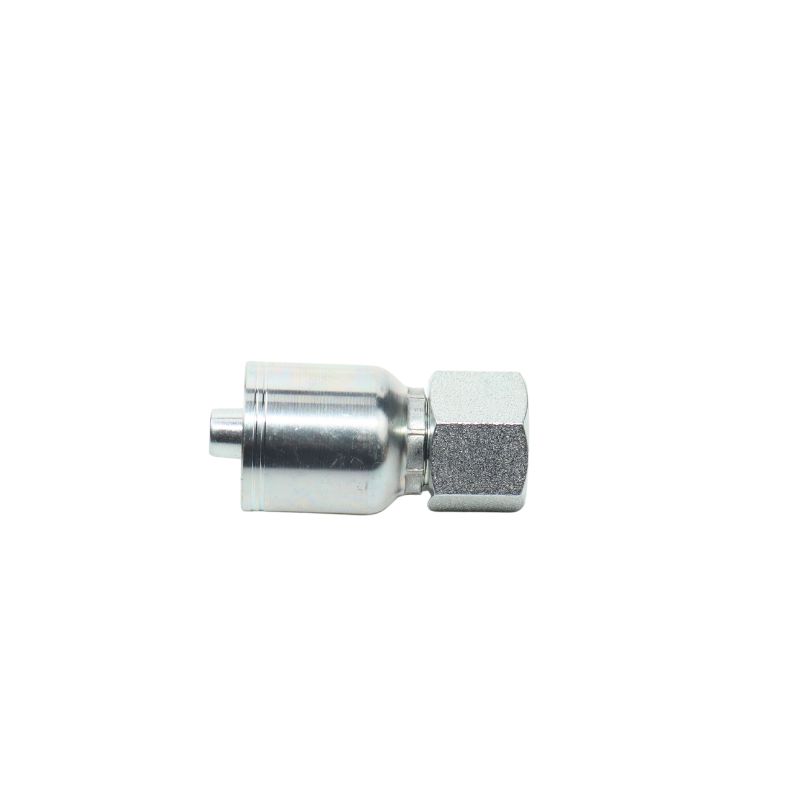
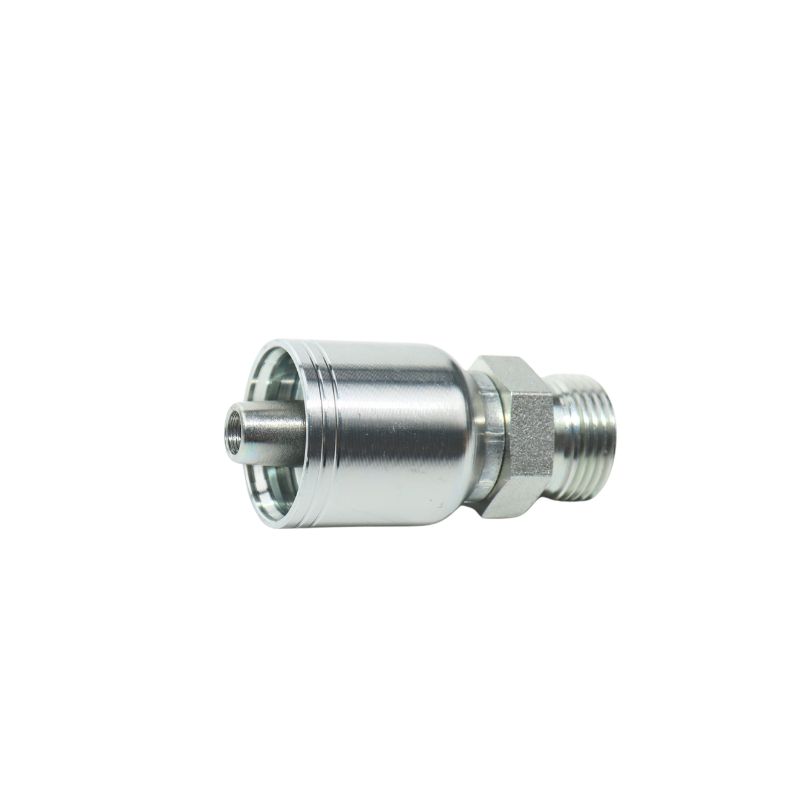
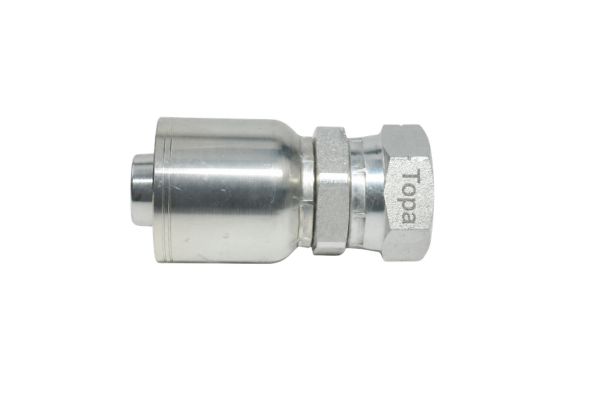
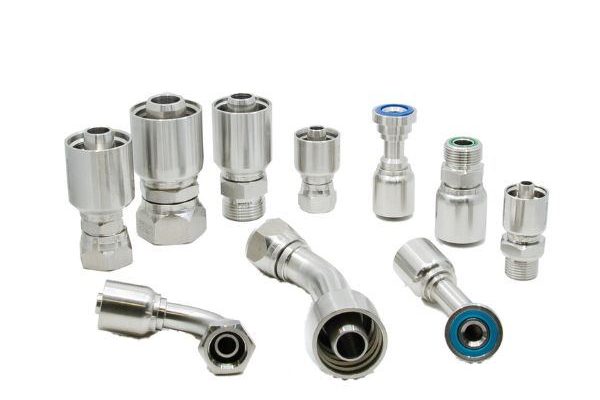
Topa supplies Parker-style 43 series hydraulic hose crimp fittings for braided hydraulic hose assemblies, covering JIC, NPTF, ORFS, BSP, Metric, SAE, and flange connection types.
Product Lists
The 43 series hydraulic crimp fitting is one of the most widely used Parker standard series, designed for reliable performance and compatibility with both one-wire braided hydraulic hoses (1-wire) and two-wire braided hydraulic hoses (2-wire).
Topa manufactures 43 series hydraulic hose crimp fittings designed as compatible replacement options for commonly used Parker 43 series hose fitting systems. These fittings are not original Parker products, but they are produced to support customers who need cost-effective alternatives for hose assembly, maintenance, and distributor stock.
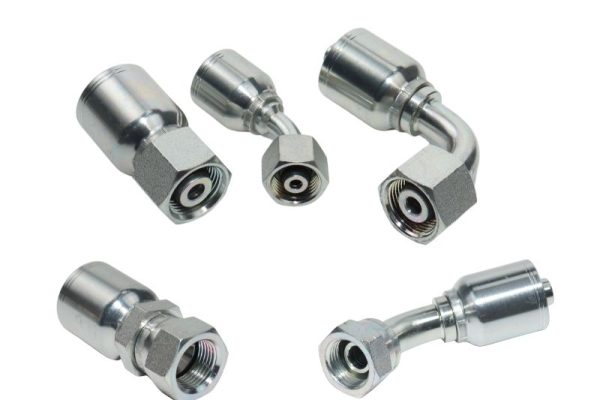
Our 43 series fittings are available in multiple connection types, materials, and shapes, helping customers replace common fitting models while controlling purchasing costs and maintaining stable supply.
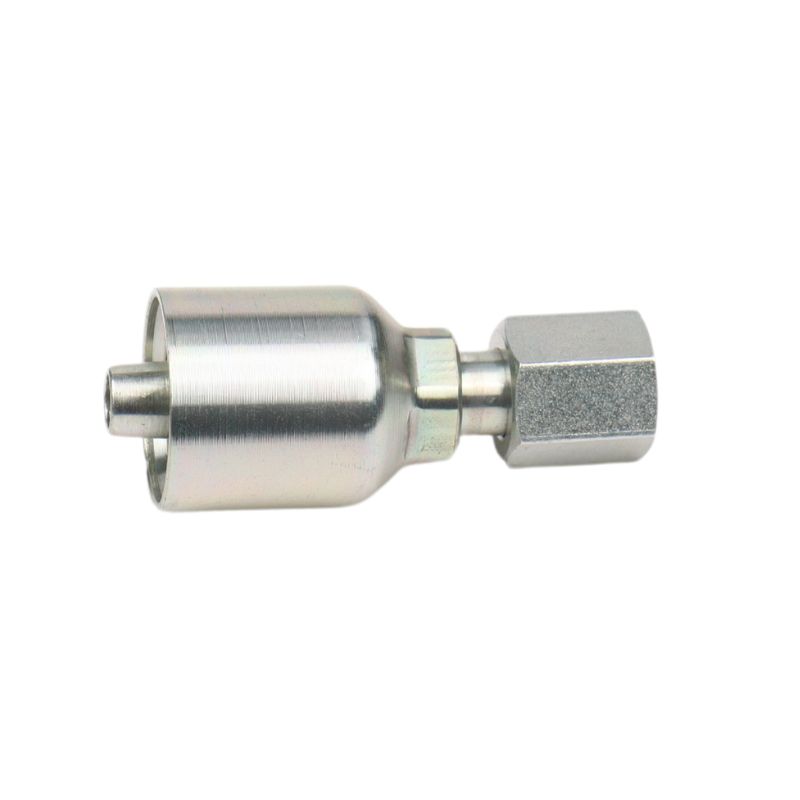
10143
Male NPTF Pipe - Rigid
10343
Male JIC 37° - Rigid
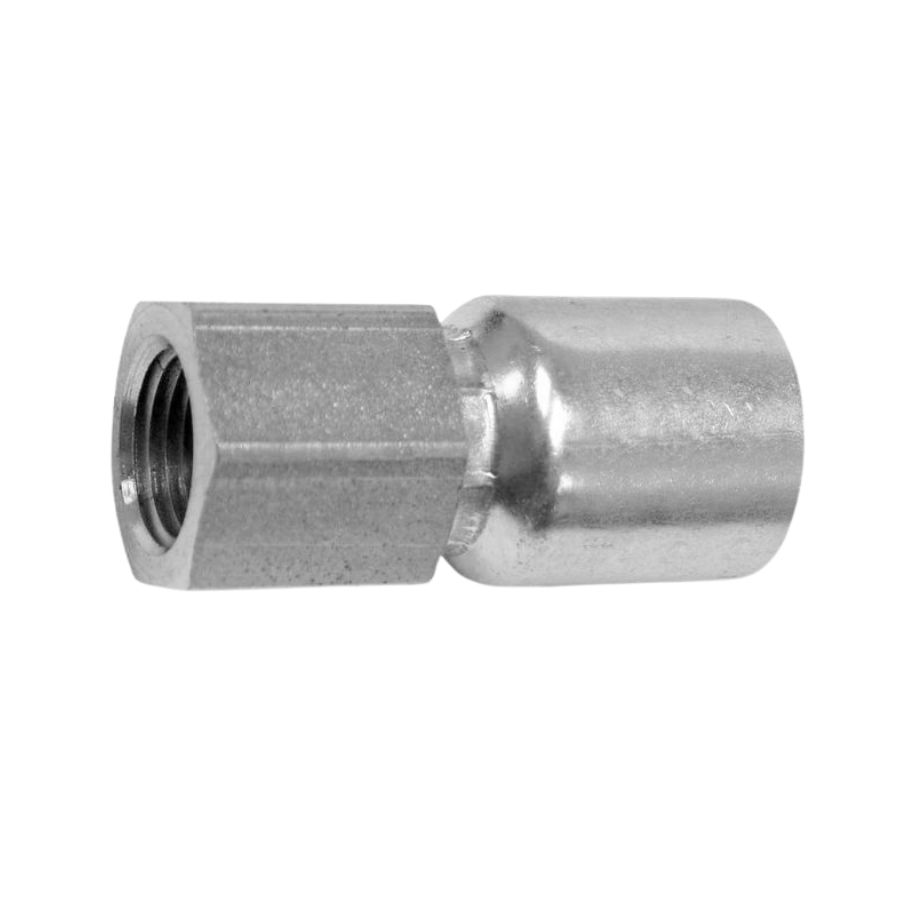
10643
Female JIC 37° - Swivel
10C43
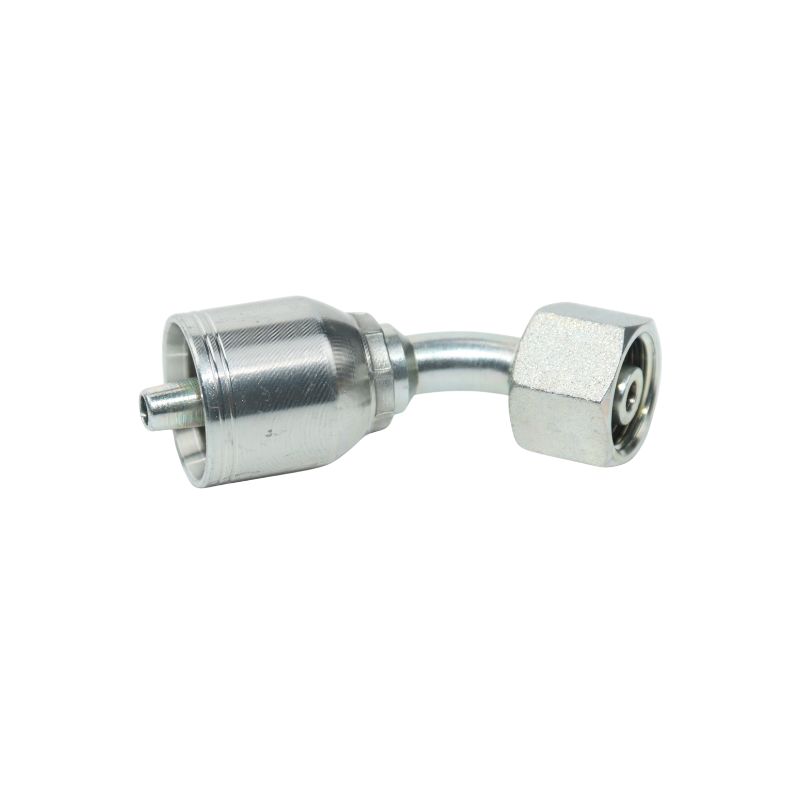
Female Metric S-Swivel-45°Elbow -(24°Cone with O-Ring)
11343
Male NPTF Pipe - Swivel
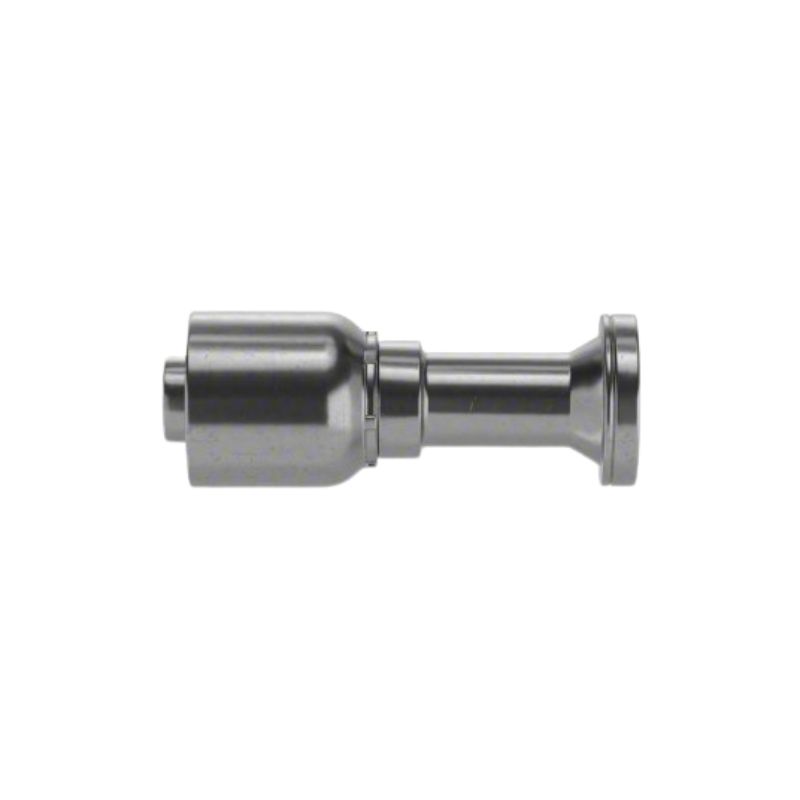
11543
SAE Code 61 Flange Head
11743
SAE Code 61 Flange Head - 45° Elbow
11943
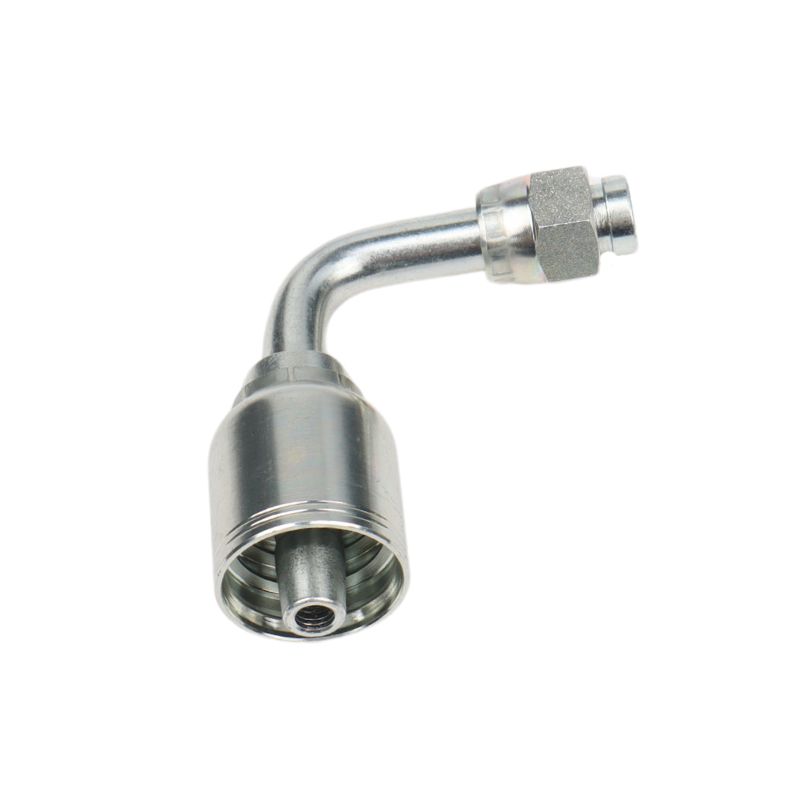
SAE Code 61 Flange Head - 90° Elbow
11C43
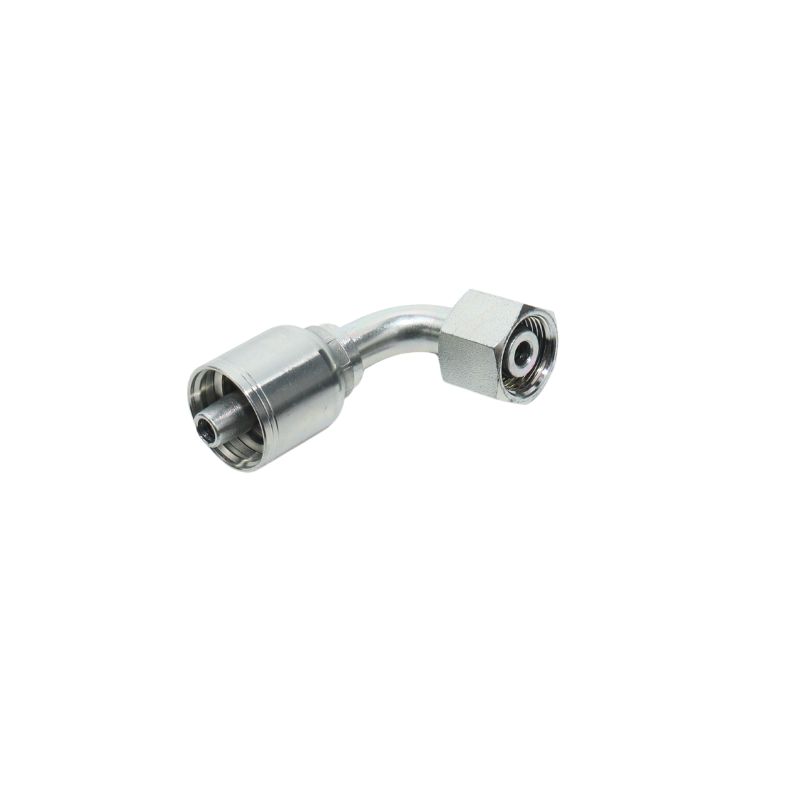
"Female Metric S - Swivel -
90° Elbow - (24° Cone with
O-Ring)
43 series hydraulic hose crimp fittings are commonly used with braided hydraulic hoses. Before production or hose assembly, the hose type, hose ID, reinforcement structure, fitting series, ferrule type, crimping machine, die set, and final crimp diameter should be confirmed.
A correct match between hose, fitting, ferrule, and crimping data helps reduce leakage, hose pull-off, premature failure, and unsafe hydraulic system operation.
Hose ID
Confirm the hydraulic hose inner diameter before selecting the 43 series fitting.
Reinforcement Type
Check whether the hose is 1-wire, 2-wire, or another reinforcement structure.
Hose Standard
Confirm the hose standard, such as SAE 100R1, SAE 100R2, EN 853 1SN, or EN 853 2SN.
Fitting Series
43 series crimp fittings should not be mixed with other fitting series unless the hose assembly data is confirmed.
Ferrule Type
Select the correct ferrule according to the hose structure, fitting type, and crimping requirements.
Final Crimp Diameter
Check the required final crimp diameter before production.
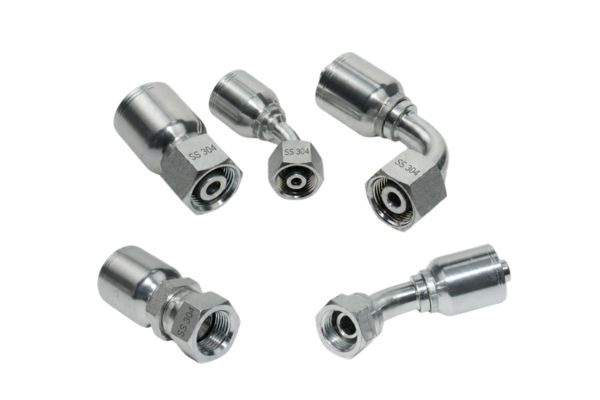
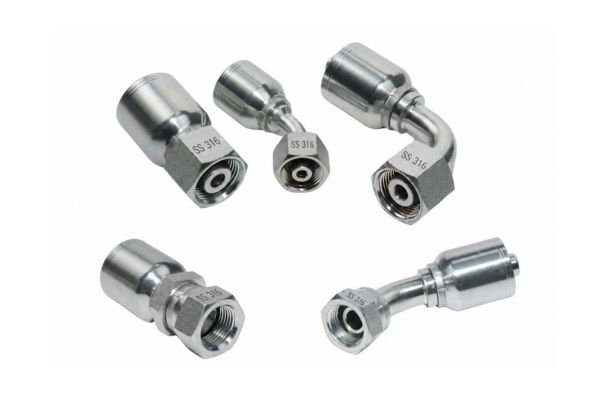
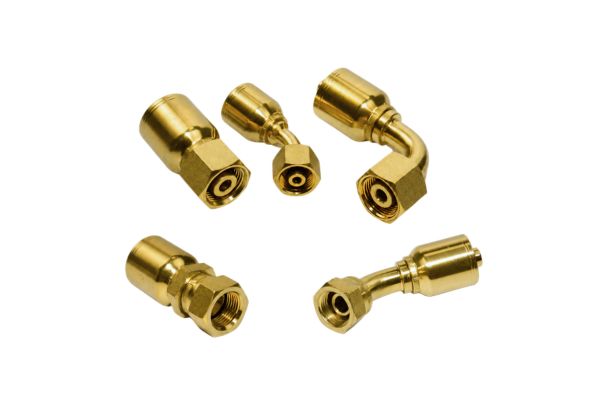
Topa 43 series hydraulic hose crimp fittings are available in different materials and surface treatments to meet various hydraulic system requirements. Customers can choose carbon steel, stainless steel, or brass fittings according to working pressure, fluid type, corrosion resistance, environment, and budget.
Carbon Steel
Standard hydraulic applications, general machinery, hose repair, and distributor stock
Stainless Steel 304
Corrosive, humid, or wet working environments
Stainless Steel 316
Marine, chemical, offshore, and high-corrosion applications
Brass
Low-pressure systems, special fluid applications, and selected non-standard requirements
Topa 43 series hydraulic hose crimp fittings are designed as compatible replacement options for commonly used Parker 43 series fitting systems, helping customers reduce sourcing costs while keeping reliable hose assembly performance.
Multiple Material Choices
Topa supplies 43 series fittings in carbon steel, stainless steel, and brass options. Different materials can be selected according to pressure requirements, working environment, corrosion resistance needs, and customer budget.
Wide Connection Type Coverage
Our 43 series fittings cover common hydraulic connection types, including JIC, NPTF, ORFS, BSP, Metric, SAE, and flange fittings, making it easier for customers to match different hydraulic hose assembly requirements.
Suitable for Braided Hydraulic Hoses
Topa 43 series crimp fittings are commonly used with 1-wire and 2-wire braided hydraulic hoses. They are suitable for hydraulic hose assemblies used in construction, agriculture, industrial equipment, and maintenance applications.
OEM and Custom Supply Support
Topa supports OEM requirements such as custom logo marking, private label packaging, surface treatment, special material selection, and mixed model packing, helping distributors and hose shops build their own product lines.
Reliable Quality and Stable Supply
Each batch of Topa 43 series fittings is checked for thread accuracy, sealing surface, dimensions, appearance, and surface finish. With flexible production and mixed SKU supply, Topa helps customers maintain stable inventory and reduce after-sales problems.
43 Series hydraulic hose crimp fittings are engineered for versatility and durability, making them suitable for a wide range of demanding applications. From construction and agriculture to industrial hydraulics, these fittings provide secure, leak-free connections that maintain peak performance even under high pressure and continuous operation. Whether powering heavy machinery or precision equipment, they ensure reliable hydraulic performance in every environment.
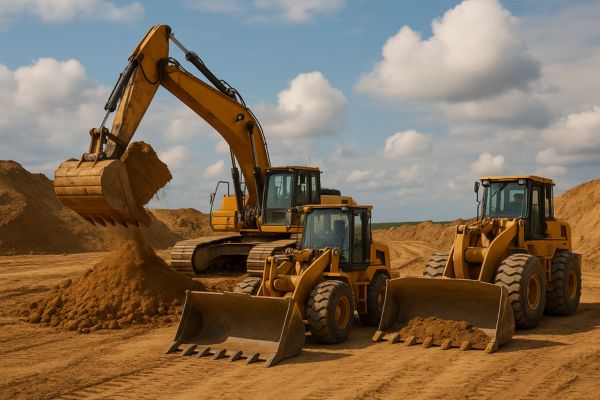
Construction Machinery
Widely used in heavy-duty equipment such as excavators, wheel loaders, and bulldozers, where hydraulic systems must withstand extreme pressures, frequent motion, and harsh environmental conditions.
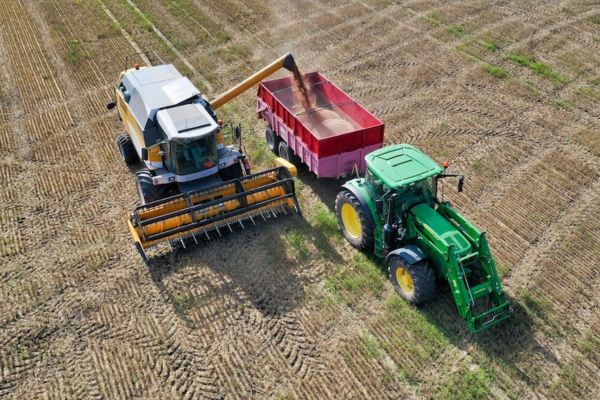
Agricultural Machinery
Ideal for equipment like tractors and combine harvesters, which require durable and leak-free hydraulic connections to operate implements, lifting arms, and other hydraulic-driven attachments efficiently.
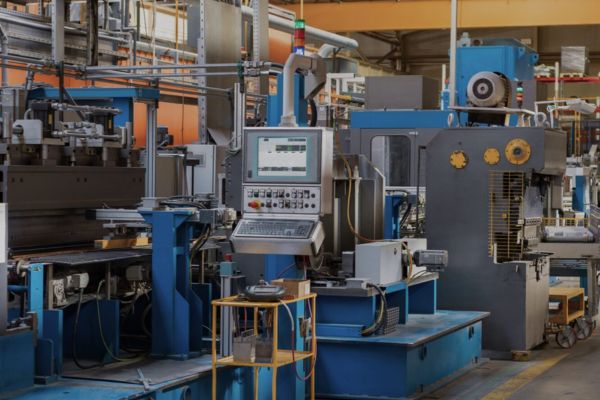
Industrial Hydraulic Systems
Commonly installed in hydraulic presses, stamping machines, and other industrial machinery, where precision and reliability are critical to maintaining production efficiency and safety.
Each hydraulic fitting is checked through a series of inspection and testing procedures to ensure consistent performance, reliable sealing, and long service life in hydraulic systems.
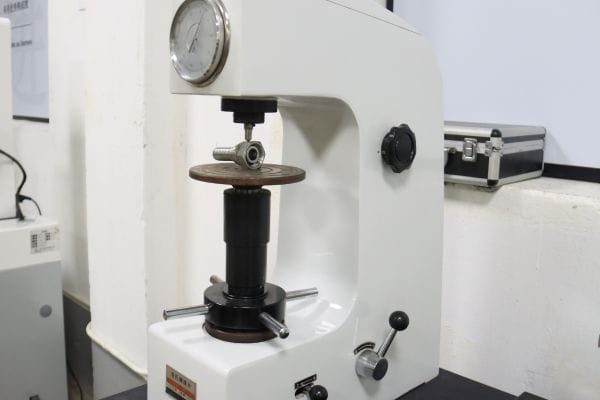
Hardness Testing
Material hardness is checked to confirm that each fitting has the required strength for hydraulic working conditions.
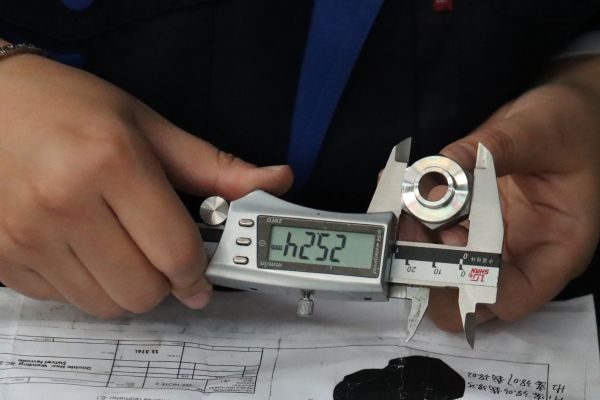
Dimensional Inspection
Sealing surfaces are inspected to control roughness and finishing quality.
Surface Roughness Testing
Surface roughness is inspected to ensure proper sealing performance.
A controlled surface finish helps reduce leakage risks and improves connection reliability.
Profile Inspection
Profile inspection is used to check critical fitting shapes, angles, grooves, and thread details.
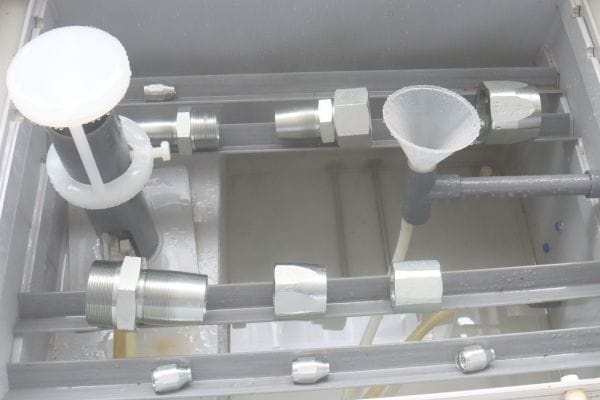
Salt Spray Testing
Salt spray testing evaluates the corrosion resistance of plated or coated fittings.
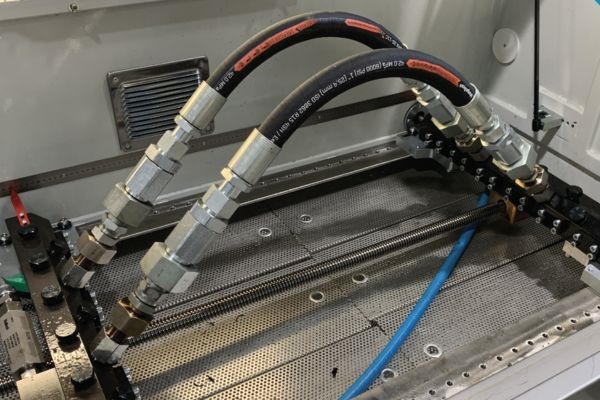
Burst Pressure Testing
Burst pressure testing checks the pressure resistance and safety margin of hose assemblies under extreme conditions.
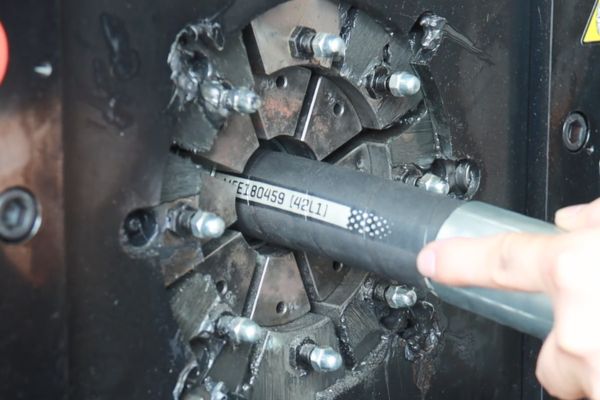
Correct crimping is critical for hydraulic hose assembly safety. Before crimping, you should confirm the hose type, fitting series, ferrule type, die set, crimping machine, and final crimp diameter. A wrong crimp dimension may cause leakage, fitting pull-off, hose damage, or hydraulic system failure.
Hose Brand and Standard
Confirm the hose brand and hose standard before crimping.
Hose ID and Reinforcement
Check the hose inner diameter and reinforcement type, such as 1-wire or 2-wire braided hose. The fitting tail and ferrule must match the hose structure.
Crimping Die Set
Use the correct crimping die set according to the hose assembly data. An unsuitable die set may cause over-crimping or under-crimping.
Final Crimp Diameter
Measure the final crimp diameter after crimping. The finished size should match the required crimping specification to ensure assembly safety.
Topa supports OEM and customized 43 series hydraulic hose crimp fitting orders for distributors, hose repair shops, and hydraulic equipment service companies. Customers can customize material, surface treatment, laser marking, package labels, carton design, and mixed model packing according to their local market requirements.
Custom Logo Marking
Add your brand logo, part number, or custom marking on 43 series fittings to support private label sales, product identification, and warehouse management.
Private Label Packaging
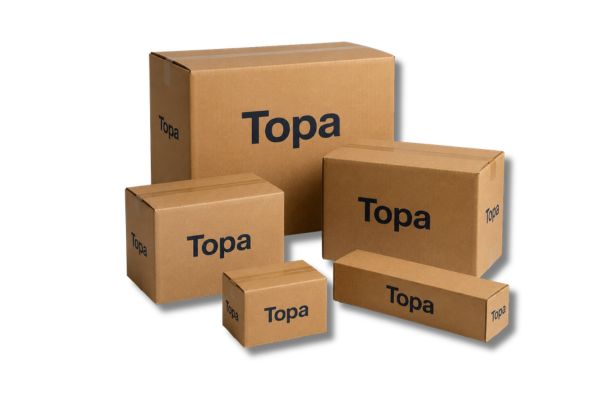
Topa can provide customized bags, cartons, labels, and packaging designs to help distributors build a professional product image in their local market.
Mixed SKU Packing
Mixed model packing is available for orders with different sizes, thread types, fitting shapes, and fast-moving 43 series models.
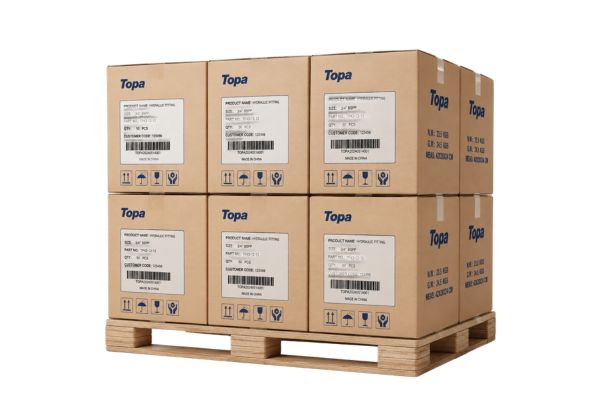
Carton Label Support
Clear carton labels can include product name, size, part number, quantity, customer code, or barcode to make warehouse sorting and picking easier.
Stainless Steel Options
Stainless steel 304 and 316 options are available for customers working in marine, chemical, humid, or high-corrosion environments.
Special Thread or Size Support
Special thread types, non-standard sizes, and customer-specified models can be discussed based on drawings, samples, photos, or original part numbers.
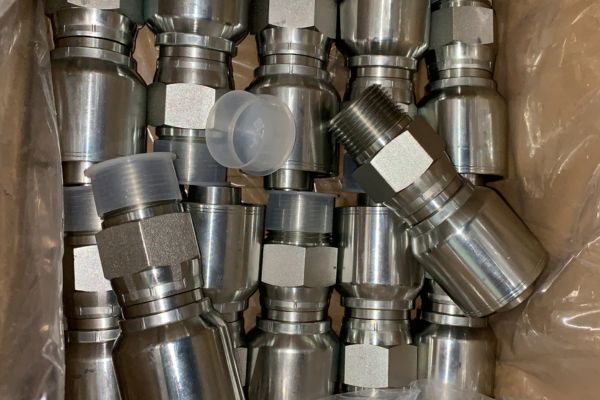
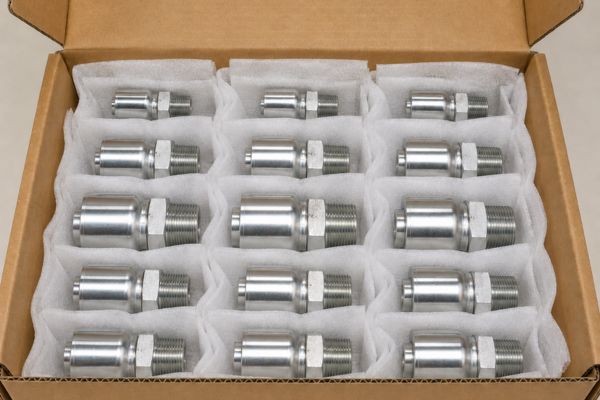
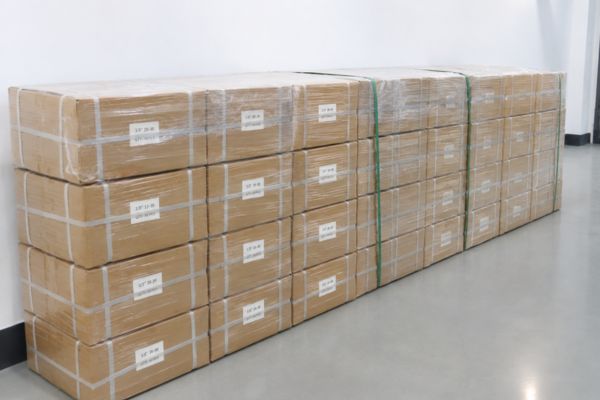
Topa uses protective packaging for hydraulic hose crimp fittings to reduce damage during international shipping. Products can be packed in plastic bags, labeled cartons, pallets, wooden cases, or customized packaging according to customer requirements.
Individual bag packing
Carton label
Pallet packing
Wooden case option
Anti-rust protection
Mixed model sorting
FAQ
Are Topa 43 series fittings original Parker fittings?
No. Topa 43 series hydraulic hose crimp fittings are Parker-style compatible replacement options, not original Parker products. They are designed for customers who need cost-effective alternatives for hose assembly, repair, and distributor stock.
What hydraulic hoses can 43 series crimp fittings be used with?
43 series crimp fittings are commonly used with braided hydraulic hoses, especially 1-wire and 2-wire hose assemblies. The hose ID, reinforcement type, ferrule, and final crimp diameter should be confirmed before assembly.
What connection types are available for 43 series fittings?
Topa 43 series fittings can be supplied in common hydraulic connection types, including JIC, NPTF, ORFS, BSP, Metric, SAE, and flange connections, with straight, 45°, and 90° shapes available.
What materials are available for 43 series hydraulic hose fittings?
Topa can supply 43 series fittings in carbon steel, stainless steel 304, stainless steel 316, and brass. Material selection depends on pressure, fluid type, corrosion resistance requirements, working environment, and budget.
Why is crimping data important for 43 series fittings?
Correct crimping data is critical for hose assembly safety. Wrong hose matching, ferrule selection, die set, or final crimp diameter may cause leakage, fitting pull-off, hose damage, or hydraulic system failure.
What information should I send to get the correct 43 series fitting quote?
Please send the part number, hose size, thread type, fitting shape, material, surface treatment, quantity, and destination country. If the part number is not available, fitting photos or samples can help Topa confirm the suitable model.
Get Free Quotation Now!
Send us your 43 series fitting requirements, and Topa will help you confirm the suitable model, material, surface treatment, and price. Whether you need Parker-style replacement fittings, mixed sizes, stainless steel options, or OEM packaging, our team can provide quick support for your order.
Contact Topa
Save 30% on maintenance costs with our easy-install hydraulic fittings. Contact Now!