Hydraulic Banjo Fittings Manufacturer

 
  • Straight, 20°, 30°, 45° and 90° hose ends
  • Single and double banjo connections
  • Carbon steel, stainless steel and selected brass
  • Drawing-based and private-label production
  • Multi-SKU and recurring supply

Product List

Banjo fittings can be divided into many different types according to the production standard and product type, choose the type and size of banjo fittings you need from the categories below.

Female Double Ends Banjo Fitting

A double-ended banjo hose fitting provides two connection ends for compact brake, clutch, or hydraulic hose routing.

20° Banjo Brake Fitting

The 20° banjo fitting provides a slightly angled hose connection for brake and hydraulic assemblies with limited installation clearance.

30° Banjo Brake Fitting

The 30° banjo fitting connects PTFE or brake hose at an angled orientation to reduce hose bending near the port.

45° Banjo Brake Fitting

The 45° banjo fitting provides angled hose routing between a banjo connection and an AN-style hose end in brake and fluid systems.

90° Banjo Brake Fitting

The 90° banjo fitting redirects the hose perpendicular to the banjo eye for compact brake, clutch, and hydraulic installations.

Male Banjo Fitting

This banjo fitting combines a banjo eye with a male threaded connection for attaching compatible tubes, hoses, or adapters.

Hose Barb Banjo Fitting

The hose-barb banjo fitting connects a flexible hose to a banjo bolt port in fuel, lubrication, cooling, and selected low-pressure fluid lines.

720B BSP Banjo Bolt

The 720B hollow banjo bolt features a BSP thread and cross-drilled flow passage for securing a compatible banjo eye to a BSP port.

72011 BSP Banjo Fitting

The 72011 banjo hose fitting combines a BSP-compatible banjo eye with a hose stem for compact hydraulic hose assemblies.

Male Double End Banjo Fitting

The double banjo fitting allows two compatible banjo connections to be assembled on one hollow bolt for branched fluid routing.

700M Metric Banjo Bolt

The 700M metric banjo bolt uses a hollow body and cross-drilled passage to transfer fluid through a compatible metric banjo eye.

70011 Metric Banjo Fitting

The 70011 metric banjo fitting combines a metric banjo connection with a hose stem for hydraulic hose assembly applications.

Weld Banjo Fitting

The weld banjo fitting provides a weldable tube or pipe connection for custom hydraulic and industrial fluid-line assemblies.

PTFE Banjo Fitting

The PTFE banjo fitting incorporates a hose stem designed for compatible PTFE hose assemblies used in brake and selected fluid-transfer systems.

Straight Banjo Fitting Long

The long straight banjo fitting provides additional body length between the banjo eye and hose connection where greater installation clearance is required.

Straight Banjo Fitting Short

The short straight banjo fitting provides a compact inline connection between the banjo eye and compatible hose assembly.

Push on Banjo Fitting

The push-on banjo fitting combines a banjo eye with a barbed stem for compatible push-on hose used in selected low- and medium-pressure fluid circuits.

Hydraulic Banjo Fitting Video

Discover the full potential of our hydraulic banjo fittings in this exclusive product video. Whether you’re looking for standard configurations or custom designs, Topa offers a wide variety of fittings to meet your specific requirements. Each fitting is manufactured with precision and quality in mind, ensuring durability and reliability in even the most demanding hydraulic systems.

From compact and lightweight models to heavy-duty options designed for high-pressure environments, our video showcases the diversity of our Banjo Fittings. You’ll find different sizes, materials, and connection types suited for a range of industries, including automotive, construction, agriculture, and manufacturing.

Don’t miss out on discovering the perfect hydraulic banjo fitting for your business. Click the video now and let us guide you through the features and applications of our top-quality fittings. With Topa’s customizable options, you can ensure that your hydraulic systems run smoothly and efficiently.

Application

Hydraulic banjo fittings are versatile components that play a crucial role in various industries, offering reliable connections and seamless fluid transfer. These fittings are widely used across different applications where space efficiency, durability, and performance are essential. Whether in machinery, automotive systems, or industrial equipment, hydraulic banjo fittings provide a flexible solution for optimizing hydraulic circuits.

agriculture machine

Agricultural Machinery

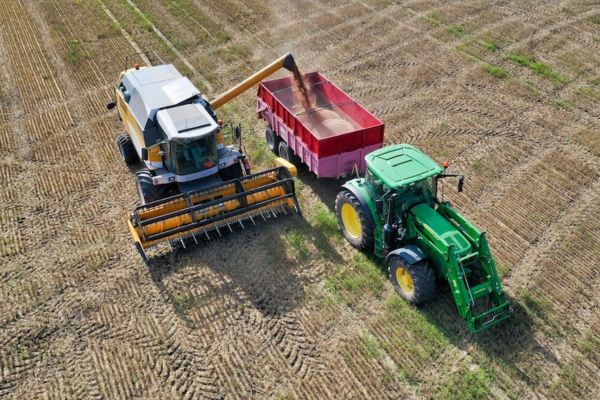
Metric banjo fittings may be used in tractor, harvester, sprayer, loader, and implement hydraulic or lubrication circuits, subject to the equipment port and pressure requirements.

Banjo fittings factory application

Construction Equipment

Banjo fittings can provide compact hose routing around pumps, control valves, brake circuits, steering systems, and auxiliary hydraulic components.

Banjo fittings manufacturer application

Commercial Vehicles

Selected banjo bolts and hose ends are used in braking, clutch, fuel, lubrication, and power-steering circuits when the connection dimensions and sealing components are correctly matched.

Get in Touch Today

Contact us now to discuss your custom hydraulic fitting needs and receive expert advice tailored to your business.

Hydraulic Banjo Fittings Features

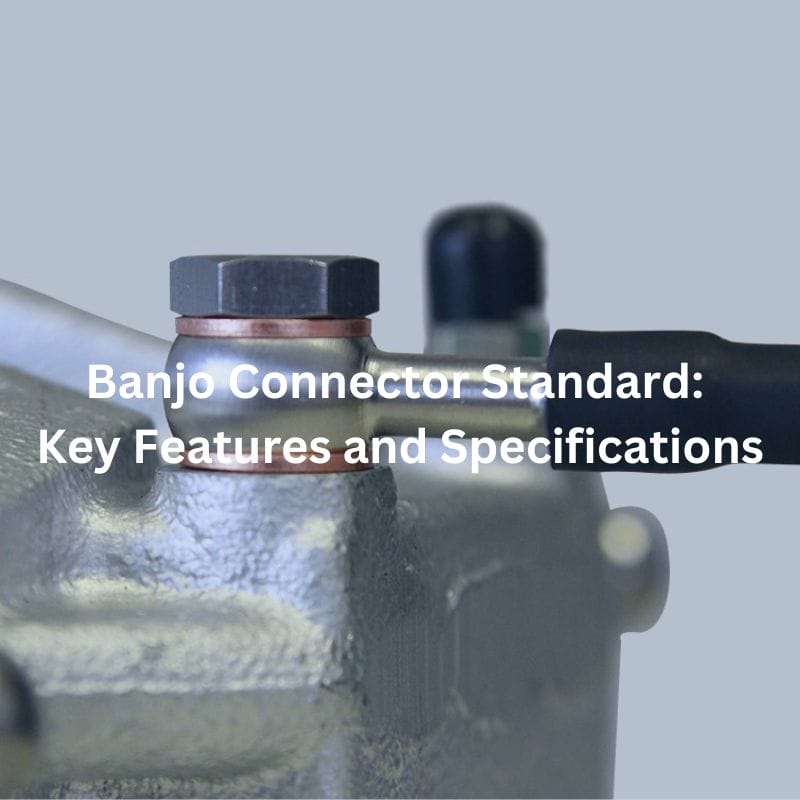
Banjo fittings are available for brake lines and fuel lines.Topa has BSP Banjo, metric banjo, banjo bolt, adapter, , brake, elbow and AN banjo in various sizes and designs in the Extra-Light, Light, and Heavy Series series as per ISO 8434-1 / DIN 2353 . 

Banjo fittings, the banjo has a large round head and a very thin tail. Banjo fittings get their name because of their resemblance to it. The banjo fittings have a large circular section that attaches to the hollow bolt. Banjo fittings are commonly used in brake and clutch hydraulics.

Banjo hydraulic fitting Design

Structure

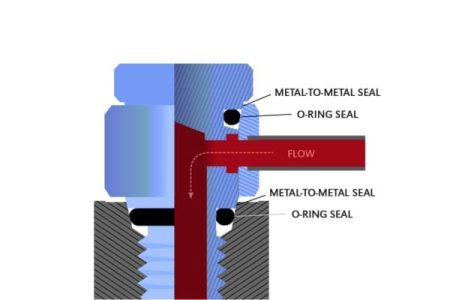
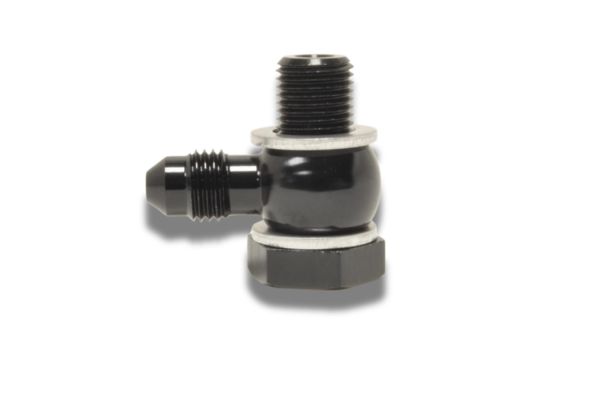
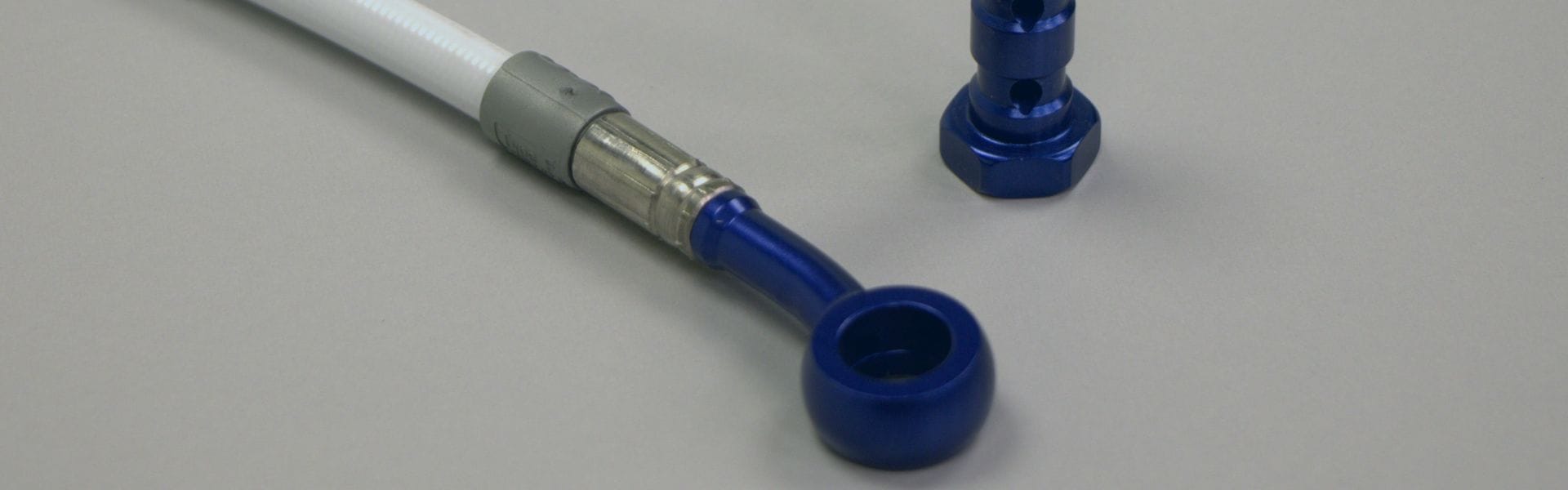
Banjo fittings are distinctive in design and easily identifiable due to their circular shape and hollow bolt. The main components consist of a banjo adapter (which has a round or oval opening) and a banjo bolt (a bolt with a hole in the center). These fittings often come with copper washers or rubber seals to ensure a tight and leak-free connection when installed.

The banjo adapter is typically attached to a hose or pipe, and the banjo bolt passes through the adapter, securing the components together. The design allows for compact connections that work well in tight spaces where traditional fittings may not be suitable.

Working Principle

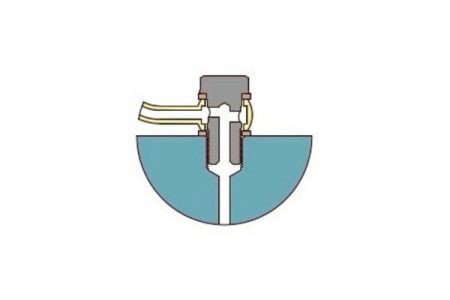
Banjo fittings work by allowing fluid to flow through the hollow center of the banjo bolt and into the hydraulic system. When the bolt is tightened, it creates a seal between the two surfaces, preventing leaks and ensuring fluid is directed efficiently through the connection.

The copper washers or rubber seals are compressed during installation to form a tight seal, providing resistance against high-pressure conditions. The banjo fitting’s design allows for smooth, continuous fluid flow even in compact spaces, making them ideal for applications where space is limited.

Install Hydraulic Hose Banjo Fitting
banjo fitting component

International Standards

Banjo fittings are manufactured according to international standards to ensure compatibility, safety, and reliability across global markets. Common standards include:

ISO 8434-2: This standard covers the dimensions, technical requirements, and testing methods for hydraulic fittings, including banjo fittings, ensuring their uniformity and quality.

DIN 2353: A widely recognized standard in Europe that specifies the requirements for hydraulic and pneumatic fittings, including those for banjo connections.

SAE J514: An American standard that defines the specifications for hydraulic fittings used in high-pressure systems, including banjo fittings, to ensure safety and performance in industrial applications.

Banjo Fitting Design Advantages

Banjo fittings offer several advantages in hydraulic systems, making them an excellent choice for a wide range of applications. Here are the key benefits:

Compact Installation

The low-profile connection allows a hose or tube to be routed close to a pump, valve block, caliper, cylinder, or equipment housing.

Adjustable Orientation During Assembly

The banjo eye can be positioned during installation before the bolt is tightened to the specified torque.

Integrated Fluid Passage

Fluid flows through the hollow bolt and cross-drilled passage into the banjo eye, reducing the need for some external elbow configurations.

Multiple End Configurations

Banjo bodies can be produced with hose stems, tube connections, threaded adapters, weld ends, and selected custom interfaces.

Material Options

Carbon steel, stainless steel, and selected brass materials can be specified according to the fluid, corrosion environment, pressure, and customer requirements.

Drawing-Based Production

Bolt dimensions, eye geometry, flow passages, connection ends, angles, markings, and packaging can be produced according to confirmed drawings.

Request a Quote

Click here to request a personalized quote for our high-quality banjo fittings and other hydraulic products.

How to Install a Hydraulic Banjo Fitting

Installing a hydraulic banjo fitting requires careful attention to detail to ensure a proper and leak-free connection. Below are the steps to properly install a hydraulic banjo fitting:

Gather Necessary Tools and Materials

Before starting the installation, make sure you have the following:

Banjo fitting (adapter and bolt)

Appropriate copper washers or rubber seals (for sealing the connection)

Wrench or spanner

Torque wrench (for precise tightening)

Clean rag or cloth (to wipe any debris)

Hydraulic hose or pipe (to connect the fitting)

Prepare the Hydraulic Hose or Pipe

Ensure the hydraulic hose or pipe that will be connected to the banjo fitting is clean and free from debris. This prevents contamination that could affect the fitting’s seal and performance.

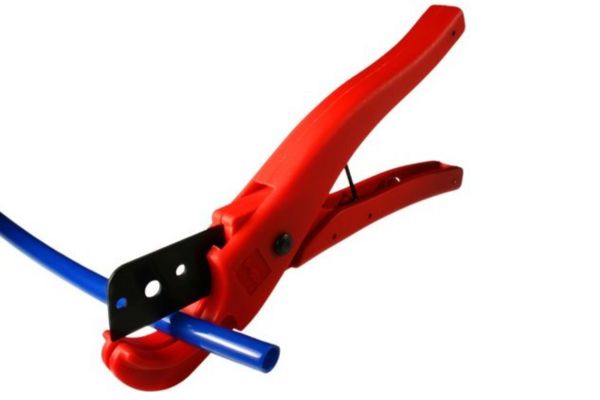
Cut the hose to the required length, if necessary.

Inspect the hose or pipe for any damage or defects, and clean the pipe ends using a clean rag or cloth to remove any dirt, oil, or debris that could compromise the seal.

Place Copper Washers or Rubber Seals

Position the copper washers or rubber seals on the banjo bolt:

One washer should go on either side of the banjo adapter (between the fitting and the bolt), ensuring a tight, leak-proof seal once the fitting is tightened.

Important: To prevent leaks, ensure that the washers are aligned properly and in good condition. Do not reuse damaged washers or seals, leading to leakage or compromised performance.

cut rubber hose

Attach the Banjo Adapter

Place the banjo adapter onto the hydraulic hose or pipe. The banjo adapter should be positioned so that the hole aligns with the fitting connection.

Slide the banjo bolt through the banjo adapter, ensuring it passes through the washer(s) and aligns with the hydraulic pipe or hose connection point.

Make sure the bolt is seated properly and that the washers create a seal on both sides of the adapter.

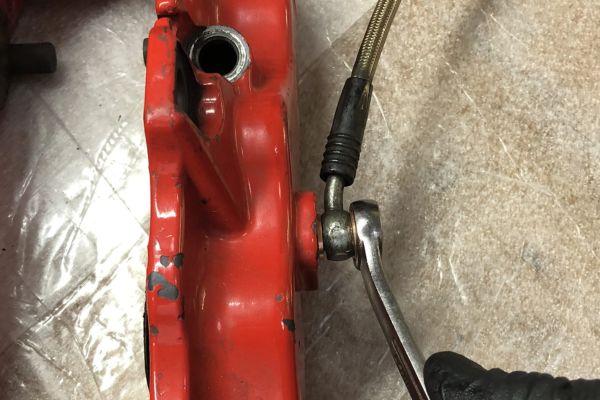
install banjo bolt fitting

Tighten the Banjo Bolt

Using a wrench or spanner, tighten the banjo bolt to secure the connection. Ensure that the connection is snug but not over-tightened, as this can damage the washers or seals.

Use a torque wrench to tighten the bolt to the manufacturer’s recommended torque specification. This ensures the correct level of tightness without over-stressing the connection.

Inspect the Fitting for Leaks

Once the banjo fitting is securely tightened, visually inspect the fitting for any signs of leakage. It’s essential to check around the banjo adapter and the bolt for leaks, especially if the system will be pressurized. If leaks are detected, loosen the bolt, inspect the washers for damage, and re-tighten the fitting as needed.

Test the Hydraulic System

After installation, test the hydraulic system at low pressure before bringing it to full operational pressure. This will allow you to verify that the fitting is sealed properly and the system is functioning as expected.

Avoid Common Pitfalls

When working with hydraulic banjo fittings, there are a few common pitfalls that customers often encounter. At Topa, we prioritize quality control and precision engineering to help you avoid these issues.

Standard Products vs. Custom Products

Potential Issue: Many customers may face compatibility issues when using standard products that don't meet the specific requirements of their system. Custom-made fittings may also cause problems if they are not correctly designed or manufactured to specification.

How We Prevent This: At Topa, we offer both standard and custom banjo fittings, and we ensure that every product is carefully designed and tested to match your exact system requirements. Our customizable options are engineered to fit perfectly and meet all hydraulic performance needs.

Banjo Adapter and Banjo Bolt Mismatch

Potential Issue: Customers may experience difficulties if the banjo adapter and banjo bolt do not match in size or design, leading to improper sealing or leaks.

How We Prevent This: We ensure that all our banjo adapters and bolts are perfectly matched and designed for seamless integration. Our fittings are produced to strict specifications, reducing the risk of mismatched components.

Incorrect Washer or Seal Use

Potential Issue: The wrong copper washers or rubber seals can lead to improper sealing, causing leaks and potential system failure.connection.

How We Prevent This: Topa provides high-quality copper washers or seals that are perfectly sized and compatible with our fittings. We guide customers in selecting the correct seal type to ensure a reliable, leak-free

Stiff Rotation or Fitting Seizing

Potential Issue: Over-tightening or incorrect installation can result in the fitting becoming difficult to rotate or causing the fitting to seize, which can prevent proper assembly and fluid flow.

How We Prevent This: Our banjo fittings are designed for smooth, easy installation. With precise tolerances and high-quality materials, we reduce the chances of stiff rotation or seizing, ensuring that the installation process is hassle-free.

Order Now!

Ready to upgrade your hydraulic systems? Place your order today and experience the reliability and performance of Topa fitting

Topa Services

At Topa, we are committed to delivering high-quality hydraulic solutions with a focus on precision, reliability, and customer satisfaction. Our range of services is designed to meet the unique needs of every client, from custom fittings to expert support and global delivery. We pride ourselves on offering tailored solutions that enhance the performance of your hydraulic systems while ensuring seamless and efficient operations. Explore our comprehensive services to discover how we can help you achieve the highest standards in hydraulic connectivity.

Custom Design

Tailored hydraulic fittings to meet your specific requirements and system needs.

Quality Assurance

Rigorous testing and quality checks to ensure top performance and reliability.

Multi-SKU Order

Combine different banjo bolts, hose ends, angles, threads, materials, and sizes within an organized purchasing list.

Expert Support

Our knowledgeable team offers expert guidance and technical assistance for all your needs.

Batch Inspection

Thread dimensions, eye geometry, bolt length, flow-hole position, sealing surfaces, coating, can be checked during production.

Global Shipping

Reliable international shipping, ensuring your products arrive safely and on time.

Technical Support

Providing expert advice on fitting selection, installation, and maintenance.

After-Sales Care

Dedicated customer support to assist with any issues post-purchase and ensure satisfaction.

Banjo hydraulic fitting manufacturer Workshop

Why Buyers Source Banjo Fittings from Topa

Specification Verification

Part numbers, samples, drawings, thread data, eye dimensions, and mating component information can be reviewed before production.

Manufacturing Control

CNC machining controls the bolt thread, sealing faces, internal flow passage, cross-hole position, and critical body dimensions.

Material and Finish Options

Available options include carbon steel, stainless steel, selected brass, zinc-plated finishes, and customer-specified treatments subject to technical confirmation.

Batch Identification

Part numbers, labels, markings, packaging, and inspection records can be organized for multi-SKU and recurring purchasing.

FAQ

What information is required to identify a banjo fitting?

Provide the bolt thread and pitch, bolt length, banjo eye dimensions, hose or tube connection, fitting angle, sealing washer type, material, working pressure, operating media, quantity, and photos or drawings.

Can you cross-reference an existing banjo fitting?

Existing part numbers, catalogs, samples, equipment references, and photos can be used as starting points, but the thread, dimensions, flow passages, sealing method, material, and mating port must be verified before confirming interchangeability.

Can different banjo fitting types be combined in one order?

Different threads, sizes, angles, hose ends, bolts, materials, and packaging requirements can be organized into a multi-SKU quotation after the complete purchasing list has been reviewed.

Do the banjo bolt and banjo eye need to be checked together?

Yes. The bolt thread, length, flow-hole location, eye bore, eye width, sealing faces, washers, and mating port must work together as one assembly.

Can banjo fittings be used in high-pressure systems?

Suitability cannot be determined from the product name alone. The fitting design, material, dimensions, bolt, seals, hose or tube, mating port, working pressure, temperature, and operating media must be verified.

Can sealing washers be reused?

Sealing components should be inspected and replaced according to the equipment or approved assembly instructions. Used, damaged, deformed, or incompatible washers can result in leakage.

Do you produce custom banjo fittings from drawings?

Selected custom products can be evaluated using confirmed drawings, materials, tolerances, pressure requirements, quantities, inspection criteria, markings, and packaging specifications.

Can you maintain specifications for repeat orders?

Approved dimensions, materials, finishes, product identification, packaging, and inspection requirements can be recorded and referenced for recurring production.

Get More Information About Products

BANJO FITTING CATALOG

Contact Topa

Save 30% on maintenance costs with our easy-install hydraulic fittings. Contact Now!