




FAQ
What information is required to identify a banjo fitting?
Provide the bolt thread and pitch, bolt length, banjo eye dimensions, hose or tube connection, fitting angle, sealing washer type, material, working pressure, operating media, quantity, and photos or drawings.
Can you cross-reference an existing banjo fitting?
Existing part numbers, catalogs, samples, equipment references, and photos can be used as starting points, but the thread, dimensions, flow passages, sealing method, material, and mating port must be verified before confirming interchangeability.
Can different banjo fitting types be combined in one order?
Different threads, sizes, angles, hose ends, bolts, materials, and packaging requirements can be organized into a multi-SKU quotation after the complete purchasing list has been reviewed.
Do the banjo bolt and banjo eye need to be checked together?
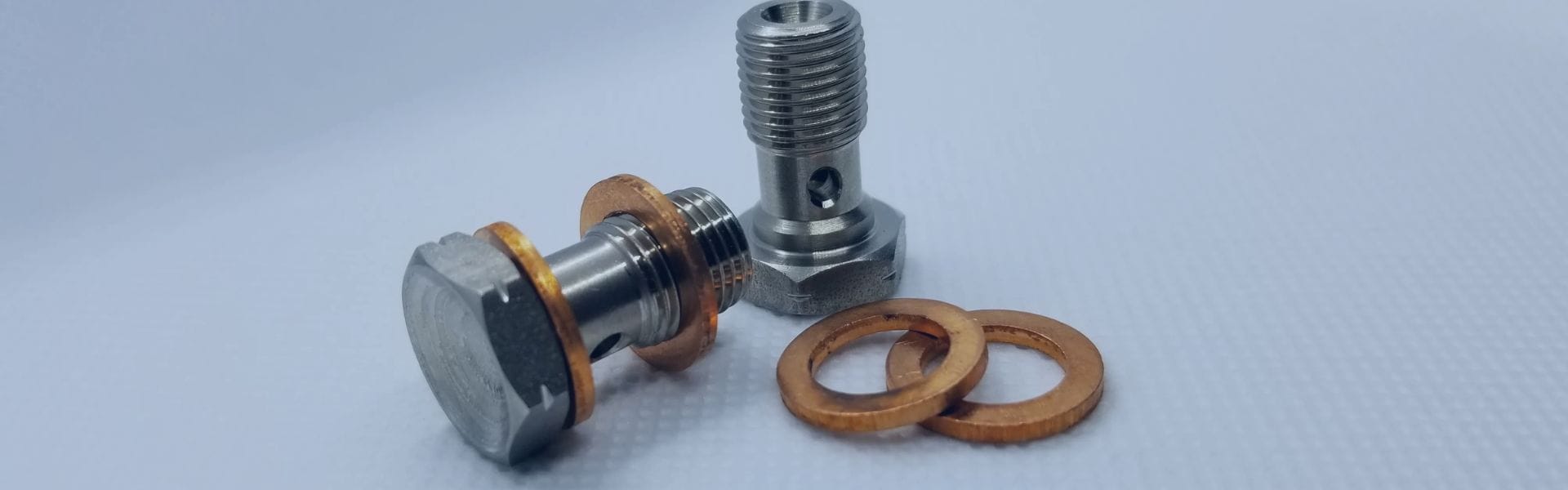
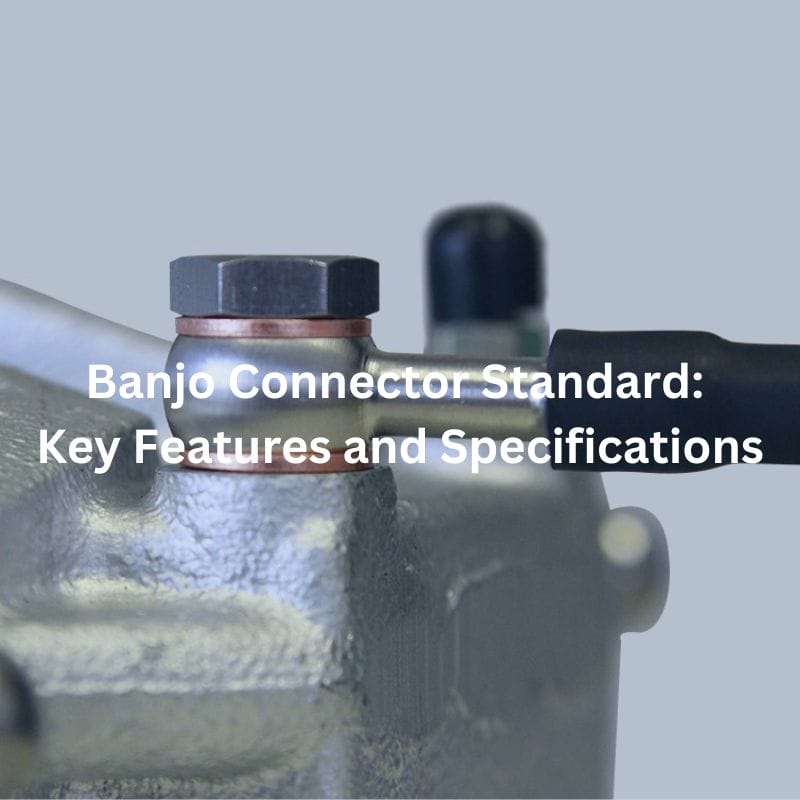
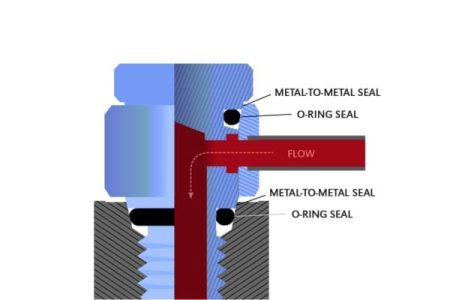
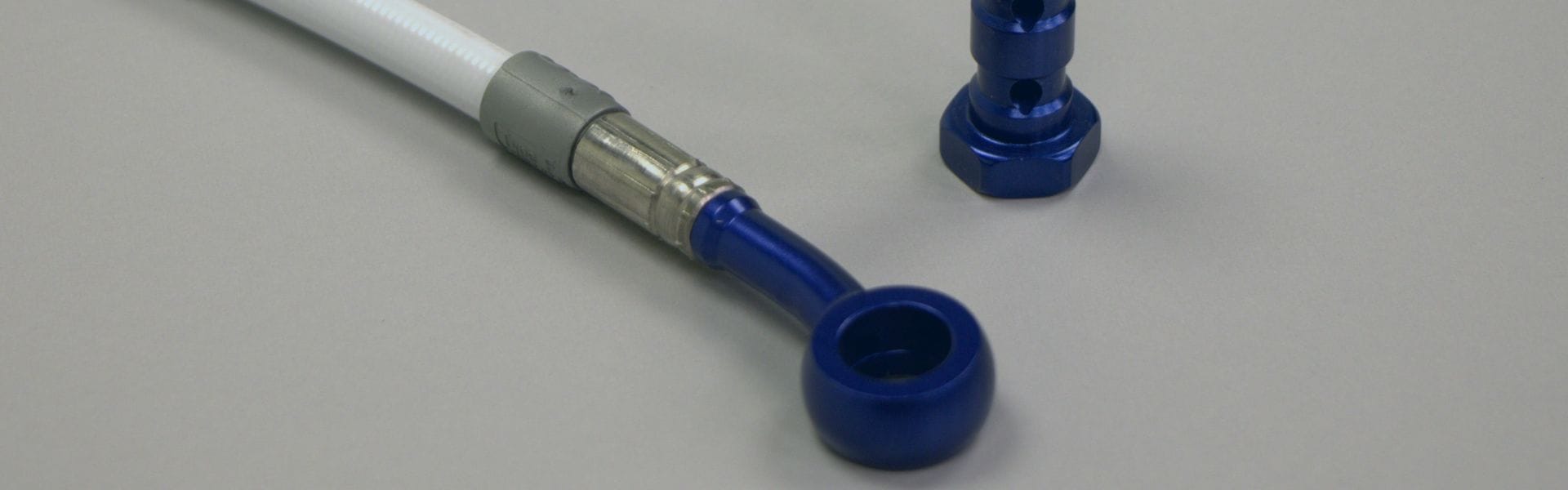
Yes. The bolt thread, length, flow-hole location, eye bore, eye width, sealing faces, washers, and mating port must work together as one assembly.
Can banjo fittings be used in high-pressure systems?
Suitability cannot be determined from the product name alone. The fitting design, material, dimensions, bolt, seals, hose or tube, mating port, working pressure, temperature, and operating media must be verified.
Can sealing washers be reused?
Sealing components should be inspected and replaced according to the equipment or approved assembly instructions. Used, damaged, deformed, or incompatible washers can result in leakage.
Do you produce custom banjo fittings from drawings?
Selected custom products can be evaluated using confirmed drawings, materials, tolerances, pressure requirements, quantities, inspection criteria, markings, and packaging specifications.
Can you maintain specifications for repeat orders?
Approved dimensions, materials, finishes, product identification, packaging, and inspection requirements can be recorded and referenced for recurring production.