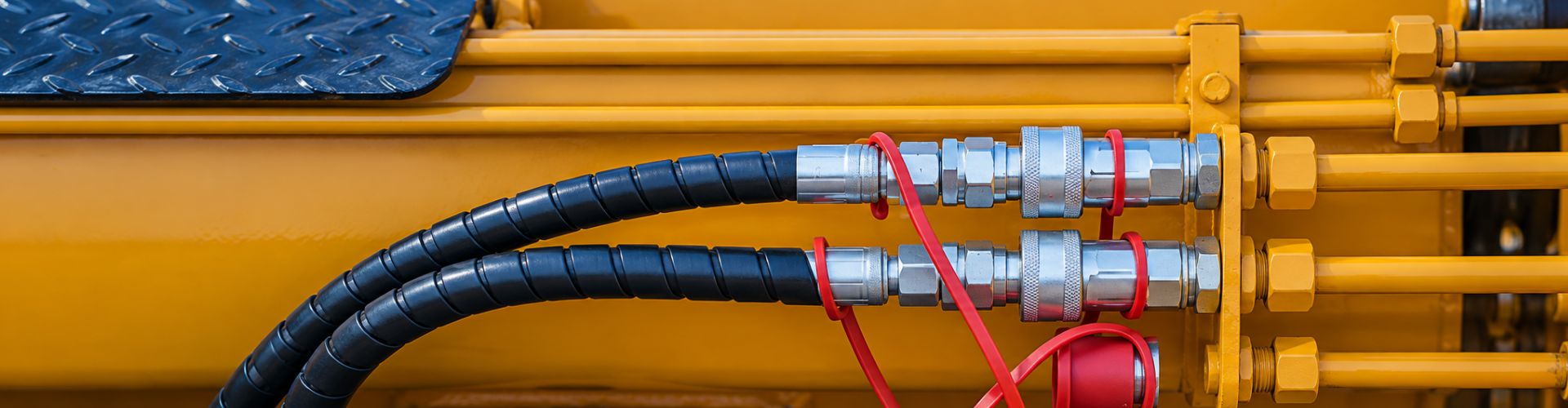
All Hydraulic Fittings Used in Tractors

All Hydraulic Fittings Used in Tractors

All Hydraulic Fittings Used in Tractors

Introduction

Hydraulic systems power attachments such as tractor steering, brakes, loaders, and plows. The efficiency of these systems depends on small hydraulic fittings. These fittings ensure the flow of hydraulic fluid and are vital to the operation of the tractor. This guide provides an in-depth look at the types of hydraulic connections used in tractors, their importance, and best practices for selection, installation, and maintenance.

Hydraulic Fittings in Tractors

Hydraulic connections are important joints that connect the various components of a tractor’s hydraulic system, such as hoses, pipes, and hydraulic machinery. These fittings can withstand high pressures and ensure a safe and leak-free connection. In a tractor’s hydraulic system, these fittings play a key role in the efficient transfer of hydraulic fluid. This process is the basis for converting mechanical energy into hydraulic energy, which is then utilized to power the operation of the tractor. These systems affect the operation of the tractor from raising and lowering implements to steering and braking.

Hydraulic systems in tractors are designed to operate in demanding conditions, handle heavy loads and work in a variety of environments. The reliability of these systems depends greatly on the quality and compatibility of the hydraulic connectors used. These fittings come in different shapes, sizes and materials, each suited to specific applications and pressure requirements.

The operation of hydraulic systems in tractors is a complex interplay of mechanical and hydraulic components. At the heart of this system is the hydraulic fluid, which is pushed through the system under pressure. The hydraulic connections ensure that this fluid remains under pressure, directing it through the system’s various components to perform the desired tasks. Whether lifting heavy loads, adjusting implements, or steering the tractor, the hydraulic system’s efficiency is directly influenced by the effectiveness of its fittings.

Types of Hydraulic Fittings Used in Tractors

In the tractor world, there is a wide variety of hydraulic connections, each type designed to fulfill a specific role in the different hydraulic systems of a tractor. Understanding these fittings can help you make better choices.

JIC 37 Degree Flare Fittings

JIC 37 degree flare fittings provide metal-to-metal contact with flared ends to ensure a strong, durable connection. With the ability to withstand high pressure, shock and vibration, these fittings are ideal for critical hydraulic lines such as power steering and braking systems.The reliability and leak-free performance of JIC fittings make them the preferred choice for agricultural machinery, ensuring the smooth operation of tractors in a variety of conditions.

O-Ring Face Seal (ORFS) Fittings

Equipped with an O-ring located at the fitting’s face, they provide a tight and leak-proof seal, making them highly effective in high-pressure applications. This sealing method minimizes the risk of hydraulic fluid leakage, thereby enhancing the overall efficiency and safety of the hydraulic system. ORFS fittings are commonly employed in areas of the hydraulic system that are subjected to extreme pressures and where a robust seal is paramount.

quick coupler Used in Tractors

NPT Pipe Fittings

NPT (National Pipe Taper) pipe fittings are characterized by their tapered threads, which create a tighter and more secure seal as they are tightened. Their adaptability and ease of installation have made them a ubiquitous choice in tractor hydraulic systems. NPT fittings’ versatility extends beyond hydraulic lines, finding utility in a broad array of applications including general plumbing connections. Their widespread use is a testament to their reliability and effectiveness in maintaining a leak-free system.

Quick Connect Couplers

Quick connect couplers are designed for efficiency and convenience, enabling rapid connection and disconnection of hydraulic lines. This feature is particularly beneficial for tasks requiring frequent changes of hydraulic attachments or during routine maintenance. Available in various designs, such as flat face couplers that minimize hydraulic fluid spillage and ball valve couplers known for their durable sealing capabilities, quick connect couplers streamline the process of managing hydraulic connections, saving time and reducing the risk of leaks.

Other Fittings

While JIC, ORFS, NPT, and quick connect couplers are among the most commonly used fittings in tractor hydraulic systems, other types such as DIN (Deutsches Institut für Normung) fittings and BSP (British Standard Pipe) threaded fittings are also utilized in specific scenarios. These less common fittings are selected based on the unique requirements of the tractor’s hydraulic system, compatibility with existing components, and adherence to international or manufacturer-specific standards.

Selecting the Right Fittings for Your Tractor

Selecting the appropriate hydraulic connections for your tractor is not merely about finding a piece that fits. It’s about ensuring compatibility, efficiency, and reliability within your tractor’s hydraulic system. To navigate this selection process effectively, several key factors must be considered:

Hydraulic Fittings Used in Tractors Topa

Size and Pressure Ratings

The correct selection of hydraulic connectors is paramount for the safe and efficient operation of tractor hydraulic systems. Two of the most critical factors in this selection process are the size and pressure ratings of the fittings.

Size

The size of a hydraulic fitting is determined by the dimensions of the hose, pipe, or component it connects to. It is crucial that the fitting matches these dimensions exactly. Using a fitting of the wrong size can result in poor performance, leaks, or even damage to the hydraulic system. The size is typically specified based on the inner and outer diameters of hoses or the thread size for threaded fittings. It is important to use precise measurement tools and refer to manufacturer specifications to ensure a correct match.

Pressure Ratings

Hydraulic systems operate under a range of pressures, and every component, including the fittings, must be capable of withstanding the system’s maximum pressure. The pressure rating of a fitting refers to the maximum pressure it can handle without failing. This rating must meet or exceed the highest pressure anticipated in the hydraulic system to prevent catastrophic failures under load. Pressure ratings are determined by factors such as the material of the fitting, its design, and its size.

Using fittings with inadequate pressure ratings can lead to leaks, bursts, and system failures, posing safety risks to operators and potentially causing significant damage to the tractor. Therefore, it is essential to understand the pressure demands of your tractor’s hydraulic system and select fittings that are rated appropriately.

Material Considerations

When selecting hydraulic connections for tractors, the material from which these fittings are made is a critical factor that impacts their performance, durability, and suitability for specific environments. The most common materials used for hydraulic fittings include steel, stainless steel, and brass, each offering distinct advantages and considerations.

Steel

Steel fittings are widely used due to their strength and durability. They are particularly suited for high-pressure applications, making them a common choice for the rigorous demands of tractor hydraulic systems. Steel fittings can handle the mechanical stresses and pressures encountered in agricultural settings. However, they are susceptible to corrosion if not properly coated or if used in corrosive environments, such as those involving fertilizers or chemicals.

Stainless Steel

Stainless steel fittings offer the resilience and strength of steel but with superior corrosion resistance. This makes them ideal for use in harsh, corrosive environments where exposure to chemicals, moisture, or saline conditions is common. Stainless steel fittings are more expensive than their steel counterparts but are invaluable in applications where corrosion could compromise the system’s integrity and reliability.

Brass

Brass fittings are known for their corrosion resistance and ductility, making them easier to tighten without the risk of cracking. They are typically used in low to medium-pressure applications and are favored in environments where corrosion resistance is needed but without the high pressures that would necessitate stainless steel. Brass fittings are commonly found in hydraulic systems that do not experience the extreme pressures or loads that are typical in some agricultural applications.

Compatibility with Tractor Model and Hydraulic Systems

Each tractor model may come with its own set of specifications and requirements that dictate the type of hydraulic fittings that can be used. Ensuring that the hydraulic fittings are compatible with your tractor’s model and its hydraulic system is not just about fit; it’s about maintaining the system’s integrity and operational efficacy.

Tractor-Specific Requirements

Manufacturers design their tractors with specific hydraulic systems that may require unique fittings. These proprietary systems ensure that the tractor operates at its peak efficiency but also mean that not every fitting will work with every model. Using the incorrect fitting can lead to leaks, decreased performance, and even system failures.

Consulting Manuals and Manufacturer Recommendations

Manufacturers often provide detailed specifications about the hydraulic system, including the types and sizes of fittings that are compatible. If the manual is not available, many manufacturers offer this information online or through customer support channels. Consulting these resources ensures that you select fittings that are designed to work with your tractor’s specific hydraulic system.

Understanding the Hydraulic System

The tractor’s hydraulic system’s complexity means that fittings need to match not just in size but also in type and material. Factors such as the system’s pressure, the type of hydraulic fluid used, and the environmental conditions the tractor operates in all influence the choice of fitting. For example, high-pressure systems may require fittings with higher pressure ratings, while systems exposed to corrosive materials may need fittings made from more resistant materials.

Environmental Conditions

The environmental conditions under which a tractor operates can significantly impact the selection of hydraulic fittings. These conditions can vary widely, from extreme temperatures to exposure to corrosive substances and abrasives like dust and sand. Each of these factors can influence the durability, performance, and longevity of hydraulic fittings, making it crucial to consider them during selection.

Temperature Extremes

Hydraulic fittings must be able to withstand the temperature extremes they will be exposed to, both in operation and at rest. Materials like steel and stainless steel are generally good at handling a wide range of temperatures without losing integrity. However, extreme cold can make some materials brittle, while extreme heat can cause expansion and potential leaks. Therefore, the temperature tolerance of fittings must match the environmental conditions they will face.

Corrosive Substances

Exposure to corrosive substances, such as chemicals used in agriculture or saltwater in coastal areas, can rapidly degrade the wrong type of hydraulic fittings. Stainless steel fittings, known for their corrosion resistance, are often the best choice in these environments. Alternatively, coatings and treatments can sometimes be applied to less resistant materials to improve their durability under corrosive conditions.

Abrasives

Dust, sand, and other abrasives can wear down fittings over time, leading to leaks or failure. In environments where abrasives are prevalent, fittings with protective coatings or made from harder materials that resist abrasion should be considered. Additionally, the design of the fitting, such as those with fewer external crevices, can minimize the accumulation of abrasives.

Moisture and Humidity

High levels of moisture and humidity can also affect hydraulic fittings, particularly in terms of corrosion. Even materials that are generally resistant to corrosion may degrade faster in high humidity environments unless properly selected or treated to withstand these conditions.

Application-Specific Requirements

Hydraulic fittings in Tractor Topa

The specific applications for which a tractor is used can greatly influence the choice of hydraulic fittings. Different tasks and attachments may impose varying demands on the hydraulic system, necessitating the use of specialized fittings to ensure efficiency, reliability, and ease of use. Here are a couple of examples illustrating how application-specific requirements can dictate the choice of hydraulic fittings:

Quick Connect Couplers

For tractors that frequently change attachments, such as switching between a plow, loader, and other implements, quick connect couplers are invaluable. These fittings allow for the rapid connection and disconnection of hydraulic lines without the need for tools or significant downtime. This feature is particularly beneficial in agricultural or construction settings where time is of the essence, and productivity depends on the swift interchange of attachments. Quick connect couplers come in several designs, including flat-face models that minimize hydraulic fluid spillage and leakage, enhancing environmental safety and reducing waste.

O-Ring Face Seal (ORFS) Fittings

In high-pressure applications, where maintaining a robust seal is critical to preventing leaks and ensuring system integrity, O-Ring Face Seal (ORFS) fittings are preferred. These fittings feature an O-ring at the sealing face, providing a tighter and more reliable seal than traditional metal-to-metal contact fittings. ORFS fittings are ideal for use in hydraulic systems that operate under high pressure or in applications where leaks could pose significant safety or environmental hazards.

Custom and Proprietary Fittings

Some tractor models or specific applications may require custom or proprietary fittings. These specialized fittings are designed to meet unique requirements of certain hydraulic systems, providing solutions that standard fittings cannot. It’s essential to consult the tractor’s manufacturer or a hydraulic system specialist when dealing with unique or highly specialized applications.

Conclusion

Hydraulic connections play an important role in the performance and reliability of tractor hydraulic systems. Understanding the types of accessories, their applications, and best practices for selection, installation, and maintenance can greatly impact the efficiency of the system. Tractor owners and operators can reduce downtime and increase productivity by considering the information provided to ensure their hydraulic systems are well maintained.

 If you still have any questions about tractor couplings or hoses, please contact Topa and we’ll do our best to help you!

FAQ

Hydraulic fittings are used to connect hydraulic hoses and components, enabling the transmission of fluid to power tractor attachments.

Common hydraulic fittings in tractors include JIC, BSP, NPT, and ORFS (O-Ring Face Seal) fittings.

O-ring fittings are preferred because they provide a secure, leak-free seal and can handle high-pressure applications typical in tractors.

Yes, brass fittings are sometimes used in tractor hydraulic systems, especially in lower-pressure applications, due to their corrosion resistance.

Yes, agricultural equipment often uses quick-connect fittings and swivel fittings for easy attachment and detachment of hydraulic lines.

Choose the right hydraulic fittings based on the tractor’s hydraulic system pressure, hose size, and connection requirements to ensure compatibility and efficiency.


Topa Blog

Find out more about Topa Blog and learn more about specialized hydraulic fittings.

9 Causes of Hydraulic Fitting Leaks

9 Causes of Hydraulic Fitting Leaks

9 Causes of Hydraulic Fitting Leaks

Table of Contents

Introduction

Despite their efficiency and power, hydraulic systems are inevitably prone to problems, the most common and troublesome of which is leakage. More than just a nuisance, hydraulic fitting leaks pose a significant threat to system efficiency, safety and the bottom line of operating costs. Leaks can lead to degraded performance, potential safety hazards due to slippery surfaces, and increased environmental concerns. This article takes a deep dive into the top 10 leading causes of leaks in hydraulic fittings, providing insight into why leaks occur and, most importantly, how to prevent them.

Understanding Hydraulic Fitting Leaks

Hydraulic fitting leaks represent a significant challenge in the operation and maintenance of hydraulic systems. These leaks are unintended releases of fluid from the system, which can occur at connection points between components or within the components themselves. Leaks are not only a sign of potential system failure but also indicators of underlying issues that could lead to more severe problems if not addressed.

The Importance of Addressing Leaks Promptly

The early identification and resolution of leaks are paramount. Even a minor leak can quickly develop into a major problem, potentially stopping operations and leading to expensive repairs. The reasons for this are manifold:

Safety Hazards: Leaks can create slip hazards and, depending on the fluid, may pose fire risks.

Environmental Impact: Spilled hydraulic fluid can harm the environment, leading to fines and cleanup costs.

Operational Efficiency: Leaks can reduce the effectiveness of a hydraulic system, leading to decreased performance and increased wear on components.

Cost: The loss of hydraulic fluid and the potential for damage to machinery can lead to significant costs over time.

broken fitting

Causes of Hydraulic Fitting Leaks

Improper Installation

Improper installation of hydraulic fittings is a prevalent cause of leaks. This can result from several factors, including inadequate tightening, misalignment of fittings, or the use of incorrect tools during installation. These mistakes can significantly compromise the integrity of the seal, leading to leaks that can affect the system’s efficiency and safety.

Key Points:

Adequate Tightening: Ensuring that fittings are tightened to the manufacturer’s specifications is crucial. Over-tightening can damage threads or fittings, while under-tightening may not form an adequate seal.

Correct Alignment: Fittings must be properly aligned to prevent cross-threading and ensure a proper seal.

Appropriate Tools: Using the correct tools for installation is essential to avoid damaging the fittings. Specialized hydraulic tools should be used according to the specifications of the fitting type and size.

Material Incompatibility

Material incompatibility in hydraulic systems can lead to a variety of issues, most notably leaks. This incompatibility can occur between the hydraulic fluid and the materials used for fittings and seals within the system. Different hydraulic fluids have unique chemical properties that can adversely affect the materials they come into contact with if not properly matched.

The Chemistry of Hydraulic Fluids

Hydraulic fluids can vary widely in their chemical composition. Common types include mineral oils, synthetic fluids, and water-based fluids, each with specific characteristics and applications. The choice of hydraulic fluid depends on various factors, including the operating temperature range, environmental concerns, and the specific machinery’s requirements.

Impact on Materials

The interaction between hydraulic fluid and the materials used in the system’s components can lead to:

Corrosion: Some fluids can cause corrosion of metal components, particularly if the metals are not suited to the type of fluid used.

Swelling of Seals: Certain hydraulic fluids can cause rubber or polymer seals to swell, leading to compromised seal integrity and eventual leaks.

Degradation: Over time, incompatible fluids can degrade the materials in seals and fittings, making them brittle or causing them to break down, which can result in leaks.

Selecting Compatible Materials

To ensure the long-term integrity of hydraulic systems and prevent leaks, it’s crucial to select materials that are compatible with the chosen hydraulic fluid. This involves:

Understanding Fluid Properties: Familiarize yourself with the chemical properties of the hydraulic fluid being used and how it interacts with different materials.

Choosing the Right Seals and Fittings: Select seals and fittings made from materials known to be compatible with your hydraulic fluid. Manufacturers often provide compatibility charts or guides to assist in this process.

Regular Inspection and Maintenance: Even with compatible materials, regular inspection and maintenance are essential to identify early signs of wear or degradation that could lead to leaks.

Over-Tightening or Under-Tightening of Fittings

install ferrule fitting Topa

The correct installation of hydraulic fittings is critical to the integrity and proper functioning of hydraulic systems. Two common mistakes that can lead to leaks are over-tightening and under-tightening of fittings. Both can compromise the system’s performance and lead to significant issues over time.

Over-Tightening of Fittings

Over-tightening hydraulic fittings can cause several problems:

Stripped Threads: Applying too much torque can strip the threads of the fitting or the component it’s being attached to, making it difficult or impossible to achieve a proper seal.

Cracked Fittings: Excessive force can also crack or damage fittings, especially those made from more brittle materials.

Deformed Sealing Surfaces: Over-tightening can deform the sealing surfaces, leading to leaks.

To prevent over-tightening, it’s essential to use a torque wrench and adhere to the torque specifications provided by the manufacturer. This ensures that the fitting is tightened sufficiently without exceeding the recommended torque, preserving the integrity of the connection.

Under-Tightening of Fittings

Under-tightening, on the other hand, fails to create a seal tight enough to prevent leaks. This issue might not be immediately apparent and can lead to gradual leaks, which may worsen over time. Inadequate tightening can result from:

Incorrect Torque Application: Not applying enough torque can leave a gap for hydraulic fluid to escape.

Improper Tool Use: Using the wrong tools for installation can lead to insufficient force being applied to the fitting.

Vibrational Loosening

Vibration within hydraulic systems is a prevalent cause of fitting loosening, which can lead to leaks over time. The dynamic nature of hydraulic machinery, combined with the high pressures at which these systems operate, makes them particularly susceptible to the effects of vibration. This can cause even tightly secured fittings to loosen, compromising the integrity of the hydraulic circuit.

Causes of Vibrational Loosening

Machinery Operation: The regular operation of machinery, especially those involving high-speed movements or heavy loads, generates significant vibration.

Pulsating Pressures: Hydraulic systems often experience pulsating pressures due to the pump action or sudden changes in direction of fluid flow, contributing to vibration.

External Sources: External sources, such as adjacent machinery or environmental factors, can introduce additional vibrational forces to the system.

Mitigating Vibrational Loosening

To prevent vibrational loosening and the resultant leaks, several measures can be implemented:

Securing Lines: Hydraulic lines should be securely clamped at regular intervals to minimize movement and absorb vibrations. This helps to prevent the transmission of vibrational energy to fittings.

Using Anti-Vibration Fittings: Specialized fittings designed to withstand vibrational forces can be used in areas of high vibration. These fittings often include features such as locking mechanisms or flexible sections that absorb vibrational energy.

Locknuts and Thread Locking Compounds: Applying locknuts or thread locking compounds to threaded connections can significantly reduce the likelihood of loosening. These materials provide an additional layer of security, maintaining the integrity of the connection even under vibrational stress.

Regular Maintenance: Incorporating vibrational analysis into regular maintenance routines allows for the early detection of loosening fittings. This enables timely tightening or replacement before leaks can develop.

Thermal Expansion and Contraction

Temperature fluctuations are a fundamental concern in hydraulic systems, influencing the behavior of materials, including fittings and seals. As temperatures change, the materials used in hydraulic systems will expand or contract. This phenomenon, known as thermal expansion and contraction, can compromise the integrity of hydraulic fittings, leading to potential leaks.

The Science Behind Thermal Expansion and Contraction

Thermal Expansion: When the temperature increases, the molecules within a material gain energy and move more vigorously, causing the material to expand. In a hydraulic system, this can affect both the metal fittings and the fluid within, altering pressures and potentially causing leaks at connection points.

Thermal Contraction: Conversely, as temperatures decrease, materials contract. This contraction can loosen fittings and seals, creating gaps through which hydraulic fluid can escape.

Impact on Hydraulic Systems

The effects of thermal expansion and contraction in hydraulic systems can be significant:

Weakening of Seals: Seals are particularly susceptible to temperature changes. Over time, repeated expansion and contraction can cause seals to wear, crack, or become misshapen, losing their ability to prevent fluid leakage.

Fitting Displacement: Temperature variations can lead to the gradual loosening of fittings. For example, a fitting that was tightened under a certain temperature condition may loosen as the system experiences temperature fluctuations, if not properly accounted for during installation.

Mitigation Strategies

Designing hydraulic systems to accommodate temperature changes is essential for minimizing the risk of leaks due to thermal expansion and contraction:

Flexible Fittings and Expansion Joints: Utilizing flexible fittings or expansion joints can accommodate the movements caused by temperature fluctuations, maintaining a tight seal despite the expansion or contraction of materials.

Material Selection: Choosing materials with similar coefficients of thermal expansion for both fittings and the surrounding structure can minimize the relative movement between parts.

Temperature Control: Where possible, controlling the temperature of the environment in which the hydraulic system operates can reduce the severity of temperature fluctuations.

Regular Inspections: Routine maintenance should include checking for signs of thermal wear on seals and fittings, and ensuring that any compromised components are replaced before leaks develop.

Wear and Tear

Broken hydraulic fitting Topa

Wear and tear on hydraulic fittings are inevitable consequences of regular use. Over time, the constant flow of hydraulic fluid at high pressure, coupled with the mechanical movements of system components, leads to the gradual deterioration of fittings and seals. This natural process can significantly contribute to the development of leaks within the system.

Causes of Wear and Tear

Mechanical Stress: Continuous mechanical movements create stress on fittings, gradually wearing down their surfaces.

High-Pressure Operation: The high pressures at which hydraulic systems operate can strain fittings and seals, accelerating their wear.

Environmental Factors: Exposure to harsh environmental conditions, such as extreme temperatures, moisture, and contaminants, can hasten the degradation of materials.

Impact on Hydraulic Systems

Leakage: As fittings and seals wear out, their effectiveness in sealing connections diminishes, leading to leaks.

Reduced Efficiency: Leaks and deteriorating components can reduce the system’s overall efficiency, requiring more power to achieve the same output.

Increased Maintenance Costs: Frequent replacements and repairs of worn components can lead to increased maintenance costs over time.

Mitigation Strategies

To minimize the impact of wear and tear on hydraulic systems, several strategies can be employed:

Routine Maintenance: Establishing a regular maintenance schedule is crucial for early detection and replacement of worn components. Regular inspections can identify wear and tear before it leads to leaks.

Quality Components: Using high-quality fittings and seals can extend the lifespan of hydraulic components. Higher quality materials are typically more resistant to wear and environmental factors.

System Design: Designing hydraulic systems with redundancy and ease of maintenance in mind can reduce the impact of wear and tear. For example, installing easily replaceable sections can minimize downtime and maintenance costs.

Environmental Protection: Implementing measures to protect hydraulic systems from harsh environmental conditions can slow the rate of wear and tear. This may include using protective coverings or installing systems in locations less exposed to extreme conditions.

Seal Degradation

Seal degradation is a common issue in hydraulic systems that can lead to leaks and decreased system efficiency. Seals within hydraulic fittings are critical for preventing fluid escape by maintaining a tight barrier between moving parts. Over time, these seals can degrade, losing their elasticity and effectiveness, which compromises the integrity of the hydraulic system.

Causes of Seal Degradation

Aging: Rubber and other elastomeric materials used in seals naturally deteriorate over time, losing flexibility and resilience.

Chemical Exposure: Hydraulic fluids, especially those with aggressive chemical compositions, can cause seals to swell, soften, or even disintegrate.

Thermal Stress: Repeated exposure to high temperatures can accelerate the aging process, while extreme temperature fluctuations can cause seals to crack or become brittle.

Mechanical Wear: Constant motion and pressure can physically wear down seals, reducing their sealing capability.

Impact on Hydraulic Systems

Degraded seals are less effective at containing hydraulic fluid, leading to leaks that can reduce the system’s pressure and efficiency. Even minor leaks can introduce contaminants into the system, further exacerbating wear on components and potentially leading to system failure.

Contamination

Contamination in hydraulic systems is a significant cause of leaks and component failure. Particulate matter, including dirt, metal shavings, and other debris, can enter the system through various means, such as during maintenance, from component wear, or through contaminated hydraulic fluid. Once inside, these contaminants can cause abrasion and deterioration of fittings and seals, leading to leaks.

Sources of Contamination

External Sources: Contaminants can enter the system from the surrounding environment during maintenance operations or through damaged seals and components.

Internal Sources: Wear and tear on system components can generate particles that circulate within the system, causing further damage.

Impact on Hydraulic Systems

Abrasion of Components: Particles can abrade the surfaces of components, including the internal walls of hoses and the sealing surfaces of fittings, leading to leaks.

Seal Deterioration: Contaminants can accelerate the degradation of seals, reducing their effectiveness and leading to leaks.

System Blockages: Accumulation of contaminants can lead to blockages in the hydraulic system, impairing function and causing increased pressure that can lead to leaks.

Mitigation Strategies

To prevent contamination-related issues in hydraulic systems, several strategies can be employed:

Filtration: Installing high-quality filtration systems can remove particulate matter from the hydraulic fluid, protecting components from abrasion and wear.

Regular Fluid Changes: Regularly changing the hydraulic fluid can reduce the concentration of contaminants and reduce wear on components.

Seal Maintenance: Regular inspection and maintenance of seals can prevent external contaminants from entering the system.

Clean Work Practices: During maintenance, ensuring a clean work environment and using clean tools and components can prevent the introduction of new contaminants.

Incorrect Fitting Type or Size

Using the wrong type or size of hydraulic fitting is a common cause of leaks in hydraulic systems. The hydraulic circuit’s integrity depends on the precise matching of fittings to the system’s specifications, including size, pressure rating, and material compatibility. When fittings do not match these specifications, the result can be inadequate seals, leading to leaks and compromised system performance.

Importance of Correct Fitting Selection

Size Compatibility: The size of the fitting must match the size of the hose or tube it connects. An incorrect size can lead to gaps or excessive pressure on the connection points, causing leaks.

Type Suitability: The type of fitting must be suitable for the specific application, including the fluid type, pressure, and dynamic requirements. Different fitting types offer varying degrees of seal integrity and resistance to vibration, temperature, and pressure fluctuations.

Material Compatibility: The fitting material must be compatible with the hydraulic fluid used in the system. Incompatibility can lead to corrosion or degradation of the fitting, resulting in leaks.

Conclusion

Understanding the causes of leaks in hydraulic fittings is critical to maintaining the efficiency, safety, and cost-effectiveness of hydraulic systems. By proactively addressing these issues, operators can avoid the downtime and expense associated with leaks. We encourage you to ask Topa for any experience or tips you may have in managing leaks in hydraulic fittings and we would be happy to assist you.

FAQ

The most common cause is improper installation, such as over-tightening or misalignment of fittings.

Yes, using incompatible fittings or incorrect size can lead to leaks due to poor sealing.


Vibration can cause fittings to loosen over time, leading to leaks at connection points.

Yes, dirt or debris in the system can damage seals, leading to leaks at the fitting connection.

Yes, seals that are worn or damaged will lose their ability to create a tight seal, resulting in leaks.

Extreme temperature changes can cause materials to expand or contract, which can break seals and cause leaks at the fitting connection.

Topa Blog

Find out more about Topa Blog and learn more about specialized hydraulic fittings.

Flared or Flareless Fittings

Flared or Flareless Fittings: What is The Difference?

Flared or Flareless Fittings: What is The Difference?

Introduction

Hydraulic fittings are crucial components in hydraulic systems, allowing the connection of tubes, pipes, and hoses in a secure and efficient manner. These fittings facilitate the flow of fluids and are designed to withstand high pressures and temperatures inherent in hydraulic applications. Choosing the right type of fitting is paramount for system efficiency, safety, and reliability. The selection between flared and flareless fittings, for example, depends on specific system requirements and operational conditions.

Flared vs Flareless Fittings - Which one is right for my application?

Choosing between flared and flareless fittings depends on several factors specific to your application, including system pressure, vibration and dynamic loads, space constraints, and maintenance requirements. Flared fittings utilize a metal-to-metal seal and are ideal for high-pressure applications that require a solid seal. Flare fittings are preferred when tubing can be prepared for flaring and a durable, leak-proof connection is required. Flareless fittings, on the other hand, are better suited for fittings that cannot be prepared for flaring or for use in environments with high vibration or thermal cycling. They are easier to install, especially in confined spaces, and do not require much specialized tooling, giving them an advantage in terms of quick assembly and maintenance. Consider the specific needs and constraints of your system to determine the type of fitting that will provide the best reliability and performance.

What Are Flared Fittings?

Flared fittings are essential components in various hydraulic and pneumatic systems, recognized for their distinctive conical shape that ensures a tight, leak-proof connection. These fittings are especially valued in high-pressure environments due to their mechanical lock between the flared end of the tubing and the fitting body.

Design Characteristics

The design of flared fittings involves a flared end of the tubing, which is achieved by using a flaring tool to expand the tube’s end into a cone shape. This flared end then mates with a corresponding tapered surface on the fitting, and a nut secures the connection, compressing the flare against the fitting to create a seal. This design is particularly effective in preventing leaks, making it suitable for critical applications in aerospace, automotive braking systems, and refrigeration lines.

Common Applications and Advantages

Aerospace

In the aerospace industry, the safety and reliability requirements are exceptionally high. Flared fittings are used in fuel, hydraulic, and pneumatic systems on aircraft and spacecraft. Their ability to maintain a leak-proof seal under extreme pressure and temperature variations is crucial for the safety and functionality of aerospace equipment.

Automotive Systems

Flared fittings are integral to automotive braking systems, fuel lines, and hydraulic steering systems. The automotive industry values these fittings for their durability and leak-proof performance, which are essential for vehicle safety and efficiency. Their use in braking systems is particularly critical, where failure can have dire consequences.

Refrigeration

The refrigeration industry relies on flared fittings to ensure secure connections within cooling systems. These systems require precise control over the flow and containment of refrigerants. Flared fittings provide the necessary seal and reliability to maintain system efficiency and prevent leaks, which can be costly and harmful to the environment.

The advantages of flared fittings include:

Ease of Assembly and Disassembly: Flared fittings can be easily assembled and disassembled without special tools, making them ideal for field repairs and maintenance.

Robustness Against Leaks: The mechanical seal created by the flared tubing provides a high level of leak resistance, crucial in high-pressure applications.

Suitability for Thin-Walled Tubing: The flaring process strengthens the end of the tube, allowing for the use of thin-walled tubing without compromising the connection’s integrity.

What is the most frequently used flare fitting?

The most frequently used flare fitting in hydraulic systems is the 37-degree flare fitting, also known as the JIC (Joint Industry Council) fitting. This fitting is widely adopted across various industries due to its reliability and the metal-to-metal seal it provides, making it suitable for high-pressure applications.

Explore Flareless Fittings

Often referred to as compression or bite fittings, flareless fittings are unique in that they secure hydraulic lines without flaring. The centerpiece of the flareless fitting design is the ferrule or bite ring. This component plays a vital role as it clamps down on the tubing as the fitting is assembled. This action creates a strong, leak-proof seal that is critical to the integrity of the hydraulic system.

Common Applications

Oil and Gas Industry

In the oil and gas industry, flareless fittings are used in both upstream exploration and production activities as well as downstream processing and distribution systems. Flareless fittings are able to withstand the high pressure environments typical of oil and gas applications.

Mining

The mining industry relies on heavy machinery and hydraulics to operate under extreme conditions of high pressure, dust and vibration. Flareless couplings are used in drilling equipment, conveyor systems and hydraulic shovels for their ruggedness and ease of maintenance.

Heavy Machinery

Construction, agricultural and forestry equipment use hydraulics for a wide range of functions. Flareless couplings are reliable under dynamic loads and can withstand the vibrations and shocks common in heavy machinery operations.

Advantages

Ease of Installation: Flareless fittings can be installed in confined spaces, making them ideal for complex hydraulic systems where space is limited.

Reliability in Vibration-Prone Environments: The mechanical grip of the ferrule ensures a secure seal that is less likely to loosen under vibration, making flareless fittings suitable for mobile hydraulics and machinery that experiences significant movement.

Reduced Risk of Leaks: The tight seal formed by the compression of the ferrule against the tube greatly reduces the likelihood of leaks, essential for maintaining system efficiency and preventing environmental contamination.

Factors to Consider When Choosing Between Flared and Flareless Fittings

When selecting the appropriate type of fitting for a hydraulic system, it’s essential to consider several key factors that influence performance, reliability, and maintenance needs. Here’s a detailed look at these considerations:

The choice between flared and flareless fittings

System Pressure and Temperature

High-Pressure Systems: Flared fittings are typically favored for high-pressure applications due to their robust seal and durability. The design of a flared fitting, which includes a flared tube end that mates with a tapered fitting, provides a reliable seal capable of withstanding high pressures. This makes them ideal for use in applications such as aerospace, high-performance automotive systems, and industrial machinery.

Temperature Considerations: Both flared and flareless fittings can accommodate a range of temperatures, but the choice may depend on the specific temperature extremes the system will encounter. Material compatibility and thermal expansion factors should also be taken into account.

Vibration and Dynamic Loads

Vibration-Prone Environments: Flareless fittings are often preferred in environments subject to significant vibration or dynamic loads. The mechanical grip of the ferrule in a flareless fitting ensures a secure connection even under fluctuating conditions, reducing the risk of leakage or disconnection. Mobile equipment, heavy machinery, and certain industrial applications can benefit from the reliability of flareless fittings in these contexts.

Assembly and Maintenance Considerations

Ease of Assembly: Flareless fittings offer a distinct advantage in ease of assembly, especially in tight or confined spaces where using tools to create a flared end is impractical. This feature makes them suitable for field repairs or in situations where quick assembly and disassembly are required.

Maintenance Needs: Considering the maintenance requirements of the system is also crucial. Flareless fittings can be easier to maintain due to their simpler assembly and disassembly process. This can lead to reduced downtime and lower maintenance costs over the system’s lifespan.

Additional Considerations

Space Constraints: In systems where space is at a premium, the compact design of flareless fittings may offer an advantage.

Tooling and Equipment Availability: The need for specialized tooling for flaring may influence the decision, especially in field applications where such tools might not be readily available.

Cost Implications: The cost of fittings and the necessary installation tools can also be a factor, with flareless fittings potentially offering savings in scenarios requiring less specialized equipment.

Installation Process

Installation Process Overview for Flared Fittings

The installation of flared fittings is a critical process in hydraulic and pneumatic systems that requires precision and attention to detail. Here’s a detailed expansion on each step of the installation process:

Cutting and Preparing the Tubing

Measure Accurately: Before cutting, accurately measure the tubing length required for your application, considering the entire route the tubing must take, including allowances for bends and fittings.

Cutting the Tubing: Use a sharp, tube-specific cutter to ensure a clean, straight cut. Avoid using saws or tools that might crush or deform the tubing.

Deburring: After cutting, remove any burrs or sharp edges from both the inside and outside of the tubing end using a deburring tool. This step is crucial to prevent damage to the sealing surfaces and ensure a smooth surface for the flare.

Flaring the Tubing

Selecting the Correct Die: Choose the correct die for the tubing diameter. The die’s size should match the outer diameter of the tubing.

Inserting the Tubing into the Flaring Tool: Insert the tubing into the flaring tool’s clamp section, making sure the tubing end protrudes slightly above the die according to the manufacturer’s specifications.

Creating the Flare: Tighten the flaring tool’s press against the tubing end to form a 45-degree flare. The flare should be smooth and free of cracks or splits.

Aligning and Securing

Inspecting the Flare: Before assembly, inspect the flare for any imperfections. A perfect flare is crucial for a leak-proof seal.

Aligning the Tubing with the Fitting: Insert the flared end of the tubing into the fitting until it seats against the fitting’s conical surface.

Thread the Nut: Place the nut over the tubing and thread it onto the fitting by hand to ensure it is not cross-threaded.

Tightening: Using two wrenches, one to hold the fitting and the other to tighten the nut, secure the connection. Follow the manufacturer’s recommended torque specifications to avoid over-tightening, which could crack the flare or under-tightening, which might result in leaks.

Final Inspection

Leak Testing: Once installed, it is crucial to test the system under pressure to ensure there are no leaks at the flared connections.

Regular Checks: Periodically check the fittings for signs of leaks, especially after the system has been in use, as vibrations and temperature changes can affect the integrity of the connection.

install Flared or Flareless Fittings

Installation Techniques for Flareless Fittings

The installation of flareless fittings, while straightforward, demands precision to achieve a reliable connection. Here’s a more detailed look at each step:

Inserting the Tube

Preparation: Before inserting the tube into the fitting, ensure the tube end is clean, free of burrs, and cut perpendicular to its length. This preparation is crucial for a proper seal and to prevent damage to the fitting components.

Insertion: Carefully insert the tube into the fitting until it reaches the stop point. This stop point is typically a shoulder within the fitting body designed to ensure the correct insertion depth of the tube.

Tightening the Nut

Initial Hand Tightening: Thread the nut onto the fitting by hand to prevent cross-threading. This also helps to ensure that the ferrule is correctly positioned before the final tightening.

Wrench Tightening: Using a wrench, tighten the nut to the manufacturer’s recommended torque. This compresses the ferrule against the tube, creating a metal-to-metal seal. The ferrule effectively “bites” into the tube, which is what secures the connection and ensures its leak-proof nature.

Correct Torque: It’s essential to apply the correct amount of torque; too little may result in a leaky connection, while too much could damage the tube, ferrule, or fitting. Some fittings may require a specific tightening procedure to ensure proper ferrule action.

Final Inspection

Visual Inspection: After installation, visually inspect the fitting to ensure it is correctly assembled and that there are no visible gaps between the tube and the fitting.

Leak Testing: Perform a pressure test to confirm the integrity of the connection. Any leaks at this stage would require re-evaluation of the assembly process, possibly disassembly, inspection, and re-tightening or replacement of components.

Record Keeping: Documenting the installation can be helpful for future maintenance or troubleshooting. Note the date of installation, any unique conditions, and the torque applied.

Conclusion

The choice between flared and flareless fittings depends on a thorough assessment of system requirements, including pressure, temperature, and environmental conditions. Understanding the unique advantages and installation techniques of each fitting type allows for informed decision-making, ensuring the hydraulic system’s efficiency, safety, and reliability. By adhering to best practices in selection, installation, and maintenance, operators can optimize the performance and lifespan of their hydraulic systems.

FAQ

A flared fitting uses a conical flare at the end of the tube to create a tight seal when paired with a matching flare nut.

A flareless fitting uses a compression ring and a nut to create a seal without requiring a flare on the tube.

Flared fittings are typically better for high-pressure applications due to their robust seal created by the flared end.

Flared fittings are typically better for high-pressure applications due to their robust seal created by the flared end.

Yes, flareless fittings are easier and quicker to install since they don’t require flaring the tube before installation.

Flareless fittings can sometimes replace flared fittings, but compatibility depends on the application and pressure requirements.

Topa Blog

Find out more about Topa Blog and learn more about specialized hydraulic fittings.

What is a D.O.T. Air Brake Fitting

What is a D.O.T. Air Brake Fitting

What is a D.O.T. Air Brake Fitting

Introduction

Air brake systems are an integral component of commercial vehicles, playing a pivotal role in ensuring the safety and efficiency of these heavy-duty transports. These systems utilize compressed air as a force for braking, offering a reliable and effective means of slowing down and stopping large vehicles, such as trucks and buses. The design and operation of air brake systems are complex, involving various components like compressors, reservoirs, brake chambers, valves, and fittings, each contributing to the precise control and distribution of air pressure throughout the system.

Understanding D.O.T. Air Brake Fittings

Definition of D.O.T. Air Brake Fittings

D.O.T. Air Brake Fittings are specialized components designed for use in the air brake systems of commercial vehicles, such as trucks and buses. These fittings are engineered to connect air brake lines, ensuring the secure and leak-proof transmission of compressed air that is used to operate the brake system. The “D.O.T.” designation indicates that these fittings comply with the safety standards set by the Department of Transportation, making them suitable for use in commercial transportation due to their reliability and durability.

Purpose and Necessity in Air Brake Systems

The primary purpose of D.O.T. Air Brake Fittings is to ensure a secure and efficient connection between the components of an air brake system. These fittings are crucial for maintaining the integrity of the air brake system, preventing air leaks, and ensuring that the correct air pressure is delivered to each part of the system when needed. Given the critical role of air brakes in the safety of heavy commercial vehicles, the reliability of these fittings directly impacts the overall safety and performance of the vehicle. Without high-quality, compliant fittings, the effectiveness of the air brake system could be compromised, leading to increased risk of brake failure and accidents.

Types of D.O.T. Air Brake Fittings

Push-to-Connect Fittings

Definition: Push-to-Connect Fittings, also known as quick-connect fittings, are designed for ease of use, allowing for the rapid connection and disconnection of air brake lines without the need for tools. These fittings secure the tubing through a collet and an O-ring, which seals the connection upon insertion of the tube.

Applications: Push-to-Connect Fittings are ideal for applications where quick assembly and disassembly are required, such as in temporary setups or in maintenance sections of air brake systems.

Compression Fittings

Definition: Compression Fittings create a seal through the mechanical tightening of a nut, compressing a ferrule onto a tube, which then seals against the fitting body. This type of fitting is known for its robustness and reliability.

Advantages:

  • Durability: Offers a strong, durable connection that is less likely to leak under vibration or temperature changes.
  • Versatility: Compatible with a wide range of tubing materials and diameters.
  • No Special Tools Required: Can be tightened using standard wrenches, without the need for specialized tools.

Disadvantages:

  • Installation Time: Requires more time and effort to install compared to Push-to-Connect Fittings.
  • Adjustment Difficulty: Once tightened, they are more difficult to adjust or remove.

Applications: Compression Fittings are suited for permanent installations or in parts of the air brake system that do not require frequent disconnection.

Threaded Fittings

Definition: Threaded Fittings involve screwing two threaded components together to form a sealed connection. They are one of the oldest types of fittings and are available in various thread standards and sizes.

Advantages:

  • High Pressure Tolerance: Capable of withstanding high pressure, making them suitable for heavy-duty applications.
  • Wide Availability: Available in a variety of sizes and materials, offering flexibility in application.
  • Reusability: Can be disconnected and reused without significant loss of integrity.

Disadvantages:

  • Risk of Cross-Threading: Incorrect installation can lead to cross-threading, damaging the fitting and compromising the seal.
  • Sealant Requirement: Often require thread sealants to ensure a leak-proof connection, adding an extra step in the installation process.

Applications: Threaded Fittings are commonly used in areas of the air brake system where a strong, durable connection is required, and where the fittings are not expected to be frequently disconnected.

Materials of DOT air brake fitting

Brass

Characteristics:

  • Corrosion Resistance: Brass is highly resistant to corrosion, making it ideal for use in air brake systems where moisture is present.
  • Malleability: It is relatively easy to machine and form, allowing for the production of fittings with precise dimensions and shapes.
  • Conductivity: Brass has good thermal and electrical conductivity, though this is generally of less concern for air brake applications.

Advantages:

  • Versatility: Suitable for a wide range of temperatures and conditions, brass fittings are versatile in their application.
  • Durability: Offers a good balance between strength and ductility, ensuring a long service life under normal conditions.

Applications: Brass fittings are commonly used in air brake systems for their resistance to corrosion and ease of installation.

Stainless Steel

Characteristics:

  • Strength: Stainless steel fittings are known for their strength and ability to withstand high pressures, making them suitable for heavy-duty applications.
  • Corrosion Resistance: Offers excellent resistance to rust and corrosion, even in harsh environmental conditions.
  • Temperature Resistance: Capable of maintaining integrity in both high and low temperatures.

Advantages:

  • Longevity: Due to their durability and corrosion resistance, stainless steel fittings have a long lifespan.
  • Safety: The strength and reliability of stainless steel reduce the risk of leaks and failures in the air brake system.

Applications: Stainless steel fittings are ideal for use in parts of the air brake system that are exposed to extreme conditions or require high levels of reliability.

brass dot composite air fittings Topa

Plastic

Characteristics:

  • Lightweight: Plastic fittings are significantly lighter than their metal counterparts, contributing to overall vehicle weight reduction.
  • Corrosion Resistance: Unlike metal fittings, plastic is inherently resistant to corrosion from chemicals and moisture.
  • Cost-Effectiveness: Generally less expensive to produce than metal fittings, making them a cost-effective option for certain applications.

Advantages:

  • Versatility: Can be manufactured in a wide range of shapes and sizes, allowing for flexibility in design.
  • Insulation: Provides excellent electrical and thermal insulation, which can be beneficial in certain environments.

Applications: Plastic fittings are commonly used in areas of the air brake system where weight and corrosion resistance are priorities, and where the pressure and temperature conditions are within their performance limits.

How D.O.T. Air Brake Fittings Work

Basic Operational Principle of Air Brake Systems

Air brake systems in commercial vehicles operate on a simple yet effective principle: the use of compressed air to apply pressure to the brake pad, which in turn slows down or stops the vehicle. This system consists of several key components, including an air compressor, air reservoir (storage tanks), brake chambers, valves, and pipelines/fittings that connect these components. The compressor generates the compressed air, which is stored in the reservoirs. When the brake pedal is pressed, air is released from the reservoirs and flows through the system, applying pressure to the brake chambers and, consequently, the brakes themselves, slowing down the vehicle.

Pivotal Role of Fittings within Air Brake Systems

Fittings play a crucial role in air brake systems as they connect the various components, ensuring a secure and leak-proof network for the compressed air to travel through. These fittings must be robust and reliable to withstand the pressure and environmental conditions they are exposed to. The integrity of these connections is paramount; any leak or failure can lead to a reduction in braking efficiency or even a complete brake failure, posing serious safety risks.

Distribution and Control of Compressed Air

D.O.T. Air Brake Fittings facilitate the distribution and control of compressed air in several ways:

Secure Connections: They provide tight and secure connections between the pipes and hoses that transport compressed air throughout the brake system. This ensures that air is delivered efficiently to the brake chambers without any leaks.

Directional Control: Certain fittings are designed to direct air flow in specific directions, ensuring that air reaches the appropriate parts of the brake system at the right time.

Pressure Regulation: Some fittings incorporate features that help regulate air pressure within the system, ensuring that the correct amount of pressure is applied to the brakes. This is critical for achieving consistent braking performance under various load and speed conditions.

Quick Disconnection and Reconnection: Quick-connect fittings allow for rapid assembly and disassembly of parts of the air brake system, which is especially useful during maintenance and repair. This ensures that the system can be easily serviced without compromising its integrity or performance.

Installation Guidelines for D.O.T. Air Brake Fittings

Step-by-Step Instructions for Fitting Installation

Installing D.O.T. Air Brake Fittings correctly is crucial for the safety and efficiency of commercial vehicle air brake systems. Here is a step-by-step guide to ensure proper installation, along with tips to avoid common mistakes.

Step-by-Step Installation Process

Preparation:

Ensure all components and fittings are clean and free from debris.

Verify that the fittings and tubes/hoses are compatible in size and type.

Gather necessary tools, such as tubing cutters, wrenches, and Teflon tape (if applicable).

Measuring and Cutting Tubing:

Measure the tubing length required for the installation, allowing a little extra for adjustments.

Cut the tubing cleanly and squarely to ensure a proper fit. Avoid creating burrs or deformities.

Inspecting Components:

Inspect the fittings and tubing for any defects or damage that could compromise the seal or connection.

Inserting Tubing into Push-to-Connect Fittings (if applicable):

Ensure the tubing end is smooth and round.

Push the tubing into the fitting until it is fully seated. A slight tug will ensure it is locked in place.

Tightening Compression and Threaded Fittings:

For compression fittings, insert the tubing and tighten the nut by hand until snug, then use a wrench to give it a final turn.

For threaded fittings, apply Teflon tape or thread sealant to the male threads (if required), then screw the fittings together and tighten with a wrench.

Checking for Leaks:

Once installed, pressurize the system and check all connections for leaks using a soap solution. Bubbles will form at the site of a leak.

Final Inspection:

Ensure all fittings are secure and that the tubing is not kinked or under tension.

Double-check that all tools and materials have been removed from the work area.

install D.O.T. Air Brake Fitting

Common Installation Mistakes and How to Avoid Them

Over-tightening Fittings: This can cause the fitting to crack or the threads to strip, leading to leaks. To avoid this, tighten fittings to the manufacturer’s specifications and use the correct tools.

Using Damaged Tubing: Cracked, kinked, or deformed tubing can compromise the seal. Always use tubing in good condition and cut it cleanly.

Incorrect Fitting Type: Ensure the fitting type (push-to-connect, compression, threaded) is appropriate for the application and tubing material.

Improper Use of Sealants: When using threaded fittings, apply sealant correctly—avoid over-application and ensure it’s compatible with the system’s air and temperature.

Ignoring Manufacturer’s Instructions: Always follow the manufacturer’s guidelines for installation to ensure compliance and reliability.

Maintenance and Troubleshooting

Regular maintenance and timely troubleshooting of air brake fittings are essential practices that ensure the safety and reliability of commercial vehicle air brake systems. Here are some maintenance tips and guidance on identifying and fixing common issues.


Routine Maintenance Tips

Regular Inspections:

Schedule regular inspections of all air brake system components, including fittings, hoses, and tubing. Look for signs of wear, damage, or corrosion.

Check for Leaks:

Regularly test the system for leaks using a soap solution. Apply the solution to all fittings and connections and look for bubbles that indicate air leaks.

Ensure Tight Connections:

Periodically check the tightness of all fittings. Avoid over-tightening, which can damage fittings or threads.

Cleanliness:

Keep the air brake system clean, especially around fittings and connections. Dirt and grime can cause wear and lead to leaks.

Lubrication:

Apply appropriate lubricants to movable components as per the manufacturer’s recommendations to prevent rust and ensure smooth operation.

Replace Worn Parts:

Replace any worn, damaged, or corroded fittings and tubing. Use only high-quality, D.O.T.-approved replacements.

Troubleshooting Common Issues

Air Leaks:

Identification: Listen for hissing sounds or use a soapy water solution to identify leaks.

Fix: Tighten loose fittings or replace damaged ones. Ensure the tubing is cut straight and fully inserted into push-to-connect fittings.

Reduced Braking Performance:

Identification: Noticeable decrease in braking efficiency or increased stopping distances.

Fix: Check for leaks or blockages in the system. Inspect fittings and tubing for damage or improper installation that may restrict air flow.

Moisture in the System:

Identification: Water coming out of valves or fittings, especially in cold weather, which can lead to freezing and system failure.

Fix: Drain air tanks regularly to remove moisture. Check for failed air dryers or separators that may need replacement or servicing.

Corrosion and Rust:

Identification: Visible rust or corrosion on fittings and connections.

Fix: Replace corroded fittings and consider using corrosion-resistant materials like stainless steel or coated fittings in critical areas.

Vibrations and Noise:

Identification: Excessive vibration or rattling sounds from the air brake system.

Fix: Ensure all fittings are securely tightened. Use appropriate clamps and supports to prevent movement of tubes and hoses.

Conclusion

The D.O.T. air brake fittings certification process emphasizes the importance of rigorous testing and quality assurance. By adhering to the D.O.T. standard, manufacturers protect the lives of drivers and the public by confirming that their products can withstand the rigors of commercial vehicle operation.D.O.T. air brake fittings are the foundation for the operational integrity and safety of commercial vehicles. As the transportation industry continues to evolve and demands for safety and efficiency increase, compliant air brake components will continue to play a vital role.

FAQ

D.O.T. stands for the Department of Transportation, which sets standards for air brake systems.

It connects components in the air brake system, ensuring safe and reliable operation.

No, they are specifically designed for use in air brake systems and not suitable for other applications.

They are designed to withstand high pressures and prevent leaks, reducing the risk of system failure.

They are typically made from brass, steel, or aluminum for strength and corrosion resistance.

Yes, they are generally easy to install with proper tools and fittings, but should always be done by professionals for safety.

Topa Blog

Find out more about Topa Blog and learn more about specialized hydraulic fittings.

The Ultimate Guide to Single Ferrule Hydraulic Fittings

The Ultimate Guide to Single Ferrule Hydraulic Fittings

The Ultimate Guide to Single Ferrule Hydraulic Fittings

Introduction

Hydraulic systems rely on fluid power to efficiently run mechanical equipment. At the heart of the effectiveness of these systems are a wide variety of connections. Single ferrule hydraulic fittings are a key solution, providing a robust and leak-proof connection. These fittings simplify the assembly process, reduce potential leak points, and maintain system integrity under high pressure and dynamic conditions.

Understanding Single Ferrule Hydraulic Fittings

Overview of Single Ferrule Hydraulic Fittings

Single ferrule hydraulic fittings are fundamental components in the realm of hydraulic systems, designed to ensure secure and efficient connections between tubing and system components. These fittings are composed of three main parts: the body, the ferrule, and the nut. The body serves as the main structure that connects to the hydraulic system. The ferrule, a crucial element, is a ring or sleeve that ensures a tight seal. The nut, when tightened, applies pressure, causing the ferrule to compress against the tubing, creating a secure seal that prevents leaks.

The Single Ferrule Mechanism

What sets single ferrule hydraulic fittings apart from their counterparts is the use of a singular ferrule for securing the tubing. This design choice streamlines the fitting process, reducing the complexity involved in installation and maintenance. The single ferrule effectively grips the tube as it is compressed. This simplification does not detract from the fitting’s performance; rather, it enhances the reliability and efficiency of the connection.

Advantages of Single Ferrule Fittings

Ensuring Tight, Leak-Free Connections

The primary advantage of single ferrule fittings is their ability to ensure a tight and leak-free connection, which is paramount in hydraulic systems where fluid integrity is critical. The precision-engineered design of these fittings focuses on maximizing the sealing efficiency between the fitting and the tubing. This is achieved through the compression of the ferrule against the tube when the nut is tightened, creating a metal-to-metal seal that effectively prevents leaks.

High-Pressure Suitability

Single ferrule fittings are designed to withstand the rigors of high-pressure environments, making them an ideal choice for critical applications across various industries. Whether in the construction of heavy machinery, the aerospace sector, or in chemical processing plants, these fittings maintain their integrity and sealing capability under extreme pressure conditions. The robustness of single ferrule fittings ensures that they can handle the dynamic stresses encountered in these applications without compromising on performance or safety.

Simplified Installation and Maintenance

The design simplicity of single ferrule fittings significantly reduces the complexity of installation and maintenance processes. Unlike double ferrule fittings, which require precise alignment and tightening of two separate ferrules, single ferrule fittings streamline the assembly process. This simplicity allows for quicker installations and facilitates easier maintenance, as there are fewer components to inspect and adjust. Consequently, this reduces system downtime and improves overall operational efficiency. Technicians can perform routine maintenance and repairs more swiftly, ensuring that hydraulic systems remain operational with minimal interruption.

Applications of Single Ferrule Fittings

Oil and Gas Industry

In the oil and gas sector, reliability and safety are paramount. Single ferrule fittings are extensively used in this industry due to their robustness and ability to maintain leak-free connections even under the extreme pressures and corrosive environments characteristic of oil and gas extraction and processing. Their reliability ensures the safe transport of fluids, gases, and chemicals, which is critical in preventing environmental contamination and ensuring operational safety.

Pharmaceutical Industry

The pharmaceutical industry demands the utmost in cleanliness and contamination prevention, making the leak-free and secure connections provided by single ferrule fittings invaluable. These fittings are used in the manufacturing of pharmaceuticals, where precise control over process conditions is necessary to ensure product purity and compliance with strict regulatory standards. Single ferrule fittings are preferred for their ability to create clean, tight seals, reducing the risk of contamination in sensitive processes. Their ease of disassembly and cleaning also supports the industry’s stringent hygiene requirements, making them a staple in pharmaceutical manufacturing facilities.

Food Processing

In food processing, hygiene, and safety are of the utmost importance. Single ferrule fittings play a critical role in systems that handle food products, ensuring that there are no leaks that could lead to contamination. Their smooth, cleanable surfaces and ability to withstand the rigorous cleaning processes common in the food industry make them ideal for applications ranging from liquid processing to packaging. The reliability and ease of use of single ferrule fittings ensure that food processing lines maintain the highest standards of hygiene and efficiency, contributing to the safety and quality of food products.

Static and Dynamic Hydraulic Systems

Single ferrule fittings are versatile enough to be used in both static and dynamic hydraulic systems across these industries. In static systems, such as piping networks, their leak-free connections prevent fluid loss and contamination, crucial for maintaining system integrity. In dynamic systems, like those found in manufacturing equipment and machinery, their durability and ability to withstand vibration and movement without loosening ensure reliable operation under varying pressures and flow rates.

Selecting the Right Single Ferrule Fitting

Material Compatibility

The selection of single ferrule fittings begins with understanding the material compatibility with the fluid type being used in the hydraulic system. Different materials offer varying levels of resistance to corrosion, temperature, and chemical interaction. For example, stainless steel fittings are renowned for their corrosion resistance and strength, making them suitable for harsh environments and a wide range of fluids, including water, oil, and certain chemicals. Brass fittings, on the other hand, are commonly used in less aggressive environments and are preferred for their machinability and cost-effectiveness. It’s crucial to choose a fitting material that not only suits the hydraulic fluid but also the external environment to which the system is exposed.

Size and Tubing Compatibility

Size is another critical factor in selecting the right single ferrule fitting. The fitting must be appropriately sized to match the outer diameter of the tubing to ensure a secure and leak-free connection. An incorrect size can lead to leaks, system inefficiency, or even failure. Additionally, the fitting and tubing materials should be compatible to prevent galvanic corrosion, a type of corrosion that occurs when dissimilar metals are in contact in the presence of an electrolyte. Ensuring the fitting and tubing materials are compatible extends the life of the hydraulic system and maintains its integrity.

Pressure Rating Considerations

The pressure rating of the single ferrule fitting is a vital consideration, as it must be capable of withstanding the system’s maximum operating pressure. Choosing a fitting with a pressure rating that meets or exceeds the system’s requirements is essential for safety and performance. It’s also important to consider any potential pressure surges or fluctuations that may occur during operation. A fitting’s pressure rating is determined by its material, design, and size, and selecting a fitting with an appropriate pressure rating ensures the system operates within safe parameters.

Matching Fittings to System Specifications

Meticulously matching the fittings to the tubing and system specifications is paramount for optimal performance. This involves considering not only the material, size, and pressure rating but also the temperature range, flow rate, and any specific requirements related to the application, such as vibration resistance or exposure to UV light. Understanding the system’s operational environment and requirements allows for the selection of fittings that will perform reliably under expected conditions.

Installation Guide

The installation of single ferrule fittings is a critical step in setting up or maintaining hydraulic systems. Proper installation ensures optimal performance and longevity of both the fittings and the system as a whole. Following a systematic process can prevent common issues, such as leaks or damage, that arise from incorrect installation practices. Here’s a step-by-step guide to installing single ferrule fittings correctly.

install ferrule fitting Topa

Preparing the Tubing

  • Cutting to Length: Begin by measuring and cutting the tubing to the required length. Use a tubing cutter for a clean, square cut, which is crucial for a proper fit.
  • Deburring: After cutting, deburr the inside and outside edges of the tube end. Deburring removes sharp edges or burrs that can cause improper sealing or damage to the fitting’s ferrule.

Assembling the Fitting

  • Inspecting Components: Before assembly, inspect the fitting components (body, ferrule, and nut) for any damage or debris. Any imperfections can compromise the fitting’s integrity.
  • Inserting the Fitting: Slide the nut onto the tubing, followed by the ferrule, ensuring the ferrule is oriented correctly. The tapered side should face towards the fitting body.
  • Connecting to the Component: Insert the tubing with the ferrule into the fitting body. Ensure the tube is inserted fully into the fitting body for a proper seal.

Tightening the Fitting

  • Hand Tightening: Initially, tighten the nut by hand to ensure the ferrule seats correctly against the fitting body.
  • Final Tightening: Use a wrench to tighten the nut to the recommended torque. This is crucial for forming a leak-free seal. The manufacturer’s specifications should provide the required torque values.

Common Mistakes to Avoid

Over-Tightening: Applying too much torque can deform the ferrule or tubing, leading to leaks or damage. Adhere strictly to the recommended torque specifications.

Under-Tightening: Insufficient tightening can result in a loose connection, leading to leaks. Ensure the fitting is tightened according to the manufacturer’s guidelines.

Reusing Ferrules: Ferrules are designed for a single use. Reusing a ferrule can result in a poor seal and potential leaks.

Mismatched Components: Ensure all components of the fitting are compatible and of the correct size for the tubing. Using mismatched components can lead to improper sealing and system failure.

Single Ferrule vs. Double Ferrule Hydraulic Fittings

Routine Checks and Upkeep Advice

Single ferrule vs double ferrule

In hydraulic systems, ensuring leak-free connections is paramount for operational efficiency and safety. Ferrule fittings, which include both single and double ferrule designs, are engineered to meet this need. While both types are effective in creating secure connections, their suitability varies depending on the specific requirements of the application.

Single Ferrule Fittings

Single ferrule fittings consist of three main components: the body, the ferrule, and the nut. The simplicity of their design facilitates easier installation and maintenance. These fittings are known for their efficiency in creating tight, leak-free seals with fewer components, making them a cost-effective option for many applications. They are particularly favored in systems where space is limited, as their compact design allows for a smaller footprint.

Double Ferrule Fittings

Double ferrule fittings, on the other hand, include an additional ferrule, adding an extra layer of security. This design is particularly advantageous in applications subjected to extreme pressures and severe vibrations. The two ferrules work together to provide a robust seal: the front ferrule creates a seal against the tubing, while the back ferrule provides strong vibration resistance and ensures the tube is firmly held in place.

Advantages of Double Ferrule Fittings:

  • Enhanced Security: Offers a more robust seal in high-pressure and high-vibration environments.
  • Vibration Resistance: Better suited to applications where the fitting is subjected to movement.
  • Reliability: Provides a dependable seal in critical applications.

Choosing Between Single and Double Ferrule Fittings

The choice between single and double ferrule fittings hinges on the specific needs of the application. Here are some considerations to guide the selection process:

Pressure Requirements: For extremely high-pressure applications, double ferrule fittings may offer the necessary security and reliability.

Vibration and Movement: In environments with significant vibration or movement, double ferrule fittings can provide additional stability.

Cost and Space Constraints: If cost-saving is a priority and the application does not involve extreme conditions, single ferrule fittings offer a practical solution. They are also preferable when space is limited.

Ease of Installation: For projects requiring quick and straightforward installations, single ferrule fittings are often the more convenient choice.

Maintenance and Troubleshooting

Maintaining the integrity and performance of hydraulic systems is critical for operational efficiency and safety. Single ferrule hydraulic fittings, while designed for reliability and ease of use, require regular maintenance and proper troubleshooting to ensure their longevity. Here’s a guide to maintaining these fittings and addressing common issues that may arise.

Regular Maintenance Practices

Visual Inspections: Regularly inspect single ferrule fittings for signs of wear, damage, or corrosion. Visual inspections can identify potential issues before they lead to system failure.

Leak Detection: Check for leaks around the fittings. Even small leaks can indicate problems with the fitting installation or integrity. Early detection is key to preventing system downtime.

Cleaning: Keep fittings clean from debris and contaminants. Dirt or particulate matter can compromise the seal or lead to corrosion, impacting the fitting’s performance.

Tightening and Adjustments: Periodically check the tightness of the fittings. Vibration and thermal cycling can cause fittings to loosen over time, necessitating re-tightening to maintain a leak-free seal.

Troubleshooting Common Issues

Leaks at the Fitting: Leaks are often the result of under-tightening or over-tightening the nut. Ensure that the fitting is tightened to the manufacturer’s recommended torque specifications. Also, check the ferrule for proper placement and orientation.

Incompatible Tubing Material: Using tubing that is incompatible with the fitting material can lead to leaks or corrosion. Verify that the tubing material matches the fitting’s specifications and is suitable for the hydraulic fluid being used.

Incorrect Installation: Improper installation, such as incorrect cutting or deburring of the tubing, can cause leaks. Ensure that the tubing is cut squarely and deburred properly before installation.

Vibration-Induced Loosening: In applications with high vibration, fittings may loosen over time. Consider using anti-vibration solutions or regularly inspecting and tightening the fittings as necessary.

Wear and Tear: Over time, fittings can suffer from wear, especially in harsh environments. If wear is detected, replace the fitting to prevent leaks or system failure.

Conclusion

Single ferrule hydraulic fittings are a robust and durable solution for ensuring reliable, leak-free connections in hydraulic systems. With advantages such as ease of installation and maintenance, single ferrule hydraulic fittings are ideal for a wide range of applications. When properly selected and installed, they can greatly improve the efficiency and reliability of hydraulic systems. If you have any needs, please feel free to contact Topa!

FAQ

Single ferrule hydraulic fittings use a single ferrule to secure the hose to the fitting, providing a reliable seal.

Single ferrule fittings use only one ferrule for sealing, while double ferrule fittings use two, offering additional sealing power.

Single ferrule fittings are simpler, cost-effective, and easy to install, while still providing a secure connection.

They are commonly used in medium-pressure hydraulic systems, such as in manufacturing, construction, and agricultural machinery.


Ensure the ferrule is properly positioned over the hose and the fitting is tightened to the recommended torque to ensure a leak-free seal.

Single ferrule fittings are suitable for medium-pressure systems but may not be ideal for very high-pressure applications compared to double ferrule fittings.

Topa Blog

Find out more about Topa Blog and learn more about specialized hydraulic fittings.

Risks of Ignoring Hydraulic Fitting Pressure Rating

Risks of Ignoring Hydraulic Fitting Pressure Rating

Risks of Ignoring Hydraulic Fitting Pressure Rating

Table of Contents

Introduction

Hydraulic fittings are integral to the function of a hydraulic system; they are the connectors that ensure the seamless flow of hydraulic fluids under pressure. Not only are these components a mechanical necessity, but they also embody the engineering precision needed to safely and efficiently meet the demands of the system. The pressure ratings assigned to hydraulic couplings are not arbitrary numbers, but critical specifications that determine the couplings’ ability to withstand the working pressures of the system. Ignoring these ratings not only jeopardizes the efficiency of the hydraulic system, but also poses a direct threat to safety, resulting in leaks, system failures and catastrophic accidents. Therefore, knowing and adhering to these pressure ratings is critical not only to the performance of your hydraulic system, but also to the safety of its operation.

Understanding Hydraulic Fitting Pressure Ratings

The Essence of Pressure Ratings

Pressure ratings are the cornerstone of hydraulic fitting integrity, serving as the definitive guide for the maximum internal pressure a fitting can handle without failure. These ratings are not arbitrary; they are the culmination of extensive testing and analysis, designed to ensure that every fitting can perform under specified conditions without risk of failure.

The Role of Standards in Pressure Ratings

Society of Automotive Engineers (SAE)

The SAE sets forth rigorous standards for hydraulic fittings, specifying pressure ratings based on the fitting’s design, material, and intended use. These standards ensure consistency and reliability across fittings used in automotive applications, where safety and performance are paramount.

International Organization for Standardization (ISO)

Similarly, the ISO prescribes global standards for hydraulic fittings, encompassing a wide range of pressure ratings to suit various industrial applications. ISO standards are integral to ensuring compatibility and interchangeability of hydraulic fittings worldwide, fostering international cooperation and understanding in hydraulic system design.

Types of Hydraulic Fittings and Their Pressure Ratings

Flanged Fittings

Flanged fittings are characterized by their high-pressure capabilities, making them ideal for heavy-duty applications. The pressure rating of a flanged fitting depends on its size, material, and the standard it adheres to, ensuring a secure connection in high-pressure environments.

Threaded Fittings

Threaded fittings, common in both industrial and automotive systems, are rated based on the thread design (e.g., NPT, BSPP) and the material’s strength. These fittings offer versatility and ease of installation, with pressure ratings suited to medium- to high-pressure systems.

Barbed Fittings

Barbed fittings, often used in low-pressure applications, have pressure ratings that reflect their design for securing hoses without the need for clamps or crimps. Their ratings are determined by the barb design, material, and hose compatibility, ensuring a leak-free connection at lower pressures.

The Importance of Matching Fittings to System Requirements

Selecting hydraulic fittings with appropriate pressure ratings is crucial to system safety and efficiency. A mismatch can lead to leaks, bursts, and system failures, underscoring the importance of understanding and adhering to the rated pressures. Engineers and technicians must evaluate the system’s operational pressure, including any potential surges, to choose fittings that can withstand the system’s maximum pressure demands.

The Science Behind Pressure Ratings

Fundamental Concepts in Calculating Pressure Ratings

The determination of pressure ratings is a sophisticated process that integrates the principles of material science and mechanical engineering. It begins with an understanding of the fitting’s material properties, which include tensile strength, ductility, and resistance to environmental factors. These properties dictate how a material behaves under pressure, influencing its suitability for various hydraulic applications.

The Role of Material Composition

raw carbon steel materials Topa

Steel: Known for its high tensile strength and durability, steel is a common choice for hydraulic fittings intended for high-pressure applications. Its robust nature allows it to withstand significant pressure variations, making it ideal for industrial settings.

Stainless Steel: Offers enhanced corrosion resistance compared to regular steel, making it suitable for hydraulic systems exposed to harsh environmental conditions. Stainless steel fittings are preferred in applications where preventing rust and corrosion is critical to maintaining system integrity.

Brass: Exhibits excellent machinability and resistance to corrosion and is typically used in lower-pressure applications. Brass fittings are common in systems where corrosion resistance is more crucial than high pressure handling capacity.

Design Considerations in Pressure Rating Calculations

The design of a hydraulic fitting significantly influences its pressure rating. Factors such as the fitting’s geometry, wall thickness, and the type of sealing mechanism employed are meticulously analyzed. The design must account for the worst-case scenario that the fitting might encounter, including pressure spikes and thermal variations, to ensure reliability under all operational conditions.

Ensuring Uniformity and Reliability

By following the established standards, manufacturers can ensure that their hydraulic fittings meet or exceed the required safety and performance criteria. This uniformity is crucial for system designers and engineers, who rely on accurate pressure ratings to select appropriate fittings for their hydraulic systems.

The Impact of Operating Conditions

The operating conditions, including temperature, fluid type, and pressure fluctuations, play a critical role in the real-world performance of hydraulic fittings. The pressure rating must reflect the fitting’s ability to operate safely under the specific conditions it will encounter. This involves considering the effects of temperature on material properties and the compatibility of the fitting material with the hydraulic fluid.

Risks of Overlooking Pressure Ratings

System Failures

Understanding System Failures

System failures in hydraulic systems can have devastating effects, often culminating from the use of inadequately rated hydraulic fittings. These failures are not mere inconveniences but serious events that compromise the entire system’s integrity and functionality.

Causes of System Failures

  • Inadequate Pressure Ratings: Fittings that are not rated for the operational pressures of the system are prone to failure. This mismatch can occur due to oversight, incorrect specifications, or misunderstanding of the system’s pressure requirements.
  • Leaks and Bursts: Under pressure, inadequately rated fittings may leak or burst. Leaks can gradually undermine system performance, while bursts can lead to immediate and catastrophic system failure.

Consequences of System Failures

  • Operational Downtime: One of the immediate consequences of system failures is operational downtime. This halt in operation affects productivity and can lead to significant financial losses, especially in industrial settings where time is money.
  • Damage to Machinery: Leaks and bursts can cause damage to surrounding machinery. The force of a burst fitting, for example, can be enough to damage nearby components, leading to costly repairs or replacements.
  • Environmental Contamination: Hydraulic fluid leaks are a potential source of environmental contamination. In outdoor settings or near water bodies, such leaks can have severe ecological impacts, affecting wildlife and water quality.

Safety Hazards

The Gravity of Safety Hazards

Safety hazards associated with hydraulic systems primarily stem from the misuse or oversight of hydraulic fittings‘ pressure ratings. When these critical components fail to match the system’s pressure demands, the result can be catastrophic, posing serious threats to workplace safety.

Causes of Safety Hazards

  • Mismatched Pressure Ratings: Utilizing fittings that are unsuitable for the system’s pressure levels can lead to mechanical failures that compromise safety.
  • Leaks and Explosions: Faulty or inadequate fittings can rupture, causing leaks or explosions. Leaks may seem less severe but can create slippery surfaces, leading to falls and injuries. Explosions, on the other hand, can cause immediate harm to anyone in the vicinity.

Impact on Workplace Safety

  • Endangering Lives: The most severe consequence of neglecting fitting pressure ratings is the potential loss of life. Explosions and high-velocity leaks can have fatal outcomes, emphasizing the need for strict compliance with safety standards.
  • Creating Unsafe Work Environments: Even when non-fatal, accidents related to hydraulic failures can create environments that are unsafe for workers. The psychological impact of working in an unsafe environment can also not be underestimated, potentially leading to reduced productivity and morale.

Mitigation Strategies

  • Compliance with Standards: Rigorous adherence to pressure rating standards, such as those set by SAE and ISO, is non-negotiable. These standards are designed to ensure that fittings can safely contain the system’s operational pressures.
  • Education and Training: Educating personnel on the importance of pressure ratings and training them to recognize and address potential issues can significantly reduce safety hazards. Awareness can empower workers to take proactive measures to ensure their safety and that of their colleagues.
  • Regular Safety Audits: Implementing regular safety audits of hydraulic systems can help identify risks before they manifest as accidents. These audits should assess the suitability of all system components, including hydraulic fittings, and ensure they meet the required safety standards.

Operational Efficiency

  • Reduced System Performance: Even if outright failures do not occur, using fittings that are not rated appropriately for the system’s pressure can lead to reduced efficiency and performance. This can affect the overall output and quality of operations.
  • Increased Maintenance Needs: Systems that are not optimized with correctly rated fittings may require more frequent maintenance, adding to operational costs and reducing the time equipment is available for productive use.

Financial Impacts

Ignoring the pressure ratings of hydraulic fittings can lead to significant financial repercussions for businesses. Here are some additional considerations:

  • Repair and Replacement Costs: Following a system failure, the cost of repairing or replacing damaged components can be substantial. This is not limited to the fittings themselves but can extend to any part of the system compromised by the failure.
  • Lost Revenue: Downtime due to system failures means lost production time. For industries where operations are continuous or time-sensitive, this can translate into significant lost revenue.
  • Legal and Compliance Costs: There may be legal ramifications if a failure leads to environmental damage or personal injury. The costs associated with fines, legal proceedings, and settlements can be considerable.
  • Insurance Premiums: Companies with a history of hydraulic system failures may face higher insurance premiums. Insurers may view them as high-risk clients due to a track record of accidents and failures.

Practices for Ensuring Correct Pressure Rating

Selecting the Right Hydraulic Fittings

Ensuring the safety and efficiency of hydraulic systems begins with the selection of appropriate hydraulic fittings. This critical process involves several key steps:

  • Understand Pressure Rating Standards: Familiarize yourself with the relevant standards, such as those set by SAE and ISO, which define pressure ratings for hydraulic fittings. These standards ensure that the fittings are capable of withstanding the operational pressures of your hydraulic system.
  • Interpret Specifications Accurately: Learn to read and interpret the specifications of hydraulic fittings correctly. This includes understanding the pressure ratings, material composition, and any other critical parameter that might affect the fitting’s performance under pressure.
  • Ensure Compatibility: Match the fitting’s pressure rating with the maximum operating pressure of the system, including considerations for pressure spikes. Compatibility also extends to the type of fluid used in the system, as some materials are better suited for certain fluids than others.
  • Consult Experts When Necessary: When in doubt, consult with hydraulic system experts or the fitting manufacturers. Their expertise can guide you in selecting the most appropriate fittings for your specific application.

Regular System Inspection and Maintenance

Maintaining the integrity of a hydraulic system requires diligent inspection and maintenance, focusing on ensuring that all components, especially the fittings, comply with their designated pressure ratings.

  • Routine Inspection: Conduct regular inspections of hydraulic fittings for signs of wear, corrosion, or damage. This includes checking for leaks, which can be indicative of a fitting not holding up to its rated pressure.
  • Pressure Testing: Periodically perform pressure tests to verify that fittings can handle the system’s operational pressure. This practice helps identify weak points in the system before they lead to failure.
  • System Audits: Regular system audits allow for a comprehensive review of the hydraulic system’s health, including the adequacy of fitting pressure ratings. Audits can pinpoint areas needing improvement or replacement to maintain system integrity.

Conclusion

In summary, efforts to apply knowledge of pressure ratings and a commitment to continually learning and adapting to technological advances are critical. These efforts not only protect valuable human and material resources but also contribute to the overall goal of sustainable and reliable operation of hydraulic systems. As we move forward, the collective expertise and vigilance of industry professionals will continue to be the foundation for safe and efficient hydraulic system design and maintenance.

FAQ

Ignoring the pressure rating can lead to fitting failure, leaks, and potentially catastrophic system breakdowns.

Yes, using a lower-rated fitting can result in the fitting bursting or failing under high pressure, causing damage or injury.


While less likely to fail, over-rated fittings can be more expensive and may not offer any additional benefits for the system.

It can lead to inconsistent performance, such as poor flow or increased energy consumption, due to improper pressure handling.


Ensuring the pressure rating matches the system’s requirements prevents potential failures and enhances the safety and efficiency of the system.

Always check the fitting’s pressure rating against the system’s specifications and ensure proper installation and maintenance

Topa Blog

Find out more about Topa Blog and learn more about specialized hydraulic fittings.

6 Important Factors to Consider for Hydraulic Fittings

6 Important Factors to Consider for Hydraulic Fittings

6 Important Factors to Consider for Hydraulic Fittings

Table of Contents

Introduction

Hydraulic fittings are key components in any hydraulic system and are essential to ensure the efficient and safe flow of fluids between different components. They have a direct impact on the reliability, safety and performance of the system. This article is intended to guide the reader through the key factors that must be considered when choosing the right fittings. By understanding these factors, you can make informed decisions that will improve the overall efficiency and longevity of your system.

Understanding Hydraulic Fitting

Definition and Roles

Hydraulic fittings are crucial components in hydraulic systems, designed to connect tubes, pipes, and hoses seamlessly. Their primary role is to ensure a secure and leak-free connection, allowing for the efficient direction of fluid flow and the maintenance of system pressure. These fittings must withstand high pressures and sometimes harsh environmental conditions, making their reliability and durability key to the system’s overall performance. By facilitating precise control over fluid movement, hydraulic fitting contributes significantly to the efficiency and safety of hydraulic systems, minimizing potential downtime due to leaks or pressure discrepancies.

Types and Applications

JIC (Joint Industry Council) Fittings: Characterized by their 37-degree flare sealing surface, JIC fittings are widely used in hydraulic systems for their versatility and reliability. They are ideal for high-pressure applications and are commonly found in mobile equipment and industrial hydraulic systems. Their design allows for easy assembly and disassembly, making them a popular choice for maintenance and repair tasks.

NPT (National Pipe Taper) Fittings: NPT fittings have a tapered thread design that provides a tight seal through the threading itself, making them suitable for medium to high-pressure systems. They are often used in applications where fluid leakage poses a significant risk, such as in fuel and water lines. The taper creates a seal by thread deformation, eliminating the need for additional sealing mechanisms.

ORFS (O-Ring Face Seal) Fittings: Offering the highest leak resistance, ORFS fittings are equipped with a seal that contacts the fitting’s flat face, making them highly effective in eliminating leaks in hydraulic systems. They are particularly beneficial in high-vibration environments or where thermal expansion and contraction are concerns. ORFS fittings are commonly used in construction equipment, manufacturing machinery, and other applications requiring robust sealing capabilities.

Factors of Hydraulic Fitting

hydraulic adapters manufacturer Topa in China

Hydraulic fitting plays a pivotal role in the seamless operation of hydraulic systems, acting as crucial connectors that manage the flow of fluid between components. These fittings come in various types and sizes, each designed for specific applications and requirements. When selecting hydraulic connectors, several factors must be carefully considered to ensure optimal system performance and reliability. These include the fitting’s size, material, pressure rating, configuration, and compatibility with the system’s environmental conditions.

Factor 1: Size and Shape

Importance

The correct size and shape of fittings are foundational elements that ensure system compatibility and efficient fluid flow. Selecting the appropriate size and shape is not merely a matter of convenience but a critical decision that impacts the hydraulic system’s performance and reliability. Incorrect sizing can lead to inadequate sealing, resulting in leaks that compromise the system’s efficiency and could potentially cause environmental and safety issues. In addition, correct fitting size and shape ensures that the system can withstand the operating pressures and flow rates required for optimum performance.

Determining Size and Shape

Measuring for Size:

The size of a hydraulic fitting is typically determined by the outer diameter (OD) of the pipe or hose and the inner diameter (ID) of the fitting’s thread or connection point. To accurately measure the size, use calipers to measure the OD of the tube, pipe, or hose that will connect to the fitting. For threads, use a thread gauge to determine the correct thread size and pitch. It’s crucial to note that hydraulic fitting sizes are often denoted in inches or millimeters, depending on the system’s specification.

Identifying the Shape:

The shape of a hydraulic fitting refers to the design of the fitting’s connection end, which could be straight, elbow (angled), tee, or cross, among others. The choice of shape is dictated by the system’s layout and the need to route hoses or pipes in specific directions without causing undue stress or bending. Elbow fittings, for example, are used to change the direction of flow in the system, while tee fittings might be used to split the flow or add an additional line.

Straight Fittings: Ideal for direct, uninterrupted connections between two points.

Elbow Fittings: Used to change the direction of the hydraulic lines, available in various angles (e.g., 45°, 90°) to accommodate different system layouts.

Tee Fittings: Allow for the splitting of flow into two directions or the merging of two lines into one.

Cross Fittings: Provide the capability to connect four lines, directing flow in multiple directions or combining several flows into one.

When selecting the size and shape of hydraulic fitting, it’s essential to consider the system’s design and the specific requirements of the connection points. Factors such as the required flow rate, the nature of the fluid being transported, and the spatial constraints within the system will influence the choice of fittings. Always refer to the manufacturer’s specifications and standards to ensure compatibility and optimal performance. Additionally, consulting with a hydraulic systems expert can provide valuable insights into the most appropriate fittings for your particular application, ensuring that the system operates efficiently and reliably.

Factor 2: Material Selection

Overview of Materials

The material of a hydraulic fitting is a critical factor that affects its durability, compatibility with hydraulic fluids, and suitability for various operating environments. Here are some common materials used in hydraulic connectors, along with their properties:

Steel: Steel fittings are known for their strength and durability, making them suitable for high-pressure applications. They are commonly used in industrial and mobile hydraulic systems. However, steel is susceptible to corrosion if not properly coated or if used in corrosive environments.

Brass: Brass fittings offer good corrosion resistance and are suitable for lower pressure applications. They are often used in hydraulic systems that involve water or where corrosion resistance is a priority. Brass fittings are also easier to machine, allowing for more complex shapes and sizes.

Stainless Steel: Stainless steel fittings provide excellent corrosion resistance and strength, making them ideal for harsh environmental conditions and corrosive fluids. They are suitable for both high-pressure and high-temperature applications, often used in chemical processing, marine applications, and food processing industries.

material Topa China factory

Considerations for Material Selection

When choosing materials for hydraulic fitting, several environmental conditions and fluid types must be considered to ensure the longevity and reliability of the fittings:

Environmental Conditions: The operating environment’s humidity, temperature, and exposure to corrosive substances significantly influence the choice of material. For instance, stainless steel fittings are preferred in marine environments due to their superior corrosion resistance. In contrast, brass fittings might be chosen for systems exposed to water but not under high pressure.

Fluid Type: The type of hydraulic fluid used in the system also dictates the material selection for fittings. Certain materials are more compatible with specific fluids, reducing the risk of corrosion and ensuring the integrity of the hydraulic system. For example, stainless steel is compatible with a wide range of hydraulic fluids, including those that are corrosive, while brass fittings may be suitable for systems using water-based fluids.

Temperature and Pressure: The operating temperature and pressure of the hydraulic system play a crucial role in material selection. Materials like stainless steel, which can withstand high temperatures and pressures, are preferred for applications requiring durability in extreme conditions.

Compatibility and Longevity: Ensuring that the material of the fittings is compatible with the system’s components and operating conditions is essential for preventing leaks, corrosion, and premature failure. The selected material should offer the best balance between cost, performance, and lifespan, taking into account the specific requirements of the hydraulic system.

Factor 3: Pressure Rating

Explanation

Pressure rating is an important specification for hydraulic fittings and indicates the maximum pressure a fitting can withstand without failure. This rating is critical. This is because hydraulic systems operate at high pressures in order for fluids to flow efficiently through the system. The pressure rating of a fitting ensures that it can handle the operational demands placed on it, including pressure surges that occur during normal system operation. The pressure rating of a fitting is determined by the quality of its materials, design and construction, and reflects its ability to maintain a secure, leak-free connection under specific pressure conditions.

Matching Requirements

To ensure the reliability and safety of a hydraulic system, it’s essential to match the pressure ratings of the fittings with the system’s operational pressure. Here are some tips for doing so:

Know Your System’s Maximum Operating Pressure: Before selecting fittings, it’s crucial to understand the maximum pressure your hydraulic system will operate at, including any potential pressure spikes. This information typically comes from the system’s design specifications or from consulting with an engineer.

Select Fittings with Adequate Pressure Ratings: Choose fittings whose pressure ratings meet or exceed the system’s maximum operating pressure. Using fittings with a pressure rating slightly higher than the system’s requirements can provide an added safety margin, accommodating unexpected pressure surges without risking failure.

Consider Pressure Surges: Hydraulic systems often experience pressure surges that can momentarily exceed the system’s normal operating pressure. Ensure that the selected fittings can withstand these surges. This consideration is particularly important in applications subject to rapid changes in flow rate, such as those involving directional control valves.

Factor in Application and Material: The application environment and material of the fitting can affect its pressure rating. For example, high temperatures can reduce a material’s strength, potentially lowering the fitting’s effective pressure rating. Ensure the fittings selected are suitable for the environmental conditions they will face.

Regular Inspection and Maintenance: Even after selecting the correct fittings, regular system inspection and maintenance are vital. Over time, fittings can degrade, especially under harsh operating conditions, potentially affecting their ability to withstand the system’s pressure demands.

Factor 4: Configuration and Orientation

Significance

The configuration and orientation of hydraulic connectors play an important role in the overall layout and operational efficiency of a hydraulic system. These factors determine how well the components fit together in the system. They affect the path of fluid flow and influence the ease of installation and maintenance. Proper configuration and orientation can minimize pressure drop and flow restrictions while reducing the potential for leakage. Conversely, improper choices can lead to inefficient system operation, increased component wear, and more difficult maintenance.

Selection Tips

Understand System Layout: Before selecting fittings, thoroughly understand your hydraulic system’s layout. Identify the most direct routes for fluid lines and consider where bends or turns are necessary to connect components effectively. This understanding will guide the selection of fittings with appropriate configurations to support efficient fluid flow.

Choose the Right Configuration for the Application: Fittings come in various configurations, including straight, elbow (45°, 90°), tee, and cross types, among others. Use straight fittings for direct connections, elbow fittings for changing directions, tee fittings for branching lines, and cross fittings for joining multiple lines. Selecting the fitting that best matches the required configuration reduces the need for additional adapters or connectors, streamlining the system.

Consider Maintenance Accessibility: Select fittings and their orientations with future maintenance in mind. Ensure that fittings are accessible for inspection, tightening, or replacement without the need to disassemble large portions of the system. This consideration can lead to significant time and cost savings during maintenance operations.

Opt for Adjustable Fittings When Necessary: In applications where precise alignment is challenging or where system components may need to be reoriented, adjustable fittings offer a valuable solution. These fittings can be repositioned after installation to accommodate system adjustments or to improve access for maintenance.

Account for System Expansion or Modification: If there is potential for future system expansion or modification, choose fittings that offer flexibility in connection types and orientations. Modular fittings or those that allow for easy addition of branches can facilitate system upgrades without extensive reconfiguration.

Factor 5: Standards and Specifications

Industry Standards

Industry standards such as SAE (Society of Automotive Engineers) and ISO (International Organization for Standardization) play a critical role in the selection of fittings. These standards ensure that fittings meet specific design, material, and performance criteria, facilitating compatibility and interchangeability across different parts of a hydraulic system.

SAE Standards: SAE standards define the dimensions, tolerances and performance requirements for hydraulic fittings. These standards, such as J514 for hydraulic fittings and J518 for flange connections, help to ensure that fittings fit correctly into their respective components.

ISO Standards: ISO standards, such as ISO 8434 for metal pipe connections and ISO 6162 for hydraulic flange connections, enable global interchangeability of hydraulic fittings, supporting international operations and equipment compatibility.

The use of standardized fittings ensures that components can be easily replaced or upgraded without compatibility issues, thereby increasing system reliability and safety. In addition, these standards serve as a benchmark for quality, helping operators identify couplings that can withstand the rigors of hydraulic applications.

Adhering to Specifications

Selecting hydraulic fitting that comply with specific system standards and specifications is essential for optimal performance and safety. Here are key considerations for adherence:

Compatibility: Ensure that fittings are compatible with the hydraulic system’s components and design specifications. This includes thread types, sizes, and sealing faces. Compatibility reduces the risk of leaks and component failure.

Performance Requirements: Choose fittings that meet or exceed the system’s performance requirements, including pressure ratings, temperature ranges, and fluid compatibility. Using fittings that align with the system’s operational demands ensures reliability under working conditions.

Safety Considerations: Adhering to standards and specifications enhances system safety by reducing the likelihood of fitting failure, which can lead to hazardous leaks or system breakdowns. Safety is particularly critical in high-pressure applications and environments where leaks could pose significant risks.

Factor 6: Environmental Factors and Chemical Compatibility

Environmental Impact

The environmental conditions in which a hydraulic system operates can significantly influence the choice of hydraulic connectors. Factors such as temperature extremes, moisture, and exposure to corrosive elements necessitate careful selection of materials and designs to ensure long-term reliability and performance.

Temperature: Fittings must be capable of operating within the temperature range of their environment. Extreme temperatures can affect material properties, leading to reduced strength and elasticity. For instance, high temperatures may cause some materials to soften or degrade, while low temperatures can make certain materials brittle and more prone to cracking.

Corrosive Elements: Exposure to chemicals, saltwater, or other corrosive substances can lead to accelerated corrosion of fittings. Materials like stainless steel or coated metals, which offer enhanced corrosion resistance, are preferred in such environments to prevent premature failure.

Moisture and Humidity: In environments with high moisture or humidity, fittings susceptible to rust and corrosion require additional consideration. Protective coatings or choosing inherently corrosion-resistant materials like brass or stainless steel can mitigate these risks.

Chemical Compatibility

The compatibility of hydraulic pipe fittings with the fluids they will encounter is crucial for preventing material degradation and ensuring the integrity of the hydraulic system. Incompatible materials can react with hydraulic fluids, leading to leaks, blockages, or even catastrophic system failures.

Hydraulic Fluid Types: Different hydraulic systems may use fluids that range from mineral-based oils to synthetic esters, water-glycols, or fire-resistant fluids. Each of these fluids has distinct chemical properties that can affect materials differently.

Material Selection: The material of the hydraulic fitting must be selected based on its compatibility with the specific type of hydraulic fluid used. For example, certain types of rubber seals may degrade when exposed to synthetic hydraulic fluids, while others are designed to resist such effects.

Seals and O-rings: In addition to the fitting itself, the seals and o-rings used with the fitting must be compatible with the hydraulic fluid. These components can be made of materials such as Buna-N, Viton, or EPDM, each of which has its own fluid compatibility.

Conclusion

Understanding and considering these factors in the selection of hydraulic fitting is paramount. It not only ensures the optimal operation of hydraulic systems but also contributes to their longevity and reduces the likelihood of system failures. This guide aims to equip readers with the knowledge to navigate the complexities of hydraulic fitting selection, helping to create more reliable, efficient, and safe hydraulic systems. Through careful consideration of each factor, system designers and operators can make informed decisions that enhance the performance and durability of their hydraulic systems.

FAQ

The most important factor is ensuring the fitting is compatible with the hose and system’s pressure and flow requirements.

The right material ensures durability, resistance to corrosion, and the ability to handle specific operating conditions.


The correct thread type ensures a secure, leak-free connection between the fitting and other components.

Proper fitting size ensures a tight fit, avoiding leaks and ensuring optimal flow through the system.

Yes, temperature can affect the fitting’s performance, so it’s crucial to choose fittings that can handle the specific temperature range.

Ensure the fittings meet industry standards, are made by reputable manufacturers, and are regularly tested for durability and safety.

Topa Blog

Find out more about Topa Blog and learn more about specialized hydraulic fittings.

Pipe Hydraulic Fittings Selection Guide Avoiding Mistakes!

Pipe Hydraulic Fittings Selection Guide: Avoiding Mistakes!

Pipe Hydraulic Fittings Selection Guide: Avoiding Mistakes!

Table of Contents

Introduction

Selecting the optimal hydraulic fittings is not just a matter of convenience; it’s a critical decision that underpins the overall performance, reliability, and safety of hydraulic systems. These seemingly small components play a monumental role in the hydraulic circuit, acting as the crucial links that ensure fluid moves effectively and securely from one part of the system to another—whether it’s between pumps and actuators, cylinders and valves, or any other critical points within the system. The implications of selecting fittings that are not perfectly suited for their intended application can be far-reaching, affecting not just the system’s efficiency but also its operational integrity.

Understanding Pipe Hydraulic Fittings

Types of Pipe Hydraulic Fittings

National Pipe Tapered (NPT) Fittings

Description: NPT fittings are among the most commonly used types of hydraulic fittings in North America. Characterized by their tapered threads, these fittings create a tight seal through the metal-to-metal wedging of threads. The taper on NPT threads allows them to form a seal when torqued as the threads compress against each other, making them suitable for a wide range of applications.

Applications: Ideal for applications where hydraulic fluid lines require frequent disassembly and reassembly. They are extensively used in mobile hydraulic systems, construction equipment, and general industrial hydraulic systems.

British Standard Pipe (BSP) Fittings

Description: BSP fittings are used widely across the globe and come in two types: parallel (BSPP) and tapered (BSPT). BSPP fittings seal via a bonded or metal-to-metal seal, whereas BSPT fittings create a seal through thread engagement.

Applications: These fittings are common in equipment manufactured in the UK and other countries using British standards, including in the maritime, automotive, and aerospace sectors.

Factors to Consider When Selecting Pipe Hydraulic Fittings

When it comes to selecting pipe hydraulic fittings, the decision-making process is nuanced and requires a deep understanding of the hydraulic system’s requirements. The right selection ensures efficiency, safety, and longevity of the system. Here’s an expanded look at the critical factors that must be considered:

Material Compatibility

The choice of material for pipe fittings is paramount. Materials commonly used in hydraulic fittings include steel, stainless steel, brass, and plastic, each offering distinct advantages and compatibility with different hydraulic fluids and environmental conditions.

Steel is widely used for its strength and durability, suitable for high-pressure applications but may require protective coatings to prevent corrosion.

Stainless Steel offers excellent resistance to corrosion and is preferred in corrosive environments, such as marine applications or systems exposed to certain chemicals.

Brass is chosen for its resistance to corrosion and compatibility with a wide range of fluids. It’s ideal for lower pressure systems and environments where corrosion resistance is a priority.

Plastic fittings are used in low-pressure settings and when corrosion resistance is needed without the cost of stainless steel. They’re lightweight and resistant to a wide range of chemicals.

The selection must account for the hydraulic fluid used, as some materials may degrade or corrode in certain fluids, leading to leaks and system failure.

raw carbon steel materials Topa

Size and Shape

When it comes to hydraulic fittings, precision in measurement and design consideration is key to achieving a system that operates seamlessly, without the risks of leaks, flow restrictions, or mechanical stress leading to system failure. Here’s a deeper exploration into why size and shape hold such importance:

Thread Size and Type: The thread size and type of a hydraulic fitting are fundamental characteristics that ensure a secure connection between components. The thread size needs to be chosen based on the diameter and pitch that match the mating components exactly. Using the wrong thread size can result in mismatched connections, leading to ineffective seals and potential leaks. Furthermore, thread types (e.g., NPT, BSPP, JIC) are designed for specific sealing methods and applications, emphasizing the need for precise matching to ensure compatibility and leak prevention.

Impact of Fitting Orientation

Efficient Fluid Paths: The orientation of a fitting can significantly impact the efficiency of fluid flow within the system. Fittings are designed in various shapes, including straight, 45-degree, and 90-degree angles, to facilitate the most direct and unrestricted fluid path possible. Selecting the appropriate orientation helps in minimizing pressure drops and flow disturbances, contributing to the overall efficiency of the hydraulic system.

Reducing Mechanical Stress: Proper fitting orientation also helps in reducing mechanical stress on hoses and pipes. Incorrectly aligned fittings can lead to excessive bending or twisting of hoses, which can weaken the hose structure over time and lead to premature failure. By choosing fittings with the correct orientation, it is possible to design hydraulic circuits that minimize unnecessary stress on components, extending their lifespan and maintaining system integrity.

Customization and Adaptability: The availability of various fitting shapes and orientations allows for greater flexibility in system design. It enables engineers to navigate around obstacles, fit components into tight spaces, and tailor the hydraulic system to specific application requirements without compromising on performance or reliability.

Common Mistakes to Avoid

Selecting the right hydraulic fittings is a nuanced task that demands attention to detail to prevent operational failures and safety hazards. Below, we delve deeper into common mistakes made during this selection process, emphasizing the importance of meticulous consideration to avoid these pitfalls.

Mismatching Thread Types

thread hydraulic quick connect fittings Topa

Consequences of Mismatch: Mismatching thread types is a frequent error that can compromise the integrity of hydraulic connections. Each thread type has a specific design and purpose, including the angle of the threads and the way they create a seal. Using incompatible thread types prevents a proper seal from forming, leading to leaks and potential connection failures under pressure.

Avoidance Strategy: To prevent mismatching, it’s essential to thoroughly understand the thread standards and specifications of the components within the hydraulic system. Using thread identification charts and tools can aid in accurately identifying and matching the threads of fittings and components.

Ignoring Material Compatibility

Risks of Incompatible Materials: The use of materials that are not compatible with the hydraulic fluid or the operational environment can lead to rapid deterioration of the fittings. Certain materials may corrode when exposed to specific hydraulic fluids or environmental conditions, such as high humidity or corrosive chemicals, leading to leaks, weakened fittings, and premature system failure.

Material Selection Considerations: Ensuring material compatibility involves selecting fittings made from materials that are resistant to the type of hydraulic fluid used and the environmental conditions of the application. This may require consulting compatibility charts and possibly selecting fittings made from more robust materials like stainless steel or special alloys for aggressive environments.

Overlooking Pressure Ratings

Implications of Inadequate Pressure Ratings: Selecting fittings with pressure ratings that do not meet or exceed the maximum operating pressure of the system can have dangerous consequences. Fittings that cannot withstand the system’s pressure are prone to leaks and catastrophic failures, which can lead to system downtime, costly repairs, and safety hazards.

Ensuring Adequate Pressure Ratings: To avoid this mistake, it is crucial to choose fittings with pressure ratings that match or exceed the maximum pressure expected in the system, including any potential pressure spikes. This information should be readily available from the fitting manufacturer and carefully reviewed during the selection process.

Neglecting System Compatibility

System Compatibility Importance: Every component within a hydraulic system must be compatible with each other to ensure smooth and reliable operation. Neglecting the compatibility of fittings with the rest of the system can lead to inefficient operation, increased wear and tear on components, and reduced overall system reliability.

Holistic System Evaluation: Avoiding this mistake requires a holistic view of the system’s design and operation. It involves considering how each component interacts with others, ensuring that fittings are suitable for the application in terms of size, type, material, and pressure rating. Consulting with experts or manufacturers can provide valuable insights into the best practices for fitting selection and system compatibility.

Best Practices for Selecting Hydraulic Fittings

Selecting the right hydraulic fittings is a critical step in the design and maintenance of hydraulic systems. This process, when approached with a systematic and informed methodology, ensures the efficiency, reliability, and safety of the system. Here, we delve deeper into the best practices for selecting hydraulic fittings, providing a comprehensive guide to making informed choices.

Assess the System Requirements

Understanding System Dynamics: A thorough assessment of the system’s requirements is the foundation of selecting the right fittings. This involves understanding the type of hydraulic fluid used, as different fluids can have varying effects on fitting materials. Additionally, knowing the system’s operating pressure and temperature ranges is crucial, as these factors directly influence the choice of fitting materials and types.

Environmental Considerations: The operating environment can also significantly impact fitting selection. Environmental factors such as exposure to chemicals, extreme temperatures, and the presence of corrosives must be considered to ensure the longevity and reliability of the hydraulic fittings.

Determining the correct size and type of hydraulic fittings, such as NPT (National Pipe Taper) and BSPT (British Standard Pipe Taper), is essential for ensuring the efficiency, reliability, and safety of hydraulic systems. These fittings, differentiated by their thread types and design specifications, play crucial roles in establishing secure and leak-proof connections within hydraulic circuits.

Determine the Correct Size and Type

NPT (National Pipe Taper) Fittings

Measurement and Sizing: Accurate measurement of thread size is critical when selecting NPT fittings. The size is determined based on the outer diameter of the male thread or the inner diameter of the female thread. It’s important to ensure that the thread pitch and diameter match precisely to prevent leaks.

Sealing Mechanism: While the taper of NPT threads provides a natural seal, additional sealing methods, such as thread sealant tape or paste, are often used to ensure a leak-proof connection. The application of sealant helps fill any voids between the male and female threads, enhancing the seal’s integrity.

BSPT (British Standard Pipe Taper) Fittings

Compatibility: When selecting BSPT fittings, it’s crucial to ensure compatibility with the components of the system designed around British standards. The distinction between BSPT and NPT threads lies in their thread form and pitch, making them incompatible without adapters.

Sealing Method: Like NPT, BSPT fittings may require a sealant to ensure a completely leak-proof connection. The selection of an appropriate sealant, compatible with the hydraulic fluid and system operating conditions, is essential.

International Applications: BSPT fittings are commonly found in equipment and systems outside of the United States, especially in Europe and Asia. Understanding the specific requirements and standards of the system or equipment being serviced is vital for selecting the correct BSPT fittings.

Check Compatibility

Material Compatibility: The compatibility of fitting materials with the hydraulic fluid and the environment is critical to prevent corrosion, degradation, and wear. Materials such as steel, stainless steel, brass, and thermoplastics are common, each offering different levels of resistance to corrosion, pressure, and chemical exposure.

Pressure Compatibility: The selected fittings must be able to withstand the system’s maximum operating pressure, including any surges or spikes. Using fittings with adequate pressure ratings is essential to maintain system integrity and prevent failures.

Do I need thread sealant for NPT/NPTF threads?

Yes, thread sealant is typically recommended for NPT (National Pipe Taper) threads to ensure a leak-proof seal. NPT threads are designed to create a mechanical seal by the wedging action of the threads themselves, but because the seal is made on the threads, there is always potential for leakage paths. The use of a thread sealant helps to fill any gaps between the male and female threads, enhancing the seal’s integrity and preventing leaks.

For NPTF (National Pipe Taper Fuel) threads, the requirement for a sealant might vary. NPTF threads are designed with more precision than NPT threads to create a tighter seal without the need for additional sealant. They are often referred to as “dry-seal” threads because they are intended to seal more effectively without sealants. However, in practice, many professionals still opt to use a thread sealant with NPTF threads in critical applications to ensure the highest level of leak prevention, especially in systems that are subject to high pressures or vibrations.

Do I need thread sealant for BSPT/BSPP threads?

For BSPT (British Standard Pipe Taper) threads, the use of thread sealant is generally recommended to ensure a leak-proof connection. The tapered design of BSPT threads allows for a mechanical seal through the wedging action of the threads, similar to NPT threads. However, because the seal is created by the threads’ interference fit, imperfections or gaps can still exist, potentially leading to leaks. Applying a thread sealant or tape can fill these spaces, enhancing the seal’s effectiveness.

BSPP (British Standard Pipe Parallel) threads, on the other hand, do not rely on the thread engagement for sealing. Instead, BSPP connections typically use a bonded seal, such as an O-ring or a washer, placed between the male and female ends to prevent leaks. The seal occurs on the faces of the connection rather than the threads. Therefore, while thread sealant is not necessary for the threads themselves to achieve a seal, ensuring the presence and integrity of the appropriate sealing washer or O-ring is crucial for leak prevention in BSPP fittings.

When using thread sealant on BSPT threads, it’s important to select a product compatible with the system’s hydraulic fluid and operational conditions. Sealants come in various forms, including paste and tape, and should be applied carefully to avoid clogging or contaminating the hydraulic system. For BSPP threads, ensure the sealing washer or O-ring is correctly sized and material-compatible with the hydraulic fluid and operational environment.

Conclusion

Selecting the correct pipe thread hydraulic fittings is a key component in the design, maintenance and operation of hydraulic systems. This comprehensive guide emphasizes the importance of understanding system requirements, selecting the correct fitting size and type, ensuring material and pressure compatibility, adhering to industry standards, and seeking expert advice when necessary.In summary, the careful selection of pipe thread hydraulic fittings, based on a thorough understanding of system requirements and standards, is critical to ensuring the longevity, safety and efficiency of a hydraulic system. Professionals can avoid common pitfalls and ensure that hydraulic systems operate at peak performance by following the best practices outlined.

FAQ

The most common mistake is not considering the compatibility of the fitting with the pipe thread type.

The wrong material can lead to corrosion, leaks, or failure under pressure.

Proper sizing depends on the pipe’s diameter and pressure requirements.

Yes, the environment, such as temperature or exposure to chemicals, influences fitting material selection.

No, mismatched threads can cause leaks or poor sealing.

Hydraulic fittings should be inspected regularly for wear and leaks to ensure safety and performance.

Topa Blog

Find out more about Topa Blog and learn more about specialized hydraulic fittings.

Pipe Thread vs Straight Thread Hydraulic Fittings

Pipe Thread vs Straight Thread Hydraulic Fittings

Pipe Thread vs Straight Thread Hydraulic Fittings

Table of Contents

Introduction

Hydraulic fittings are crucial components in industrial applications, connecting various parts of a hydraulic system to ensure efficient fluid flow and maintain pressure. Among these fittings, the thread type plays a pivotal role in ensuring a secure and leak-proof connection. Two primary thread types dominate hydraulic systems: pipe threads and straight threads. Each type offers unique benefits and is suited for specific applications within hydraulic systems. This article delves into the characteristics, advantages, and applications of pipe and straight threads, providing insights into their importance in hydraulic fittings.

Pipe Threads

Overview

Pipe threads are specifically engineered to facilitate a robust sealing mechanism between the connecting parts of a hydraulic system. This sealing is achieved through the intricate design of the threads on both male and female components, which, when joined, form a tight seal that is often further secured with the use of thread sealants or Teflon tape. This design principle makes pipe threads an indispensable part of hydraulic systems, especially in applications where fluid leakage can lead to system inefficiency or failure.

Design and Applications

The design of pipe threads allows for a tapered engagement, meaning the threads are cut in such a way that they become progressively tighter as they are screwed together. This tapering effect ensures a more effective seal, as it allows for a greater surface area contact between the threads of the male and female fittings. Pipe threads are widely used in hydraulic systems for their ability to maintain a secure seal under varying pressure and temperature conditions, making them suitable for a broad range of industrial applications, from manufacturing equipment to automotive hydraulic systems.

NPT fitting guide Topa

Advantages

The primary advantage of using pipe threads in hydraulic systems lies in their inherent sealing capability. The tapered design of the threads allows for a self-sealing effect, which is often enhanced with the application of sealants. This makes pipe threads particularly effective in applications involving high-pressure fluids. Additionally, the versatility of pipe threads enables them to be used in a variety of connections, including metal-to-metal and metal-to-plastic, providing a reliable solution for connecting different components within a hydraulic system.

Standards and Specifications

Pipe threads adhere to several standards and specifications that ensure their compatibility and performance across different systems and applications. The most commonly recognized standards include:

NPT (National Pipe Thread): Predominantly used in North America, NPT threads are designed for general use and offer a balanced combination of sealing efficiency and ease of assembly.

BSPT (British Standard Pipe Taper): Similar to NPT, BSPT is a type of tapered thread used predominantly in the UK, Europe, Asia, Australia, and other parts of the world. The dimensions and angle of the taper differ slightly from NPT.

Is pipe thread equal to tapered thread?

Yes, in the context of hydraulic and pneumatic fittings, “pipe thread” usually refers to a type of tapered thread. Pipe threads are designed to provide a seal in threaded connections by the interference fit of the threads themselves, which often taper to create the seal. The most common type of pipe thread is NPT (National Pipe Taper), which is widely used in North America.

Straight Threads

Introduction to Straight Threads

Straight threads represent a pivotal advancement in hydraulic fitting technology, setting themselves apart from traditional pipe threads through a unique sealing mechanism. Unlike pipe threads that achieve a seal through the engagement of threads, straight threads utilize a mechanical seal, typically an O-ring, located at the interface of the fitting. This distinction facilitates not only a more streamlined connection process but also ensures the maintenance of seal integrity even in demanding operational conditions.

The Design Principle of Straight Threads

The core design principle behind straight threads lies in their reliance on a mechanical seal. The O-ring, placed in the mating face of the fitting, is compressed upon connection, creating a tight seal that prevents fluid leakage. This approach to sealing is efficient and reliable, especially in systems where fluid integrity is paramount. The design allows for both ease of assembly and disassembly, providing a significant advantage in applications requiring regular maintenance or the frequent swapping of components.

Applications of Straight Threads

Straight threads are the go-to choice in applications where sealing reliability cannot be compromised. Their use spans across various industries, including automotive, aerospace, and manufacturing, particularly in hydraulic systems that are subject to high pressure, vibration, and temperature variations. The versatility and reliability of straight threads make them suitable for environments where frequent maintenance or component replacement is a necessity, ensuring minimal downtime and maintaining operational efficiency.

Advantages of Straight Threads

Ease of Assembly and Disassembly: The design of straight threads allows for quick and easy connection and disconnection, facilitating maintenance and reducing system downtime.

Reliability of the Seal: The O-ring seal provides a high degree of reliability, ensuring that the hydraulic system remains leak-free under various operational conditions.

Reduced Risk of Thread Damage: The straight thread design minimizes the risk of thread damage during installation, unlike pipe threads where over-tightening can lead to leaks and fitting failure.

Standards and Specifications

To guarantee compatibility and performance across different applications, straight threads adhere to specific standards and specifications, such as UNF (Unified National Fine) and ISO 1179. These standards outline the requirements for size, thread pitch, and sealing efficiency, ensuring that straight thread fittings meet the high demands of modern hydraulic systems. Compliance with these standards ensures that fittings are not only interchangeable but also maintain the highest levels of performance and reliability.

Types of Straight threads Hydraulic fitting

Straight thread hydraulic fittings come in various types, each designed to meet specific application requirements and standards. Here’s a list of common types of straight thread hydraulic fittings:

  • O-Ring Face Seal (ORFS) Fittings: These fittings use an O-ring seal compressed against a flat face on the fitting body to ensure a leak-free connection. ORFS fittings are known for their excellent sealing properties under high pressure and are widely used in hydraulic systems.
  • JIC 37° Flare Fittings: JIC (Joint Industry Council) fittings feature a 37-degree flare sealing surface, which mates with a flared tube or hose end. While the seal is metal-to-metal, the design is straightforward and provides good resistance to leaks, especially in high-pressure applications.
  • UN/UNF Threads: Unified National (UN) or Unified National Fine (UNF) straight thread fittings are characterized by their fine thread pitch, which offers a good balance between strength and sealing capability. They are often used with an O-ring or a soft seal for enhanced sealing performance.
  • Metric Straight Thread O-Ring (MSO) Fittings: These are similar to ORFS fittings but designed to metric dimensions. They use an O-ring seal and are popular in applications requiring a reliable seal in metric hydraulic systems.
  • DIN Metric Fittings: Based on the German Institute for Standardization (DIN), these fittings are used in many international applications. They come in various forms, including those with straight threads and O-ring sealing mechanisms.
  • ISO 6149 Metric Straight Thread O-Ring Fittings: These fittings conform to International Organization for Standardization (ISO) standards for metric threads with O-ring seals. They are designed to provide a high degree of sealing efficiency in hydraulic systems worldwide.

Comparison Between Pipe Threads and Straight Threads

When evaluating the differences between pipe threads and straight threads for hydraulic fittings, it is essential to consider their sealing capabilities, application suitability, ease of use, and several other critical factors. Both types of threads serve unique purposes in hydraulic systems, and understanding these differences can guide the selection process for optimal system design and performance.

Pipe Thread vs Straight Thread Topa

Sealing Capabilities

Pipe Threads: Utilize the thread contact itself to form a seal, often requiring thread sealants (such as PTFE tape or pipe dope) to ensure a leak-free connection. The tapered design of pipe threads allows for a tighter fit as the threads are engaged, which can effectively block fluid leakage. This method is suitable for applications where a metal-to-metal seal is sufficient or where additional sealants can be applied without affecting system integrity.

Straight Threads: Rely on a separate sealing mechanism, such as an O-ring seated in a machined groove on one of the mating surfaces. This design provides a high-integrity seal that is less dependent on the threads for sealing, reducing the risk of leakage even under fluctuating pressures and temperatures. Straight threads are ideal for systems requiring a reliable seal that can withstand dynamic conditions.

Application Suitability

High-Vibration Environments: Straight threads, with their O-ring seal, may offer superior performance in high-vibration environments, as the risk of loosening is minimized compared to tapered pipe threads. The mechanical lock of the threads, combined with the resilience of the O-ring, can maintain a consistent seal despite vibration.

Frequent Maintenance or Component Replacement: Systems that undergo regular maintenance or need frequent disconnection and reconnection benefit from straight threads due to their ease of assembly and disassembly. The risk of thread wear and damage is lower, preserving the integrity of the connection over multiple cycles.

Permanent or Semi-Permanent Applications: Pipe threads might be preferred in situations where the connection is not intended to be disturbed often. Their self-sealing nature and compatibility with additional sealants make them a cost-effective choice for installations where durability is paramount.

Ease of Use

Assembly and Disassembly: Straight threads are generally easier to assemble and disassemble, offering a significant advantage in terms of labor time and reducing the risk of incorrect installation. The design allows for straightforward alignment and engagement, minimizing the potential for cross-threading.

Sealant Requirements: Pipe threads typically require the application of a sealant, adding an extra step to the installation process. The need for careful sealant application and the potential for mess or contamination can be drawbacks in sensitive systems.

Choosing the Right Thread Type for Your Hydraulic Fittings

When it comes to selecting the appropriate thread type for hydraulic fittings, a detailed assessment of the application’s specific needs is crucial. This decision significantly impacts the efficiency, reliability, and safety of the hydraulic system. Here are key factors to consider when deciding between pipe threads and straight threads for your hydraulic fittings:

Pressure Requirements

High-Pressure Applications: For systems operating under high pressure, the integrity of the seal becomes paramount. Straight threads with O-ring seals offer superior sealing capabilities under varying pressure conditions, making them ideal for high-pressure environments. Conversely, pipe threads, with their metal-to-metal sealing and the option for additional thread sealants, can also be suitable for high-pressure applications but may require more attention to detail during installation to ensure a leak-free connection.

Fluid Type

Corrosive or Hazardous Fluids: The nature of the fluid being transported plays a significant role in the selection of thread types. Systems handling corrosive or hazardous fluids require reliable, leak-proof connections to prevent environmental contamination and ensure operator safety. Straight thread fittings with O-ring seals provide a robust barrier against leaks, making them a preferred choice for such critical applications.

System Design

Complexity and Maintenance: The overall design of the hydraulic system, including its complexity and maintenance needs, influences the choice of thread type. Systems designed for frequent maintenance or component replacement benefit from the ease of use offered by straight threads. The simplicity of assembly and disassembly without compromising the seal integrity makes straight threads advantageous for systems requiring regular servicing.

Space Constraints: In applications where space is limited, the compact design of certain straight thread fittings may offer an advantage over some pipe thread designs, which may require more room for proper engagement and sealing.

Vibration and Thermal Cycling

High-Vibration Environments: Systems exposed to high levels of vibration necessitate fittings that can maintain a tight seal under such conditions. Straight threads, with their mechanical locking mechanism and O-ring seal, are less likely to loosen under vibration compared to pipe threads.

Thermal Cycling: Applications subject to frequent temperature fluctuations need fittings that can withstand the expansion and contraction without leaking. The elasticity of the O-ring in straight thread fittings allows for better accommodation of thermal expansion and contraction, maintaining a consistent seal.

Compatibility and Standards

Industry and Regional Standards: Compliance with industry-specific and regional standards may dictate the thread type. For instance, certain industries or regions may prefer NPT, BSPT, or specific straight thread standards due to regulatory requirements or historical norms.

Material Compatibility: The compatibility of fitting materials with the system’s fluid and components should also be considered. Material choices can affect corrosion resistance, system longevity, and compatibility with the chosen thread type.

Installation Tips and Best Practices for Hydraulic Fittings

Ensuring the correct installation of hydraulic fittings is paramount to the system’s efficiency, safety, and durability. Both pipe threads and straight threads require specific considerations during installation to prevent common issues that can compromise the system. Here are detailed tips and best practices for installing these fittings:

Pipe Threads

Use of Sealant: Apply the appropriate sealant for pipe threads carefully, focusing on the thread’s male part to avoid contaminating the hydraulic system. Teflon tape and pipe dope are common sealants, but ensure the sealant is compatible with the system’s fluid.

Avoid Over-Tightening: Pipe threads are designed to create a seal by the interference of the threads themselves, which means over-tightening can cause thread deformation or cracking of the fitting. It’s essential to follow the recommended torque specifications provided by the manufacturer.

Thread Engagement: Ensure sufficient thread engagement without forcing the threads. Typically, hand-tight plus one to two turns with a wrench is sufficient for NPT threads, but always refer to the manufacturer’s instructions.

Straight Threads

O-Ring Inspection and Lubrication: Before installation, inspect the O-ring for any damage or imperfections, as even minor defects can lead to leaks. Lubricate the O-ring lightly with a fluid compatible with the system to ease installation and prevent damage.

Proper Seating of the O-Ring: Make sure the O-ring is properly seated in its groove before connecting the fittings. An improperly seated O-ring can be pinched or dislodged during connection, leading to leaks.

Avoid Cross-Threading: Start threading by hand to ensure proper alignment. Cross-threading can damage the threads and compromise the seal. If resistance is felt early in the threading process, disassemble and try again.

General Installation Tips

Correct Fitting Selection: Ensure the fittings are compatible with each other and the hose or tubing being used. Using incompatible fittings can result in leaks, reduced performance, or system failure.

Prevent Cross-Threaded Connections: Cross-threading occurs when threads are misaligned during connection. This can damage the threads, making future seals difficult or impossible. Always start threading by hand and proceed slowly.

Use Proper Tools: Use the correct tools for the fitting type to avoid damaging the fitting surfaces. Avoid using pipe wrenches on fittings that are not designed for them, as they can mar the surface and lead to leaks.

Follow Manufacturer Guidelines and Industry Standards: Adhering to the manufacturer’s installation instructions and industry standards ensures that the fittings are installed correctly and perform as expected. This includes torque specifications, recommended sealants, and specific installation procedures.

Regular Inspection and Maintenance: After installation, periodically inspect the connections for leaks or signs of wear. Early detection of potential issues can prevent system failure and extend the life of the hydraulic system.

Conclusion

In the world of hydraulics, the choice of pipe thread or straight thread for hydraulic fittings plays an important role in ensuring system integrity and performance. Whether pipe thread or straight thread, the installation of hydraulic fittings requires careful attention to detail and adherence to best practices. In short, the key to optimizing the performance of your hydraulic system is to understand the unique advantages that each thread type offers. This, coupled with rigorous installation and maintenance practices, ensures the long-term successful operation of hydraulic systems in a variety of applications.

FAQ

Pipe thread fittings have tapered threads that create a seal as they tighten, while straight thread fittings have parallel threads and rely on an O-ring or other sealing method for a leak-proof connection.

Pipe thread fittings are ideal for applications where a tight seal is needed as the fitting is tightened, such as in lower-pressure systems.

Straight thread fittings are used in high-pressure systems and where O-rings or other seals are used to ensure a leak-proof connection.

No, pipe thread and straight thread fittings are not interchangeable due to their different thread designs and sealing methods.

To ensure a proper seal with pipe thread fittings, apply appropriate thread sealant or PTFE tape and tighten the fitting securely.

Straight thread hydraulic fittings achieve a leak-proof seal by using an O-ring or similar sealing mechanism that creates a secure connection when the fitting is tightened.

Topa Blog

Find out more about Topa Blog and learn more about specialized hydraulic fittings.

what is the pressure rating on hydraulic fitting Topa

Understanding Hydraulic Fittings Pressure Ratings

Understanding Hydraulic Fittings Pressure Ratings

Introduction

In the world of hydraulics, the pressure rating of a fitting is much more than a mere number; it’s a critical factor ensuring the safety and efficiency of the entire system. Understanding these ratings is not just about adhering to standards; it’s about mastering the art of hydraulic science. As we delve into this essential topic, we’ll unravel the intricacies behind these numbers, exploring how they are determined, their importance, and their impact on the functionality of hydraulic systems.

Understanding Hydraulic Fittings

Hydraulic fittings are integral components in hydraulic systems, serving as connectors for hoses, tubes, and pipes. These fittings ensure a secure and leak-proof connection between different parts of the hydraulic system, which is crucial for maintaining system integrity and efficiency.

There are several types of hydraulic fittings commonly used in various applications:

Hose Fittings: These are designed to connect hoses in the hydraulic system. They come in various shapes and sizes to accommodate different hose types and sizes. The fittings can be either permanent (crimped) or reusable.

Tube Fittings: Used for connecting hydraulic tubes, these fittings are essential for systems where rigid lines are preferable. They are available in various configurations, including straight, elbow, and tee shapes, providing versatile connection options.

Flange Fittings: Typically used in high-pressure applications, flange fittings provide a robust and reliable connection. They are ideal for larger pipes and are commonly found in industrial and heavy equipment applications.

Material Selection

The materials used for hydraulic fittings are chosen based on the application’s requirements, including pressure, temperature, and the type of fluid in the system. Common materials include:

Steel: Widely used due to its strength and durability. Steel fittings are suitable for high-pressure applications and are often zinc-plated for corrosion resistance.

Brass: Known for its corrosion resistance, brass fittings are commonly used in applications where corrosion is a concern, such as in marine environments. They are also suitable for lower pressure applications.

Stainless Steel: Offers excellent corrosion resistance and is ideal for harsh environments, including high temperature and corrosive fluids. Stainless steel fittings are used in food processing, chemical, and marine applications.

The Concept of Pressure Ratings

Pressure ratings in the context of hydraulic fittings refer to the maximum pressure that a fitting can handle without failure. This rating is crucial as it determines the suitability of a fitting for a particular application, ensuring that it can withstand the operational pressures within the hydraulic system.

Determining pressure ratings for hydraulic fittings involves several factors:

Material Strength: The material’s ability to withstand pressure without deforming or breaking is a primary factor. Different materials, like steel, brass, or stainless steel, have varying strength characteristics.

Design and Construction: The design of the fitting, including its shape, thickness, and the type of sealing (such as O-ring or metal-to-metal contact), plays a significant role. More robust designs can handle higher pressures.

Testing and Certification: Fittings undergo rigorous testing under controlled conditions to determine their maximum pressure capacity. This testing often includes both static (constant pressure) and dynamic (fluctuating pressure) conditions.

The significance of pressure ratings lies in their direct impact on the performance and safety of hydraulic systems:

System Integrity: Using fittings rated for the system’s operating pressure ensures that connections remain secure and leak-free under normal conditions.

Safety: Over-pressurization can lead to fitting failure, which can be hazardous, especially in high-pressure systems. Correct pressure ratings are essential for the safety of operators and equipment.

Efficiency: Properly rated fittings minimize the risk of leaks and failures, ensuring that the hydraulic system operates efficiently without unscheduled downtime for repairs.

Using fittings with inappropriate pressure ratings can have severe consequences:

System Failure: Fittings that are not rated for the system’s pressure can fail, leading to leaks or complete detachment, compromising the hydraulic system’s functionality.

Safety Risks: Fitting failure under high pressure can lead to dangerous situations, including fluid leaks, which can be hazardous depending on the fluid type and temperature.

Cost Implications: Incorrect fittings not only lead to maintenance costs due to failures but also can cause damage to other parts of the system, leading to expensive repairs or replacements.

Factors Affecting Pressure Ratings

The pressure rating of hydraulic fittings is not a fixed attribute but is influenced by several factors. Understanding these factors is crucial for selecting the right fittings for specific applications and ensuring the safety and efficiency of hydraulic systems.

Material Composition

Inherent Material Properties: Different materials used in the manufacture of hydraulic fittings, such as steel, brass, and stainless steel, have intrinsic properties like tensile strength, ductility, and hardness that determine how well they can withstand pressure.

Corrosion Resistance: The material’s ability to resist corrosion affects its longevity and reliability under pressure. Corrosive environments can weaken fittings over time, reducing their pressure rating.

Temperature Tolerance: Materials react differently to temperature changes. Some materials may become brittle in cold temperatures or lose strength at high temperatures, directly impacting their pressure handling capabilities.

Design and Construction

Fitting Shape and Size: The geometry of a fitting, including its shape and size, influences its ability to withstand pressure. For instance, fittings with thicker walls or more robust designs can handle higher pressures.

Type of Sealing: The sealing mechanism (O-ring, metal-to-metal, etc.) plays a significant role in a fitting’s pressure rating. A better seal can handle higher pressures without leaking.

Thread Type: Thread design (such as NPT, BSPP, or JIC) can impact how well a fitting can hold pressure. Some thread types provide a more secure and leak-proof connection at higher pressures.

Environmental and Operational Factors

Temperature Effects: Temperature fluctuations can affect both the fitting material and the seal. High temperatures can cause expansion and reduce sealing effectiveness, while low temperatures can lead to material contraction and brittleness.

Type of Fluid: Different hydraulic fluids have varying levels of corrosiveness, viscosity, and temperature ranges, all of which can impact the pressure rating of a fitting. Compatibility with the fluid is essential for maintaining the fitting’s integrity.

Dynamic vs. Static Pressure: The nature of the pressure (static or dynamic) in the system influences the stress on the fittings. Dynamic pressures, which involve fluctuations, can be more challenging for fittings to handle consistently compared to static pressures.

Vibration and Shock Loads: Systems subjected to vibration and shock loads can exert additional stress on fittings, potentially impacting their pressure rating. Fittings in such systems may require special designs or materials to maintain their rated pressures.

Standards and Regulations

Hydraulic fittings must adhere to certain standards and regulations to ensure they are safe, reliable, and compatible across various applications. Two of the most significant standards governing hydraulic fittings are those set by the Society of Automotive Engineers (SAE) and the International Standards Organization (ISO).

Key Standards Governing Hydraulic Fittings

SAE Standards: The SAE provides detailed specifications for hydraulic fittings, including dimensions, performance, and quality criteria. These standards ensure that fittings meet certain thresholds for safety and efficiency, particularly in automotive and industrial applications.

ISO Standards: ISO standards for hydraulic fittings are internationally recognized and ensure compatibility and interchangeability across different countries and industries. They provide guidelines on dimensions, threading, and pressure ratings, facilitating global trade and cooperation

Importance of Adherence

Safety: Compliance with SAE and ISO standards is crucial for the safety of hydraulic systems. Using standardized fittings reduces the risk of failures and accidents, which can have severe consequences in high-pressure environments.

Regulatory Compliance: In many industries, using fittings that meet these standards is a legal requirement. Non-compliance can lead to legal liabilities, especially in the event of system failures.

Quality Assurance: Adhering to these standards is a mark of quality. It assures users that the fittings have been rigorously tested and meet high safety and performance criteria.

Global Compatibility: For businesses operating in multiple countries, using ISO-compliant fittings ensures that their systems are compatible with components available globally, simplifying maintenance and repairs.

Calculating and Determining Pressure Ratings

Calculating the pressure ratings of hydraulic fittings is a critical task in the design and maintenance of hydraulic systems. It ensures that all components can safely handle the system’s operational pressures. Here is a step-by-step guide to this process, along with a discussion of tools and factors to consider.

Step-by-Step Guide to Calculating Pressure Ratings

Identify the Material and Design of the Fitting: Begin by determining the material (steel, brass, stainless steel, etc.) and design (shape, size, thread type) of the fitting. These factors significantly influence the fitting’s pressure rating.

Refer to Standard Pressure Rating Charts: Utilize pressure rating charts provided by manufacturers or standards organizations (like SAE or ISO). These charts list the rated pressures for fittings based on their size, material, and design.

Consider the Operating Temperature: Adjust the pressure rating based on the operating temperature of the system. Most charts provide correction factors for different temperature ranges.

Factor in the Type of Fluid: Ensure compatibility with the hydraulic fluid used, as different fluids can have varying effects on the fitting materials and seals.

Adjust for Dynamic or Static Conditions: Consider whether the system operates under dynamic (fluctuating pressure) or static (constant pressure) conditions. Dynamic systems may require fittings with higher pressure ratings for added safety.

Tools and Resources

Pressure Rating Charts: These charts are essential tools and are often provided in the technical documentation of fittings or on the websites of manufacturers.

Calculation Software: There are specialized software tools available that can automate the calculation process, taking into account various factors like material, design, and environmental conditions.

Industry Manuals and Guides: Manuals from standards organizations and industry guides provide detailed information on calculating and interpreting pressure ratings.

Factors to Consider

System Configuration: The layout and components of the hydraulic system can influence the pressure experienced by individual fittings.

Safety Factor: Always include a safety factor in your calculations to account for unexpected surges or changes in system conditions.

Regulatory Compliance: Ensure that your calculations comply with relevant industry standards and regulations.

Common Mistakes and Misconceptions

Understanding and correctly applying pressure ratings to hydraulic fittings is crucial for the safety and efficiency of hydraulic systems. However, there are common errors and misconceptions that can lead to improper use and potential system failures.

Common Errors and Myths

Mistaking Burst Pressure for Working Pressure: A critical error is confusing burst pressure (the maximum pressure a fitting can handle before failing) with working pressure (the recommended maximum pressure for normal operation). Using fittings at or near their burst pressure significantly increases the risk of failure.

Ignoring Temperature Effects: Another common mistake is not considering the impact of temperature on pressure ratings. High temperatures can reduce the strength of a fitting, lowering its effective pressure rating.

Assuming All Fittings are Interchangeable: A prevalent misconception is that all fittings with similar sizes and threads are interchangeable, regardless of their material and design. This disregards the specific pressure ratings and compatibility of different fittings.

Overlooking Dynamic Pressures: Often, the dynamic nature of the system (pressure spikes and fluctuations) is overlooked. Fittings that can handle static pressure might fail under dynamic conditions.

Neglecting Manufacturer Specifications and Standards: Relying on general rules of thumb rather than specific manufacturer specifications and industry standards is a common oversight that can lead to choosing the wrong fittings.

errors

Advice to Avoid Mistakes

Always Refer to Manufacturer Specifications: For accurate pressure ratings, consult the manufacturer’s documentation or technical data sheets.

Consider the Entire System: Evaluate the system’s operating conditions, including temperature, fluid type, and pressure dynamics.

Use Industry Standards as a Guide: Adhere to standards set by organizations like SAE and ISO for reliable guidance on fitting selection.

Include a Safety Margin: Always select fittings with a pressure rating higher than the maximum system pressure to account for unexpected surges.

Regularly Inspect and Maintain: Regular system checks can help identify potential issues before they lead to failure.

Conclusion

Proper understanding and application of pressure ratings for hydraulic fittings is fundamental to achieving optimum performance and safety in hydraulic systems. Adherence to standards, consideration of the various factors affecting pressure ratings, and an understanding of common misconceptions are all essential in this area. This knowledge is the cornerstone for professionals to ensure the reliability and efficiency of hydraulic systems in a variety of industrial and automotive applications.

FAQ

A pressure rating indicates the maximum pressure a hydraulic fitting can safely withstand during operation without failure.

The pressure rating ensures that the fittings can handle the system’s pressure requirements, preventing leaks, failures, or damage to the system.

Pressure ratings are determined by factors such as the material strength, design, and manufacturing process of the fitting.

Yes, using fittings with a higher pressure rating than required is often recommended for added safety and reliability.

Yes, pressure ratings can vary significantly between different types of hydraulic fittings, such as flare fittings, O-ring fittings, and threaded fittings, based on their design and application.

The pressure rating is usually specified by the manufacturer and can be found in product documentation or stamped on the fitting itself.

Topa Blog

Find out more about Topa Blog and learn more about specialized hydraulic fittings.

Contact Topa

Save 30% on maintenance costs with our easy-install hydraulic fittings. Contact Now!