Fuel Line Fittings Manufacturer in China

❖ Multiple Connection and Configuration Options
❖ Controlled Thread and Sealing Dimensions
❖ Material and Finish Options
❖ Multi-SKU and OEM Supply Support

Product List

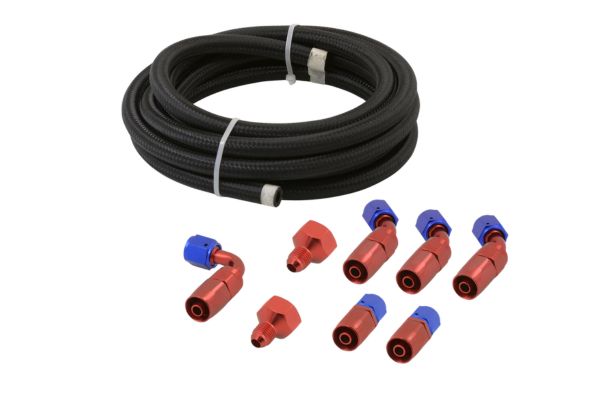
Topa supplies fuel line fittings in AN, NPT, NPTF and ORB connection types, with push-lock, crimp, hose-barb, banjo, PTFE, bulkhead, elbow and tee configurations. Available materials and finishes depend on the fuel type, operating pressure, temperature range and connection design.

For quotation, send the required part numbers, connection sizes, hose or tube specifications, material, finish, quantities per SKU and intended application. Drawing-based and private-label requirements can be reviewed for qualified production programs.

Fuel line hose barb factory

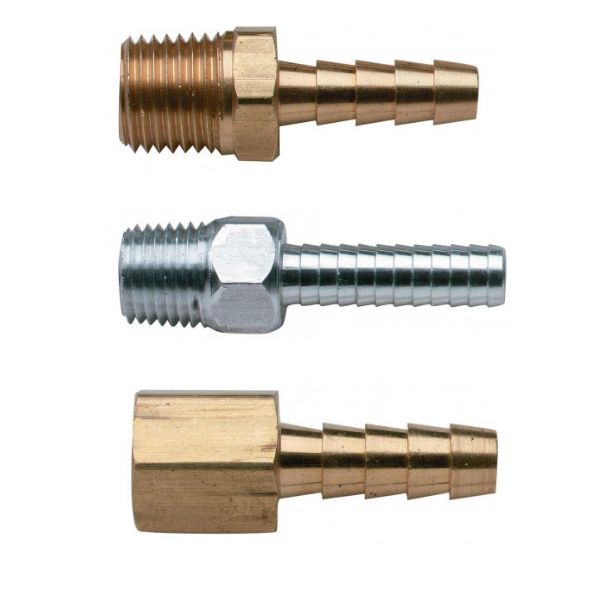
Fuel Line Hose Barb

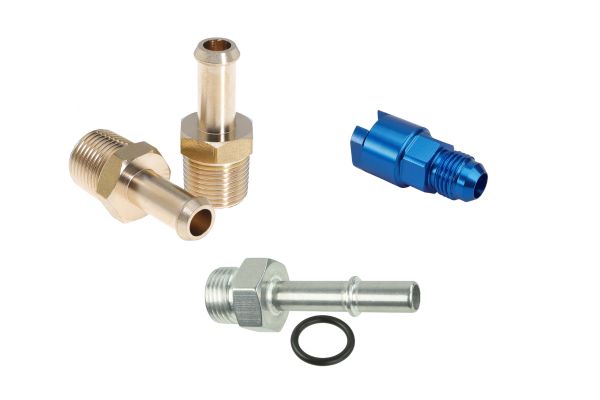
Fuel line hose barbs connect compatible flexible hose to a threaded port, with barb profile and hose dimensions matched to support proper retention and sealing.

push lock fuel line fitting manufacturer

Push Lock Fuel Fitting

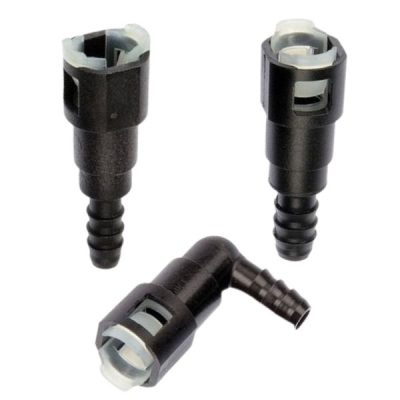
Push-lock fuel fittings connect compatible push-on hose without a separate crimp sleeve, subject to the approved hose construction, pressure, temperature and fuel type.

An fuel fitting factory

An Fuel Line Fittings

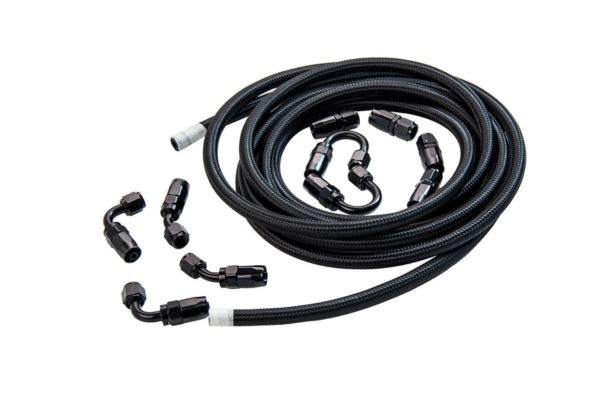
AN fuel line fittings use a 37° flare interface to form a metal-to-metal seal and are available in straight, elbow, tee, bulkhead and transition configurations.

ptfe fuel lines wholesale

PTFE Fuel Line Fittings

PTFE fuel line fittings are designed to match specified PTFE hose constructions for fuel, oil and other chemically demanding fluid systems.

Bulkhead fuel line fitting factory

Bulkhead Fuel Line Fitting

Bulkhead fuel line fittings provide a secure connection through fuel tanks, panels or partitions, with locking nuts used to hold the fitting in position.

Fuel line elbow fitting wholesale

Fuel Line Elbow Fitting

Fuel line elbow fittings change the routing direction within limited installation space and are available with different thread, flare and angle combinations.

1 /4 90 degree fuel line fitting supplier

90 Degree Barb Fuel Line Fitting

Brass 90-degree hose-barb fittings connect flexible fuel hose while redirecting the line around equipment, tanks or other installation obstructions.

fuel line quick connect factory

Fuel Line Quick Connect

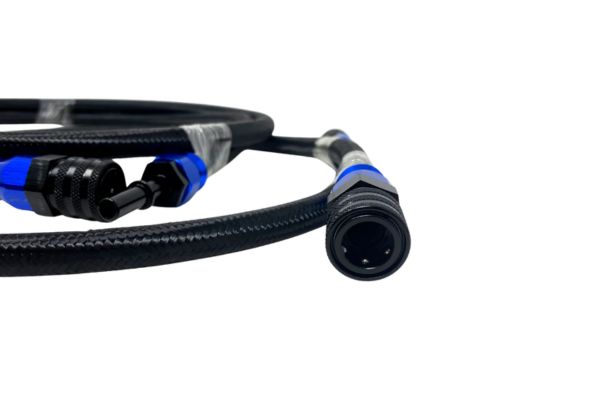
Fuel line quick connectors provide a detachable hose connection using a matched plug, socket, locking mechanism and fuel-compatible sealing element.

fuel line reducer supplier

Fuel Line Reducer

Fuel line reducers connect two compatible fuel hoses or ports of different sizes, with barb dimensions, thread type, material and sealing method selected for the system.

Fuel Line Tee Fitting

Fuel line tee fittings divide or combine fuel flow through three connections and are available with specified flare, thread or hose-end interfaces.

fuel tank fitting wholesale

Fuel Tank Fitting

Fuel tank fittings connect a tank port to compatible fuel hose or tubing, with the interface size, sealing method and material selected according to the tank design.

fuel tank bulkhead fitting manufacturer

Fuel Tank Bulkhead Fitting

Fuel tank bulkhead fittings pass through the tank wall and use a specified sealing and retaining structure to create a fixed connection for the fuel line.

marine fuel line fittings supplier

Marine Fuel Line Fittings

Marine fuel line fittings connect compatible hoses and threaded ports in boat fuel systems, with material and sealing requirements selected for the operating environment.

Brass Fuel Line Fitting

Brass fuel line fittings are available in straight, elbow, tee and adapter configurations for compatible fuel hose, tubing and threaded connections.

Topa Factory Video

This video presents selected manufacturing stages for fuel line fittings, including raw-material preparation, CNC machining, thread and sealing-surface processing, cleaning, surface treatment, dimensional inspection, identification and packing.

For multi-SKU and recurring orders, Topa checks the connection type, thread dimensions, flare or sealing profile, hose or tube interface, material, finish and product identification against the approved specifications. Customers should submit part numbers, drawings, samples or key dimensions before quotation and production review.

Application

Fuel line fittings are used to connect compatible hoses, tubing, tanks, filters, pumps and engine components. Selection must be based on fuel compatibility, operating pressure, temperature, vibration, connection standard, hose or tube construction and applicable regulatory requirements.

fuel line fittings agriculture

Agriculture

The fuel hose fittings in the fuel tank system of large agricultural machinery will prevent leaks and corrosion, keep the machinery safe and reduce maintenance costs.

fuel fittign racing car Topa

Racing car

Professional racing cars require high-standard fuel fittings to ensure that they are not damaged, and Topa can provide the highest quality fuel fittings to reduce your maintenance costs.

fuel line fitting construction Topa

Construction

The construction industry has a high level of contaminants and a good fitting will prevent irreparable damage to the fuel tank from contaminants. So when choosing a fitting, choose the most suitable thread and size.

Contact us today!

Get more details and a quote for Topa fuel fittings!

Fuel Fittings Features

fuel line fitting Connecting lines

Connecting lines

The different components of a fuel system, such as fuel lines, tanks, engines, filters, etc., are usually connected by fuel line fittings. The design and specifications of each fitting will vary depending on the needs of the system. Proper selection of fittings ensures a tight connection between the lines, efficient fuel transfer, and proper system operation. In racing or high performance vehicles, these connections often have to cope with high pressures and flow rates, so high quality fittings must be used.

Sealed against leaks

Leaks at any point in the fuel system can lead to safety hazards such as fire or fuel loss. The sealing performance of fuel fittings directly determines the safety of the fuel system. For straight-threaded fittings, O-ring or O-ring Boss Seal sealing technology is usually used to ensure that there is no leakage in the connection. For tapered threaded fittings, the friction between the joints provides partial sealing due to the tapered design of the threads themselves, but sealants or gaskets are often relied upon to further enhance sealing.

Adapting to vibration and temperature changes

Vehicles in operation, especially racing or high performance vehicles, often experience intense vibration and temperature fluctuations. Fuel couplings need to be able to adapt to this environment and maintain a stable connection.

Vibration Adaptation: At high speeds or during track driving, a vehicle’s engine, chassis and lines can vibrate intensely. Fittings need to be designed to be robust enough to prevent loosening or seal failure due to vibration.

Temperature variations: The temperature of the fuel system may vary during prolonged operation or in hot environments. Fittings need to be able to cope with the effects of thermal expansion and contraction to maintain a good seal and connection. Some high-performance fittings use high-temperature-resistant materials (such as aluminum or stainless steel) to ensure long-term stability.

fuel line fitting kits

Material Selection

fuel line fitting Material

Metals

Brass:

Brass is more commonly used in low-pressure fuel systems because of its good corrosion resistance and ease of machining. It is effective in resisting corrosion from fuels such as gasoline and diesel and is suitable for general fuel line connections. However, it may not be as durable as other materials in high-pressure or high-temperature environments.

Stainless Steel:

Stainless steel is extremely resistant to high pressures and temperatures, making it ideal for high-performance applications such as racing or heavy-duty diesel systems. Its durability and stability make it the most common material used in fuel systems with high performance requirements.

Nickel-plated steel:

Nickel-plated steel is typically more resistant to corrosion than pure steel and is relatively inexpensive, commonly found in stock or standard automotive parts. Nickel plating effectively prevents oxidation and rust and is suitable for general gasoline or diesel fuel systems.

Plastics/Composites

Nylon (PA):

Lightweight and with good oil and chemical resistance, nylon is commonly used for quick connectors (e.g., quick connectors). It is suitable for low to medium pressure environments and can withstand certain temperatures and chemicals, but may lose its strength with prolonged exposure to high temperatures.

Polyamide (PTFE):

PTFE (commonly known as Teflon) is a very high temperature and chemical resistant material that is particularly suitable for complex fuel types such as blends containing ethanol or high temperature applications. It is very chemically resistant to chemical reactions and corrosion in fuel systems and is commonly used for high grade fuel lines and connections.

Fuel line adapter supplier

Key Factors in Selection

Fuel Type

Chemical compatibility: Different types of fuel, such as gasoline, diesel, and ethanol-based fuels, have different chemical compositions and corrosive properties. Accessory materials must be compatible with the fuel used to avoid corrosion or damage to the system. For example, ethanol-based fuels are more corrosive than conventional gasoline, so corrosion-resistant materials (e.g., stainless steel, aluminum alloy coatings, etc.) must be used to ensure the safety and long life of the fuel system.

Pressure Ratings

High Pressure System Requirements: Modern high performance engines (especially direct injection engines) are often subjected to high fuel pressures. In this case, the fuel fittings need to be more pressure resistant. Metal threaded fittings are the more common choice as they are able to withstand higher pressures than plastic fittings, ensuring a tight and safe system.

Low-pressure and conventional systems: For low-pressure systems or conventional fuel injection systems, fittings suitable for low-pressure operating environments can be selected, usually made of plastic or aluminum alloy.

Temperature range

High Temperature Resistance Requirements: Certain fuel systems (e.g. turbocharged engines) can generate high temperatures, especially in components close to the engine or exhaust system. Therefore, fuel fittings need to be able to withstand high temperatures to prevent breakage or failure due to overheating. Commonly used high temperature resistant materials include stainless steel and titanium alloys.

fuel fitting kits

Low Temperature Performance: Vehicles used in cold climates also need to ensure that the fittings are able to withstand changes in fuel flow at low temperatures to prevent joints from freezing or leaking.

Regulatory Standards

Applicable standards depend on the connector type, vehicle system and intended market. For example, selected fuel-line quick connectors may be evaluated against SAE J2044 requirements. Required standards, test methods and documentation should be confirmed for each product and purchasing program.

Have any questions?

Ask us anytime and our experts will provide you with professional answers.
Choose Topa

More Than Just a Hydraulic Fittings Manufacturer

Topa Services highlight our commitment to delivering quality, flexibility, and customer satisfaction. Whether you need custom solutions, or expert advice, we are here to support your hydraulic needs.

Multi-SKU Supply

Different fitting types, connection sizes and configurations can be organized within an approved purchasing list.

Specification Control

Confirmed drawings, thread details, sealing profiles, materials and finishes are recorded before production.

Batch Inspection

Key dimensions and visual requirements are checked during production and before packing.

Consistent Identification

Part numbers, product labels, bags and cartons can be specified to support receiving and warehousing.

Repeat-Order Reference

Approved specifications can be referenced for future production, subject to order review and change control.

OEM and Private Label

Drawing-based products, markings, labels and packaging can be evaluated for qualified purchasing programs.

Why Choose Topa Fuel Fitting

Topa’s fuel fittings are made from high-quality materials such as stainless steel and other corrosion-resistant alloys, ensuring that our fittings can withstand a wide range of harsh environmental conditions, whether it’s high temperatures, high pressures, or corrosive fuels. Our products are precision machined for superior durability and long service life, reducing replacement frequency and maintenance costs.

We follow strict industry standards in our manufacturing process to ensure the precision and sealing performance of every fitting. Whether it’s a straight-threaded or tapered fitting, Topa provides precision fittings that meet the highest standards to ensure that fuel systems operate reliably under high-pressure, high-speed operating conditions. Our fittings prevent leakage and pressure loss, increasing the efficiency and safety of the entire system.

Topa not only provides standardized fuel fittings, but also customized solutions according to customers’ needs. We understand that every project has different requirements, and we welcome customers to ask us about specific technical parameters or customization needs. Our professional team is always available to provide technical support and advice to ensure that your fuel system operates worry-free.

If you have any questions or need more information, please feel free to contact us!

Fuel fittings manufacturer Workshop

FAQ

What types of fuel line fittings does Topa supply?

Topa supplies AN, NPT, NPTF, ORB, hose-barb, push-lock, PTFE hose-end, banjo, bulkhead, elbow, tee, reducer and transition fittings for fuel-line systems. Available configurations depend on the required connection, hose or tube type, material and application.

What information is required for a fuel line fitting quotation?

Please provide the part numbers, connection types and sizes, hose or tube specifications, fitting configurations, materials, finishes, quantities per SKU, fuel type and destination country. Drawings, samples or existing supplier references can also be submitted for review.

Which materials are available for fuel line fittings?

Available materials include aluminum alloy, carbon steel, stainless steel and brass, depending on the fitting design and operating conditions. Material selection should consider fuel compatibility, pressure, temperature, corrosion exposure, mechanical strength and weight requirements.

Are fuel line fittings compatible with gasoline, diesel and ethanol-blended fuels?

Compatibility depends on the body material, seal material, hose construction, operating temperature and fuel composition. The exact fuel or fluid should be confirmed before quotation so the fitting, hose interface and sealing materials can be reviewed together.

How do I select the correct connection and size?

Confirm the connection standard, thread or interface size, sealing method, hose or tube dimensions and mating component. AN, NPT, NPTF, ORB, barb and quick-connect fittings use different identification and sealing systems and should not be selected by appearance alone.

Can Topa cross-reference an existing fuel fitting part number?

Existing part numbers, catalogs, drawings, samples and clear product photos can be used as identification references. Interchangeability is confirmed only after checking the connection standard, thread, sealing profile, key dimensions, material, hose interface and mating component.

Can different fuel fitting types and sizes be combined in one order?

Different fitting series, sizes, angles and materials can be organized in a multi-SKU purchasing list. Send the required quantity for each SKU so Topa can review production requirements, identification, packaging and delivery planning together.

Does Topa support custom and private-label fuel fittings?

Topa can evaluate drawing-based dimensions, special connection combinations, materials, finishes, laser marking, labels and packaging for qualified OEM and recurring purchasing programs. Technical feasibility and production requirements are reviewed before quotation.

How are fuel line fittings inspected before shipment?

Inspection can include material verification, thread and key-dimension checks, sealing-surface inspection, coating or anodized-finish checks, visual inspection and product identification review. Required test methods and acceptance criteria should be confirmed before production.

How does Topa maintain consistency for repeat orders?

Approved drawings, dimensions, materials, finishes, inspection requirements and packaging instructions can be recorded as the production reference. 
Get more information about products

hydraulic hose fitting catalog

Contact Topa

Save 30% on maintenance costs with our easy-install hydraulic fittings. Contact Now!