
Choosing between a globe valve vs ball valve depends on whether your system requires fine-tuned modulation or rapid, tight shut-off. You may find that selecting the wrong component leads to inconsistent pressure levels and accelerated wear on your piping network. These issues often manifest as high energy costs and frequent maintenance calls that disrupt your operational efficiency. By understanding the mechanical nuances of each design, you can implement a one-stop solution that ensures long-term stability and performance for your specific application.
How Do You Compare Globe Valve vs Ball Valve Design?
You compare the design of a globe valve vs ball valve by looking at the internal mechanism where globe valves use a linear plug and ball valves use a rotary sphere. The structural integrity of your system relies on these hydraulic fittings to manage flow velocity and pressure drops effectively. Choosing the right design prevents turbulence and cavitation that could otherwise damage your downstream equipment.
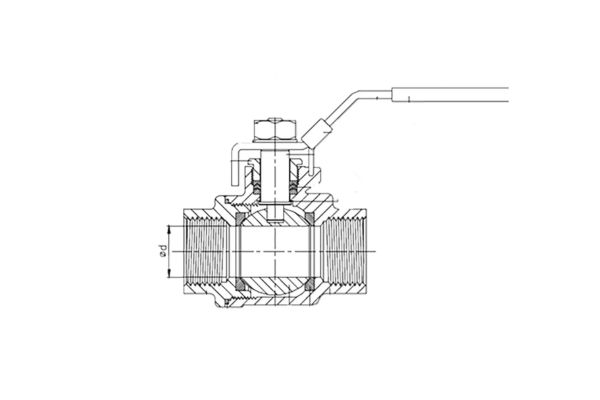
What Are the Core Structural Differences?
The globe valve features a spherical body separated by an internal baffle, which forces the fluid to change direction as it passes. This design allows you to have absolute control over the flow path, though it does result in a higher pressure drop. Conversely, the ball valve uses a simple through-hole design that offers a straight path for the fluid when fully open.
- Body Shape: Spherical for globe valves, cylindrical or rectangular for ball valves.
- Sealing Surface: Disk and seat in globe valves, ball and soft seats in ball valves.
- Flow Path: Tortuous S-path in globe valves, straight-through in ball valves.
- Stem Action: Linear rising stem versus quarter-turn rotary stem.
How Does Motion Type Affect Performance?
Linear motion in a globe valve allows for incremental adjustments, which is why you use it for precision throttling. You can move the plug closer to the seat in tiny steps to find the exact flow rate required. Rotary motion is much faster, providing a 90-degree turn that is perfect for emergency shut-offs or simple isolation tasks.
Which Interior Components Drive Fluid Flow?
The interaction between the plug and the seat in a globe valve is the primary driver of its flow regulation capabilities. You will notice that the shape of the plug can be customized to change the flow characteristic of the valve itself. Ball valves rely on the alignment of the bore with the pipe axis to dictate how much fluid can pass through at any given time.
This comparison helps you understand the physical constraints and mechanical advantages of each valve type in a standard piping environment.
| Feature | Globe Valve | Ball Valve |
| Motion Type | Linear | Rotary |
| Flow Path | Complex/Indirect | Straight-through |
| Throttling | Excellent | Limited |
| Pressure Drop | High | Low |
Which Flow Control Is Best in Globe Valve vs Ball Valve?
For precision throttling and stable flow regulation, the globe valve is clearly the best choice in the globe valve vs ball valve debate. While ball valves excel at stopping flow quickly, they often struggle with the turbulence created when the ball is only partially open. You will find that globe valves provide a much more predictable response when you need to maintain a specific set point over long periods.
How Does Linear Travel Compare to Rotary Action?
Linear travel allows you to map the valve position directly to the flow rate with high accuracy and repeatability. This mechanical advantage is critical when you are managing sensitive thermal loops that require constant, minor adjustments. Rotary action is less precise for modulation because the flow area changes rapidly during the first and last few degrees of the turn.
- Linear Control: Provides fine-grained resolution for automated control systems.
- Rotary Control: Best for high-speed operation where precision is secondary.
- Control Stability: Linear stems resist vibration better in high-pressure drops.
- Response Time: Rotary valves are faster but can cause water hammer if closed too quickly.
What Is the Equal Percentage Flow Characteristic?
The equal percentage characteristic ensures that each increment of valve travel produces a consistent percentage change in the existing flow. You need this feature in HVAC systems to balance the non-linear heat transfer characteristics of water-to-air coils. Globe valves are naturally suited for this, though some advanced ball valves use specialized discs to mimic this behavior.
Which Design Offers Better Throttling Precision?
The globe valve offers superior throttling precision because the plug remains stable even when it is very close to the seat. You do not have to worry about the “hunting” behavior often seen in lower-quality rotary valves trying to maintain a low flow rate. This stability ensures that your pumps and chillers operate within their most efficient design parameters.
Does Rangeability Differ in Globe Valve vs Ball Valve?
Rangeability is significantly higher in a globe valve compared to a globe valve vs ball valve comparison, often exceeding 50:1 or 100:1. This means you can maintain accurate control at very low flow rates, which is essential during off-peak hours in a large facility. High rangeability hydraulic adapters and valves ensure that your system doesn’t lose control when demand drops.
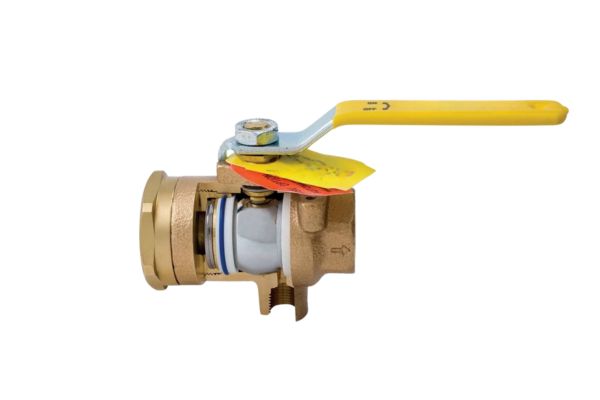
How Is the Flow Coefficient Calculated for Each?
The flow coefficient, or Cv, represents the volume of water that will flow through the valve with a pressure drop of one PSI. You calculate Cv by measuring the flow at different valve positions to create a performance curve. Globe valves typically have lower Cv values for their size because the internal path is more restrictive than a ball valve.
- Cv Measurement: Standardized tests determine capacity at 100% open.
- Path Impact: Straight paths in ball valves result in much higher Cv ratings.
- Sizing Accuracy: Lower Cv in globe valves allows for better sizing in small-diameter pipes.
- System Impact: Higher Cv reduces the energy required for pumping through the valve.
Which Valve Maintains Control at Low Flow Rates?
Globe valves maintain control at low flow rates because the plug design can be tapered to allow only a trickle of fluid. You will see this used frequently in steam applications where even a small amount of excess flow can cause temperature overshoots. Ball valves tend to become unstable at very low openings as the fluid velocity increases through the small crescent-shaped gap.
Which Close-off Is Tighter, Globe Valve vs Ball Valve?
In the contest of globe valve vs ball valve, the ball valve generally provides a tighter, bubble-tight close-off due to its floating ball design. The pressure of the fluid actually pushes the ball against the downstream seat, creating an increasingly tighter seal as pressure rises. This makes the ball valve the preferred option for isolation where you cannot afford any bypass leakage.
How Do Leakage Classifications Compare?
Leakage classifications range from Class I to Class VI, with Class VI representing the tightest “bubble-tight” seal available. Most ball valves easily achieve Class VI, while many globe valves are rated at Class IV or V. You must decide if your process can tolerate the minor weepage associated with metal-seated globe valves.
- Class IV: Common for metal-seated globe valves (0.01% of rated capacity).
- Class VI: Standard for soft-seated ball valves (zero visible leakage).
- Seat Material: Teflon or reinforced PTFE is common in ball valves.
- Application: Use Class VI for hazardous fluids or critical isolation.
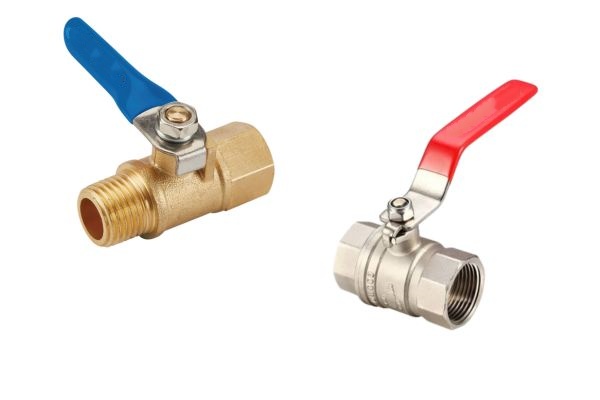
Which Design Better Prevents Fluid Bypass?
The rotary ball design prevents fluid bypass more effectively because the sealing surface is large and remains in constant contact with the seats. When you close a ball valve, the entire circumference of the bore is sealed off by the surrounding seat rings. Globe valves rely on a single point of contact between the plug and seat, which can be compromised by debris.
What Are the Costs of Using Globe Valve vs Ball Valve?
The initial purchase price of a globe valve vs ball valve is usually lower for the ball valve due to its simpler construction. However, you must consider the total cost of ownership, which includes the price of the actuator and the long-term energy costs associated with pressure drops. A cheaper valve that requires a massive actuator may end up costing you more than a high-quality integrated solution.
Which Option Requires a Lower Initial Investment?
Ball valves are mass-produced in a way that globe valves are not, which generally drives down their market price for standard sizes. You can often buy a high-quality stainless steel ball valve for a fraction of the cost of a comparable globe valve. This makes ball valves the primary choice for contractors working on tight budgets for terminal unit installations.
- Manufacturing: Ball valves involve fewer machining steps and less raw material.
- Size Range: Price gaps widen as the pipe diameter increases.
- Availability: Standard ball valves are often “off-the-shelf” items.
- Installation: Lighter weight reduces the labor cost during the initial build.
How Do Operational Expenses Impact Long-Term Value?
Operational expenses are driven by the energy used to pump fluid through the valve and the cost of maintenance over ten to twenty years. Because globe valves have a higher pressure drop, your pumps have to work harder, which increases your monthly electricity bill. You must weigh these energy costs against the precision benefits that a globe valve provides to your process.
Does Actuator Selection Change the Total Price?
Actuator selection can significantly shift the total price because globe valves require linear actuators that must generate high closing forces. You might find that the actuator for a 4-inch globe valve costs as much as the valve body itself. Ball valves use rotary actuators that are generally more compact and less expensive for the same pipe size and pressure rating.
Is Installation Simpler for Globe Valve vs Ball Valve?
Installation is simpler for the ball valve in a globe valve vs ball valve comparison because it is lighter and more compact. You can fit ball valves into tight ceiling spaces or crowded mechanical rooms where a globe valve would be too bulky. Ensuring your fittings meet SAE standards ensures that the installation remains leak-free regardless of the valve type you choose.

What Are the Physical Space and Weight Constraints?
Globe valves have a much larger “footprint” and can weigh twice as much as a ball valve of the same pipe size. You need to account for this extra weight when designing your pipe supports and hangers to prevent sagging or stress fractures. The height of the linear actuator on a globe valve also requires significant overhead clearance for maintenance access.
- Weight: Ball valves are 30% to 50% lighter on average.
- Length: Face-to-face dimensions are shorter for ball valves.
- Clearance: Rotary actuators are low-profile compared to rising stems.
- Handling: Smaller crews can install ball valves without heavy lifting gear.
Does Piping Orientation Affect Valve Performance?
Piping orientation is more critical for globe valves because they must be installed with the flow in a specific direction (usually under the seat). If you install a globe valve backward, the fluid pressure can pull the plug into the seat, causing severe vibration and noise. Ball valves are typically bi-directional, giving you more flexibility during the piping layout phase of your project.
Which Actuator Mounting Process Is More Efficient?
The actuator mounting process for ball valves is highly standardized thanks to ISO 5211 mounting pads. You can swap actuators from different manufacturers with ease, knowing the bolt patterns and shaft dimensions will match. Globe valve actuators often require custom linkages and precise stem-height adjustments that make the mounting process more time-consuming for your technicians.
Conclusion
Whether you are designing a new steam plant or upgrading a domestic water loop, we can provide the high-quality components and technical guidance you need. Our team is ready to help you navigate these specifications to find the most cost-effective and durable solution for your business. For any questions regarding sizing, material compatibility, or customized fittings, please contact us today. We are committed to being your long-term partner in achieving industrial excellence and system reliability through superior hydraulic technology.
FAQ
Can I use a ball valve for steam throttling?
No, you should avoid this because standard ball valves have soft seats that will melt or erode quickly in steam service. The high-velocity steam will cause “wire-drawing” on the ball and seats, leading to permanent leaks and loss of control within a very short time.
What’s the best valve for an emergency fuel shut-off?
A ball valve is the best choice for this application because it provides a “bubble-tight” seal and can be closed in a quarter-turn. In a fire or leak scenario, you need the rapid, reliable isolation that only a rotary ball design can provide.
How do I know if my globe valve is installed backward?
You can tell by checking for excessive noise, vibration, or a “hammering” sound when the valve is close to the seat. Most globe valves have an arrow cast into the body showing the required flow direction; if the fluid enters above the seat instead of below it, the valve will behave poorly.
Can I replace a globe valve with a ball valve to save energy?
Yes, you can, provided that the application is for water and you select a “characterized” ball valve with a throttling disc. This will give you the low pressure drop of a ball valve while maintaining the control performance required for your HVAC coils.
Is it possible to repair a leaking ball valve seat?
No, in most cases, it is more cost-effective to replace the entire valve rather than attempt to repair a ball valve seat. Because the seats are typically pressed into the body at the factory, the labor involved in disassembly and reassembly usually exceeds the price of a new unit.