
One small replenishment order can require a stock check, request for quotation, technical clarification, approval, purchase order, payment step, confirmation, tracking, receiving inspection, stock posting, and invoice reconciliation. Most of those touches occur whether the carton contains a few fittings or a much larger planned mix. Frequent small fitting orders increase purchasing workload because the transaction cycle repeats more often than the physical demand requires. A hose shop can reduce avoidable work by mapping every touchpoint, standardizing product data, and consolidating appropriate demand without postponing safety-critical replenishment or creating excessive slow-moving stock.
Count Every Touch in One Replenishment Cycle
Purchasing work begins before an order is sent and continues after the hydraulic fitting reaches the shelf. Counting only the purchase order hides the repeated communication and control tasks surrounding it.
The cycle starts with demand detection
Someone notices a low bin, checks system quantity, considers reserved stock, reviews open orders, and confirms the exact SKU. If descriptions are incomplete, staff may need photos, drawings, thread measurements, hose-side information, or a prior receipt before they can request the correct item.
The external cycle then includes RFQ preparation, supplier response review, price and lead-time confirmation, approval, order issue, acknowledgment, payment or credit processing, shipment tracking, and exception handling. After delivery, receiving must compare the carton with the order, inspect identity and condition, post stock, route discrepancies, and reconcile the invoice.
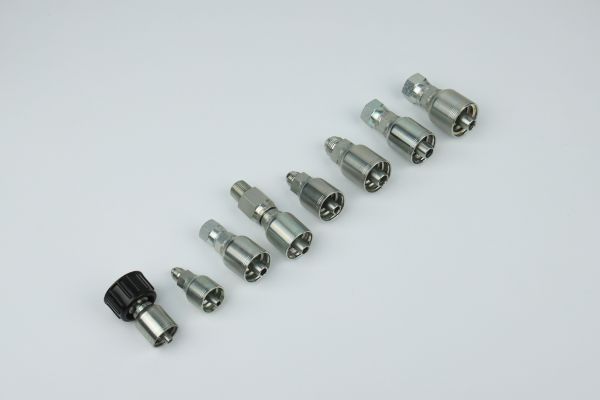
Small value does not remove control steps
A low-value order may receive a shorter approval path, but it still needs an accurate description and controlled receipt. Skipping those checks increases wrong-SKU, duplicate-order, and invoice errors. The shop should therefore distinguish necessary controls from avoidable repetition, not simply ask staff to work faster.
Audit one recent cycle by listing:
- trigger and person who noticed demand;
- systems, messages, and documents opened;
- clarification exchanges and waiting points;
- approvals, payment actions, and order changes;
- tracking checks and delivery follow-up;
- receiving, discrepancy, posting, and invoice touches.
Repetition Occurs Regardless of Order Value
The fixed administrative pattern explains why many small orders can consume disproportionate attention. Each transaction creates another reference number, communication thread, expected arrival, receipt, and invoice to control.
Similar work returns with each order
Purchasing may request the same fitting family several times in one month because bins are reviewed separately or staff react only after a shortage. Every cycle requires context rebuilding: which revision applies, whether an existing order is open, what quantity is free, and which jobs are waiting.
Receiving experiences the same fragmentation. Multiple cartons require separate unloading, document matching, counting, identity checks, discrepancy handling, stock transactions, and bin movement. Accounts staff then reconcile several invoices and freight lines instead of one controlled order.
Fragmentation reduces visibility
When orders are scattered across emails, messages, and separate approvals, the shop can lose sight of total committed quantity. One person may place an urgent order while another has the same SKU in transit. A small-order habit can therefore increase both workload and unintended inventory.
Use a shared open-order view containing SKU, ordered quantity, promised date, status, related job, and buyer. Visibility should precede consolidation; otherwise combining demand may merely create a larger duplicate.
Consolidation Can Remove Avoidable Touches
Order consolidation helps when several genuine requirements can enter one planned purchasing cycle without increasing service risk. Its purpose is to reduce repeated transactions, not to force every SKU into a large order.
Consolidate by compatible decision window
Group demand that can wait until the same review date, uses compatible shipping or supplier channels, and has verified descriptions. Common replenishment items may fit a regular order calendar. Rare items can remain special-order, while emergency-critical shortages follow an exception path.
Mixed orders can combine different fitting SKUs, but each line still needs a complete identity. Combining vague lines increases clarification and receiving mistakes. The order should preserve connection, size, hose side, fitting series, orientation, material or finish requirement, and revision where applicable.
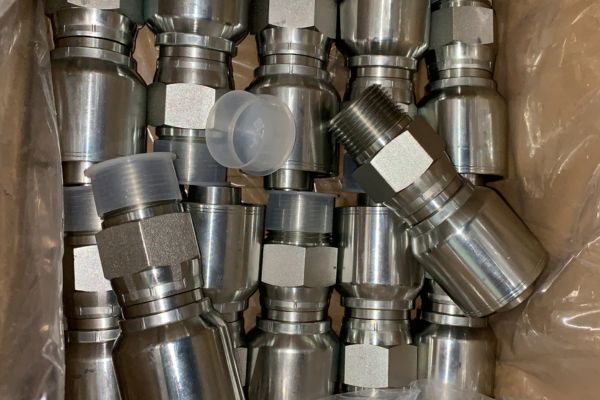
Balance fewer orders against excess stock
Consolidation is not automatically efficient if it produces years of slow-moving inventory. Review actual use, open jobs, on-hand and reserved quantity, lead time, minimum order conditions, storage capacity, obsolescence exposure, and working-capital limits.
Possible outcomes include:
- add a proven fast mover to the next scheduled order;
- retain a rare but service-critical SKU at a justified level;
- special-order a rare noncritical fitting for a confirmed job;
- delay a nonurgent line until evidence supports replenishment;
- expedite a safety-critical or job-blocking shortage separately.
Reorder Calendars and Thresholds Reduce Reactive Buying
A defined review rhythm moves purchasing from isolated alerts to a controlled queue. It does not require one universal formula; each SKU group can use evidence suited to its demand and service role.
Calendars create a planned decision point
Set review dates for common fitting families or supplier channels. At each date, examine on-hand stock, reservations, open orders, actual usage, known jobs, and current lead-time evidence. Staff can collect needs between reviews instead of launching a new transaction whenever one bin appears low.
A calendar should not block urgent replenishment. Create a clear exception for a job-stopping shortage, safety-critical part, or unexpected demand. Record why the exception occurred so the shop can distinguish necessary frequent ordering from avoidable reaction.
Thresholds must use usable stock
A reorder trigger should consider free stock rather than the system balance alone. Quarantined, damaged, technically unresolved, or reserved fittings are not available for new jobs. Open orders should count only with credible quantity and arrival information.
Demand varies by SKU, local equipment, season, and service urgency, so avoid universal quantities. Review whether each trigger produces timely orders without repeatedly leaving excess material on the shelf.
Standard Product Descriptions Prevent Clarification Loops
Clear line data reduces questions at RFQ, confirmation, receiving, and invoice stages. It also prevents faster purchasing from becoming inaccurate purchasing.
Identify both sides of the fitting
On the connection side, record standard, thread diameter, pitch or TPI, straight or tapered form, male or female connection, seat or sealing face, O-ring position, and angle. On the hose side, record hose size, compatible fitting series, stem or tail identity, and applicable product code.
A one-piece fitting has a stem or body and ferrule retained or preassembled, with construction varying by series. That does not guarantee compatibility with every hose of the same dash size. Current hose, fitting, crimper, die, preparation, and crimp data remain necessary.
Use one controlled item record
Connect internal SKU, supplier code, full description, revision, approved sources, and inspection points. Do not let each buyer rewrite the line from memory. When a supplier proposes a substitute, route it through technical review instead of changing the order description informally.
Fast clarification is valuable only when the answer is complete and accurate. An incorrectly ordered fitting creates more touches through return, credit, reordering, and delayed work.
Receiving and Invoices Are Part of the Workload
Purchasing efficiency must include downstream handling. A plan that reduces PO creation but increases mixed-up receipts or invoice discrepancies has shifted work rather than removed it.
Standardize receipt checks by risk
Receiving should match purchase order, packing document, SKU, quantity, revision or trace reference, label, and condition. Agreed critical features may also require inspection. Similar-looking threads and sealing forms should remain separated and clearly labeled.
Urgency does not justify sending an unchecked carton directly to production. Before a repair, stop and isolate the equipment, release pressure and stored energy, secure raised loads, and follow lockout and manufacturer procedures. Never use an uncertain substitute to avoid another order cycle.
Make invoice matching predictable
Use consistent PO references, line descriptions, unit conventions, freight treatment, and receipt posting. Record partial and split shipments so an invoice is not matched against material still missing. Assign discrepancy ownership rather than reopening the same question across purchasing, receiving, and accounts.
| Purchasing step | Repeated work | Possible standardization |
| Demand check | review stock, reservations, and open orders | shared free-stock and open-order view |
| RFQ | rewrite item and quantity details | controlled SKU description and request template |
| Approval and PO | repeat routing and data entry | planned order calendar and approved limits |
| Tracking | check many shipment threads | exception-based shipment status board |
| Receiving | match many small cartons | risk-based checklist and clear PO references |
| Invoice | reconcile repeated lines and freight | consistent receipt posting and discrepancy codes |
Audit Necessary and Avoidable Order Frequency
The final review should identify which small orders protect service and which arise from weak planning, descriptions, or visibility. Eliminating all frequent orders would be as unhelpful as accepting every reactive purchase.
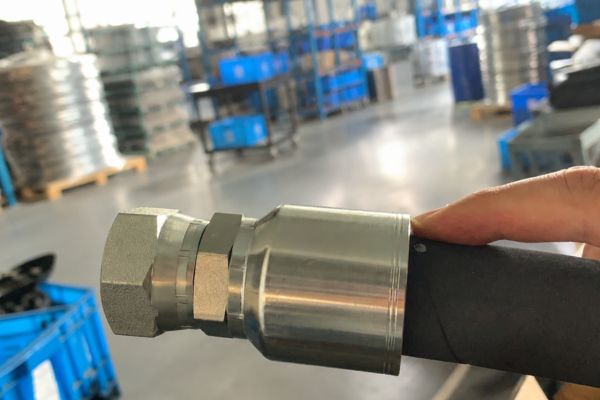
Classify each recent order
Label an order as planned replenishment, confirmed special job, emergency exception, correction of a wrong order, duplicate caused by poor visibility, or reaction to a missed trigger. Then count touchpoints and clarification loops for each category without inventing labor-hour savings.
Investigate repeated avoidable categories. A missed trigger calls for review discipline; an incorrect line calls for better master data; a duplicate calls for open-order visibility; repeated emergencies on one SKU may call for revised replenishment.
The audit should also distinguish a purchase transaction from a line item. One mixed order may contain several technically different fittings but still use one approval, confirmation, shipment record, receipt event, and invoice reference. Conversely, a single SKU bought through several urgent releases creates several transactions even if total quantity appears modest. Compare both views so the team does not mistake a lower line count for a lower administrative burden.
Review exceptions individually before changing policy. A special-order fitting tied to a confirmed repair may be exactly the right small purchase, while repeated top-ups of a predictable fast mover may reveal poor scheduling. Document the operational reason, not a judgment about the buyer. The evidence should lead to a specific control that prevents recurrence without blocking legitimate flexibility.
Use the audit to simplify the process
Ask whether the transaction could join a scheduled order, whether quantity would create excess stock, whether the item description is reusable, and whether receiving and invoice references are complete. Test any new calendar or template on a small group of fitting SKUs before expanding it.
Preserve the original transaction data so the shop can compare later cycles. The goal is fewer unnecessary touches with equal or better technical control, not simply fewer purchase orders on a report.
After a small pilot, compare clarification counts, duplicate orders, receipt discrepancies, and emergency exceptions. These are observable process signals; they show whether standardization removed work or merely moved it to another department. If a change reduces PO creation but increases stock searches or invoice disputes, revise the workflow before applying it to more SKUs.
Conclusion
Frequent small fitting orders increase purchasing workload because every cycle repeats demand checks, RFQs, clarification, approvals, confirmation, tracking, receiving, and invoice reconciliation. A transaction-touchpoint audit shows which orders are necessary service exceptions and which result from missed triggers, vague SKU data, or poor open-order visibility. Consolidate only demand that shares a safe decision window, and balance fewer transactions against slow-moving inventory and working-capital exposure. Standard product descriptions and controlled receiving prevent efficiency changes from increasing wrong-part risk. Reorder calendars, usable-stock thresholds, and clear exception paths then reduce avoidable reactive buying without delaying safety-critical needs. The practical objective is a simpler purchasing process that preserves exact fitting identity and reliable hose-shop service.
Frequently Asked Questions
Can a standard RFQ reduce small-order workload?
Yes, a reusable RFQ can prevent repeated data entry and missing fields. It must still identify each exact fitting, quantity, revision need, delivery requirement, and technical clarification rather than using a generic family name.
Are standing orders suitable for every fitting SKU?
No, they suit demand with sufficient repeatability and controlled terms. Rare, changing, or technically unresolved items may need job-specific review rather than automatic release.
Do mixed fitting orders always improve efficiency?
No, mixed orders help only when each line is accurate and the combined quantity remains justified. Poor descriptions or excessive slow movers can create more receiving and storage work.
Why do small orders create invoice workload?
Each order can produce a separate invoice, freight line, partial receipt, discrepancy, and reconciliation task. Consistent PO references and receipt posting reduce confusion but do not remove the transaction.
Should emergency purchases wait for the next consolidated order?
Not when waiting would create unacceptable service or safety risk. Use a controlled exception, verify the exact item, and record the cause so recurring emergencies can inform future replenishment.