
Matching hydraulic fittings for older tractors requires identifying the specific thread type, seat angle, and sealing method using a caliper and a pitch gauge rather than relying on visual guesswork. Vintage agricultural machinery frequently mixes legacy regional standards like NPT, JIC, and British Standard Pipe (BSP), making precise field measurements critical before ordering replacement components.
Why Do Vintage Tractor Hydraulic Threads Cause Leakage?
Vintage tractor hydraulic threads cause leakage primarily because decades of wear distort the sealing seats and operators frequently force mismatched imperial and metric threads together during field repairs. Legacy agricultural machinery often incorporates proprietary or obsolete standards that do not seal correctly against modern high-pressure components without specialized adapters.

Mismatched Thread Pitches In Vintage Machinery
Identifying thread pitch discrepancies prevents high-pressure fluid bypass at the coupling interface. Older tractors frequently combine British Standard Pipe Parallel (BSPP) and American National Pipe Taper (NPT) connections which appear deceptively identical to the naked eye.
- The pitch profile of an NPT thread utilizes a 60-degree angle.
- BSPP threads utilize a 55-degree angle profile that prevents proper seating with NPT.
- Forcing these two standards together destroys the crest of the threads instantly.
If you do not verify the pitch with a dedicated gauge, the coupling will fail under standard operating pressures. Sourcing the correct hydraulic hose fittings ensures that the mating surfaces lock together seamlessly without causing thread deformation.
Corroded Sealing Surfaces and Metal Fatigue
Corrosion completely undermines the mechanical integrity of metal-to-metal flare connections over long service periods. Agricultural environments expose older couplings to fertilizer residue, moisture, and extreme vibration, leading to micro-pitting along the critical sealing radius.
- Rust pitting creates microscopic escape paths for pressurized oil.
- Over-tightening worn fittings deforms the soft copper or steel flare seats permanently.
- Component fatigue reduces the maximum torque tolerance of the female casting port.
You can tighten a compromised fitting until the hex nut strips, but it will continue to weep fluid under load. Utilizing proper thread verification techniques keeps your vintage machinery operating at peak hydraulic efficiency.
| Thread Type | Sealing Angle | Primary Application | Common Failure Mode |
| NPT (Tapered) | 60 Degrees | North American Legacy Systems | Thread Stripping from Over-torque |
| BSPP (Parallel) | 55 Degrees | European Vintage Tractors | O-Ring Extrusion and Face Leaks |
| JIC (Flared) | 37 Degrees | Standard Agricultural Implements | Seat Deformation from Over-tightening |
How Do You Measure Legacy Hydraulic Fittings Accurately?
You measure legacy hydraulic fittings accurately by utilizing a digital vernier caliper to determine the exact outside or inside diameter and a thread pitch gauge to count the individual threads per inch or millimeter distance. Visual cross-referencing alone introduces unacceptable errors due to nominal sizing conventions used in agricultural plumbing.
Utilizing Digital Calipers For Diameter Verification
Digital calipers eliminate human error when capturing fractional dimension variations on worn male and female threads. Measuring the major diameter of a male thread requires placing the caliper jaws squarely across the outermost thread ridges.
- Caliper alignment must remain perfectly perpendicular to the fitting centerline.
- Minor diameter checks on female ports require using the upper caliper tips carefully.
- Recording measurements in both decimal inches and millimeters simplifies cross-referencing.
Having precise decimal readings allows you to match your old tractor components with modern replacement charts without confusion. This straightforward measurement routine protects your hydraulic pumps from contamination caused by loose, weeping joints.
Identifying Thread Pitch Counts Correctly
Thread pitch gauges isolate the precise spacing between individual thread crests to confirm the underlying engineering standard. You must press different pitch leaf blades into the thread profile until absolutely no light passes between the gauge and the metal surface.
- Metric threads measure the distance from one crest to the next in millimeters.
- Imperial threads count the total number of individual crests per axial inch.
- Minor pitch variations like 18 versus 19 threads per inch cause immediate cross-threading.
A single miscalculated thread pitch can sideline your tractor for weeks while you wait for a custom machining repair. Sourcing components based on verified dimensions protects your entire operational workflow.
| Measurement Location | Ideal Tool | Metric Format | Imperial Format |
| Male Thread OD | Outer Caliper Jaws | Millimeters (mm) | Decimal Inches (in) |
| Female Port ID | Inner Caliper Tips | Millimeters (mm) | Decimal Inches (in) |
| Crest Distance | Pitch Gauge Leaves | Pitch in mm | Threads Per Inch (TPI) |
What Sealing Methods Exist On Older Tractor Hydraulics?
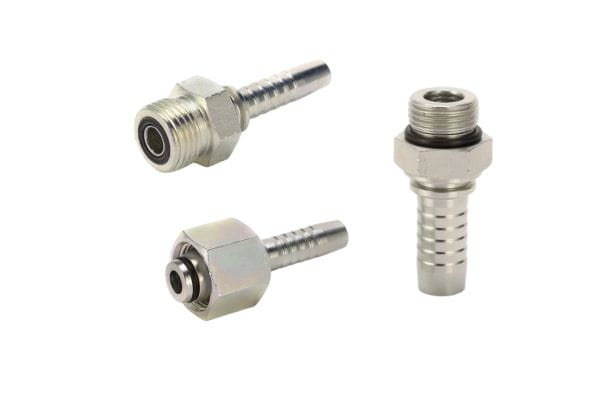
The sealing methods on older tractor hydraulics rely either on the mechanical deformation of tapered metal threads, a highly precise 37-degree or 45-degree mated metal flare seat, or an elastomeric O-ring compressed inside a machined groove. Understanding which method your tractor utilizes prevents you from misapplying thread sealant or omitting critical rubber washers during reassembly.
Tapered Threads Versus Parallel Threads
Tapered threads achieve a pressure-tight seal by wedging the metal flanks together as the fitting is driven into the mating port, whereas parallel threads require an auxiliary sealing element. Understanding how to match hydraulic fittings on older tractors involves distinguishing between these two geometry profiles instantly.
- Tapered threads always require PTFE tape or paste to lubricate the joint.
- Parallel threads rely entirely on an O-ring or a bonded washer for containment.
- Mixing a parallel male fitting into a tapered female port causes immediate structural cracking.
If the fitting stops turning after only two full rotations, you are likely forcing a tapered thread into a parallel port. Identifying this mismatch early saves your expensive hydraulic valves from irreversible structural casing damage.
Flared Mating Seats and Compression Seals
Flared mating seals use a high-precision angled nose to create a reliable metal-to-metal barrier without any chemical sealants. Joint integrity depends completely on the perfect alignment and cleanliness of the internal convex and concave mating surfaces.
- JIC fittings utilize a distinct 37-degree seating angle profile.
- SAE agricultural fittings often employ a 45-degree angle configuration.
- Dirt particles trapped between these metal seats cause severe high-velocity fluid erosion.
Even a microscopic scratch across a JIC flare nose allows high-pressure oil to cut a permanent leak channel through the metal. Keeping these angled surfaces clean ensures your legacy machinery maintains its lifting capacity during heavy fieldwork.
| Sealing Type | Auxiliary Seal Required | Maximum Pressure Rating | Reusability Factor |
| Metal Taper | Yes (PTFE / Paste) | Low to Medium | Poor (Threads Deform) |
| Mated Flare | No (Metal-to-Metal) | High Pressure | Excellent (Up to 5 Times) |
| O-Ring Face | Yes (Nitrile / Viton) | Ultra-High Pressure | Good (Replace O-Ring Only) |
What Is The Step-By-Step Process For Field Identification?
The step-by-step process for field identification consists of cleaning the dirty fitting thoroughly, counting the thread pitch, measuring the major diameter, checking the internal seating angle, and verifying your data against an official hydraulic standard chart. Skipping any of these steps leads directly to ordering incorrect parts and extending costly machine downtime.
Preparing and Cleaning Worn Hydraulic Components
Cleaning the damaged fitting with solvent and a brass wire brush removes baked-on grease, paint layers, and grit that distort caliper measurements. You cannot obtain an accurate thread pitch reading if debris is packed into the roots of the thread profiles.
- Wipe the component completely dry with a lint-free shop towel.
- Inspect the thread flanks for hidden cracks or previous cross-threading marks.
- Illuminate the internal seats with a flashlight to verify the sealing face condition.
A fraction of a millimeter of packed mud can make a standard JIC fitting look like a metric thread on a digital caliper screen. Clean components guarantee that your field data reflects the true manufacturing dimensions of the tractor.
Verifying Mating Configurations Against Standard Charts
Cross-referencing your physical measurements against a comprehensive technical dimension table isolates the exact nominal hose size required for procurement. You must match your recorded outside diameter and pitch count simultaneously to ensure a positive identification.
- Compare measured millimeters to standard metric thread steps like M16 or M18.
- Check imperial measurements against fractional nominal sizes like minus-eight or minus-ten.
- Confirm whether the fitting requires a specialized adapter to mate with modern hoses.
| Step | Objective | Primary Action | Critical Metric |
| 1 | Debris Removal | Wire brush thread roots until bare metal shows | Zero residue in thread grooves |
| 2 | Pitch Detection | Press gauge leaf firmly into three consecutive threads | Perfect tooth engagement |
| 3 | Diameter Check | Measure maximum outer diameter of male threads | Record dimensions to two decimals |
What Are The Risks Of Using Incorrect Hydraulic Adapters?
The risks of using incorrect hydraulic adapters include sudden high-pressure line blowouts, catastrophic thread stripping on expensive pump castings, and severe system fluid contamination caused by metal shavings shearing off during forced installation. Shortcuts in agricultural plumbing directly threaten operator safety and ruin expensive hydraulic components.
Catastrophic High-Pressure Line Blowouts
A mismatched fitting may hold pressure temporarily at idle but can fail violently when the tractor loader or implement hits a sudden mechanical resistance point. Hydraulic systems on older tractors easily generate pressures exceeding two thousand pounds per square inch.
- Pinched or mismatched threads strip completely under sudden pressure spikes.
- Escaping hydraulic fluid atomizes into a highly dangerous flammable mist instantly.
- A sudden line separation drops heavy front-end loader attachments without warning.
A high-pressure blowout can disable your machinery instantly and expose operators to severe physical injury. Using correctly matched adapters is the only way to ensure structural integrity across your entire hydraulic plumbing circuit.
Destructive Thread Shearing in Cast Iron Components
Forcing an incorrect thread standard into a vintage cast iron valve port causes permanent structural cracks that ruin the entire housing block. Cast iron possesses excellent compressive strength but cracks easily when subjected to radial expansion stresses from forced tapered threads.
- Soft steel fittings act like a machining tap inside aged cast iron ports.
- Sheared metal flakes drop directly into the oil galleries behind the valve.
- Repairing a cracked hydraulic block often requires a complete tractor teardown.
A simple ten-dollar replacement hose can transform into a three-thousand-dollar component replacement job if you cross-thread the main control block. Verifying your adapter configurations completely eliminates this unnecessary mechanical risk.
| Improper Action | Immediate Consequence | Long-Term System Impact |
| Forcing NPSM into BSPP | Thread stripping under load | Fluid loss and pump cavitation |
| Over-torquing Tapered Male | Cracked cast iron valve port | Scrap housing block replacement required |
| Omitting O-ring on Parallel | Continuous high-velocity weeping | Soil contamination and low pressure |
How Do You Convert Obsolete Tractor Hydraulic Ports To Modern Standards?
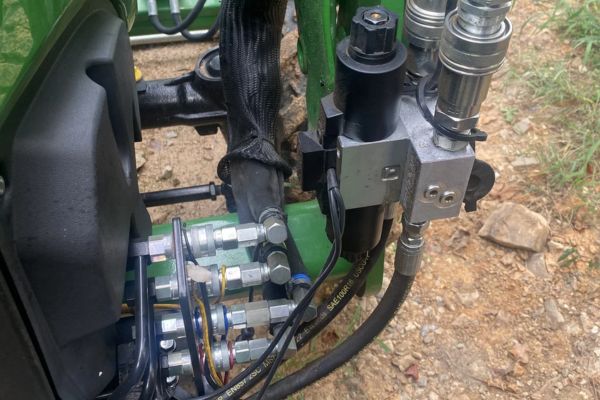
You convert obsolete tractor hydraulic ports to modern standards by installing a semi-permanent conversion adapter that matches the legacy thread on the machine side and presents a standard JIC or ORFS male connection on the hose side. This modernization strategy allows you to source inexpensive, standard replacement hoses from any local supplier during a breakdown.
Selecting Semi-Permanent Jump Size Adapters
Jump size conversion adapters bridge the gap between unusual vintage port dimensions and readily available modern hydraulic hose ends. These solid steel blocks are engineered to remain permanently threaded into your tractor’s main control valves.
- The male port end utilizes the exact legacy thread identified during your field audit.
- The outward-facing end standardizes the circuit to modern JIC or O-Ring Face Seal.
- High-tensile steel construction ensures the adapter handles maximum system pressures easily.
Once these conversion blocks are securely locked into place, you never have to repeat the tedious legacy measurement process during future hose replacements. This modification updates your vintage tractor plumbing to modern industrial service standards.
Ensuring Adequate Physical Clearance For Adapters
Installing bulky conversion adapters requires verifying that the new fittings do not interfere with mechanical control linkages or structural tractor frame components. Older tractor cockpits and engine bays feature tight layout configurations that restrict component space.
- Use 90-degree or 45-degree angled adapters to redirect hose routing cleanly.
- Verify that full lever movement does not pinch or rub against the newly installed lines.
- Maintain minimum bend radii on all connected rubber hoses to prevent premature kinking.
An adapter that points straight into a steering linkage will shear off the first time you turn the tractor wheel. Careful routing analysis ensures your hydraulic modernization project improves utility without creating mechanical interference points.
| Target Legacy Port | Recommended Adapter Solution | Modern Hose Outcome |
| 1/2″ Tapered NPT | Male NPT to Male JIC 37-Degree | Standard JIC Field Swivel Hose |
| 1/2″ Parallel BSPP | Male BSPP (with Bonded Washer) to Male JIC | Universal Agricultural Hose |
What Maintenance Best Practices Prevent Future Hydraulic Failures?
The maintenance best practices that prevent future hydraulic failures include applying precise engineering torque specifications instead of over-tightening, replacing worn elastomeric seals during every component teardown, and maintaining absolute fluid cleanliness during field assembly. Proper installation technique determines whether a correctly matched fitting lasts for years or leaks immediately.
Adhering To Correct Engineering Torque Specs
Applying correct torque values prevents the structural distortion of thread profiles and ensures that metal-to-metal flare seats seal cleanly without cracking. Operators often assume that tighter fittings always seal better, which is a dangerous misconception in high-pressure plumbing.
- Use the “Flats From Finger Tight” (FFFT) method if a torque wrench is unavailable.
- Over-tightening crushes the precise seating radius on JIC flares, creating permanent leaks.
- Insufficient torque allows pressure cycles to back the hex nut off over time.
Tighten the joint until it seats firmly, then apply the exact fractional turn specified by the component manufacturer. This disciplined assembly practice keeps your lines tight without stressing the aged metal components of your tractor.
Storing Spare Seals and Protecting Assemblies
Maintaining an organized assortment of high-quality replacement O-rings, bonded seal washers, and protective dust caps prevents minor component wear from shutting down field operations. You must shield open hydraulic lines from atmospheric dust whenever a hose is disconnected for repair.
- Store spare rubber components in a sealed, UV-resistant container to prevent drying.
- Always insert plastic plugs into open valve ports during repair work.
- Replace every disturbed O-ring as a matter of mandatory maintenance policy.
A single grain of sand trapped behind an O-ring can destroy a hydraulic pump seal within minutes of system startup. Protecting your connections keeps your vintage tractor working reliably through the toughest seasons.
| Component | Maintenance Action | Frequency | Expected Operational Lifecycle |
| Flare Couplings | Inspect for micro-pitting and seat scoring | Every hose replacement | Indefinite if torque is correct |
| Bonded Washers | Replace rubber-and-metal sealing ring | Every disassembly cycle | One-time use per compression |
| Dust Caps | Install over open female quick-disconnects | Immediately upon uncoupling | Replace when cracked or lost |
Conclusion
Sourcing the ideal fittings for your classic agricultural equipment does not have to be an exercise in frustration or endless field modifications. By systemizing your measurement process with calipers, identifying regional engineering standards, and utilizing permanent conversion adapters, you eliminate pressure drops and keep your machinery operational when it matters most.
For custom adapter sourcing, technical catalog verification, or direct procurement support to eliminate system leakage permanently, contact us today to connect with an experienced industrial trade specialist.
FAQ
Can I use standard plumbing Teflon tape on my tractor tapered hydraulic fittings?
Yes, you can use high-density Teflon tape on tapered threads like NPT, but you must apply it sparingly starting two threads back from the nose to prevent loose shreds from migrating into the hydraulic valves. Parallel threads or flare connections must never use tape because they seal on an O-ring or a metal seat rather than the thread flanks.
What is the best way to identify if my old tractor has metric or imperial threads?
The best way to determine the thread family is to use a digital caliper to check the major outer diameter alongside a pitch gauge. If the thread pitch aligns perfectly with standard millimeter indicators and the diameter matches a whole millimeter value, your tractor utilizes a metric standard.
How do I know if a flare fitting is 37 degrees or 45 degrees without an angle gauge?
You can identify the angle by comparing the fitting to a known standard sample or using a specialized hydraulic visual profile card. JIC fittings always feature a sharper 37-degree profile, while common automotive and older North American agricultural equipment often uses the shallower 45-degree SAE flare configuration.
Can I connect a male NPT fitting into a female BSPP port if the pitch feels close?
No, you must never attempt this connection because the thread forms use different pitch angles (60 degrees for NPT versus 55 degrees for BSPP), which will cross-thread and strip under high pressure. Always utilize a dedicated NPT-to-BSPP steel adapter block to marry these two distinct regional standards safely.
How do I know if an O-ring face seal fitting needs to be replaced completely?
You must replace the fitting if the machined groove that holds the rubber O-ring is cracked, distorted, or exhibits deep gouges along the flat sealing surface. If the metal housing is completely intact, simply cleaning the groove and installing a new nitrile rubber O-ring restores full sealing performance.