
Drain lines may operate at low pressure but are sensitive to backpressure, routing, internal restriction, tank return location, and fluid compatibility, so an apparently oversized or convenient fitting can still create problems. One-piece fittings for hydraulic drain lines must therefore be evaluated as an application decision rather than a simple thread match. For teams specifying case-drain, return-drain, and low-pressure hydraulic drain connections, the practical goal is to identify the conditions that control performance, verify the complete hose-and-fitting assembly, and recognize evidence that requires further evaluation.
Low Pressure Does Not Mean Low Importance
Explaining why low pressure does not mean low importance must be evaluated against the actual application. For teams specifying case-drain, return-drain, and low-pressure hydraulic drain connections, the useful result is a documented decision that addresses the stated problem without inventing a universal limit.

Define the governing condition
Open by explaining why low pressure does not mean low importance is a decision point for the complete assembly, not an isolated catalog feature. The fitting, hose, seal, mating port, fluid, temperature, route, and operating load act together. Identify which current component data establishes the requirement and which installed condition could invalidate it. Compare exact part numbers and instructions rather than relying on appearance, nominal size, or use in another circuit. If evidence is incomplete, keep the application open for technical review. The governing technical focus is explain that drain-line performance depends on allowable backpressure, line restriction, fitting geometry, hose size, return location, fluid, and temperature. The safety boundary remains clear: Do not provide universal backpressure limits. Require equipment-specific allowable case-drain or return-line data
What a wrong assumption changes
Document open by explaining why low pressure does not mean low importance under changing service conditions before selecting or reusing the fitting. Trace how load, fluid, movement, contamination, and assembly quality reach the connection, then inspect only after safe isolation and stored-energy control. Use measurements, drawings, instructions, and service records to separate observed damage from suspected risk. This avoids a false pass based on a dry exterior or successful thread engagement. Abnormal conditions require controlled evaluation, not improvised tightening.
Differentiate case-drain, return, and leakage-drain functions
Differentiate case-drain, return, and leakage-drain functions must be evaluated against the actual application. For teams specifying case-drain, return-drain, and low-pressure hydraulic drain connections, the useful result is a documented decision that addresses the stated problem without inventing a universal limit.
Trace the technical effect
The selection should preserve differentiate case-drain, return, and leakage-drain functions during normal operation and credible changes in service. Temperature, fluid condition, vibration, routing, access, and previous disassembly can alter performance. Confirm the sealing interface, hose-and-fitting relationship, internal passage, and material condition where relevant. Check the route for side load, interference, unsupported weight, or contamination. An intact fitting body cannot overrule a damaged seal, unsuitable hose, restricted adapter, or missing assembly data.
Conditions that alter the answer
Use differentiate case-drain, return, and leakage-drain functions under changing service conditions as a release criterion with a named evidence source. Component literature identifies capability, while equipment data defines the circuit requirement; neither replaces the other. Verify that documents cover the exact series, size, material, seal, and revision. Inspect whether the installation meets assumed preparation, orientation, cleanliness, and support conditions. When field conditions differ, obtain a specific technical decision instead of accepting visual similarity or a generic rating. The governing technical focus is explain that drain-line performance depends on allowable backpressure, line restriction, fitting geometry, hose size, return location, fluid, and temperature.
How excessive restriction raises backpressure
How excessive restriction raises backpressure must be evaluated against the actual application. For teams specifying case-drain, return-drain, and low-pressure hydraulic drain connections, the useful result is a documented decision that addresses the stated problem without inventing a universal limit.
Inspect the complete load path
Explain how excessive restriction raises backpressure is a decision point for the complete assembly, not an isolated catalog feature. The fitting, hose, seal, mating port, fluid, temperature, route, and operating load act together. Identify which current component data establishes the requirement and which installed condition could invalidate it. Compare exact part numbers and instructions rather than relying on appearance, nominal size, or use in another circuit. If evidence is incomplete, keep the application open for technical review. The safety boundary remains clear: Do not provide universal backpressure limits. Require equipment-specific allowable case-drain or return-line data
Observed evidence and hidden risk
Document explain how excessive restriction raises backpressure under changing service conditions before selecting or reusing the fitting. Trace how load, fluid, movement, contamination, and assembly quality reach the connection, then inspect only after safe isolation and stored-energy control. Use measurements, drawings, instructions, and service records to separate observed damage from suspected risk. This avoids a false pass based on a dry exterior or successful thread engagement. Abnormal conditions require controlled evaluation, not improvised tightening.
How fitting bore, hose ID, and elbow geometry interact
How fitting bore, hose ID, and elbow geometry interact must be evaluated against the actual application. For teams specifying case-drain, return-drain, and low-pressure hydraulic drain connections, the useful result is a documented decision that addresses the stated problem without inventing a universal limit.
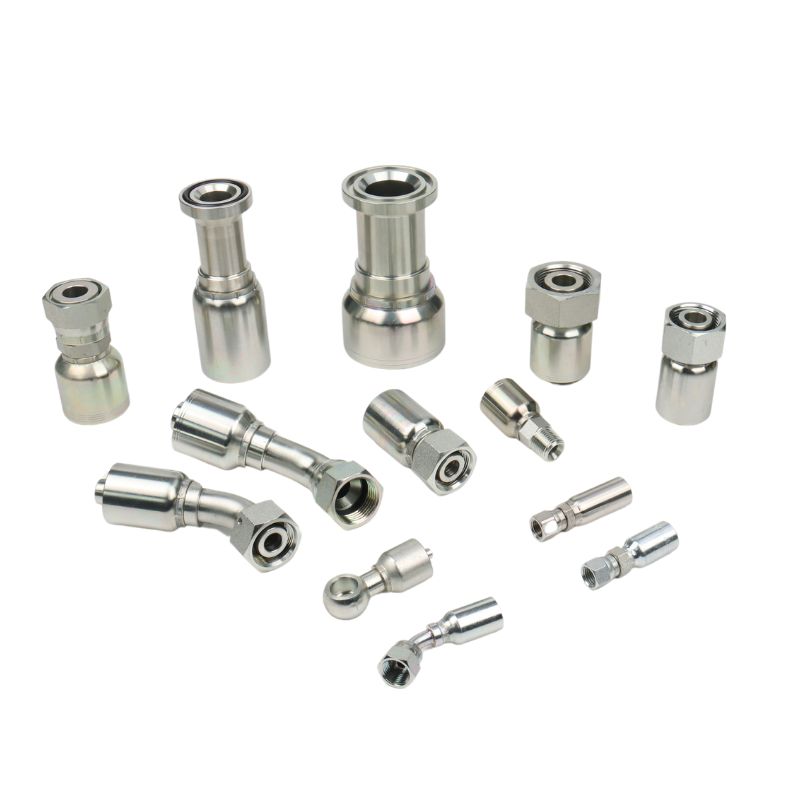
Match materials and interfaces
The selection should preserve show how fitting bore, hose id, and elbow geometry interact during normal operation and credible changes in service. Temperature, fluid condition, vibration, routing, access, and previous disassembly can alter performance. Confirm the sealing interface, hose-and-fitting relationship, internal passage, and material condition where relevant. Check the route for side load, interference, unsupported weight, or contamination. An intact fitting body cannot overrule a damaged seal, unsuitable hose, restricted adapter, or missing assembly data. The governing technical focus is explain that drain-line performance depends on allowable backpressure, line restriction, fitting geometry, hose size, return location, fluid, and temperature.
Limits of visual similarity
Use show how fitting bore, hose id, and elbow geometry interact under changing service conditions as a release criterion with a named evidence source. Component literature identifies capability, while equipment data defines the circuit requirement; neither replaces the other. Verify that documents cover the exact series, size, material, seal, and revision. Inspect whether the installation meets assumed preparation, orientation, cleanliness, and support conditions. When field conditions differ, obtain a specific technical decision instead of accepting visual similarity or a generic rating.
Port location, routing, and tank-return considerations
Port location, routing, and tank-return considerations must be evaluated against the actual application. For teams specifying case-drain, return-drain, and low-pressure hydraulic drain connections, the useful result is a documented decision that addresses the stated problem without inventing a universal limit.
Review the installed geometry
Discuss port location, routing, and tank-return considerations is a decision point for the complete assembly, not an isolated catalog feature. The fitting, hose, seal, mating port, fluid, temperature, route, and operating load act together. Identify which current component data establishes the requirement and which installed condition could invalidate it. Compare exact part numbers and instructions rather than relying on appearance, nominal size, or use in another circuit. If evidence is incomplete, keep the application open for technical review. The safety boundary remains clear: Do not provide universal backpressure limits. Require equipment-specific allowable case-drain or return-line data
Installation and service consequences
Document discuss port location, routing, and tank-return considerations under changing service conditions before selecting or reusing the fitting. Trace how load, fluid, movement, contamination, and assembly quality reach the connection, then inspect only after safe isolation and stored-energy control. Use measurements, drawings, instructions, and service records to separate observed damage from suspected risk. This avoids a false pass based on a dry exterior or successful thread engagement. Abnormal conditions require controlled evaluation, not improvised tightening. The governing technical focus is explain that drain-line performance depends on allowable backpressure, line restriction, fitting geometry, hose size, return location, fluid, and temperature.
| Drain-line type | Main risk | Fitting selection concern |
| Case drain | Excess backpressure at the component | Low restriction and equipment-specific allowance |
| Return drain | Combined flow and heat | Passage, hose ID, and return arrangement |
| Leakage drain | Blocked or shared path | Independent routing and contamination control |
Material and fluid compatibility for drain service
Material and fluid compatibility for drain service must be evaluated against the actual application. For teams specifying case-drain, return-drain, and low-pressure hydraulic drain connections, the useful result is a documented decision that addresses the stated problem without inventing a universal limit.
Use current evidence
The selection should preserve explain material and fluid compatibility for drain service during normal operation and credible changes in service. Temperature, fluid condition, vibration, routing, access, and previous disassembly can alter performance. Confirm the sealing interface, hose-and-fitting relationship, internal passage, and material condition where relevant. Check the route for side load, interference, unsupported weight, or contamination. An intact fitting body cannot overrule a damaged seal, unsuitable hose, restricted adapter, or missing assembly data.
When further evaluation is required
Use explain material and fluid compatibility for drain service under changing service conditions as a release criterion with a named evidence source. Component literature identifies capability, while equipment data defines the circuit requirement; neither replaces the other. Verify that documents cover the exact series, size, material, seal, and revision. Inspect whether the installation meets assumed preparation, orientation, cleanliness, and support conditions. When field conditions differ, obtain a specific technical decision instead of accepting visual similarity or a generic rating.
Select the Line and Watch for Restriction Warnings
A drain-line selection sequence; Finish with warning signs of excessive drain-line restriction must be evaluated against the actual application. For teams specifying case-drain, return-drain, and low-pressure hydraulic drain connections, the useful result is a documented decision that addresses the stated problem without inventing a universal limit.
Release the application carefully
Provide a drain-line selection sequence; Finish with warning signs of excessive drain-line restriction is a decision point for the complete assembly, not an isolated catalog feature. The fitting, hose, seal, mating port, fluid, temperature, route, and operating load act together. Identify which current component data establishes the requirement and which installed condition could invalidate it. Compare exact part numbers and instructions rather than relying on appearance, nominal size, or use in another circuit. If evidence is incomplete, keep the application open for technical review. The governing technical focus is explain that drain-line performance depends on allowable backpressure, line restriction, fitting geometry, hose size, return location, fluid, and temperature. The safety boundary remains clear: Do not provide universal backpressure limits. Require equipment-specific allowable case-drain or return-line data
Record the approved decision
Document provide a drain-line selection sequence; finish with warning signs of excessive drain-line restriction under changing service conditions before selecting or reusing the fitting. Trace how load, fluid, movement, contamination, and assembly quality reach the connection, then inspect only after safe isolation and stored-energy control. Use measurements, drawings, instructions, and service records to separate observed damage from suspected risk. This avoids a false pass based on a dry exterior or successful thread engagement. Abnormal conditions require controlled evaluation, not improvised tightening.
Use this final checklist before approval:
- Confirm the exact application, operating condition, fluid, temperature, and relevant equipment limits.
- Identify the fitting series, hose series, size, thread, sealing interface, material, and finish.
- Verify current component compatibility and assembly instructions for the exact combination.
- Inspect routing, clearance, support, movement, cleanliness, damage, and maintenance access.
- Define safe validation criteria and stop conditions without relying on a universal rating.
- Record measurements, drawings, part numbers, inspection results, and unresolved questions.
Conclusion
A dependable decision on one-piece fittings for hydraulic drain lines comes from the complete operating context, not from one material name, nominal size, pressure label, or visual match. Define the circuit requirement, identify every mating and sealing interface, verify the hose-and-fitting combination, and examine routing, support, fluid, temperature, contamination, and service access. Use current documents for the exact series and record where each acceptance criterion came from. If damage, abnormal behavior, or missing compatibility data remains, isolate the equipment and obtain further technical evaluation before restart. The final record should preserve part numbers, measurements, assembly instructions, inspection findings, and approved limits so later maintenance does not replace verified evidence with convenience or assumption.
Frequently Asked Questions
Is a case-drain fitting selected by port size alone?
No, port size alone cannot define an acceptable case-drain fitting. Check the component’s allowable backpressure, fitting passage, hose ID, route, fluid, temperature, and return arrangement using current equipment data.
Can an elbow be used in a hydraulic drain line?
Yes, an elbow can be used when its passage and geometry satisfy the drain-line requirement. Also verify that it prevents a forced hose bend without adding unacceptable restriction or installation stress.
Does a larger hose always reduce drain-line problems?
No, a larger hose does not automatically correct a drain-line problem. A restricted fitting, poor tank entry, shared return, bad route, or equipment limit may still control backpressure.
Where should a drain line enter the tank?
Use the tank location specified by the equipment or system design. The entry arrangement should be reviewed for restriction, aeration, fluid condition, submergence requirements, and interaction with other returns.
Can several drain lines share one return?
Only when the system designer has verified the combined flow and backpressure effects. One branch can influence another, so a convenient tee is not evidence that a shared return is acceptable.