
Reliable approval requires evidence that identifies the base material, links it to the delivered batch, and separates material properties from surface-treatment claims. Color, weight, and finish can help with initial screening, but none proves a grade or composition. A practical hydraulic fitting material evidence review therefore compares the purchase requirement, material document, batch identifier, coating record, and incoming inspection result as one traceable package. This article explains what each record can establish, where its limits begin, and how to scale verification to the fitting’s application risk without inventing requirements or assuming that one material is always preferable.
Appearance Is a Screening Tool, Not Material Proof
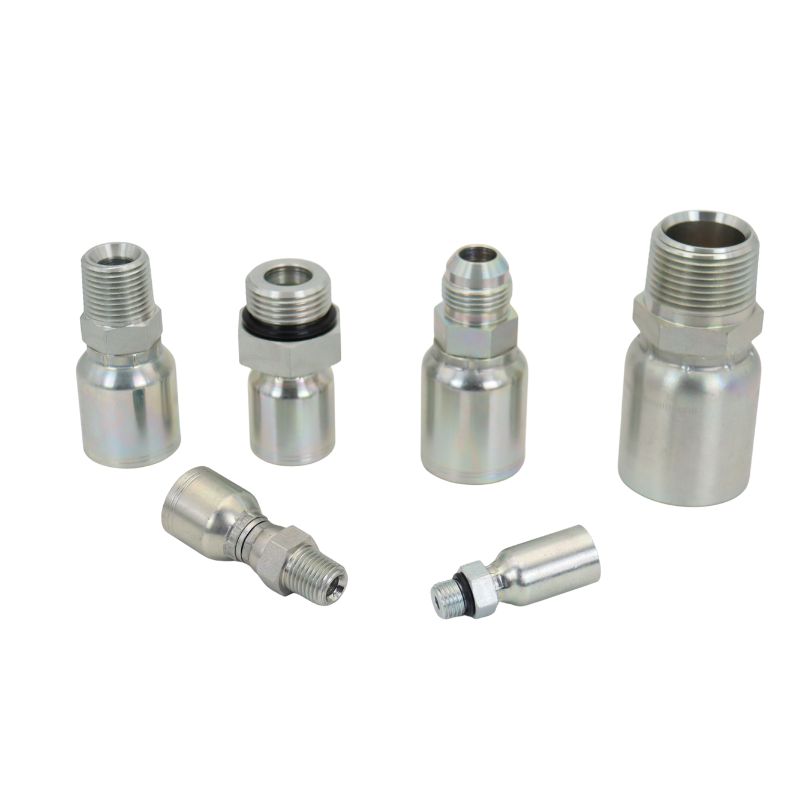
Surface appearance may reveal an obvious mix-up, but it cannot confirm the grade beneath the surface. Lighting, machining, passivation, plating, storage condition, and contamination can make different materials look similar or make the same material look different.
Color and weight are ambiguous
Zinc-plated carbon steel may have a bright or colored finish, while stainless steel can vary after machining or surface treatment. Brass is often visually distinctive, yet coatings, discoloration, and alloy variation can complicate a quick judgment. Relative weight is also weak evidence because fitting geometry, wall thickness, nut design, and size change mass independently of the material.
Magnet response, sparks, or handheld screening tools may support a controlled identification process when an approved procedure permits them, but a single observation does not establish the specified grade. The decision must return to documented requirements and traceable test evidence, especially when pressure containment, corrosion exposure, or equipment approval depends on material identity.
Finish can hide the base material
A surface treatment changes what an inspector sees without changing the need to verify the substrate. Plating can cover carbon steel, passivation can alter stainless-steel appearance, and protective oils can affect color and reflectivity. Consequently, a statement such as “silver finish” describes appearance, not chemical composition, mechanical properties, or suitability for the application.
Initial screening should instead ask whether the delivered fitting matches the expected product identity, visible finish category, marking, and documentation. Any conflict should stop approval pending review; visual agreement should simply allow the evidence review to continue.
Useful Material Documents Answer Different Questions
No single certificate automatically proves every characteristic of a finished fitting. Buyers should determine what the governing drawing, purchase specification, applicable standard, or equipment requirement asks for, then request documents that answer those specific questions.
Material certificates and mill records
A useful material certificate normally identifies the material designation used by the controlling specification and provides information relevant to the supplied raw material. Depending on the approved requirement and document type, it may include chemical composition, mechanical-property results, heat identity, document issuer, and references to the ordered material. The value lies not in the certificate’s title but in whether its scope and identifiers connect to the fitting batch under review.
Generic data sheets, catalog pages, and unsigned statements can explain typical material characteristics, but they do not prove which material entered a particular production batch. A certificate copied across unrelated deliveries has the same limitation. Reviewers should look for a credible chain from raw-material identity through production or lot records to the delivered parts.
Finished-part inspection evidence
Raw-material evidence does not by itself confirm that the finished fitting has the correct identity or remained segregated. Incoming or final inspection records can add product description, part number, batch number, sampled quantity, inspection method, result, date, and reviewer. When hardness, composition, or another property is contractually required, the report should identify the applicable requirement, test method, sample, and result rather than merely state “passed.”
Useful evidence may include:
- A material certificate linked to a heat or batch identity
- A production or lot record linking that identity to the fitting part number
- A finished-part inspection record tied to the delivered lot
- A clearly documented exception or deviation approval, when applicable
Base Material and Surface Finish Require Separate Verification
Material grade and surface treatment solve different problems and need different records. Combining them into one vague description makes it impossible to know whether the substrate, coating, or both were actually checked.
What each evidence type establishes
| Evidence area | Main question | Typical limitation |
| Base-material record | What material or grade was assigned to the part? | May not prove linkage to the delivered batch |
| Chemical or mechanical result | Did the tested sample meet specified properties? | Applies only to the identified sample and method |
| Coating or plating report | What surface process or measured finish characteristic was checked? | Does not establish the base-material grade |
| Corrosion-related test record | Did an identified sample complete the specified laboratory exposure? | Does not predict exact field service life |
| Incoming inspection record | Does the received lot match identity, documentation, and selected checks? | Cannot replace missing material traceability |
The approved purchase description should therefore state material and finish as separate controlled characteristics. If coating thickness, appearance, adhesion, or another finish attribute matters, its requirement and inspection evidence should be identified independently from the substrate certificate.
Corrosion records have defined limits
A corrosion-related laboratory record can show how an identified sample performed under a stated procedure. It cannot translate directly into years of service because field exposure also depends on fluid, temperature, damage, washdown, salt, installation, maintenance, and contact with other materials. Salt-spray duration should never be presented as a universal prediction of service life.
The right question is whether the record matches the specified procedure, sample identity, finish system, and acceptance criterion. If those links are absent, a number on the report may be commercially impressive but technically weak.
Traceability Connects Evidence to the Delivered Batch
Even an authentic document has limited value when it cannot be linked to the parts received. Traceability should connect the fitting identity, lot or batch, material source, inspection record, packaging label, and purchase order without relying on memory or appearance.
Build an auditable identifier chain
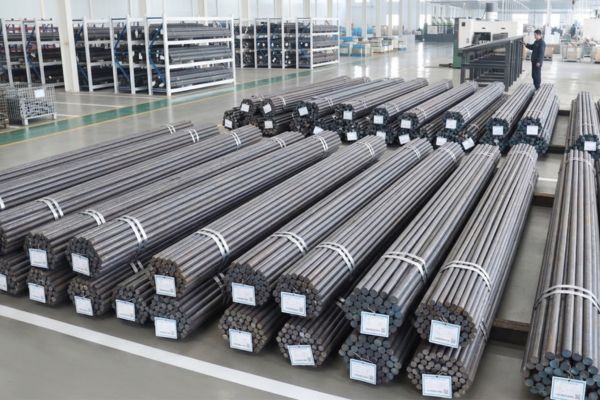
A practical chain begins with the order line and approved product description. The delivered carton or inner label should carry a part identifier and lot or batch reference that appears on the receiving and inspection records. Internal production records should then connect that lot to the relevant raw-material heat, surface-treatment batch, and finished inspection evidence.
Reviewers should be able to follow the chain in both directions: from a fitting lot back to its supporting documents, and from a questioned certificate forward to the affected delivered lots. This two-way link allows containment if evidence is later found incomplete or a possible nonconformity appears.
Mixed or relabeled stock weakens the chain
Traceability often breaks after cartons are opened. If parts from different lots enter one unmarked bin, later inspection results cannot be assigned confidently. Relabeling without preserving the original lot reference creates a similar gap, particularly when identical part numbers arrive under different material or finish revisions.
Storage controls should preserve the information needed for later review:
- Part number and unambiguous product description
- Lot or batch identifier and received quantity
- Material and finish revision when the order controls them
- Receiving, inspection, location, and issue records
Testing Should Match Risk and Specification Needs
Additional testing is justified when required evidence is missing, conflicting, or insufficient for the application risk. It should not become an improvised search for a favorable result after the acceptance criteria were left undefined.
Chemical, hardness, and mechanical evidence
Chemical analysis can help compare an identified sample with a specified composition, while hardness or mechanical testing can address different properties. These methods are not interchangeable. The correct test, sampling approach, specimen preparation, equipment, and acceptance criteria must come from the governing technical requirement and an approved inspection plan.
Some tests may be destructive or may not be practical on the finished geometry. Others may provide only screening results unless performed with suitable calibration and method control. When an application is pressure-containing or safety-critical, competent technical review should decide whether existing traceability is adequate or whether additional verified testing is required.
Scale assurance to consequence
Not every low-risk fitting purchase needs the same evidence package as a safety-critical or corrosion-sensitive application. Risk-based planning considers the failure consequence, material sensitivity, supplier history, batch size, drawing requirements, and whether the fitting is part of an approved assembly. Higher consequence generally calls for stronger traceability, clearer certificates, and more controlled verification.
This does not mean accepting unknown material in routine applications. It means defining proportionate evidence before ordering so the receiving team knows what constitutes acceptance and what triggers quarantine or escalation.
Review Certificates as Controlled Records
A certificate review should test relevance, identity, completeness, and consistency rather than search for a “pass” word. The process is strongest when the reviewer uses the order requirement as the starting point and records unresolved discrepancies.
Follow a repeatable review sequence
First, confirm that the document issuer, document type, date, and referenced specification are legible. Next, compare the material designation, part or raw-material identity, heat or batch number, and reported properties with the approved order requirements. Finally, verify that the identifiers connect to the packaging and received lot and that any required inspection method or acceptance statement is present.
A focused review can follow these steps:
- Match the purchase order, drawing revision, and fitting description.
- Separate base-material requirements from finish requirements.
- Link each certificate or report to the delivered lot.
- Compare reported characteristics with approved acceptance criteria.
- Record missing, inconsistent, altered, or illegible information.
- Hold the affected lot until the discrepancy is resolved.
Treat inconsistencies as evidence gaps
Different material names, unexplained unit changes, duplicated certificate numbers, missing lot links, or inconsistent dates require review. A buyer should not edit a supplier record to make it fit the order or infer that two grades are equivalent. Any equivalence decision must be supported by the approved technical authority and documented requirements.
When a deviation is proposed, the record should state what differs, which lot is affected, who reviewed it, and the disposition. Silence or informal approval makes later investigation difficult and can spread unverified parts into inventory.
Common Material-Verification Mistakes
Most failures come from accepting a persuasive clue as conclusive evidence. A controlled process distinguishes screening, verification, and approval so that each has an explicit purpose.
Shortcuts that create false confidence
Frequent mistakes include approving a hydraulic fitting because its color resembles a previous batch, treating a catalog statement as a batch certificate, and accepting a coating report as proof of base material. Another error is collecting many documents without checking whether any identifier links them to the delivered parts.
Avoid these approval shortcuts:
- Assuming stainless steel, plated steel, or brass solely from appearance
- Treating a generic certificate as batch-specific evidence
- Using corrosion-test duration as a field-life guarantee
- Accepting “material compliant” without the applicable reference or identity
- Ignoring mixed lots after unpacking or repacking
The correction is simple: define the required evidence in the order, preserve traceability, and review each record against the same approved reference. More paperwork is not the goal; relevant, linked evidence is.
Evidence Checklist Before Approval
The final evidence package should make the acceptance decision reproducible. Include only requirements relevant to the product and application, but do not leave critical identity or traceability to assumption.
Minimum questions for the approval file
Confirm the exact fitting part description, drawing or specification revision, required base material, required surface treatment, and application risk. Then verify the heat or batch link, relevant chemical or mechanical evidence, coating or plating report when required, finished inspection record, packaging identifiers, and disposition of any deviation.
Approval should also identify who reviewed the records and which delivered quantity or lot the decision covers. If a critical requirement is unknown, quarantine the affected parts and obtain verified information rather than accepting material from color, weight, or an unlinked document.
Conclusion
Material approval is reliable only when the evidence answers three connected questions: what was required, what was verified, and which delivered fittings the result covers. Appearance can expose an obvious discrepancy, but it cannot establish grade, composition, mechanical properties, or substrate identity. Keep base-material certificates separate from coating and corrosion-related records, then connect both through heat, batch, packaging, receiving, and inspection identifiers. Increase verification when application consequence or specification sensitivity is higher, and use approved methods rather than improvised comparisons. Before releasing a lot, prepare the controlling drawing or order requirement, the traceable certificate package, relevant test records, and documented disposition of every gap. That is the practical foundation of defensible hydraulic fitting material evidence.
Frequently Asked Questions
Can a magnet confirm that a fitting is stainless steel?
No, a magnet alone cannot confirm a stainless-steel grade. Magnetic response varies with alloy and processing, so it may support screening only when an approved identification procedure explains how to use it.
Is a material data sheet the same as a batch certificate?
No, a data sheet describes typical or published properties rather than the delivered batch. Batch acceptance needs evidence with identifiers that link the reported material to the parts received.
Does a coating report prove the fitting’s base material?
No, a coating report normally addresses the applied surface system or its tested characteristics. The substrate requires separate material evidence and traceability unless the approved report explicitly and credibly covers both.
When should independent material testing be considered?
Independent testing may be appropriate when required documents are missing, contradictory, or inadequate for the application risk. The governing specification and competent technical review should define the method, sample, and acceptance criteria.
Should every fitting lot receive the same evidence review?
Every lot needs enough evidence to meet its approved requirements, but the depth may vary with risk, history, and contract terms. Safety-critical or material-sensitive applications generally require stronger traceability and verification than low-consequence uses.