NPTF Thread Meaning A Comprehensive Guide

NPTF Thread Meaning: A Comprehensive Guide

NPTF Thread Meaning: A Comprehensive Guide

Introduction

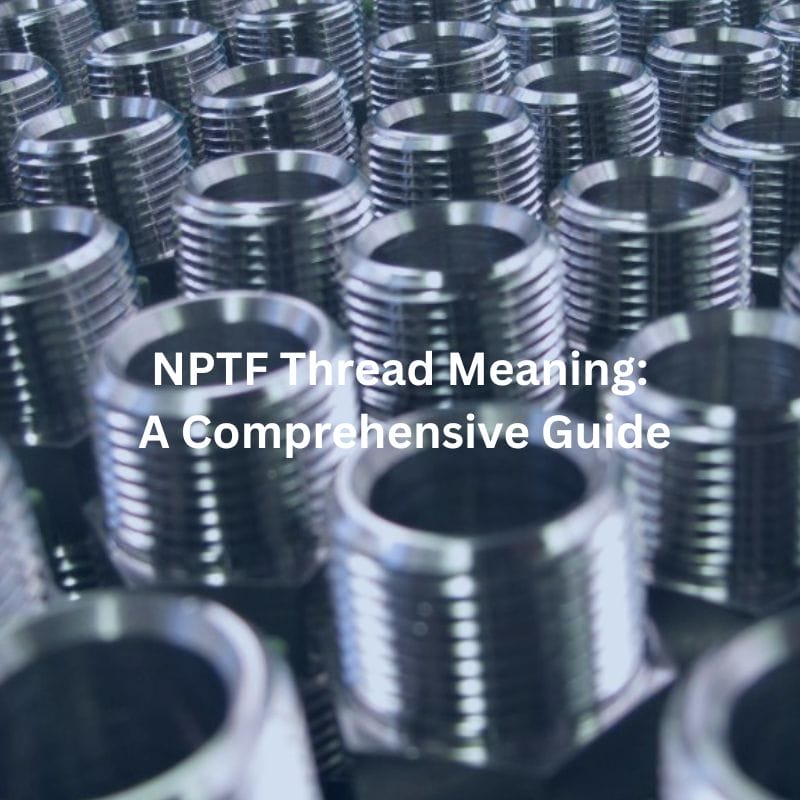
Among the various thread types, the National Pipe Taper Fuel (NPTF) thread stands out due to its unique design and sealing capabilities. Unlike standard threads, NPTF threads are engineered to create a dry seal without the need for additional sealants, making them particularly valuable in high-pressure environments.  

What is NPTF Thread?

Definition of NPTF Thread

The National Pipe Taper Fuel thread, also known as Dryseal American National Standard Taper Pipe Thread, is a specialized type of thread designed to provide a seal without the need for additional sealing compounds. The primary function of NPTF threads is to ensure leak-proof connections in hydraulic systems, fuel lines, and other high-pressure applications.

6404 SAE to NPTF adapter Topa

History and Development of NPTF Thread

NPTF threads were developed to address the limitations of the standard National Pipe Taper (NPT) threads, which often required additional sealants to achieve a leak-free connection. The evolution of NPTF threads was driven by the need for a more reliable and consistent sealing method in industries where leaks could lead to significant safety hazards or operational inefficiencies. Over time, the design and standards for NPTF threads have been refined to meet the rigorous demands of modern hydraulic and fuel systems.

Detailed Description of the Taper Angle

The taper angle of NPTF threads is a critical feature that distinguishes them from other thread types. NPTF threads have a taper angle of 1 degree, 47 minutes, which equates to a 3/4-inch taper per foot. This specific taper angle ensures that as the threads are tightened, they create a wedging action that results in a secure and leak-free seal. The taper angle allows for the threads to deform slightly under pressure, enhancing the sealing capability without the need for additional materials.

Differences Between NPT and NPTF Threads

While NPT and NPTF threads may appear similar at first glance, there are key differences in their design and application. NPT threads are designed primarily for mechanical joining and typically require the use of sealants such as Teflon tape or pipe dope to achieve a leak-proof seal. In contrast, NPTF threads are designed to create a seal through the metal-to-metal contact of the threads themselves, eliminating the need for additional sealing compounds. This makes NPTF threads particularly suitable for applications where cleanliness and reliability are paramount, such as in hydraulic and fuel systems.

Precision and Sealing Properties of NPTF Threads

NPTF threads are manufactured to higher precision standards than NPT threads. The precision in the thread form and the controlled interference fit between the male and female threads ensure that NPTF connections provide a reliable seal without additional sealants. This dry seal capability is achieved through the precise engagement of the thread flanks, which deform slightly to create a tight, leak-proof connection. The inherent sealing properties of NPTF threads make them ideal for applications where leakage could lead to safety hazards, contamination, or operational inefficiencies.

Materials Commonly Used for NPTF Threads

NPTF threads can be found in a variety of materials, each selected based on the specific requirements of the application. Common materials include stainless steel, brass, carbon steel, and various alloys. Stainless steel NPTF threads are often used in corrosive environments due to their resistance to rust and corrosion. Brass is commonly used in fuel and hydraulic applications for its excellent machinability and good sealing properties. Carbon steel is selected for its strength and durability in high-pressure applications. The choice of material depends on factors such as pressure, temperature, and the chemical nature of the fluids being handled.

NPTF Thread Standards and Specifications

NPTF threads are governed by a series of standards and specifications that ensure their proper design, manufacturing, and application. The most relevant standards include the ANSI/ASME B1.20.3, which details the dimensional and performance requirements for NPTF threads. This standard outlines the taper angle, thread form, pitch diameter, and other critical dimensions that must be adhered to for the threads to function correctly. Adherence to these standards ensures that NPTF threads can provide the necessary sealing properties and maintain consistency across different manufacturers and applications.

Explanation of How These Standards Ensure Quality and Compatibility

Standards for NPTF threads are essential for maintaining quality and ensuring compatibility across various applications and industries. These standards specify the exact dimensions and tolerances for the threads, which helps to ensure that parts from different manufacturers will fit together properly. By adhering to these standards, manufacturers can produce threads that consistently provide the required sealing capabilities and mechanical strength. Quality control measures outlined in the standards also ensure that threads are produced without defects that could compromise their performance.  

Comparing NPTF Thread to Other Thread Types

Detailed Comparison with NPT Threads

Sealing Method:

NPT Threads: NPT threads rely on thread deformation and the use of sealing compounds like Teflon tape or pipe dope to create a seal. This means that additional materials are necessary to prevent leaks, making the sealing process dependent on the quality and application of the sealant.

NPTF Threads: NPTF threads are designed to create a dry seal through precise metal-to-metal contact, eliminating the need for sealing compounds. This design ensures a more reliable and consistent seal, particularly important in high-pressure and critical applications where leak prevention is paramount.

Thread Precision:

NPT Threads: NPT threads have looser tolerances, which can lead to slight variations in thread engagement. This variability can result in less consistent sealing performance and may require more adjustment and checking during installation.

NPTF Threads: Manufactured to higher precision standards, NPTF threads ensure a tighter and more reliable seal. The exacting tolerances reduce the chances of leaks and improve the overall integrity of the connection, making them suitable for applications where precision is crucial.

NPTF vs NPSM

Differences Between NPTF and BSP Threads

Thread Design:

BSP Threads: BSP threads can be either parallel (BSPP) or tapered (BSPT), with different thread angles and profiles compared to NPTF threads. BSPP threads are parallel and typically require additional sealing components, while BSPT threads are tapered but still rely on sealants.

NPTF Threads: Always tapered with a consistent taper angle, NPTF threads are specifically designed for dry sealing. The taper ensures a tight fit that relies on metal-to-metal contact, providing a reliable seal without the need for additional materials.

Sealing Method:

BSPP Threads: BSPP threads use washers or O-rings to create a seal. The use of these additional sealing components is necessary to ensure leak prevention, which adds complexity to the installation process.

BSPT Threads: Like NPT threads, BSPT threads rely on thread deformation and sealants to achieve a seal. This method is less precise compared to NPTF threads and can be more prone to leaks if not properly sealed.

NPTF Threads: Achieve sealing through precise metal-to-metal contact without additional materials. This method ensures a cleaner and more efficient sealing process, particularly beneficial in applications where contamination must be avoided.

Step-by-Step Guide to Installing NPTF Threads

Prepare the Components

Clean the Threads:

Start by thoroughly cleaning the male and female threads. Use a wire brush to remove any visible dirt, oil, or debris that may have accumulated. This step is crucial because any foreign material left on the threads can compromise the integrity of the seal.

Apply an appropriate solvent or degreaser to the threads to ensure all contaminants are removed. This helps to eliminate any oils or residues that could interfere with the threading process and the final seal.

Inspect the Threads:

Carefully inspect both the male and female threads for any signs of damage or wear. Look for any nicks, burrs, or deformities that could affect the seal.

If any threads are damaged or excessively worn, replace those components before proceeding. Using damaged threads can lead to leaks and potential system failures.

Align the Threads

Proper Alignment:

Position the male and female components so that the threads are aligned correctly. Misalignment at this stage can lead to cross-threading, which can severely damage the threads and compromise the seal.

Take your time to ensure that the initial engagement of the threads is correct. Misalignment is a common cause of installation issues and can be easily avoided with careful attention.

Start the Threading by Hand

Initial Engagement:

Begin threading the male part into the female part by hand. This step is essential to ensure that the threads are properly aligned and to reduce the risk of cross-threading.

Threading by hand allows you to feel for any resistance or misalignment early in the process. If you encounter any resistance, back off and realign the threads before proceeding.

Use Appropriate Tools

Hand-Tighten the Threads:

Once the threads are properly engaged and hand-tight, switch to using a wrench to continue the tightening process.

Select the correct size wrench for the thread size to avoid applying uneven pressure or damaging the threads. Using the wrong size wrench can lead to slipping and thread damage.

Final Tightening:

Tighten the connection with the wrench until you feel resistance. This resistance indicates that the threads are engaging properly and that a seal is being created.

While a torque wrench is typically not required for NPTF threads, if the manufacturer’s specifications indicate a specific torque, use a torque wrench to achieve the precise torque. This ensures that the connection is neither under-tightened, which could lead to leaks, nor over-tightened, which could damage the threads and compromise the seal.

Inspection for Leaks

After tightening the connection, check for leaks. This can be done by pressurizing the system and inspecting the joint visually for any signs of fluid escape.

Alternatively, use a leak detection solution to identify any leaks. Apply the solution to the joint and look for bubbles indicating a leak.

If leaks are detected, re-tighten the connection as needed, or disassemble, clean, and reinstall the components to ensure a proper seal.

Best Practices for Ensuring a Proper Seal

Cleanliness

Thorough Cleaning: Always ensure that both male and female threads are thoroughly cleaned before installation. Use a wire brush to remove any visible dirt, dust, or metal shavings that might have accumulated on the threads. Contaminants can interfere with the threading process and the final seal.

Use Solvents or Degreasers: Apply an appropriate solvent or degreaser to remove oils, grease, or other residues. These substances can create a barrier between the metal surfaces, preventing the threads from making proper contact and sealing effectively. Allow the solvent to dry completely before proceeding with the installation.

Proper Alignment

Start by Hand: Begin threading the male part into the female part by hand. This initial step is crucial for ensuring proper alignment and avoiding cross-threading, which can permanently damage the threads and compromise the seal.

Feel for Resistance: As you thread by hand, pay attention to any resistance. If you encounter resistance or the threads do not engage smoothly, stop and realign the components. Misalignment can lead to thread damage and a poor seal, resulting in potential leaks and system failures.

Correct Tightening

Avoid Over-Tightening: Do not overtighten the threads, as this can strip the threads or cause them to gall (stick and seize). Over-tightening can also deform the threads, leading to a compromised seal and potential leaks.

Tighten Until Resistance: Tighten the connection until you feel resistance, indicating that the threads are properly engaged. Follow manufacturer guidelines for any specific torque requirements. If specified, use a torque wrench to apply the correct amount of torque, ensuring a secure and reliable seal.

Regular Inspection

Periodic Checks: Periodically inspect the connections for any signs of wear, corrosion, or leaks, especially in high-pressure systems. Early detection of issues can prevent major problems, such as system failures or safety hazards.

Monitor High-Pressure Systems: Pay particular attention to high-pressure systems, where even minor leaks can lead to significant performance issues or safety risks. Regular inspections help ensure the integrity of the connections and the overall system.

Conclusion

Choosing the right thread type for your hydraulic applications not only enhances system efficiency but also ensures safety and reliability. NPTF threads, with their high precision and robust sealing capabilities, play a pivotal role in maintaining the performance and integrity of hydraulic and fuel systems, making them an excellent choice for high-pressure and critical environments.

FAQ

NPTF stands for National Pipe Taper Fuel. It is a type of thread designed to create a dry seal through precise metal-to-metal contact, eliminating the need for additional sealing compounds.

While both are tapered threads, NPTF threads are designed for dry sealing without sealants, whereas NPT threads require sealing compounds like Teflon tape or pipe dope to prevent leaks.

NPTF threads are commonly used in high-pressure hydraulic systems, fuel lines, and other applications where leak prevention and cleanliness are crucial.

No special tools are needed beyond standard wrenches and cleaning brushes. However, using a torque wrench is recommended if specific torque values are required by the manufacturer.

Ensure the threads are clean and properly aligned, start threading by hand, and tighten until resistance is felt. Avoid over-tightening to prevent thread damage.

Regular inspections for wear and leaks, periodic cleaning, and re-torquing connections in systems subject to vibration or thermal cycling will help maintain the integrity of NPTF threads.

male NPTF to NPSM swivel fitting Topa

Hydraulic Live Swivels

Best China Hydraulic Swivel Fittings Manufacturer

❖ Suitable for narrow spaces
❖ Withstand high pressure
❖ Adopt pressure balance design
❖ The maximum speed is 10 rpm
 

Product List

Upgrade your hydraulic system with our 90° Live Swivel Fittings, engineered for performance, reliability, and flexibility in even the most demanding applications. Designed to handle pressures up to 3,000 PSI, these precision-forged fittings allow for 360° rotation under pressure, preventing hose twisting, reducing wear, and extending service life. With a compact elbow design and a variety of thread options (BSP, NPT, JIC, ORFS, Metric), installation is quick, secure, and compatible with most hydraulic setups. Available in carbon steel or stainless steel, with high-quality surface treatments like zinc plating, silver plating, or nitriding, these swivels are built to perform in harsh environments. Whether you need a durable solution for mobile equipment, construction machinery, or industrial systems—our live swivels deliver unmatched reliability and value.

Male NPTF to Female NPSM

Hydraulic Live Swivel Fitting 90° Elbow, Male NPTF/Female NPSM, made of Carbon Steel.

Male NPTF to Female NPTF swivel hydraulic fitting

Male NPTF to Female NPTF

Hydraulic Swivel Fitting 90° Elbow, Male NPT, to Female NPT (including NPSM) .

Female NPTF to Female NPTF swivel hydraulic fitting

Female NPTF to Female NPTF

90° Elbow, Female NPTF to Female NPTF, made of carbon steel.

Male NPTF to Male JIC swivel hydraulic fitting

Male NPTF to Male JIC

DIN Metric Light hydraulic Fittings is available in mining, industrial, and construction.

Male JIC to Female NPSM swivel hydraulic fitting

Male JIC to Female NPSM

Swivel fittings 90-degree elbow, Male JIC to Female NPSM Swivel

Male JIC to Male JIC swivel hyaraulic fitting

Male JIC to Male JIC

Hydraulic fittings elbow live swivels, Male JIC to Male JIC

Male SAE to Female NPSM Swivel hydraulic fitting

Male SAE to Female NPSM

Hydraulic live swivel fittings, Male SAE to Female NPSM Swivel

Male SAE to Male JIC swivel hydraullic fitting

Male SAE to Male JIC

Live swivel fitting 90° Elbow, Male SAE to Female JIC

Male SAE to Female SAE Swivel hydraulic fitting

Male SAE to Female SAE

Hydraulic 90-degree elbow swivel fittings, Male SAE to Female SAE

Metric thread ferrule swivel fittings

Metric Thread Ferrule Swivel Fittings

Metric threaded ferrules, transition fittings, for all kinds of hydraulic connections.

Metric banjo swivel hydraulic fitting

Metric Banjo Swivel Hydraulic Fitting

Metric banjo live swivel fitting, hydraulic transition fittings, for the machinery, transportation and industries.

BSP banjo swivel hydraulic fitting

BSP Banjo Swivel Hydraulic Fitting

BSP elbow swivel fitting , with excellent structure and advanced design, are widely used in hydraulic and fluid transfer systems.

BSP thread ferrule swivel fittings

BSP Thread Ferrule Swivel Fittings

BSP hydraulic swivel fittings, hollow fittings , Suitable for hydraulic equipment, construction machinery.

Right Angle High Pressure Swivel Fitting

Right Angle High Pressure Swivel Fitting

Right Angle High Pressure Swivel Fitting, Elbow Swivel Fitting. Hydraulic Oil Pipe Right Angle Swivel Fitting.

High pressure right angle swivel fitting

High Pressure Right Angle Swivel Fitting

High-pressure hydraulic right-angle swivel fitting. Hydraulic Live swivel fitting.

Hydraulic oil pipe swivel hydraulic fitting

Hydraulic Oil Pipe Swivel Hydraulic Fitting

Hydraulic swivel fitting universal fitting, 360 degree high pressure rotary fitting.

High speed right angle high pressure swivel fitting

High Speed Right Angle High Pressure Swivel Fitting

High speed right angle, high pressure swivel fitting. Carbon steel swivel fitting. Hydraulic oil pipe right angle swivel fitting.

Products Video

This short video gives you a detailed look at Topa’s 90° hydraulic live swivel fittings. It clearly shows the compact elbow design, precise machining, and thread specifications of the product.

At Topa, we combine precision machining, high-grade materials, and strict quality control to deliver fittings that perform under pressure—literally. With years of experience in hydraulic solutions, our team understands your industry’s needs and delivers products that meet ISO standards, support custom branding, and ensure on-time global delivery.

If you’re looking for a reliable 90° live swivel fitting solution, you’re in the right place. Whether you need a sample for testing, bulk orders, or a fully customized version with your logo, Topa is ready to deliver.

Application

Our 90° hydraulic live swivel fittings are widely used across industries where fluid lines require movement, flexibility, and durability under pressure. These fittings reduce hose stress and twisting by allowing 360° rotation, making them an essential solution for dynamic hydraulic systems.

Construction Hydraulic hose Topa

Construction Equipment

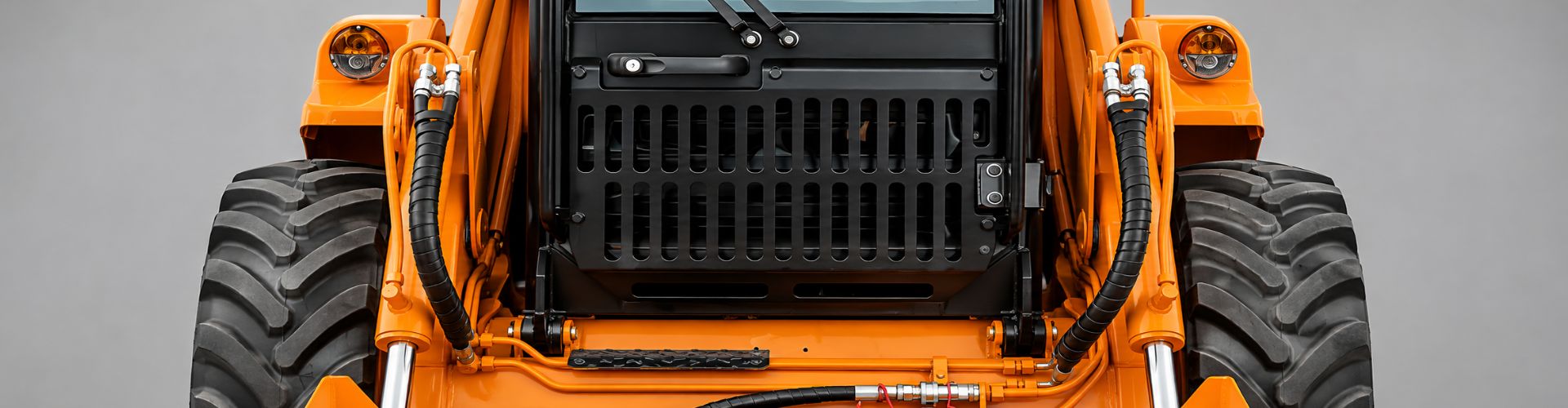
Our 90° live swivel fittings are ideal for use in excavators, wheel loaders, cranes, and rotary booms, where hydraulic hoses are frequently exposed to continuous movement, vibration, and harsh environmental conditions. By allowing 360-degree rotation, these swivels significantly reduce hose torsion and minimize the risk of cracking, abrasion, and pressure-related failures.

Agriculture Hydraulics Topa

Agricultural Machinery

Farm equipment operates in some of the toughest outdoor environments, often under heavy load and uneven terrain. Swivel fittings are especially beneficial for harvesters, seeders, sprayers, and tractors, where moving arms and lifting components constantly shift and bend hydraulic lines.

Material handle system

Material Handling Systems

In warehouse and factory environments, forklifts, hydraulic lift tables, scissor lifts, and articulating arms rely heavily on hydraulic systems for repetitive motion. Our 90° swivel fittings solve this problem by offering free rotation in confined spaces, reducing stress on hydraulic lines, and ensuring consistent fluid flow.

Ready to upgrade your hydraulic system?

Request a quote today and get fast, reliable support from Topa.

Our Factory

90° Hydraulic Live Swivel Fittings – Key Features

Live Swivel Fittings Types

Appearance Features

90-Degree Elbow Design: The fitting has an L-shaped structure, perfect for tight spaces or situations where fluid direction needs to be changed.

Perpendicular Rotation Axis: The swivel mechanism is typically located at one end of the elbow, offering a compact design ideal for moving or dynamic equipment.

Smooth Surface Finish: Usually treated with zinc plating, chrome plating, or left in stainless steel finish to provide corrosion resistance and a clean, industrial appearance.

Visible Sealing Structure: Equipped with sealing washers or O-rings at the connection points to ensure leak-free performance under high pressure.

Thread Features

Available with a variety of standard thread types, including:

BSP (British Standard Pipe)

NPT (National Pipe Tapered)

JIC 37° Flare

ORFS (O-Ring Face Seal)

Metric Threads

Often designed with different thread types on inlet and outlet, allowing for flexible connections across various hydraulic systems.

Precision-machined threads with smooth finishes to ensure tight sealing and prevent leaks.

Options for male, female, or mixed-thread designs, making them compatible with different machine and equipment configurations.

Metric banjo swivel hydraulic fitting
live swivel fitting Technical Characteristics

Working Principle

The live swivel mechanism allows the hydraulic line to rotate 360 degrees or pivot under pressure, preventing hose twisting or stress.

The rotating section includes precision bearings or sliding components to ensure smooth motion, with internal O-rings or seals to block hydraulic fluid leakage.

Fluid enters through the fixed end, passes through the internal swivel channel, and exits via the 90-degree outlet—maintaining pressure and flow without compromising mobility.

Especially suitable for applications with frequent movement or vibration, such as rotating booms, hydraulic cylinders, and agricultural machinery connections.

Surface Treatment Options

Stainless Steel

Silver Plating

Function:

Enhances surface conductivity (suitable for specific technical applications)

Improves anti-galling properties, especially for threaded connections under high temperature and pressure

Advantages:

Low friction coefficient, allowing smoother assembly and disassembly

Increases resistance to corrosion and heat

Applications:

Aerospace, military equipment, and high-end hydraulic systems

Nitriding Treatment

Function:

Increases surface hardness and wear resistance

Retains the inherent corrosion resistance of stainless steel

Advantages:

Enhances fatigue resistance and extends service life

Causes minimal dimensional change, preserving precision

Applications:

High-frequency or high-wear applications such as construction machinery and rotary fittings with continuous motion

Carbon Steel

Zinc Plating

Types: Blue-white zinc, yellow zinc, black zinc

Function:

Basic anti-rust treatment to protect carbon steel in humid or mildly corrosive environments

Advantages:

Cost-effective with a clean, finished appearance

Improves corrosion resistance and extends product lifespan

Applications:

General industrial use, standard hydraulic systems, agricultural machinery, construction equipment

Swivel fitting Technical Characteristics

How to Customize 90° Hydraulic Live Swivel Fittings

Application Requirements

 Where will the swivel be installed?

Is it subject to continuous rotation, vibration, or pressure surges?

Working Pressure Range

 Specify normal and maximum operating pressure (e.g., 2500 PSI, 3000 PSI, 5000 PSI)

Do you require pressure testing or certification (e.g., ISO, CE)?

Thread Type and Size

BSP, NPT, JIC, ORFS, Metric, etc.

Are the inlet and outlet different thread types? Male or female threads?

Port Size / Hose Size

Common sizes: 1/4″, 3/8″, 1/2″, 3/4″, 1″

Any special sizing or fitting requirements?

Material Selection

Carbon steel

Stainless steel (304/316)

Brass (less common)

Is it for food-grade, chemical, or marine use?

Surface Treatment

Zinc plating (blue-white, yellow, black)

Silver plating

Nitriding

Natural stainless steel finish or sandblasting

Seal Material

NBR (nitrile), Viton (FKM), PTFE (Teflon), etc.

Requirements for high temperature, oil resistance, or chemical resistance

Swivel Rotation Speed

Will it rotate continuously?

Required speed (e.g., up to 10 RPM or more)

Flow Capacity

Maximum flow rate required (in L/min or GPM)

Operating Environment

Indoor or outdoor use

Exposure to heat, cold, saltwater, chemicals, etc.

Order Quantity and Lead Time

Sample and bulk quantity

Expected delivery timeline (urgent orders?)

Custom Branding or Packaging

Laser logo, custom packaging, private label stickers, etc.


Have questions or custom specs?

Contact our team now—we’ll help you find the perfect swivel solution.

Our Factory

Topa-The Best Hydraulic Swivel Fittings Factory

Precision Engineering

Each swivel fitting features accurately machined threaded ends for a secure, leak-free connection, even under demanding conditions.

High-Quality Materials

Crafted from premium-grade steel or stainless steel, these fittings offer strong resistance to corrosion, wear, and hydraulic stress, ensuring a longer service life.

Broad Compatibility

Threaded ends are engineered to be fully compatible with a variety of hose and fitting standards, allowing for easy integration into most hydraulic systems.

Pressure Rated to 3,000 PSI

Built to withstand demanding hydraulic environments, these swivel joints are rated up to 3,000 PSI, making them suitable for high-pressure, heavy-duty applications.

Forged for Strength

Each unit is hot-forged to deliver enhanced durability, rigidity, and resistance to mechanical shock, ideal for use in rough or outdoor environments.

hydraulic swivel fittings manufacturer Topa process
Hydraulic Swivel Fitting wholesale process China

Integrated Safety Features

Internal safeguards help minimize pressure surges, protect system components, and support consistent hydraulic performance.

360° Full Swivel Motion

The built-in swivel mechanism allows for full rotation, preventing hose strain, reducing connection fatigue, and enhancing system flexibility.

Anti-Tangle Functionality

Designed to prevent hose kinking and twisting, which significantly lowers the risk of premature failure and reduces maintenance efforts.

Quick Installation

The rotating design simplifies assembly, reduces setup time, and makes it easier to adjust hose positions without disconnecting the system.

10 RPM Operating Speed

Designed to operate at up to 10 RPM without increasing resistance, ensuring smooth, efficient movement even in dynamic systems.

Why Choose Topa

Reliable Manufacturing Partner

With strict production standards, 100% inspection, and reliable partner factories, we ensure every product meets your expectations—whether standard or customized.

One-Stop Hydraulic Solution

From hydraulic fittings, hoses, quick couplings to valves, we offer a complete product line. Save time and cost by sourcing everything from one supplier. Need special threads, non-standard sizes, or private labeling? We’ve got you covered.

Global Export Experience

We proudly serve customers in Europe, Southeast Asia, Africa, North & South America, and beyond. Our multilingual team understands international standards, shipping logistics, and the urgency of your timelines.

Fast Response & Professional Service

With a mature marketing and sales team, we provide fast quotes, detailed drawings, and prompt support. Whether you’re a distributor, maintenance provider, or equipment manufacturer—we respond quickly and work around your schedule.

Custom Solutions, Flexible MOQ

Need a custom logo, special packaging, or a trial order before a big purchase? Topa offers flexible MOQ and supports your business growth with scalable options and stable supply.

On-Time Delivery

We maintain well-organized inventory systems, work with long-term partner factories, and closely monitor every order from production to shipping. Whether it’s a small sample or a large container load, we deliver on schedule—every time.

FAQ

What is the main function of a 90° live swivel fitting?

A 90° live swivel fitting allows hoses to rotate under pressure while changing the flow direction at a 90-degree angle. It helps prevent hose twisting, reduces wear, and improves the lifespan of the hydraulic system.

Can these swivels rotate under pressure continuously?

Yes, Topa’s swivel fittings are designed for 360° rotation while under pressure. However, they are optimized for low to moderate rotational speed, typically up to 10 RPM.

What thread types are available?

We offer a wide range of thread options including BSP, NPT, JIC, ORFS, and Metric threads. You can choose from male, female, or mixed-end configurations depending on your system requirements.

What materials are these swivel fittings made from?

Topa manufactures 90° swivel fittings in carbon steel (with zinc plating) and stainless steel (with optional silver plating or nitriding). Material choice depends on your environment and pressure rating needs.

What is the maximum speed at which these fittings can operate?

These fittings can operate at a maximum speed of 10 RPM without any significant increase in torque as the pressure escalates.

Can I use this swivel with any hydraulic hose?

Yes, as long as the thread and size match, and the pressure rating is compatible. Always confirm the thread compatibility and hose fitting type before installation.

Is the swivel joint leak-proof?

Yes. Each fitting includes high-quality seals such as NBR, Viton, or PTFE, depending on the application. All products are tested for leakage before shipment.

How should I install the 90° swivel fitting?

Installation is simple—just thread the fitting securely into place using proper torque specifications. Avoid overtightening and ensure seals are seated correctly to avoid leaks.

Can this 90° swivel fitting be used in high-vibration environments?

Yes. Topa’s swivel fittings are engineered with precision bearings and durable seals, making them suitable for high-vibration applications such as construction equipment, mining machines, and agricultural implements. They maintain smooth rotation and leak-free performance even under tough conditions.

Is this fitting suitable for both hydraulic oil and other fluids?

Yes. Our swivel joints are compatible with a wide range of media including hydraulic oil, water-glycol, synthetic fluids, and some chemicals, depending on the seal material used. Let us know your fluid type when ordering so we can recommend the right sealing solution.

Get More Information About Products

your name
E-mail
With Country Code
what can we do for you?
Hydraulic live swivel fittings catalog Topa
NPT hydraulic adapters supplier in China

NPT Hydraulic Fittings

NPT Hydraulic Fittings

NPT hydraulic fittings stand for National Pipe Thread fittings. NPT adapters are the most common hydraulic fittings used to connect pipes. They are tapered threads with a narrow top and wide bottom. The deeper the NPT threads are installed, the tighter the connection will be. 

NPT hydraulic adapters have various types, such as union, elbow, bulkhead, tee, cross, and swivel fittings. Hydraulic NPT adapters are the perfect choice for construction, oil, nature gas, chemical, water, agriculture, and industry applications.

5000

Pipe Coupling

5404

Pipe Union

5406

Pipe Thread Reducer

5406P

Hex Head Pipe Plug

5500

90° Male Pipe Elbow 

5502

90° Street Elbow

5004

90° Female Pipe Elbow

5600

Pipe Tee

5601

Female Branch Tee

5602

Pipe Male Run Tee 

5604

Male Branch Tee

5605

Female Pipe Tee

1404

NPSM swivel to Male Pipe 

1501

90° NPSM swivel to Male Pipe 

5652

Female Pipe Cross 

NPT Hydraulic Fittings Video

Topa is the best Chinese hydraulic adapters factory, we provide the best-quality NPT hydraulic fittings. 

Topa offers all types and sizes of hydraulic adapters, and we also supply custom hydraulic adapters.

Our hydraulic adapters will undergo strict quality control, to ensure the quality of all hydraulic products.

If you have any problems with NPT hydraulic fitting, please contact us.

Topa Hydraulic Adapters Catalog

The catalog book of hydraulic coupling adapters includes all kinds of hydraulic adapters, as well as their detailed parameters. If you need more information about hydraulic adapters, please contact us!

As a professional hydraulic adapters manufacturer and supplier, Topa can offer a range of hydraulic adapters and our adapters can meet all your needs!

your name
E-mail
With Country Code
what can we do for you?

Hydraulic Tees

NPTF Hydraulic Tees

An NPTF tee fitting is a pipe fitting used to connect and branch pipe or tubing sections in a fluid system. It has three openings and forms the shape of the letter “T.” This fitting can be used to split a fluid flow into two directions or combine the flow from two separate lines.

Topa can provide large sizes and materials of NPTF hydraulic tees. Please contact us if you need more information on hydraulic NPTF tee fittings.

HN NPTF Tee Fitting

JN NPTF Tee Fitting

NPTF Hydraulic Tees Video

This video shows the details of NPTF thread hydraulic tee fitting.

The NPTF tee fitting is used in hydraulic systems to allow for the distribution of fluid flow in multiple directions. It is commonly used to distribute fluid to multiple locations, such as marine, agricultural, and construction.

If you have any questions about tee hydraulic fitting or other products, please contact us.

Hydraulic Tee Fitting Catalog

Topa offers various types of tee fittings, and this catalog includes all of them.

Please contact us if you need more information on tee fittings or would like some free samples.

your name
E-mail
With Country Code
what can we do for you?

Brass NPT Fitting

Brass NPT Fitting

A brass NPT thread fitting is a plumbing or hydraulic fitting typically used to connect tubing or pipe to various components. Brass NPT fittings are commonly used in automotive and other fluid applications where a leak-free seal is required, such as brake and fuel lines. 

Therefore, if you have questions about brass NPTF fitting, please contact us and we will answer your questions as soon as possible.

Compression Male Branch Tee

JIC to NPT Swivel Adapter

DOT Male Branch Tee

FGH×Male Garden Hose Fitting

Brass NPT Fitting Video

This video features various Topa brass NPT fitting types.

Brass NPT fitting can be applied in many fluid applications, they are usually available in standard thread sizes such as 1/4″, 3/8″, and 1/2″.

If you have any questions about brass NPTF fittings or other products, please contact us.

Brass Fitting Catalog

Topa offers various types of brass fittings, and this catalog includes all of them.

Please contact us if you need more information on brass fittings or would like some free samples.

your name
E-mail
With Country Code
what can we do for you?

Brass Compression Fitting

Brass Compression Fitting

A brass compression fitting is a type of compression plumbing fitting used to join two or three pieces of pipe together. Brass compression fittings are commonly used in fuel, oil and other line applications where a leak-free seal is required. 

Therefore, if you have questions about brass compression fitting, please contact us and we will answer your questions as soon as possible.

Sleeve

Nut

Cap

Plug

Union

Reducing Union

Bulkhead Union

Ball Check Valve

Tee

Reducing Tee

Tank Adapter Drilled Thru

Com×Sweat Adapter

Female Adapter

Male Adapter

Male Elbow

Female Elbow

Male Branch Tee

Male Run Tee

Female Branch Tee

Forged Tee

Adapter Tee

45° Elbow

Union Elbow

Reducing Union Elbow

Brass Compression Fitting Video

This video features various Topa brass compression fitting types.

Brass compression fitting can be applied in many fluid applications, they are usually available in standard thread sizes such as 1/4″, 3/8″, and 1/2″.

If you have any questions about brass compression fittings or other products, please contact us.

Brass Fitting Catalog

Topa offers various types of brass fittings, and this catalog includes all of them.

Please contact us if you need more information on brass fittings or would like some free samples.

your name
E-mail
With Country Code
what can we do for you?

Brass Inverted Flare Fitting

Brass Inverted Flare Fitting

A brass inverted flare fitting is a plumbing or hydraulic fitting typically used to connect tubing or pipe to various components. Brass inverted flare fittings are commonly used in automotive and other mechanical applications where a leak-free seal is required, such as brake and fuel lines. 

Therefore, if you have questions about brass inverted flare fitting, please contact us and we will answer your questions as soon as possible.

Nut

Union

Female Adapter

Male Adapter

Elbow

45° Elbow

Union Tee

Male Branch Tee

Female Elbow

Female Branch Tee

Male Run Tee

Towed Trailer Brake Tee

Dual Master Cylinder Adapter

Dual Master Cylinder Adapter

Restriction Pipe Adapter

SAE Flare × Inverted Flare

Metric Adapter

Adapter sStandard to Metric Bubble

Metric Union

Carburetor to Fuel Line Adapter to Ford

Brass Inverted Flare Fitting Video

This video features various Topa brass inverted flare fitting types.

Brass inverted flare fitting can be applied in many fluid applications, they are usually available in standard thread sizes such as 1/4″, 3/8″, and 1/2″.

If you have any questions about brass inverted flare fittings or other products, please contact us.

Brass Fitting Catalog

Topa offers various types of brass fittings, and this catalog includes all of them.

Please contact us if you need more information on brass fittings or would like some free samples.

your name
E-mail
With Country Code
what can we do for you?

Brass JIC Flare Fittings

Brass JIC Flare Fittings

A brass JIC flare fittings are the type of flare fitting used in fluid systems. Topa can supply various types of brass JIC fittings, such as union, elbow, and adapter. These brass JIC fittings are suitable for a wide range of fluid applications and are of the highest quality and at a fair price.

Therefore, if you have questions about jic brass fittings, please contact us and we will answer your questions as soon as possible.

Union

Female Adapter

Male Adapter

45° Elbow

90° Foregd Elbow

90° Female Forged Elbow

Swivel Adapter

Brass JIC Flare Fittings Video

This video features various Topa brass JIC flare fittings types.

Brass JIC flare fittings can be applied in many fluid applications, they all play an important role in those applications.

If you have any questions about brass jic fittings or other products, please contact us.

Brass Fitting Catalog

Topa offers various types of brass fittings, and this catalog includes all of them.

Please contact us if you need more information on brass fittings or would like some free samples.

your name
E-mail
With Country Code
what can we do for you?

Brass Compression DOT Fitting

Brass Compression DOT Fitting-For Copper Tubing

A brass compression DOT fitting is a type of fitting used in air brake systems in vehicles, particularly commercial vehicles like trucks and buses.

Topa can supply various types of brass DOT compression fittings. These brass DOT brake line compression fittings are suitable for a wide range of air brake applications and are of the highest quality and at a fair price.

Therefore, if you have questions about dot compression fittings, please contact us and we will answer your questions as soon as possible.

Sleeve

Nut

Union

Tee

Union Elbow

Male Adapter

Female Adapter

Male Branch Tee

Male Elbow

Brass Compression DOT Fitting-For Copper Tubing Video

This video features various Topa brass copper tubing  DOT compression fitting types.

Brass dot air line fittings can be applied in many copper tubing applications, they all play an important role in those applications.

If you have any questions about brass dot air brake fittings or other products, please contact us.

Brass Fitting Catalog

Topa offers various types of brass fittings, and this catalog includes all of them.

Please contact us if you need more information on brass fittings or would like some free samples.

your name
E-mail
With Country Code
what can we do for you?

DOT Compression Fitting

Brass DOT Compression Fittings - For Nylon Tubing

A brass DOT compression air brake fitting is a type of fitting used in air brake systems in vehicles, particularly commercial vehicles like trucks and buses.

Topa can supply various types of brass DOT compression fittings. These brass DOT brake line compression fittings are suitable for a wide range of air brake applications and are of the highest quality and at a fair price.

Therefore, if you have questions about dot compression fittings, please contact us and we will answer your questions as soon as possible.

Union

Union Tee

Reducing Branch Tee

Bulkhead Union

Elbow

Female Adapter

Male Adapter

Male Elbow

Female Elbow

Male Run Tee

Male Branch Tee

Female Branch Tee

45° Elbow

45° Swivel Elbow

Male Swivel Adapter

Com×FNPT Bulkhead Union

Com×Com Bulkhead Union

F Fitting

Insert

Nut

Sleeve

Brass DOT Compression Fittings Video

This video features various Topa brass DOT compression fitting types.

Brass dot air line fittings can be applied in many applications, they all play an important role in those applications.

If you have any questions about brass dot air brake fittings or other products, please contact us.

Brass Fitting Catalog

Topa offers various types of brass fittings, and this catalog includes all of them.

Please contact us if you need more information on brass fittings or would like some free samples.

your name
E-mail
With Country Code
what can we do for you?

Contact Topa

Save 30% on maintenance costs with our easy-install hydraulic fittings. Contact Now!