Types of Hydraulic hose Fittings Topa

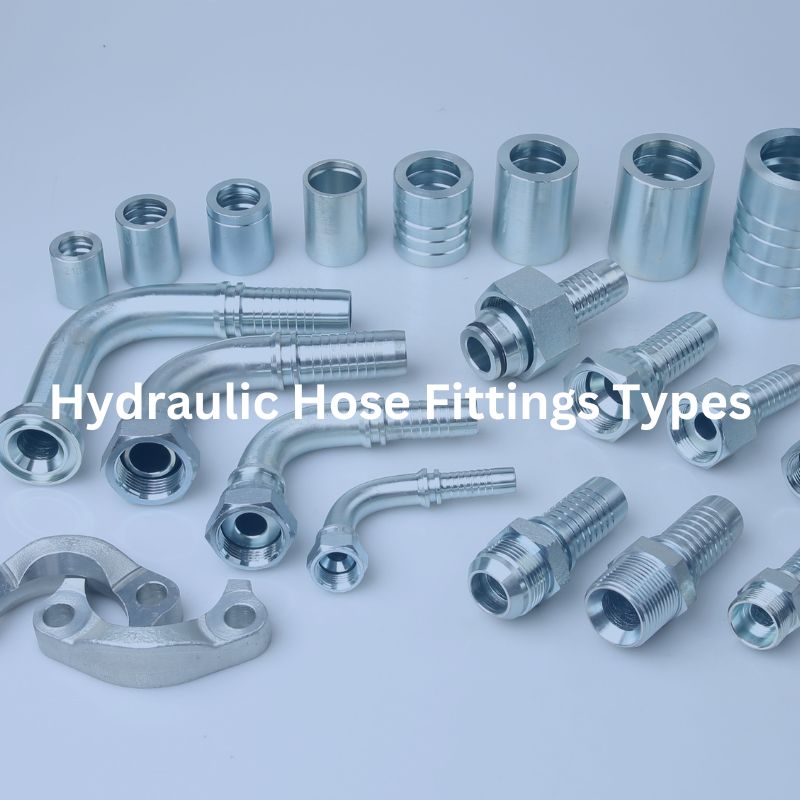
Hydraulic Hose Fitting Types: A Comprehensive Guide

Hydraulic Hose Fitting Types: A Comprehensive Guide

Table of Contents

Introduction

Hydraulic hose fittings act as the connectors that link hydraulic hoses to various system elements such as pumps, valves, cylinders, and other integral parts of a hydraulic circuit. Without these fittings, the transfer of hydraulic fluid would be inefficient, leading to potential system failures and decreased performance. Selecting the appropriate hydraulic hose fittings involves understanding various factors, including the type of threads, sealing methods, and compatibility with different fluids and environmental conditions.

Common Thread Types for Hydraulic Hose Fittings

NPT/NPTF (National Tapered Pipe/Fuel)

Appearance Characteristics

NPT (National Pipe Tapered) and NPTF (National Pipe Tapered Fuel) threads are characterized by their tapered design, which is a key visual feature. Unlike straight threads, the diameter of tapered threads decreases from the end of the fitting towards the beginning. This taper creates a wedging action as the male and female threads are tightened together. The taper typically follows a standard angle, making these fittings distinct and easily identifiable. When inspecting an NPT or NPTF fitting, you will notice that the thread peaks and valleys become progressively closer together towards the end of the fitting.

Sealing Method

The sealing method for NPT and NPTF threads relies primarily on thread deformation. As the tapered threads are screwed together, they deform slightly to fill the voids between the threads, creating a tight seal. This deformation is essential for achieving a leak-free connection. To further enhance the seal, it is common practice to use a thread sealant or tape, such as PTFE (Teflon) tape. The sealant fills in the microscopic gaps between the threads, preventing any fluid from escaping. This combination of mechanical deformation and sealant application makes NPT and NPTF threads highly effective in maintaining high-pressure hydraulic systems.

Country of Use

NPT and NPTF threads are predominantly used in the United States and Canada. They have become the standard for many industrial, commercial, and residential applications within these regions. This widespread adoption is due to their reliable performance in high-pressure and high-temperature environments. Industries such as oil and gas, manufacturing, and construction commonly utilize these fittings due to their robustness and ease of use. Moreover, the standards for NPT and NPTF threads are well-documented and widely accepted in North America.

NPT and NPTF threads are specified under various standards to ensure consistency and interchangeability. NPT threads are defined by the American National Standard Pipe Thread standards, often referred to as ANSI/ASME B1.20.1. On the other hand, NPTF threads are specified by the Dryseal Pipe Thread standards, which are designed to provide better sealing capabilities without the need for additional sealants. Despite these distinctions, both thread types share similar geometric characteristics, making them compatible in many applications. However, it is essential to select the correct type based on the specific requirements of the hydraulic system to ensure optimal performance and safety.

BSP (British Standard Pipe) Thread

BSPT (British Standard Pipe Tapered)

External Characteristics: BSPT (British Standard Pipe Tapered) threads feature a tapered design similar to that of NPT threads. This taper means that the thread’s diameter decreases from the end of the fitting towards the beginning, creating a wedging action when the threads are tightened together. This tapering ensures a tighter fit as the threads are engaged, which is essential for forming a reliable seal. The taper angle for BSPT threads is 55 degrees, making it distinct from other thread types.

International Standard: The standard governing BSPT threads is ISO 7-1. This international standard ensures consistency and compatibility of BSPT fittings used across different regions and applications.

Sealing Method: BSPT threads seal primarily through thread deformation. As the tapered threads are screwed together, they deform slightly to fill any gaps between the threads, creating a tight and secure connection. This sealing method is effective in preventing leaks, especially in high-pressure applications. The wedging action produced by the tapering enhances the seal, making BSPT fittings reliable in various industrial and hydraulic systems.

Country of Use: BSPT fittings are used globally, with significant prevalence in Europe and Asia. They are a standard choice in many industries, including plumbing, hydraulic systems, and gas distribution.

BSPP (British Standard Pipe Parallel)

External Characteristics: BSPP (British Standard Pipe Parallel) threads differ from BSPT threads in that they maintain a consistent diameter along the length of the fitting. Unlike tapered threads, BSPP threads do not wedge together, which means they rely on additional sealing mechanisms to prevent leaks. The threads are parallel and feature a 55-degree flank angle, similar to BSPT threads but without the taper.

International Standard: BSPP threads are standardized under ISO 228-1. This standard ensures that BSPP fittings are compatible and can be used interchangeably in various applications worldwide.

Sealing Method: BSPP threads seal using a washer or an O-ring. The washer or O-ring sits between the mating faces of the fittings and is compressed to create a seal. This method is highly effective in preventing leaks and is preferred in applications where a reliable seal is critical. The use of a washer or O-ring also allows for easier disassembly and reassembly, which is beneficial in maintenance and repair operations.

Country of Use: BSPP fittings are used globally, especially in Europe and Asia. They are often preferred for their reliable sealing mechanism, which does not rely on thread deformation.

JIC (Joint Industry Committee) Thread

Appearance Characteristics

JIC (Joint Industry Committee) fittings are distinguished by their 37-degree flare seating surface. This flare is a critical design feature that ensures a secure and tight fit. The male fitting has a 37-degree flared end, which mates with a corresponding female fitting that has a matching 37-degree internal flare. This precise angle is crucial for the metal-to-metal sealing method that JIC fittings employ. When the male and female fittings are tightened together, the flared surfaces create a strong, leak-proof connection. The fittings are typically made of durable materials such as stainless steel or brass, which are chosen for their strength and corrosion resistance.

International Standard

The design and specifications of JIC fittings are standardized under SAE J514. This standard outlines the dimensions, tolerances, and performance requirements for JIC fittings, ensuring compatibility and interchangeability across different manufacturers and applications.

Sealing Method

JIC fittings achieve their seal through metal-to-metal contact. The 37-degree flared surfaces of the male and female fittings form a seal when they are tightened together. This metal-to-metal sealing method is highly effective because it provides a large contact area, which distributes the pressure evenly and prevents leaks. The absence of additional sealing materials like O-rings or gaskets simplifies the design and reduces the risk of seal degradation over time.

Country of Use

JIC fittings are widely used in North America, where they have become a standard in many industries. Their reliability, ease of use, and ability to maintain a leak-free connection under high pressure make them a popular choice for various applications, including automotive, aerospace, and industrial hydraulic systems.

SAE Straight Thread

Appearance

SAE straight threads are characterized by their uniform diameter along the length of the fitting. Unlike tapered threads, SAE straight threads do not decrease in diameter and thus do not create a wedging action when tightened. Instead, they rely on a different sealing mechanism to ensure a leak-free connection. These fittings often include an O-ring, which plays a crucial role in the sealing process. The O-ring is typically seated in a groove on the male fitting, providing an additional layer of sealing integrity. The threads themselves provide mechanical strength, while the O-ring ensures the hydraulic fluid remains contained within the system.

International Standard

SAE straight threads are standardized under SAE J1926-1. This standard specifies the dimensions, tolerances, and performance requirements for SAE straight thread fittings. Adhering to this standard ensures that fittings from different manufacturers are compatible and can be used interchangeably.

Sealing Method

The primary sealing method for SAE straight thread fittings involves an O-ring. The O-ring is positioned in a groove on the male fitting. When the male and female fittings are screwed together, the O-ring is compressed against the flat face of the female fitting. This compression creates a tight seal that prevents hydraulic fluid from leaking. The use of an O-ring is advantageous because it provides a reliable seal even under high pressure. Additionally, the O-ring can accommodate minor imperfections in the mating surfaces, ensuring a robust and leak-free connection.

ORFS (O-Ring Face Seal) Thread

Appearance

ORFS (O-Ring Face Seal) fittings are distinctive due to their flat face design, which includes an O-ring situated in a groove on the face of the fitting. This flat face provides a large sealing surface area, which, when combined with the O-ring, ensures a reliable and robust seal.

International Standard

The specifications and dimensions for ORFS fittings are standardized under SAE J1453. This standard outlines the requirements for ORFS fittings, ensuring consistency and compatibility across different manufacturers. Adherence to this standard is crucial for maintaining the integrity and reliability of hydraulic systems that use these fittings. The SAE J1453 standard covers various aspects, including the material properties of the fittings and O-rings, dimensional tolerances, and performance under different pressures and temperatures.

Sealing Method

The primary sealing mechanism for ORFS fittings involves the compression of the O-ring. When the male and female fittings are joined, the O-ring on the flat face of the male fitting compresses against the flat surface of the female fitting. This compression creates a leak-free seal that can handle high pressures. The metal-to-metal contact between the flat faces provides structural support, while the O-ring ensures fluid containment. This sealing method is highly effective because it combines the strength of metal with the flexibility and sealing properties of the O-ring, making it suitable for both high-pressure and high-vibration environments.

Metric Thread

Appearance Characteristics

Metric threads often featuring either straight or tapered threads. The straight threads maintain a uniform diameter along the length of the fitting, while tapered threads gradually decrease in diameter, creating a wedging action when tightened. Metric threads are identified by their consistent pitch (the distance between threads) and diameter, which follow standardized measurements in millimeters.

International Standard

Metric fittings are standardized under several ISO norms to ensure consistency and interoperability. The key standards include:

ISO 6149: This standard covers metric threads for hydraulic fluid power systems and general use, specifying dimensions and performance requirements.

ISO 9974: This standard defines the specifications for metric adjustable and non-adjustable thread connectors.

DIN 2353: A German standard that specifies dimensions, design, and pressure ratings for metric thread fittings, widely adopted in Europe and other regions.

Adhering to these standards ensures that metric fittings from different manufacturers can be used interchangeably, providing flexibility and reliability in hydraulic systems.

Sealing Method

The sealing method for metric threads varies based on the type of thread and its application:

O-ring Seals: Many metric fittings use an O-ring seated in a groove on the male fitting, which compresses against the female fitting’s flat face. This method provides a reliable seal that can withstand high pressures and dynamic conditions.

Metal-to-Metal Contact: Some metric fittings rely on a metal-to-metal sealing method, where the threads themselves provide the seal through tight contact. This method is often used in applications where an O-ring might not be suitable, such as high-temperature environments or where there is a need for frequent disassembly and reassembly.

Classification

Metric threads are classified into three main series, each designed to handle different pressure capacities and usage scenarios:

Light Series (L): Suitable for lower-pressure applications, the light series fittings are used in less demanding environments.

Medium Series (M): These fittings are designed for medium-pressure applications and are commonly used in a wide range of hydraulic systems.

Heavy Series (S): Heavy series fittings are built to withstand high-pressure conditions and are used in the most demanding hydraulic applications, such as in heavy machinery and industrial equipment.

Country of Use

Metric fittings are predominantly used in Europe and Asia, where they are a standard choice for hydraulic systems and other applications. Their adoption in these regions is driven by the widespread use of the metric system and the standardized nature of the fittings, which ensures compatibility and ease of use.

Specialty Hose Fittings

Banjo Fitting

Banjo fittings feature a hollow, circular bolt that allows fluid to flow through it. The fitting typically consists of a hollow bolt with a spherical section and a mating socket. The bolt has an opening that aligns with a corresponding hole in the mating part, allowing fluid to pass through. This design not only enables 360-degree fluid transfer but also makes the fitting compact and ideal for tight spaces. The flat sealing surface on the bolt and the corresponding socket ensures a leak-free connection when tightened.

Barb Fittings

Exterior Features: Barb fittings have a distinctive barbed end designed to grip the inside of a hose. The barbs are ridged and tapered, allowing the hose to slide over them easily while providing a secure hold that prevents the hose from slipping off under pressure. These fittings are generally straightforward in design, featuring one or more barbs that increase in diameter away from the fitting base.

Material: Barb fittings are typically made from materials such as brass, stainless steel, or durable plastics. Brass and stainless steel are preferred for their resistance to corrosion and high strength, making them suitable for a variety of industrial applications. Plastic barb fittings, often made from materials like nylon or polyethylene, are used in less demanding, low-pressure applications due to their ease of installation and cost-effectiveness.

Bead Fittings

Bead fittings are identified by a prominent bead or raised ridge near the end of the fitting. This bead provides a positive stop for the hose when it is clamped in place, ensuring a secure connection. The body of the fitting is generally cylindrical, with the bead positioned strategically to prevent the hose from slipping off. This design makes bead fittings especially reliable for applications that involve high pressure or significant mechanical stress.

Additional Information

Specialty hose fittings are designed to meet the unique requirements of various applications, providing functionality and reliability where standard fittings may not suffice. Understanding the specific features and appropriate use cases for each type of specialty fitting is essential for optimizing the performance of hydraulic and fluid systems.

Banjo Fittings: These fittings are particularly useful in automotive and hydraulic systems where space is at a premium. Their ability to facilitate fluid flow in tight quarters makes them indispensable in fuel systems and brake lines.

Barb Fittings: Known for their ease of installation, barb fittings are commonly used in low-pressure applications such as irrigation systems, fuel lines, and air hoses. Their material versatility allows them to be used in a wide range of environments.

Bead Fittings: Bead fittings are designed for applications that require a highly secure connection, capable of withstanding high pressures and mechanical stresses. They are commonly used in HVAC systems, industrial machinery, and high-pressure hydraulic systems.

Identifying Hydraulic Hose Fittings

Measuring Techniques

Elimination Process When measure Hydraulic Hose Fittings

Thread Size: Measure the outside diameter of the thread using calipers. Place the caliper jaws on the outermost edges of the thread and read the measurement.

Diameter: Measure the inside diameter of the hose. Insert the caliper jaws inside the hose and expand until the jaws touch the inner walls. Record the measurement.

Pitch: Measure the distance between threads using a thread pitch gauge. Place the gauge teeth on the threads until they fit snugly with no gaps.

Tools Needed: Ensure you have calipers and thread pitch gauges to get accurate measurements.

Visual Recognition

Thread Shape: Observe the shape of the threads. Different types of fittings have unique thread patterns. For example, BSPT threads have a tapered profile, while BSPP threads are parallel.

O-rings: Check for the presence of O-rings, which are common in ORFS and some SAE fittings. The O-ring location and type can help identify the fitting.

Flare Angle: Look at the flare angle. JIC fittings have a 37° flare, while SAE fittings typically have a 45° flare. The flare angle can help distinguish between different fitting types.

Using Charts and Guides:

Manufacturer’s Charts: Utilize charts provided by manufacturers to match fitting specifications. These charts often include detailed diagrams and measurements that can help you identify the correct fitting.

Online Guides: Refer to online guides and resources. Many hydraulic fitting suppliers and manufacturers offer comprehensive guides that detail the specifications and identification techniques for various fittings.

Conclusion

Understanding the various types of hydraulic hose fittings is essential to maintaining the efficiency and safety of hydraulic systems across multiple industries. By applying the knowledge gained in this guide, you can make informed decisions about hydraulic hose fittings to ensure optimal performance and safety of your hydraulic system. For more detailed information, be sure to contact Topa.

FAQ

What are the most common types of hydraulic hose fittings?

The most common types include NPT (National Pipe Tapered), BSP (British Standard Pipe), JIC (Joint Industry Council), SAE (Society of Automotive Engineers) Straight Thread, ORFS (O-Ring Face Seal), and DIN Metric fittings.

How do I identify the correct hydraulic hose fitting?

Identification involves measuring the thread size (outside diameter), diameter (inside diameter of the hose), and pitch (distance between threads) using calipers and thread pitch gauges. Visual recognition, such as checking for unique features like thread shape and O-rings.

How do I prevent leaks in hydraulic hose fittings?

To prevent leaks, ensure that fittings are properly matched and correctly installed. Use the appropriate sealants, such as Teflon tape for tapered threads or O-rings for ORFS fittings. Regular maintenance checks to tighten loose fittings and replace worn seals can also help prevent leaks.

How do I properly install hydraulic hose fittings?

Proper installation involves ensuring that the fittings are clean and free from debris, using the correct tools, and following the manufacturer’s guidelines. It’s important to tighten fittings to the recommended torque to avoid leaks and damage.

What are the maintenance tips for hydraulic hose fittings?

Routine maintenance includes regularly inspecting fittings for signs of wear, corrosion, or damage, ensuring that all connections are secure, and replacing any worn or damaged components promptly.

What factors should I consider when selecting a hydraulic hose fitting?

Key factors include the pressure rating, fluid compatibility, environmental conditions (such as temperature and exposure to chemicals), and the specific application requirements.

Hydraulic Fitting Types The Comprehensive Guide Topa

Hydraulic Fitting Types

The Comprehensive Guide to Hydraulic Fitting Types

Our Blog

Comprehensive Guide

A comprehensive guide to hydraulic fitting types can help you learn more about threads such as JIC, BSP, SAE, JIS and NPT. This guide provides clear and practical advice to help you choose the right fitting for your hydraulic system. This guide all ensures that you have the knowledge you need to make informed decisions and maintain efficient, reliable operation.

JIC fitting introduction Topa

Chapter 1

What are JIC Hydraulic Fittings?

understanding BSP hydraulic fittings

Chapter 2

Understanding BSP Hydraulic Fittings

Metric hydraulic fittings:The comprehensive guide

Chapter 3

Metric Hydraulic Fittings: The Comprehensive Guide

What is ORS Hydraulic Fitting

Chapter 4

What is ORS Hydraulic Fitting?

What is DIN Hydraulic fitting Topa

Chapter 5

What is DIN Hydraulic Fitting?

what is an orb hydraulic fitting Topa

Chapter 6

What is An ORB Hydraulic Fitting

JIC vs AN What's the difference

Chapter 7

An vs JIC Hydraulic Fittings: What's the Difference

BSP vs NPT title Topa

Chapter 8

BSP and JIC Hydraulic Fittings

What Does SAE Stand for in Hydraulic Fittings Topa

Chapter 9

What Does SAE Stand for in Hydraulic Fittings?

Pipe Thread vs Straight Thread Hydraulic Fittings

Chapter 10

Pipe Thread vs Straight Thread Hydraulic Fittings

JIC vs NPT

Chapter 11

JIC vs NPT Fittings: The Ultimate Guide

SAE vs JIC

Chapter 12

SAE vs JIC Hydraulic Fitting: What's the Difference

BSP vs NPT title Topa

Chapter 13

BSP VS NPT Threads:What are the Differences?

UNF vs UNC

Chapter 14

UNC vs UNF Fittings: What is the Difference?

Your Questions?

Confused about the content of the article? Have any suggestions? Contact us and Topa will get back to you as soon as possible!

What Does SAE Stand for in Hydraulic Fittings Topa

What Does SAE Stand for in Hydraulic Fittings

What Does SAE Stand for in Hydraulic Fittings?

Introduction

Understanding the intricacies of hydraulic fittings is crucial for professionals in the field, and one term that often pops up is ‘SAE.’ This acronym, short for the Society of Automotive Engineers, plays a pivotal role in standardizing these crucial components. In this comprehensive guide, we’ll delve into what SAE stands for in the context of hydraulic fittings, its significance, and how it shapes the choices professionals make every day.

Brief History

Foundation and Purpose: The Society of Automotive Engineers was established in the early 20th century, primarily to provide a platform for the exchange of ideas among automotive engineers. Initially focused on the automotive sector, SAE expanded its scope over time to include aerospace and commercial vehicles.

Role in Standardization: SAE became instrumental in standardizing components and systems within the automotive industry. This role was crucial during the rapid development and expansion of the automotive and aerospace industries in the 20th century.

Description of SAE Standards Specific to Hydraulic Fittings:

SAE stands for the Society of Automotive Engineers. This organization is known for developing technical standards for various aspects of automotive and related industries.

SAE standards for hydraulic fittings are comprehensive guidelines that outline specifications for design, performance, and dimensions. These standards ensure compatibility and safety across different hydraulic systems.

Notably, SAE standards cover aspects such as thread size and type, fitting configuration, pressure ratings, and material specifications. This is crucial for ensuring the fittings can withstand the operational demands in various environments.

Comparison with Other Standards (like ISO):

ISO, or the International Organization for Standardization, is another key body that sets global industry standards, including those for hydraulic systems.

While SAE is predominantly followed in North America, ISO standards have a wider international acceptance. This means that products conforming to ISO standards are generally suitable for global markets.

SAE and ISO standards may differ in terms of thread types, sizes, and pressure ratings. For instance, SAE standards often use imperial measurements, while ISO standards typically use metric.

In terms of hydraulic fittings, an engineer or technician must ensure that the selected fittings comply with the specific standards required for their application, whether SAE, ISO, or others.

Types of SAE Standard Fittings

JIC Fittings

Overview: JIC (Joint Industry Council) fittings, often associated with SAE standards, are widely used in hydraulic systems. They have a 37-degree flare seating surface.

Specifications: These fittings are typically made of carbon steel and are used in applications where high pressure is a factor. Sizes range from 1/16 to 3 inches.

Applications: Common in mobile hydraulics and in the aerospace sector. They are suitable for high-vibration environments due to the metal-to-metal contact and are often used in fuel and oil

O-Ring Face Seal (ORFS) Fittings

Overview: ORFS fittings provide a good seal and resistance to over-torque. They have a straight thread and a flat face with an O-ring groove.

Specifications: Available in sizes from about ¼ inch to 2 inches, ORFS fittings are usually made from stainless steel or carbon steel.

Applications: Widely used in higher pressure applications and where vibration resistance is needed. Common in construction equipment and automotive applications.

SAE Straight Thread O-Ring Fittings

Overview: These are also known as O-Ring Boss (ORB) fittings, featuring a straight thread and an O-ring.

Specifications: They are characterized by their robust sealing and are made of materials like steel and stainless steel. Sizes vary from 1/8 inch to 2 inches.

Applications: Ideal for medium to high-pressure applications, including agriculture, automotive, and industrial hydraulics.

NPT Pipe Fittings

Overview: National Pipe Thread (NPT) fittings are one of the oldest types of hydraulic fittings and conform to SAE standards.

Specifications: They have tapered threads for sealing and holding. Sizes can range from 1/16 inch to 3 inches.

Applications: Used in a variety of applications, including lower pressure and general-purpose hydraulics. Not recommended for high vibration or impulse applications due to potential for leaks.

Flange Fittings

Code 61 SAE hydraulic flanges

Overview: Flange fittings in hydraulic systems are used for connecting larger pipes or hoses, typically in high-pressure applications.

Specifications: These come in two main types – split flange or captive (one-piece) flange. Sizes range significantly to accommodate larger hoses and pipes.

Applications: Commonly found in industrial and marine applications, especially where high-pressure, large diameter hoses are required.

SAE 45-degree Fitting

Overview:The SAE 45-degree fitting, often referred to in the context of hydraulic and pneumatic systems, is a type of fitting used to connect hoses and pipes in these systems. Here is a detailed overview:

Angle: As the name suggests, the SAE 45-degree fitting features a 45-degree angle, which is essential for routing hoses or pipes in systems where space is limited or where a straight or 90-degree fitting would be impractical.

Design Standards: These fittings conform to SAE (Society of Automotive Engineers) standards, which dictate their dimensions, threading, and other crucial specifications to ensure compatibility and safety in automotive and industrial applications.

Banjo Fittings

Overview: Unique for their hollow bolt and ring shape, banjo fittings are used in hydraulic systems to allow for flexible piping.

Specifications: They come in various sizes and are often made of steel, stainless steel, or brass.

Applications: Predominantly used in automotive applications, such as fuel, oil, and brake lines, due to their compact design and efficiency.

DIN Fittings (Deutsches Institut für Normung)

Overview: Although not strictly SAE, DIN fittings are mentioned for comparison as they are another standard commonly used in hydraulics.

Specifications: DIN fittings follow German standards and are known for their metric dimensions and heavy-duty applications.

Applications: Widely used in European equipment and in applications requiring robust, high-pressure fittings.

SAE Standards and Their Importance

In-depth Discussion on Why SAE Standards are Crucial

Uniformity and Interchangeability: SAE standards create a uniform framework for the design, manufacture, and testing of hydraulic fittings. This standardization ensures interchangeability across different brands and systems, a critical factor in the maintenance and repair of hydraulic systems.

Safety and Reliability: Adhering to SAE standards helps in ensuring the safety and reliability of hydraulic systems. These standards are developed considering the operational pressures, temperatures, and other critical factors that hydraulic systems encounter, thus ensuring that the components can withstand these conditions without failure.

Compatibility Across Systems: SAE standards facilitate compatibility across various hydraulic systems. This is particularly vital in complex machinery where components from different manufacturers are used. It ensures that these components work seamlessly together, reducing the risk of malfunctions or system failures.

Quality Assurance: Implementing SAE standards is synonymous with a commitment to quality. Manufacturers who adhere to these standards are seen as providers of high-quality products, which helps in building customer trust and industry reputation.

International Recognition: While SAE is an American organization, its standards are recognized and followed globally. This worldwide acceptance makes SAE standards a benchmark for quality and reliability in the international market.

Innovation and Continuous Improvement: SAE standards are not static; they evolve with advancements in technology and industry practices. This encourages continuous improvement and innovation in the design and production of hydraulic fittings.

Benefits of Using SAE Standardized Fittings in Hydraulic Systems

Ease of Procurement and Replacement: Standardized fittings simplify the procurement process. Maintenance teams can easily source replacements without worrying about compatibility issues.

Reduced Downtime: In industrial settings, downtime due to component failure or incompatibility can be costly. SAE standardized fittings reduce the likelihood of such issues, ensuring smoother operations.

Cost-Effectiveness: Standardization often leads to reduced costs. With common design and manufacturing processes, the production costs of fittings are lowered, benefiting both manufacturers and end-users.

Enhanced System Performance: Systems that use standardized fittings are generally more efficient and reliable. This ensures optimal performance and longevity of the hydraulic system.

Global Compliance: For businesses operating in multiple countries, using SAE standardized fittings means compliance with global industry standards, facilitating easier expansion and operation in international markets.

Facilitation of Technological Advancements: As SAE standards evolve, they encourage the integration of new technologies and materials in hydraulic fitting design, leading to more advanced and efficient systems.

Choosing the Right SAE Fittings

Guidelines on Selecting Appropriate SAE Fittings

length measure Topa

Understand the Application Requirements: Assess the specific needs of your hydraulic system, including pressure ratings, fluid compatibility, temperature range, and environmental conditions.

Identify the Correct Size and Type: Ensure that the fitting size matches the hydraulic hose or tubing. Incorrect sizing can lead to leaks or system failures. The type of fitting (e.g., JIC, ORFS, NPT) should be selected based on the application’s specific requirements.

Check Compatibility with Fluids: Different hydraulic fluids may require different materials for fittings. Verify compatibility to avoid corrosion or degradation of the fittings.

Consider Pressure Ratings: Fittings should be chosen based on their ability to withstand the operating pressure of the hydraulic system. Exceeding the pressure rating can result in dangerous situations.

Evaluate Environmental Conditions: If the fittings are to be used in harsh environments (like high temperatures, corrosive substances, or heavy vibrations), choose fittings that are designed to withstand these conditions.

Benefits of Using SAE Standardized Fittings in Hydraulic Systems

Ease of Procurement and Replacement: Standardized fittings simplify the procurement process. Maintenance teams can easily source replacements without worrying about compatibility issues.

Reduced Downtime: In industrial settings, downtime due to component failure or incompatibility can be costly. SAE standardized fittings reduce the likelihood of such issues, ensuring smoother operations.

Cost-Effectiveness: Standardization often leads to reduced costs. With common design and manufacturing processes, the production costs of fittings are lowered, benefiting both manufacturers and end-users.

Enhanced System Performance: Systems that use standardized fittings are generally more efficient and reliable. This ensures optimal performance and longevity of the hydraulic system.

Global Compliance: For businesses operating in multiple countries, using SAE standardized fittings means compliance with global industry standards, facilitating easier expansion and operation in international markets.

Facilitation of Technological Advancements: As SAE standards evolve, they encourage the integration of new technologies and materials in hydraulic fitting design, leading to more advanced and efficient systems.

Common Mistakes to Avoid in Selection

Ignoring Compatibility Issues: Using fittings not compatible with the fluid type or material can cause leaks and reduce the lifespan of the system.

Overlooking Pressure Ratings: Fittings with lower pressure ratings than the system’s requirements can lead to failures under pressure.

Incorrect Sizing: Mismatched sizes can lead to improper sealing and leaks. Always double-check the sizing for accuracy.

Neglecting Quality for Price: Opting for cheaper, lower-quality fittings can result in frequent replacements and increased downtime.

Over-tightening: This common mistake can strip threads or crack fittings, leading to leaks and failures.

Tips from Industry Experts

Consult Technical Specifications: Always refer to the manufacturer’s technical specifications for guidance on the proper use and limitations of each fitting.

Regular Maintenance Checks: Regularly inspect fittings for signs of wear, corrosion, or damage. This can prevent system failures.

Training and Expertise: Ensure that personnel handling the hydraulic systems are trained in fitting selection and installation.

Stay Updated on Standards: Keep abreast of any updates or changes in SAE standards, as these could affect fitting selection and compatibility.

Seek Professional Advice: When in doubt, consult with a hydraulic systems expert or the fitting manufacturer for advice on the best fitting for a specific application.

Installation and Maintenance of SAE Fittings

Best Practices for Installing SAE Hydraulic Fittings

Proper Preparation: Before installation, clean all threads and surfaces. Remove any debris or contaminants that could affect the fitting’s performance.

Correct Tools and Techniques: Use the right tools for tightening fittings to avoid damage. Follow the manufacturer’s torque specifications precisely.

Inspect Before Installation: Check for any defects or damages in the fittings. A damaged fitting can compromise the entire hydraulic system.

Alignment and Connection: Ensure proper alignment when connecting fittings. Misalignment can cause undue stress and lead to leaks or fitting failure.

Thread Engagement: Proper thread engagement is crucial. Follow the rule of thumb for the number of turns or use a thread gauge for precision.

hydraulic fittings measure tools Topa

Avoid Over-tightening: This can strip threads or fracture fittings. Use a torque wrench to apply the correct amount of force.

Sealing and Testing: After installation, ensure all connections are sealed properly. Conduct a pressure test to check for leaks.

Maintenance Tips to Ensure Longevity and Efficiency

Regular Inspections: Routinely inspect fittings for signs of wear, corrosion, or damage. Early detection of issues can prevent system failures.

Cleanliness: Keep the fittings and surrounding areas clean. Contamination is a leading cause of hydraulic system failure.

Lubrication: Apply suitable lubricants to the fittings as necessary, especially in areas prone to corrosion or high wear.

Tightening Schedule: Periodically check and retighten fittings as necessary, especially in systems experiencing vibration or thermal cycling.

Record Keeping: Maintain records of maintenance schedules, replacements, and any issues encountered. This can help in troubleshooting and future maintenance planning.

Environment Monitoring: Keep an eye on the environment where the hydraulic system operates. Changes in temperature, humidity, or exposure to corrosive substances can affect the fittings.

Troubleshooting Common Issues with SAE Fittings

Leaks: If a leak is detected, first identify its source. Tighten the fitting if it’s loose, but be cautious not to over-tighten. Replace the fitting if it’s damaged or worn out.

Thread Damage: Inspect threads for signs of stripping or cross-threading. Replace fittings with damaged threads to prevent leaks and ensure a secure connection.

Corrosion: Look for rust or corrosion, particularly in harsh environments. Use corrosion-resistant fittings or apply protective coatings if necessary.

Vibration-Induced Loosening: In systems with high vibration, check for loosening of fittings. Use locking mechanisms or thread sealants as preventive measures.

Temperature Fluctuations: Sudden temperature changes can affect fitting integrity. Use fittings rated for the operating temperature range and monitor for thermal expansion issues.

Conclusion

In conclusion, SAE hydraulic fittings play a pivotal role in hydraulic and pneumatic systems across various industries. Understanding the nuances of these fittings, from their types and specifications to installation and maintenance, is essential for ensuring efficient, safe, and reliable operations. Adherence to SAE standards guarantees compatibility and consistency, making these fittings a preferred choice for professionals in the field. Whether it’s selecting the right fitting for a specific application, installing them correctly, or troubleshooting common issues, a deep knowledge of SAE fittings is invaluable.

FAQ

SAE stands for Society of Automotive Engineers, a professional association that sets standards for various mechanical and hydraulic components.

SAE provides standardized specifications for hydraulic fittings, ensuring compatibility and consistency in the industry.

Common hydraulic fittings that use SAE standards include O-ring boss (ORB), flare, and pipe thread fittings.

SAE standards help ensure that hydraulic components are properly sized, compatible, and safe for use in high-pressure systems.

SAE hydraulic fittings may not be directly interchangeable with other fitting standards like BSP or JIC due to differences in thread and sealing designs.

Yes, SAE fittings are designed for high-pressure hydraulic systems and are widely used in automotive, industrial, and agricultural applications.

Topa Blog

Find out more about Topa Blog and learn more about specialized hydraulic fittings.

SAE vs JIC

SAE vs JIC Hydraulic Fittings: What is the Difference

SAE vs JIC Hydraulic Fittings:What is the Difference?

SAE vs JIC Hydraulic Fittings: What is the Difference?

In this guide, we’ll take an in-depth look at all aspects of JIC and SAE fittings, from their historical origins to their physical characteristics, performance specifications, and compatibility. Our goal is to equip you with the knowledge and insight you need to make an informed decision, ensuring you choose the right fitting for your specific hydraulic needs. So let’s begin this journey to better understand the intricacies of JIC and SAE hydraulic fittings.

What is a Flare Fitting?

A flare fitting is more than just a simple connection in a hydraulic system, it is a critical component designed for high performance. These specialized fittings are used to connect tubing, hose or pipe to ensure a leak-proof seal that can withstand hydraulic conditions. The tip of the flare fitting has been engineered to include precise angles and dimensions to meet stringent industry standards. This not only ensures optimal performance of the fitting, but also provides long-term reliability, reducing the need for frequent maintenance or replacement.

Function of Flare Fittings

Flare fittings are essential in hydraulic systems for connecting various hydraulic components, from pumps and valves to actuators and cylinders. In this way, they allow hydraulic fluids to flow smoothly and efficiently throughout the system.

But flare fittings do more than just connect. These components are designed to maintain the overall efficiency and performance of the system. They do this by ensuring leak-proof seals, minimizing fluid loss and reducing the risk of contamination. It’s critical because even small leaks can lead to serious operational problems, including reduced system efficiency and increased maintenance costs.

The most common hydraulic flare fittings are the JIC 37-degree tapered seat and SAE 45-degree flare fittings, both of which are described in more detail below.

Historical Background

Origins of the JIC Fitting

The Joint Industry Committee (JIC) fitting is a product of American ingenuity, originally developed to meet the stringent requirements of military applications. During World War II, the need for reliable, high-pressure fittings became critical. As a result, the JIC fitting was created and quickly adopted by the U.S. military for its durability and reliability under extreme conditions.

However, the JIC fitting’s use extends far beyond the battlefield. Over the years, JIC fittings have been used in a wide range of industrial applications. For example, they are commonly found in manufacturing environments, handling applications ranging from high-pressure fluid systems to pneumatic controls. The aerospace industry also relies heavily on JIC fittings for their ability to withstand high pressures and temperatures while maintaining a leak-tight seal.

Origins of SAE Flare Fittings

SAE flare fittings, on the other hand, were designed by the Society of Automotive Engineers, originally to meet the specific needs of the automotive industry. These fittings were designed to be versatile and cost-effective, making them ideal for automotive mass production. Their original applications included fuel lines, brake systems, and hydraulic clutches, among others.

However, the versatility of SAE flare fittings has led to their use in a variety of other areas as well. Today, they are commonly used in light industrial applications and heavy machinery. Their design allows for moderate pressure ratings, making them suitable for less demanding hydraulic systems. In addition, they can be used in refrigeration systems because they can handle a wide range of refrigerants.

Evolution of JIC and SAE Fittings

It’s important to note that both JIC and SAE fittings have come a long way over the years. Innovations in materials science have led to the development of more durable and corrosion-resistant fittings. This extends their service life and reduces the need for frequent replacement, resulting in long-term cost savings.

Physical Properties

Design

JIC: 37-Degree flare angle

JIC fittings have a 37-degree flare angle optimized for high-pressure applications. This specific angle makes for a stronger connection, reduces the risk of leakage, and ensures overall system reliability.

SAE: 45-degree flare angle

SAE fittings have a 45-degree flare angle. This design is better suited for medium-pressure conditions and is ideal for automotive and light industrial applications.

Thread size and pitch

JIC: JIC fittings typically have standardized thread sizes. This standardization ensures uniformity across applications and makes it easier for maintenance professionals to find alternatives. In addition, standardized threads help improve the fitting’s ability to form a secure, leak-tight connection, which is critical in high-pressure hydraulic systems.

JIC vs SAE

SAE: SAE fittings use different methods, have uniform dimensional standards, and are available in a range of customizable thread sizes. This flexibility allows them to meet the specific needs of applications ranging from automotive to industrial environments.

Materials

JIC: JIC fittings contain stainless steel or brass materials. These materials offer excellent durability and corrosion resistance, making them ideal for long-term use in harsh environments. The choice of material usually depends on the application. Carbon steel fittings require different surface treatments for corrosion and acid resistance.

SAE: SAE fittings are typically made of carbon steel and offer a good balance of strength and cost-effectiveness. While carbon steel fittings are not as corrosion-resistant as stainless steel, they are often coated to increase durability and make them suitable for a variety of applications. However, SAE fittings are also available in other materials, depending largely on your needs.

Feature

JIC (Joint Industry Council)

SAE (Society of Automotive Engineers)

Flare Angle

37 degrees

45 degrees

Primary Materials

Stainless steel, brass, carbon steel (with coating)

Carbon steel (often coated), brass, aluminum

Typical Pressure Range

Up to 5,000 psi (345 bar) depending on size/material

Up to 1,500 psi (103 bar); varies by system

Application Focus

High-pressure industrial, aerospace, military

Automotive, light industrial, refrigeration systems

Seal Type

Metal-to-metal flare seal

Metal-to-metal flare seal

Standard

SAE J514 / MIL-DTL-18866

SAE J512

Compatibility

Both JIC and SAE fittings are compatible with a variety of hydraulic systems. However, in some cases, a direct fit may not be feasible due to differences in design or thread size. In such cases, adapters with different threads can be used to bridge this gap and ensure a safe and reliable connection.

Pressure ratings

JIC: Known for their high pressure ratings, JIC fittings are the preferred choice for industrial, aerospace, and military applications. These industries often require hydraulic systems to operate under extreme conditions where even minor failures can have serious consequences. jic fittings are designed to meet these stringent requirements, providing a reliable, rugged solution.

SAE: In contrast, SAE fittings are designed for medium-pressure ratings. They are particularly well suited for automotive and light industrial applications, where hydraulic systems typically have lower pressure requirements. This makes SAE fittings a practical choice in these areas, balancing performance and cost.

Leak Resistance

JIC: One of the outstanding features of JIC fittings is their excellent leak resistance. These fittings are precision-engineered to minimize the risk of system failure due to leakage.

SAE: SAE fittings also offer good leakage resistance, but may require more frequent maintenance to ensure optimal performance.

Applications

JIC: JIC fittings are commonly used in a variety of industrial, aerospace, and military applications. Their high-pressure ratings and excellent leak-tightness make them ideal for these demanding applications.

SAE: SAE fittings are primarily used in automotive and light industrial applications. Their design and material selection make them suitable for these less demanding environments, balancing performance and cost.

SAE hydraulic fitting manufacturer application

Cost Effectiveness

JIC fittings have a high upfront cost but offer long-term value. Their durability and lower maintenance requirements mean they are actually more cost-effective over the entire life cycle of a hydraulic system. SAE fittings, on the other hand, are typically less expensive initially, but may need to be replaced more frequently, resulting in higher long-term costs.

Which is Better, JIC or SAE?

JIC fittings and SAE fittings are not superior or inferior, and much depends on the specific requirements of the hydraulic system. Both types of fittings have their advantages and limitations. The best choice depends on the specific needs of the hydraulic system, including factors such as pressure ratings, material compatibility, and long-term maintenance requirements. By understanding these nuances, you can make an informed decision that will improve the efficiency and reliability of your hydraulic system.

Category

JIC Fittings

SAE Fittings

Best For

– Industrial hydraulic systems 

– Aerospace and military applications 

– High-pressure environments (up to 5,000+ psi)

– Automotive systems (fuel, brake, power steering) 

– Refrigeration and HVAC 

– Light industrial or agricultural equipment

Advantages

– Excellent leak resistance under high pressure 

– Durable material options (stainless steel, brass) 

– Widely adopted in demanding industries 

– Available in both metric and imperial sizes

– Lower cost and widely available 

– Easier installation and maintenance in low-to-medium pressure systems 

– Compatible with various refrigerants and fluids

Limitations

– Higher upfront cost than SAE 

– Over-specified for low-pressure use, making it cost-inefficient

– Not ideal for high-pressure or high-vibration systems 

– Requires more frequent inspection and replacement in demanding environments

Can JIC and SAE be used interchangeably?

The short answer is no, it is not recommended to interchange JIC and SAE fittings. Although they may appear similar at first glance, these fittings have different design specifications and pressure ratings and are not intended to be used interchangeably.

What Happens If You Mix Them?

Attempting to connect a JIC fitting to an SAE fitting—or vice versa—can result in several serious issues, including:

Leaks Under Pressure

Because the flare angles do not align, the seal will not be tight. This can cause slow leaks or even catastrophic fluid loss under high pressure.

Thread Damage

Forcing incompatible threads can strip or cross-thread the fitting, making it unusable and possibly damaging expensive equipment ports.

Reduced System Performance

Even minor leaks or pressure inconsistencies can cause a drop in hydraulic efficiency, affecting system responsiveness and stability.

Component Failure

Misalignment puts uneven stress on the flare seat and threads, which over time may lead to cracking, deformation, or complete failure of the fitting.

Safety Hazards

A failed connection in high-pressure systems could lead to oil spray, burst lines, or fire risk (especially near flammable fluids or hot surfaces), endangering personnel and equipment.

How to Identify JIC and SAE Fittings?

Ensuring proper identification of JIC and SAE fittings is critical for optimal performance and safety of your hydraulic system. Below is a detailed step-by-step guide to help you accurately distinguish between the two types of fittings:

Tools Required

Protractor: These tools are essential for accurately measuring the flare angle of a fitting.

Thread Gauge: This tool helps you identify the thread size and pitch, another key feature that separates JIC and SAE fittings.

Step-by-step

Visual Inspection

Begin with a careful visual inspection of the joint in question. Although JIC and SAE fittings appear similar at first glance, their flare angles are very different. In practice, however, it is difficult to tell the difference between a 37-degree and a 45-degree flare, and you will need to use the appropriate tool to measure them.

Measure Flare Angle

Use a protractor to measure the flare angle at the end of the fitting. This is a critical step because the flare angle is the most important feature that distinguishes these two types of fittings. There is also a special specialty angle gauge that allows for a direct comparison of JIC and SAE thread seating angles.

Check Thread Size and Pitch

thread gauge Topa

Use a thread gauge to measure the thread size and pitch of the fitting. There are special fitting size tables as well as pitch tables, which you can compare to analyze once you have come up with the numbers with the help of a thread gauge.

Cross Reference

If you have access to any product documentation or specifications, verify the type of fitting against its measurements. Manufacturers often provide detailed information, including diagrams and specifications, to help you identify accurately.

Consult an Expert

When in doubt, it’s best to confirm with a hydraulic system expert or fitting manufacturer, who has the most detailed knowledge of hydraulic fittings. Incorrect identification can lead to system failure, increased maintenance costs, and even safety hazards.

How to Buy JIC and SAE Fittings?

Purchasing the right JIC or SAE fitting is a critical step in ensuring the optimal performance and safety of your hydraulic system. The following is a comprehensive guide to help you make an informed decision:

● Preliminary Steps

Determine your needs: Determine the specific requirements of your hydraulic system, such as pressure ratings, material compatibility, and type of application.

Review technical documentation: Review any technical specifications or system diagrams for the type and size of fittings required.

● Where to Buy

Authorized Distributors: Always buy from an authorized distributor or directly from the manufacturer to ensure that you are buying a quality product at the right price.

Web platforms: Ask for and buy hydraulic fittings from specialized hydraulic websites.

Trade shows and exhibitions: These events allow you to meet manufacturers and suppliers face-to-face, allowing you to evaluate products first-hand.

● Questions to ask the seller

Are these connectors certified to meet industry standards?

How long is the warranty?

Are volume discounts or trade accounts available?

What is the lead time?

Is after-sales support available?

● Final Steps

Place Order: After verifying all the details, place the order.

Quality Check: Upon receipt of the product, inspect the connector for any defects or discrepancies.

Installation: It is recommended that the connector be installed by a qualified technician to ensure proper installation.

Conclusion

For those who are still unsure about which accessories to choose, it is always a prudent step to consult with a hydraulic system specialist or manufacturer. At Topa, we aim to provide you with expert advice and high-quality solutions to meet your specific needs for hydraulic components.

Thank you for taking the time to read this guide. We hope it provides you with useful information to help you understand the complexities of JIC and SAE hydraulic fittings. Please feel free to contact us if you have any questions or need assistance.

FAQ

SAE stands for Society of Automotive Engineers, and it refers to a standard for hydraulic fittings commonly used in the automotive and industrial sectors.

JIC stands for Joint Industry Council, and it refers to a standard for hydraulic fittings with a 37-degree flare connection, commonly used in the U.S.

The main difference is that SAE fittings have a 45-degree flare angle, while JIC fittings have a 37-degree flare angle.

No, SAE and JIC fittings are not directly interchangeable due to the difference in their flare angles.

JIC fittings are more commonly used in North America, while SAE fittings are often seen in more specialized applications.

Yes, SAE fittings are designed for high-pressure systems and are commonly used in hydraulic and industrial applications.

Topa Blog

Find out more about Topa Blog and learn more about specialized hydraulic fittings.

hydraulic adapters manufacturer Topa in China

Hydraulic Adapters Manufacturer

Hydraulic Adapters Manufacturer

  • High-quality
  • Strength
  • Long-lasting 
  • Durable

Best Hydraulic Adapters Manufacturer in China

Hydraulic adapters are one of the most important hydraulic fittings in a hydraulic system. Unlike hose fittings, hydraulic adapters can connect different sizes of hydraulic components or hydraulic pipes at the same time. 

As a professional hydraulic adapters manufacturer, Topa is committed to providing you with the highest quality adapters, welcome to contact us!

Product Lists

Hydraulic adapters are a big classification in hydraulic fittings, it also includes various small classifications. Such as bulkhead fittings, tees, crosses, plugs, caps, and so on. These classified fittings also have various types of threads including JIC, BSPP, BSPT, NPT, Metric, DIN, ORB, JIS, and ORFS threads. You can click on the image below for more details or contact us directly!

BSP hydraulic adapters supplier in China

BSP Hydraulic Adapters

BSP 60° cone flare hydraulic adapters, BSPP and BSPT thread adapters.

hydraulic bulkhead adapters supplier

Hydraulic Bulkhead

JIC, BSP, Metric thread hydraulic bulkhead adapters.

hydraulic plug adapters supplier in China

Hydraulic Plug

Male hydraulic plugs and female hydraulic caps, for use with fluid systems.

Metric hydraulic adapters supplier in China

Metric Hydraulic Adapters

Metric hydraulic adapters, DIN standard adapters.

hydraulic tee adapters supplier in China

Hydraulic Tee Adapters

All threads hydraulic tee adapters, three-way hydraulic fittings.

JIS hydraulic adapter supplier in China

JIS Hydraulic Adapter

JIS standard hydraulic adapters, Japanese standard adapter fittings.

hydraulic test adapter supplier in China

Hydraulic Test Adapter

Hydraulic test point adapter, for use with hydraulic fluid test point.

Hydraulic Adapters Features

Hydraulic adapters are the most commonly used accessories in hydraulic systems. They allow the connection of fittings or pipes of different sizes to form a closed fluid circuit in a hydraulic system.

Topa’s hydraulic adapters are available in different materials and sizes. Common materials include brass, stainless steel, and carbon steel. The advantages of different materials vary, so you can choose the fitting material according to your needs.

The material of the hydraulic adapter determines the safety and performance of the hydraulic system. As a professional hydraulic adapter manufacturer, Topa provides high-quality, rigorously tested, and certified hydraulic adapters to ensure that the risk of leakage and malfunction can be minimized during use.

Advantages of Topa hydraulic adapters:

  1. Complete range
  2. Affordable prices
  3. High quality
  4. Durable                                                                                                
Topa Hydraulic Adapters Manufacturer in China

Application

Hydraulic adapters play a vital role in various industrial sectors. Whether in the industrial, agricultural, automotive, construction or chemical, petroleum, or food processing industries, hydraulic adapters play an indispensable role in ensuring the stable operation of hydraulic systems.

Topa hydraulic adapters China manufacturer agriculture

Agriculture

Hydraulic adapters are used in agriculture, whether for large-scale machinery, transportation, or irrigation. The adapters connect the hydraulic systems and ensure the proper functioning of agricultural production.

Topa hydraulic adapters China manufacturer oil and gas

Oil and Gas

Oil and gas require high-quality adapters to ensure a safe working environment, Topa's leak-free, high-temperature, and high-pressure resistant hydraulic adapters increase the safety of hydraulic systems.

Topa hydraulic adapters China manufacturer air plane

Aerospace

Aerospace hydraulic systems are very demanding. Ordinary quality hydraulic adapters are not sufficient for their use, but Topa has a more specialized product line to provide you with the highest quality adapters.

Why Choose Us

Custom

We can provide you with customized fitting services, Topa is a professional hydraulic adapters manufacturer who can design the material, appearance, thread, logo, and other details for you. You can put forward detailed requirements and we will try our best to fulfill them.  

Employee

Every Topa employee is committed to a high level of professionalism. Our staff responds to your questions, arranges orders quickly, and manufactures each product rigorously.


CNC

Topa’s factory has a large number of CNC machining machines, which can produce hydraulic products of various specifications. We have professional production technicians and inspection staff who will strictly control the quality of each product to ensure that you receive the best product.

Shipping

We have professional shipping partners who can provide you with a variety of shipping methods. topa will arrange transportation as quickly as possible so that the goods reach you as soon as possible.

Quality control​

Related Products

Hydraulic Hose

Hydraulic Hose Fitting

An Fitting

Quick Coupler

JIC Hydraulic Fitting

Banjo Hydraulic Fitting

FAQ

What are hydraulic adapters?

Hydraulic adapters are metal products, made of carbon steel, stainless steel, brass and other materials. They have two or more threaded ends and can be connected to hydraulic components.

What threads do hydraulic adapters have?


All threads are included. Examples include JIC, NPT, BSP, JIS, Metric, and ORFS. These threads can be used in a variety of applications.

What types of adapters are available?

Thread adapters, flange adapters, and push-in fittings.

What is the difference between a hose fitting and an adapter?

One end of a hose fitting is used to connect a hose and the other end is used to connect a hydraulic component. The adapter is used to connect hydraulic lines and components of different sizes.

In what applications can hydraulic adapters be used?

Machine building, agriculture, construction, food processing, chemical, aerospace, marine, oil and gas industries.

How do I choose the right hydraulic adapter?


Choose according to your hydraulic system and the environment in which it will be used. If you are not sure how to choose, please contact us and our professional staff will help you choose.

Is Topa a professional hydraulic adapters manufacturer?

Topa is one of the most professional hydraulic adapters manufacturer in China, we will provide you with the best hydraulic fittings.

How long can the adapter last?

It depends on your usage environment. Factors such as acid, alkali, vibration, dust will affect the life of the hydraulic adapter.

Why use hydraulic adapters?

Hydraulic adapters can connect different hydraulic lines to ensure the proper functioning of the hydraulic system. And they can also adapt to different environments to ensure the safety of the hydraulic system.

Are there discounts on Topa products?

The larger the order, the better the price.

Get More Information About Products

your name
E-mail
With Country Code
what can we do for you?
hydraulic adapter catalog

Interlock Hose Fittings

Interlock Hose Fittings Factory in China

  • High-temperature resistance

  • High-pressure resistance

  • Corrosion-resistance

  • Durable

Products List

Topa offers a full range of internlock fittings, including metric interlock fittings, BSP interlock fittings, NPT interlock fittings, JIC interlock fittings, flange interlock fittings, and JIS interlock fittings. Our fittings can meet all your needs, please contact us for more information!

BSP Interlock Hose Fitting

BSP thread interlock fitting, straight/45-degree/90-degree.

JIC Interlock Hose Fitting

JIC thread interlock fitting, straight/45-degree/90-degree.

NPT Interlock Hose Fitting

NPT thread interlock fitting, for use with hydraulic hoses.

Metric Interlock Hose Fitting

Metric thread interlock fitting, straight/45-degree/90-degree.

Flange Interlock Fitting

Code 61/62, 9000psi interlock fitting, straight/45-degree/90-degree.

Interlock Hose Ferrule

Interlock hose ferrule, for use with interlock hose fittings.

Interlock Double Connector

Double connector interlock hose fitting is usually used to connect two hoses.

Interlock Hose Fitting Video

In this video, we showcase a variety of interlock hose fittings, highlighting their robust design and superior functionality. The video focuses on the external features of the fittings, demonstrating how each type is engineered to provide secure and leak-proof connections for a range of high-pressure applications. You’ll see how the interlocking mechanism ensures a tight and reliable grip between the hose and fitting, even in the most demanding environments.

Throughout the video, we explore different fitting configurations and sizes, giving you a clear understanding of how they can be used across various industries such as construction, oil & gas, and manufacturing. Whether you need crimp, bolt, or weld interlock fittings, our video will guide you through their features and advantages, ensuring you choose the right fit for your needs.

Click the video below to view our interlock hose fittings in action! After watching, don’t hesitate to contact us for more information or place an order to experience the superior quality and performance of our products.

Interlock Hose Fittings Application

Interlock hose fittings are designed to meet the demanding needs of high-performance hydraulic and fluid systems. Their robust build and leak-proof design make them ideal for a variety of challenging environments.  

oil and gas interlock fittings

Oil and Gas

Hydraulic interlock hose fitting are resistant to high pressure and high temperature and are not easily corroded by fluids after special treatment.

industry interlock fittings Topa

Industry

Interlock hose fittings can be used in fixed or narrow positions in major hydraulic applications in factories. They can provide a leak free seal.

oil and gas interlock fittings

Mining

Mining application needs high-pressure resistance and durale interlock fittings, and Topa can offer all kinds of interlock hose fittings.

Get a Custom Quote Today!

Ready to upgrade your hose fittings? Contact us today for more information or place your order now!

Interlock Fittings Features

Interlock Fittings working principle

Working Principle

Interlock hose fittings feature a separate socket and nipple. Prior to assembly, both the hose cover and a portion of the inner tube need to be skived (removed). After assembly, the nipple and socket are crimped onto the hose. The socket’s shoulder end features a tooth that presses tightly onto the steel wire reinforcement layer of the hose, which has been skived from the inner tube. This creates a powerful anti-pulling force. The remaining teeth of the socket crimp the hose’s inner tube to the nipple, ensuring a secure seal under high pressure and temperature conditions. These fittings are ideal for use in environments requiring heavy-duty, high-temperature, and high-pressure hose connections, offering durability and performance that withstands the toughest conditions.

Structure

Interlock hose fittings comprise two main components: the socket and the nipple, which work together to form a strong, secure connection with the hydraulic hose. Below is a breakdown of their structure and how each part functions:

Socket:

Outer Structure: The socket is typically made of high-strength materials such as carbon or stainless steel, designed to withstand high pressures and harsh environments.

Teeth for Crimping: The socket features several teeth along its inner surface. These teeth engage with the hose during the crimping process to ensure a tight grip and prevent the hose from slipping or leaking.

Shoulder End: The socket has a shoulder end that helps to lock the hose into place securely. One of the teeth at the shoulder end tightly presses against the steel wire reinforcement layer of the skived hose, ensuring an anti-pulling force. This prevents the hose from being pulled off under high pressure.

Interlock Fittings Structure
Interlock Fitting structure

Structure

Nipple:

Groove Design: The nipple is equipped with a specially designed groove that matches the skived inner tube of the hose. The skiving ensures that the steel wire reinforcement layer is securely pressed into the groove during crimping, offering an extra level of anti-pulling protection.

Material Strength: Like the socket, the nipple is made from durable materials that offer resistance to corrosion and wear, ensuring the connection stays intact under extreme pressure and temperature conditions.

End Shape: The nipple may come in various shapes and thread types (such as BSP, JIC, or SAE) to accommodate different system requirements. It serves as the fitting that attaches to hydraulic components, ensuring compatibility and proper sealing.

Why Choose Interlock Hose Fittings

Interlock hose fittings are widely recognized for their ability to create secure, high-performance connections in fluid power systems. Their design, which interlocks the hose and fitting, provides several key advantages that make them ideal for challenging applications. Here’s why interlock hose fittings are a preferred choice:

Robust Construction

Interlock hose fittings are known for their solid, dependable build. The interlocking design ensures that the fitting tightly engages with the hose, creating a strong, secure connection. This significantly reduces the risk of separation or leaks under pressure. Furthermore, these fittings are often made from durable materials like brass or stainless steel, which helps them endure demanding environments, harsh chemicals, and extreme temperatures.

Superior Leak Prevention

One of the standout features of interlock hose fittings is their exceptional leak-proof performance. The tight interlock between the fitting and the hose, often combined with an O-ring or gasket, forms a highly effective seal that minimizes the chances of leaks. This is especially critical in applications where even small leaks could result in equipment failure, safety hazards, or costly downtime.

Easy Installation and Maintenance

Compared to other types of fittings, interlock hose fittings are easy to install and maintain. The general installation process typically involves inserting the hose and securing it with a clamp or ferrule. This simple method reduces installation time and allows for faster maintenance. Because of their straightforward design, interlock fittings also make it easier to replace or service components when needed.

Versatility Across Applications

Interlock hose fittings are highly versatile, coming in various sizes and configurations to suit different applications. These fittings are commonly used in industries such as:

Construction: For high-pressure hydraulic systems in heavy machinery.

Manufacturing: Where they handle fluids, gases, or even abrasive materials.

Agriculture: In irrigation or fertilizer systems that require reliable connections under pressure.

Get a Custom Quote Today!

Need a custom solution? Reach out to us for expert advice and fast delivery on your interlock hose fitting needs.

How to Select the Right Interlock Hose Fitting

Selecting the right interlock hose fitting is crucial for ensuring a secure, reliable, and efficient connection in hydraulic and fluid systems. Below are key factors to consider when choosing the ideal interlock fitting for your specific application:

Understand Your Application Requirements

Pressure Rating:

Match the fitting’s pressure rating with your system’s requirements. The fitting must be able to handle the maximum pressure of the system with a suitable safety margin. Interlock hose fittings are available in a wide range of pressure ratings, so select one that exceeds your system’s peak pressure to avoid failure.

Application Type:

For high-pressure hydraulic applications like construction machinery, cranes, or excavators, choose fittings that are specifically designed to handle extreme pressures.

For hazardous fluid systems, like chemical or oil transfer, choose fittings with superior sealing features to prevent leaks and potential safety hazards.

For harsh environments with vibrations, high temperatures, or corrosive substances, opt for stainless steel or carbon steel fittings, as they offer enhanced durability and corrosion resistance.

BSP interlock hose fitting Topa

Hose Compatibility

Hose Size and Type:

Ensure the fitting matches the hose size (inner and outer diameters). Mismatched sizes can lead to poor sealing, causing leaks or system failure. Interlock hose fittings come in various sizes, so measure the hose accurately before selecting the fitting.

Hose Reinforcement Type: Check the type of hose you are using (e.g., wire-braided, spiral-wound). Interlock fittings are designed to work with hoses that have wire reinforcement, such as R13 or R15 hydraulic hoses. The fitting must be compatible with the hose’s structure to form a secure bond.

Material Selection

Corrosion Resistance:

Consider the environmental conditions where the fitting will be used. If your application involves exposure to chemicals, moisture, or extreme temperatures, materials like stainless steel or brass are ideal due to their superior corrosion resistance.

For high-pressure applications in industrial environments, carbon steel is often used because it offers strength and durability at a more cost-effective price.

Strength and Durability:

The material should be strong enough to handle the operating pressures of your system. Stainless steel is a great choice for high-strength applications, while brass is typically used for less demanding environments.

Temperature Range

Operating Temperature:

Ensure the fitting can withstand the maximum and minimum temperatures your system will experience. Some materials, like stainless steel, can handle higher temperatures better than others.

For extreme heat (e.g., hydraulic systems in industrial machines), choose high-temperature resistant fittings to ensure performance at higher operating temperatures.

ORFS interlock hose fitting Topa

Get a Custom Quote Today!

Ensure reliable connections! Click here to view our interlock hose fittings and get started.
Choose Topa

More Than Just a Hydraulic Fittings Manufacturer

Topa Services highlight our commitment to delivering quality, flexibility, and customer satisfaction. Whether you need custom solutions, fast delivery, or expert advice, we are here to support your hydraulic needs.

Expert Consultation

Our team of engineers provides professional advice to help you choose the right fittings.

Custom Design

We specialize in designing custom hose fittings tailored to your exact specifications.

Fast Prototyping

Topa offers rapid prototyping services to test your designs before full-scale production.

On-Time Delivery

With a streamlined production process, we ensure timely delivery.

Quality Assurance

Rigorous testing guarantees that our fittings meet the highest quality standards.

Global Shipping

We provide international shipping, ensuring that you receive your products on time.

After-Sales Support

Our customer service team is always available to assist with any post-purchase issues.

Competitive Pricing

We offer high-quality products at competitive prices, ensuring value for your investment.

Your Reliable Interlock Hose Fittings Manufacturer

Interlock fittings are used in conjunction with multi-layered wire hydraulic hoses for use in high-pressure hydraulic environments, and Topa’s interlock fittings include a variety of threads and models to meet all your needs.

Interlock fittings are available in stainless steel, carbon steel and steel, depending on the environment in which they are used. However, the quality of all of our fittings is up to standard and you can order with confidence.

Advantages of Topa interlock fittings:

  • Durable
  • High pressure resistance
  • High quality
  • Affordable price

Related Products

Reusable Hydraulic Fitting

Hydraulic Hose

Hydraulic Adapter

JIC Hydraulic Fitting

Brass Hydraulic Fitting​

Banjo Hydraulic Fitting

FAQ

What are interlock hose fittings?

Interlock hose fittings are high-performance connectors that provide secure, leak-proof connections between hoses and systems, designed for high-pressure and high-temperature applications.

How do interlock fittings work?

Interlock fittings use a design where teeth on the fitting interlock with the hose’s steel wire reinforcement, creating a strong mechanical grip and tight seal.

What materials are interlock hose fittings made from?

They are typically made from stainless steel, carbon steel, or brass, offering strength and corrosion resistance.

What is the difference between crimp and bolt interlock fittings?

Crimp fittings create permanent, secure connections, while bolt fittings are reusable, allowing for easy disassembly and reassembly.

How do I install interlock hose fittings?

Installation involves skiving the hose, inserting it into the fitting, and securing it by crimping, bolting, or welding, depending on the fitting type.

Can interlock fittings be used in high-temperature applications?

Yes, interlock fittings, especially those made from stainless steel, are ideal for high-temperature applications in industries like oil & gas.

What pressure ratings are available for interlock hose fittings?

Interlock fittings come in various pressure ratings, from standard to high-pressure, so select one that exceeds your system’s operating pressure.

Are interlock fittings reusable?

Bolt interlock fittings are reusable, while crimp and weld fittings are permanent once installed.

In which industries are interlock hose fittings commonly used?

They are widely used in industries such as construction, oil & gas, agriculture, mining, and chemical processing.

How do I choose the right interlock fitting for my application?

Choose based on the pressure rating, hose size, and type, material, application requirements, and whether you need a permanent or reusable connection.

Get More Information About Products

your name
E-mail
With Country Code
what can we do for you?
hydraulic hose fitting catalog

Hydraulic Hose Plugs

SAE Hydraulic Hose Plugs

SAE hydraulic plugs are used to block the flow of hydraulic fluid in a hydraulic system. They include a range of sizes to fit different hydraulic systems.

Topa can provide large sizes and materials of SAE hydraulic line caps. Please contact us if you need more information on SAE hydraulic caps.

SAE Flare Cap

SAE Flare Plug

4O SAE Hydraulic Plug

SAE Hydraulic Hose Plugs Video

This video shows the details of SAE hydraulic hose plugs.

SAE hydraulic plugs are commonly used in hydraulic systems where it is necessary to stop the flow of fluid to a specific component. They are often used in industrial machinery, agricultural equipment, and construction machinery.

If you have any questions about SAE hydraulic hose caps and plugs or other products, please contact us.

Hydraulic Plugs and Caps Catalog

Topa offers various types of hydraulic plug and tee fittings, and this catalog includes all of them.

Please contact us if you need more information on plug and tee fittings or would like some free samples.

your name
E-mail
With Country Code
what can we do for you?

Brass SAE 45-Degree Cone Flare Adapter

Brass SAE 45-Degree Cone Flare Adapter

A brass SAE fitting is a type of mechanical joint that is used to connect two pipes or hoses. SAE stands for Society of Automotive Engineers, and SAE fittings are commonly used in automotive and hydraulic systems. The fitting consists of a flared end that is compressed onto a conical seat on the other pipe or hose, forming a tight seal.

We have a large selection of high-quality brass SAE fittings; please contact us if you have any brass SAE adapter needs.

Brass Short Rod Nut

Brass Reducing Short Nut

Brass Long Rod Nut

Brass Long Forged Nut

Brass Short Forged Nut

Brass Extra Heavy Forged Nut

Brass Forged Reducing Nut

Brass Flare Plug

Brass Flare Cap

Brass Finger Tightening Cap

Copper Gasket

Copper Bonnet

Brass Male Ball Check Connector

Brass Union

Brass Reducing Union

Brass Union Tee

Brass Male Branch Tee

Brass Male Adapter

Brass 90° Male Elbow

Brass SAE Reducing Tee

Brass Forged Male Run Tee

Brass Forged Flare Cross

Brass Forged Adapter Tee

Brass Female Adapter

Brass 90° Female Elbow

Brass Forged 90° Flare Elbow Adapter

Brass Forged Reducing 90° Elbow Adapter

Brass 45° Elbow Adapter

Brass Female Adapter

Brass Female Reducer

Brass Forged Swivel

Brass Reducing Swivel

Brass Forged Swivel Elbow

Brass Female Union

Brass SAE 45-Degree Cone Flare Adapter Video

This video features various Topa brass SAE 45-degree flare fitting.

Brass SAE 45-degree cone flare adapter has a large number of shapes, sizes, types, and dimensions.

If you have any questions about brass SAE fittings or other brass fittings products, please contact us.

Brass Fitting Catalog

Topa offers various types of brass fittings, and this catalog includes all of them.

Please contact us if you need more information on brass fittings or would like some free samples.

your name
E-mail
With Country Code
what can we do for you?

Brass Push-On Hose Barb Adapter

Brass Push-On Hose Barb Adapter

The brass push-on hose barb adapter is a type of hose barb fitting that is used to create a connection with pipes and tubes. Brass push-on hose barb fitting can be supplied in many industrial applications, plumbing, and automotive system.

We have a large selection of high-quality brass push-on fittings; please contact us if you have any brass push-on adapter needs.

Brass Push on Male Adapter

Brass Male Swivel Adapter

Brass Hose Splicer

Brass Rigid Female Adapter

Brass Male Elbow

Brass Rigid Tube Adapter

Brass Male SAE Adapter

Bras Male JIC Adapter

Brass SAE Female Swivel Adapter

Brass JIC Female Swivel Adapter

Brass Dual JIC/SAE Flare Adapter

Brass Male Inverted Flare Adapter

Brass Inverted Female Flare Adapter

Brass Ballseat Swivel Adapter

Brass Female Gasket Swivel Adapter

Brass Push-On Hose Barb Adapter Video

This video features various Topa brass push-on hose barb adapter types.

Brass push-on hose barb adapters are often used in plumbing and automotive systems, as well as in industrial applications where a watertight seal is required.

If you have any questions about brass push-on hose barb adapter fittings or other products, please contact us.

Brass Fitting Catalog

Topa offers various types of brass fittings, and this catalog includes all of them.

Please contact us if you need more information on brass fittings or would like some free samples.

your name
E-mail
With Country Code
what can we do for you?

Hydraulic SAE 9000PSI Flange

Hydraulic SAE 9000PSI Flange

SAE flanges are a reliable substitute for standard pipe and tube connectors. The pressure of a hydraulic SAE 9000PSI flange hose fitting can reach 9000psi.

We have a large selection of high-quality hydraulic flange fittings; please contact us if you have any hydraulic hose flange fitting needs.

87911 Hydraulic SAE 9000PSI Flange

87941 Elbow45° SAE 9000PSI Flange

87991 Elbow90° SAE 9000PSI Flange

Topa SAE 9000PSI Hydraulic Flange Video

This video features various Topa hydraulic SAE 9000PSI flange types.

Flange fittings are the best choice for large-diameter applications, especially at high pressures, and they are easy to assemble in confined spaces.

If you have any questions about o ring flange hydraulic fittings or other products, please contact us.

Hydraulic Flange Catalog

Topa offers various types of hydraulic flanges, and this catalog includes all of them.

Please contact us if you need more information on hydraulic flanges or would like some free samples.

your name
E-mail
With Country Code
what can we do for you?

Contact Topa

Save 30% on maintenance costs with our easy-install hydraulic fittings. Contact Now!