
Plugging shocks damage baler tailgate cylinders because the sudden, massive resistance from crop blockages causes extreme hydraulic pressure spikes that exceed the structural design limits of the system components. When a dense mass of forage forces the pickup mechanism to a violent halt, the energy propagates instantly backward through the mechanical linkages and hits the dual-acting cylinders. This structural trauma can easily damage baler tailgate cylinders by tearing piston seals, bending high-tensile rods, and cracking welded end-mounts. If you are operating heavy agricultural machinery under tight seasonal windows, understanding these failure modes is the only way to avoid catastrophic field downtime.
Why Do Plugging Shocks Overpressurize Tailgate Systems?
Plugging shocks overpressurize tailgate systems because the instantaneous deceleration of mechanical components forces hydraulic oil against a locked piston volume, creating extreme transient spikes. When the crop chamber encounters an unyielding plug, the system pressure frequently surpasses the preset threshold of the relief valves before they can fully open.
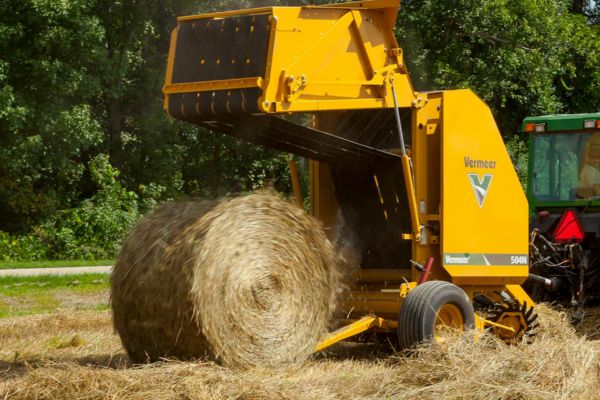
What Happens Inside The Barrel During A Heavy Crop Plug?
The internal chamber experience intense force during a blockage event as incoming oil meets total structural resistance. When the baler density gears jam, the mechanical momentum tries to force the tailgate outward against the rigid stance of the hydraulic fluid.
- The sudden force causes an instantaneous spike up to 6,000 PSI.
- The high-pressure fluid attacks the primary U-cup seals.
- The backing rings suffer extreme deformation under heat and stress.
This pressure drop creates deep micro-fissures along the internal seal lips, which eventually lead to fluid bypass during normal compression cycles.
The Silent Impact Of Extreme Trapped Kinetic Pressure
Trapped kinetic pressure degrades internal tolerances long before visible leaks manifest on the outside of the machine barrel. If you do not resolve these internal pressures immediately, the constant hammering effect will eventually cause the barrel wall to expand permanently.
- The metal walls experience elastic deformation beyond safety margins.
- The piston clearance increases, allowing high-pressure fluid leakage.
- The cylinder loses its rated holding force during dense packing.
This structural relaxation means you will have to cycle the remote valves more frequently just to keep the tailgate locked shut. This data comparison highlights how rapid shock spikes compare directly to nominal operating parameters:
| Pressure Condition | Measurement Range | Failure Probability | Component Risk |
| Nominal Packing | 2,500 – 3,000 PSI | Under 1% | Standard Wear |
| Peak Plugging Shock | 5,500 – 6,200 PSI | Over 75% | Seal Extrusion |
| Expanded Barrel Limit | Above 6,500 PSI | 100% | Structural Rupture |
How Does Mechanical Binding Multiply Cylinder Fatigue?
Mechanical binding multiplies cylinder fatigue because any misalignment in the primary tailgate linkages forces the assembly to work against asymmetric physical resistance. This structural distortion quickly leads to severe damage baler tailgate cylinders as the piston rod is subjected to intense side-loading forces that it was never designed to handle.
Can Structural Resistance Twist The Cylinder Body?
Structural resistance can easily twist the cylinder body when the tailgate frame flexes under the weight of an uneven crop plug. When one side of the machine is jammed tighter than the other, the mechanical framework deforms and transfers heavy torsional stress to the mounting pin points.
- The cylinder body is forced out of its linear path.
- The internal guide bushings suffer high unilateral friction.
- The metal-on-metal contact scores the polished tube surface.
This twisting action ensures that every single stroke accelerates the wear on your internal guide bands and gland bearings.
Accumulative Material Wear From Continuous Stress Cycles
Continuous stress cycles break down the molecular integrity of the high-tensile steel walls over time. You might not notice the structural degradation during the first few blockages, but the metal memory retains the microscopic fatigue damage.
- The stress concentrations build up near the gland threads.
- The microscopic cracks spread across the base clevis weldment.
- The material properties degrade from high localized heat cycles.
Understanding these cumulative fatigue cycles allows you to spot hairline fractures before they lead to an expensive structural separation in the middle of a harvest.
| Fatigue Source | Stress Level | Cycle Limit Before Failure | Primary Impact Area |
| Linear Operation | Low | 500,000 Cycles | Normal Seal Wear |
| Mild Frame Flex | Moderate | 50,000 Cycles | Gland Bearing Slop |
| Severe Asymmetric Plug | Extreme | Less Than 500 Cycles | Base Clevis Fracture |
Can Hydraulic Fluid Contamination Accelerate Seal Blowouts?
Hydraulic fluid contamination accelerates seal blowouts because high-pressure shock waves turn microscopic particulate matter into destructive projectiles that score the polished rod surface. Once these abrasive particles lodge themselves inside the rubber lips, they act like sandpaper against the delicate sealing surfaces during every single extension.
How Do Abrasive Particles Destroy Polyurethane Seals?
Abrasive particles tear through polyurethane compounds by embedding themselves deeply into the flexible wiper seal lips. When plugging shocks force oil past these compromised boundaries, the high-velocity fluid tears away micro-fragments of the seal material.
- Silt particles slice through the main sealing lips.
- The fine metal shavings score the chrome plating.
- The damaged wiper allows external dust to enter the system.
This destructive process quickly degrades the system’s ability to hold pressure, leading to visible oil weeping around the cylinder head.
The Silt Chain Reaction Disruption Within Valve Ports
Silt contamination triggers a cascading failure throughout the entire tractor hydraulic circuit if it is left unchecked. When the seals degrade, rubber fragments travel backward into the control block, jamming the delicate spool valves that regulate oil flow.
- The control valve spools fail to center properly.
- The pressure compensation orifices become completely blocked.
- The thermal relief valves jam in the closed position.
This blockage prevents the system from relieving excess pressure during subsequent plugging events, exposing the hardware to even greater destructive forces.
| Particle Size | Contamination Source | Hazard Rating | Primary System Threat |
| 5 – 15 Microns | Silt and Fine Dust | High | Piston Seal Degradation |
| 25 – 50 Microns | Metal Wear Shavings | Extreme | Rod Scoring and Pitting |
| Above 100 Microns | Seal Shred Fragments | Critical | Valve Port Spool Jamming |
What Triggers Severe Structural Cracking At Cylinder Mounts?
Severe structural cracking at cylinder mounts is triggered by the sudden transfer of immense kinetic energy from the tailgate frame to the rigid anchor points during a plugging event. This intense mechanical hammering can instantly damage baler tailgate cylinders by tearing the mounting ears away from the heavy-duty chassis welds.
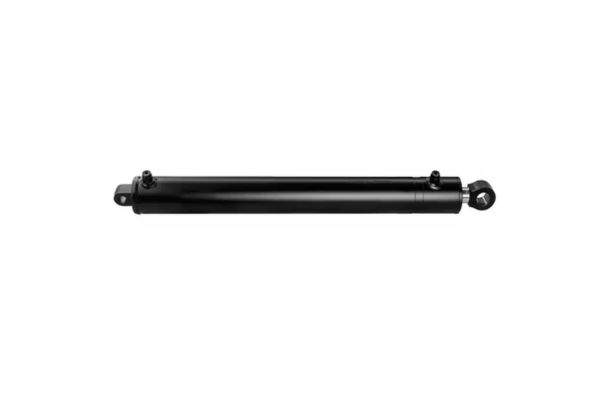
Why Do Welded Lugs Fail Under Severe Shock Loads?
Welded lugs fail because the sudden impact creates massive stress concentrations right along the heat-affected zone of the weld joint. When the baler pickup jams, the mechanical leverage of the tailgate acts like a massive crowbar against these static brackets.
- The weld root experiences extreme tensile pulling forces.
- The base metal develops microscopic fatigue cracks.
- The anchor pin bends, concentrating the load on one ear.
This structural stress eventually causes the weldment to sheer off cleanly under load, completely disabling the tailgate function.
Pin Hole Ovalization And Geometric Alignment Deficiencies
Pin hole ovalization occurs when the mounting pins constantly pound against the internal walls of the bushing sleeve under high load. If you allow even a few millimeters of play to develop within these joints, the impact forces multiply exponentially during the next shock event.
- The round mounting holes stretch into an oval shape.
- The misalignment causes the cylinder to stroke at a slight angle.
- The internal bearings suffer extreme edge-loading wear.
This loose geometric tolerance creates a dangerous slop that destabilizes the entire tailgate locking mechanism during dense baling operations.
| Mount Component | Failure Mode | Stress Threshold | Preventive Measure |
| Base Clevis Weld | Fatigue Cracking | 45,000 PSI | Regular NDT Inspection |
| Anchor Pin | Plastic Bending | 35,000 PSI | Upgrade to Hardened Alloy |
| Bushing Sleeve | Oval Distortion | 28,000 PSI | High-Frequency Greasing |
How Do Pressure Spikes Induce Piston Rod Bending?
Pressure spikes induce piston rod bending because the sudden, overwhelming compressive force exceeds the structural column strength of the high-tensile steel shaft. When a crop blockage prevents the piston from moving forward, the hydraulic oil behind it acts like a solid wall, forcing the long rod to absorb the entire mechanical impact.
What Are The Physical Limits Of High-Tensile Steel Rods?
High-tensile steel rods can bend permanently when the external load forces the material past its elastic yield point. Once the steel enters its plastic deformation zone, it loses its linear true alignment forever.
- The micro-structure of the steel grains shifts under load.
- The chrome plating develops deep transverse stress cracks.
- The bent rod begins to bind against the gland bearing.
This permanent deformation means the rod will quickly destroy the internal rod seals during the very next stroke cycle.
Buckling Mechanics Under Unexpected Asymmetric Resistance
Buckling occurs instantly when the compressive force is applied even slightly off-center due to an uneven crop plug in the chamber. If you push a long, slender rod past its theoretical Euler buckling limit, it will deflect sideways with catastrophic force.
- The lateral deflection forces the piston to gouge the tube wall.
- The cylinder gland suffers extreme one-sided crushing forces.
- The system pressure drops instantly due to massive internal bypass.
Why Does Thermal Expansion Intensify Internal Fluid Bypass?
Thermal expansion intensifies internal fluid bypass because high operational temperatures cause the internal metal components to expand at different rates, altering critical tolerances. This thermal stress can severely damage baler tailgate cylinders by softening the elastomer piston seals until they can no longer maintain a secure boundary against high-pressure oil.
How Does Friction Blister Piston Seal Tolerances?
Friction blisters piston seal tolerances when continuous plugging shocks force the hydraulic oil to shear through narrow internal bypass channels at high velocity. This rapid fluid shearing generates intense localized heat right along the sealing lips.
- The rubber compound loses its structural durometer hardness.
- The seal lip degrades and begins to track along the rod.
- The backup rings melt under extreme thermal spikes.
This material degradation allows high-pressure oil to slip easily into the low-pressure side of the circuit, reducing your overall holding capacity.
Viscosity Breakdown And Micro-Leakage Synchronization
Viscosity breakdown occurs when the hydraulic oil temperature surpasses its stable working limits, turning the fluid thin and watery. This thin oil slips past worn seal boundaries much more easily than cool, viscous fluid.
- The protective oil film on the rod surface disappears.
- The internal bypass volume increases exponentially with temperature.
- The cylinder suffers from erratic, uncontrollable drift.
This synchronization of thin fluid and softened seals completely destroys the system’s ability to hold the tailgate tightly closed under load.
| Oil Temperature | Fluid Viscosity | Bypass Leakage Rate | Seal Lifespan Factor |
| 120°F (Optimal) | 46 cSt (Stable) | Less than 0.05 GPM | 100% Longevity |
| 180°F (Elevated) | 15 cSt (Thin) | Up to 0.45 GPM | 25% Longevity |
| Above 210°F (Critical) | 8 cSt (Degraded) | Over 1.20 GPM | Immediate Failure |
How Can Misaligned Tailgate Hinges Distort Cylinder Stroke?
Misaligned tailgate hinges distort cylinder stroke because they force the dual-acting cylinders to travel along competing geometric arcs during the opening and closing cycles. When the heavy tailgate frame hangs unevenly, one cylinder reaches its mechanical end-stop before the other, twisting the entire structural framework.
Can Frame Distortion Cause Extreme Side Loading Forces?
Frame distortion causes extreme side-loading forces by pushing the piston rod sideways against the rigid brass gland bushings. Instead of absorbing pure linear force, the internal components are subjected to destructive lateral bending moments.
- The rod is pressed firmly against one side of the gland.
- The piston guide rings wear down unevenly within minutes.
- The outer dust seal deforms, letting in fine crop debris.
This constant lateral scraping action quickly scores the polished chrome surface, ruining your exterior seals.
Uneven Stroke Balance Damage To Dual Configuration Setups
Uneven stroke balance destroys dual configuration setups by overloading a single cylinder during the final locking phase. When the hinges are warped, one side of the tailgate must absorb the entire hydraulic pressure of the tractor pump.
- The overloaded cylinder suffers from rapid structural fatigue.
- The tractor relief valve stays open too long, overheating the oil.
- The tailgate fails to form a symmetric, uniform bale shape.
What Are The Hidden Costs Of Ignoring Plugging Shocks?
The hidden costs of ignoring plugging shocks include compounding structural damage that eventually spreads from the hydraulic circuit to the main baler chassis. Failing to address minor issues early on will inevitably damage baler tailgate cylinders beyond the point of simple field repair, forcing you to purchase entire replacement assemblies during peak harvest season.
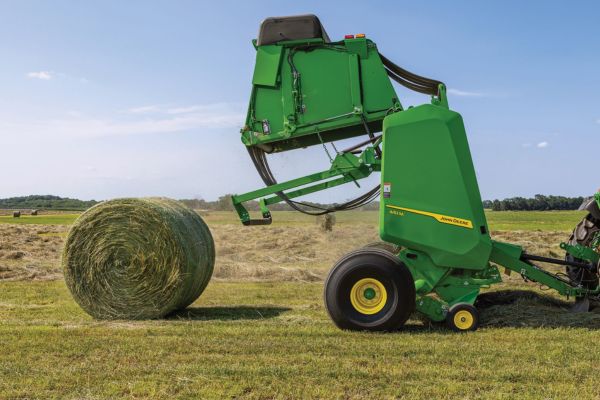
Why Does Minor Drift Escalate Into Full System Downtime?
Minor drift escalates into full system downtime because a slow internal leak gradually reduces the tailgate locking pressure during operation. When the tailgate cracks open even a fraction of an inch under load, the bale core loses its structural density.
- The crop starts wrapping around the internal rollers.
- The drive chains experience sudden, violent shock loads.
- The main gearbox overheats due to the increased resistance.
What started as a tiny internal seal weep can easily turn into a multi-thousand-dollar mechanical breakdown overnight.
Secondary Component Destruction Across Structural Frames
Secondary component destruction happens when the intense vibration of constant plugging shocks cracks the surrounding sheet metal housing. The hydraulic system does not live in isolation; its violent pressure spikes shake the entire machine framework.
- The electronic sensor brackets fracture from the vibration.
- The automated twine wrapping arms lose their precise calibration.
- The main pickup frame drops out of parallel alignment.
Addressing hydraulic shocks early protects your expensive onboard electronics and precision mechanical components from shake-induced failure.
| Neglect Timeline | Visible Symptom | Hidden Damage Area | Estimated Repair Cost |
| 1 – 2 Weeks | Slow Tailgate Drift | Piston Seal Softening | Minor Seal Kit Replacement |
| 1 Month | Soft Bale Cores | Roller Bearing Slop | Gland and Bushing Rebuild |
| Full Season | Broken Mount Lugs | Chassis Frame Cracking | Major Structural Welding |
How Do You Select The Right Replacement Cylinder Specs?
Selecting the right replacement cylinder specs requires a precise analysis of your tractor’s maximum pump pressure, mounting geometries, and typical environmental conditions. You must ensure that the replacement hardware matches or exceeds the original equipment manufacturer parameters to survive future plugging shocks.
What Critical Sizing Metrics Must You Double Check?
You must double-check the exact pin-to-pin retracted length, total stroke travel, and internal bore diameter before ordering any replacement unit. Relying on basic model year charts often leads to severe fitment errors on the production line.
- A short retracted length will prevent the tailgate from closing.
- An incorrect bore size alters the total clamping force.
- The wrong port thread style causes immediate line leaks.
Taking these physical measurements with precise digital calipers ensures a smooth, bolt-on installation without modifications.
Upgrading Heavy Duty Seals For Harsh Field Environments
Upgrading to heavy-duty seals is the most effective way to future-proof your machinery against abrasive crop dust and intense pressure spikes. Standard commercial-grade cylinders often utilize cheap nitrile seals that quickly fail under agricultural stress.
- Viton compounds offer superior resistance to high heat.
- Double-lip wipers completely isolate external dust particles.
- Integrated nylon wear bands prevent internal metal contact.
Investing in premium sealing systems drastically reduces your long-term maintenance costs and extends your operational field life.
| Specification Item | Standard Utility Grade | Heavy-Duty Ag Spec | Operational Advantage |
| Tube Material | Cold Drawn Carbon Steel | Honed Alloy St52.3 | Higher Burst Pressure |
| Rod Coating | 15 Micron Chrome Plating | 30 Micron Induction Hardened | Extreme Scratch Resistance |
| Seal Material | Nitrile Rubber (NBR) | Premium Polyurethane / Viton | High Thermal Stability |
What Maintenance Strategies Prevent Premature Component Failures?
Maintenance strategies prevent premature component failures by systematically eliminating the root causes of high pressure and structural wear before they can damage baler tailgate cylinders permanently. Implementing a rigid, hour-based upkeep protocol is the only way to ensure total system reliability across a demanding harvest season.
How Do Periodic Bleeding Cycles Restore System Integrity?
Periodic bleeding cycles restore system integrity by completely removing trapped air bubbles from the hydraulic fluid chambers. When air is compressed under high pressure, it generates extreme localized heat spikes through a destructive process known as cavitation.
- The micro-bubbles implode against the internal metal surfaces.
- The implosions pit the polished piston faces.
- The hydraulic response becomes soft, spongy, and erratic.
Regularly cycling the rams to their full limits with the bleeder valves open keeps the fluid pure and responsive.
Daily Inspection Log Protocols For Fleet Operators
Daily inspection log protocols force your operators to check for early warning signs of mechanical wear before leaving the equipment yard. A simple five-minute pre-shift walkaround can catch minor issues before they turn into major field failures.
- Check all mounting pins for proper retaining ring placement.
- Wipe the extended rods to inspect for fine oil films.
- Verify that the hydraulic quick-couplers are completely clean.
This disciplined habit ensures that structural slop or weeping seals are addressed in the comfort of the workshop rather than during a frantic field breakdown.
| Inspection Frequency | Action Item Required | Critical Indicator | Target Outcome |
| Every 10 Hours | Mount Pin Lubrication | Grease Purging at Bushing | Eradicate Oval Wear |
| Every 50 Hours | Torque Verification | Mounting Bolt Tightness | Prevent Lug Fractures |
| Every 250 Hours | Fluid Quality Sampling | ISO Particle Count Level | Stop Internal Erosion |
Conclusion
Resolving the destructive forces of plugging shocks requires a comprehensive approach that combines precision geometric alignment, robust contamination control, and heavy-duty component selection. By addressing mounting pin slop, verifying hinge true tolerances, and upgrading to premium induction-hardened rams with high-thermal sealing systems, you protect your agricultural machinery from catastrophic structural breakdowns. If you are ready to eliminate chronic cylinder drift and safeguard your fleet against extreme pressure spikes, please contact us today to review your specific equipment requirements.
Frequently Asked Questions
Can I run a cylinder with minor rod scoring?
No, you should never operate a hydraulic ram with visible rod surface damage. Scored metal acts like a saw blade against the flexible rubber lips, shredding the internal seal compound within a few operational cycles and causing rapid external fluid loss.
What is the best way to test for internal bypass?
The most effective method is a static pressure holding test under full structural load. Extend the rod completely, isolate the return line safely into a graduated container, apply full operational pressure, and measure if any oil slips past the internal piston seals.
How do I know if my tractor relief valve is failing?
You will notice a significant drop in overall clamping force along with rapid fluid temperature elevation across the circuit. If the primary relief spring weakens, it will dump high-pressure oil back to the reservoir prematurely, making the tailgate feel soft and loose.
Can I weld a cracked mounting ear directly on the baler frame?
Yes, but you must follow strict structural welding procedures to avoid creating a brittle joint. Clean the area completely to eliminate embedded hydraulic oil, grind a deep V-groove along the fracture line, and utilize low-hydrogen electrodes with proper pre-heating techniques.
How often should I replace the hydraulic oil filters?
You should change the system filters every 250 operational hours under normal conditions, or more frequently if working in high-dust environments. Clogged filters force the system into bypass mode, allowing destructive abrasive particles to circulate freely through your delicate cylinder chambers.