Door twist starts from uneven tailgate hydraulic cylinders when one cylinder exerts more force or moves faster than its counterpart, racking the rigid rear frame structure out of alignment. Imagine being backed up at a high-volume logistics hub, your driver cycling the rear door controls, only to hear a loud metal tearing groan as the top corner binds tightly against the header. This subtle structural distortion ruins weather seals, bends heavy steel hinges, and causes immediate latching failures that sideline your fleet vehicles. Our detailed engineering analysis provides the precise diagnostic sequence and structural corrections required to eliminate dual-cylinder pressure imbalances and restore true alignment to your heavy-duty enclosure systems.
What Causes Uneven Tailgate Hydraulic Pressure?
Pressure differentials between dual lifting circuits occur when internal fluid bypass or line restrictions alter fluid delivery rates. You will find that even a microscopic seal tear lets pressurized fluid slip past the piston grid, forcing one side to lag behind under heavy loads.
- Degraded piston seals reducing volumetric efficiency
- Uneven hydraulic hose lengths causing pressure drops
- Particulate contamination blocking proportional valves
- Asymmetrical mechanical loading across the rear gate
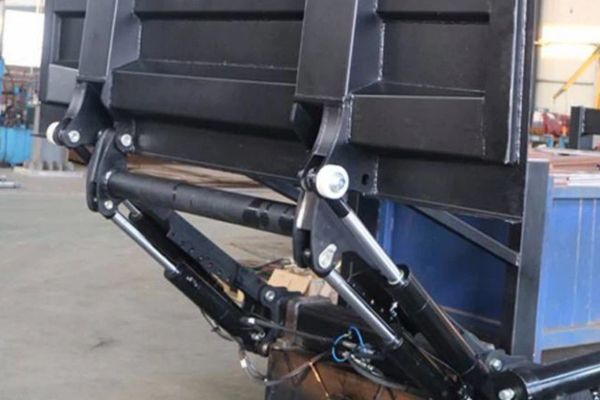
When oil takes the path of least resistance, the cylinder with healthier seals or shorter plumbing lines extends first, twisting the entire liftgate assembly. You can trace this directly to systematic maintenance neglect or improper field component matching.
How Does Internal Fluid Bypass Happen?
High thermal cycles break down polymer wear rings until high-pressure oil migrates directly into the low-pressure return circuit. When this bypass occurs, the affected side loses the ability to match the mechanical stroke velocity of the dominant cylinder.
- Scored barrel walls from fine metallic debris
- Blistered nitrile seals due to extreme fluid temperatures
- Softened seals resulting from incorrect fluid additives
You will notice the slower cylinder feels spongy under heavy cargo loads because it cannot maintain solid working pressure. Inspecting the oil clarity often reveals micro-particles that act as an abrasive paste inside the control block.
Why Do Hose Lengths Affect Synchronization?
Excessive hose length introduces fluid friction losses that decrease the working pressure arriving at the distant cylinder port. This minor drop creates a split-second delay during the high-pressure initiation phase of the gate cycle.
- Increased flow resistance inside longer hose runs
- Uneven expansion rates between mismatched hose brands
- Sharp layout bends restricting optimal oil flow velocity
The liftgate structure must absorb the resulting torsional force until the lagging cylinder finally catches up. Ensuring identical hose lengths and matching routing paths keeps input pressures perfectly equalized.
| Structural Component | Failure Mode | Operational Impact |
| Primary Cylinder Seals | Internal Bypass | Lagging extension and severe frame racking |
| Fluid Delivery Lines | Pressure Drop | Asymmetrical velocity and initial twist |
How Does Door Twist Manifest Structurally?
Door twist shows up as a permanent geometric deformation of the rear frame header and corner pillars due to continuous diagonal tension. When your lifting mechanism applies force unevenly, the rigid steel envelope mimics a parallelogram rather than a perfect square.
- Diagonal paint cracking along heavy corner welds
- Gaps in top weatherstripping letting water enter
- Progressive latch binding requiring manual force to close
- Noticeable wrinkling on the exterior sheet metal skin
Drivers notice the tail doors start sticking at the top left corner while the bottom right shows an excessive clearance gap. If left uncorrected, this twisting action fatigues the primary structural steel until the metal tears completely.
Where Does Structural Fatigue Concentrate First?
The highest stress concentrations develop around the upper gusset plates and the lower hinge attachment points where the gate meets the body. These critical junctions are designed for linear movement, not the rotational torque caused by uneven tailgate hydraulic cylinders.
- Hairline cracks appearing in structural weld beads
- Elongated hinge pin holes losing their round profile
- Buckled support channels behind the exterior body panels
You will find that once the weld matrix yields, the rear frame loses its structural memory and permanent distortion sets in. Regular visual checks with an angle finder can catch this shifting geometry before catastrophic metal failure.
Can Weather Stripping Indicate Alignment Issues?
Unevenly compressed rubber seals provide an immediate visual blueprint of ongoing structural twisting long before the metal deforms. One side of the gate completely flattens the seal, while the opposite side allows light and moisture to pass through.
- Localized dry rot from constant water pooling
- Peeled adhesive backings driven by heavy shear friction
- Shredded rubber profiles caught in binding latch teeth
You can prevent expensive body work by treating torn or unevenly worn weather seals as an early warning sign of cylinder pressure mismatch. Replacing seals without fixing the hydraulics ensures the problem returns within weeks.
| Fatigue Zone | Indicator | Repair Urgency |
| Upper Gusset Plates | Weld Cracking | Critical – Immediate structural repair needed |
| Hinge Pin Profiles | Elongated Holes | Moderate – Schedule bushing replacement |
What Are The Signs Of Mechanical Binding?
Mechanical binding starts with dried hinge pivots or bent guide tracks that force the lifting system to work against itself. When a hinge seizes, the hydraulic cylinder on that side faces massive mechanical resistance, while the free cylinder shoots forward unhindered.
- Jerking movements during the first six inches of travel
- Shiny metal shaving deposits beneath hinge pin collars
- Grooves cut into the guide tracks by misaligned rollers
- Asymmetrical motor strain audio pitches during operation
You might think the squeaking is just a lack of grease, but it actually signals massive torsional loading on the frame. If the mechanical linkages cannot pivot freely, your hydraulic components will quickly force the frame into a twist.
How Do Dry Hinge Pivots Overload Hydraulics?
Lack of lubrication causes the internal pin surface to gall against the bushing sleeve, creating a high-friction brake mechanism. The imbalanced tailgate hydraulic cylinders try to overcome this braking action by building extreme localized pressure.
- Polished metallic powder building around hinge joints
- Deep scoring marks on hardened hinge pin shafts
- Fractured grease fittings that prevent proper maintenance
You should unpin the cylinders and swing the gate manually to feel for hidden rough spots along the pivot arc. A healthy gate assembly must rotate smoothly through its full travel path using minimal manual effort.
Why Do Bent Guide Tracks Destroy Alignment?
Deformed guide rails pinch the lift rollers, stopping linear travel and redirecting cylinder extension force into lateral frame deflection. This twisting force bends the mounting brackets out of their original factory geometry.
- Flatted roller surfaces from sliding instead of rolling
- Flaked powder coating along the inner track channels
- Loose mounting bolts driven by constant lateral vibration
You can straighten tracks repeatedly, but structural memory loss means they will bend again under the next heavy load. Installing reinforced heavy-duty tracking systems eliminates this weak point entirely.
| Mechanical Linkage | Wear Indicator | System Remedy |
| Hinge Bushings | Metal Powder | Press in new bronze bushings and grease |
| Guide Tracks | Flaked Coating | Align channels and add structural reinforcement |
How Do Mismatched Cylinders Induce Twist?
Mismatched cylinders induce twist because differences in internal bore diameters or stroke lengths create unequal lifting forces at identical pressures. Installing a replacement cylinder that varies even slightly from the original component disrupts the entire engineering balance.
- Varying extension speeds despite identical fluid flow inputs
- Unequal force output across the liftgate crossmember
- Asymmetrical mounting pin sizes causing mechanical slop
- Different internal cushion lengths causing end-of-stroke shock
A fleet operator grabs a generic cylinder off the shelf because it looks close enough to the broken unit. This minor mismatch creates a permanent structural twist every time the gate reaches maximum extension.
Why Does Bore Size Mismatch Alter Force?
A larger internal bore creates more piston surface area for the pressurized hydraulic oil to push against. At identical system pressures, the wider cylinder generates significantly more linear force than the narrower unit on the opposite side.
- One-sided structural pulling during heavy payload operations
- Severe twisting at the top header frame during lock-up
- Unbalanced hydraulic return flow overheating the oil reservoir
The smaller cylinder is constantly dragged along by the stronger unit, twisting the gate frame out of alignment. Always source cylinders in perfectly matched pairs to ensure balanced force distribution.
How Do Different Stroke Lengths Damage Frames?
If one cylinder features a stroke length that is slightly longer, it will continue pushing after the shorter cylinder has stopped. This final stroke surge exerts massive unyielding torque directly onto the rigid upper door header.
- Bent cylinder rods near the rod-end clevis
- Cracked mounting lugs on the main vehicle frame
- Popping sounds when the gate reaches full extension
You will find that the extra half-inch of travel bends heavy structural steel plates like paper. Verifying the exact extended and retracted lengths prevents this destructive end-of-stroke mechanical binding.
| Cylinder Metric | Variance Impact | Corrective Standard |
| Piston Bore Diameter | Unequal Force Output | Install identical matched-bore cylinders |
| Total Stroke Length | End-of-Stroke Racking | Verify identical extension limits before install |
Can Defective Seals Cause Asymmetrical Travel?
Defective internal seals cause asymmetrical travel by letting high-pressure oil slip into the low-pressure side of the cylinder assembly. This internal leak reduces the effective force output of the failing cylinder, causing it to lag behind the healthy unit.
- Visible oil weeping around the external rod wiper
- The gate slowly drifting downward when parked under load
- Spongy control response when initiating an upward lift
- Excessive heat generating on the body of one cylinder
How Piston Seal Tears Reduce Volumetric Efficiency?
A torn piston seal allows pressurized oil to cross over directly into the rod-end return line during the lift cycle. This loss of fluid containment means the cylinder requires more oil volume to move the same distance as its twin.
- Slow extension speeds under normal working pressures
- Spongy operational feel caused by trapped air pockets
- Rapid pressure drops when control valves are centered
Why Do Rod Seals Allow Air Infiltration?
Damaged rod seals can pull outside air into the hydraulic cylinder during the low-pressure retraction phase of the tailgate cycle. This trapped air compresses under load, causing erratic, jumping cylinder movements that twist the rear frame.
- Milky or foamy hydraulic fluid in the main reservoir
- Chattering noises when lowering the tailgate assembly
- Unpredictable gate drops when carrying heavy cargo loads
You must bleed the air out of the system, but the skipping movements will return until you replace the defective rod seal. Keeping seals airtight ensures smooth, synchronized lifting performance across both cylinders.
| Seal Location | Failure Effect | Primary Diagnostic |
| Piston Ring Seal | Internal Bypass | Barrel temperature differential test |
| External Rod Seal | Air Infiltration | Foamy oil appearance in fluid reservoir |
What Diagnostic Steps Verify Cylinder Imbalance?
Verifying cylinder imbalance requires checking operating pressures and tracking fluid temperatures across both lifting circuits simultaneously. You cannot fix a twisted frame without pinning down exactly where the hydraulic delivery system is losing energy.
- Connecting dual pressure gauges to the cylinder ports
- Measuring extension times for each cylinder independently
- Using infrared cameras to map valve block heat profiles
- Taking fluid samples to check for metallic wear debris
Do not guess which component is failing based on visual alignment alone. Accurate gauge readings reveal the real story, showing you exactly which cylinder is dropping pressure under load.
How Do Dual Gauges Pinpoint Pressure Drops?
Installing fluid pressure gauges at the inlet ports of both cylinders lets you compare working pressures in real time during a lift cycle. A healthy system shows identical pressure climbs as the tailgate lifts its load.
- Instant identification of line restrictions or blockages
- Clear visualization of internal piston seal bypass
- Accurate verification of main relief valve settings
You will see the gauge on the failing side stall out early while the opposite side continues to climb. This clear visual variance tells you exactly which unit requires immediate rebuilding or replacement.
Why Use Infrared Scanners For Fluid Diagnostics?
Infrared thermometers reveal internal fluid restriction and bypass by highlighting localized friction heat along the plumbing lines. High-velocity oil forcing its way through a damaged valve orifice creates a bright thermal spike on the scanner.
- Rapid location of sticking flow divider spools
- Non-invasive identification of internal cylinder leaks
- Early detection of overheating pump assemblies
You can scan the entire hydraulic system in five minutes to locate hidden friction points before taking wrenches to the lines. Cool components mean balanced flow; hot spots point directly to trouble.
| Diagnostic Tool | Target Metric | Actionable Result |
| Inline Pressure Gauge | PSI Delta Under Load | Confirms internal fluid bypass location |
| Thermal Camera | Localized Heat Spikes | Identifies binding valves and friction points |
How Do You Realign A Twisted Door?
Realigning a twisted door requires releasing structural tension, squaring the framing matrix, and updating the hydraulic lift components simultaneously. You cannot simply pull the metal back into shape without removing the force that caused the twist.
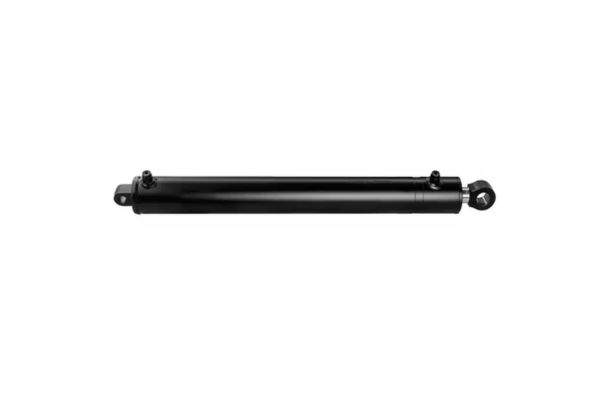
- Unpinning the lift cylinders to isolate the steel frame
- Using heavy-duty hydraulic jacks to square the opening
- Welding reinforced corner gussets onto weak frame joints
- Installing brand-new matched lifting cylinders
If you try to weld the frame while the old, mismatched hydraulics are still attached, the structure will twist again on the very first cycle. True alignment demands a clean slate for both the metalwork and the fluid power system.
How Do You Isolate The Framing Structure?
You must remove the main cylinder pins to let the steel frame settle into its natural resting geometry. This step reveals how much of the distortion is permanent and how much is being held under tension by the uneven tailgate hydraulic cylinders.
- Releasing stored mechanical energy safely from the gate
- Checking the freedom of hinge rotation without fluid pressure
- Measuring diagonal frame dimensions to calculate the twist
If the frame pops back into square once the pins are removed, your entire issue stems from fluid imbalances rather than bent steel. This quick test saves you from performing unnecessary structural welding.
What Is The Best Way To Square The Matrix?
You apply diagonal hydraulic pressure using a heavy frame ram pulling from the long corners of the distorted opening. You must over-correct the alignment slightly to account for the natural spring-back properties of structural steel.
- Cross-measuring corner to corner until dimensions match perfectly
- Clamping structural alignment braces across the frame header
- Heating stressed weld zones to relieve residual metal tension
Rushing this alignment step results in a door that binds against its seals and leaks water. Double-checking measurements ensures your rebuild creates a perfectly square frame opening.
| Alignment Phase | Action Required | Quality Target |
| Frame Isolation | Pull main cylinder pins | Zero tension on frame assembly |
| Matrix Squaring | Apply diagonal ram pressure | Identical corner-to-corner measurements |
What Upgrades Prevent Future Frame Distortion?
Upgrading to heavy-duty cylinders and high-efficiency synchronization valves prevents future frame distortion under extreme working conditions. Standard factory components often lack the durability required for high-frequency regional distribution routes.
- Installing heavy-walled cylinders with induction-hardened rods
- Upgrading to positive-displacement flow dividers
- Mounting electronic synchronization sensors along the gate
- Adding structural stiffeners to the rear header frame
Investing in premium components removes the operational vulnerabilities that lead to structural distortion. These upgrades pay for themselves by keeping your equipment working reliably on the road.
Why Choose Induction-Hardened Cylinder Rods?
Induction-hardened rods resist the lateral bending forces that develop when a cargo load shifts unevenly inside the truck bed. A stiffer rod maintains perfect linear alignment inside the barrel, preventing uneven wear on the internal guide seals.
- Superior resistance to rock chips and field scratching
- Reduced friction wear on external rod sealing elements
- Elimination of rod deflection under maximum lifting loads
You will find that hardened rods keep your lifting force perfectly straight, even when your drivers load the gate unevenly. This physical durability prevents internal fluid leaks from starting.
| Component Upgrade | Strategic Value | Operational Protection |
| Hardened Rod Cylinders | Eliminates structural rod deflection | Protects internal seals from uneven wear |
| Gear Flow Dividers | Mechanical flow splitting | Guarantees balanced travel under uneven loads |
Conclusion
Eliminating door twist requires addressing both the underlying structural damage and the dual-cylinder hydraulic imbalances that drive frame distortion. Ignoring asymmetrical lifting speeds guarantees progressive weld cracking, ruined weather seals, and expensive operational downtime for your fleet. By systematically diagnosing internal bypass, matching your lifting components, and upgrading to high-efficiency flow control systems, you restore perfect geometric balance to your heavy enclosure doors. If you are ready to eliminate structural distortion and protect your equipment investments, contact us today to implement an engineered fluid power solution tailored to your exact operational requirements.
Frequently Asked Questions
Can I fix a twisted door by adjusting the hydraulic pressure?
No, adjusting the pressure relief valve will not fix a twisted door frame. Increasing the system pressure only forces the dominant cylinder to pull harder, which accelerates the structural distortion and risks tearing the metal welds.
What is the best way to test for internal cylinder bypass?
The best way to test for internal bypass is a thermal differential check across the cylinder barrels. After cycling the tailgate under a heavy load, use an infrared thermometer to check the temperature of both cylinder bodies. The cylinder that reads significantly hotter is experiencing internal bypass as oil slips past the piston seal.
How do I know if my flow control valve is failing?
You know your flow control valve is failing when the tailgate climbs with an erratic, jerking motion or tilts noticeably to one side. A failing valve block often generates a distinct high-pitched whining noise as pressurized fluid forces its way past a jammed or worn internal spool.
Can a single mismatched hose cause uneven cylinder travel?
Yes, a single mismatched hose can cause uneven travel by introducing unequal fluid friction within the circuit. If one hose is longer or features a narrower internal diameter than its twin, it creates a localized pressure drop that causes its cylinder to lag behind during extension.
How often should I flush my tailgate hydraulic fluid?
You should flush your tailgate hydraulic fluid at least once a year or every 1,200 operating cycles. Regular fluid changes remove the microscopic metallic debris and environmental contaminants that score valve surfaces and destroy internal piston seals.