
Excavators need spiral hydraulic hoses because their high-pressure main circuits generate extreme impulses that would quickly fatigue and burst standard braided hoses. You deal with heavy loads every day, but a sudden hose failure can stop your project and cost thousands in lost productivity. This constant stress on your equipment demands a solution that can handle 6,000 PSI without breaking. By choosing a high-quality spiral hydraulic hose , you ensure your machinery maintains peak performance and safety in the toughest conditions.
What Role Does a Spiral Hydraulic Hose Play in Modern Excavators?
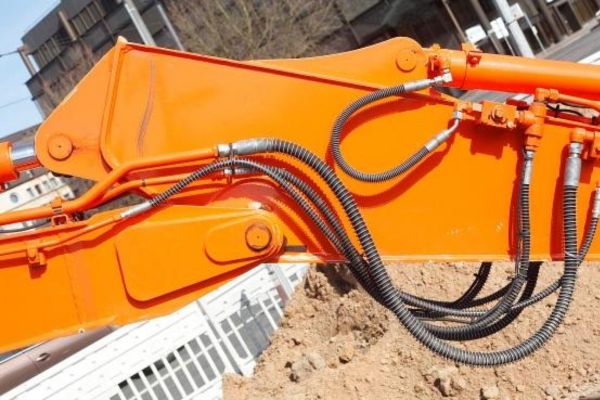
A spiral hydraulic hose serves as the primary transmission line for high-pressure fluid between the main pump and the heavy-duty actuators. It acts as the circulatory system of your machine, moving the power necessary to dig through solid rock or lift tons of material. Without this specialized component, your excavator would lose its ability to perform high-intensity tasks.
Is Pascal’s Law Applied Here?
The system uses Pascal’s Law to multiply force across the entire machine network. This allows a relatively small pump to generate the massive breakout force required at the bucket.
- Pressure spreads evenly in all directions within the fluid.
- Force is multiplied based on the surface area of the pistons.
- Consistent flow rates ensure smooth, predictable movement.
| Component | Function | Advantage |
| Main Pump | Generates pressure | Constant power source |
| Spiral Hose | Fluid transmission | Impulse resistance |
| Actuators | Executes motion | High force output |
How Does Anatomy of a Spiral Hydraulic Hose Support High Pressures?
The anatomy of a spiral hydraulic hose uses multiple layers of high-tensile steel wire wrapped in a parallel spiral pattern to prevent the wires from crossing and weakening. This structural design allows the hose to maintain its shape and strength even when subjected to extreme pressure spikes. You can rely on this multi-layered construction to protect the inner tube from internal stress.
What Are the Key Internal Layers?
The inner tube is made from specialized synthetic rubber like Nitrile to resist chemical degradation. This layer is crucial for keeping your hydraulic fluid clean and preventing internal leaks.
- Nitrile rubber provides excellent oil resistance.
- Synthetic compounds handle wide temperature shifts.
- Smooth bores reduce fluid friction and heat.
- Chemical compatibility prevents tube swelling.
| Layer Type | Material Used | Primary Benefit |
| Inner Tube | Nitrile Rubber | Oil/Chemical Resistance |
| Reinforcement | Spiral Steel Wire | Pressure Containment |
| Outer Cover | Chloroprene | Abrasion Protection |
Why Is a Spiral Hydraulic Hose Better Than Braided for Heavy Work?
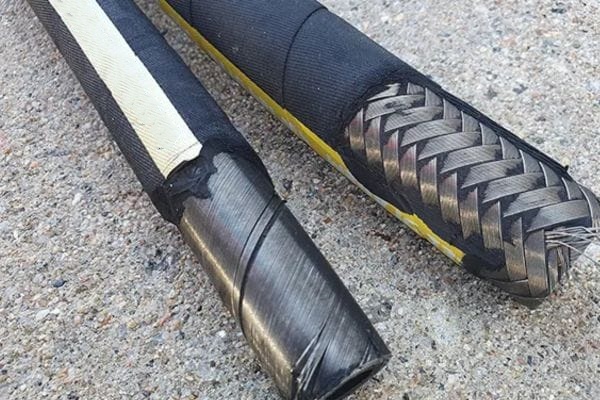
A spiral hydraulic hose offers superior resistance to pressure impulses and mechanical fatigue compared to the crisscross pattern of braided alternatives. Braided hoses often suffer from “wire-on-wire” friction, which can lead to early failure during the high-pressure spikes common in digging. You need the parallel alignment of spiral wires to ensure maximum durability under heavy stress.
When Should You Use Spiral Over Braided?
You should choose spiral reinforcement whenever your system operating pressures exceed 3,000 PSI regularly. While braided hoses are more flexible, they lack the structural “spine” required for the main supply lines of large excavators.
- High-pressure circuits (over 3,000 PSI).
- Heavy-duty digging and demolition work.
- Main pump supply and return lines.
- Applications with frequent pressure surges.
Where Are Supply Lines Critical for Using a Spiral Hydraulic Hose?
They are most critical in the main pump-to-valve and valve-to-boom circuits where the highest system pressures reside. These supply lines are the backbone of your excavator’s power, handling the full output of the hydraulic system. You cannot afford to use inferior products in these high-stakes locations.
Why Are Boom Circuits So Demanding?
Boom circuits face constant movement and heavy load-holding requirements every time you lift. The hose must stay rigid enough to hold pressure but flexible enough to move with the arm.
- Repeated bending cycles during every dig.
- High load-holding pressure for safety.
- Resistance to external debris and impact.
- Thermal stability near the engine compartment.
Investing in premium supply lines protects your operator and the surrounding crew from high-pressure bursts. You ensure that your machine remains a safe and productive tool on any site.
| Application Area | Pressure Need | Critical Feature |
| Pump Supply | Maximum | Spiral Reinforcement |
| Boom Circuit | High | Flex-Life Rating |
| Bucket Line | Variable | Abrasion Resistance |
Why Do High-Flex Operations Require a Spiral Hydraulic Hose?
A spiral hydraulic hose provides the structural integrity needed to handle constant bending while under maximum pressure loads. In high-flex operations, such as those found on skid steers or excavator arms, the hose is constantly moving. You need a hose that won’t lose its pressure rating just because it is flexed to its limit.
How Does Flex Life Affect Productivity?
Flex life refers to how many times a hose can bend before the internal wires begin to fatigue. Higher flex ratings mean you can work longer hours without worrying about a hose wall giving out.
- Millions of bending cycles in typical use.
- Compact bend radii for tight spaces.
- Reduced risk of “kinking” under pressure.
- Lower maintenance costs over time.
Selecting high-flex spiral options helps you avoid the downtime associated with “tired” hoses that leak after just a few months of use. Your equipment will stay in the field longer between service intervals.
| Performance Metric | Spiral Benefit | User Value |
| Bend Radius | Tight configurations | Fits compact machines |
| Fatigue Life | Longer cycle counts | Fewer replacements |
| Pressure Stability | Constant output | Reliable performance |
How Does a Spiral Hydraulic Hose Benefit Material Handling?
It provides the precision and load-holding capability required for lift cylinders in forklifts and telehandlers. Material handling requires steady, jerk-free movement to keep loads balanced and safe. You benefit from the minimal expansion characteristics of spiral wire layers during high-capacity lifts.

What About Tilt and Side Shift?
Tilt and side shift mechanisms often operate in very narrow channels where space is a premium. A spiral hydraulic hose can handle the pressure while fitting into these confined machine areas.
- Precise control for delicate load placement.
- Minimal pressure drop over long lift runs.
- Vibration dampening for smoother controls.
- Resistance to hydraulic fluid additives.
Using these hoses in your forklift fleet ensures that your operators can move goods with confidence and speed. This leads to higher warehouse efficiency and fewer damaged goods.
| Machine Type | Key Application | Critical Hose Need |
| Forklift | Lift Cylinders | Load-Holding Stability |
| Telehandler | Boom Extension | Long-Reach Integrity |
| Skid Steer | Auxiliary Tools | Quick-Connect Support |
What Are Burst Pressure Standards for a Spiral Hydraulic Hose?
Industry standards require a spiral hydraulic hose to maintain a 4:1 safety ratio between its working pressure and its ultimate burst pressure. This means if your machine runs at 5,000 PSI, the hose is engineered not to fail until it reaches 20,000 PSI. You should always check these ratings to ensure your safety margins are sufficient for the job.
Why Is the 4:1 Ratio Mandatory?
The 4:1 ratio accounts for unexpected pressure spikes that occur when a cylinder hits its limit or a load is dropped suddenly. These spikes can easily double the normal operating pressure for a fraction of a second.
- Protects operators from high-velocity oil.
- Prevents catastrophic equipment damage.
- Ensures longevity under “dirty” pressure cycles.
- Meets international SAE and ISO standards.
Sticking to these safety standards gives you peace of mind during heavy lifting operations. You are not just buying a hose; you are buying a safety guarantee for your job site.
How Does a Spiral Hydraulic Hose Withstand Extreme Temperatures?
Advanced synthetic rubber compounds in the inner tube and outer cover allow the hose to remain flexible and durable from -40°F to over 212°F. Excavators often work in freezing winters and scorching summers, sometimes near hot engine components. You need a spiral hydraulic hose that won’t crack in the cold or soften in the heat.
Are Cold Weather Seals Important?
In cold weather, standard rubber becomes brittle, which can lead to cracks the moment the hydraulic system is engaged. Specialized low-temperature compounds stay elastic, ensuring your seals remain leak-free even at sub-zero temperatures.
- Resistance to thermal cycling degradation.
- Flexible compounds for winter startups.
- Heat-resistant covers for engine proximity.
- Prevention of fluid thinning and leakage.
Ensuring your hoses are rated for your specific climate prevents the annoying morning leaks that delay your start time. You will experience fewer seasonal failures and more reliable year-round performance.
| Temp Condition | Potential Risk | Spiral Solution |
| Extreme Cold | Brittle Cracking | Low-Temp Compounds |
| High Heat | Cover Softening | Thermal Shielding |
| Fluctuating | Material Fatigue | Multi-Layer Stability |
Can a Spiral Hydraulic Hose Resist Severe Site Abrasion?
Yes, because they are often engineered with specialized polyurethane or chloroprene covers specifically designed for high-impact environments. On a construction site, hoses are constantly dragged over rocks, metal, and concrete. You need the extra-thick outer cover of a spiral hydraulic hose to prevent the reinforcement layers from being exposed to the elements.
What About UV and Ozone Damage?
Environmental factors like sun exposure can dry out the rubber, leading to “sun-cracking” that allows moisture to reach the steel wires. High-quality covers include UV stabilizers to keep the hose looking and performing like new for years.
- Specialized polyurethane for cut resistance.
- UV stabilizers to prevent rubber rot.
- Smooth exterior to reduce dragging friction.
- Color-coded wear indicators for safety.
Using abrasion-resistant covers reduces the need for external spiral wraps or guards. This makes your machine easier to clean and reduces the number of catch points that can snag on debris.
| Temp Condition | Potential Risk | Spiral Solution |
| Extreme Cold | Brittle Cracking | Low-Temp Compounds |
| High Heat | Cover Softening | Thermal Shielding |
| Fluctuating | Material Fatigue | Multi-Layer Stability |
Why Should You Choose a Custom Spiral Hydraulic Hose Assembly?
Customizing your assembly ensures that every fitting, length, and routing path is optimized for your specific machinery to prevent premature failure. Off-the-shelf hoses often have lengths that are slightly wrong, leading to excessive rubbing or tight bends that stress the fittings. You get the perfect fit for your specific excavator model, ensuring maximum flow and minimum wear.
Is Fitting Compatibility Critical?
Mismatched fittings are a leading cause of leaks and pressure drops in heavy equipment. A custom assembly ensures that threads and sealing surfaces match your OEM specifications perfectly.
- Wide range of JIC, Metric, and BSP fittings.
- Precise length measurement to avoid kinking.
- Professional crimping for leak-proof seals.
- Strategic routing to avoid moving parts.
By choosing a custom-tailored solution, you eliminate the guesswork and risk of using “universal” parts. Your machine will run exactly as the manufacturer intended, with the added benefit of modern material upgrades.
Modern construction demands reliability, and a high-performance spiral hydraulic hose solves the problem of frequent bursts and costly downtime. We are here to help you optimize your fleet with precision-engineered components and expert advice. Our vision is to empower your operations with hydraulic systems that never quit, so contact us today to find the perfect fit for your machinery.
FAQ
Can I use a braided hose instead of a spiral one on my excavator?
No, you should not substitute braided for spiral in high-pressure circuits. Excavator main lines experience pressure spikes and loads that exceed the mechanical limits of braided wire, leading to rapid fatigue and dangerous bursts.
What’s the best way to identify a spiral hydraulic hose?
Look for the parallel wire layers visible at the cut end of the hose. Unlike the crisscross “basket-weave” of a braided hose, spiral reinforcement shows layers of wire wrapped in opposite directions but always parallel within each layer.
How do I know if the hose has failed internally?
Check for “spongy” operation or an unusual increase in hydraulic fluid temperature. Internal failure often involves the inner tube separating or collapsing, which restricts flow and creates heat without showing an external leak.
Can I install these hoses myself on-site?
Yes, you can install them provided you have the correct tools and follow the proper routing guidelines. However, you must ensure the fittings are cleaned and torqued to the specific requirements of your excavator model to prevent leaks.
What’s the best maintenance schedule for these hoses?
You should perform a visual inspection every 50 to 100 operating hours. Look for signs of cover abrasion, weeping at the fittings, or permanent kinks, and replace any hose that shows reinforcement wire to prevent emergency failures.