
How One-Piece Fitting Supply Problems Affect Customer Trust

How One-Piece Fitting Supply Problems Affect Customer Trust

A customer leaves a failed hose after being told it will be ready at a stated time. When that time passes and the job is still waiting for a fitting, the customer experiences one result: the repair is unfinished. They may not distinguish an empty bin from a late carton, wrong pick, mislabeled fitting, or unconfirmed substitute. One-piece fitting supply problems affect customer trust when internal uncertainty becomes an inaccurate external promise. Shops protect credibility by promising from verified stock and confirmed arrival evidence, communicating changes clearly, and refusing unsafe substitutions even when a deadline is at risk.

Customers Experience an Expectation Gap

Trust is affected by the difference between what the shop promised and what it can deliver, not merely by the existence of a supply problem. A technically acceptable fitting delivered later still creates a service failure if the completion date was presented as certain.
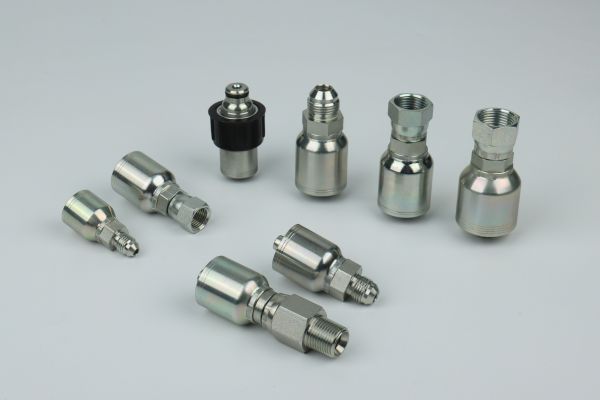
43 series Crimp Fitting

The customer sees the incomplete job

Internally, staff may know that the order was dispatched, the carrier delayed it, or receiving found the wrong angle. To the customer, those distinctions matter less than lost equipment time and a missed collection plan. Explanations become useful only when they support a realistic next step.

Set expectations at intake from usable stock, reserved quantity, current order confirmation, remaining assembly work, and technical certainty. A system balance or hopeful shipment estimate should not become a firm completion promise.

One delay differs from repeated uncertainty

An unusual, clearly explained disruption can occur in a controlled operation. Trust erodes faster when the date moves repeatedly, staff give inconsistent answers, or the customer must call to discover the delay. The preventable pattern is uncertainty presented as certainty.

Record the original promise, evidence used, status changes, updates provided, and actual completion. This allows the shop to improve promise accuracy without inventing customer-satisfaction scores.

Different Supply Failures Look the Same Outside

Stock inaccuracy, backorders, wrong shipments, and internal picking errors require different fixes, but all can prevent the assembly from being released. The customer-facing message should be clear while the internal record remains specific.

Identify the real internal failure

Distinguish true shortages from false stockouts, late external supply from internal receiving delay, and order error from technical data gaps. Buying more will not fix an incorrect bin, vague description, or slow inspection path.

Keep the customer update outcome-focused

State that a required component is not yet verified or available, give the present confirmed milestone, explain the effect on completion, and provide the next update time. Avoid blaming a supplier or exposing internal speculation. The customer needs a dependable decision point.

Promise Dates Must Use Real Evidence

A credible promise includes more than an estimated delivery date. The fitting must arrive, match the order, pass receiving checks, become available to the job, and leave enough production time for correct assembly and inspection.
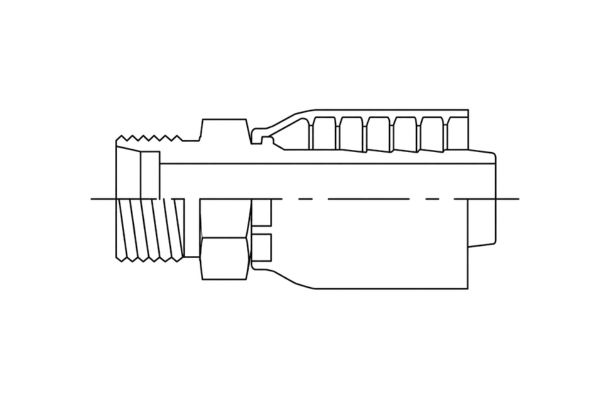
metric 24° thread crimp fitting

Confirm material before committing

For stock jobs, check exact SKU, free quantity, reservations, condition, revision, and traceability. For incoming material, check confirmed quantity, dispatch or arrival milestone, split-shipment status, and internal receiving capacity. Treat unconfirmed orders separately from usable stock.

A one-piece fitting has a retained or preassembled stem or body and ferrule, with construction varying by series. A neighboring part that looks similar is not equivalent. Promise only after connection, hose side, fitting series, and assembly data are sufficiently resolved.

Build uncertainty into the wording

When evidence is incomplete, provide a conditional estimate and identify what must be confirmed. Do not conceal uncertainty to win an urgent job. A customer can make a better equipment decision from an honest constraint than from a confident date that repeatedly fails.

Review promise accuracy by job type and cause. If same-day language is repeatedly used before stock verification, fix intake and scheduling rather than relying on apology scripts.

Wrong Picks and Shipments Damage Confidence

An error corrected quickly still signals that the shop may not control part identity. It can be more damaging than a transparent shortage because the customer believed the job was ready to proceed.

Similar-looking fittings require precise identity

Confirm thread form, connection standard, diameter, pitch or TPI, straight or tapered form, gender, seat angle, sealing face, O-ring location, and orientation. JIC, SAE flare, BSP, NPT, ORFS, ORB, Metric, DIN, JIS, and flange connections are not interchangeable by appearance.

On the hose side, confirm hose manufacturer or approved specification, series, construction, ID, reinforcement, fitting series, ferrule, crimp equipment, dies, preparation, and current crimp specification. Same dash size does not guarantee compatibility.

Stop the error before the bench

Use controlled SKU descriptions, separated bins, readable labels, reservations, purchase-order checks, and receiving verification. Quarantine unclear, damaged, or different material. An urgent carton should not bypass identity and condition checks.

If the wrong item reaches a job, record whether the cause was ordering, supplier picking, receiving, internal storage, or issue. Correct the root cause instead of treating every event as generic “supply trouble.”

Communication Failure Is Not the Same as Supply Failure

Physical availability and communication quality are separate controls. A shop can handle an unavoidable delay well, or it can turn a manageable shortage into a trust problem through vague or late updates.

78 series Hydraulic Crimp Fitting

Communicate before the missed deadline

Update the customer when evidence changes, not after the promised time passes. Use one current source of truth so purchasing, scheduling, and service staff do not give conflicting dates. Assign an owner and next update point for each blocked job.

A useful update contains:

Avoid vague reassurance

Phrases such as “it should be here soon” provide no decision value. Give the confirmed milestone and what remains after it. If no date is confirmed, say so and explain when new evidence will be sought.

Communication cannot replace supply control, but it prevents uncertainty from becoming deception. Likewise, a good explanation cannot justify an unsafe assembly.

Technical uncertainty must remain visible. Preserving a deadline never overrides compatibility or safety. An unverified fitting can produce leakage, hose pull-off, contamination, equipment damage, and a more serious loss of trust than an honest delay.

Verify alternatives before offering them

Compare the original and proposed fitting across connection, seal, dimensions, angle, hose tail, ferrule, material, finish, pressure suitability, environment, and current crimp data. A cross-reference or photo supports screening but does not guarantee interchangeability.

Pressure suitability is limited by the lowest-rated component in the complete assembly and affected by application conditions. Do not make universal claims from the fitting category alone.

Apply repair safety boundaries

Before removing or inspecting a failed assembly, stop equipment, isolate the hydraulic system, release pressure and stored energy, secure raised loads, and follow lockout and manufacturer procedures. Never check a suspected high-pressure leak by hand or reuse damaged components.

If verification cannot finish inside the promised window, revise the promise. Technical uncertainty should appear in the internal status and customer decision, not be hidden by schedule pressure.

Root-Cause Records Improve Future Reliability

Trust improves when the shop prevents the same expectation gap from recurring. That requires records connecting each missed promise to the actual supply or communication cause.

Capture observable facts

Record exact missing or wrong SKU, stock status at promise time, order milestones, receiving outcome, internal pick result, technical clarification, promise changes, and final completion. Use neutral cause codes and protect customer identity in shared analysis.

Group events by SKU, fitting family, process stage, and promise source. A few recurring descriptions, bins, or confirmation gaps may cause many disappointments. Avoid assuming every delay requires more inventory.

Test controls on recurring causes

Possible actions include free-stock verification at intake, clearer descriptions, earlier reorder review, exception alerts, blocked-job receiving priority, or standardized updates. Test a control on a small set of frequent jobs, then compare repeat events.

The review should distinguish detection from prevention. A status board may reveal a delayed job earlier, but it does not correct the stock record or ordering practice that created the problem. Pair each visibility control with an owner who investigates the physical cause, then confirm that the change works on later jobs before declaring the issue closed.

Also examine whether staff incentives encourage promises before verification. If service performance is judged only by accepting urgent work, employees may commit dates without checking reservations or technical data. Measure promise accuracy and controlled updates alongside job intake so the process rewards credible service, not optimistic wording.

Marketing language should follow operational improvement, not precede it. A claim of reliable service cannot compensate for unchanged stock records, repeated wrong picks, or unsupported completion dates.

When a recurring failure is corrected, update work instructions, item records, and training examples. A fix known only to one experienced employee will not protect the next shift or the next customer.

Use a Customer-Promise Control Checklist

The final check should occur before the first promise and whenever supply evidence changes. It connects technical readiness, material readiness, schedule capacity, and communication ownership.

Confirm before stating a completion time

Check:

Close the loop after the job

Record actual completion, the fitting used, cause of any delay, updates provided, and prevention action. If a customer was affected, follow through on the next promised contact rather than replacing one missed date with another vague commitment.

Use the resulting evidence to improve future promise language. The goal is not to eliminate every disruption; it is to prevent known uncertainty from being misrepresented and repeated.

Conclusion

One-piece fitting supply problems affect customer trust when a shop converts uncertain stock, arrival, or technical information into a firm repair promise. Customers experience backorders, wrong picks, and receiving delays as the same practical result: an unfinished job. Protect credibility by checking free stock and reservations, using confirmed milestones, allowing receiving and production time, and updating the customer before evidence makes the original date impossible. Record internal causes precisely so inventory, ordering, picking, and communication receive the correct fixes. Never preserve a deadline with an unverified connection or hose combination. A short customer-promise control checklist makes service commitments more accurate, transparent, and repeatable even when an unavoidable supply disruption occurs.

Frequently Asked Questions

What should a shop tell a customer about a delayed fitting shipment?

State the current confirmed milestone, its effect on completion, and the next update time. Avoid unsupported arrival claims or blame, and revise the promise when evidence changes.

How should the shop respond after discovering a wrong SKU?

Stop the job, isolate the item, verify the correct requirement, and communicate the revised status. Record whether ordering, supply, receiving, storage, or picking caused the error.

Should a promised date be based on a supplier estimate?

Only with clear uncertainty and enough time for receipt, verification, assembly, and inspection. A firm promise should not treat an unconfirmed estimate as usable stock.

How should urgent customers be handled during a shortage?

Give them accurate options and decision points based on verified material and technical data. Urgency does not justify hiding uncertainty or installing a mismatched fitting.

Can an alternative fitting protect the original deadline?

Only if it is technically verified for the exact connection, hose, ferrule, crimp system, material, environment, and application. Similar appearance or a quick claim is not sufficient.

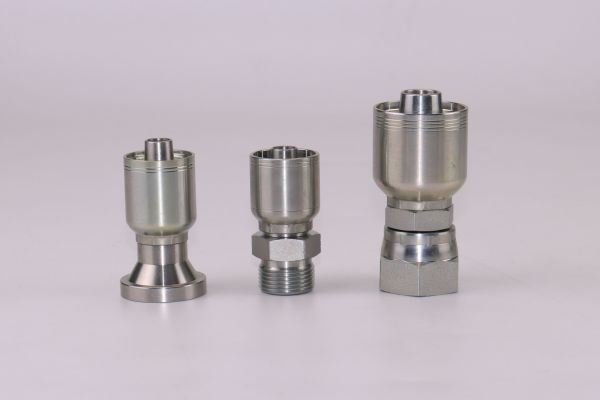
How Predictable Replenishment Supports One-Piece Fittings

How Predictable Replenishment Supports One-Piece Fittings

A low purchase price does not create a reliable inventory system when arrival timing changes from order to order. Predictable replenishment for one-piece fittings means the shop can make a reasonable, evidence-based forecast of when each important SKU will become usable stock. Without that confidence, buyers order too early, wait too long, or resort to emergency freight after a shortage. The solution is not one universal reorder formula. It is a SKU-specific planning process that combines actual use, free stock, open orders, realistic lead-time behavior, and clear shipment visibility while preserving technical compatibility and service-critical coverage.

Price and Replenishment Answer Different Questions

Unit price shows the purchase cost of a fitting; replenishment predictability shows whether the fitting will be available when work requires it. A cheap but erratic source can increase emergency orders, schedule changes, and duplicate commitments.

Lowest price can hide timing uncertainty

If an order may arrive early, late, split, or incomplete, the buyer must carry more uncertainty. Staff may protect the shop with extra inventory, repeated tracking, or backup orders. Those responses use cash and attention even when the quoted unit price looks favorable.

Compare price only after defining the complete replenishment path: availability confirmation, order processing, dispatch, transit, receiving, inspection, posting, and bin placement. Stock becomes useful only after the correct item passes those stages.

Parker reference Fitting

Predictability supports a credible decision

A predictable source does not need identical transit on every order, but its changes should be visible and understandable. The shop needs confirmed dates, clear open-order status, and prompt notice when assumptions change. That evidence lets purchasing choose whether to wait, reorder, protect critical stock, or revise a service promise.

The distinction also improves internal accountability. If purchasing records only the final delivery date, an early availability warning and a late receiving step can disappear inside one total. Milestone evidence shows which uncertainty the buyer can influence and which requires a scheduling contingency. It also prevents a team from judging replenishment solely by whether a carton eventually arrived.

When comparing options, ask how quickly stock is confirmed, whether the confirmation identifies exact quantities, how changes are communicated, and whether partial shipments are visible by SKU. These questions are more useful than a general claim that lead time is “fast.” They allow the shop to build promises from documented conditions instead of promotional language.

Variable Arrival Times Complicate Reorder Decisions

Lead-time variability widens the period the shop must cover from inventory. When that range is unclear, the same reorder point may be too late for one cycle and unnecessarily early for another.

The uncertainty affects both shortages and overstock

Ordering late can leave common jobs blocked. Ordering early every time can build excess stock, especially when several delayed orders arrive together. Split shipments add another problem: part of the order appears, but the exact SKUs needed for open jobs may still be missing.

Track milestones separately rather than recording one vague lead time. Capture order date, confirmed availability, planned dispatch, actual dispatch, arrival, receiving completion, and usable-stock date. This shows whether variation comes from supply, transit, or the shop’s own receiving process.

Use a range of observed outcomes

Planning should reflect actual order history and current confirmation, not a remembered best case. Avoid inventing a standard safety-stock formula or service target. A shop with seasonal repair demand, limited storage, and local emergency alternatives will make a different decision from one supporting remote equipment.

Review unusual events separately so a one-time disruption does not automatically define every future order. The goal is honest forecast confidence, not a false promise of perfect timing.

Four Data Sets Build a Useful Forecast

Every reorder decision needs actual use, usable on-hand stock, open orders, and realistic replenishment time. Missing any one of these can create a false sense of coverage.

Start with demand and free stock

Use rate should come from actual issues or completed jobs for the exact SKU. Grouping only by thread family can hide differences in hose side, angle, seal, or fitting series. Consider known seasonal work and scheduled fleet service without turning estimates into guaranteed demand.

Free stock excludes reserved, quarantined, damaged, unidentified, or technically unresolved pieces. A system quantity is not enough if some units cannot be issued. Confirm bin accuracy before purchasing more to correct a false stockout.

Add open orders and realistic timing

For each open line, record ordered quantity, outstanding quantity, confirmed SKU, promised dispatch or arrival, shipment status, and affected jobs. Do not count an unconfirmed order as if it were shelf stock.

The planning record should include:

Replenishment Predictability Is SKU-Specific

One supplier-level average cannot describe every fitting. Availability can differ by connection, size, angle, material, production family, and order pattern.

Exact identity controls usefulness

A one-piece fitting contains a stem or body with a retained or preassembled ferrule, with construction varying by series. Similar fittings may differ in thread, seat, seal, hose tail, ferrule, or crimp requirements. An on-time carton containing the wrong variant does not improve reliability.

Track performance by complete SKU and, where helpful, by family. Confirm connection standard, diameter, pitch or TPI, taper, gender, seat or sealing face, O-ring location, orientation, hose size, and fitting series. The same dash size does not prove hose compatibility.

Different SKUs need different confidence

A common stocked item may have regular usage and many past orders, making its timing easier to evaluate. A rare fitting may have little history and require current confirmation for each job. A special material or angle can behave differently from the supplier’s normal range.

Do not assume reliable delivery of one family proves reliable delivery of another. Ask SKU-specific questions and record where confidence is based on limited evidence.

Fast Movers and Rare Items Need Different Assumptions

Fast movers justify frequent review because small timing errors affect many jobs. Rare items require caution because carrying deep stock may tie up cash and increase aging risk.

Plan fast movers from repeat evidence

Review issue frequency, blocked-job history, current free stock, open orders, and arrival behavior. A fast mover with variable timing may justify earlier review or carefully reasoned buffer coverage, but no universal quantity applies.

Look for demand combinations rather than totals. Straight and elbow fittings with similar connection codes may not substitute in constrained routing. Preserve the exact SKU evidence that connects inventory to completed work.

Male Hydraulic Crimp Fitting

Separate rare critical from rare noncritical

A rarely used fitting can still be important when it supports equipment with severe downtime and no verified alternative. Another rare fitting tied only to planned work may remain special-order. Evaluate consequence, lead time, equipment population, storage life, and ability to obtain current technical data.

Do not reduce technically necessary emergency stock purely to improve a metric. Equally, do not overbuy every rare SKU to compensate for an uncertain forecast.

Order Visibility Enables Earlier Decisions

Visibility matters before a shipment becomes late. A buyer who can see an unconfirmed line or slipping dispatch can act while usable stock still remains.

Build an exception-based open-order view

Show each important line’s current milestone, last confirmed date, changed expectation, split quantity, and linked job. Highlight missing confirmation and deviations rather than asking staff to chase every order equally.

If a shipment splits, allocate confirmed quantities to the most appropriate jobs using technical identity, urgency, and existing promises. Do not assume the first carton contains the required SKU, and do not double-count the outstanding balance.

Communicate changes across the shop

Purchasing, receiving, scheduling, and counter staff should use the same current status. A buyer’s private email does not protect a promise made at the service desk. Define who updates the record and when the next confirmation is due.

Fast information cannot replace technical accuracy. When an alternative is proposed, verify connection, seal, hose series, ferrule design, current crimp data, material, and application before treating it as usable supply.

Review Planned Versus Actual Arrival Performance

A replenishment reliability scorecard should compare stated expectations with observable milestones. It need not invent percentages or rank suppliers with a single number.

Review patterns, not isolated disappointments

Compare several orders for the same SKU or family when history exists. Note confirmation quality, milestone changes, quantity accuracy, and usable-stock date. Keep one-off carrier or disruption events visible without treating them as the only evidence.

Turn evidence into a planning change

Possible actions include earlier review, stronger confirmation requirements, adjusted order cadence, a controlled backup source, improved receiving priority, or narrower promise language. Test changes on a small SKU group and preserve original records for comparison.

Review the scorecard at a cadence appropriate to ordering activity, and close exceptions only when their cause and effect are known. A late line caused by an order-entry error needs different prevention from a late line caused by changed availability. Likewise, an on-time carton held in quarantine is a conformity or data problem, not proof that the replenishment plan succeeded.

The shop should also record whether its action created a secondary risk. Ordering earlier may increase average inventory age; using a second approved source may add identity and receiving complexity; demanding more confirmations may add work without improving evidence. A small trial reveals whether the selected control improves forecast confidence in practice.

Document the decision, owner, review date, and affected SKUs so later results can be compared with the original replenishment problem.

Before inspecting or replacing a hose, stop equipment, isolate the system, release pressure and stored energy, secure raised loads, and follow lockout and manufacturer procedures. Replenishment uncertainty never justifies an unverified fitting or damaged stock.

Conclusion

Predictable replenishment for one-piece fittings gives a hose shop enough confidence to time purchases, protect critical service, and avoid repeated emergency reactions. The forecast should combine exact-SKU usage, usable stock, reservations, open orders, current confirmations, and observed milestone history. Fast movers and rare items need different assumptions, while rare but critical parts require explicit service-risk review. Track planned versus actual arrival through the point of usable stock, because on-time dispatch or physical delivery alone does not release a job. A cheap but erratic source may add tracking, duplicate orders, and urgent freight. Evidence-based scorecards and exception visibility improve decisions without pretending that one formula or fixed safety-stock level fits every fitting.

Frequently Asked Questions

How should a shop plan around variable fitting lead time?

Use observed SKU-level milestones plus current order confirmation, not the best past result. Review free stock, demand, open orders, and service consequence before choosing an earlier trigger or additional coverage.

Should open purchase orders count as available inventory?

No, they should remain a separate expected-supply category until received, verified, and posted as usable stock. Unconfirmed, split, or delayed lines need explicit status.

How should seasonal demand affect replenishment?

Use actual seasonal history and known upcoming work to adjust review timing. Avoid treating last season’s pattern as guaranteed, and reassess equipment population and service commitments.

Does uncertain lead time always require more safety stock?

No, possible responses include better confirmation, earlier review, alternate approved supply, or different order cadence. Added stock must be justified by demand, criticality, storage, cash, and obsolescence risk.

How should split shipments appear in the plan?

Record received and outstanding quantities by exact SKU and milestone. Allocate only verified usable units, keep the balance open, and update jobs that still depend on missing lines.

How Small Hydraulic Fitting Orders Increase Purchasing Work

How Small Hydraulic Fitting Orders Increase Purchasing Work

One small replenishment order can require a stock check, request for quotation, technical clarification, approval, purchase order, payment step, confirmation, tracking, receiving inspection, stock posting, and invoice reconciliation. Most of those touches occur whether the carton contains a few fittings or a much larger planned mix. Frequent small fitting orders increase purchasing workload because the transaction cycle repeats more often than the physical demand requires. A hose shop can reduce avoidable work by mapping every touchpoint, standardizing product data, and consolidating appropriate demand without postponing safety-critical replenishment or creating excessive slow-moving stock.

Count Every Touch in One Replenishment Cycle

Purchasing work begins before an order is sent and continues after the hydraulic fitting reaches the shelf. Counting only the purchase order hides the repeated communication and control tasks surrounding it.

The cycle starts with demand detection

Someone notices a low bin, checks system quantity, considers reserved stock, reviews open orders, and confirms the exact SKU. If descriptions are incomplete, staff may need photos, drawings, thread measurements, hose-side information, or a prior receipt before they can request the correct item.

The external cycle then includes RFQ preparation, supplier response review, price and lead-time confirmation, approval, order issue, acknowledgment, payment or credit processing, shipment tracking, and exception handling. After delivery, receiving must compare the carton with the order, inspect identity and condition, post stock, route discrepancies, and reconcile the invoice.

Parker 43series Hydraulic Fitting

Small value does not remove control steps

A low-value order may receive a shorter approval path, but it still needs an accurate description and controlled receipt. Skipping those checks increases wrong-SKU, duplicate-order, and invoice errors. The shop should therefore distinguish necessary controls from avoidable repetition, not simply ask staff to work faster.

Audit one recent cycle by listing:

Repetition Occurs Regardless of Order Value

The fixed administrative pattern explains why many small orders can consume disproportionate attention. Each transaction creates another reference number, communication thread, expected arrival, receipt, and invoice to control.

Similar work returns with each order

Purchasing may request the same fitting family several times in one month because bins are reviewed separately or staff react only after a shortage. Every cycle requires context rebuilding: which revision applies, whether an existing order is open, what quantity is free, and which jobs are waiting.

Receiving experiences the same fragmentation. Multiple cartons require separate unloading, document matching, counting, identity checks, discrepancy handling, stock transactions, and bin movement. Accounts staff then reconcile several invoices and freight lines instead of one controlled order.

Fragmentation reduces visibility

When orders are scattered across emails, messages, and separate approvals, the shop can lose sight of total committed quantity. One person may place an urgent order while another has the same SKU in transit. A small-order habit can therefore increase both workload and unintended inventory.

Use a shared open-order view containing SKU, ordered quantity, promised date, status, related job, and buyer. Visibility should precede consolidation; otherwise combining demand may merely create a larger duplicate.

Consolidation Can Remove Avoidable Touches

Order consolidation helps when several genuine requirements can enter one planned purchasing cycle without increasing service risk. Its purpose is to reduce repeated transactions, not to force every SKU into a large order.

Consolidate by compatible decision window

Group demand that can wait until the same review date, uses compatible shipping or supplier channels, and has verified descriptions. Common replenishment items may fit a regular order calendar. Rare items can remain special-order, while emergency-critical shortages follow an exception path.

Mixed orders can combine different fitting SKUs, but each line still needs a complete identity. Combining vague lines increases clarification and receiving mistakes. The order should preserve connection, size, hose side, fitting series, orientation, material or finish requirement, and revision where applicable.

Mixed SKU Packing

Balance fewer orders against excess stock

Consolidation is not automatically efficient if it produces years of slow-moving inventory. Review actual use, open jobs, on-hand and reserved quantity, lead time, minimum order conditions, storage capacity, obsolescence exposure, and working-capital limits.

Possible outcomes include:

Reorder Calendars and Thresholds Reduce Reactive Buying

A defined review rhythm moves purchasing from isolated alerts to a controlled queue. It does not require one universal formula; each SKU group can use evidence suited to its demand and service role.

Calendars create a planned decision point

Set review dates for common fitting families or supplier channels. At each date, examine on-hand stock, reservations, open orders, actual usage, known jobs, and current lead-time evidence. Staff can collect needs between reviews instead of launching a new transaction whenever one bin appears low.

A calendar should not block urgent replenishment. Create a clear exception for a job-stopping shortage, safety-critical part, or unexpected demand. Record why the exception occurred so the shop can distinguish necessary frequent ordering from avoidable reaction.

Thresholds must use usable stock

A reorder trigger should consider free stock rather than the system balance alone. Quarantined, damaged, technically unresolved, or reserved fittings are not available for new jobs. Open orders should count only with credible quantity and arrival information.

Demand varies by SKU, local equipment, season, and service urgency, so avoid universal quantities. Review whether each trigger produces timely orders without repeatedly leaving excess material on the shelf.

Standard Product Descriptions Prevent Clarification Loops

Clear line data reduces questions at RFQ, confirmation, receiving, and invoice stages. It also prevents faster purchasing from becoming inaccurate purchasing.

Identify both sides of the fitting

On the connection side, record standard, thread diameter, pitch or TPI, straight or tapered form, male or female connection, seat or sealing face, O-ring position, and angle. On the hose side, record hose size, compatible fitting series, stem or tail identity, and applicable product code.

A one-piece fitting has a stem or body and ferrule retained or preassembled, with construction varying by series. That does not guarantee compatibility with every hose of the same dash size. Current hose, fitting, crimper, die, preparation, and crimp data remain necessary.

Use one controlled item record

Connect internal SKU, supplier code, full description, revision, approved sources, and inspection points. Do not let each buyer rewrite the line from memory. When a supplier proposes a substitute, route it through technical review instead of changing the order description informally.

Fast clarification is valuable only when the answer is complete and accurate. An incorrectly ordered fitting creates more touches through return, credit, reordering, and delayed work.

Receiving and Invoices Are Part of the Workload

Purchasing efficiency must include downstream handling. A plan that reduces PO creation but increases mixed-up receipts or invoice discrepancies has shifted work rather than removed it.

Standardize receipt checks by risk

Receiving should match purchase order, packing document, SKU, quantity, revision or trace reference, label, and condition. Agreed critical features may also require inspection. Similar-looking threads and sealing forms should remain separated and clearly labeled.

Urgency does not justify sending an unchecked carton directly to production. Before a repair, stop and isolate the equipment, release pressure and stored energy, secure raised loads, and follow lockout and manufacturer procedures. Never use an uncertain substitute to avoid another order cycle.

Make invoice matching predictable

Use consistent PO references, line descriptions, unit conventions, freight treatment, and receipt posting. Record partial and split shipments so an invoice is not matched against material still missing. Assign discrepancy ownership rather than reopening the same question across purchasing, receiving, and accounts.

Audit Necessary and Avoidable Order Frequency

The final review should identify which small orders protect service and which arise from weak planning, descriptions, or visibility. Eliminating all frequent orders would be as unhelpful as accepting every reactive purchase.

crimp Fitting Assembly

Classify each recent order

Label an order as planned replenishment, confirmed special job, emergency exception, correction of a wrong order, duplicate caused by poor visibility, or reaction to a missed trigger. Then count touchpoints and clarification loops for each category without inventing labor-hour savings.

Investigate repeated avoidable categories. A missed trigger calls for review discipline; an incorrect line calls for better master data; a duplicate calls for open-order visibility; repeated emergencies on one SKU may call for revised replenishment.

The audit should also distinguish a purchase transaction from a line item. One mixed order may contain several technically different fittings but still use one approval, confirmation, shipment record, receipt event, and invoice reference. Conversely, a single SKU bought through several urgent releases creates several transactions even if total quantity appears modest. Compare both views so the team does not mistake a lower line count for a lower administrative burden.

Review exceptions individually before changing policy. A special-order fitting tied to a confirmed repair may be exactly the right small purchase, while repeated top-ups of a predictable fast mover may reveal poor scheduling. Document the operational reason, not a judgment about the buyer. The evidence should lead to a specific control that prevents recurrence without blocking legitimate flexibility.

Use the audit to simplify the process

Ask whether the transaction could join a scheduled order, whether quantity would create excess stock, whether the item description is reusable, and whether receiving and invoice references are complete. Test any new calendar or template on a small group of fitting SKUs before expanding it.

Preserve the original transaction data so the shop can compare later cycles. The goal is fewer unnecessary touches with equal or better technical control, not simply fewer purchase orders on a report.

After a small pilot, compare clarification counts, duplicate orders, receipt discrepancies, and emergency exceptions. These are observable process signals; they show whether standardization removed work or merely moved it to another department. If a change reduces PO creation but increases stock searches or invoice disputes, revise the workflow before applying it to more SKUs.

Conclusion

Frequent small fitting orders increase purchasing workload because every cycle repeats demand checks, RFQs, clarification, approvals, confirmation, tracking, receiving, and invoice reconciliation. A transaction-touchpoint audit shows which orders are necessary service exceptions and which result from missed triggers, vague SKU data, or poor open-order visibility. Consolidate only demand that shares a safe decision window, and balance fewer transactions against slow-moving inventory and working-capital exposure. Standard product descriptions and controlled receiving prevent efficiency changes from increasing wrong-part risk. Reorder calendars, usable-stock thresholds, and clear exception paths then reduce avoidable reactive buying without delaying safety-critical needs. The practical objective is a simpler purchasing process that preserves exact fitting identity and reliable hose-shop service.

Frequently Asked Questions

Can a standard RFQ reduce small-order workload?

Yes, a reusable RFQ can prevent repeated data entry and missing fields. It must still identify each exact fitting, quantity, revision need, delivery requirement, and technical clarification rather than using a generic family name.

Are standing orders suitable for every fitting SKU?

No, they suit demand with sufficient repeatability and controlled terms. Rare, changing, or technically unresolved items may need job-specific review rather than automatic release.

Do mixed fitting orders always improve efficiency?

No, mixed orders help only when each line is accurate and the combined quantity remains justified. Poor descriptions or excessive slow movers can create more receiving and storage work.

Why do small orders create invoice workload?

Each order can produce a separate invoice, freight line, partial receipt, discrepancy, and reconciliation task. Consistent PO references and receipt posting reduce confusion but do not remove the transaction.

Should emergency purchases wait for the next consolidated order?

Not when waiting would create unacceptable service or safety risk. Use a controlled exception, verify the exact item, and record the cause so recurring emergencies can inform future replenishment.

Contact Topa

Save 30% on maintenance costs with our easy-install hydraulic fittings. Contact Now!