
Crimp Style Hydraulic Hose Fitting Manufacturer in China

Are you looking for the most cost-effective and most suitable hydraulic fittings manufacturer? Topa is your best choice!

Crimp Fitting Connection Options

Topa offers crimp style hydraulic hose fittings with JIC, ORFS, BSP, NPT, metric, and flange connection options. Select the equipment-side connection together with the fitting series required for your hose assembly.
A suitable fitting must match more than the hose diameter or port thread. The hose model, fitting construction, size, and crimping procedure need to be reviewed as one assembly.
Send Topa your part numbers, hose specifications, and quantities for distributor replenishment, OEM production, or recurring supply. Drawings and catalog references are useful when reviewing an existing fitting or preparing a multi-SKU quotation

37-degree cone seat hydraulic onepiece hose fitting

O-ring face seal crimping hydraulic hose fitting

Metric standard hydraulic crimp on hose fitting

High-pressure flange hydraulic one piece hose fitting

Bsp hydraulic crimp fitting, compatible with Parker fittings

Tarped NPT thread crimp on hydraulic hose fitting

Multiple Features of Topa Hydraulic Fittings!

Crimp On Hydraulic Fitting drawing

Construction

A crimp hose fitting has two separate interfaces: the connection to the hose and the connection to the equipment. At the hose end, the insert and ferrule work with the hose construction to provide retention and sealing after controlled crimping. At the equipment end, sealing depends on the specified flare, face seal, cone, flange, or pipe-thread connection.

In a one-piece design, the ferrule is attached to the fitting before hose assembly. A two-piece arrangement uses a separate ferrule selected for the specified insert and hose. These components should not be mixed solely because their dimensions appear similar.

The insert profile, ferrule dimensions, insertion depth, and finished crimp diameter all affect the assembly. Confirm the approved combination and assembly instructions for the selected part rather than treating one crimp fitting as suitable for every hose of the same nominal size.

Material Range

The material selection for crimp on hydraulic hose fittings is broad, encompassing stainless steel, brass, and carbon steel. This diversity ensures compatibility with various hydraulic fluids and environmental conditions. Stainless steel fittings, known for their corrosion resistance, are ideal for harsh environments. Brass fittings offer excellent durability and are suitable for less aggressive conditions, while carbon steel fittings provide a balance of strength and cost-effectiveness for general use. 

Specify the fitting material and finish by part number or drawing. Material availability can differ between fitting series, connection types, and sizes, so the requirements should be confirmed with the quotation.

For carbon steel fittings, review the coating specification against storage conditions and external exposure. Where stainless steel is required, identify the grade and any documentation requirements. A general material description does not establish suitability for the hydraulic fluid, operating temperature, or corrosive environment.

Crimp On Hydraulic Fitting Material
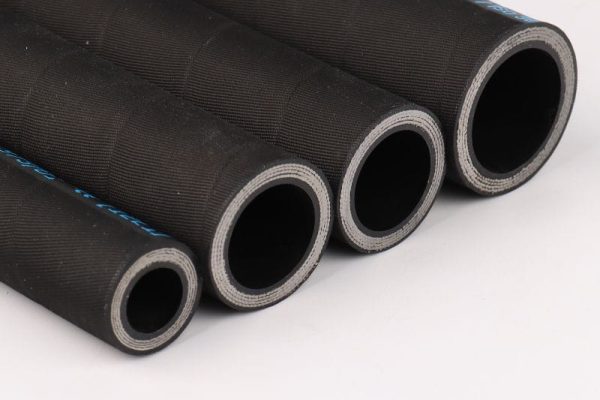
Multi-Layer Hydraulic hoses

Hose Compatibility

These fittings are compatible with a wide range of hydraulic hoses, from high-pressure hoses designed for heavy-duty applications to low-pressure hoses used in less demanding environments. Here’s a list of some specific types of hydraulic hoses that are compatible with crimp fittings,: SAE 100 R1/R2 AT, R16/R17/R7/R8/R4/R5/R12/R13, 1SC/2SC, and so on.

Select the fitting against the exact hose manufacturer, series, and size. Hose standards describe construction and performance requirements, but they do not provide a universal fitting selection rule. Two hoses with the same nominal inside diameter may have different cover thicknesses, reinforcement arrangements, or assembly requirements.

The fitting insert and ferrule must suit the selected hose. The assembly procedure must also specify preparation, insertion depth, tooling, and finished crimp dimensions. A fitting that can be inserted into a hose has not, by that fact alone, been shown to form a suitable hydraulic assembly.

Applications

Crimp hose fittings are used in hydraulic assemblies across mobile and industrial equipment. Selection should follow the circuit requirements, hose construction, mating connection, and installation layout.

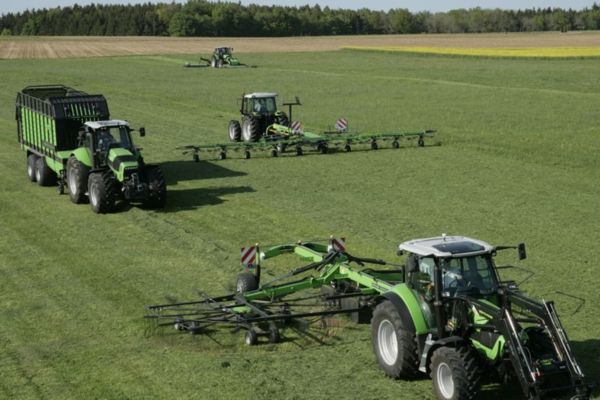
Agriculture Hydraulics Topa

Agricultural Equipment

For tractors, loaders, and implements, review pressure changes, movement, contamination exposure, and hose routing. Fitting configuration should allow the hose to move through the required range without twisting, rubbing, or bending sharply near the connection.

Construction Hydraulic hose Topa

Construction Equipment

Excavators, loaders, and other construction machinery can expose hose assemblies to pressure cycling, abrasion, vibration, and restricted installation space. Confirm the hose and fitting combination for the circuit, together with the required elbow angle, installation clearance, and protection.

oil and gas explore

Marine Equipment

Marine and dockside installations require review of external corrosion exposure as well as hydraulic operating conditions. Specify the fitting material, finish, hose construction, and any project documentation requirements.

Topa Video

See Our Factory Video

About Topa

Why Choose Us?

Topa supports fitting inquiries with part-number review, drawing details, and quantities by SKU. For recurring orders, the agreed product specifications provide a reference for future supply.

Multi-SKU Quotation

Submit different fitting types, sizes, and configurations in one list. Include quantities by part number and identify any items that require clarification.

Part-Number Review

Provide catalog references, drawings, or clear photos for review. Thread size, sealing form, hose end, and installation dimensions need to be checked together.

Drawing-Based Requires

Send your drawing with material, finish, dimensions, and revision details. Non-standard requirements can be reviewed before the product scope and quotation are agreed.

Order Specifications

Define the approved part number, drawing revision, material, finish, and marking requirements. Refer to the same specification when arranging replenishment.

Marking and Packaging

Include your labeling, packaging, and part-identification requirements with the inquiry. Confirm the agreed arrangement for each product group before supply.

After-Sales Review

For a reported issue, provide the part number, batch reference, photos, and assembly details. Clear records support review of the affected product and the next action.

Topa Company

Our Factory

Crimp fitting production requirements should be defined by the approved product drawing and specification. Important features include the equipment-side sealing interface, hose insert profile, ferrule dimensions, and component arrangement.
The following stages describe the features to control during production. The process and inspection scope should be confirmed for the selected fitting.

Contact Topa for Your Needs!

FAQ

What are crimped hydraulic hose fittings?

Crimped hydraulic hose fittings are connectors used at the end of hydraulic hoses to connect them to other hydraulic components like pumps, valves, or cylinders, creating a tight seal that prevents leaks in hydraulic systems.

How do crimp style fittings differ from other hydraulic fittings?

Unlike field attachable fittings, crimp style fittings require a crimping machine to attach the fitting securely to a hose. This process deforms the fitting and hose, creating a permanent, leak-proof seal.

What materials are used to manufacture these fittings?

These fittings are commonly made from materials like stainless steel, carbon steel, and brass, chosen for their strength, durability, and resistance to corrosion.

How do I select the right crimp style fitting for my application?

Selection depends on factors like the hose type, the fluid being transported, operating pressure, temperature, and the environment in which the system will operate. Compatibility with the hose and the required performance specifications are crucial.

Are crimp style fittings compatible with all types of hydraulic hoses?

Not all fittings are compatible with every hose type. Compatibility depends on the design and specifications of both the hose and the fitting. It’s important to consult product documentation or manufacturer recommendations to ensure compatibility.

What are the advantages of using crimp hydraulic hose fittings?

Advantages include a secure, leak-proof connection, high reliability under pressure and dynamic conditions, and suitability for high-pressure applications.

Can crimp style fittings be reused?

Generally, crimp style fittings are not reusable. Once crimped, they are permanently attached to the hose and should be replaced if the hose or fitting is damaged or if the assembly needs to be altered.

How is the correct crimp diameter determined for a fitting?

The correct crimp diameter is determined based on the hose and fitting combination, which is typically provided by the manufacturer in a crimp specification chart. Proper tools and crimping machines with the right settings are essential for achieving the correct crimp diameter.

How do environmental factors affect the choice of crimp style fittings?

Environmental factors such as temperature, humidity, and exposure to chemicals or corrosive substances can affect fitting material choice and design. Stainless steel fittings, for example, offer better corrosion resistance for harsh environments.

Can Topa one-piece hose fittings be used to replace fittings from other manufacturers?

Yes, in many cases Topa crimp fittings can be used as replacements for fittings from other manufacturers, including Parker.

Free Quotation!

Send Topa your crimp fitting list for distributor replenishment, OEM assemblies, or recurring supply. Include quantities by SKU, connection specifications, hose sizes, and the required fitting series.
For compatibility or cross-reference review, attach the hose information and fitting drawing or catalog reference. Add your material, finish, marking, packaging, and destination requirements so they can be included in the quotation.

Crimp Style Hydraulic fitting catalog Topa

Contact Topa

Save 30% on maintenance costs with our easy-install hydraulic fittings. Contact Now!