A banjo bolt connects a fluid line to a component while allowing fluid to pass through the bolt itself. It works with a ring-shaped banjo fitting and the specified sealing components, providing a compact connection where space around the port is limited.
Banjo connections are used in selected brake, fuel, lubrication, and hydraulic circuits. The fitting can often be positioned during assembly before final tightening, but a conventional banjo joint is not a live swivel designed for continuous rotation under pressure.
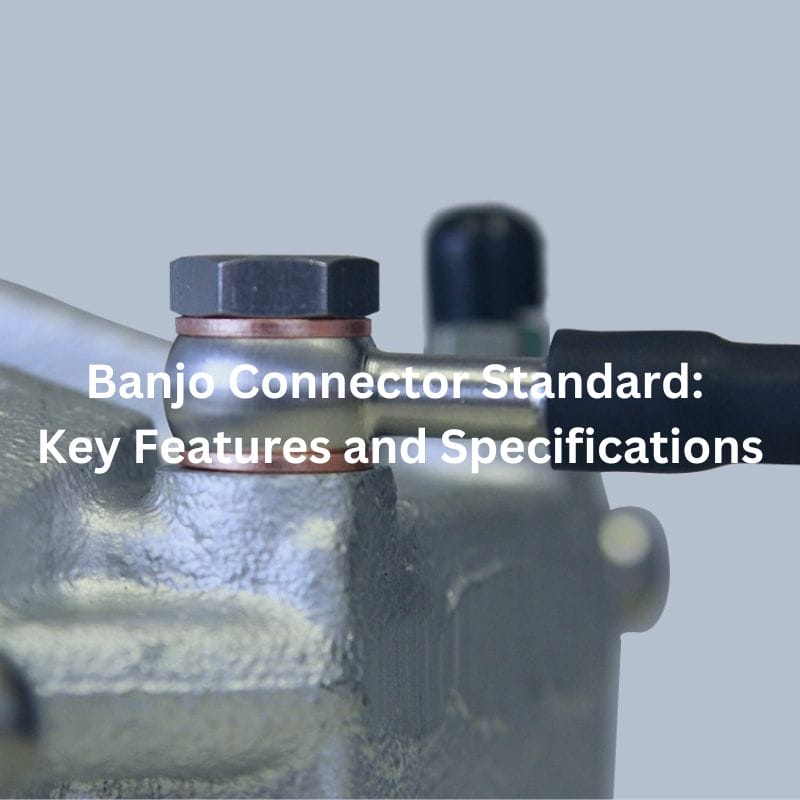
A typical banjo assembly includes a hollow bolt, a ring-shaped fitting, and sealing washers or another specified sealing arrangement. The bolt passes through the banjo eye and threads into the receiving component.
An axial bore inside the bolt intersects with one or more cross-drilled holes. These passages connect the component port with the internal space in the banjo fitting. Fluid can travel in either direction, depending on the circuit.
In a common washer-sealed design, a washer sits on each side of the banjo eye. Tightening the bolt clamps these sealing interfaces together. The bolt threads provide retention and clamping force; they are not the primary external seal.
The line connection on the banjo fitting may be a hose stem, tube end, threaded connection, or another specified form. It should not be described as always having one or two barbs.

Stainless Steel: Known for its exceptional strength, corrosion resistance, and durability, stainless steel is a popular choice for banjo bolts used in harsh environments or where the risk of corrosion is high. This makes stainless steel banjo bolts ideal for automotive brake systems, marine applications, and industrial machinery where exposure to moisture and chemicals is common.
Brass: Brass is prized for its excellent machinability, corrosion resistance, and aesthetic appeal. Banjo bolts made from brass are often used in fuel systems and low-pressure hydraulic applications. The material’s natural resistance to corrosion by fuel and its ability to form a tight seal make it a reliable choice for these systems.
Aluminum: Lightweight yet strong, aluminum banjo bolts are used in applications where weight savings are crucial, such as in aerospace and high-performance automotive systems. Despite being lighter, aluminum can still provide the necessary strength and durability for many fluid transfer applications.
The choice of material for a banjo bolt depends largely on the specific requirements of the application, including factors like operating pressure, environmental conditions, and compatibility with the fluids being transferred. For instance, in an automotive braking system, the ability to withstand high pressures and resist corrosion from brake fluids is paramount, making stainless steel the material of choice. In contrast, a fuel system might prioritize corrosion resistance and ease of manufacturing, leading to the selection of brass.

In the automotive industry, banjo bolts play a pivotal role in brake systems, ensuring safe and efficient operation. Brake systems rely on hydraulic pressure to activate the brake calipers, which in turn press the brake pads against the rotors to slow down or stop the vehicle. Banjo bolts are essential in creating a secure and leak-proof connection between the brake lines and the calipers.
The banjo bolt is used to attach the brake line to the caliper through a banjo fitting. When the brake pedal is pressed, brake fluid travels through the brake lines and enters the banjo fitting via the hollow banjo bolt. The fluid then flows through the bolt’s drilled holes and into the caliper, creating the hydraulic pressure needed to push the brake pads against the rotors. This mechanism ensures that the braking force is evenly distributed and effective, providing reliable stopping power.
Use in Fuel Systems, Including Fuel Lines and Filters
Banjo bolts are also widely used in automotive fuel systems. They are instrumental in connecting fuel lines to various components such as fuel pumps, filters, and injectors. In fuel systems, the banjo bolt ensures a secure and tight connection, preventing fuel leaks and maintaining system integrity.
For instance, in a fuel injection system, banjo bolts connect the fuel lines to the injectors. Fuel from the tank is pumped through the lines and passes through the banjo fitting attached by the banjo bolt. This connection allows the fuel to flow smoothly into the injectors, where it is atomized and delivered into the engine cylinders. The precision and reliability of banjo bolts in these connections are crucial for optimal engine performance and fuel efficiency.
Application in Hydraulic Lines for Fluid Transfer
In hydraulic systems, banjo bolts are essential for facilitating fluid transfer in high-pressure environments. Hydraulic systems rely on pressurized fluid to transmit power and perform various functions, such as lifting, pressing, and moving heavy loads. Banjo bolts are used to connect hydraulic hoses and components, ensuring a secure and leak-proof fluid transfer.
For example, in construction equipment like excavators and bulldozers, hydraulic systems power the movement of the arms, buckets, and other attachments. Banjo bolts connect the hydraulic hoses to the cylinders and control valves, allowing pressurized hydraulic fluid to flow through the system and activate the desired movements. The robustness and reliability of banjo bolts ensure that these machines can operate efficiently under demanding conditions.
Examples of Machinery and Equipment Utilizing Banjo Bolts
Beyond construction equipment, banjo bolts are used in a wide range of machinery and equipment that rely on hydraulic systems. This includes agricultural machinery like tractors and harvesters, industrial machines such as presses and lifts, and even in aircraft landing gear systems. In each of these applications, banjo bolts facilitate the secure and efficient transfer of hydraulic fluid, enabling the machinery to perform its intended functions.
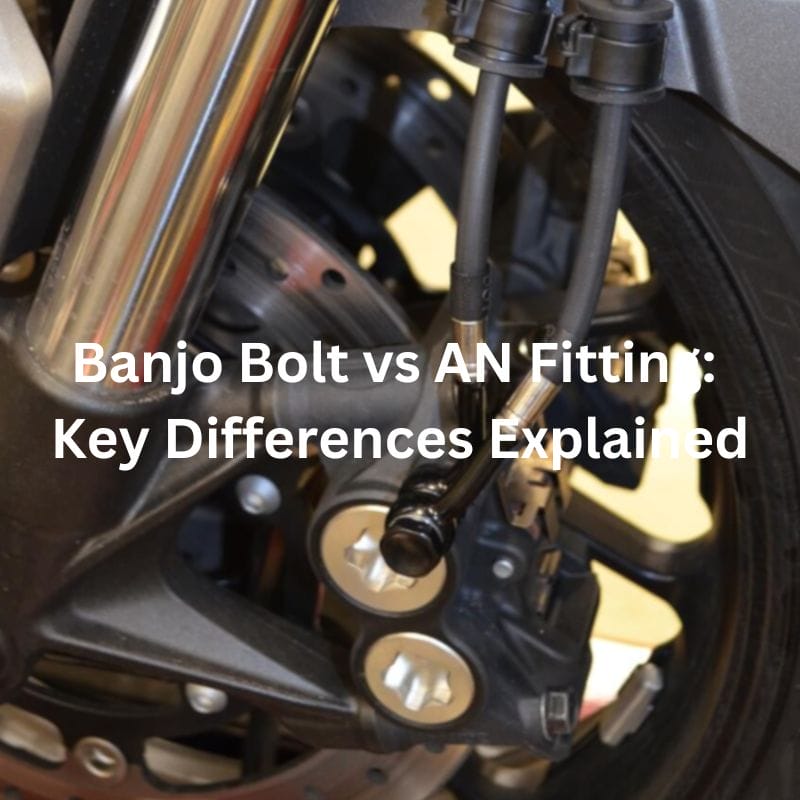
Some brake systems use banjo connections between a flexible brake hose and a caliper or master cylinder. The compact layout allows the line to leave the port at a convenient angle.
Use the specified bolt, sealing components, and assembly procedure for the brake system. The banjo bolt carries fluid; it does not regulate brake balance or ensure equal braking force by itself.
Stainless Steel: Known for its excellent corrosion resistance and high strength, stainless steel is often chosen for applications exposed to harsh environments or corrosive substances. For instance, in marine applications where components are frequently in contact with salt water, stainless steel banjo bolts provide long-lasting performance without rusting. Additionally, in automotive brake systems, stainless steel bolts ensure durability and safety under high-pressure conditions.
Brass: Brass is valued for its good corrosion resistance, ease of machining, and suitability for lower-pressure applications. It is commonly used in fuel systems and lower-pressure hydraulic applications where its ability to resist fuel corrosion and form tight seals is beneficial. Brass banjo bolts are also aesthetically pleasing and often used where appearance matters.
Aluminum: Lightweight yet strong, aluminum is ideal for applications where reducing weight is a priority, such as in aerospace and high-performance automotive systems. Although aluminum does not have the same strength as stainless steel, its lightweight and resistance to oxidation make it suitable for components that need to minimize overall weight without compromising on performance.
Thread Diameter and Pitch
Match the receiving port’s thread specification. Hose bore does not determine the bolt’s thread diameter.
Banjo Eye and Bolt Shank
Confirm the fitting eye dimensions and the specified clearance around the bolt. Include the banjo thickness and sealing-face dimensions.
Length Beneath the Head
Check the bolt length against the fitting, washer stack, and port depth. An excessively long bolt can bottom out before clamping the joint, while a short bolt may provide insufficient thread engagement.
Fluid Passages
Confirm the internal bore, cross-hole arrangement, and any specified restriction. Matching threads do not establish equal flow performance.
Sealing Components
Specify the washer or seal type, material, dimensions, and installation arrangement. Do not add extra washers to compensate for an incorrect bolt length.
State the applicable product standard, equipment part number, or approved drawing. Where no product standard is specified, define the dimensions, material, finish, fluid passages, and acceptance requirements in the drawing or purchase specification.
Inspection requirements may include thread verification, dimensional checks, sealing-face condition, and internal cleanliness. Any pressure or functional testing should have a defined method, scope, and acceptance criteria.
ISO 9001 certification relates to the organization’s quality management system. It does not replace product-specific verification or approval for a particular application.
Banjo bolts are indispensable components in various industries, providing secure and efficient fluid transfer in automotive, hydraulic, oil and gas, marine, and aerospace applications. Their unique design, material versatility, and ability to withstand high pressures make them critical for safety and performance. Reflecting on their widespread use, it’s clear that banjo bolts play a vital role in ensuring the reliability of complex systems. We invite you to share your experiences with banjo bolts or reach out for more information on selecting the right one for your needs.
A banjo bolt is a hollow bolt used to connect fluid lines in hydraulic and fuel systems, allowing fluid to pass through its center and into a connected fitting.
Banjo bolts are commonly used in automotive brake and fuel systems, hydraulic machinery, and various industrial applications including oil and gas, marine, and aerospace industries.
Banjo bolts are typically made from stainless steel, brass, or aluminum, each chosen for its specific properties such as corrosion resistance, strength, and weight.
Consider factors such as material compatibility, size, thread type, and the specific requirements of your application, including pressure and environmental conditions.
Banjo bolts offer secure and leak-proof connections, ease of installation, flexibility in alignment, and reliable performance under high-pressure conditions.
Sourcing from reputable manufacturers ensures high-quality materials, adherence to industry standards, rigorous quality control, and reliable performance of the banjo bolts in critical applications.

Automated page speed optimizations for fast site performance