
High-performance pumps, precision-engineered valves, and durable connection fittings are the primary components that keep your hydraulic system reliable under heavy loads. You often face the frustration of sudden machinery failure when production demands are at their peak. These interruptions lead to expensive downtime, missed deadlines, and potential safety hazards for your operators. By selecting high-quality components designed for extreme pressure, you can ensure consistent performance and extend the service life of your equipment.
What Role Does the Pump Play in a Hydraulic System?
The pump acts as the heart of the setup, converting mechanical energy from a motor into the hydraulic flow required to move heavy loads. A reliable hydraulic system depends on a pump that can maintain consistent flow and pressure without overheating. You must match the pump’s displacement and pressure rating to the specific work requirements of your machinery.

Understanding Primary Pump Types
There are several variations of pumps used in industrial and mobile applications. Each type offers different advantages for flow rate and pressure capability:
- Gear Pumps: Simple and cost-effective for low-to-medium pressure applications.
- Vane Pumps: Known for quiet operation and efficiency in industrial settings.
- Piston Pumps: The best choice for high-pressure systems requiring variable displacement.
How to Match Flow and Pressure?
Matching the pump to your system requires a deep understanding of your duty cycle. If the pump is undersized, the system will operate sluggishly under load. Conversely, an oversized pump creates excess heat and wastes energy, leading to premature wear.
Selecting the right pump ensures that every other component receives the energy needed to function. By prioritizing efficiency and pressure compatibility, you reduce the risk of catastrophic failure during heavy-duty operations.
How Do Actuators Ensure Motion in a Hydraulic System?
Actuators, such as cylinders and motors, convert the pressurized fluid into the linear or rotational force needed to perform physical tasks. Maintaining a high-performance hydraulic system requires choosing actuators that can withstand intense operating pressures without fatigue or internal leakage. You must ensure that the actuator material and seal design are compatible with your specific environment.
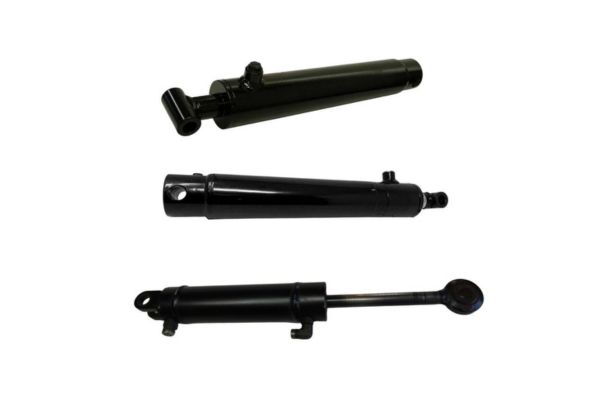
Selecting Linear Hydraulic Cylinders
Linear cylinders are the most common actuators used for lifting and pushing heavy loads. They must be constructed with high-strength rods and barrels to prevent bending under stress.
- Single-Acting Cylinders: Use fluid for one direction and gravity or springs for the return.
- Double-Acting Cylinders: Use fluid power for both extension and retraction.
- Telescopic Cylinders: Provide long strokes while maintaining a compact retracted length.
When to Use Rotational Hydraulic Motors?
Rotational motors are essential when your application requires continuous turning force rather than linear movement. These are vital for conveyor drives, winches, and vehicle propulsion. The motor must handle the starting torque required to move a load from a standstill.
Choosing the correct actuator prevents mechanical failures and ensures that your machinery can handle its maximum rated capacity. Reliable actuators translate fluid energy into productive work with minimal loss.
| Actuator Type | Primary Function | Load Consideration |
| Hydraulic Cylinder | Provides linear force | Structural integrity of the rod |
| Hydraulic Motor | Provides rotational torque | Starting and running torque levels |
| Swing Motor | Controlled rotary motion | Precise positioning under load |
Why Are Control Valves Vital for a Hydraulic System?
Control valves are the brain of the assembly, regulating the direction, pressure, and flow of fluid to ensure precise machine movements. In any complex hydraulic system, these components prevent surges that could lead to catastrophic component failure or erratic behavior. You rely on these valves to maintain safety and accuracy during delicate maneuvers.

Managing Directional Fluid Control
Directional control valves determine where the fluid goes, allowing you to extend or retract cylinders at will. They can be operated manually, electrically, or pneumatically depending on your automation needs.
- Spool Valves: Versatile and common for most industrial machinery.
- Poppet Valves: Provide excellent sealing for high-pressure holding applications.
- Rotary Valves: Used for simpler directional switching in smaller systems.
Can Pressure Relief Valves Prevent Failure?
Pressure relief valves act as a safety net by diverting fluid when the pressure exceeds a pre-set limit. Without these, a blockage in the system could cause hoses to burst or pumps to crack. They are essential for protecting your investment and your personnel.
Proper valve selection ensures that your machinery responds predictably to operator inputs. High-quality valves minimize internal pressure drops, which keeps your system running cooler and more efficiently.
| Valve Category | Safety Role | Performance Impact |
| Directional Control | Controls movement paths | Precision of machine operation |
| Pressure Relief | Prevents over-pressurization | Protection against burst components |
| Flow Control | Regulates actuator speed | Consistency of movement timing |
How Does Fluid Conveyance Impact a Hydraulic System?
Fluid conveyance components like hoses and pipes provide the pressurized pathways that transport energy throughout your machinery. Ensuring your hydraulic system is leak-free starts with selecting hoses that meet your specific chemical and pressure requirements. You must also consider the routing of these lines to prevent damage from external factors.
Choosing the Right Hose Diameter
The internal diameter of a hose determines the velocity of the fluid moving through it. If the hose is too small, the fluid moves too fast, causing friction and excessive heat.
- Measure the required flow rate of your pump.
- Check the manufacturer’s velocity recommendations.
- Select a diameter that balances flow with space constraints.
Protecting Hoses from External Abrasion
Hoses are often the most vulnerable part of a system because they are exposed to the environment. Abrasion from moving parts or contact with sharp edges can lead to pinhole leaks or total failure.
- Hose Sleeves: Provide a textile barrier against rubbing.
- Plastic Spirals: Offer heavy-duty protection against crushing and impact.
- Proper Routing: Uses clamps to keep hoses away from heat sources.
Using the correct conveyance materials ensures that power is delivered efficiently from the pump to the actuators. Quality hoses reduce the frequency of maintenance and the risk of environmental contamination from leaks.
| Conveyance Factor | Reliability Detail | Maintenance Tip |
| Hose Material | Must resist fluid chemicals | Inspect for cracks or stiffening |
| Pressure Rating | Must exceed peak surges | Check for “sweating” at couplings |
| Bend Radius | Prevents internal kinking | Avoid tight turns near fittings |
Are Precise Fittings Crucial for a Hydraulic System?
Precise fittings are essential for maintaining airtight seals and preventing pressure drops across the entire fluid network. A robust hydraulic system depends on these connectors to bridge the gap between heavy components without leaking. You must choose fittings that match the thread standards of your existing equipment to ensure a secure fit.
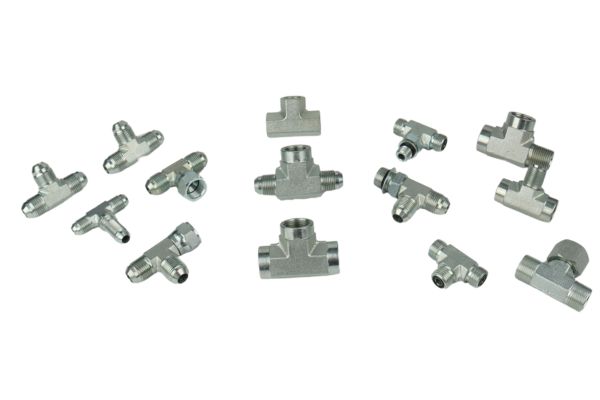
Understanding Different Thread Standards
Fittings come in various thread patterns depending on the region and the manufacturer of the equipment. Using the wrong thread can lead to stripped ports and dangerous high-pressure leaks.
- JIC (Joint Industry Council): Uses a 37-degree flare for a metal-to-metal seal.
- ORFS (O-Ring Face Seal): Uses an O-ring for superior leak protection at high pressures.
- Metric Threads: Common in European and Asian machinery designs.
Why Material Selection Matters?
The material of the fitting must be strong enough to hold the system pressure and resist corrosion. While carbon steel is common, certain environments require more specialized materials. Stainless steel is preferred for marine or chemical applications, while brass may be used for low-pressure auxiliary lines.
Accurate fitting selection eliminates the primary cause of hydraulic leaks, which are often found at connection points. High-quality fittings provide a “set and forget” solution for your plumbing needs.
| Fitting Type | Sealing Method | Best Application |
| Flare Fittings | Metal-to-metal contact | High-vibration environments |
| O-Ring Seals | Elastomeric compression | Maximum leak prevention |
| Pipe Threads | Tapered thread interference | Low-pressure static systems |
What Seals and Gaskets Secure a Hydraulic System?
Seals and gaskets prevent fluid from escaping and contaminants from entering the pressurized environment. To keep your hydraulic system operating at peak efficiency, you must select seal materials that are compatible with your specific fluid types. You should never reuse old seals during a repair, as they lose their elasticity and sealing capability over time.
Matching Seal Material to Temperature
The operating temperature of your machinery greatly influences which seal material you should use. Standard seals may become brittle in extreme cold or melt in extreme heat.
- Buna-N (Nitrile): Excellent for general purpose oil resistance.
- Viton (Fluorocarbon): Ideal for high temperatures and chemical exposure.
- Polyurethane: Highly resistant to abrasion and high-pressure extrusion.
Warning Signs of Potential Seal Failure
Small leaks are often the first sign that a seal is beginning to fail. If you ignore these “weeps,” they can quickly turn into major blowouts that stop production and create a mess.
- Look for “wet” spots around cylinder rods or valve blocks.
- Check for external dust sticking to connection points.
- Listen for hissing sounds that indicate air entering the lines.
Choosing the right seals ensures that your pressure remains where it belongs—inside the system. High-quality sealing solutions prevent environmental fines and reduce the cost of lost hydraulic fluid.
| Seal Location | Type of Seal | Maintenance Priority |
| Cylinder Rod | Rod Wiper | Prevent dirt entry |
| Pump Shaft | Dynamic Lip Seal | Prevent external oil leaks |
| Valve Block | O-Ring | Maintain internal pressure |
Why Is Thermal Management Essential for a Hydraulic System?
Thermal management through coolers prevents fluid degradation and protects the internal components of the machinery. Monitoring the temperature within your hydraulic system ensures that viscosity remains stable for consistent power delivery. You must prevent the oil from getting too hot, as high temperatures thin the fluid and reduce its ability to lubricate moving parts.
Air vs. Water Cooling Systems
Depending on your environment and available resources, you may choose between air-cooled or water-cooled heat exchangers. Each has its own set of requirements and benefits for industrial use.
- Air-Oil Coolers: Use fans to blow air over cooling fins; ideal for mobile equipment.
- Shell and Tube (Water): Extremely efficient but require a consistent water supply.
- Plate Coolers: Compact and efficient for industrial manufacturing plants.
Dangerous Effects of System Overheating
When hydraulic oil exceeds its recommended temperature, it begins to oxidize and form sludge. This sludge clogs filters and causes valves to stick, leading to unpredictable and dangerous machine behavior.
- Monitor the oil temperature gauge regularly during shifts.
- Clean cooling fins to ensure maximum airflow.
- Check water flow in heat exchangers for blockages.
Maintaining reliability in your industrial operations requires a commitment to quality and precision in every component you select. We understand that your business depends on machinery that doesn’t quit when the load gets heavy, and we are here to provide the high-pressure solutions you need. Our vision is to empower your growth by supplying durable, world-class hydraulic parts that eliminate the fear of downtime. For expert guidance on your next project or to find the perfect fitting for your machinery, contact us today and let our team help you secure your operations.
FAQ
Can I mix different brands of hydraulic fittings in one system?
Yes, as long as the thread standards and pressure ratings are identical. You must verify that the fitting type, such as JIC or NPT, matches the port precisely to prevent leaks or thread damage.
How do I know if my hydraulic hose needs replacement?
You should replace the hose if you see any external wire reinforcement, find pinhole leaks, or notice significant blistering on the outer cover. Stiff or cracked hoses are also signs that the material has reached the end of its safe service life.
What’s the best way to prevent air from entering my system?
Ensure that all suction line fittings are tight and that the fluid level in the reservoir remains above the intake pipe. You should also check that pump shaft seals are in good condition, as these are common entry points for air.
Is it necessary to use a specific type of hydraulic fluid?
Yes, you must use a fluid that meets the viscosity and additive requirements specified by your pump manufacturer. Using the wrong fluid can lead to poor lubrication, seal swelling, or internal component corrosion.
How often should I check the pressure in my accumulator?
You should check the pre-charge pressure at least once every six months or whenever you notice a decrease in system responsiveness. Correct pre-charge is vital for the accumulator to provide the intended shock absorption or energy storage.