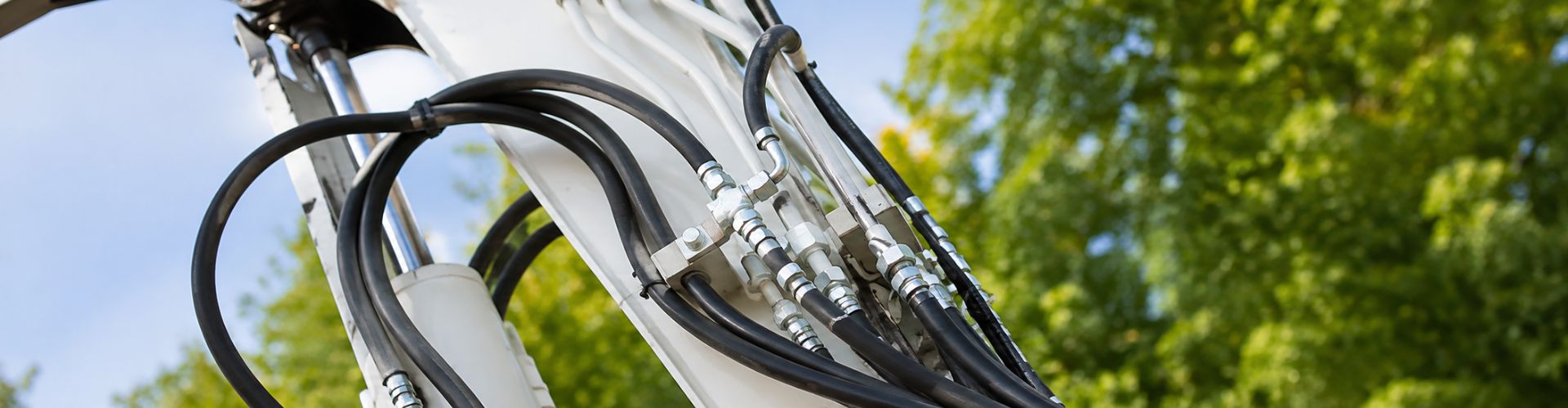
What are The Best Applications for Field-attachable Fittings

What are The Best Applications for Field-attachable Fittings?

Field-attachable, or reusable hydraulic fittings are essential for any application where immediate, on-site hose repair is critical. Industries like agriculture, logging, mining, and marine services rely on them to fix equipment in remote locations using only basic hand tools, minimizing costly downtime.

For years, we at Topa have supplied both permanent crimp fittings and reusable field-attachable fittings. While crimp fittings are perfect for the controlled environment of a workshop, the value of a reusable fitting becomes clear the moment a machine breaks down miles from anywhere. It is not just a component; it’s an insurance policy against lost time. Understanding which applications benefit most from this technology will help you be better prepared for the unexpected.

Why Are Field-Installable Fittings Vital for Farmers?

A harvester’s hydraulic line bursts during a critical harvest window. Every hour of delay means lost crops and lost income. Waiting for a mobile mechanic is not a viable option.

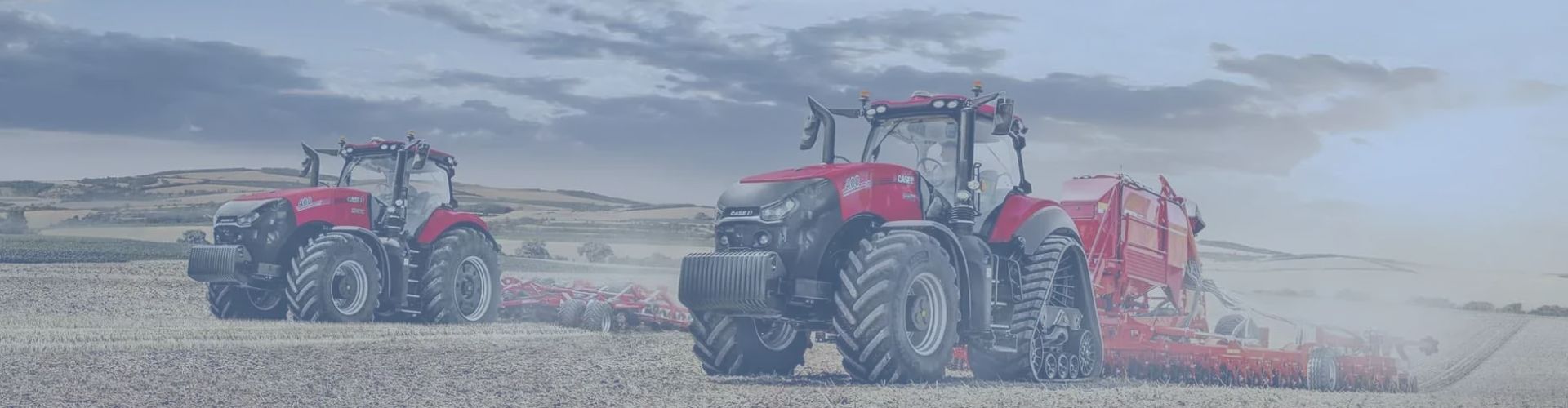
Reusable fittings are vital for farmers because they allow for immediate hose repairs on tractors, combines, and balers right in the field. This capability eliminates long trips to a repair shop and minimizes downtime during time-sensitive planting or harvesting seasons.

Agriculture Hydraulic hose

The High Cost of Agricultural Downtime

In farming, timing is everything. A delay of a single day can have a huge impact.

Field-installable fittings directly combat this by dramatically reducing the Mean Time To Repair (MTTR).

Simplicity for the Self-Sufficient User

Farmers are famously resourceful and often perform their own machinery maintenance. Reusable hydraulic fittings are designed for exactly this type of user. The assembly process does not require complicated, heavy, or expensive machinery. All that is needed are basic hand tools that are already in the farm workshop or service truck.

Common Agricultural Applications

These fittings are used on nearly every piece of hydraulically powered farm equipment. This versatility makes them an essential part of any farm’s spare parts inventory.

How Do They Keep Logging Operations Running?

Deep in a forest, a feller buncher’s hydraulic line is severed. The entire crew is forced to stop working. Every hour of inactivity costs the company thousands of dollars in lost productivity.

In the logging industry, field-attachable hydraulic fittings are essential for emergency on-site repairs of heavy machinery like skidders and harvesters. The remote and rugged work environment makes accessing a workshop impossible, so fast field repairs are the only way to maintain operational uptime.

Tractor hydraulic fittings logging industry application

Forestry operations take place far from civilization. A service road might be the only link to the outside world. When a critical piece of equipment fails here, you cannot just call a tow truck. The ability to create a new hose assembly on the tailgate of a pickup truck is what keeps the entire operation from grinding to a halt. This makes reusable fittings a core component of any logging company’s maintenance strategy.

Surviving Extreme and Remote Environments

Logging sites are among the harshest workplaces on earth.

A Comparison of Repair Options

What Role Do They Play in Remote Mining?

An underground rock drill suffers a hydraulic failure, halting a critical part of the mining process. Evacuating the machine for repair is a slow and expensive logistical nightmare.

In remote mining, field-attachable fittings are used for rapid, in-place repairs of hydraulic systems on drills, loaders, and haul trucks. This capability is crucial both in open-pit and underground mines where equipment accessibility is limited and production quotas are strict.

Mining Loaders, Excavators & Haul Trucks

The scale of a mining operation is immense. The equipment is massive, and the cost of downtime is astronomical. Mines often operate 24/7 in some of the most isolated locations in the world. Being able to quickly fix a hydraulic line without moving a 200-ton haul truck or a complex drilling rig is not just a convenience; it’s a core operational necessity.

The Challenge of Equipment Scale and Access

The sheer size of mining equipment makes repairs difficult.

Meeting Strict Production and Safety Standards

Mines run on tight schedules with ambitious production targets. Any unscheduled stop can have a ripple effect across the entire operation. Furthermore, safety is the highest priority, especially underground. A hydraulic leak is not just a mechanical problem; it’s a source of flammable fluid and a slip hazard. The ability to quickly and reliably seal a leak is essential for maintaining a safe working environment.

Can Construction Sites Benefit from Using Them?

On a busy construction site, a hydraulic hose on an excavator bursts, stopping all earth-moving work. The project is on a tight deadline, and this delay puts the entire schedule at risk.

Yes, construction sites benefit greatly from field-attachable fittings. They enable contractors to perform fast on-site repairs for excavators, loaders, and cranes. This minimizes downtime and helps keep projects on schedule and within budget, avoiding penalties for delays.

Construction Hydraulic hose Topa

While a construction site might be in a city, it is still an isolated work zone. Getting a machine to a workshop or waiting for a specialized mobile service can still take hours—hours that a project manager simply does not have. Having a kit of reusable fittings allows the on-site mechanic or operator to solve the problem immediately and keep the project moving forward.

The Domino Effect of Downtime

On a construction project, many tasks are sequential. If the excavator stops working, the trucks that haul away the dirt also stop. The crew that lays the foundation stops. This chain reaction of inactivity can be incredibly costly. A one-hour repair with a reusable fitting prevents these cascading delays.

Managing a Diverse Fleet of Equipment

A general contractor might own or rent equipment from many different brands. Each machine can have different hose length and fitting requirements.

Key Applications on a Construction Site

Are They a Necessity for Marine and Offshore Work?

Miles out at sea, a fishing trawler’s winch hydraulics fail. The boat is dead in the water, unable to haul in its catch. Returning to port means losing valuable time and fuel.

Field-installable fittings are an absolute necessity in marine and offshore applications. On ships, fishing boats, and oil rigs, there is no option for external support. The ability to perform self-sufficient hydraulic repairs is critical for the safety, operation, and viability of the vessel.

shipcuilder factory

The Ultimate Remote Location

There is no more isolated workplace than a vessel at sea.

Critical Marine Systems Relying on Hydraulics

A failure in any of these systems can have serious consequences, making the ability to perform an immediate repair paramount.

How Do They Support Mobile Repair Businesses?

A mobile mechanic gets a call for a burst hydraulic hose. They need a solution that is versatile enough to fix any type of machine without carrying a massive, expensive crimper in their truck.

Field-installable fittings are the backbone of many mobile hydraulic repair businesses. They allow a technician to offer on-site hose assembly services with a minimal investment in equipment and a compact inventory of bulk hose and fittings in their service vehicle.

Tuned Cars

The Mobile Workshop Advantage

Providing Value to the Customer

A mobile repair business built around reusable fittings sells speed and convenience. The value proposition is not just fixing the hose, but drastically reducing the customer’s downtime. The ability to show up and create a custom hose assembly in minutes is a powerful service that customers in agriculture, construction, and other industries are willing to pay a premium for. This level of responsiveness builds a loyal customer base.

Conclusion

Field-installable fittings are crucial for any industry where equipment downtime in remote locations is unacceptable. They provide the power of immediate, on-site repair, ensuring productivity and safety.

At Topa, we know every minute of downtime costs you money. That’s why we provide high-quality hydraulic fittings and hoses designed for durability, fast delivery, and easy installation. Whether you need standard or reusable fittings, we can supply the right solution to keep your equipment running without interruption. Contact Topa today to get a quick quote and place your order with confidence.


FAQ

What tools do I need to install reusable fittings in the field?

Basic hand tools (wrenches, vise, hose cutter), light lubricant, and a clean workspace.

Which hoses work with field-attachable fittings?

Only the hose types/standards specified by the fitting maker (e.g., SAE 100R1/R2 for the matching series). Check the catalog.

Are reusable fittings as strong as crimped fittings?

They’re reliable for rated applications but crimped fittings are preferred for extreme duty, high volume, or OEM production lines.

When should I NOT use a reusable fitting?

In very high-pressure, high-temperature, or high-impulse systems, or where space/access prevents proper assembly and inspection.

How much inventory should a field kit carry?

A mix of common hose sizes, straight/45°/90° ends, adapters, ORFS/JIC/NPT options, and spare seals/O-rings to cover most breakdowns.

Do reusable fittings need periodic checks?

Yes—inspect after the first few hours of operation, then on routine intervals for tightness, leaks, abrasion, and seal condition.

How Does a Field-Attachable Fitting Actually Work

How Does a Field-Attachable Fitting Actually Work?

A hydraulic hose fails in the field, far from a workshop. Your machine is down, and every second of downtime is costing you money, creating immense pressure to find a solution.

A field-attachable (reusable) fitting works in two steps. First, a socket with internal threads grips the hose’s exterior. Then, a threaded nipple is inserted, expanding the hose’s inner tube to create a high-pressure seal against the socket—no specialized crimper is needed.

What Are the Core Components of the Fitting?

You have a fitting in your hand, but it’s just two pieces of metal. Without knowing what each part does, you risk assembling it incorrectly, leading to a dangerous and costly failure.

A field-attachable fitting consists of two main parts: the **Socket**, which is the female-threaded outer shell that grips the hose, and the **Nipple**, the male-threaded inner component that creates the seal and connects to the system.

reusable Hydraulic hose Fittings drawing

A Partnership in Metal

The entire principle of a field-attachable fitting relies on the precise interaction between its two core components. They are designed as a matched set, and understanding their individual roles is the first step to a successful assembly. Think of it as a partnership where each component has a distinct and critical job. At Topa, we machine these components to incredibly tight tolerances because we know that any deviation can compromise the final seal.

The Socket: The Outer Fortress

The socket is the female-threaded body of the fitting. Its primary job is to provide the mechanical grip on the outside of the hydraulic hose.

The Nipple: The Inner Seal

The nipple is the male-threaded component that completes the assembly. It has two jobs: create the fluid seal and provide the connection point to the rest of the hydraulic system.

Separately, they are just machined parts. Together, they form a powerful system that contains hydraulic pressure through pure mechanical force.

How Does the Socket Create the Primary Grip?

You assemble a hose, but under pressure, the hose blows right out of the fitting. The connection failed catastrophically because the fitting never achieved a secure mechanical grip on the hose reinforcement.

The socket’s internal threads are specifically engineered to bite through the hose’s outer rubber cover and firmly embed into the steel wire braid beneath, creating a powerful mechanical lock that resists blowout forces.

install Reusable hose fitting

More Than Just a Thread

The genius of a modern reusable fitting lies in its “non-skive” design, a feature centered entirely on the socket’s threads. In older fitting designs, a technician first had to “skive” the hose—a time-consuming process of removing the outer rubber cover with a special tool to expose the wire braid. This was a common point of error; skiving too much or too little would result in a bad connection.

The non-skive socket eliminates this step. Its internal threads are machined to be sharp and aggressive enough to cut through the outer cover during assembly. As you rotate the hose into the socket (again, typically counter-clockwise), these threads peel away the rubber and make direct contact with the steel wire reinforcement layers. This achieves two things:

While non-skive is the modern standard for most 1-wire and 2-wire hoses, skive-type fittings still exist, particularly for multi-spiral, extreme high-pressure hoses (like 4SH/6SH). A quality supplier must be able to provide both types and, more importantly, provide clear instructions on which hose requires which type of fitting.

What is the Nipple’s Role in Sealing?

The hose is securely attached, but hydraulic fluid is weeping from the fitting. The mechanical grip is holding, but the fluid seal itself has failed, rendering the assembly useless.

The nipple’s job is to create the fluid-tight seal. As it’s screwed into the socket, its tapered end forces the hose’s inner tube to expand outwards, violently compressing it against the inner wall of the socket.

reusable Hydraulic Hose Assemblies

The Science of Compression

While the socket provides the brute force grip, the nipple performs the fine, surgical task of sealing. The seal isn’t created by the threads; it’s created by an act of controlled compression. Picture the cross-section of the hose inside the socket. You have the socket wall on the outside and the hose’s inner rubber tube on the inside.

When you begin to thread the lubricated nipple into the socket, its leading edge enters the hose’s inner tube. As you continue to tighten, the diameter of the nipple increases. This forces the soft rubber of the inner tube to expand outwards. It has nowhere to go but to press against the unyielding steel inner wall of the socket. This intense compression creates a 360-degree, high-pressure seal that is completely free of leak paths.

The final tightening position is also critical. Technicians are trained not to tighten the nipple until its hex bottoms out against the socket. A small, specified gap (often around 1mm) should remain. This gap is the visual confirmation that the nipple has advanced far enough to create the seal but not so far that it has over-compressed the hose or damaged the threads. Overtightening can be just as bad as under-tightening, as it can crack the socket or strip the threads.

Why Are Thread Types So Important?

You order fittings for a repair on a European machine, but they won’t connect. The threads look similar, but they are incompatible, bringing your entire repair operation to a standstill.

The fitting’s anatomy includes its connection threads, and these must match the system. The most common are NPT (American), BSP (British/International), and Metric, and they are not interchangeable. Using the wrong one guarantees a leak.

Reusable hydraulic fitting Topa China

A Global Language of Connection

For an international buyer or a technician working on diverse equipment, understanding thread standards is as important as knowing how the fitting works. A fitting’s core anatomy is useless if its “system-end” cannot communicate with the machine. At Topa, a huge part of our business is manufacturing these fittings with the precise thread standard our global customers require.

The Main Families of Threads

Ordering the wrong thread type is one of the most common and costly mistakes in global sourcing. A reliable supplier must have the expertise to identify and provide the exact standard needed for a customer’s specific region and equipment.

What Material Is a Quality Fitting Made From?

You saved a little money on cheaper fittings, but they started to rust within weeks. Now, you have to replace them all, costing more in labor and downtime than you ever saved.

Quality fittings are made from specific materials for strength and corrosion resistance. The most common are plated carbon steel for high pressure, brass for corrosion resistance, and stainless steel for harsh environments.

PTFE crimp Reusable Fittings Topa

The Substance Behind the Shape

Carbon Steel

This is the workhorse of the high-pressure hydraulic world.

Brass

Brass is an alloy of copper and zinc.

Stainless Steel

This is the premium material for fittings.

How Does Its Design Enable Reusability?

The fitting is called “reusable,” but you’re not sure if that’s safe. A failed crimp fitting is thrown away, so what makes this one different and trustworthy enough to use again?

Its reusability comes from its design as a mechanical assembly, not a permanent deformation. Unlike a crimped fitting, which is permanently crushed, a reusable fitting can be disassembled, inspected, and reinstalled on a new hose.

A Contrast with Permanent Crimping

To understand why a field-attachable fitting is reusable, you must first understand its counterpart: the crimped fitting. A crimped fitting is made by placing a hose and a fitting “ferrule” into a hydraulic crimping machine. The machine then uses immense force to squeeze and permanently deform the metal ferrule, crushing it onto the hose to create the grip and seal. This is a one-time event. The metal is permanently deformed and cannot be uncrimped or reused.

A reusable fitting, by contrast, achieves its grip and seal through threaded mechanical force. No part of the fitting itself is designed to be permanently deformed. You can unscrew the nipple from the socket, and then unscrew the socket from the hose. The fitting components return to their original state, ready for inspection.

The Rules of Reusability

While the fitting is reusable, there are strict rules:

The ability to reuse the fitting is a major cost-saving and logistical advantage, but it carries the responsibility of careful inspection. This empowers the field technician but also demands a high level of professionalism and attention to detail.

Conclusion

The field-attachable fitting is an elegant solution to a common problem. Its two-part anatomy—a gripping socket and a sealing nipple—creates a secure, high-pressure connection through pure mechanical force, empowering repairs anywhere.

At Topa, we manufacture a complete range of field-attachable fittings that embody this smart design. We provide the precision components and expert knowledge you need to keep your equipment running. Contact us today for reliable fittings that perform in the field.


FAQ

What makes field-attachable fittings useful for on-site repairs?

Field-attachable fittings can be assembled with simple hand tools, allowing quick and reliable hose repairs without needing a crimping machine—ideal for remote or emergency situations.

Can reusable fittings handle high-pressure hydraulic systems?

Yes, when properly assembled and used with the right hose type, reusable fittings can safely handle high-pressure applications, though always within the manufacturer’s rated limits.

How many times can a field-attachable fitting be reused?

There’s no fixed limit, but fittings should only be reused if they pass visual inspection for thread wear, corrosion, or damage after each disassembly and cleaning.

What types of hoses are compatible with reusable fittings?

Reusable fittings are generally designed for 1-wire and 2-wire braided hoses. They are not recommended for spiral hoses unless specifically rated for that purpose.

Do field-attachable fittings require special training to assemble?

Basic knowledge of hose construction and correct tightening methods is enough. Following manufacturer instructions ensures proper sealing and long-term reliability.

Why choose field-attachable fittings over crimped fittings?

They offer flexibility, fast field repair, and cost savings on equipment and labor, making them perfect for maintenance teams and operations in remote areas.

Field Attachable Hose Fittings

China Field Attachable Hose Fittings Supplier

※ Time-saving

※ No rust

※ No leaks

※ Easy to operate

Product List

With a commitment to innovation and customer satisfaction, Topa delivers customized solutions that meet unique operational needs. Whether you require standard field-attachable hydraulic fittings or tailored configurations, trust Topa for excellence in hydraulic solutions that enhance efficiency and reliability in your systems.

Straight ORFS

Female ORFS straight field-attachable hydraulic fitting, ORFS female straight hose fittings.

45° Elbow ORFS

Female ORFS 45° field-attachable hose fittings, O-ring face seal female 45-degree elbow.

90° Elbow ORFS

Female ORFS 90° field-attachable hydraulic fittings, O-ring face seal female 90 degree elbow.

Male NPT

Male NPT field-attachable hydraulic fittings, NPT reusable hose fittings.

Male JIC

Male JIC field-attachable hydraulic fittings, hydraulic fittings 16717 JIC male reusable hose fittings.

Female JIC

Female JIC Swivel field-attachable hose fitting, 26718D JIC pipe fittings, JIC hydraulic hose fittings.

45° Bend JIC

Female JIC 45° bend hydraulic fitting, 26748 JIC female field-attachable hydraulic hose fitting.

90° Elbow JIC

Female JIC 90° Standard Drop hydraulic fitting, 26798D 90 degree elbow field-attachable fittings.

Straight SAE

27818 Female straight SAE hydraulic field attachable fitting, 45-degree cone flare.

45° Elbow SAE

27848 Female straight 45° elbow field-attachable fitting, 45-degree cone flare.

90° Elbow SAE

27898 Female 90° elbow reusable hydraulic fitting, 45-degree cone flare.

Male SAE 45°

SAE 100R5 field-attachable hydraulic fittings, SAE 100R5 SAE hydraulic hose fittings.

Male Inverted Flare

Straight male inverted flare field-attachable hydraulic fitting, reusable hose end inverted flare fittings.

90° Elbow Inverted Flare

SAE 90° inverted flare hydraulic field-attachable fitting fitting, made of high-quality carbon steel.

Male BSP

Male BSP field-attachable hydraulic fitting, male BSP reusable hydraulic hose fitting.

Female BSP

Female BSP straight reusable hydraulic fitting, BSP female 60 degree cone fittings.

90° Elbow BSP

Female BSP 90° field-attachable hydraulic fittings, BSP female swivel hose fitting, 90° Elbow.

DN Hose Standpipe

DN Hose Standpipe field-attachable hydraulic fitting, reusable hose fittings.

Brake Hydraulic Reusable Fitting

Brake hose field-attachable hydraulic fittings, elbow/straigh banjo eye brake hose fitting.

JIC Male Reusable Fitting

Male JIC 37-degree cone flare field-attachable hydraulic fittings, made of carbon steel.

Code61 Straight Flange

Code 61 Flange straight field-attachable hydraulic fittings, code 61 flange rigid.

Code61 45° Flange

Code 61 flange 45° field-attachable hydraulic fitting, reusable hose fittings, 45 degree elbow.

Code61 90° Flange

Code 61 flange 90° field-attachable hydraulic fitting, reusable hose fitting, 90 degree elbow.

Field Attachable Fittings Video

Topa offers a full range of field attachable hose fittings in a variety of sizes and materials. You can click on the video to see the details of the field attachable fittings.

Hydraulic Fittings Supplier Topa

China hydraulic fittings supplier and manufacturer. Topa provides all kinds of fittings and couplings.

Application

Field-attachable fittings are particularly easy to install or remove, so many applications use field-attachable fittings. Many industries such as motor vehicles, refrigerators, chemicals, oil and gas, and food processing use reusable fittings to reduce losses.

Hydraulic Quick coupler factory construction

Construction Equipment

Field attachable hydraulic fittings are essential in construction equipment such as excavators, loaders, and bulldozers. They enable quick repairs and replacements of hydraulic hoses on-site, minimizing downtime and maintaining operational efficiency in rugged environments.

Agriculture Hydraulics Topa

Agricultural Machinery

In the agricultural sector, field attachable hydraulic fittings are used extensively in tractors, harvesters, and irrigation systems. Farmers and operators can swiftly connect or disconnect hydraulic hoses for maintenance or configuration changes, ensuring continuous productivity during critical farming seasons.

Live Swivel fittings industry Topa

Industrial Machinery

Within industrial settings, these fittings are integral to machinery used in manufacturing processes, such as automated assembly lines and hydraulic presses. Their flexibility allows for easy adaptation to various hydraulic setups, facilitating efficient operations and reducing the complexity of maintenance and repairs.

Products Features

Reusable Fitting Components Topa

Superior Durability and Reliability

Our hydraulic fittings are renowned for their exceptional durability and reliability in demanding industrial environments. Crafted from premium steel, each fitting undergoes rigorous quality control to ensure it meets stringent performance standards. This material choice not only enhances longevity but also provides superior resistance to corrosion and wear, making our fittings ideal for long-term use without degradation in performance.

Furthermore, our fittings are designed to withstand high pressures and temperature variations, maintaining consistent operational efficiency. Whether used in heavy machinery or critical hydraulic systems, customers can rely on Topa’s fittings to deliver reliable performance, reducing maintenance costs and downtime associated with frequent replacements. Our commitment to quality extends to comprehensive testing procedures that validate durability and performance under real-world conditions, ensuring peace of mind for our clients in various industries.

Versatility and Adaptability

Topa hydraulic fittings offer unmatched versatility and adaptability to diverse applications across industries. Designed for compatibility with a wide range of hydraulic hoses and systems, our fittings facilitate seamless integration and flexibility in setup. This adaptability simplifies installation processes and optimizes operational efficiency by reducing setup time and compatibility issues.

Moreover, our fittings feature modular designs allowing easy customization to meet specific customer requirements. We provide tailored solutions that align with unique operational needs, whether it’s adjusting thread types, sizes, or configurations. This flexibility extends to offering various sealing options and accessories, ensuring comprehensive solutions that address different operational challenges effectively. By choosing Topa, customers benefit from versatile fittings that enhance system performance and adapt to evolving industry demands with ease.

reusable fitting threads Topa
install Reusable hose fitting

Precision Engineering and Innovation

At Topa, precision engineering and continuous innovation are at the core of our product development. Our fittings are crafted using advanced CNC machining technology, ensuring precise tolerances and consistent quality across all components. This precision not only enhances fit and function but also minimizes leakage risks, contributing to overall system reliability and safety.

Furthermore, we prioritize innovation in design and materials, incorporating the latest advancements to improve performance and efficiency. From enhanced sealing technologies to ergonomic designs that promote ease of handling and installation, our fittings reflect our commitment to pushing the boundaries of hydraulic fitting excellence. By investing in research and development, we continuously introduce new features and improvements that anticipate industry trends and exceed customer expectations, reinforcing Topa’s reputation as a leader in hydraulic solutions.

How to Order

Ready to experience the quality and reliability of Topa’s hydraulic fittings? Simply submit your requirements through our inquiry form, and our dedicated team will promptly provide you with a detailed quotation tailored to your specifications.

Request for Quotation

Submit inquiry form.

Specify product details.

Receive quotation within 24-48 hours.

Confirmation and Specification

Review and confirm quotation.

Specify customization requirements.

Approve final specifications.

Order Placement

Issue purchase order (PO).

Confirm payment terms.

Receive order acknowledgment.

Production and Manufacturing

Begin production process.

Monitor manufacturing progress.

Quality control inspection.

Packaging and Preparation

Package fittings securely.

Label with shipping details.

Prepare for shipment.

Shipping and Delivery

Arrange logistics.

Track shipment status.

Receive delivery confirmation.

Post-Delivery Support

Ensure customer satisfaction.

Provide technical assistance.

Handle any post-delivery queries.

Topa Services

Premium Quality Fittings

Topa specializes in manufacturing high-quality hydraulic fittings crafted from premium materials like stainless steel and brass. Rigorous quality control ensures every fitting meets industry standards for durability, performance.

Production Capability

Our streamlined manufacturing processes enable quick turnaround times from order placement to delivery. We prioritize efficiency without compromising on the meticulous craftsmanship that defines our hydraulic products.

Customization Expertise

Topa offers extensive customization options to tailor fittings precisely to your specifications. From thread types and sizes to specialized coatings, we ensure fittings meet your unique operational requirements.

Transportation Services

We provide reliable transportation services worldwide, ensuring prompt delivery to your doorstep. Our logistics team optimizes shipping routes and methods to minimize transit times and costs.

Bulk Discounts

Customers benefit from significant cost savings through our competitive bulk pricing and volume discounts. Whether you require small batches or large-scale orders, we offer flexible pricing options to suit your budget.

Customer Support

Topa is committed to providing excellent customer service and dedicated support throughout your purchasing process. If you would like a physical visit to the factory, we can provide the appropriate services.

Why Choose Topa

Customization Advantages

Topa excels in offering customized solutions tailored to meet specific customer requirements. Our customization options include:

Tailored Specifications

Adjusting thread types, sizes, and configurations to fit unique application needs.

Customizing fittings for compatibility with specific hydraulic systems and equipment.

Material and Finish Options

Offering a range of materials such as stainless steel, brass, and aluminum to suit different operational environments.

Providing various surface treatments and coatings for enhanced durability and corrosion resistance.

Sealing and Connection Preferences

Flexible sealing options include O-rings, flat face seals, and NPT threads.

Adapting fittings for compatibility with different connection types and standards.

Reusable hydraulic fitting factory process
Reusable hydraulic fitting Topa China

Compatibility with International Brands

Topa hydraulic fittings are designed to seamlessly integrate with products from leading international brands like Parker and others. Our fittings are engineered to meet or exceed industry standards, ensuring compatibility with various hydraulic systems and applications. Key compatibility features include:

Standardized Specifications

Aligning with international standards such as ISO, SAE, and DIN for dimensional accuracy and performance consistency.

Interchangeability

Ensuring our fittings can be used interchangeably with counterparts from Parker and other reputable brands without compromising performance or safety.

Comprehensive Testing and Validation

Rigorous testing and validation processes to verify compatibility and performance under different operating conditions.

Quality Control​

Related Products

Topa is a professional manufacturer of hydraulic fittings. We provide a one-stop service. A variety of hydraulic products for you to choose from. Click the picture below for more hydraulic products.

Hydraulic Hose Fitting

DOT Compression Fitting

Hydraulic Adapter

JIC Hydraulic Fitting

Brass Fitting​

Crimp on Hydraulic Fitting

FAQ

Field-attachable hydraulic fittings are connectors that allow hoses to be assembled or repaired directly in the field without specialized equipment.

Field-attachable fittings offer on-site assembly flexibility, whereas crimped fittings require specialized tools and machines for installation.

Topa’s fittings are primarily made from high-quality materials like stainless steel, brass, and aluminum for durability and performance.

Yes, Topa offers extensive customization options including thread types, sizes, and coatings to meet diverse operational needs.

Yes, Topa’s fittings are designed to be compatible with industry standards and can be used interchangeably with products from leading brands.

Industries such as construction, agriculture, manufacturing, and mining frequently use these fittings for their flexibility and ease of maintenance.

Lead times vary based on order size and customization requirements. Contact our sales team for specific timelines.

Yes, Topa offers comprehensive technical documentation and certifications to ensure compliance and performance assurance.

Topa implements stringent quality control measures throughout the manufacturing process, backed by testing and inspection protocols.

Topa provides dedicated customer support to assist with inquiries, technical assistance, and after-sales service to ensure customer satisfaction.

Contact Topa Now!

your name
E-mail
With Country Code
what can we do for you?

Contact Topa

Save 30% on maintenance costs with our easy-install hydraulic fittings. Contact Now!