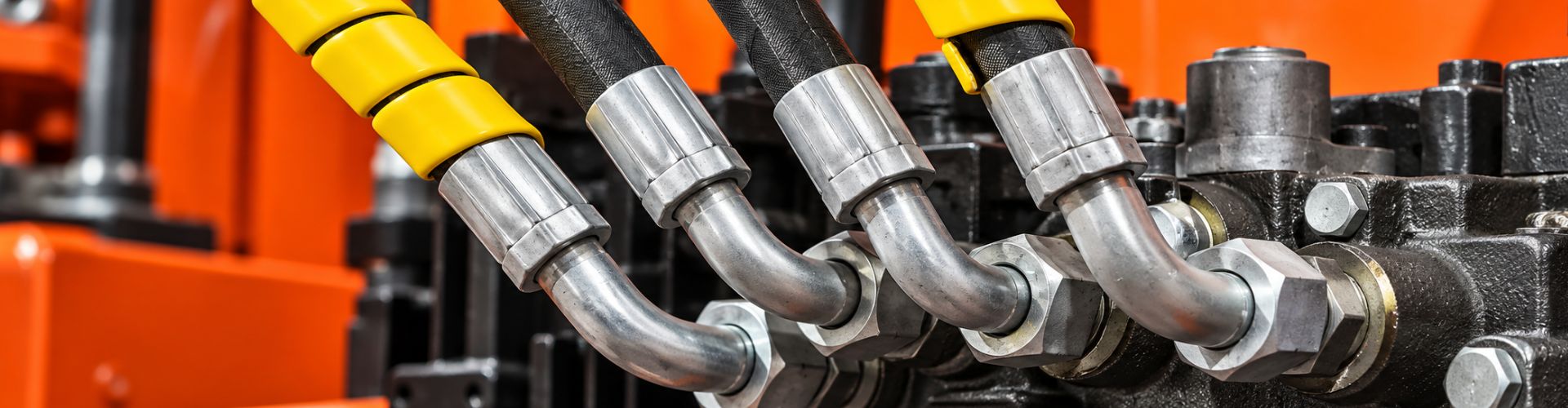
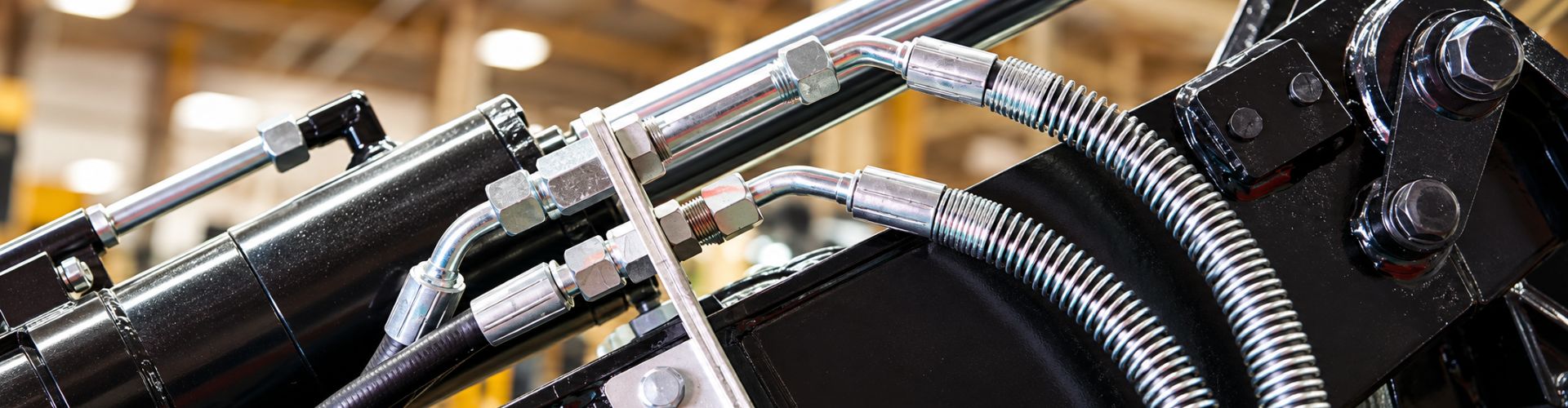
Skiving Hydraulic Hoses banner

Skiving Hydraulic Hoses: Ensuring Fitting Tightness

Skiving is the process of removing the outer layer of a hydraulic hose, and sometimes the inner layer, to expose the reinforcement beneath. This technique is crucial in hydraulic applications, as it allows fittings to make direct contact with the braided material of the hose rather than just resting on the outer cover. By ensuring that the fittings can bite into the braiding, skiving enhances the mechanical grip and creates a more secure connection.

Understanding Hydraulic Hoses

Types of Hydraulic Hoses

Hydraulic hoses are essential components in fluid power systems, designed to transport hydraulic fluids under pressure. Various types of hydraulic hoses cater to different applications:

Standard Hydraulic Hoses: Commonly used in general-purpose hydraulic applications, these hoses are designed for moderate pressure and temperature ranges, making them versatile for many industries.

High-Pressure Hoses: Engineered to withstand higher pressures, these hoses are ideal for heavy-duty applications, such as construction machinery, industrial equipment, and hydraulic systems requiring robust performance.

Thermoplastic Hoses: Known for their flexibility and lightweight design, they are often utilized in mobile equipment and areas with limited space, making them easier to handle and install.

Wire-Reinforced Hoses: Designed for extremely high-pressure applications, these hoses feature braided or spiral wire reinforcements that enhance strength and durability, suitable for severe operating conditions.

Specialty Hoses: Some hoses are tailored for specific environments, such as those resistant to abrasion, chemicals, or extreme temperatures, ensuring reliable performance in challenging conditions.

Each type of hydraulic hose has unique specifications and applications, making it crucial to select the appropriate hose for optimal performance and safety.

Construction of Hydraulic Hoses

Hydraulic hoses are constructed with multiple layers, each contributing to their durability and functionality:

Inner Tube: The innermost layer is typically made of rubber or thermoplastic, specifically designed to contain hydraulic fluid while resisting the chemicals present in the fluid.

Reinforcement Layer: This layer provides strength and pressure resistance. It can be composed of braided steel wire, textile fibers, or a combination of materials, depending on the hose’s pressure rating and intended use. This reinforcement is critical for preventing hose failure under high pressure.

Outer Cover: The outermost layer protects the hose from environmental factors, including UV radiation, abrasion, and chemical exposure. This layer is often made of durable rubber or synthetic materials designed to withstand harsh operating conditions.

Understanding these components is vital for selecting the right hydraulic hose and ensuring it performs effectively in its intended application.

Hydraulic Hoses Fail Types

Common Issues with Hydraulic Hoses

Hydraulic hoses can face various issues that may compromise their integrity and performance:

Leaks: One of the most common problems, leaks can occur due to wear and tear, improper fittings, or damage to the hose. Even minor leaks can lead to significant fluid loss and reduced system efficiency.

Wear and Abrasion: Over time, hoses can suffer from wear caused by friction, external elements, or contact with rough surfaces. This can weaken the hose and lead to failures if not addressed.

Improper Fittings: Incorrect or poorly installed fittings can result in loose connections, increasing the risk of leaks and system failures. Ensuring the right fit and proper installation techniques is crucial.

Temperature Extremes: Hoses subjected to extreme temperatures can experience deterioration, which may lead to cracks or ruptures. Choosing hoses rated for specific temperature ranges is essential.

Chemical Compatibility: Not all hoses are resistant to all types of hydraulic fluids. Using incompatible fluids can degrade the hose material, causing failure.

What is Skiving?

Definition and Process

Skiving is the specialized process of removing the outer cover and, in some cases, the inner layer of a hydraulic hose to expose the braided reinforcement underneath. This technique is crucial for ensuring that fittings can make proper contact with the hose material, resulting in a more secure and tight connection. The skiving process is performed using machines designed specifically for this purpose, which rotate around the hose to accurately remove the necessary material. This precision is vital to prevent damaging the hose while achieving the desired fitting tightness.

Equipment Used

Skiving requires specialized equipment to achieve accurate and clean results. Key components include:

Skiving Machines: These machines are engineered to spin around the hose, effectively removing layers of material. They can be manually operated for small-scale applications or automated for increased efficiency in high-volume settings. Automation ensures consistency and speed in the skiving process.

Cutting Tools: Depending on the type of hose, different cutting tools may be employed to ensure clean edges and prevent fraying. These tools are designed to work with the specific materials used in hydraulic hoses, ensuring a precise cut that maintains the integrity of the hose structure.

Measuring Instruments: Precise measurements are crucial in the skiving process to ensure the correct amount of material is removed, maintaining the overall performance of the hose. Tools such as calipers and gauges help ensure that the skiving is done to exact specifications.

Using the right equipment is vital for achieving consistent skiving results and ensuring the reliability of the final connection.

braided vs spiral hoses

Types of Skiving

Skiving can be categorized into two main types:

Outer Skiving: This involves removing the outer cover of the hose, allowing the fitting to engage directly with the braided reinforcement. Outer skiving is the most common type and is critical for achieving tight connections in standard hydraulic applications.

Inner Skiving: In some applications, the inner cover may also be removed, providing additional grip for the fitting. Inner skiving is often used in specialized scenarios where extra security is needed, such as in high-pressure systems or applications with extreme environmental conditions.

Both types of skiving enhance fitting performance, contributing to the overall reliability and safety of hydraulic systems.

Benefits of Skiving

The skiving process offers numerous advantages, including:

Improved Fitting Tightness: By exposing the braided reinforcement, skived hoses allow fittings to bite into the material rather than just resting on the outer cover. This increases friction and ensures a more secure connection, reducing the likelihood of leaks.

Reduced Risk of Hose Failures: Skiving helps prevent issues associated with loose fittings, such as wear and tear or catastrophic failures. When fittings are properly secured, the overall integrity of the hydraulic system is significantly improved.

Enhanced Safety: In high-pressure applications, the consequences of a fitting failure can be severe. Skiving provides peace of mind by ensuring that connections are strong and reliable, which is critical for maintaining operational safety.

Ease of Maintenance: Skived fittings can often be reused, making maintenance easier and more cost-effective. This is particularly beneficial in industries where downtime needs to be minimized.

The Skiving Process

Preparation for Skiving

Before initiating the skiving process, several critical preparation steps must be taken to ensure accuracy and safety:

Measuring the Hose:

Begin by measuring the length of the hose that needs to be skived. This is crucial as it determines how much material should be removed. Use a tape measure or caliper to achieve precise measurements.

Mark the sections to be skived with a non-permanent marker to ensure clarity during the process.

Selecting the Right Equipment:

Choose the appropriate skiving machine based on the type and size of the hose. Ensure that all cutting tools and measuring instruments are in good condition and suitable for the task.

Verify that the machine settings (such as speed and depth of cut) are adjusted according to the specifications of the hose material.

Cutting the Hose Ends:

If necessary, trim the ends of the hose to ensure a clean starting point for skiving. Use a sharp cutting tool to create a straight cut, which helps prevent fraying and allows for an even skiving process.

Clean the ends of the hose to remove any debris or contaminants that could interfere with the skiving.

Safety Precautions:

Ensure that all safety gear, including gloves and goggles, is worn during the skiving process to protect against debris and potential injuries.

Familiarize yourself with the machine’s operating procedures to minimize the risk of accidents.

Skived vs Non-Skived

Executing the Skiving

Once the preparation is complete, the skiving process can begin. Follow these steps for effective execution:

Setting Up the Hose in the Skiving Machine:

Secure the hose firmly in the skiving machine, ensuring it is aligned correctly to prevent slippage during the process.

Adjust the machine settings based on the material and desired depth of skiving.

Starting the Skiving Machine:

Activate the skiving machine and allow it to rotate around the hose. Monitor the operation closely, ensuring that the machine maintains a steady speed and consistent pressure against the hose.

Performing Outer Skiving:

Begin with outer skiving by gently lowering the cutting tool onto the hose’s outer cover. This removes the cover layer, exposing the braided reinforcement beneath.

Maintain a uniform pressure to avoid gouging or damaging the underlying layers.

Conducting Inner Skiving (if required):

If inner skiving is necessary, adjust the machine to remove the inner layer of the hose as well. This step may be essential in applications requiring enhanced fitting grip.

Ensure the inner surface is smooth and free of debris to facilitate proper fitting attachment.

Completing the Skiving:

Once the desired length of the hose has been skived, gradually stop the machine. Remove the hose from the machine, taking care not to damage the skived area.

Post-Skiving Inspection

After skiving, it’s essential to inspect the skived area to ensure quality and performance:

Visual Inspection:

Examine the skived area for any visible imperfections, such as uneven cuts, fraying, or debris left on the surface. A clean and uniform skived area is crucial for optimal fitting engagement.

Measuring the Skived Length:

Use measuring instruments to confirm that the length of the skived area matches the initial specifications. This step ensures consistency and prevents potential issues during assembly.

Surface Texture Assessment:

Check the texture of the skived surface. It should feel smooth but not overly polished, allowing the fitting to grip effectively. Any irregularities could compromise fitting tightness.

Fit Testing:

Before final assembly, test the fitting on the skived area to ensure it seats properly and engages the braided reinforcement securely. This step is vital for verifying the effectiveness of the skiving process.

Final Clean-Up:

Remove any debris or dust generated during the skiving process. A clean work area promotes safety and ensures that the hose is ready for installation without contamination.

Choosing the Right Fittings

Types of Fittings Compatible with Skived Hoses

Selecting the right fittings for skived hydraulic hoses is crucial for ensuring reliable connections. Several types of fittings are particularly compatible with skived hoses:

Reusable Fittings: These fittings are designed to be used multiple times, making them ideal for applications where hoses may need to be replaced frequently. They provide excellent grip on skived hoses, ensuring tight seals and reliable performance.

Crimped Fittings: Commonly used in high-pressure applications, crimped fittings are attached to the hose using a crimping machine. They offer a strong, permanent connection that works well with skived hoses, as the skiving process allows the fitting to engage directly with the hose’s reinforcement.

Threaded Fittings: These fittings feature a threaded connection that provides a secure attachment to the hose. When paired with skived hoses, they can create a robust and leak-free joint.

Flared Fittings: Used primarily in hydraulic systems where high pressures are present, flared fittings can also be used with skived hoses. The design allows for a tight connection that minimizes the risk of leaks.

Factors to Consider When Selecting Fittings

When choosing fittings for skived hoses, several factors must be taken into account to ensure compatibility and performance:

Material Compatibility:

Ensure that the material of the fittings is compatible with the hydraulic fluid being used. Common materials include steel, stainless steel, and brass. Choosing the right material helps prevent corrosion and ensures longevity.

Pressure Ratings:

It’s essential to select fittings that can handle the same or higher pressure ratings as the skived hose. Check the specifications to confirm that the fittings can withstand the operational pressure of the hydraulic system.

Environmental Conditions:

Consider the operating environment, including factors like temperature, exposure to chemicals, and UV radiation. Selecting fittings designed for these conditions will enhance the reliability and durability of the connections.

Conclusion

Skiving effectively removes the outer cover of hydraulic hoses, allowing fittings to engage directly with the braided reinforcement, which enhances grip and prevents leaks. We discussed various types of hydraulic hoses and their construction, the skiving process and equipment, as well as the types of fittings that work best with skived hoses. The benefits of skiving include improved reliability, safety, and performance in hydraulic applications, making it an essential practice for anyone working in this field.


FAQ

What is skiving in hydraulic hoses?

Skiving is the process of removing the outer cover of a hydraulic hose to expose the braided reinforcement, allowing for better fitting engagement.

Why is skiving important?

Skiving enhances fitting tightness, reducing the risk of leaks and failures in hydraulic systems, which is crucial for reliability and safety.

What types of fittings work with skived hoses?

Compatible fittings include reusable, crimped, threaded, and flared, all designed to create secure connections.

What equipment is used for skiving?

Skiving machines, cutting tools, and measuring instruments are commonly used to ensure precise and clean skiving results.

Can skiving be done manually?

While it can be done manually, using a skiving machine is recommended for accuracy and efficiency, especially in high-volume applications.

How can I ensure the quality of a skived hose?

After skiving, inspect the area for clean cuts and proper depth to ensure a reliable fit with the fittings, maintaining the hose’s integrity.

Burst Pressure vs Working Pressure banner

Burst Pressure vs Working Pressure: A Comprehensive Guide

Understanding hydraulic hose pressure ratings is fundamental for anyone working with hydraulic systems. The two key ratings—working pressure and burst pressure—serve distinct but interconnected roles. Working pressure refers to the maximum pressure that a hose can safely handle during normal operation, ensuring reliability in everyday tasks. In contrast, burst pressure indicates the maximum pressure a hose can withstand before failing, providing a crucial safety margin to prevent catastrophic failures.

Understanding Hydraulic Hose Pressure Ratings

Hydraulic hose pressure ratings are essential specifications that indicate the maximum pressures a hose can safely handle during operation. These ratings ensure the reliability and safety of hydraulic systems by providing critical information about how hoses will perform under different conditions. Properly understanding these ratings is key to preventing failures, accidents, and costly downtime.

Definition of Hydraulic Hose Pressure Ratings

Hydraulic hose pressure ratings consist primarily of two critical figures: working pressure and burst pressure. Working pressure is the maximum pressure that a hose can safely sustain while in operation. It represents the normal conditions under which the hose is expected to function effectively. Burst pressure, on the other hand, is the maximum pressure that the hose can withstand before it fails catastrophically. This rating is usually significantly higher than working pressure, providing a safety buffer to account for unexpected surges or spikes in pressure.

Hoses Burst Pressure test

Importance of Pressure Ratings in Hydraulic Systems

Understanding hydraulic hose pressure ratings is vital for several reasons:

Safety: Accurate pressure ratings help prevent dangerous failures that can lead to injuries or equipment damage. Selecting hoses that meet or exceed the required pressure ratings minimizes risks.

System Performance: Properly rated hoses ensure that hydraulic systems operate efficiently, maintaining optimal performance without interruptions.

Cost Efficiency: Preventing hose failures through proper selection reduces maintenance costs and minimizes downtime, ultimately leading to greater productivity and cost savings.

Regulatory Compliance: Many industries are subject to strict safety regulations. Ensuring that hydraulic hoses meet appropriate pressure ratings helps companies comply with these regulations, avoiding legal and financial repercussions.

Key Terms Explained

To fully grasp the significance of pressure ratings, it’s important to define several key terms:

Working Pressure: This is the maximum pressure a hydraulic hose can safely handle during normal operation. It takes into account factors like temperature, fluid type, and environmental conditions. For example, if a hose has a working pressure of 3,000 psi, it should not be subjected to pressures exceeding this limit under regular conditions.

Burst Pressure: Burst pressure is the threshold at which a hose will fail. It is generally set at a minimum of four times higher than the working pressure, which ensures a safety margin. For instance, a hose rated for 3,000 psi working pressure might have a burst pressure of 12,000 psi, allowing it to withstand pressure surges without failure.

Safety Factor: The safety factor is a critical concept in hydraulic systems, representing the ratio between burst pressure and working pressure. A common safety factor of 4:1 means that the burst pressure should be at least four times the working pressure. This factor accounts for unexpected fluctuations in pressure and other environmental variables, enhancing the reliability of the hose.

Working Pressure Explained

Definition and Characteristics

Working pressure is a critical specification that defines the maximum pressure a hydraulic hose can safely handle during normal operation. This rating is determined under specific conditions that reflect the hose’s intended use. Working pressure is essential for ensuring that hydraulic systems operate reliably and efficiently without risk of failure.

A key characteristic of working pressure is that it reflects the typical operational environment of the hose. For example, a hose rated for a working pressure of 3,000 psi is designed to function effectively at that pressure during regular use. Exceeding this limit can lead to premature wear, leaks, or catastrophic failure. It is important to note that working pressure is not static; it can be influenced by various external factors, which can either enhance or diminish the hose’s performance.

Factors Affecting Working Pressure

Several factors can affect the effective working pressure of hydraulic hoses, including:

Temperature: Temperature plays a significant role in determining working pressure. As the temperature of the hydraulic fluid increases, the pressure within the hose can rise, potentially exceeding the working pressure limit. High temperatures can also degrade the hose material, leading to reduced strength and flexibility. Therefore, it is crucial to consider the temperature range in which the hose will operate. Manufacturers often provide temperature ratings alongside working pressure specifications to help users select appropriate hoses for their applications.

Fluid Type: The type of hydraulic fluid used can also impact working pressure. Different fluids have varying viscosities, chemical properties, and temperatures, which can influence how the hose performs. For instance, fluids with higher viscosity may generate more pressure due to their resistance to flow. Additionally, certain fluids can be corrosive or degrade the hose material over time, which can further limit the effective working pressure. It is essential to choose hoses that are compatible with the intended hydraulic fluid to maintain performance and safety.

Environment: The operating environment of the hydraulic hose can significantly affect its working pressure. Factors such as exposure to UV radiation, ozone, moisture, and mechanical stress can weaken the hose material over time. For example, hoses exposed to harsh chemicals or extreme weather conditions may degrade more rapidly, leading to reduced working pressure capabilities. Proper installation and protective measures, such as sleeves or guards, can help mitigate these environmental impacts and maintain hose integrity.

Calculating and Determining Working Pressure

Calculating the appropriate working pressure for a hydraulic system involves several steps:

Understanding System Requirements: Start by assessing the maximum pressure requirements of the hydraulic system. This involves evaluating the components in the system, such as pumps, actuators, and valves, to determine their operating pressures.

Consulting Manufacturer Specifications: Refer to the specifications provided by the hose manufacturer. Each hose type comes with specific ratings, including working pressure, burst pressure, and temperature ranges. It is important to select hoses that meet or exceed the calculated system requirements.

Incorporating Safety Factors: When selecting hoses, it is essential to incorporate a safety factor into your calculations. A common practice is to use a 4:1 safety factor, meaning the working pressure should not exceed one-fourth of the burst pressure. For example, if a hose has a burst pressure of 12,000 psi, the working pressure should not exceed 3,000 psi.

Considering Environmental Factors: Account for the operating conditions that may affect the working pressure. If the hose will be exposed to high temperatures, corrosive fluids, or mechanical stress, adjust the working pressure downwards accordingly. This ensures that the hose will maintain its integrity throughout its service life.

Testing and Validation: Once the working pressure is determined, it is advisable to validate the selection through testing. Pressure testing can help confirm that the hose can handle the calculated pressures safely and effectively. Regular maintenance checks and inspections can also ensure that hoses continue to perform within their rated working pressures over time.

Burst Pressure Explained

Definition and Significance  

Burst pressure is defined as the maximum pressure that a hydraulic hose can withstand before failing catastrophically. It serves as a critical safety metric in hydraulic systems, providing a benchmark for the hose’s ability to handle sudden pressure surges that may occur during operation. Unlike working pressure, which reflects typical operating conditions, burst pressure represents the upper limit of a hose’s capacity to endure extreme situations.

The significance of burst pressure lies in its role in preventing equipment failure and ensuring safety. In hydraulic systems, unexpected pressure spikes can occur due to various factors, such as sudden changes in flow rates, hydraulic shock, or equipment malfunctions. A properly rated burst pressure allows hoses to absorb these spikes without rupturing, thereby protecting both the system and personnel. Consequently, understanding burst pressure is vital for anyone involved in the design, selection, or maintenance of hydraulic hoses.

Hydraulic Hose Failure burst

The Relationship Between Burst Pressure and Safety

The relationship between burst pressure and safety is fundamentally rooted in the concept of the safety factor. In most hydraulic applications, manufacturers adhere to a common safety factor of 4:1. This means that the burst pressure of a hose should be at least four times higher than its working pressure. For instance, if a hose has a working pressure of 3,000 psi, its burst pressure should be at least 12,000 psi.

This safety margin is crucial for several reasons:

Preventing Catastrophic Failures: Sudden pressure increases can lead to hose ruptures, resulting in hazardous conditions such as fluid leaks, flying debris, or hydraulic fluid spraying at high velocities. By ensuring that burst pressure significantly exceeds working pressure, the risk of such catastrophic failures is minimized.

Accommodating System Fluctuations: Hydraulic systems often experience pressure fluctuations due to changing operational demands. The safety factor built into burst pressure ratings allows hoses to handle these fluctuations without risk, ensuring consistent system performance.

Regulatory Compliance: Many industries are subject to stringent safety regulations that mandate specific safety factors for hydraulic systems. Adhering to these guidelines not only promotes safety but also helps organizations avoid legal and financial repercussions.

How Burst Pressure is Tested and Certified

The testing and certification of burst pressure involve rigorous procedures designed to evaluate a hose’s performance under extreme conditions. The following steps are generally involved:

Material Selection: The process begins with the selection of appropriate materials for the hose construction, ensuring that they can withstand high pressures and harsh environments.

Manufacturing Standards: Hoses are produced according to established industry standards, such as those set by the American Society for Testing and Materials (ASTM) or the International Organization for Standardization (ISO). These standards dictate the manufacturing processes and material properties required for safe operation.

Burst Testing: During burst testing, a hose is subjected to increasing internal pressure until it fails. This process typically involves the following:

The hose is mounted securely in a controlled environment.

A hydraulic fluid is pumped into the hose, gradually increasing the pressure.

Monitoring equipment records the pressure at which the hose ruptures.

Certification: After testing, the results are evaluated against predetermined standards. If the hose meets or exceeds the required burst pressure, it is certified for use. Manufacturers often provide documentation that includes test results and compliance with relevant safety standards.

Quality Control: Ongoing quality control measures ensure that each batch of hoses maintains consistent performance characteristics. Regular testing and inspections throughout the manufacturing process help identify any deviations that may compromise safety.

Examples of Burst Pressure Scenarios in Various Industries

Burst pressure scenarios can vary significantly across different industries, highlighting the importance of properly rated hydraulic hoses:

Construction: In construction sites, hydraulic hoses are used to power heavy machinery like excavators and bulldozers. A sudden hydraulic shock due to a rapid change in load can cause pressure spikes. Hoses with adequate burst pressure ratings prevent failures that could lead to accidents or equipment damage.

Agriculture: Agricultural equipment, such as tractors and harvesters, often operates under high-pressure conditions. Burst hoses can result in fluid spills, which pose environmental hazards and operational disruptions. Proper burst pressure ratings ensure that hoses can handle the rigors of agricultural use.

Manufacturing: In manufacturing processes, hydraulic systems are critical for automation and machinery operation. A hose failure can lead to production downtime and potential safety risks for workers. Ensuring that hoses have sufficient burst pressure is vital for maintaining productivity and safety in the workplace.

Oil and Gas: In the oil and gas industry, hydraulic hoses are used in high-pressure applications for drilling and transporting fluids. The risks associated with hose failures are particularly high due to the potential for spills and explosions. Hoses with high burst pressure ratings are essential for ensuring safe operations in this high-stakes environment.

Comparing Burst Pressure and Working Pressure

Understanding the differences between burst pressure and working pressure is fundamental for anyone involved in hydraulic systems. While both ratings are crucial for the safe and efficient operation of hydraulic hoses, they serve distinct purposes and represent different operational thresholds.

Definition:

Working Pressure: This is the maximum pressure that a hydraulic hose can safely handle during regular operation. It reflects the typical conditions under which the hose is expected to perform without failure.

Burst Pressure: This indicates the maximum pressure that a hose can withstand before it ruptures. It is a measure of the hose’s capacity to endure extreme pressure conditions beyond normal operations.

Safety Margin:

Working Pressure: Often set at the highest pressure expected in normal operations, working pressure is critical for everyday performance.

Burst Pressure: Typically set at a value four times higher than the working pressure, burst pressure provides a safety buffer to accommodate pressure surges and unexpected conditions.

Operational Implications:

Working Pressure: Exceeding working pressure can lead to immediate risks such as leaks, reduced efficiency, and premature wear.

Burst Pressure: When burst pressure is reached, the hose may fail catastrophically, resulting in dangerous situations, including fluid sprays and equipment damage.

The Safety Factor and Its Importance

Explanation of the Safety Factor in Hydraulic Systems

The safety factor is a crucial concept in hydraulic systems, representing a design principle that ensures components can withstand unexpected stresses and pressures. It is defined as the ratio between the burst pressure and the working pressure of a hydraulic hose. A commonly used safety factor in the industry is 4:1, meaning that the burst pressure of a hose should be at least four times greater than its working pressure.

The primary purpose of the safety factor is to provide a buffer against unforeseen circumstances that could lead to equipment failure. Hydraulic systems often encounter fluctuations in pressure due to changes in load, temperature, or flow rates. By incorporating a safety factor, designers and engineers can ensure that hoses remain functional and safe under a variety of conditions, minimizing the risk of catastrophic failures.

Hoses Burst Pressure

How to Apply the 4:1 Safety Factor in Selecting Hoses

Applying the 4:1 safety factor involves several steps:

Determine the Maximum Working Pressure: Assess the hydraulic system to determine the maximum pressure it will encounter during normal operation. This is typically done by evaluating the specifications of pumps, valves, and other system components.

Calculate Required Burst Pressure: Once the maximum working pressure is established, multiply this value by four to determine the required burst pressure for the hose. For example, if the maximum working pressure is 3,000 psi, the required burst pressure should be at least 12,000 psi.

Select the Appropriate Hose: Review the specifications of available hydraulic hoses to find one that meets or exceeds the calculated burst pressure. Ensure that the hose is compatible with the hydraulic fluid and environmental conditions it will encounter.

Consider Additional Factors: While the 4:1 safety factor provides a solid foundation for hose selection, it is important to also consider other factors such as temperature ratings, fluid compatibility, and environmental influences that could impact hose performance. Adjust the working pressure downward if necessary to account for these factors.

By following these steps, users can ensure that they select hoses that not only meet the operational demands of their systems but also maintain a significant safety margin against unexpected pressures.

Importance of Adhering to Manufacturer Guidelines

Adhering to manufacturer guidelines is vital for several reasons:

Ensuring Compatibility: Manufacturers provide specific recommendations regarding the appropriate use, installation, and maintenance of hydraulic hoses. Following these guidelines ensures that hoses will perform as intended and remain safe under operational conditions.

Maximizing Safety: Manufacturer guidelines often include information on pressure ratings, temperature limits, and recommended fluids. By adhering to these specifications, users can minimize the risk of hose failures and associated hazards, safeguarding both personnel and equipment.

Maintaining Warranty Coverage: Many manufacturers offer warranties that cover defects and failures, provided that users follow their guidelines. Neglecting these recommendations may void warranties, leading to potential financial losses in the event of a hose failure.

Facilitating Compliance with Industry Standards: Many industries have established standards and regulations that dictate safety practices for hydraulic systems. Manufacturer guidelines often align with these regulations, helping organizations maintain compliance and avoid legal repercussions.

Enhancing Longevity and Performance: By following the manufacturer’s instructions for installation and maintenance, users can extend the lifespan of their hydraulic hoses. Proper care, such as regular inspections and adhering to cleaning protocols, ensures that hoses perform optimally over time.

Conclusion

We encourage you to take a proactive approach by evaluating their hydraulic systems. Assess the current hoses in use, check their pressure ratings, and ensure they align with the demands of your specific applications. Consider the environmental conditions and potential fluctuations in pressure that may affect performance. By staying informed and taking action, you can enhance the safety and efficiency of your hydraulic systems, ultimately leading to improved operational productivity and reduced risk of failure.


FAQ

What is the difference between burst pressure and working pressure?

Burst pressure is the maximum pressure a hose can withstand before it fails while working pressure is the maximum pressure the hose can handle during normal operations.

Why is the safety factor important in hydraulic systems?

The safety factor provides a buffer against unexpected pressure surges, ensuring that hoses remain safe and functional under various conditions.

How do I calculate the required burst pressure for my hydraulic hose?

Multiply your maximum working pressure by four to determine the required burst pressure. For example, if your working pressure is 3,000 psi, your burst pressure should be at least 12,000 psi.

What factors can affect the working pressure of a hydraulic hose?

Factors include temperature, fluid type, environmental conditions, and the specific application the hose is used for.

How often should I inspect my hydraulic hoses?

Regular inspections should be conducted as part of routine maintenance, ideally every few months or whenever there are changes in operating conditions.

Why is it essential to follow manufacturer guidelines for hydraulic hoses?

Manufacturer guidelines ensure compatibility, maximize safety, maintain warranty coverage, and help comply with industry standards, ultimately enhancing the longevity and performance of the hoses.

No-Skive 2 Wire Braided Hoses banner

No-Skive 2 Wire Braided Hoses: The Key Benefits Explained

Among the different types of hydraulic hoses, the 2 wire braided hose stands out due to its robust construction and superior performance. Composed of an inner layer of synthetic rubber reinforced with two layers of steel wire braiding, this type of hose is designed to withstand high pressures and harsh environments. The dual-braided structure provides exceptional strength and flexibility, making it ideal for demanding applications where both durability and maneuverability are required.

Understanding 2 Wire Braided Hoses

A. Definition and Construction

A 2-wire braided hose is a type of hydraulic hose designed to handle high-pressure fluid transfer in various industrial applications. The hose typically consists of an inner tube, a reinforcement layer, and an outer cover, each serving a specific purpose. The inner tube is made of synthetic rubber or other resilient materials that are compatible with the fluids being conveyed. This inner layer is critical for maintaining the hose’s integrity under pressure and preventing leaks.

The distinctive feature of a 2-wire braided hose is its reinforcement structure, which includes two layers of steel wire braiding. These steel wires are woven together to form a tight, durable mesh that provides exceptional strength and flexibility. This design allows the hose to withstand high pressure—often exceeding 3,000 psi—making it suitable for demanding hydraulic systems. The outer cover, also made of rubber or synthetic materials, protects the hose from environmental factors such as abrasion, UV exposure, and chemicals, further enhancing its durability.

Materials used in the construction of 2-wire braided hoses are specifically chosen for their resilience and performance characteristics. Common materials include:

Rubber: Synthetic rubber compounds like nitrile and neoprene are often used for the inner tube and outer cover. These materials provide excellent resistance to oil, heat, and environmental degradation.

Steel Wire: The steel wires used for braiding are typically high-tensile steel, which contributes to the hose’s ability to withstand extreme pressures and mechanical stress.

Overall, the combination of these materials and the braided design results in a hose that is not only strong and flexible but also capable of performing reliably in high-pressure hydraulic applications.

No-Skive 2-Wire Braided Hose

B. Comparison with Other Types of Hoses

When comparing 2-wire braided hoses to other types, such as single-wire braided hoses and spiral-wound hoses, several distinct differences and advantages emerge.

Single-Wire vs 2-Wire Braided Hoses:

Reinforcement: Single-wire braided hoses use only one layer of steel wire for reinforcement. While they are suitable for lower-pressure applications, they lack the robustness of 2-wire hoses, making them more susceptible to failure under high-pressure conditions.

Flexibility: The dual braiding in 2-wire hoses provides enhanced flexibility, allowing for tighter bends without compromising the hose’s integrity. Single-wire hoses can be stiffer and more challenging to maneuver in tight spaces.

Pressure Ratings: 2-wire braided hoses generally offer higher pressure ratings compared to single-wire hoses. This makes them more suitable for demanding applications where high pressures are the norm.

No-Skive Technology Explained

A. What is No-Skive?

No-Skive technology refers to a method of connecting hydraulic hoses to fittings without the need for skiving—an intricate process that involves removing the outer layer of the hose to expose the inner layer for a secure fit. Traditionally, skiving was essential to ensure that the fitting could grip the hose securely, but this process often increased installation time and complexity while risking damage to the hose itself.

In No-Skive systems, specially designed fittings are used that can be attached directly to the hose without any preparatory skiving. These fittings are engineered to provide a tight, reliable seal without compromising the hose’s integrity. The absence of skiving not only simplifies the installation process but also maintains the strength of the hose, ensuring that it can withstand the same pressures and stresses as skived hoses.

This technology is a significant advancement in hydraulic design, allowing for quicker and more efficient installations across various applications. By minimizing the need for additional processing, No-Skive technology enhances overall system performance.

B. Benefits of No-Skive Fittings

The implementation of No-Skive fittings in hydraulic systems offers several advantages:

Elimination of Skiving Process:

By removing the skiving requirement, the process of preparing hoses for fittings is streamlined. This leads to fewer steps in the installation process and less equipment and labor required.

Eliminating skiving reduces the potential for human error, thereby enhancing the reliability of the connection.

Reduced Installation Time and Complexity:

No-Skive fittings significantly cut down on the time required to connect hoses. Installers can quickly attach fittings without the need for specialized tools or skills.

The simplicity of installation means that technicians can focus on other critical tasks, improving overall efficiency and productivity.

Enhanced Hose Integrity:

Since the outer layer of the hose is left intact, No-Skive technology helps maintain the structural integrity of the hose. This results in a stronger connection that is less prone to leaks or failures.

The preserved outer layer also offers better protection against environmental factors, including abrasion, UV exposure, and chemicals, further prolonging the hose’s lifespan.

Key Benefits of No-Skive 2-Wire Braided Hoses

A. Enhanced Durability

One of the standout benefits of No-Skive 2-wire braided hoses is their exceptional durability. These hoses are designed to withstand the rigors of demanding environments, making them ideal for various industrial applications.

Resistance to Abrasion and Wear:

The outer layer of the hose is engineered to resist abrasion, which is crucial in settings where hoses are subject to friction, contact with rough surfaces, or exposure to harsh chemicals. This resistance significantly prolongs the life of the hose, reducing the frequency of replacements.

The dual steel wire braiding provides additional strength, enabling the hose to maintain its integrity even under extreme bending and flexing conditions.

Comparison with Traditional Skived Hoses:

Traditional skived hoses require removing the outer layer for fitting connections, which can compromise the hose’s protective capabilities. In contrast, No-Skive hoses retain their full protective layer, enhancing their durability and performance.

Studies have shown that No-Skive hoses outperform skived hoses in terms of longevity and reliability, especially in high-pressure applications. This makes them a preferred choice for businesses seeking cost-effective, long-term solutions.

2 Wire vs 4 Wire Hydraulic Hose

B. Improved Performance

No-Skive 2-wire braided hoses also excel in performance metrics critical to hydraulic systems.

Pressure Ratings and Flow Characteristics:

These hoses are engineered to handle high-pressure applications, often rated above 3,000 psi. This high-pressure capability ensures that they can effectively manage the demands of various hydraulic systems without compromising safety.

The smooth inner tube design facilitates efficient fluid flow, minimizing turbulence and pressure drops. This characteristic is vital for maintaining system efficiency, ensuring that hydraulic equipment operates optimally.

Impact on Hydraulic Efficiency:

The combination of high pressure ratings and efficient flow characteristics leads to improved overall hydraulic efficiency. Equipment powered by these hoses can operate more effectively, using less energy while achieving higher performance levels.

This efficiency translates into reduced energy consumption, leading to cost savings for operators and a lower environmental impact.

C. Safety Considerations

Safety is paramount in hydraulic applications, and No-Skive 2-wire braided hoses contribute significantly to safer operations.

Reduced Risk of Hose Failure:

The structural integrity maintained through No-Skive technology minimizes the risk of hose failure, which can result from compromised fittings or damaged hoses. This is particularly important in high-pressure environments where failure could lead to serious accidents.

By eliminating the skiving process, which can introduce weak points, No-Skive hoses provide a more robust solution that reduces the likelihood of leaks and bursts.

Benefits for Operators and Equipment:

A reliable hydraulic system directly contributes to operator safety. Reduced risk of hose failure means less chance of dangerous fluid leaks, which can cause slip hazards or equipment malfunctions.

Additionally, the improved durability and performance of No-Skive hoses reduce downtime for repairs and replacements, allowing operators to focus on their tasks without the constant worry of equipment failure. This leads to a safer and more productive working environment.

Applications of No-Skive 2-Wire Braided Hoses

A. Industries that Utilize 2-wire Braided Hoses

No-Skive 2-wire braided hoses find applications across a wide range of industries due to their durability, performance, and safety features. Key industries include:

Construction:

Hydraulic systems in construction equipment, such as excavators, bulldozers, and cranes, rely on robust hoses for fluid transfer under high pressure. The ability to quickly connect and disconnect hoses enhances efficiency on job sites.

Agriculture:

In agricultural machinery like tractors, harvesters, and irrigation systems, 2-wire braided hoses withstand harsh conditions and exposure to chemicals, ensuring reliable operation in the field.

Manufacturing:

Hydraulic systems in manufacturing settings, such as assembly lines and robotics, benefit from the high-pressure capabilities of No-Skive hoses, which facilitate precise control of machinery.

Mining and Heavy Industry:

These sectors require hoses that can endure extreme environments and heavy usage. No-Skive hoses provide the durability and reliability necessary for continuous operation in mining equipment and other heavy machinery.

B. Compatibility with Hydraulic Systems

No-Skive 2-wire braided hoses are designed for seamless integration into existing hydraulic systems:

Interoperability:

These hoses are compatible with a wide range of fittings and adapters, allowing them to be integrated easily into various hydraulic configurations. This interoperability simplifies upgrades and repairs in existing systems.

Flexibility in Design:

The flexibility of No-Skive hoses allows for easy routing within complex hydraulic systems. Their ability to bend without kinking ensures that they can be installed in tight spaces, accommodating the layout of different machinery.

Performance Enhancements:

When integrated into existing systems, No-Skive hoses can enhance overall performance due to their high-pressure ratings and efficient flow characteristics. This can lead to improved responsiveness in hydraulic systems, contributing to better operational efficiency.

Installation and Maintenance

A. Installation Guidelines

Proper installation of No-Skive 2-wire braided hoses is crucial for ensuring optimal performance and longevity. Here’s a step-by-step process to guide you through the installation:

Preparation:

Gather all necessary tools, including wrenches, cutting tools, and the appropriate fittings for your specific application.

Inspect the hose and fittings for any visible damage or defects. Ensure that the hose length is adequate for your application without excessive slack or tension.

Cutting the Hose:

Use a clean, sharp cutting tool to cut the hose to the desired length. A clean cut is essential to ensure a proper fit with the fittings and to avoid potential leaks.

Installing the Fittings:

Select the appropriate No-Skive fitting for the hose size and application.

Slide the fitting onto the end of the hose, ensuring it is pushed in. The fitting should engage securely without the need for skiving the outer layer of the hose.

Securing the Connection:

Tighten the fitting using the appropriate wrench. Follow the manufacturer’s torque specifications to avoid over-tightening, which could damage the hose or fitting.

Final Inspection:

After installation, visually inspect the hose and fittings for proper alignment and secure connections. Ensure that there are no kinks or sharp bends that could compromise the hose’s integrity.

Testing the System:

Before full operation, test the hydraulic system at low pressure to ensure that there are no leaks and that the hoses are functioning correctly. Gradually increase the pressure to operational levels while monitoring for any signs of failure.

B. Maintenance Best Practices

Regular maintenance is essential for extending the life of No-Skive 2-wire braided hoses and ensuring safe operation. Here are some best practices:

Regular Inspection:

Schedule routine inspections of hoses and fittings to check for signs of wear, abrasion, or damage. Look for cracks, bulges, or leaks that may indicate the need for replacement.

Inspect the hose connections for tightness and alignment. Ensure that fittings are secure but not over-tightened.

Cleaning:

Keep hoses free from dirt, debris, and chemicals that could cause deterioration. Use a damp cloth to wipe down hoses and fittings as needed.

Avoid using harsh solvents or abrasives that could damage the hose materials.

Proper Storage:

When not in use, store hoses in a clean, dry environment away from direct sunlight, extreme temperatures, or chemical exposure. Coiling hoses loosely can help prevent kinks and bends.

Documentation:

Maintain records of inspections, maintenance activities, and any replacements. This documentation can help track the lifespan of hoses and fittings and inform future maintenance schedules.

C. Troubleshooting Common Issues

Identifying and resolving common problems with No-Skive 2-wire braided hoses can prevent costly downtime and enhance safety. Here are some common issues and their solutions:

Leaking Hose Connections:

Issue: Leaks at the fittings can occur if they are not installed correctly or if the hose has been damaged.

Solution: Check the tightness of the fittings and ensure they are properly secured. If the hose is damaged, it may need to be replaced.

Pressure Drops:

Issue: A noticeable drop in pressure during operation can indicate blockages or damage within the hose.

Solution: Inspect the hose for kinks, bends, or obstructions. If no visible issues are found, consider testing the system for other potential causes, such as a faulty pump.

Hose Abrasion or Wear:

Issue: Hoses may wear out more quickly if they come into contact with sharp edges or abrasive surfaces.

Solution: Reposition hoses to avoid contact with sharp or abrasive surfaces. If significant wear is present, replace the affected hose to prevent failure.

Hose Expansion or Bulging:

Issue: Bulging can indicate that the hose is operating beyond its pressure rating or is experiencing excessive heat.

Solution: Reduce system pressure immediately and allow the hose to cool. Evaluate the hose specifications to ensure it is suitable for the application and consider replacing it if it cannot handle the required pressures.

Conclusion

As professionals seek to enhance efficiency and reliability in hydraulic systems, adopting No-Skive hoses not only improves operational outcomes but also contributes to a safer working environment. We encourage industry professionals to explore these hoses to leverage their numerous benefits for hydraulic applications.


FAQ

What are No-Skive 2-wire Braided Hoses?

These hoses feature a 2-wire braided design and utilize No-Skive technology, allowing fittings to be attached without skiving, enhancing durability and installation efficiency.

What are the main benefits of No-Skive hoses?

Key benefits include enhanced durability, improved hydraulic performance, reduced installation time, and lower risk of hose failure.

Where are No-Skive 2-wire Braided Hoses commonly used?

They are widely used in industries such as construction, agriculture, manufacturing, and mining, powering various hydraulic machinery and equipment.

How do I install No-Skive hoses?

Installation involves cutting the hose to the desired length, sliding the fitting onto the hose, tightening it securely, and conducting a pressure test for leaks.

What maintenance is required for these hoses?

Regular inspections for wear or damage, cleaning, proper storage, and documentation of maintenance activities are recommended to prolong hose life.

What should I do if I experience a hose failure?

Inspect the hose and fittings for damage, check for improper installation, and replace any worn or compromised hoses to ensure safe operation.

Hydraulic Hoses Orientation banner

Hydraulic Hoses Orientation: Step-by-Step Guide 

Hydraulic hoses not only ensure the smooth transmission of hydraulic fluid but also provide flexibility and adaptability in complex systems where rigid piping might not suffice. They enable hydraulic components to move relative to each other, handle vibrations, and compensate for system misalignments. From cranes and forklifts to agricultural equipment and industrial robots, properly installed and maintained hydraulic hoses are essential for ensuring optimal system performance and safety.

Key Considerations for Hose Selection

Choosing the right hydraulic hose is crucial for ensuring the efficiency, safety, and longevity of your hydraulic system. The wrong selection can lead to system inefficiency, premature wear, or even catastrophic failures. Here are the most critical factors to consider when selecting a hydraulic hose for your application:

Pressure Rating

Why Pressure Ratings Matter

Hydraulic systems operate under a wide range of pressures, and each component, including the hose, must be capable of handling the maximum operating pressure. The pressure rating of a hose is the maximum pressure it can safely withstand. If a hose with an inadequate pressure rating is used, it can rupture under load, leading to leaks, equipment damage, and even injury.

How to Choose the Right Hose for Specific Applications

When selecting a hydraulic hose, it’s essential to know the system’s working pressure and ensure that the hose you choose has a pressure rating that exceeds the system’s maximum pressure, allowing for a safety margin. Most manufacturers provide hoses with different pressure ratings for various applications. It’s also important to consider pressure spikes, which can momentarily exceed normal operating pressure, especially in high-stress environments.

Hoses are typically categorized based on their pressure capacities (low, medium, high, and very high pressure). Consult the hose’s specification sheet and choose a hose that is designed to operate safely at or above your system’s maximum pressure.

Temperature Affects Hydraulic Hose Chemical Resistance

Temperature Range

Importance of Temperature Compatibility

Hydraulic systems often operate in environments with extreme temperatures, which can affect the hose’s performance. If a hose is exposed to temperatures outside of its specified range, its material can degrade, resulting in reduced flexibility, cracking, or even failure.

Selecting the Right Hose for Temperature Extremes

Each hydraulic hose has a defined temperature range that indicates the maximum and minimum temperatures it can safely operate within. The operating temperature refers not only to the surrounding environment but also to the temperature of the fluid passing through the hose.

When selecting a hose, ensure that both the ambient temperature and fluid temperature fall within the hose’s specified limits. For systems operating in extremely hot conditions, opt for hoses that have high-temperature resistance, often made from materials like synthetic rubber. Similarly, for cold environments, choose hoses that maintain flexibility and durability at low temperatures. Keep in mind that temperature can also affect the pressure rating, as a hose may have a reduced pressure capacity at elevated temperatures.

Fluid Compatibility

Why Fluid Compatibility is Critical

Hydraulic systems use a variety of fluids, including petroleum-based oils, synthetic fluids, and water-based fluids. The material of the hose must be compatible with the fluid to prevent chemical reactions that could degrade the hose, leading to leaks, contamination, and system failures.

How to Match Hose Materials with Hydraulic Fluids

To ensure compatibility, review the specifications of the hydraulic fluid used in your system. Manufacturers provide guidelines on which hose materials are suitable for specific types of fluids. For instance:

Synthetic Rubber hoses are commonly used with petroleum-based fluids but may degrade if used with certain aggressive chemicals or synthetic fluids.

Thermoplastic hoses are often more resistant to a wider variety of fluids, including some synthetic fluids, and offer better chemical resistance than rubber hoses.

PTFE (Teflon) hoses are highly resistant to corrosive fluids and are ideal for systems using aggressive or high-temperature fluids.

Consulting the hose manufacturer’s chemical compatibility charts is essential to avoid premature hose degradation. Also, consider any additives in the hydraulic fluid, as some may react with the hose material over time.

Hydraulic Hose Orientation: Step-by-Step Guide

Proper hydraulic hose orientation is critical for ensuring system efficiency, safety, and longevity. Incorrect installation or improper hose selection can lead to failures, costly downtime, and potential safety hazards. Below is a step-by-step guide for orienting and installing hydraulic hoses correctly.

Step 1: Inspect the System and Identify Hose Needs

Before selecting or installing a hydraulic hose, it’s important to thoroughly inspect the system and determine the specific needs of the application. Consider the following checklist during your inspection:

Pressure Requirements: Identify the system’s maximum working pressure and check for any pressure spikes that could exceed normal operating conditions. Ensure the hose you choose is rated for these pressures.

Temperature Conditions: Evaluate both the ambient and fluid temperatures the hose will be exposed to, ensuring the hose material is suitable for these conditions.

Fluid Type: Confirm the hydraulic fluid being used (e.g., petroleum-based, synthetic, water-based) and verify hose material compatibility to avoid degradation.

Connection Points: Review the existing fittings, connectors, and ports to understand the connection type (threaded, quick-connect, etc.) and ensure the new hose and fittings will be compatible.

By thoroughly inspecting these factors, you can better determine the specific hose and fittings needed for the system.

Step 2: Measure the Correct Hose Length and Diameter

Accurate measurement of hose length and diameter is essential for maintaining proper flow and preventing issues such as overextension, pressure loss, or premature hose failure.

Measuring Hose Length:

Measure the distance between the connection points where the hose will be installed.

Account for any bends or changes in direction, ensuring you leave enough slack to accommodate for system movement or vibrations.

Avoid routing the hose in a way that could cause tight bends, as this can lead to kinking or premature failure.

Selecting the Right Diameter:

Choose a hose diameter that allows for sufficient flow based on the system’s needs. A hose that is too small in diameter will cause pressure drops and reduce system efficiency.

The most common diameters are specified based on the system’s flow requirements (measured in gallons per minute) and the corresponding pressure.

Use flow rate charts provided by manufacturers to match the hose diameter to your system’s requirements.

Measure ORFS Fittings hex

Step 3: Choose the Correct Fittings

Choosing the appropriate fittings is critical to ensure leak-free connections and reliable operation. Hydraulic fittings come in a variety of types, each designed for specific applications and pressure ratings. Common fitting types include:

BSP (British Standard Pipe): Widely used in Europe and other international markets. Comes in both parallel and tapered designs.

NPT (National Pipe Tapered): Commonly used in North America, this fitting type has a tapered thread that provides a tight seal as it’s screwed in.

JIC (Joint Industry Council): Features a 37-degree flared seat and is widely used in high-pressure systems for secure, leak-resistant connections.

Considerations for Choosing Fittings:

Pressure Ratings: Ensure that the fittings can handle the system’s maximum pressure without failing.

Orientation: Choose fittings that accommodate the required hose routing to avoid awkward angles that can lead to kinks or excessive wear.

Seal Type: Depending on the application, you may need specific seal types, such as metal-to-metal seals or O-ring seals, for leak prevention.

Step 4: Install the Hose Properly

Once the correct hose and fittings are selected, it’s time to install the hose. Proper installation involves routing the hose in a way that maximizes its performance and longevity. Follow these guidelines:

Hose Routing:

Avoid tight bends and sharp angles that could kink the hose or restrict fluid flow.

Ensure there is enough slack in the hose to allow for system movement and vibration without putting strain on the hose or its connections.

Route hoses away from heat sources, such as exhausts or radiators, to prevent temperature-related degradation.

Securing the Hose:

Use clamps, guards, or sleeves to secure the hose in place and prevent it from rubbing against other surfaces, which can lead to abrasion and damage.

Ensure the hose remains flexible but protected from external wear and tear.

Proper routing and securing help prevent common issues such as hose failure, leaks, or loss of efficiency.

Step 5: Check for Leaks and Perform Initial Testing

Before putting the system under full pressure, it’s important to perform a series of tests to check for leaks and confirm that the installation was done correctly. Here’s how to perform initial testing:

Low-Pressure Testing:

Slowly pressurize the system to a low level, typically around 25% of the system’s maximum pressure.

Visually inspect all hose connections and fittings for leaks. If any leaks are detected, depressurize the system and tighten or replace the necessary components.

Checking for Leaks:

Pay attention to connections and the hose body itself for any signs of fluid leakage.

Use leak detection fluid or soapy water around connections to identify any slow-forming leaks.

If no leaks are detected, gradually increase the system pressure to normal operating levels.

By starting with low pressure, you can catch potential problems early, avoiding damage to the system.

Step 6: Final Inspection and Full System Testing

Once the hose is installed and has passed the initial low-pressure tests, it’s time for a full system test:

Final Inspection:

Check for proper hose routing one last time, ensuring there are no kinks, sharp bends, or unprotected areas that could lead to future issues.

Confirm that all fittings are securely fastened and hoses are correctly clamped or protected against abrasion.

Full System Testing:

Pressurize the system to its full working pressure and monitor for any changes in performance or signs of leaks.

Perform dynamic load testing if the hydraulic system involves moving parts (such as cylinders or motors). This will confirm that the hose is properly routed and secured to accommodate movement without excessive strain.

Monitoring During Operation:

Keep an eye on the hose during operation to ensure it performs as expected under full load.

Inspect the hose after several hours of operation to verify that the installation is holding up under the system’s normal pressures and temperatures.

Common Hose Installation Mistakes and How to Avoid Them

Proper hydraulic hose installation is key to ensuring the longevity and efficiency of your hydraulic system. However, several common mistakes can compromise performance, lead to premature failure, or create safety hazards. Below are some of the most frequent installation errors and how to avoid them.

Over-tightening or Under-tightening Connections

Consequences of Incorrect Torque Application

Applying incorrect torque when tightening hose connections can lead to significant issues:

Over-tightening:

Over-tightening can damage threads, deform fittings, and cause the connections to crack. This compromises the integrity of the seal, leading to leaks and potentially causing fitting failure under pressure. Over-tightening can also cause excessive stress on the hose itself, which might result in kinks or premature wear at the connection points.

Under-tightening:

Under-tightening, on the other hand, can leave the connection loose, resulting in leaks that not only waste hydraulic fluid but also lead to system inefficiency and potential environmental hazards. In high-pressure systems, loose connections can cause a dangerous blow-off of the hose, which may lead to equipment damage or injury.

How to Avoid It

To prevent over-tightening or under-tightening, always use a torque wrench and refer to the manufacturer’s recommended torque specifications. These specifications are designed to provide the optimal balance between a secure connection and preventing damage to the fittings or hose.

Preventing Hydraulic Hose Twisting

Inadequate Hose Routing

Examples of Poor Routing and Its Impact on Hose Longevity

Improper hose routing is a leading cause of hydraulic hose failure. Some common examples include:

Sharp Bends and Kinks:

Routing a hose with tight bends can cause kinking, which restricts fluid flow and increases pressure within the hose. Over time, this can lead to cracking and hose failure.

Abrasion:

Hoses that rub against surfaces, equipment, or other hoses experience abrasion. This gradually wears down the outer cover of the hose, exposing the reinforcement layer and leading to leaks or hose bursts.

Excessive Tension:

If a hose is installed without adequate slack to accommodate system movement or vibrations, it can be pulled too tightly. This puts stress on the connections and the hose itself, leading to premature wear, and in extreme cases, it may cause the hose to pull out of its fittings.

Best Practices for Avoiding Routing Issues

To ensure proper routing and avoid these common mistakes, follow these best practices:

Avoid Sharp Bends:

Hoses should be routed with generous bends to ensure that the hose is not under strain. Follow the manufacturer’s minimum bend radius recommendations to prevent kinking and maintain smooth fluid flow.

Use Hose Clamps and Guides:

Secure hoses with clamps or guides to prevent them from rubbing against other surfaces. Using abrasion-resistant sleeves or guards can also help protect hoses from damage in areas where they might come into contact with surfaces.

Allow for Flexibility:

Ensure that there is enough slack in the hose to allow for system movement, vibrations, or thermal expansion. This prevents undue stress on the hose and its fittings.

Improper Hose Storage

Why Proper Hose Storage is Important

Before installation, hydraulic hoses need to be stored correctly to prevent degradation and ensure they are in optimal condition when used. Improper storage practices can cause damage to the hose material, leading to performance issues or even failure after installation.

Consequences of Poor Storage:

Exposure to UV Light:

Hoses left exposed to direct sunlight or other UV light sources can experience degradation of the outer layer, which weakens the hose and reduces its service life.

Excessive Heat or Cold:

Storing hoses in environments with extreme temperatures can lead to hardening or cracking of the hose material, making it difficult to install and reducing its flexibility.

Improper Coiling:

If hoses are coiled too tightly or bent excessively during storage, they can develop permanent deformations, making installation challenging and potentially leading to flow restrictions or premature failure.

Contact with Contaminants:

Exposure to oil, grease, chemicals, or dirt during storage can damage the hose material or lead to contamination of the hydraulic fluid once the hose is installed.

How to Store Hydraulic Hoses Properly

To prevent damage during storage, follow these storage guidelines:

Store in a Cool, Dry Place:

Keep hoses in a location that is protected from direct sunlight, excessive moisture, and extreme temperatures. Aim to store hoses in a climate-controlled environment if possible.

Keep Hoses Clean:

Store hoses in a clean area away from oils, solvents, and other chemicals that could degrade the hose material. Using hose caps to seal the ends of the hoses can prevent dirt or other contaminants from entering.

Proper Coiling:

Store hoses in loose coils with large bends to prevent them from kinking or developing permanent bends. Use storage racks or hangers to keep the hoses elevated and organized, reducing the risk of crushing or improper handling.

Troubleshooting Common Hydraulic Hose Issues

Hydraulic hoses are critical components of hydraulic systems, and any issues that arise can severely impact the performance and safety of the equipment. Understanding common problems, their causes, and how to resolve them can help you maintain your system’s efficiency and avoid costly downtime.  

Issue 1: Hose Leaks

Causes of Hose Leaks:

Loose or Improperly Tightened Fittings: The most common cause of hydraulic leaks is loose fittings or improperly torqued connections, which fail to create a proper seal.

Damaged Seals or O-rings: Over time, seals and O-rings can degrade due to wear, heat, or exposure to chemicals, leading to leaks at the connection points.

Abrasion or External Damage: Hoses that rub against surfaces, equipment, or other hoses can experience wear on the outer layer, leading to leaks along the hose body.

Cracked or Worn Hose Material: Exposure to extreme temperatures or fluid incompatibility can cause the hose material to crack or wear prematurely, resulting in fluid leakage.

Solutions for Hose Leaks:

Check and Tighten Fittings: Inspect all fittings and connections for proper torque, using a torque wrench to ensure they are tightened to the manufacturer’s specifications.

Replace Damaged Seals and O-rings: If seals or O-rings are worn or damaged, replace them with new ones that are compatible with your hydraulic fluid and operating conditions.

Repair or Replace Damaged Hoses: If the hose itself is damaged, you may need to replace the hose entirely or use an appropriate patch repair, though patching is often a temporary solution.

Use Protective Sleeving: Installing protective sleeving around hoses can help prevent abrasion and protect the outer layer from damage.

Issue 2: Hose Burst

Reasons for Hose Bursts:

Exceeding Pressure Limits: A hose that operates under pressure higher than its rated capacity is prone to bursting. Pressure spikes can also cause hose failure, especially if the hose is not designed to handle these fluctuations.

Incorrect Hose Selection: Choosing a hose with the wrong pressure rating, diameter, or material for the application can lead to bursting under load.

Kinking or Bending: Sharp bends or kinks in the hose can cause it to weaken and eventually burst, especially when subjected to high pressure.

External Damage or Aging: Hoses that have been exposed to extreme environmental conditions or have experienced significant wear are more likely to burst due to weakened material.

How to Prevent Hose Bursts:

Select the Correct Hose: Ensure the hose you use is rated for the system’s maximum operating pressure and can handle any pressure spikes that may occur.

Avoid Tight Bends: Follow the manufacturer’s guidelines on the minimum bend radius to avoid kinks and ensure proper flow.

Replace Aging Hoses: Regularly inspect hoses for signs of wear, aging, or damage, and replace them before they fail. Be proactive in maintenance to prevent burst events.

Steps to Take When a Burst Occurs:

Shut Down the System Immediately: If a hose bursts, stop the system to prevent further damage and ensure safety.

Depressurize the System: Before attempting any repairs, ensure the hydraulic system is completely depressurized to avoid injury.

Replace the Burst Hose: Identify the cause of the burst and replace the damaged hose with a new one rated for the correct pressure and application. Check the surrounding components to ensure no other parts were damaged.

Issue 3: Premature Wear

Identifying Early Signs of Wear:

Cracks in the Outer Layer: Visible cracking or discoloration on the hose’s exterior can be an early sign of material degradation due to environmental exposure or fluid incompatibility.

Flattened or Kinked Sections: If sections of the hose appear deformed or kinked, it indicates that the hose is under strain or has been improperly routed.

Excessive Abrasion: Hoses that show signs of rubbing or wear marks along their length are at risk of developing leaks or bursts.

Proactive Measures to Prevent Premature Wear:

Use Proper Routing and Clamps: Ensure hoses are routed properly, avoiding tight bends or areas where they could rub against equipment. Use clamps or guides to secure hoses and prevent excessive movement.

Apply Abrasion-Resistant Covers: Installing protective sleeves or guards over hoses can reduce wear from friction and external contact.

Monitor Pressure and Temperature: Excessive pressure or temperature can accelerate wear on hoses. Make sure the operating conditions stay within the hose’s specified limits and regularly monitor system conditions.

By addressing early signs of wear, you can replace hoses before they fail and prevent more serious issues from occurring.

Issue 4: Temperature-Related Failures

How Excessive Heat or Cold Affects Hose Performance:

Excessive Heat: High operating temperatures can cause the hose material to soften, crack, or blister. Hoses exposed to constant high heat are more prone to bursting or developing leaks due to weakened materials.

Cold Temperatures: In cold environments, hoses may become brittle and lose flexibility. This can lead to cracking, especially if the hose is subjected to movement or pressure changes in low temperatures.

Thermal Expansion and Contraction: Temperature fluctuations can cause the hose to expand and contract, leading to stress on the material and connections, which can cause leaks or loosening of fittings over time.

Adjustments to Make for Temperature Extremes:

Choose the Right Hose Material: Select hoses that are specifically designed for high- or low-temperature applications. For high-heat environments, synthetic rubber or thermoplastic hoses may be a better option. For cold environments, choose hoses that remain flexible in low temperatures.

Use Insulation or Heat Shields: In extreme heat environments, consider using insulating sleeves or heat shields to protect the hose from direct exposure to high temperatures.

Monitor System Temperatures: Regularly check the operating temperature of the system and the hydraulic fluid. If the fluid is running hotter than the hose’s rated limits, adjust the cooling system or consider changing to a fluid with a higher temperature tolerance.

Conclusion

By following these best practices, you can optimize hydraulic hose performance, minimize system failures, and ensure the longevity and safety of your hydraulic equipment. Proactive maintenance, proper installation, and careful system monitoring will help your system run smoothly and efficiently over the long term.

FAQ

How often should hydraulic hoses be inspected?

Hydraulic hoses should be inspected every three months or sooner if the system is exposed to extreme conditions. Regular checks help catch wear, leaks, or damage before they lead to failure.

What is the typical lifespan of a hydraulic hose?

The average lifespan of a hydraulic hose is 1 to 5 years, depending on operating conditions, pressure, temperature, and maintenance. Proactive replacement based on wear signs or service hours is recommended.

Can hydraulic hoses be repaired, or should they always be replaced?

While small leaks can sometimes be temporarily repaired, it’s generally safer to replace damaged hoses. Repairs are often temporary, and a new hose ensures reliable performance and safety.

What is the most common cause of hydraulic hose failure?

The most common cause of hydraulic hose failure is improper installation, such as incorrect routing, over-tightening fittings, or exceeding the hose’s pressure rating.

How do I choose the right hydraulic hose for my system?

Select a hose based on pressure rating, temperature range, fluid compatibility, and system requirements. Always consult the manufacturer’s specifications and guidelines to ensure the hose matches your application.

Can I reuse hydraulic fittings?

Reusing hydraulic fittings is generally not recommended, especially if they show signs of wear or damage. New fittings ensure a secure and leak-proof connection.

Hydraulic Hose Orientation banner

Hydraulic Hose Orientation: A Comprehensive Guide

Misaligned hoses can lead to increased pressure drop, premature wear, and potential system failure, costing both time and money.  or maintenance engineers and technicians, even a slight error in hydraulic hose orientation can result in costly system failures, leakage, or even dangerous pressure surges. Take, for example, a construction excavator—if a hose twists under pressure, it can burst, halting operations instantly.

What is Hydraulic Hose Orientation?

Definition and Basics

Hydraulic hose orientation refers to the specific angular alignment of hydraulic hoses and their fittings within a hydraulic system. Improper orientation—such as a 15° misalignment—can lead to internal twisting, which drastically reduces hose life by over 50% (per SAE J517 standards).In any hydraulic system, hoses are subjected to high-pressure fluid movement, making the orientation of these hoses critical to maintaining system integrity. Proper hose orientation ensures that connections between components, such as cylinders, pumps, and valves, are optimized to handle the operational demands without excessive stress or misalignment.

In high-pressure environments, the angular alignment of hoses becomes especially important. Any misalignment can lead to excessive stress at connection points, causing leaks, hose degradation, or even system failure. This is particularly relevant for systems that operate under constant or pulsating high pressure, where small misalignments can result in significant operational issues. The goal of proper hose orientation is to minimize bending, twisting, and excessive movement of the hose, ensuring longer life and reliable performance.

Hydraulic Hose Orientation

Key Concepts

Angular Offset:

Angular offset refers to the angular difference between the two fittings on either end of a hose. It’s measured in degrees, typically in a clockwise direction from one fitting to the other. For example, if the hose has two 90-degree elbow fittings, the angular offset between them might determine whether the hose will be under stress when installed, depending on how the ends are oriented. The key here is to ensure the offset matches the system’s design needs, allowing for smooth fluid flow without undue stress on the connections.

Elbow Fittings:

Elbow fittings, such as 45° or 90° angles, are commonly used in hydraulic systems to route hoses in confined spaces or around obstructions. These fittings are essential for directing the hose without forcing it into unnatural bends, which could compromise the integrity of the hose. The orientation of these elbows is crucial. Misaligning an elbow can introduce unwanted tension, twisting, or bending into the hose, which will shorten its lifespan and may lead to premature failure.

Why Incorrect Orientation Leads to Performance Degradation:

When hoses are not oriented correctly, it creates several issues. First, incorrect orientation can cause hoses to rub against machinery or other hoses, leading to abrasion and potential failure. Second, when hoses are installed with improper angular offset or alignment, they can experience excessive strain during system operation, particularly when subjected to high pressures. This strain results in hose kinks, leaks at connection points, or even catastrophic failure if the pressure becomes too great. Additionally, incorrect orientation may reduce the efficiency of fluid flow, increasing pressure losses and reducing the system’s overall performance.

Correct hydraulic hose orientation not only preserves system performance but also prevents costly downtime and repairs by reducing wear and tear on the hoses and associated components. By paying careful attention to hose routing, angular offset, and elbow fitting placement, you can extend the lifespan of your hydraulic system and ensure safe, reliable operation.

Measuring Hose Orientation

Step-by-Step Guide

To properly measure hydraulic hose orientation, the goal is to ensure that the fittings on both ends of the hose are aligned in a way that matches the system’s design requirements, preventing stress, twisting, or bending during operation. The angular offset between fittings is typically measured in degrees, and this can be done using common tools like protractors or visual guides. Here’s a step-by-step breakdown:

Step 1: Gather the Necessary Tools

Protractor or specialized angular measuring tools.

Visual guides such as hose layout diagrams.

Markers to help visually track the orientation.

Step 2: Position the Hose Properly

Lay the hose flat on a surface to minimize any existing twists or bends.

Identify the two end fittings, which we’ll call Fitting A (the farthest fitting) and Fitting B (the nearest fitting).

Step 3: Set Fitting A to 0 Degrees

Fitting A is always the reference point and is set at 0 degrees. This means that you will use it as the baseline for measuring the angular offset.

Step 4: Measure the Angular Offset of Fitting B

While keeping Fitting A fixed, view the hose along its length.

Measure the angle between Fitting A and Fitting B in a clockwise direction using the protractor or angular measuring tool. This is the angular offset of the hose.

If no specific angle is provided, elbows are typically positioned at 0 degrees, but this can vary depending on the installation.

Step 5: Record the Orientation

Once measured, mark the hose or fittings as necessary for easy identification during installation or future maintenance.

right Hydraulic Hoses Orientation

Common Pitfalls

Effects of Incorrect Hose Orientation

Performance Impact

Incorrect hydraulic hose orientation can lead to a range of performance issues, most notably system inefficiencies, pressure drops, and even complete system failure. When hoses are improperly aligned, the fluid flow inside the system encounters greater resistance, which can cause pressure to drop. This reduces the efficiency of the system as it requires more energy to maintain proper function. Additionally, improper orientation can restrict fluid flow, leading to bottlenecks or turbulence, which can further reduce the performance of the system.

In extreme cases, incorrect hose alignment can lead to catastrophic system failure. For instance, excessive pressure in misaligned hoses may exceed the pressure rating of the hose, causing it to burst or rupture. This is especially true in high-pressure environments where any misalignment amplifies stress on the system, potentially resulting in sudden failure. The system’s performance is further degraded by leaks, reduced flow rates, and increased downtime for repairs.

Wear and Tear

Misaligned hoses are also prone to premature wear and damage. When a hose is improperly oriented, it can rub against nearby equipment, structures, or other hoses. This abrasion can lead to the weakening of the hose material over time, creating weak points that may eventually result in leaks or ruptures.

Moreover, twisting or bending beyond the hose’s design limits puts additional stress on the internal structure. Hydraulic hoses are designed to handle certain types of movement, but twisting forces them to bear stress in unintended directions, which accelerates the wear process. Over time, this leads to cracks, splits, or burst points within the hose, ultimately compromising the entire system.

wear Hydraulic Hose Failure

Correlation between Orientation and Stress Points

Correct orientation of hydraulic hoses is crucial for minimizing stress points in the system. When hoses are misaligned, stress concentrates at specific points, particularly at fittings, bends, and connections. These stress points are more susceptible to failures, as they bear the brunt of the mechanical and hydraulic forces acting on the hose.

For example, if a hose is not aligned properly with its fittings, it may develop excessive strain at the point where it connects to the rest of the system. This strain can eventually cause the fitting to fail, leading to leaks or hose separation. By ensuring proper hose orientation, the system distributes stress more evenly across the hose, reducing the likelihood of such concentrated damage.

Best Practices for Ensuring Proper Hose Orientation

Installation Tips

Plan the Hose Routing:

Before starting the installation, review the system layout and plan the hose routing carefully. Avoid routing hoses through tight spaces or around sharp corners where they may bend excessively. Use hose clamps or guides to prevent sagging and twisting.

Align Fittings During Installation:

To ensure the correct orientation, always align fittings at both ends of the hose before tightening. If one fitting is an elbow, use a protractor or marking tools to measure the angular offset and adjust as necessary. This ensures that the fitting is positioned correctly to avoid twisting or stress during operation.

Use the Correct Torque for Thread Engagement:

Proper torque is crucial for ensuring that the fittings are tightly engaged without over-stressing the threads. Under-torquing can lead to leakage, while over-torquing may damage threads or compromise the fitting’s structural integrity. Use a torque wrench to apply the appropriate torque based on the fitting specifications. Correct thread engagement ensures that fittings remain securely in place, maintaining proper hose orientation throughout operation.

Do and Do not

Do

√ Use a marker to mark directional datum lines to make it easier to maintain consistent angles.

√ Use brackets or fixtures to avoid hose movement during assembly.

√ Follow installation angle and torque instructions provided by the hose manufacturer.

√ Ensure hose is not in extreme bend, stretch or compression.

√ Check that fittings are tightened within the intended angle (use an angle gauge).

Dont

Marking Techniques

Marking Hoses for Future Reference:

Once the hose is correctly installed, mark both ends of the hose near the fittings. Use permanent markers, tags, or colored tape to indicate the orientation. This makes it easier to reference the correct position during future inspections or maintenance. Some professionals also use hose tags with date and orientation information, which can be invaluable when the hose needs to be replaced or re-installed.

Mark Fittings for Alignment:

Mark the fitting’s angular orientation on both the fitting and hose to ensure that the alignment can be checked later. By marking these points, you can quickly identify whether the hose has shifted over time, allowing for faster realignment during routine checks.

Maintenance Guidelines

Advanced Techniques for Optimizing Hose Orientation

Custom Hose Assemblies

Designing Custom Hose Assemblies for Specific Orientations:

When designing custom hydraulic hose assemblies, it’s crucial to consider the specific angular orientations required for each system. Begin by evaluating the space and layout of your system. Use CAD software to model the exact route the hose will take, ensuring that there is enough room for proper alignment without sharp bends or kinks.

When ordering custom assemblies, provide the manufacturer with detailed specifications. This includes the required angular offsets between fittings, hose length, material, and any special requirements such as pressure ratings or environmental conditions. Manufacturers can then pre-assemble hoses with the exact fitting orientation to ensure perfect alignment during installation. Preassembled hoses reduce the risk of misalignment and save installation time.

Factors to Consider:

System dimensions and where fittings will need to align.

Operating conditions, including temperature, pressure, and movement.

Custom labeling to ensure orientation is maintained over time.

Use of Swivel Fittings

Benefits of Swivel Fittings for Dynamic Systems:

Swivel fittings allow the hose to rotate freely at the connection point, reducing the stress on the hose from movement and vibration. This is especially beneficial in systems that require frequent repositioning, such as equipment with moving arms, rotating platforms, or machinery that operates under changing angles.

Swivel fittings prevent hoses from twisting during movement, ensuring the hose remains properly aligned while allowing for flexibility. This can help to extend the lifespan of the hose and fittings by preventing damage caused by excessive twisting or torsion.

Dynamic Hose Orientation for High-Mobility Systems:

In high-mobility systems, hoses are often subjected to constant movement and repositioning. Dynamic hose orientation involves using swivel fittings in combination with hose clamps and guides to control movement while maintaining the hose’s optimal alignment. This setup allows the hose to flex and rotate without kinking or putting undue stress on the fittings, ensuring the hydraulic system performs efficiently even in demanding conditions.

Hydraulic Hose Assembly install Routing

Hose Routing Optimization

Minimizing Bending and Twisting:

Proper hose routing plays a crucial role in maintaining optimal orientation. The objective is to minimize bending, twisting, and excessive movement, all of which contribute to premature wear and eventual hose failure.

Examples of Ideal Routing Techniques:

Looping technique: This involves routing hoses in a loop formation to allow for greater flexibility without over-bending. Loops can absorb shock and vibration, preventing damage to the hose.

90° Elbows for sharp turns: When space is tight, use 90° elbows at fittings rather than forcing the hose into a tight radius bend. This maintains fluid flow and minimizes stress on the hose.

Parallel hose routing: When running multiple hoses together, ensure they are aligned and fastened securely with clamps. This avoids crossing and entanglement, reducing the risk of abrasion.

Conclusion

Proper hose orientation boosts safety, reduces downtime, and extends system life. Whether you’re upgrading, repairing, or installing, applying these best practices makes a real difference.

Ready to optimize your system? Explore Topa’s premium hydraulic hose solutions—engineered for precision and durability. Contact us today to get started.


FAQ

What is hydraulic hose orientation?

Hydraulic hose orientation refers to the angular alignment between the hose fittings, ensuring proper fluid flow and minimizing stress on the hose during operation.

Why is correct hose orientation important?

Correct orientation prevents excessive wear, reduces the risk of hose failure, and ensures optimal system performance by minimizing pressure drops and avoiding unnecessary strain on the hose.

How do you measure hose orientation?

To measure hose orientation, align one fitting at 0 degrees and use a protractor or visual guide to measure the angular offset in a clockwise direction for the second fitting.

What happens if hydraulic hoses are misaligned?

Misaligned hoses can lead to premature wear, leaks, reduced system efficiency, and even system failure due to excessive pressure or stress at the fittings.

What tools are used to measure hose orientation?

Common tools include protractors, angular measuring devices, and visual guides, which help ensure the correct alignment between the hose fittings.

How can I maintain proper hose orientation over time?

Regular inspections, re-torquing of fittings, and marking hoses for easy reference during maintenance are essential for ensuring hoses remain properly oriented during their lifespan.

How Temperature Affects Hydraulic Hose Chemical Resistance banner

How Temperature Affects Hydraulic Hoses Chemical Resistance

Their proper selection and maintenance ensure efficient system performance, minimize downtime, and prevent costly failures. One of the essential properties of hydraulic hoses is their chemical resistance, which determines how well the hose material can withstand various chemicals used in the system. Temperature, however, plays a significant role in altering this chemical resistance. Extreme temperatures—whether high or low—can weaken the hose material and accelerate chemical degradation, affecting hose performance.

Understanding Chemical Resistance in Hydraulic Hose

Definition and Explanation of Chemical Resistance

Chemical resistance refers to a material’s ability to withstand degradation or corrosion when exposed to specific chemicals. In hoses, this property is crucial to ensuring that the hoses maintain their structural integrity when in contact with various hydraulic fluids, solvents, and other substances.

Hydraulic Hose Chemical Resistance

Key Factors Affecting Chemical Resistance

Several factors influence chemical resistance, including:

Material Composition: The type of material used in a hose significantly affects how it resists chemicals. For example, nitrile rubber provides excellent resistance to petroleum-based fluids, while EPDM excels against water-based chemicals.

Temperature: Higher temperatures can weaken hose materials and accelerate chemical reactions, reducing resistance.

Exposure Time: Prolonged exposure to certain chemicals may lead to degradation even in resistant materials.

Concentration of Chemicals: Higher concentrations often cause more aggressive chemical attacks on the hose material.

Examples of Chemicals Commonly Encountered in Hydraulic Systems

In hydraulic systems, hoses are often exposed to a variety of chemicals, including:

Petroleum-based fluids: Such as mineral oils and fuels.

Synthetic hydraulic fluids: Including phosphate esters.

Water-glycol solutions: Used in water-based hydraulic systems.

Solvents and coolants: Common in industrial applications.

Balancing Hose Flexibility and Chemical Resistance

While chemical resistance is vital, it must be balanced with the hose’s flexibility and mechanical strength. Materials like PTFE offer excellent chemical resistance but are less flexible than other rubbers like nitrile. Selecting the right hydraulic hose often requires a compromise between chemical resistance, flexibility, and the specific operating environment of the system.

Temperature’s Role in Hydraulic Hose Performance

How Temperature Impacts Hoses in General

Temperature plays a critical role in the performance of hoses. Hoses are designed to function within specific temperature ranges, and any deviation can lead to material degradation, loss of flexibility, and hose failure. In both hot and cold conditions, the internal structure of the hose is affected, which compromises its performance and lifespan.

Thermal Degradation and Its Effects on Hose Materials

Thermal degradation occurs when exposure to extreme temperatures—either too high or too low—damages the hose material at a molecular level. In high temperatures, polymers in the hose break down, causing the material to weaken, lose elasticity, and eventually fail. Additionally, heat causes fluid viscosity to decrease, which can lead to internal pressure changes and chemical reactions that further compromise hose integrity. On the other hand, cold temperatures cause materials to become brittle and more susceptible to cracking, which can also lead to leaks and failures under stress.

Temperature Affects Hydraulic Hose Chemical Resistance

Effects of Extreme Heat on Hose Elasticity and Function

Excessive heat causes rubber and plastic compounds to soften and lose elasticity. In hoses, this can result in a loss of strength, increasing the risk of leaks, ruptures, and blowouts. Heat also accelerates chemical reactions inside the hose, which can further degrade the hose material. For example, certain chemicals in hydraulic fluid may react more aggressively with the hose material when exposed to high temperatures, reducing the hose’s chemical resistance and lifespan. In systems where temperatures routinely exceed the hose’s recommended limits, premature failure is highly likely.

Effects of Cold Temperatures on Hose Elasticity and Function

In cold conditions, hoses face a different set of challenges. Low temperatures cause the hose material to stiffen, reducing its flexibility and increasing the likelihood of cracking. When the hose becomes less flexible, it is more difficult to handle and install, and it can be damaged easily by physical stress or impact. Low temperatures also reduce fluidity in hydraulic systems, placing additional strain on the hoses as pressure increases. Materials like synthetic rubbers (e.g., nitrile) are often chosen for their resistance to cold environments, but even they have limits when exposed to extreme cold for extended periods.

Long-term Impact of Temperature Fluctuations

Repeated exposure to fluctuating temperatures (cycles of heating and cooling) weakens the structure of hoses over time. This cycling can cause micro-cracks to form within the hose material, which may not be immediately apparent but can lead to failure down the line. For instance, during cold starts in hydraulic systems, rapid heating can create stress points where the hose becomes more vulnerable to leaks.

Material Selection for Temperature Tolerance

Different materials react to temperature changes in unique ways. For example:

Nitrile rubber performs well in a broad temperature range but may degrade faster under extreme heat.

PTFE (Polytetrafluoroethylene) offers excellent chemical resistance at high temperatures but may lack flexibility.

EPDM (Ethylene Propylene Diene Monomer) is ideal for environments with water-based fluids and higher temperatures but struggles in petroleum-based systems.

Proper selection of hose materials is crucial for maintaining performance in extreme temperature conditions. Matching the correct material to both the chemical environment and the temperature requirements ensures optimal hose performance and longevity, reducing the likelihood of costly failures.

How High Temperatures Affect Chemical Resistance

Chemical Reactivity Increases with Higher Temperatures

At elevated temperatures, the chemical reactions within a hydraulic system intensify, which can significantly impact the hose material. As the temperature rises, the molecular motion within the chemical compounds increases, making them more reactive. This heightened reactivity can lead to faster degradation of the hose material, as aggressive chemicals can penetrate more deeply and weaken its structure. For example, at higher temperatures, oils, and acids can become more corrosive, leading to accelerated hose failure if the material is not suited for such conditions.

Polymer Softening and Impact on Material Integrity

Many hoses are made from polymers like rubber, which are sensitive to heat. When exposed to high temperatures, these polymers soften, losing their rigidity and elasticity. This softening reduces the material’s strength and compromises its ability to contain hydraulic fluids under pressure. The softened polymer becomes more permeable to chemicals, allowing it to penetrate the material more easily and degrade it from within. Over time, this can result in leaks, bursts, or complete hose failure.

The loss of material integrity is particularly dangerous in high-pressure systems, where weakened hoses may not be able to withstand the internal pressure. This failure is not always immediately visible, as the material may still appear intact on the surface while breaking down internally.

Hot extreme Temperature

Effects of Elevated Temperatures on Specific Hose Materials

Different hose materials react to high temperatures in unique ways. Here’s how some of the most common materials behave under elevated heat:

Nitrile (NBR): Nitrile rubber offers good resistance to petroleum-based fluids and oils but tends to break down under extreme heat. As the temperature rises above its recommended range (typically 100°C or higher), nitrile loses flexibility and becomes brittle. This can result in cracking, which leaves the hose vulnerable to chemical attack from aggressive fluids.

EPDM (Ethylene Propylene Diene Monomer): EPDM performs better in high-temperature environments, especially with water-based hydraulic fluids. It can withstand temperatures up to around 150°C, making it ideal for systems running hot fluids. However, EPDM doesn’t resist petroleum-based fluids as effectively, and high temperatures combined with petroleum exposure can cause significant material degradation.

PTFE (Polytetrafluoroethylene): PTFE is highly resistant to chemicals and high temperatures, making it one of the best options for harsh environments. It can operate at temperatures up to 260°C without losing chemical resistance or flexibility. However, PTFE’s cost and lower flexibility compared to other rubber materials may limit its application in systems that require frequent bending or movement.

Examples of Chemicals Becoming More Aggressive at High Temperatures

At higher temperatures, certain chemicals become more aggressive, posing a greater threat to hoses. Here are some examples:

Petroleum-based fluids: Hydraulic oils and fuels, when heated, become more reactive. At elevated temperatures, they can penetrate materials like nitrile and cause them to soften or crack.

Acids: In industries using acidic fluids, the reactivity of these chemicals increases at higher temperatures, potentially corroding hose materials faster than expected. Even hoses designed to resist acids may break down if exposed to both high temperatures and strong acids for prolonged periods.

Solvents: Many solvents become highly volatile at elevated temperatures. For example, alcohol-based solvents can aggressively attack rubber compounds, particularly when heat accelerates their evaporation and chemical activity.

Water-glycol solutions: These are often used in hydraulic systems as a fire-resistant fluid. However, when subjected to extreme heat, water evaporates, leaving behind glycol that can become more viscous and aggressive toward certain hose materials, especially those with poor water resistance.

Low-Temperature Impact on Hose Chemical Resistance

How Cold Temperatures Affect the Physical Structure of Hoses

At low temperatures, the physical structure of hoses is significantly affected. Rubber and plastic materials harden as the temperature drops, leading to a reduction in flexibility. The hose becomes stiff, making it more prone to cracking or splitting, especially when bent or exposed to dynamic movements in hydraulic systems. This structural change affects the hose’s ability to handle fluids efficiently.

Reduced Flexibility and Embrittlement in Low Temperatures

Hydraulic hoses are designed to be flexible, but in cold environments, materials like nitrile and EPDM stiffen and become brittle. This reduced flexibility not only makes installation and handling more challenging but also increases the likelihood of embrittlement, where the hose becomes so rigid that it can fracture under stress or impact. The embrittlement process accelerates when hoses are constantly exposed to sub-zero temperatures, leading to early hose failures.

Chemical Reactions Slowing Down but Leading to Other Forms of Degradation

While cold temperatures slow down chemical reactions, this doesn’t necessarily improve the longevity of the hose. Instead, the slowdown can cause other types of degradation, such as the crystallization of hydraulic fluids, which can lead to blockages or increased internal pressure on the hose walls. Crystallization also creates an abrasive environment inside the hose, wearing down the inner lining and reducing chemical resistance over time.

The Role of Elastomers in Resisting Cold Environments

Elastomers, such as nitrile (NBR) and EPDM, play a critical role in hoses operating in cold conditions. Some elastomers are specifically formulated to maintain flexibility at low temperatures. For example, EPDM has excellent resistance to cold temperatures, allowing it to retain flexibility and chemical resistance in freezing environments. On the other hand, certain elastomers like standard nitrile may not perform well in cold temperatures, becoming brittle and susceptible to cracking.

Material Composition and Its Interaction with Temperature and Chemicals

Analysis of Common Hydraulic Hose Materials

Hoses are made from a variety of materials, each offering unique properties when exposed to temperature changes and chemicals. Some of the most common materials include:

Nitrile (NBR): Known for its resistance to petroleum-based fluids, nitrile is widely used in hoses. It offers good flexibility and durability but is sensitive to high temperatures, which can cause the material to harden or crack.

PTFE (Polytetrafluoroethylene): PTFE hoses are highly resistant to chemicals and can withstand extreme temperatures, ranging from -73°C to 260°C. They are ideal for handling corrosive fluids and high-temperature environments, but they are less flexible compared to other materials.

EPDM (Ethylene Propylene Diene Monomer): EPDM is known for its excellent resistance to water-based fluids and harsh environmental conditions. It performs well in high-temperature applications, withstanding up to 150°C, but it does not resist petroleum-based fluids effectively.

Neoprene (CR): Neoprene is versatile, offering resistance to both chemicals and a wide range of temperatures. It is used for hoses in general-purpose hydraulic systems but may not excel in extreme chemical or temperature conditions.

How Different Materials Respond to Temperature Changes and Chemicals

Each material reacts differently to changes in temperature and chemical exposure:

Nitrile: Nitrile performs well in moderate temperatures but starts to degrade under extreme heat. At temperatures above 100°C, the material becomes brittle, compromising chemical resistance and flexibility. Nitrile is ideal for low-to-moderate temperature environments where petroleum-based fluids are present.

PTFE: PTFE is one of the most chemically inert materials, making it ideal for highly corrosive environments. It retains its chemical resistance even in extremely high temperatures, but its limited flexibility restricts its use in applications requiring frequent movement or bending.

EPDM: EPDM is highly resistant to degradation from heat and is often used in hydraulic systems exposed to steam or hot water. However, in environments where petroleum-based fluids are present, it can swell or deteriorate, leading to premature failure.

Neoprene: Neoprene offers moderate chemical and temperature resistance. It is well-suited for general-purpose use but may not be the best choice in extreme temperature conditions or highly corrosive environments.

Optimal Temperature Ranges for Each Material’s Chemical Resistance

Different hose materials have optimal temperature ranges for maintaining chemical resistance:

Nitrile (NBR): Operates best between -40°C and 100°C. Beyond these limits, the material becomes more susceptible to degradation, particularly when exposed to aggressive chemicals.

PTFE: Functions effectively between -73°C and 260°C. This wide temperature range makes PTFE ideal for high-temperature systems or environments where both low and high temperatures are experienced.

EPDM: Works optimally between -40°C and 150°C. It is best used in environments with water-based fluids, where high heat is present but petroleum-based chemicals are minimal.

Neoprene: Operates well between -40°C and 120°C. It offers good resistance to both heat and cold but has moderate chemical resistance, which limits its use in harsh chemical environments.

Conclusion

Temperature plays a critical role in the chemical resistance and overall performance of hoses. Both high and low temperatures can alter the material’s structure, reducing flexibility and accelerating degradation. To ensure maximum efficiency and safety, it’s essential to choose a hose that is specifically designed to handle the temperature ranges and chemicals present in the environment. Proper temperature management not only extends the lifespan of the hose but also prevents costly failures and improves system reliability in demanding applications.


FAQ

What is the best material for high-temperature hoses?

PTFE is ideal for high temperatures, handling up to 260°C with excellent chemical resistance.

How does cold affect hydraulic hose flexibility?

Cold temperatures make hoses stiff and brittle, increasing the risk of cracking or failure.

Can nitrile rubber withstand petroleum-based fluids?

Yes, nitrile performs well with petroleum-based fluids but degrades under extreme heat.

What materials are suitable for water-based hydraulic fluids?

EPDM is best for water-based fluids and can handle high temperatures up to 150°C.

Does temperature affect hose chemical resistance?

Yes, higher temperatures increase chemical reactivity, reducing the hose’s resistance.

How can I prevent hydraulic hose failure in extreme cold?

Use elastomers like EPDM that resist cold, and avoid excessive bending or physical stress on the hose.

Hydraulic Hoses Testing banner

Hydraulic Hoses Testing: A Comprehensive Guide 

The safety and efficiency of hydraulic systems heavily depend on the reliability of their hoses. Hydraulic hose testing is designed to verify a hose’s ability to handle high-pressure environments without bursting, leaking, or wearing out prematurely. By regularly testing hoses, businesses can prevent costly malfunctions, protect workers from potential harm, and extend the life of hydraulic equipment. Moreover, adherence to industry standards during testing further guarantees that hoses meet strict safety and performance criteria.

The Basics of Hydraulic Hoses Testing

What is Hydraulic Hose Testing?

Hydraulic hose testing refers to the process of evaluating the durability, strength, and performance of hydraulic hoses to ensure they meet specific safety and operational standards. This testing is a crucial part of hydraulic system maintenance, helping to verify that hoses can handle the high pressures, temperature fluctuations, and extreme environments they are exposed to in various applications.

Hydraulic hoses are integral components of hydraulic systems, used to transfer hydraulic fluids between different parts of machinery. Failure to properly test these hoses can result in equipment breakdowns, costly repairs, and even safety hazards in industries such as construction, agriculture, manufacturing, and mining. By conducting thorough testing, companies can ensure the reliability and longevity of their hydraulic systems.

There are two primary types of hydraulic hose testing:

Pressure Testing: This involves subjecting the hose to controlled pressure levels, typically higher than its standard operating pressure, to ensure that it can safely handle the maximum expected pressures during regular use.

Functional Testing: This test examines the overall performance of the hose in real-world conditions, including its flexibility, endurance, and ability to maintain pressure without leaks or malfunctions during normal operations.

Why Conduct Hydraulic Hose Testing?

The importance of hydraulic hose testing cannot be overstated, particularly in industries that rely on heavy machinery and equipment, such as construction, aerospace, oil and gas, and agriculture. Here are the key reasons why regular testing is essential:

Preventing Failures in Critical Applications: Hydraulic systems are often the backbone of heavy machinery, and any failure in the hydraulic hoses can lead to significant downtime, costly repairs, and even dangerous accidents. Testing helps identify potential issues such as leaks, pressure drops, or material fatigue before they escalate into full-blown failures.

Improving Safety: High-pressure hydraulic systems pose a considerable safety risk if a hose fails unexpectedly. Workers can be exposed to high-pressure fluid sprays, which can lead to serious injuries. Regular testing ensures that hoses are in good condition, reducing the likelihood of accidents in the workplace.

Ensuring Compliance with Standards: Regulatory bodies like the Society of Automotive Engineers (SAE) and the International Organization for Standardization (ISO) have established stringent standards for hydraulic hoses. These standards, such as SAE J343 or ISO 18752, specify the pressure ratings, burst pressure requirements, and other safety benchmarks that hydraulic hoses must meet. Conducting tests ensures that your hoses comply with these standards, maintaining both the performance and safety of your systems.

Types of Hydraulic Hose Tests

Burst Pressure Testing

Definition & Purpose: Burst pressure testing is designed to push a hydraulic hose to its breaking point by subjecting it to extreme pressure levels that exceed its normal operating conditions. The goal is to ensure the hose can withstand pressures far beyond what it would typically experience in daily use, thus verifying its strength and safety margins. This test helps to identify the maximum pressure the hose can endure before it fails.

Procedure:

Preparation: Secure the hose in a hydraulic test bench or similar equipment, ensuring all connections are tightened and safety precautions are in place.

Pressurization: Gradually increase the internal pressure within the hose using a hydraulic pump until the hose bursts.

Observation: Record the pressure level at which the hose bursts and inspect the point of failure for signs of material weakness or poor assembly.

Evaluation: Compare the burst pressure to industry standards and the manufacturer’s specifications to determine whether the hose meets safety requirements.

brust Test Topa Factory

Proof Pressure Testing

Definition & Purpose: Proof pressure testing is a method of verifying that a hydraulic hose can safely operate under its designated working pressure. Unlike burst testing, which pushes the hose beyond its limits, proof pressure testing subjects the hose to a controlled pressure that is typically 1.5 to 2 times the working pressure to confirm its integrity and reliability.

How it Differs from Burst Testing:

Burst Testing: A destructive test where the hose is pushed to failure to determine its maximum pressure capacity.

Proof Pressure Testing: A non-destructive test that verifies the hose can handle the rated working pressure without any leaks or defects, ensuring safety in regular operations.

Impulse Testing

What is Impulse Testing? Impulse testing simulates the repetitive pressure cycles that hydraulic hoses experience in real-world operations. This test subjects the hose to repeated pressure spikes at various frequencies to mimic the pulsating stress found in hydraulic systems, particularly in applications where hoses undergo rapid changes in pressure, such as heavy equipment or industrial machinery.

Importance: Impulse testing is essential for predicting the long-term performance and durability of hydraulic hoses. Since many hydraulic systems experience frequent pressure surges, impulse testing ensures that the hose can handle these cycles over an extended period without cracking, leaking, or failing prematurely. This is crucial for applications with heavy-duty or high-frequency operations, such as construction or mining.

Leakage Testing

What it Entails: Leakage testing is a process used to identify small leaks in hydraulic hoses that could eventually lead to larger, more catastrophic failures. It involves pressurizing the hose to its operating pressure and inspecting for any visible or microscopic leaks. Special detection tools, such as pressure gauges or dye penetration tests, are often used to spot leaks that may not be immediately apparent.

Procedure:

Pressurize the hose to the appropriate working pressure.

Inspect all joints, connections, and the length of the hose for any signs of fluid leakage.

Use leak detection equipment (e.g., ultrasonic sensors or dye tests) to identify hard-to-see leaks.

Evaluate the results and take corrective action if any leaks are detected.

Leakage testing is a critical step in ensuring the hose’s reliability in high-pressure applications, preventing costly downtime and damage.

Hydraulic Hose leak Testing

Non-Destructive Testing (NDT)

Hydrostatic Pressure Testing:

Hydrostatic testing is a type of non-destructive testing (NDT) that assesses the strength and integrity of a hydraulic hose by filling it with liquid (usually water or oil) and applying pressure. The goal is to detect any weaknesses or potential failures in the hose without causing permanent damage.

Procedure:

Fill the Hose: The hose is filled with liquid to eliminate air pockets.

Apply Pressure: Pressure is gradually increased to the desired level (usually higher than the working pressure but lower than the burst pressure).

Inspect for Leaks: The hose is visually inspected for leaks, bulges, or deformations during the test.

Release Pressure: Once the test is complete, pressure is carefully released, and the hose is re-evaluated.

Why it Matters: Hydrostatic testing helps verify the structural integrity of a hose under pressure without permanently damaging it, making it ideal for ongoing quality control.

Step-by-Step Guide to Conducting Hydraulic Hose Testing

Preparation

Tools & Equipment:

To effectively conduct hydraulic hose testing, the following essential tools and equipment are required:

Hydraulic Test Bench: Used to secure the hose and apply pressure during the test.

Test Fluids: Typically, water or oil is used to fill the hose for testing purposes.

Pressure Gauges: Accurate pressure gauges are crucial to measure the levels of pressure applied to the hose.

Hydraulic Pump: To generate the required pressure for burst, proof, or impulse testing.

Leak Detection Equipment: Ultrasonic sensors, dye tests, or pressure gauges can detect leaks during the test.

Safety Enclosure: A secure enclosure is necessary to contain any potential failures and prevent injury.

Safety Precautions:

Safety is paramount during hydraulic hose testing due to the high pressures involved. The following precautions should be followed:

Proper Fitting Checks: Ensure that all fittings and connections are tight and properly assembled to prevent leaks or blow-offs during testing.

Clearing Air from Lines: Air pockets in the system can lead to inaccurate results or even dangerous pressure surges. Bleed the system to ensure no air remains in the hose before starting the test.

Wear Personal Protective Equipment (PPE): Always wear PPE such as safety goggles, gloves, and protective clothing to shield against potential fluid sprays or hose failures.

Keep a Safe Distance: During testing, stand clear of the hose and maintain a safe distance to avoid injury if the hose bursts or leaks under pressure.

Performing the Test

The procedures for conducting different types of hydraulic hose tests require specific steps:

Burst Pressure Testing:

Step 1: Secure the hose to the hydraulic test bench and attach it to the pressure pump. Make sure all connections are properly tightened.

Step 2: Gradually increase the pressure using the hydraulic pump. Continue raising the pressure until the hose bursts.

Step 3: Record the pressure at which the hose bursts and visually inspect the failure point for signs of wear or material fatigue.

Best Practice: Increase pressure gradually to avoid overshooting and ensure that the test bench and safety enclosure can contain the burst.

Proof Pressure Testing:

Step 1: Mount the hose securely in the test rig, making sure all fittings are tight.

Step 2: Slowly raise the pressure to 1.5 to 2 times the hose’s working pressure.

Step 3: Hold the pressure for a specified duration, typically around 30-60 seconds, while monitoring the pressure gauge for drops or leaks.

Best Practice: Ensure that the test duration and pressure are consistent with the manufacturer’s specifications for proof testing. Any pressure drop during the test should trigger further investigation.

Impulse Testing:

Step 1: Connect the hose to an impulse tester, which cycles pressure through the hose repeatedly.

Step 2: Set the tester to simulate the pressure cycles the hose will experience in its actual application (e.g., rapid pressure surges).

Step 3: Run the test for the specified number of cycles, which could range from thousands to millions, depending on the application.

Best Practice: Monitor the test closely to detect early signs of wear, bulging, or material fatigue, which could indicate that the hose will not withstand long-term use.

Post-Test Analysis

Evaluating Results:

Once the tests are completed, it’s critical to properly analyze the results:

Burst Test Results: Compare the burst pressure to the manufacturer’s rated burst pressure and ensure it exceeds industry standards such as SAE J343 or ISO 18752. If the hose bursts below the required level, it has failed the test.

Proof Test Results: Check for any pressure drops during the proof pressure test. A stable pressure reading without leaks indicates a successful test.

Impulse Test Results: After impulse testing, inspect the hose for any visible wear, cracks, or bulging. The hose should withstand the required number of pressure cycles without deterioration.

When to Reject a Hose:

There are specific criteria that determine when a hose should be deemed unfit for further use:

Failure to Meet Burst Pressure: If the hose bursts below the manufacturer’s specified pressure rating or industry standards, it should be rejected.

Leaks Detected During Testing: Even small leaks identified through leakage testing indicate that the hose is not safe for use.

Visible Wear After Testing: Cracks, bulging, or any signs of material fatigue discovered after impulse testing suggest that the hose may not withstand operational conditions and should be replaced.

Inconsistent Test Results: If the pressure drops during proof testing or fluctuates unexpectedly, it indicates a problem with the hose’s integrity, and it should be removed from service.

Common Failures Detected During Testing

Hose Burst

Causes of Hose Bursting:

Hydraulic hoses can burst for a variety of reasons, most commonly due to excessive pressure, incorrect installation, material defects, or wear and tear over time. When a hose is subjected to pressures that exceed its rated capacity, or when it is not properly maintained, the walls of the hose can weaken, leading to a burst. External damage, such as abrasions or cuts, can also compromise the structural integrity of the hose, making it more susceptible to failure.

How Testing Helps Detect Weaknesses:

Burst pressure testing plays a crucial role in identifying hoses that are at risk of bursting. By subjecting the hose to pressures well beyond its normal operating range, testing can reveal weak points or potential failure zones that may not be apparent during regular operation. This ensures that only hoses that meet the highest safety standards are put into use, reducing the likelihood of catastrophic failure in the field.

brust Hydraulic hoses Topa

Fitting Leaks

Causes of Fitting Leaks:

Improper assembly practices, such as using the wrong size fittings or not tightening them correctly, are common causes of leaks at the connection points between the hose and its fittings. Misaligned fittings, cross-threading, or poor-quality sealing materials can also contribute to leakage. These issues often occur during installation but may not be immediately apparent until the hose is under pressure.

How Testing Helps Detect Leaks:

Hydraulic hose testing, particularly leakage tests and proof pressure tests, can detect these small leaks before they escalate into larger problems. During testing, the hose is pressurized, and all fittings and connections are carefully inspected for fluid leakage. This allows technicians to identify and fix any issues with the fittings before the hose is put into service, preventing unexpected fluid loss and reducing maintenance costs.

Wear and Tear in High-Pressure Applications

Wear Patterns in High-Pressure Environments:

In high-pressure applications, hydraulic hoses are subjected to extreme forces that can cause abrasions, internal wall degradation, and surface cracks. These wear patterns often occur in areas where the hose rubs against machinery, is exposed to environmental factors like heat or chemicals, or undergoes constant bending and flexing.

How Testing Reveals Wear Patterns:

Impulse testing is particularly effective at revealing wear and tear. This test simulates the repeated pressure surges and fluctuations that hoses experience in real-world high-pressure environments. Over time, impulse testing can highlight early signs of wear, such as small cracks or thinning of the hose walls. Identifying these issues during testing allows operators to replace worn hoses before they fail in the field, ensuring continuous, safe operation.

Material Fatigue and Failure

What is Material Fatigue?

Material fatigue occurs when the hose’s material structure weakens over time due to repetitive stress, leading to the formation of small cracks or fractures. This is particularly common in hoses that are exposed to repeated pressure cycling, vibration, or temperature fluctuations. Over time, the constant expansion and contraction of the hose material under stress can cause it to fail, even if the hose is not subjected to extreme pressures.

How Material Fatigue is Detected:

Fatigue tests, such as impulse testing or pressure cycling tests, are designed to simulate long-term use and stress. During these tests, the hose is exposed to multiple cycles of pressure changes to evaluate its ability to withstand repeated use. Early detection of material fatigue through testing is critical because once fatigue cracks begin to form, the hose’s integrity is compromised, and it is more likely to fail under pressure. By identifying hoses that show signs of fatigue early, technicians can replace them before they pose a safety risk.

Conclusion

In conclusion, hydraulic hose testing is essential for ensuring the safety, performance, and reliability of hydraulic systems across various industries. By conducting regular tests such as burst, proof, and impulse testing, businesses can prevent costly failures, enhance operational efficiency, and maintain compliance with industry standards like SAE and ISO. Companies should prioritize routine testing and adhere to best practices to avoid unexpected downtime and equipment failures.


FAQ

What is hydraulic hose testing?

Hydraulic hose testing evaluates the strength, durability, and safety of hoses to ensure they meet performance standards.

Why is hydraulic hose testing important?

It prevents failures, improves safety, and ensures compliance with industry standards like SAE and ISO.

What are the main types of hydraulic hose tests?

Common tests include burst pressure testing, proof pressure testing, impulse testing, leakage testing, and hydrostatic pressure testing.

How often should hydraulic hoses be tested?

Testing frequency depends on the application, but routine inspections and tests are recommended as part of regular maintenance.

What causes hydraulic hoses to burst?

Hoses can burst due to excessive pressure, improper installation, material fatigue, or external damage.

How can I detect leaks in hydraulic hoses?

Leaks can be identified through pressure testing, visual inspections, and using leak detection tools like ultrasonic sensors or dye tests.

Wire Reinforced hydraulic Hoses banner

Wire Reinforced Hydraulic Hoses: When and Where to Use

Among the various types of hydraulic hoses, wire-reinforced hydraulic hoses stand out for their enhanced strength and durability. These hoses are constructed with a layer (or multiple layers) of steel wire, embedded between the inner tube and outer cover. This wire reinforcement significantly improves the hose’s ability to withstand high pressures and resist external damage, making them ideal for demanding environments and heavy-duty applications. Whether used in high-pressure hydraulic systems or in conditions where abrasion and extreme temperatures are a concern, wire-reinforced hoses provide the reliability and performance required to keep systems running smoothly and safely.

Construction and Design of Wire-Reinforced Hydraulic Hoses

Materials Used in Construction

Wire reinforced hydraulic hoses are meticulously designed to endure the harsh conditions of high-pressure applications. Their construction involves three primary components: the inner tube, the wire reinforcement layer, and the outer cover. Each of these elements plays a crucial role in the hose’s overall performance and durability.

Inner Tube: The inner tube is typically made from synthetic rubber or thermoplastic materials, chosen for their compatibility with various hydraulic fluids, including oil, water, and synthetic fluids. This layer must be resistant to corrosion and chemical degradation to ensure the longevity and efficiency of the hose.

Wire Reinforcement Layer: This is the defining feature of wire-reinforced hoses. Steel wire, either braided or spirally wound, provides the hose with its strength and pressure resistance. The reinforcement can consist of a single layer, double layer, or even multiple layers of wire, depending on the pressure rating and application needs.

Outer Cover: The outer cover protects the hose from external damage caused by abrasion, weather, and environmental factors. It is usually made of synthetic rubber, polyurethane, or other durable materials that resist wear, UV rays, and harsh environmental conditions.

braided hoses Topa

Types of Wire Reinforcement

The wire reinforcement within hydraulic hoses can vary in its configuration, primarily affecting the hose’s flexibility, pressure rating, and durability. The three common types are:

Single-Layer Reinforcement: Single-wire braided hoses are typically used in low to medium pressure applications. They offer flexibility and adequate strength for many standard hydraulic systems, making them suitable for less demanding environments.

Double-Layer Reinforcement: Double-wire braided hoses are designed for medium to high-pressure applications. The additional layer of reinforcement provides increased strength and durability, making these hoses ideal for more demanding industrial and construction equipment.

Multi-Layer Reinforcement: Multi-layer or spiral-wound hoses consist of multiple layers of high-tensile steel wire arranged in a spiral configuration. This type of reinforcement is used for very high-pressure applications where maximum strength and durability are required. They are often found in heavy-duty machinery, such as mining equipment and industrial hydraulic systems.

How Wire Reinforcement Enhances Strength

Wire reinforcement is crucial for enhancing the strength and stability of hydraulic hoses. The steel wire layers act as a structural skeleton, allowing the hose to withstand high internal pressures without collapsing or bursting.

Pressure Resistance: The wire reinforcement prevents the hose from expanding under pressure, enabling it to handle much higher pressures than non-reinforced hoses. This is essential in hydraulic systems where fluid power needs to be efficiently transmitted without compromising the integrity of the hose.

Flexibility: Despite the added strength, wire-reinforced hoses maintain a degree of flexibility, especially those with braided wire reinforcement. This flexibility is vital for applications requiring intricate hose routing without risking kinks or damage.

Braided Wire vs. Spiral Wire Reinforcement:

Braided Wire: Offers better flexibility and is used in applications where bending and movement are common. However, it has a lower pressure capacity compared to spiral reinforcement.

Spiral Wire: Provides superior strength and can withstand much higher pressures, but it is less flexible, making it ideal for stationary or less flexible applications.

Benefits of Wire Reinforced Hydraulic Hoses

Resistance to High Pressure

Wire-reinforced hydraulic hoses are engineered to withstand extreme hydraulic pressures that other types of hoses cannot handle. This capability is primarily due to the hose’s internal structure, which includes one or more layers of high-tensile steel wire reinforcement.

Built for Extreme Pressures: The steel wire reinforcement embedded within the hose’s structure acts as a formidable barrier against pressure surges. This design prevents the hose from expanding or bursting under high pressure, ensuring consistent performance even in the most demanding hydraulic systems. These hoses are suitable for applications with pressure ratings ranging from medium to ultra-high, depending on the number of wire layers and the configuration used.

Durability in Harsh Environments

Wire-reinforced hydraulic hoses are not only strong but also incredibly durable, designed to operate efficiently in harsh and challenging environments. This durability is due to their construction materials and the protective features integrated into their design.

Resistance to Abrasion: The outer cover of wire-reinforced hoses is typically made from materials like synthetic rubber or polyurethane, which offer excellent resistance to abrasion. This means the hose can withstand friction from rough surfaces, sharp edges, and constant movement without significant wear and tear. This is crucial in applications like construction and mining, where hoses are often exposed to abrasive conditions.

Weather and Chemical Resistance: These hoses are also built to resist degradation from environmental factors such as UV rays, ozone, and extreme temperatures. The inner tube material is chosen for its chemical compatibility, ensuring that the hose can transport a wide range of hydraulic fluids without corroding or degrading over time. This makes wire-reinforced hoses suitable for outdoor and industrial environments where exposure to the elements is a concern.

Performance in Heavy-Duty Environments: In industrial and heavy-duty settings, equipment is subjected to rigorous use, and components must endure constant stress. Wire-reinforced hoses can handle these demands due to their robust design. Whether it’s the extreme temperatures of a steel mill or the harsh conditions of an oil rig, these hoses maintain their integrity and performance, reducing the frequency of replacements and maintenance costs.

Flexibility in System Design

Wire-reinforced hoses offer a unique combination of strength and flexibility, making them ideal for complex hydraulic system designs. This flexibility provides significant advantages when routing hoses through machinery or equipment.

Efficient Routing and Installation: Despite their robust construction, wire-reinforced hoses can be bent and routed through tight spaces without compromising their integrity. This flexibility allows for more efficient system design, reducing the number of fittings and connectors needed, which can be potential points of failure. It also simplifies the installation process, saving time and labor costs.

Adaptability to Complex Layouts: In systems with intricate layouts or where space is limited, the ability of wire-reinforced hoses to bend and flex is invaluable. They can be used in applications requiring dynamic movement, such as mobile equipment or robotic arms, without risking kinks or internal damage. This adaptability ensures that the hose performs optimally in both stationary and mobile systems.

Reducing the Need for Multiple Hose Types: Because wire-reinforced hoses can handle a wide range of pressures and environmental conditions, they can often be used in place of multiple specialized hose types. This versatility simplifies inventory management and system maintenance, as fewer hose types need to be stocked and serviced.

Common Applications

Heavy Machinery and Construction

Use in Excavators, Loaders, Cranes, and Other Heavy Machinery

Heavy construction equipment like excavators, loaders, and cranes rely heavily on hydraulic systems to perform tasks such as lifting, digging, and moving heavy loads. These machines operate under high-pressure conditions, and any failure in the hydraulic system could lead to significant safety risks and operational downtime.

Wire-reinforced hoses are ideal for these applications because they can withstand the extreme pressures and constant movement associated with heavy machinery. Their strength and flexibility allow for smooth operation and reduced risk of hose failure, even under the most demanding conditions.

Importance of Wire-Reinforced Hoses in Handling Hydraulic Pressures in Heavy Equipment

Construction machinery often operates in rugged environments where hoses are exposed to abrasion, impact, and extreme temperatures. Wire-reinforced hoses are designed to resist these harsh conditions, maintaining their integrity and performance even under heavy use.

Their ability to handle high pressures ensures that hydraulic systems remain efficient and reliable, crucial for the safe and effective operation of heavy machinery.

Topa Excavator Hydraulic Hose Failure

Industrial Manufacturing

Role in Hydraulic Systems within Manufacturing Plants

In manufacturing plants, hydraulic systems are used to power a variety of equipment, including presses, lifts, and conveyor systems. These systems require consistent high pressure to function efficiently, and wire-reinforced hoses are often used to meet these demands.

The strength and durability of these hoses make them suitable for the constant, high-pressure operations typical of manufacturing environments. Their flexibility allows for easy routing through complex machinery setups, reducing the risk of kinks or damage.

High Pressure and Long-Term Use in Industrial Production Lines

Industrial production lines require reliable components that can withstand continuous operation without failure. Wire-reinforced hydraulic hoses are built to endure the long-term high-pressure cycles often found in these environments.

Their resistance to wear, fatigue, and chemical exposure makes them a reliable choice for applications where downtime due to hose failure is not an option. This reliability helps maintain the efficiency and productivity of manufacturing processes.

Agriculture and Forestry Equipment

Application in Tractors, Harvesters, and Other Agricultural Machinery

Agricultural machinery, such as tractors, harvesters, and sprayers, utilize hydraulic systems for various functions, including lifting, steering, and operating attachments. These systems often operate in environments with high levels of dust, dirt, and moisture, which can be detrimental to standard hydraulic hoses.

Wire-reinforced hoses are well-suited for these conditions due to their robust construction and resistance to environmental factors. Their durability ensures that hydraulic systems continue to operate smoothly, even in the harshest agricultural settings.

Importance of Robust Hoses in Dealing with Tough Agricultural Environments

In agriculture, equipment is exposed to frequent movement and vibration, which can cause premature wear in lesser-quality hoses. With their enhanced flexibility and strength, wire-reinforced hoses can absorb these forces without compromising performance.

The ability to withstand extreme conditions, such as exposure to chemicals, fertilizers, and varying temperatures, makes these hoses essential for maintaining the efficiency and reliability of agricultural equipment.

When to Use Wire-Reinforced Hydraulic Hoses

Determining Pressure Requirements

The primary factor in selecting a hydraulic hose is the pressure rating required by the system. Hydraulic systems operate under varying pressure conditions, and hoses must be able to handle these pressures without failure. Wire-reinforced hoses are built to withstand much higher pressures compared to non-reinforced or textile-reinforced hoses.

The pressure capacity of a hose is influenced by the type and number of wire reinforcement layers. For example, a single-wire braided hose can handle medium pressures, while a double-wire braided or multi-spiral hose can endure much higher pressures. It’s essential to match the hose’s pressure rating with the system’s maximum operating pressure to ensure safe and efficient operation.

Operating Environments

Environments with Abrasive Materials, Chemical Exposure, or Extreme Temperatures

Wire-reinforced hydraulic hoses are designed to perform under harsh environmental conditions where other types of hoses may fail. This includes exposure to abrasive materials, chemicals, and extreme temperatures, which can cause premature wear and degradation in standard hoses.

Abrasive Environments: In industries like mining, construction, and quarrying, hoses are often subjected to abrasive conditions. The outer cover of wire-reinforced hoses is made from abrasion-resistant materials, protecting the reinforcement layers from damage and extending the hose’s lifespan.

Chemical Exposure: Many industrial processes involve the transfer of corrosive fluids. The inner tube of wire-reinforced hoses is made from materials compatible with a wide range of chemicals, ensuring that the hose remains intact and functional even under prolonged exposure to aggressive substances.

Extreme Temperatures: Hydraulic systems in extreme temperature environments, such as foundries or cold storage facilities, require hoses that can maintain their integrity and flexibility. Wire-reinforced hoses are built to withstand both high and low temperatures, making them suitable for such demanding conditions.

Why Wire-Reinforced Hoses Are Better Suited for Harsh Conditions

The construction of wire-reinforced hoses provides a higher level of protection against external factors that can compromise hose performance. The multiple layers of wire reinforcement not only increase the hose’s pressure capacity but also add to its structural integrity, making it resistant to external damage.

In environments with frequent movement, impact, or mechanical stress, the durability and strength of wire-reinforced hoses reduce the risk of catastrophic failures. This is particularly important in applications where hose failure could lead to significant safety hazards or operational disruptions.

System Design Complexity

When Flexibility and Easy Routing Are Required in Complex System Designs

Hydraulic systems often need to be routed through confined spaces or around obstacles, requiring hoses that are both strong and flexible. Wire-reinforced hoses, especially those with braided wire reinforcement, offer the necessary flexibility without compromising on strength.

In mobile equipment, robotics, and complex industrial machinery, wire-reinforced hoses can be routed easily around sharp bends and through tight spaces, reducing the need for additional fittings and connections. This not only simplifies system design but also minimizes potential leak points.

Benefits of Using Wire-Reinforced Hoses in Systems with Challenging Layouts

Reduced Installation Time: The flexibility of wire-reinforced hoses allows for easier installation in complex system layouts. This reduces the time and labor costs associated with system setup and maintenance.

Enhanced System Efficiency: Efficient routing of hydraulic hoses minimizes pressure drops and flow restrictions, leading to improved system efficiency. Wire-reinforced hoses enable smooth flow paths, contributing to better overall performance.

Minimized Risk of Damage: The combination of strength and flexibility means that wire-reinforced hoses are less likely to suffer from damage due to improper installation or bending. This is especially important in dynamic applications where the hose is subjected to constant movement.

Maintenance and Inspection Tips

Regular Inspection for Wear and Tear

Common Signs of Damage to Wire-Reinforced Hoses

Abrasion: One of the most common forms of damage in hydraulic hoses is abrasion. This occurs when the hose rubs against other surfaces or components, wearing down the outer cover and potentially exposing the reinforcement layer. Look for scuffed, worn, or frayed areas on the hose’s surface.

Leaks: Leaks are a clear indication of hose damage or connection issues. They can be caused by a puncture, crack, or degradation of the hose material. Signs of leaks include fluid seeping or spraying from the hose, a drop in system pressure, or fluid pooling under the equipment.

Kinks: Kinking can occur if the hose is bent beyond its recommended bend radius, causing internal damage. Kinks restrict fluid flow, increase pressure within the hose, and can lead to rupture or failure. Visual indicators include a flattened or twisted appearance in the hose.

Blisters or Bubbles: These can form on the hose’s outer cover due to delamination or separation between layers, often caused by internal fluid escaping through a damaged inner tube.

Cracks and Cuts: Cracks or cuts in the hose, especially near the fittings, are signs of material fatigue or external damage. These can lead to leaks or complete hose failure if not addressed.

Best Practices for Regularly Inspecting Hoses in High-Pressure Systems

Visual Inspection: Regularly perform a visual inspection of the entire hose assembly, including the fittings. Look for signs of abrasion, leaks, kinks, or any other damage mentioned above.

Feel for Soft Spots: Run your hands along the length of the hose, feeling for any soft or spongy spots, which can indicate internal damage or hose degradation.

Check for Proper Installation: Ensure that hoses are not twisted or kinked and that they are securely attached to the fittings without any visible damage.

Listen for Unusual Noises: If you hear unusual noises like squealing or hissing near the hose, it could be a sign of a pinhole leak or pressure issue.

Pressure Testing: Periodically test the hose’s pressure capacity using a hydraulic test bench to ensure it still meets the required specifications.

Hydraulic Hose Assembly install

Proper Hose Installation and Routing

Guidelines for Proper Hose Routing to Avoid Premature Wear

Follow the Bend Radius Guidelines: Each hose has a minimum bend radius, which is the tightest curve the hose can handle without damage. Exceeding this limit can lead to kinks, internal damage, and premature failure. Ensure hoses are routed with gentle curves that respect the bend radius.

Avoid Twisting the Hose: Twisting can weaken the hose structure and cause it to fail under pressure. During installation, make sure that the hose is not twisted. Use swivel fittings or adapters if the hose needs to move or rotate.

Secure Hoses with Clamps or Ties: Use appropriate clamps or ties to secure hoses and prevent excessive movement, vibration, or contact with other surfaces. This reduces the risk of abrasion and wear.

Avoid Contact with Sharp Edges: Route hoses away from sharp edges or corners that could cut or abrade the hose cover. Use protective sleeves or guards where contact cannot be avoided.

Consider Environmental Factors: Protect hoses from direct exposure to sunlight, extreme heat, or chemicals that could degrade the hose material. Use covers or shields where necessary.

How Improper Installation Can Reduce Hose Lifespan

Improper installation, such as incorrect bend radius, twisting, or inadequate securing, can lead to a multitude of issues, including premature wear, kinking, and reduced pressure capacity. This not only shortens the hose lifespan but also increases the risk of sudden failure, potentially causing safety hazards and operational downtime.

Replacement Intervals

Heavy-Duty and High-Pressure Applications: For hoses used in high-pressure or heavy-duty environments, a more frequent replacement schedule is recommended. Typically, hoses should be replaced every 1-2 years, depending on usage intensity.

Moderate Use Applications: In less demanding environments, such as light industrial applications, hoses can have a longer lifespan of 3-5 years, provided they are regularly inspected and maintained.

Extreme Environments: In environments with extreme temperatures, chemical exposure, or abrasive conditions, hoses may need to be replaced more frequently, potentially every 6-12 months, depending on the severity of the conditions.

When to Replace a Hose Before Failure Occurs

Replace the hose if you notice any signs of wear and tear, such as significant abrasion, leaks, or kinks, even if they appear minor.

Replace the hose if it fails a pressure test or shows signs of internal damage, such as soft spots or bubbles.

Replace the hose if it has been in service for longer than the manufacturer’s recommended service life, even if no visible damage is present.

Conclusion

To maximize the performance and lifespan of wire-reinforced hoses, it is crucial to select the appropriate hose type based on the specific pressure and environmental requirements of your system. Regular maintenance, including thorough inspections for signs of wear and tear, proper installation, and adherence to recommended replacement intervals, is essential to prevent unexpected failures and ensure continuous system operation. By adopting proactive maintenance strategies and using high-quality wire-reinforced hoses, you can enhance the safety and efficiency of your hydraulic systems, minimize downtime, and ultimately protect your investment.


FAQ

What are wire-reinforced hydraulic hoses used for?

Wire-reinforced hydraulic hoses are used in high-pressure hydraulic systems to transfer fluids safely and efficiently. They are commonly found in industries like construction, agriculture, manufacturing, and oil and gas.

How do I know if I need a wire-reinforced hose?

You need a wire-reinforced hose if your hydraulic system operates under high pressure or in harsh environments where durability and strength are critical.

What is the difference between braided and spiral wire-reinforced hoses?

Braided wire-reinforced hoses offer better flexibility and are suitable for medium pressure applications, while spiral wire-reinforced hoses provide higher pressure capacity and durability, ideal for heavy-duty and high-pressure uses.

How often should I inspect my wire-reinforced hydraulic hoses?

It’s recommended to inspect wire-reinforced hydraulic hoses regularly, ideally before each use in high-pressure applications or at least every three months for less demanding environments.

Can wire-reinforced hoses be used in all temperature conditions?

Wire-reinforced hoses are designed to withstand a wide range of temperatures, but it’s important to check the hose’s specifications to ensure it is suitable for your specific temperature requirements.

What are the signs that my wire-reinforced hose needs to be replaced?

Replace the hose if you notice signs of abrasion, leaks, kinks, blisters, or if it has been in service beyond the recommended lifespan, even if no visible damage is present.

Preventing Hydraulic Hose Twisting banner

Preventing Hydraulic Hoses Twisting: Key Tips and Techniques

Hydraulic hose twisting occurs when a hose rotates along its axis, causing the hose to take on a spiral or corkscrew shape. This can happen during installation, operation, or maintenance, and it often results from improper handling, incorrect installation practices, or external forces acting on the hose. Twisting can lead to a range of problems, including increased stress on the hose, which may compromise its structural integrity.

Understanding Hydraulic Hose Twisting

A. What is Hydraulic Hose Twisting?

Hydraulic hose twisting refers to the rotational movement of a hose along its longitudinal axis, leading to a spiraled or distorted appearance. This twisting often results from either intentional or unintentional actions during the hose’s installation, operation, or maintenance phases. When a hose twists, its internal reinforcement layers become misaligned, which compromises the hose’s ability to withstand pressure and function effectively.

The basic mechanics of hose twisting involve external forces or incorrect installation practices that cause the hose to rotate. This rotation changes the hose’s internal structure, leading to uneven distribution of stress across the hose walls. Over time, this can lead to wear, abrasion, and eventual failure.

Common scenarios where hose twisting occurs:

Improper Tightening Sequence

Forced Hose Routing

Over-Tension or Preloading

No Use of Swivel Fittings

Hydraulic Hose Twisting

B. Causes of Hose Twisting

Improper Installation and Routing:

Inadequate Hose Length or Improper Hose Selection:

Excessive Pressure or Movement Within the System:

Environmental Factors such as Vibration and Thermal Expansion:

C. Identifying Signs of Twisting

Visual Indicators of Hose Twisting:

Symptoms of System Inefficiency Due to Hose Twisting:

The Consequences of Hydraulic Hose Twisting

A. Impact on Hose Life

How Twisting Reduces Hose Durability:

Hydraulic hoses are designed to withstand significant internal pressure and external forces, but twisting disrupts their structural integrity. When a hose twists, its internal reinforcement layers—typically made of wire braids or spiral-wound materials—become misaligned. This misalignment causes the hose to lose its ability to evenly distribute the forces acting upon it, leading to localized stress points. These stress points weaken the hose, making it more susceptible to damage from pressure fluctuations, abrasion, and external impacts.

Increased Wear and Tear Leading to Premature Failure:

Twisted hoses are subjected to abnormal friction and strain, particularly at the points where the twist is most severe. This leads to accelerated wear and tear, especially along the outer cover and the reinforcement layers. Over time, the hose material becomes fatigued, and small cracks or abrasions can develop, further compromising the hose’s strength. As the hose continues to operate under these conditions, the likelihood of a sudden and catastrophic failure—such as a burst or rupture—increases significantly. This premature failure not only shortens the hose’s service life but also escalates the risk of unexpected system downtime and costly repairs.

B. System Performance Issues

Loss of Efficiency and Potential Safety Hazards:

A twisted hydraulic hose impairs the flow of hydraulic fluid, which is critical for maintaining system efficiency. The internal restriction caused by twisting can lead to a drop in fluid pressure, resulting in sluggish or inconsistent system performance. This inefficiency can manifest in various ways, such as reduced speed of actuators, lower lifting capacities, or erratic operation of hydraulic machinery. In some cases, the reduced flow may cause cavitation, leading to further damage within the system components.

Beyond inefficiency, twisted hoses pose significant safety hazards. The compromised hose is at greater risk of bursting under high pressure, which can lead to sudden and uncontrolled movements of hydraulic machinery. This can endanger both equipment and operators, creating a hazardous work environment.

Increased Maintenance Costs and Downtime:

The consequences of hydraulic hose twisting extend to increased operational costs. The frequent need for hose replacements, coupled with the potential for associated damage to other system components, drives up maintenance expenses. Moreover, the time required to identify, troubleshoot, and resolve issues related to twisted hoses contributes to unscheduled downtime, which can severely impact productivity, particularly in industries where continuous operation is critical.

In the long run, the cumulative costs of repeated hose failures, system inefficiencies, and downtime can significantly affect a company’s bottom line, making proactive management of hose twisting an essential aspect of hydraulic system maintenance.

C. Potential Safety Risks

Hose Rupture and Leakage Risks:

One of the most severe consequences of hydraulic hose twisting is the increased risk of hose rupture. As twisting intensifies the stress on the hose material, it becomes more vulnerable to sudden failures. A ruptured hose can release hydraulic fluid at high pressure, creating a dangerous situation for anyone nearby. The sudden release of fluid can cause equipment to lose control, potentially leading to accidents or injuries.

Even if a complete rupture does not occur, twisting can cause small leaks at the fittings or along the hose length. These leaks not only reduce system efficiency but also create slip hazards, contribute to environmental contamination, and can lead to more significant system failures if left unaddressed.

Environmental Hazards Due to Hydraulic Fluid Spills:

Hydraulic fluid spills are a serious environmental concern, particularly in industries operating in sensitive or regulated environments. A twisted hose that fails can release large quantities of hydraulic fluid, contaminating soil, water sources, and nearby vegetation. Cleanup efforts can be costly and time-consuming, and in some cases, companies may face fines or penalties for environmental violations.

Additionally, hydraulic fluids are often toxic, and their release can pose health risks to workers who may come into contact with the spilled fluid. Proper management of hose twisting, therefore, not only protects equipment and personnel but also helps mitigate environmental risks and ensure compliance with environmental regulations.

Best Practices for Preventing Hose Twisting

A. Proper Hose Installation Techniques

Ensuring Correct Hose Length and Routing:

Selecting the correct hose length is fundamental in preventing twisting. A hose that is too long or too short can cause alignment issues, leading to unnecessary stress and potential twisting. Proper measurement and allowance for movement and flexibility are key. The hose should be long enough to accommodate movement but not so long that it sags or loops excessively.

Correct routing is also crucial. Hoses should be routed in a way that avoids sharp bends, kinks, or excessive tension. It is important to follow the natural curvature of the hose and ensure that it is not forced into unnatural positions during installation. Routing hoses away from sources of vibration, heat, and sharp edges will further help to prevent twisting.

Importance of Following Manufacturer Guidelines:

Each hydraulic hose comes with specific manufacturer guidelines that must be adhered to during installation. These guidelines provide essential information on the correct installation techniques, recommended routing practices, and the operational limits of the hose. Ignoring these guidelines can lead to improper installation, which is a primary cause of hose twisting.

Manufacturer guidelines often include instructions on how to avoid twisting during installation. For instance, they may recommend pre-positioning the hose ends before tightening the fittings to ensure that the hose is not twisted during assembly. Adhering to these guidelines ensures that the hose is installed correctly and reduces the risk of twisting during operation.

Use of Swivel Fittings to Reduce Twisting Stress:

Swivel fittings are a valuable tool in preventing hose twisting, especially in systems where hoses are subject to frequent movement. These fittings allow the hose to rotate freely, absorbing rotational forces that would otherwise cause the hose to twist.

Incorporating swivel fittings at strategic points in the hydraulic system can significantly reduce the stress on the hose, thereby extending its lifespan and maintaining system efficiency. Swivel fittings are particularly useful in applications where the hose is connected to moving parts or where there is a high degree of system vibration.

Need custom configurations? We offer swivel solutions with your thread type, pressure rating, or coating preferences. Contact us to get drawings or samples tailored to your system.

Swivel fittings Technical Characteristics

Use of Marker Lines

Marker lines are a simple but effective way to detect hose twisting during and after installation.

How It Works

When to Use It

Installation Tip

Preventing Hydraulic Hose Twisting

B. Selection of Appropriate Hose and Fittings

Choosing Hoses with Anti-Twist Properties:

Some hoses are specifically designed with anti-twist features. These hoses have reinforced layers or construction techniques that resist twisting, making them ideal for applications where twisting is a concern. When selecting a hose, consider the specific requirements of your application and whether an anti-twist hose would be beneficial.

Anti-twist hoses are particularly useful in dynamic systems where the hose is subjected to frequent movement or where the hose routing is complex and may introduce rotational forces.

Importance of Matching Fittings and Hoses Correctly:

The compatibility between the hose and its fittings is crucial to preventing twisting. Mismatched fittings can lead to improper installation, causing the hose to twist or become damaged over time. It is essential to ensure that the fittings are appropriately sized and compatible with the hose material and type.

Using high-quality fittings that are specifically designed for the hose in use will help ensure a secure, twist-free connection. This also includes considering the type of threads and connectors used, as improper threading can introduce twisting forces during assembly.

C. Use of Hose Clamps and Guides

Strategic Placement of Clamps and Guides to Prevent Twisting:

Hose clamps and guides are essential for securing hoses and preventing twisting, especially in environments where hoses are subject to movement. Properly placed clamps can hold the hose in position, preventing it from rotating or shifting during operation.

Clamps should be positioned at intervals along the hose’s length, particularly near bends and connection points, to ensure that the hose remains securely in place. The use of hose guides, which direct the hose along a specific path, can further help prevent twisting by maintaining the hose’s intended routing.

Best Practices for Securing Hoses in Dynamic Environments:

In dynamic environments where hoses are exposed to movement, vibration, or thermal expansion, additional precautions should be taken to secure them. This includes using flexible clamps or brackets that allow some movement without causing the hose to twist or become damaged.

It is also important to regularly check the condition of clamps and guides to ensure they are not loose or worn, as these can become sources of twisting if they fail. In applications where movement is significant, consider using dampeners or vibration isolators to reduce the forces acting on the hose.

D. Regular Inspection and Maintenance

Routine Checks for Signs of Twisting and Wear:

Regular inspection of hydraulic hoses is essential for identifying early signs of twisting and wear. During routine checks, look for visual indicators such as spiraling, kinks, or misaligned fittings. Early detection of these signs allows for corrective action before more severe damage occurs.

Inspect the hose at regular intervals based on the system’s operational conditions, frequency of use, and the manufacturer’s recommendations. Include checks for wear, abrasion, and any signs of leakage, which could indicate a twisted or damaged hose.

Preventive Maintenance Schedules to Avoid Issues:

Implementing a preventive maintenance schedule is crucial to avoiding hose twisting and ensuring the longevity of the hydraulic system. This schedule should include regular inspections, as well as planned hose replacements before they reach the end of their service life.

Preventive maintenance helps to identify potential issues before they become major problems, reducing the risk of unexpected downtime and costly repairs. It also ensures that hoses are always in optimal condition, minimizing the risk of twisting and related failures.

Importance of Replacing Damaged or Twisted Hoses Promptly:

If a hose is found to be twisted or damaged during inspection, it should be replaced immediately. Continuing to use a compromised hose increases the risk of catastrophic failure, which can lead to system damage, environmental hazards, and safety risks.

Prompt replacement of damaged hoses not only protects the hydraulic system but also ensures continued operational efficiency and safety. Always use the correct replacement hose and fittings as per the manufacturer’s specifications to avoid introducing new risks.

Conclusion

Preventing hydraulic hose twisting is not just about following a set of guidelines; it’s about committing to a culture of proactive maintenance and attention to detail. By implementing the best practices discussed, such as ensuring proper hose installation, selecting the right hoses and fittings, and maintaining a rigorous inspection schedule, companies can prevent the costly and dangerous consequences of hose twisting.  

Topa offers a wide range of swivel adapters, anti-twist hose assemblies, and routing services to help you eliminate twisting risks. Need a custom anti-twist solution? Contact our team or request a catalog today!


FAQ

What causes hydraulic hose twisting?

Hydraulic hose twisting can be caused by improper installation, incorrect hose routing, inadequate hose length, or environmental factors like vibration and thermal expansion.

How can I prevent hydraulic hose twisting during installation?

To prevent twisting, ensure the hose is properly aligned, use swivel fittings, follow manufacturer guidelines, and avoid forcing the hose into unnatural positions.

What are the signs that a hydraulic hose is twisted?

Common signs include a spiral or corkscrew appearance, kinks, misaligned fittings, and reduced system performance.

Why is hydraulic hose twisting dangerous?

Twisting weakens the hose, increasing the risk of rupture, leaks, and system failure, which can lead to safety hazards and environmental damage.

Can twisted hoses be fixed, or do they need to be replaced?

Twisted hoses typically need to be replaced, as the internal damage caused by twisting cannot be easily repaired.

What maintenance practices help prevent hose twisting?

Regular inspections, proper hose routing, the use of clamps and guides, and following a preventive maintenance schedule can help prevent hose twisting.

Stainless Steel Hydraulic Hoses banner

Stainless Steel Hydraulic Hoses: Key Maintenance Actions

Regular maintenance of stainless steel hoses is essential to maintain their integrity and functionality. Proper maintenance helps prevent wear and tear, reduces the risk of unexpected failures, and extends the lifespan of the hoses. Neglecting maintenance can lead to serious issues such as leaks, ruptures, and system failures. These problems can cause costly downtime, damage to equipment, and even safety hazards.  

Understanding Stainless Steel Hoses

A. Composition and Characteristics

Materials Used:

Stainless steel hoses are typically constructed from high-grade stainless steel, which includes alloys such as 304, 316, or 321. These materials are chosen for their superior strength, durability, and resistance to various environmental factors.

Key Properties:

Corrosion Resistance:

Stainless steel is highly resistant to corrosion, making it ideal for use in harsh environments where exposure to chemicals, saltwater, and other corrosive substances is common.

Strength:

Stainless steel hoses offer exceptional tensile strength, allowing them to withstand high-pressure applications without deforming or rupturing.

Flexibility:

Despite their strength, stainless steel hoses are also flexible, making them suitable for applications where bending and movement are required. This flexibility is enhanced by the use of specific hose constructions, such as braided or corrugated designs.

B. Applications in Different Industries

Industries:

Oil & Gas Industry:

In the oil and gas sector, stainless steel hoses are essential for handling high-pressure fluids and gases, often in corrosive environments.

Chemical Processing:

The chemical industry uses these hoses for the safe transfer of aggressive chemicals, where corrosion resistance and durability are paramount.

Marine Industry:

Stainless steel hoses are widely used in marine applications due to their resistance to saltwater corrosion and ability to function reliably in extreme conditions.

Heavy Machinery and Manufacturing:

In industries involving heavy machinery, stainless steel hoses are crucial for controlling hydraulic systems that operate under high pressure and heavy loads.

Stainless Steel Braided Hose

C. Common Types and Configurations

Types of Stainless Hydraulic Hoses:

Braided Stainless Steel Hoses:

These hoses feature a stainless steel braid over the inner hose, providing enhanced pressure resistance and protection against external damage.

Corrugated Stainless Steel Hoses:

Corrugated hoses have a wavy or corrugated surface that allows for greater flexibility and compression, making them ideal for applications requiring tight bends and movement.

Teflon-Lined Stainless Steel Hoses:

These hoses combine the chemical resistance of Teflon with the strength of stainless steel, making them suitable for handling a wide range of fluids, including corrosive chemicals.

Typical Configurations and Fittings Used:

Standard Hose Assemblies:

Stainless steel hoses are often pre-assembled with fittings such as JIC, NPT, or BSP connections, ready for installation.

Custom Configurations:

Depending on the application, hoses can be customized with specific lengths, fittings, and protective covers to meet unique operational requirements.

Swivel and Non-Swivel Fittings:

Swivel fittings allow for rotational movement without twisting the hose, while non-swivel fittings provide a secure, fixed connection, both of which are commonly used in various applications.

Common Challenges and Risks

A. Wear and Tear

Stainless steel hoses, despite their durability, are not immune to wear and tear. Over time, several factors can contribute to the degradation of these hoses, potentially compromising the integrity of the hydraulic system they are part of. Understanding the common causes of wear and tear, as well as the impact of environmental factors, is essential for effective maintenance and longevity of the hoses.

Common Causes of Wear and Tear in Stainless Steel Hoses:

Mechanical Abrasion

Continuous Friction: One of the most common causes of wear in stainless steel hoses is mechanical abrasion. This occurs when the hose repeatedly rubs against surfaces or objects during operation. For example, in dynamic applications where the hose is in constant motion, it may come into contact with machinery parts, walls, or other hoses. Over time, this continuous friction can cause the outer protective layer of the hose to wear down, eventually exposing the inner hose material. Once exposed, the inner hose becomes more vulnerable to damage, leading to potential leaks or ruptures.

Preventive Measures: To mitigate abrasion, it is crucial to ensure proper hose routing, where the hose is secured and supported to minimize unnecessary contact with other surfaces. Installing protective sleeves or wraps around areas prone to abrasion can also provide an additional layer of defense.

Repeated Bending and Flexing

Stress Points: In applications where the hose must bend or flex frequently, such as in robotic arms or moving machinery, stress points can develop. These stress points are areas where the material experiences repeated tension, eventually leading to cracking or weakening of the hose structure. Over time, the repeated bending causes fatigue, particularly in the areas where the hose bends the most. This can result in the hose losing its flexibility, becoming brittle, or even cracking, which may lead to hydraulic fluid leaks or system failures.

Preventive Measures: Proper installation practices, such as avoiding sharp bends and ensuring that the hose is not twisted, can help reduce the risk of fatigue. Using hoses specifically designed for high-flex applications, which have reinforced structures to withstand repeated bending, can also be beneficial.

Pressure Surges

Excessive Strain: Hydraulic systems often experience pressure fluctuations during operation. Sudden spikes in pressure, known as pressure surges, can put excessive strain on the hoses. If the hose is not rated to handle these surges, it may stretch, weaken, or even burst. Repeated exposure to pressure surges accelerates wear, reducing the overall lifespan of the hose.

Preventive Measures: To prevent pressure-induced wear, it is essential to use hoses that are rated for the maximum expected pressure in the system, including surges. Additionally, installing pressure regulators or relief valves can help manage pressure fluctuations and protect the hose from excessive strain.

Impact of Environmental Factors:

Temperature Extremes

High Temperatures: Exposure to high temperatures can cause stainless steel hoses to degrade over time. In environments where the hose is exposed to extreme heat, the material may become soft, lose its shape, or degrade at an accelerated rate. This degradation can compromise the hose’s ability to contain hydraulic fluids, leading to potential leaks or failures.

Low Temperatures: On the other end of the spectrum, extremely cold temperatures can cause the hose material to become brittle. Brittle hoses are more prone to cracking or breaking, especially when subjected to stress or pressure during operation.

Preventive Measures: To mitigate temperature-related wear, it’s important to select hoses that are rated for the specific temperature range of the application. In cases of extreme temperatures, using hoses with specialized insulation or heat shields can provide additional protection.

Chemical Exposure

Material Weakening: Stainless steel is generally resistant to many chemicals, but prolonged exposure to certain aggressive chemicals can lead to material weakening. Chemicals like strong acids, bases, or solvents can attack the hose material, causing it to degrade over time. Even if the material is resistant, cumulative exposure can eventually compromise the hose’s integrity.

Preventive Measures: Regularly inspecting hoses that are exposed to harsh chemicals and ensuring they are cleaned properly after use can help reduce the risk of chemical-related wear. Additionally, choosing the right type of stainless steel, such as 316 stainless steel, which offers better resistance to certain chemicals, is crucial for applications involving chemical exposure.

UV Radiation

Breakdown of Protective Coverings: In outdoor applications, stainless steel hoses are often exposed to ultraviolet (UV) radiation from the sun. Prolonged exposure to UV radiation can cause the breakdown of the hose’s protective coverings, leading to cracks, discoloration, and eventual deterioration of the material. Once the protective layer is compromised, the hose becomes more susceptible to other forms of damage, such as abrasion or chemical exposure.

Preventive Measures: To protect hoses from UV damage, it is advisable to use hoses with UV-resistant coatings or covers. Additionally, storing hoses out of direct sunlight when not in use or using hose shields can significantly extend their lifespan.

Steel Braided Hoses Applications

B. Corrosion and Oxidation

Even though stainless steel is known for its corrosion resistance, it is not completely immune to corrosion under certain conditions. Understanding the types of corrosion that can affect stainless steel hoses and implementing preventive measures is essential for maintaining their integrity.

Types of Corrosion That Can Affect Stainless Steel Hoses:

Pitting Corrosion

Localized Corrosion: Pitting corrosion is a localized form of corrosion that results in small pits or holes on the surface of the hose. These pits can compromise the integrity of the hose, leading to leaks or, in severe cases, complete hose failure. Pitting is often caused by exposure to chlorides or other aggressive chemicals that can penetrate the passive oxide layer on the stainless steel surface.

Preventive Measures: To prevent pitting corrosion, it is important to avoid exposing stainless steel hoses to chloride-rich environments. Regular cleaning and maintenance can also help remove corrosive agents from the hose surface. Additionally, using higher-grade stainless steel, such as 316, which has better pitting resistance, is recommended in environments where pitting is a concern.

Crevice Corrosion

Corrosion in Confined Spaces: Crevice corrosion occurs in confined spaces where fluid can become trapped, such as under gaskets, within fittings, or in the gaps between the hose and its protective coverings. The lack of oxygen in these areas prevents the formation of the protective oxide layer on the stainless steel, leading to localized corrosion. Over time, crevice corrosion can weaken the hose material, leading to leaks or structural failure.

Preventive Measures: To minimize the risk of crevice corrosion, it is important to ensure that all fittings and gaskets are properly installed and that any gaps are sealed. Regular inspection and cleaning of these areas can also help prevent corrosion. In applications where crevice corrosion is a significant concern, using hoses with minimal crevices or selecting materials with better crevice corrosion resistance can be beneficial.

Stress Corrosion Cracking (SCC)

Cracks Due to Combined Stress and Corrosion: Stress corrosion cracking (SCC) is a particularly dangerous form of corrosion that occurs when stainless steel hoses are subjected to tensile stress in a corrosive environment. The combination of mechanical stress and chemical attack can lead to the formation of cracks in the hose material. These cracks can propagate rapidly, leading to sudden and catastrophic failures.

Preventive Measures: To prevent SCC, it is important to minimize tensile stress on the hoses by ensuring proper installation and avoiding excessive bending or twisting. Additionally, selecting stainless steel grades that are resistant to SCC, such as duplex stainless steels, can help mitigate the risk. In environments prone to SCC, regular inspections and stress relief measures, such as using flexible connectors, can also be effective.

Preventive Measures to Mitigate Corrosion

Regular Cleaning

Removing Corrosive Agents: Regular cleaning of stainless steel hoses is essential to remove any corrosive agents, such as salt, chemicals, or dirt, that could contribute to corrosion. Cleaning should be done with appropriate solutions that do not damage the stainless steel surface. For example, mild detergents or specialized stainless steel cleaners can be used to maintain the hose’s appearance and integrity.

Cleaning Frequency: The frequency of cleaning will depend on the operating environment. In corrosive environments, more frequent cleaning may be necessary to prevent the buildup of corrosive substances.

Use of Protective Coatings

Shielding the Hose Surface: Applying protective coatings or wraps can provide an additional layer of protection against corrosive environments. These coatings can include anti-corrosion paints, UV-resistant covers, or even physical barriers like hose sleeves that shield the hose from direct exposure to corrosive elements.

Coating Application: When applying protective coatings, it is important to ensure even coverage and to follow the manufacturer’s instructions for application and curing. Regularly inspecting the coatings for any signs of wear or damage is also important to ensure continued protection.

Material Selection

Choosing the Right Stainless Steel Grade: Selecting the appropriate grade of stainless steel for the specific environment is crucial in preventing corrosion. For example, 316 stainless steel is known for its superior resistance to chlorides and is often used in marine environments. For applications where SCC is a concern, duplex or super duplex stainless steels may be more suitable due to their enhanced resistance.

Customizing Material for Application: In some cases, it may be necessary to customize the hose material or coating to meet the specific demands of the application. This could include adding internal liners or choosing a different alloy composition to resist particular corrosive agents.

Topa Stainless Steel Hydraulic Hoses

C. Fatigue and Structural Integrity Issues

Understanding Hose Fatigue and Its Symptoms

Definition of Fatigue:

Fatigue in stainless steel hoses refers to the gradual weakening and deterioration of the hose material caused by repeated stress or cyclic loading. This phenomenon occurs over time as the hose is subjected to continuous pressure changes, bending, flexing, and other dynamic forces inherent in hydraulic systems. As the material experiences these repetitive stresses, it begins to develop microcracks that may initially be invisible to the naked eye. These microcracks can expand over time, compromising the structural integrity of the hose and eventually leading to its failure. Fatigue is a critical issue in hydraulic systems because it can cause unexpected breakdowns, resulting in costly downtime and potential safety hazards.

Symptoms of Fatigue:

Surface Cracks: One of the most common signs of fatigue in stainless steel hydraulic hoses is the appearance of small, hairline cracks on the surface of the hose. These cracks may initially be minor and difficult to detect without close inspection, but they can grow and propagate over time, leading to more severe damage.

Deformation: Fatigue can cause the hose to lose its original shape, resulting in noticeable deformation. This may include flattening, kinking, or bulging in certain sections of the hose, indicating that the material is no longer able to withstand the stresses it was designed for.

Changes in Flexibility: As fatigue progresses, the hose may become less flexible and more rigid. This change in flexibility can affect the performance of the hydraulic system, making it less responsive and potentially leading to increased stress on other components.

Fluid Leaks: In some cases, fatigue-related damage may lead to fluid leaks. These leaks can occur at the site of the cracks or along the deformed sections of the hose. A decrease in system pressure or visible fluid around the hose are clear indicator of a leak.

Decreased Performance: Overall system performance may decline as a result of fatigue in the hoses. This can manifest as slower response times, reduced efficiency, and difficulty in maintaining consistent pressure levels.

How to Identify and Address Structural Integrity Concerns

Regular Inspection

Conducting regular and thorough inspections is crucial for identifying early signs of fatigue in stainless steel hoses. These inspections should be both visual and functional. During a visual inspection, closely examine the entire length of the hose for any signs of surface cracks, deformation, or wear patterns that could indicate fatigue. Pay particular attention to areas where the hose is subject to the most stress, such as near fittings, bends, and points of frequent movement.

Functional inspections involve testing the hose under normal operating conditions to assess its performance. This can include pressure tests to ensure the hose is maintaining the correct pressure without any drops, as well as flexibility checks to verify that the hose can still bend and move as required without resistance or stiffness. Any anomalies detected during these inspections should be addressed immediately to prevent further deterioration.

Early Replacement

One of the most effective ways to manage hose fatigue is to adopt a proactive approach by replacing hoses at the first sign of fatigue, rather than waiting for complete failure. This strategy is particularly important in critical applications where a sudden hose failure could lead to significant operational disruptions or safety hazards. By replacing fatigued hoses early, you can prevent more serious issues down the line, such as catastrophic failures that could damage other system components or lead to hazardous fluid leaks.

When replacing hoses, it’s important to select replacements that are appropriate for the specific application and operating conditions. Consider factors such as pressure ratings, temperature tolerance, and material compatibility to ensure the new hose will perform reliably and resist fatigue under similar conditions.

Stress Relief Techniques

Implementing stress relief techniques is essential for minimizing the risk of fatigue and extending the lifespan of stainless steel hoses. These techniques involve modifying the system’s design and hose installation to reduce the amount of stress the hoses are exposed to during operation.

Using Flexible Connectors: Flexible connectors can help absorb shocks and vibrations that would otherwise be transmitted directly to the hoses. By reducing the impact of these forces, flexible connectors can prevent the accumulation of stress that leads to fatigue.

Adjusting Hose Routing: Proper hose routing is critical for minimizing stress concentrations. Avoid sharp bends, kinks, and twists in the hose layout, as these can create focal points for stress and increase the likelihood of fatigue. Instead, route hoses with smooth curves and gentle bends to distribute stress more evenly along the hose’s length.

Reducing Pressure Spikes: Pressure spikes can significantly contribute to fatigue by subjecting the hose to sudden and intense stress. Installing pressure relief valves or dampeners can help mitigate these spikes, protecting the hose from abrupt changes in pressure and reducing the overall stress on the system.

Conclusion

Maintaining stainless steel hoses is critical to ensuring their longevity and optimal performance. Regular inspections, proper cleaning, and early replacement of worn hoses are essential actions to prevent failures and reduce downtime. Implementing stress relief techniques, such as using flexible connectors and optimizing hose routing, can further minimize fatigue and extend the lifespan of the hoses. Consistent maintenance not only enhances system efficiency and safety but also leads to significant cost savings in the long run. To achieve these benefits, it’s important to establish a regular maintenance routine and consider professional services for more complex needs.


FAQ

What are the key maintenance actions for stainless steel hoses?

Regular inspections, proper cleaning, pressure testing, and early hose replacement are essential maintenance actions.

How often should I inspect my stainless steel hoses?

Inspections should be conducted regularly, typically on a monthly basis, or more frequently if the hoses are used in demanding environments.

What causes fatigue in stainless steel hoses?

Fatigue is caused by repeated stress or cyclic loading, which weakens the hose material over time, leading to cracks and potential failure.

How can I prevent corrosion in stainless steel hoses?

Prevent corrosion by keeping hoses clean, using protective coatings, and selecting the appropriate stainless steel grade for the environment.

When should I replace my stainless steel hoses?

Hoses should be replaced at the first sign of wear, fatigue, or damage to avoid catastrophic failures and ensure system reliability.

What are the benefits of maintaining stainless steel hoses?

Proper maintenance extends hose life, enhances safety, improves system efficiency, and reduces overall operational costs.

Contact Topa

Save 30% on maintenance costs with our easy-install hydraulic fittings. Contact Now!