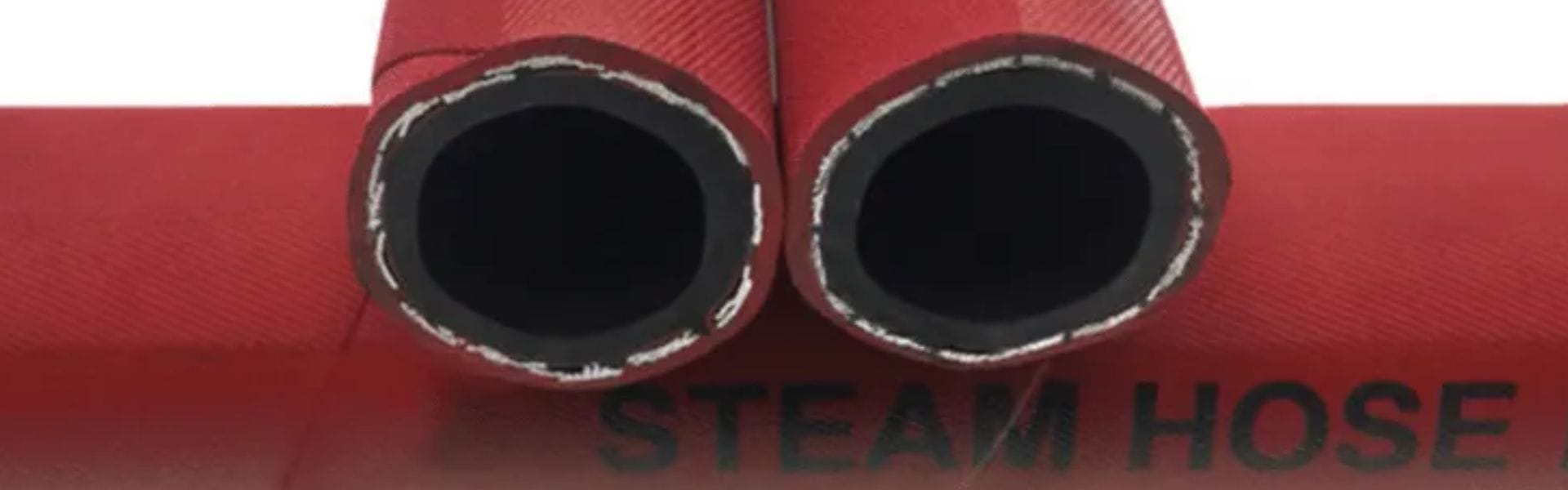
EPDM Hydraulic Hoses banner

EPDM Hydraulic Hoses: A Comparative Guide

Choosing the right material for hydraulic hoses is essential because it directly impacts the hose’s performance, durability, and safety. The material determines the hose’s resistance to environmental factors like temperature extremes, chemical exposure, abrasion, and weathering. Inadequate material selection can lead to hose failure, resulting in costly downtime, equipment damage, and potential safety hazards. Therefore, understanding the properties of different hose materials and their suitability for specific applications is vital for ensuring the longevity and efficiency of hydraulic systems.

Understanding EPDM Material Properties

Chemical Composition of EPDM

EPDM, or Ethylene Propylene Diene Monomer, is a type of synthetic rubber that belongs to the group of elastomers. Its chemical structure consists of ethylene, propylene, and a diene component, which is what gives EPDM its unique properties. The ethylene content in EPDM typically ranges from 45% to 75%, depending on the desired characteristics of the final product. The propylene component provides the polymer with flexibility and elasticity, while the diene component introduces unsaturation, allowing for cross-linking and vulcanization.

The presence of the diene monomer (usually in small amounts) is particularly significant as it introduces sites in the polymer chain where cross-linking can occur during the vulcanization process. This cross-linking is crucial for improving the material’s strength, elasticity, and resistance to heat. The specific type of diene used can vary, with common options including ethylidene norbornene (ENB), dicyclopentadiene (DCPD), or vinyl norbornene (VNB). The choice of diene influences the final properties of the EPDM rubber, such as its resistance to various environmental factors and its mechanical properties.

The non-polar nature of EPDM, resulting from its high ethylene and propylene content, contributes to its excellent resistance to polar substances like water, acids, and alkalis. This characteristic makes EPDM highly suitable for applications where exposure to such substances is common. Additionally, the saturated polymer backbone provides EPDM with outstanding resistance to degradation by oxygen, ozone, and ultraviolet (UV) light, making it an excellent choice for outdoor applications.

Key Properties of EPDM

High Resistance to Ozone, UV, and Weathering

One of the most notable properties of EPDM is its exceptional resistance to ozone, UV radiation, and weathering. These environmental factors can cause rapid degradation in many types of rubber, leading to cracking, hardening, and loss of elasticity. However, EPDM’s saturated polymer backbone makes it virtually immune to these effects, ensuring long-term durability in outdoor applications. This property is particularly valuable in industries such as construction, where materials are frequently exposed to harsh weather conditions.

Excellent Flexibility and Elasticity

EPDM is renowned for its flexibility and elasticity, even at low temperatures. It can maintain its pliability in a wide range of conditions, making it ideal for applications that require repeated flexing or movement. This flexibility is not only beneficial for the material’s performance but also for its ease of installation and handling. EPDM hoses can be bent, twisted, and manipulated without cracking or losing their structural integrity, which is essential in complex hydraulic systems where space is limited.

Superior Performance in a Wide Temperature Range

EPDM’s ability to perform across a broad temperature spectrum is another key advantage. It remains stable and retains its properties in temperatures ranging from -40°C to 150°C (-40°F to 302°F), making it suitable for both hot and cold environments. This wide temperature tolerance ensures that EPDM hoses can be used in various climates and industrial settings without the risk of failure due to thermal stress. Additionally, EPDM’s heat resistance contributes to its longevity, reducing the need for frequent replacements in high-temperature applications.

Applications of EPDM Hoses

Industrial Applications

EPDM hoses are extensively used in several industrial sectors, including automotive, manufacturing, and construction. Their ability to withstand harsh environmental conditions, combined with their flexibility and durability, makes them a preferred choice in these demanding industries.

Automotive Industry

Coolant and Radiator Hoses: In the automotive sector, EPDM hoses are commonly used as coolant and radiator hoses due to their excellent resistance to heat and cooling fluids. The ability of EPDM to operate efficiently in both high and low-temperature environments makes it ideal for managing the thermal loads in automotive engines.

Brake Systems: EPDM hoses are also used in braking systems, particularly in applications where the hose needs to maintain flexibility and resist degradation from brake fluids. EPDM’s resistance to glycol-based brake fluids, combined with its ability to retain elasticity over time, ensures reliable performance in critical safety components.

Manufacturing Industry

Chemical Transfer: In manufacturing processes, EPDM hoses are often used to transfer chemicals, particularly those that are water-based or acidic. EPDM’s resistance to a wide range of chemicals, including acids and alkalis, makes it a safe and reliable choice for fluid transfer in chemical plants and processing facilities.

Air and Water Systems: EPDM hoses are used in pneumatic systems and for the conveyance of water in various manufacturing applications. Their flexibility and resistance to weathering and UV radiation ensure long-lasting performance even in exposed environments.

Crimp On Hydraulic Fitting construction

Construction Industry

Hydraulic Systems: In construction machinery, EPDM hoses are used in hydraulic systems that require hoses to be flexible, durable, and resistant to environmental factors. EPDM hoses can handle the high-pressure demands of hydraulic systems while also withstanding exposure to the elements, making them ideal for heavy-duty construction equipment.

Heating and Cooling Systems: EPDM hoses are also employed in HVAC (heating, ventilation, and air conditioning) systems within construction projects. Their ability to resist degradation from heat and ozone makes them suitable for the transportation of hot and cold fluids in buildings.

Agricultural Applications

In the agricultural sector, EPDM hoses play a crucial role in a variety of applications, helping farmers and agricultural workers maintain efficient operations.

Irrigation Systems

EPDM hoses are widely used in irrigation systems due to their resistance to water and their ability to withstand constant exposure to sunlight and varying temperatures. Their flexibility allows for easy installation and adjustment in irrigation setups, ensuring consistent water flow to crops.

The non-polar nature of EPDM also makes it resistant to the buildup of algae and other biological contaminants, which is essential for maintaining the purity of water used in irrigation.

Pesticide Spraying

EPDM hoses are commonly used in pesticide spraying equipment because of their resistance to chemicals. The hoses’ ability to handle a range of pesticides without degrading ensures that they can be used reliably over multiple spraying seasons.

The flexibility and durability of EPDM hoses allow them to be used in various terrains and under different environmental conditions, making them suitable for large-scale agricultural operations.

Benefits of EPDM Hoses

Longevity and Durability

One of the most significant advantages of EPDM hydraulic hoses is their exceptional longevity and durability. EPDM’s chemical structure endows it with outstanding resistance to weathering and environmental factors, including ozone, ultraviolet (UV) radiation, and extreme temperatures. This resistance is particularly valuable in outdoor applications where hoses are exposed to the elements for prolonged periods.

Weather Resistance: EPDM hoses are virtually immune to the damaging effects of ozone and UV light, which are common causes of material degradation in outdoor environments. Unlike other materials that may crack, harden, or lose elasticity over time, EPDM maintains its structural integrity and flexibility, even after years of exposure. This resistance to environmental stressors significantly extends the lifespan of EPDM hoses, reducing the frequency of replacements and associated downtime.

Thermal Stability: EPDM’s ability to perform across a wide temperature range further enhances its durability. Whether in high-temperature applications such as automotive cooling systems or low-temperature environments like refrigeration units, EPDM hoses remain flexible and resistant to thermal degradation. This stability ensures consistent performance, even under fluctuating thermal conditions, contributing to the hose’s overall longevity.

EPDM Hydraulic Hoses

Flexibility and Handling

The flexibility and ease of handling offered by EPDM hoses make them highly versatile and practical for a wide range of applications. This flexibility is particularly beneficial in environments where space is limited, and hoses need to be routed through tight or complex spaces.

Ease of Installation: EPDM hoses are known for their excellent flexibility, which allows them to be easily maneuvered into position during installation. Whether in automotive, industrial, or agricultural settings, this flexibility reduces the effort required to install the hoses, saving time and reducing the risk of damage during the process. The ability to bend and twist EPDM hoses without compromising their structural integrity is a key advantage in applications where precision routing is required.

Handling in Tight Spaces: In many industrial environments, space constraints are a significant challenge. EPDM hoses, with their superior flexibility, can be routed through tight spaces without kinking or becoming damaged. This characteristic makes them ideal for use in compact machinery, vehicles, or confined installation sites where other, less flexible hoses might fail or be difficult to install.

The combination of flexibility and durability ensures that EPDM hoses can withstand the demands of dynamic applications, where they may need to accommodate frequent movement or vibration without deteriorating.

Environmental Impact

As industries become more conscious of their environmental footprint, the sustainability of materials like EPDM is increasingly important. EPDM hoses offer several environmental benefits, making them a responsible choice for businesses committed to reducing their environmental impact.

Recyclability: One of the key environmental advantages of EPDM is its recyclability. EPDM can be recycled and repurposed for various applications, reducing the demand for new raw materials and minimizing waste. This recyclability aligns with the growing emphasis on circular economy practices, where materials are reused and recycled rather than discarded.

Low Environmental Footprint: The production and use of EPDM have a relatively low environmental footprint compared to some other synthetic rubbers. EPDM’s resistance to degradation means that hoses made from this material have a longer lifespan, resulting in less frequent disposal and reduced environmental impact over time. Additionally, the reduced need for frequent replacements and maintenance further lessens the environmental burden associated with EPDM hoses.

Energy Efficiency in Production: The manufacturing process for EPDM rubber is also energy-efficient, contributing to its overall sustainability. Advances in production technology have reduced the energy required to produce EPDM, making it a more environmentally friendly option for hydraulic hose applications.

Comparative Analysis: EPDM vs. Other Rubber Materials

EPDM vs. Nitrile Rubber (NBR)

Resistance to Heat and Chemicals:

EPDM: EPDM is renowned for its superior heat resistance, particularly in applications involving steam and hot water. It can withstand temperatures up to 150°C (302°F), making it ideal for high-temperature environments. Additionally, EPDM excels in resisting polar solvents like water, alcohols, and certain chemicals, which makes it a preferred choice for water-based hydraulic applications.

Nitrile Rubber (NBR): Nitrile rubber, also known as Buna-N, is highly resistant to oils, fuels, and other hydrocarbons, which makes it the material of choice in applications where contact with petroleum-based substances is common. While Nitrile also offers good heat resistance, it is not as effective as EPDM in high-temperature applications, especially those involving steam.

Abrasion Resistance:

EPDM: While EPDM provides decent abrasion resistance, it is generally less robust in this regard compared to Nitrile rubber. However, EPDM’s excellent resistance to environmental degradation—such as ozone, UV light, and weathering—makes it more suitable for outdoor applications, where it can withstand harsh conditions without significant wear.

Nitrile Rubber (NBR): Nitrile rubber offers superior abrasion resistance, making it better suited for applications where the hose may be exposed to abrasive materials or surfaces. This property makes Nitrile hoses more durable in environments where physical wear and tear are prevalent.

EPDM Hydraulic Hoses Topa

EPDM vs. Neoprene

Ozone and Weather Resistance

EPDM: EPDM is unmatched in its resistance to ozone, UV radiation, and general weathering. This makes it the go-to material for applications requiring long-term exposure to outdoor elements. EPDM hoses do not crack, harden, or lose elasticity even after prolonged exposure, ensuring longevity in outdoor environments.

Neoprene: While Neoprene offers some level of ozone and weather resistance, it does not perform as well as EPDM in prolonged outdoor conditions. Neoprene is more prone to degradation when exposed to UV light and ozone over extended periods, leading to potential cracking and reduced durability.

Flexibility and Low-Temperature Performance:

EPDM: EPDM hoses maintain excellent flexibility even at extremely low temperatures, down to -40°C (-40°F). This makes them ideal for applications in cold environments, where maintaining flexibility is crucial to prevent cracking or brittleness.

Neoprene: Neoprene also provides good flexibility, but it is more susceptible to becoming brittle at very low temperatures compared to EPDM. As a result, EPDM is often preferred in applications requiring frequent flexing or movement, particularly in colder climates.

EPDM vs. Silicone

Heat Resistance:

EPDM: EPDM can handle temperatures up to 150°C (302°F), which is sufficient for most hydraulic applications. It performs well in environments with moderate to high temperatures but does not reach the extreme heat resistance levels of Silicone.

Silicone: Silicone rubber excels in heat resistance, capable of withstanding temperatures as high as 200°C (392°F) or more. This makes it the material of choice for applications involving very high temperatures, such as in the automotive and aerospace industries.

Chemical Resistance:

EPDM: EPDM offers excellent resistance to a wide range of chemicals, particularly polar solvents like water, alcohol, and some acids. This makes it a strong candidate for water-based applications where chemical exposure is common.

Silicone: Silicone provides better resistance to a broader spectrum of chemicals, including certain oils, solvents, and non-polar substances. However, Silicone’s superior chemical resistance comes at a higher cost, making it a more expensive option compared to EPDM.

Selection Criteria for EPDM Hoses

Application-Specific Considerations:

Pressure: Hydraulic systems often operate under high pressure, and the selected hose must be capable of withstanding these pressures without failure. EPDM hoses come in various pressure ratings, so it’s crucial to choose one that meets or exceeds the pressure requirements of your system. Overlooking this factor can lead to hose bursts, leaks, or system inefficiencies.

Temperature: EPDM is known for its excellent temperature resistance, typically ranging from -40°C to 150°C (-40°F to 302°F). However, it’s important to ensure that the hose you select can handle the specific temperature range of your application. For high-temperature applications, ensure the hose’s upper-temperature limit is sufficient, while for low-temperature environments, check that the hose remains flexible and does not become brittle.

Chemical Exposure: Consider the types of fluids and chemicals the hose will be exposed to. EPDM hoses are highly resistant to water-based fluids, alcohol, and certain chemicals, but they may not be suitable for petroleum-based fluids like oils and fuels. Understanding the chemical compatibility of the hose with the fluids in your system is critical to preventing degradation and ensuring long-term performance.

Compatibility with Hydraulic Fluids:

The hydraulic fluid used in your system plays a significant role in determining the compatibility of the hose material. EPDM is particularly well-suited for systems using water-based fluids, glycol-based coolants, and certain synthetic oils. However, it is not compatible with petroleum-based fluids, such as mineral oils or fuels. Using EPDM hoses in systems with incompatible fluids can lead to swelling, softening, or degradation of the hose material, resulting in premature failure.

Customizing EPDM Hoses for Specific Needs

Hose Length and Diameter:

The length and diameter of the hose are critical factors in determining the flow rate and pressure within the hydraulic system. Customizing the hose length to match the exact requirements of your application can prevent issues such as pressure drops, flow restrictions, or excessive slack. Similarly, selecting the appropriate diameter ensures optimal fluid flow, reducing the risk of cavitation or inefficient operation.

Fittings and End Connections:

The choice of fittings and end connections is another crucial aspect of customization. EPDM hoses can be fitted with a variety of connectors, such as threaded, flanged, or quick-connect fittings, depending on the requirements of your system. Customizing the fittings to match your system’s specifications can simplify installation, enhance the reliability of the connections, and reduce the likelihood of leaks.

Additionally, some applications may require specific hose configurations, such as reinforced layers for added strength or special coatings to improve abrasion resistance. Discussing your needs with a hose manufacturer or supplier can help you explore the available customization options.

Conclusion

For those seeking a versatile, durable, and cost-effective solution, EPDM hoses are a compelling option. We encourage you to evaluate your specific requirements and consider EPDM hoses for your next project. For more information or to find the right EPDM hose for your needs, contact Topa to order.


FAQ

What is EPDM, and why is it used in hydraulic hoses?

EPDM (Ethylene Propylene Diene Monomer) is a synthetic rubber known for its excellent resistance to heat, ozone, and weathering. It’s used in hydraulic hoses because of its durability and flexibility in harsh environmental conditions.

Can EPDM hoses handle high temperatures?

Yes, EPDM hoses can handle temperatures up to 150°C (302°F), making them suitable for applications involving hot water, steam, or high-temperature environments.

Are EPDM hoses resistant to chemicals?

EPDM hoses offer excellent resistance to polar chemicals like water, alcohols, and certain acids, but they are not suitable for petroleum-based fluids such as oils and fuels.

What industries commonly use EPDM hoses?

EPDM hoses are widely used in industries such as automotive, manufacturing, construction, agriculture, and marine due to their versatility and durability.

How do I ensure the EPDM hose I choose is compatible with my hydraulic fluid?

Always check the chemical compatibility of EPDM with the specific hydraulic fluid you plan to use. EPDM is generally suitable for water-based fluids, but not for petroleum-based ones.

Can EPDM hoses be customized?

Yes, EPDM hoses can be customized in terms of length, diameter, and fittings to meet the specific requirements of your application.

2 Wire vs 4 Wire Hydraulic Hose banner

2 Wire vs 4 Wire Hydraulic Hose: Which One Suits Your Needs?

Different applications demand hoses with specific characteristics, such as flexibility, pressure resistance, and durability. The right hose not only improves the performance of the equipment but also prevents potential failures, reduces downtime, and minimizes maintenance costs. With various types of hoses available, understanding their differences is critical to making the best choice for a given application.

Understanding Hydraulic Hose Construction

Hydraulic hoses are composed of three primary layers: the inner tube, reinforcement layers, and the outer cover. Each layer plays a vital role in the hose’s overall performance, durability, and suitability for specific applications.

Inner Tube

The inner tube of a hydraulic hose is responsible for containing and transporting the hydraulic fluid within the system. It is typically made from synthetic rubber, thermoplastics, or PTFE (Polytetrafluoroethylene), each material offering distinct advantages. Synthetic rubber is commonly used due to its flexibility and compatibility with various hydraulic fluids. Thermoplastic inner tubes, on the other hand, provide excellent chemical resistance and are often chosen for applications requiring high-pressure performance. PTFE is highly resistant to chemicals and extreme temperatures, making it ideal for specialized applications. The choice of inner tube material is critical as it directly affects the hose’s compatibility with the fluid, resistance to permeation, and overall service life.

Reinforcement Layers

The reinforcement layer is the backbone of the hydraulic hose, providing it with the strength needed to withstand high internal pressures. This layer can consist of braided or spiral wound wire, typically made from high-tensile steel. Braided wire reinforcement is commonly used in 2-wire hoses, offering flexibility and adequate strength for moderate-pressure applications. The braiding process involves intertwining steel wires around the hose, which helps maintain the hose’s flexibility while providing sufficient pressure resistance.

In contrast, spiral wound wire reinforcement, found in 4-wire hoses, involves wrapping multiple layers of steel wire around the hose in a helical pattern. This construction provides superior strength, making spiral-reinforced hoses ideal for high-pressure and heavy-duty applications. The spiral reinforcement also offers enhanced resistance to hose deformation under pressure, ensuring a more consistent performance over time.

Outer Cover

The outer cover of a hydraulic hose serves as a protective layer, shielding the inner components from external damage. This cover is typically made from synthetic rubber or thermoplastics, designed to resist abrasion, chemicals, and environmental factors such as UV radiation and ozone. The durability of the outer cover is crucial in preventing damage from physical wear and tear, exposure to harsh conditions, and contact with other surfaces. A robust outer cover ensures the hose can withstand the rigors of its working environment, thereby extending its service life and maintaining the integrity of the hydraulic system.

Introduction to Wire Reinforcement

1. Explanation of Wire Reinforcement in Hydraulic Hoses

Wire reinforcement involves the use of steel wires embedded within the hose structure to provide mechanical strength. The number of wire layers and the method of reinforcement—whether braided or spiral—determine the hose’s ability to withstand internal pressures and external forces. Reinforcement also helps prevent the hose from expanding under pressure, maintaining its shape and ensuring efficient fluid flow.

2. Differences Between Braided and Spiral Reinforcement

Braided wire reinforcement consists of one or two layers of steel wire woven in a crisscross pattern around the hose. This method provides a balance of flexibility and strength, making it suitable for applications where moderate pressure and maneuverability are required. Braided hoses are generally lighter and more flexible, which is advantageous in applications where space is limited or where the hose needs to navigate around obstacles.

Spiral reinforcement, on the other hand, involves wrapping multiple layers of wire in a spiral configuration around the hose. This construction offers superior strength, enabling the hose to handle much higher pressures than braided hoses. Spiral hoses are typically used in heavy-duty applications where maximum pressure resistance and durability are paramount, such as in construction equipment or high-pressure hydraulic systems.

3. The Impact of Wire Layers on Hose Performance

The number of wire layers directly impacts the hose’s performance characteristics, including its pressure rating, flexibility, and durability. A hose with more wire layers, such as a 4-wire hose, can handle higher pressures and provide greater resistance to kinking and deformation. However, this comes at the cost of reduced flexibility compared to a 2-wire hose. The choice between a 2-wire and 4-wire hose should be based on the specific demands of the application, balancing the need for pressure resistance with the requirement for flexibility and maneuverability.

2 Wire vs 4 Wire Hydraulic Hose

2-Wire Hydraulic Hoses

Detailed Breakdown of the Construction of 2-wire Hydraulic Hoses

2-wire hydraulic hoses are among the most commonly used types in various industries, valued for their balance of performance, flexibility, and cost-effectiveness. The construction of a 2-wire hydraulic hose consists of several key components, each contributing to its overall functionality and suitability for specific applications.

Inner Tube: The inner tube of a 2-wire hose is typically made from synthetic rubber, such as nitrile (NBR) or chlorinated polyethylene (CPE). This inner layer is responsible for containing the hydraulic fluid, ensuring that it flows smoothly through the hose without leakage. The material of the inner tube is selected based on its compatibility with the hydraulic fluids it will carry, its resistance to permeation, and its flexibility.

Reinforcement Layers: The defining characteristic of a 2-wire hydraulic hose is its two layers of steel wire reinforcement. These layers are made from high-tensile steel wire, braided in a crisscross pattern around the inner tube. The first layer is wrapped directly over the inner tube, followed by a second layer that is braided over the first. This double-braided structure provides the hose with the necessary strength to withstand moderate to high pressures while maintaining flexibility.

Outer Cover: The outer cover of a 2-wire hose is made from synthetic rubber, typically designed to resist abrasion, weathering, and exposure to chemicals. This protective layer is crucial for ensuring the hose’s durability and longevity, especially in environments where it may be exposed to harsh conditions.

R1 vs R2 Hydraulic Hoses

The Number of Wire Layers and Their Arrangement

The two layers of wire reinforcement in a 2-wire hose are arranged in a braided pattern. This braiding technique involves intertwining the steel wires in a specific configuration, which not only provides strength but also allows the hose to remain flexible. The braided structure ensures that the hose can bend and flex without compromising its pressure-bearing capabilities, making it suitable for applications where both strength and maneuverability are required.

The arrangement of the wire layers also contributes to the hose’s resistance to kinking and deformation under pressure. Unlike spiral-wound hoses, which are more rigid, the braided construction of a 2-wire hose allows for greater flexibility, making it easier to install in tight spaces or where the hose needs to navigate around obstacles.

Pressure Rating and Performance

2-wire hydraulic hoses are designed to handle moderate to high-pressure applications, with pressure ratings typically ranging from 2000 to 6000 PSI (pounds per square inch), depending on the specific hose and its size. The pressure capacity of a 2-wire hose is largely determined by the strength and quality of its wire reinforcement layers, as well as the material used for the inner tube and outer cover.

While 2-wire hoses can handle a wide range of pressures, they are generally best suited for applications where the pressure requirements do not exceed the upper limits of their design. It’s important to match the hose’s pressure rating with the system’s operating pressure to ensure safe and efficient operation. Overloading a 2-wire hose beyond its rated capacity can lead to premature failure, leaks, or bursts, compromising the safety and reliability of the hydraulic system.

Suitable Applications and Industries

2-wire hydraulic hoses are versatile and are used in a variety of industries and applications where moderate to high pressure is required. Some common uses include:

Agriculture: 2-wire hoses are widely used in agricultural machinery, such as tractors, harvesters, and sprayers. These hoses handle the hydraulic pressure needed to operate various attachments and implements, ensuring reliable performance in the field.

Construction: In the construction industry, 2-wire hoses are used in equipment such as excavators, loaders, and backhoes. They provide the necessary pressure to operate hydraulic systems, including lifting, digging, and other heavy-duty tasks.

Material Handling: Forklifts, cranes, and other material handling equipment often rely on 2-wire hydraulic hoses to power hydraulic lifts and controls. The flexibility and strength of these hoses make them ideal for use in environments where equipment must maneuver in tight spaces.

Advantages of 2-Wire Hoses

Flexibility and Ease of Installation

One of the primary advantages of 2-wire hydraulic hoses is their flexibility. The braided wire reinforcement allows the hose to bend and flex without compromising its strength, making it easier to install in complex systems. This flexibility is particularly beneficial in applications where the hose needs to navigate tight spaces, sharp angles, or where frequent movement is required.

Cost-Effectiveness for Specific Applications

2-wire hoses offer a cost-effective solution for many hydraulic systems, especially in applications where extreme pressure or heavy-duty performance is not required. The balance between performance and cost makes 2-wire hoses an attractive option for industries looking to optimize their budgets without sacrificing reliability.

Scenarios Where 2-Wire Hoses Provide the Best Value

2-wire hydraulic hoses are best suited for applications where moderate pressure and flexibility are key requirements. For example:

Mobile Equipment: In mobile equipment such as tractors, forklifts, and loaders, 2-wire hoses provide the necessary pressure without the need for the more expensive and rigid 4-wire alternatives.

General Industrial Use: For general industrial machinery that operates within the moderate pressure range, 2-wire hoses offer reliable performance at a lower cost, making them ideal for maintaining operational efficiency.

Limitations of 2-Wire Hoses

Restrictions in High-Pressure Environments

While 2-wire hoses are suitable for many applications, they are not designed for extremely high-pressure environments. In situations where pressure exceeds the hose’s rated capacity, a 4-wire or even 6-wire hose may be necessary to ensure safety and performance. Using a 2-wire hose in a high-pressure system can lead to failures, posing risks to both equipment and operators.

Durability Concerns Under Extreme Conditions

In extremely harsh environments, such as those with high abrasion, exposure to chemicals, or extreme temperatures, the durability of 2-wire hoses may be compromised. While the outer cover provides some protection, it may not be sufficient in the most demanding conditions. In such cases, hoses with additional layers of reinforcement or specialized outer covers may be required.

When Not to Use 2-Wire Hoses

2-wire hydraulic hoses should be avoided in applications where:

High Pressure is Constant: Systems that consistently operate at high pressures beyond the capacity of 2-wire hoses should use hoses with higher pressure ratings to avoid failures.

Heavy-Duty Performance is Required: For heavy-duty machinery that requires maximum strength and durability, 4-wire or spiral hoses are a better choice due to their superior reinforcement and pressure capabilities.

Extreme Environmental Conditions: In environments where the hose will be exposed to severe abrasion, chemicals, or extreme temperatures, a more robust hose with enhanced protective features should be used.

4-Wire Hydraulic Hoses

Construction of 4-wire Hydraulic Hoses

4-wire hydraulic hoses are engineered for demanding applications where high pressure and durability are paramount. These hoses are constructed with multiple layers that contribute to their superior strength and resilience.

Inner Tube: The inner tube of a 4-wire hydraulic hose is typically made from synthetic rubber, such as nitrile or neoprene, designed to withstand high pressures and maintain compatibility with a wide range of hydraulic fluids. This inner tube is critical for preventing leaks and ensuring that the fluid flows smoothly through the hose, even under extreme conditions.

Reinforcement Layers: The most distinguishing feature of a 4-wire hydraulic hose is its four layers of high-tensile steel wire reinforcement. These layers are arranged in a spiral configuration around the inner tube. Unlike braided wire, which is crisscrossed, the spiral reinforcement involves wrapping each layer of wire in a helical pattern. This design significantly enhances the hose’s strength and allows it to handle much higher pressures than 2-wire hoses. The spiral arrangement also contributes to the hose’s ability to resist kinking and crushing, which is essential in high-pressure applications.

Outer Cover: The outer cover of a 4-wire hose is made from durable synthetic rubber, often formulated to resist abrasion, weathering, oil, and chemicals. This outer layer protects the hose from external damage, ensuring longevity even in harsh environments. The robust construction of the outer cover is particularly important in applications where the hose is exposed to rough handling or abrasive conditions.

Comparison with 2-Wire Hoses in Terms of Wire Layering and Design

The primary difference between 2-wire and 4-wire hydraulic hoses lies in their reinforcement layers and the resulting pressure-handling capabilities. While 2-wire hoses use two layers of braided steel wire, 4-wire hoses utilize four layers of spiral-wound steel wire.

Reinforcement Method: The braided wire in 2-wire hoses provides flexibility and adequate strength for moderate-pressure applications. In contrast, the spiral-wound wire in 4-wire hoses offers superior strength, making these hoses suitable for high-pressure environments. The spiral design also enhances the hose’s ability to withstand dynamic loads and sudden pressure spikes, which can be critical in certain applications.

Flexibility: Due to the difference in wire arrangement, 2-wire hoses are generally more flexible than 4-wire hoses. The crisscross pattern of the braiding allows for easier bending and maneuverability, while the spiral-wound design of 4-wire hoses, though more rigid, provides greater durability and pressure resistance.

Pressure Rating

4-wire hydraulic hoses are designed to handle significantly higher pressures than their 2-wire counterparts. Pressure ratings for 4-wire hoses typically range from 4000 to 8000 PSI, depending on the hose’s size and specific construction. This enhanced pressure capacity makes 4-wire hoses ideal for applications where high pressure is a constant requirement, such as in heavy machinery, industrial equipment, and high-performance hydraulic systems.

The additional layers of spiral-wound steel wire reinforcement enable the hose to resist internal pressure more effectively, reducing the risk of hose failure due to bursting or kinking. This makes 4-wire hoses a reliable choice for systems that operate under continuous high pressure or experience frequent pressure spikes.

SAE 4SH hose hydraulic Topa

Applications and Industries

4-wire hydraulic hoses are favored in industries and applications where high pressure, durability, and reliability are critical. Some of the key industries where 4-wire hoses excel include:

Construction: Heavy-duty construction equipment, such as excavators, bulldozers, and cranes, rely on 4-wire hoses to operate hydraulic systems that require high pressure and precision. The hoses’ strength and durability make them ideal for the rugged conditions often encountered in construction sites.

Mining: The mining industry demands equipment that can withstand harsh environments and heavy loads. 4-wire hoses are commonly used in hydraulic systems for mining machinery, including drills, loaders, and conveyors, where high pressure and durability are essential for efficient operation.

Oil and Gas: In the oil and gas industry, hydraulic systems are exposed to extreme pressures and corrosive environments. 4-wire hoses are used in drilling rigs, hydraulic fracturing equipment, and other high-pressure applications where safety and reliability are paramount.

Manufacturing: High-pressure hydraulic systems in manufacturing plants, such as injection molding machines and hydraulic presses, benefit from the enhanced pressure capacity and durability of 4-wire hoses. These hoses ensure consistent performance, reducing downtime and maintenance costs.

Advantages of 4-Wire Hoses

Superior Strength and Durability

The most significant advantage of 4-wire hydraulic hoses is their superior strength and durability. The four layers of spiral-wound steel wire reinforcement provide exceptional resistance to pressure, abrasion, and external damage. This makes 4-wire hoses suitable for the most demanding applications, where failure is not an option. The robust construction of these hoses ensures they can withstand harsh conditions and maintain their performance over extended periods.

Ideal for Heavy-Duty and High-Pressure Applications

4 wire hoses are specifically designed for heavy-duty and high-pressure applications. Their ability to handle extreme pressures without compromising performance makes them indispensable in industries where high-pressure hydraulic systems are the norm. Whether it’s powering heavy machinery in construction, drilling equipment in the oil and gas industry, or hydraulic presses in manufacturing, 4-wire hoses provide the reliability and strength needed for these challenging tasks.

Limitations of 4-Wire Hoses

Reduced Flexibility Compared to 2-Wire Hoses

One of the main limitations of 4-wire hydraulic hoses is their reduced flexibility. The spiral-wound reinforcement, while providing superior strength, also makes the hose more rigid. This can be a disadvantage in applications where tight bending radii or frequent movement are required. In such cases, the rigidity of a 4-wire hose may lead to difficulties in installation or operation, making it less suitable for applications where flexibility is a priority.

Higher Cost and Complexity in Installation

The enhanced construction of 4-wire hoses comes with a higher cost compared to 2-wire hoses. The additional layers of reinforcement and the more complex manufacturing process contribute to this increased cost. Additionally, the rigidity of 4-wire hoses can make them more challenging to install, particularly in systems with limited space or complex routing. The higher cost and installation complexity should be weighed against the application’s pressure requirements and operational demands to determine if a 4-wire hose is the best choice.

Conclusion

Now that you have a comprehensive understanding of the differences between 2-wire and 4-wire hydraulic hoses, it’s time to assess your specific hydraulic needs. Consider the pressure requirements, environmental conditions, and budget constraints of your application to determine which hose is the best fit. If you’re unsure, don’t hesitate to consult with Topa.


FAQ

What is the main difference between 2-wire and 4-wire hydraulic hoses?

The main difference lies in the number of steel wire reinforcement layers: 2-wire hoses have two braided layers, while 4-wire hoses have four spiral-wound layers, offering higher pressure resistance.

Which type of hose is more flexible, 2-wire or 4-wire?

2-wire hoses are generally more flexible than 4-wire hoses due to their braided wire construction.

In what applications should I use a 4-wire hydraulic hose?

4-wire hoses are ideal for high-pressure, heavy-duty applications such as construction, mining, and oil and gas industries.

Is there a significant cost difference between 2-wire and 4-wire hydraulic hoses?

Yes, 4-wire hoses are generally more expensive due to their enhanced construction and higher pressure capabilities.

Can I replace a 4-wire hose with a 2-wire hose in my hydraulic system?

It’s not advisable to replace a 4-wire hose with a 2-wire hose if the system requires high pressure, as this could lead to hose failure and system damage.

Are 2-wire hydraulic hoses suitable for high-pressure environments?

2-wire hoses can handle moderate to high pressure, but for extreme high-pressure environments, 4-wire hoses are recommended.

Brake Hose Specifications banner

Brake Hose Specifications: A Comprehensive Overview

Brake hoses are critical components in an automotive braking system, responsible for transferring hydraulic pressure from the brake master cylinder to the brake calipers or wheel cylinders. These hoses must withstand high pressure and varying temperatures while maintaining flexibility to accommodate vehicle movement. Proper brake hose specifications ensure optimal performance and safety, as they affect the reliability of the braking system. Understanding these specifications is crucial for selecting the right hose for your vehicle, ensuring not only performance but also safety and compliance with industry standards.

Understanding Brake Hose Types

Rubber Brake Hoses

Rubber brake hoses are among the most commonly used types in automotive braking systems. These hoses are made from a blend of synthetic rubber compounds, which are reinforced with multiple layers to enhance their strength and flexibility. The construction typically includes a rubber inner tube, a reinforcing layer of textile or synthetic fibers, and an outer rubber cover that protects against environmental factors.

Composition and Characteristics

Rubber brake hoses are designed to handle the hydraulic pressures generated by the braking system. Their flexible nature allows them to accommodate the movement of the vehicle’s suspension and steering components, making installation relatively straightforward. The primary benefit of rubber hoses is their cost-effectiveness and widespread availability, which makes them a popular choice for everyday vehicles.

Common Applications and Benefits

These hoses are ideally suited for standard passenger vehicles and light trucks where the braking conditions are moderate. They provide reliable performance and durability under typical driving conditions. However, rubber hoses are susceptible to deterioration over time due to exposure to heat, moisture, and road chemicals. This degradation can lead to reduced braking performance and potential safety issues if the hoses are not regularly inspected and replaced.

Brake Hose Specifications

Steel Braided Brake Hoses

Steel braided brake hoses are engineered for enhanced performance and durability. They consist of an inner rubber or synthetic hose that is wrapped with a layer of steel wire mesh. This steel braiding offers substantial reinforcement, making the hose highly resistant to expansion under high pressure and providing improved strength.

Composition and Characteristics

The steel wire mesh in these hoses serves as a protective barrier, which significantly increases their durability and resistance to external damage. This construction helps maintain a firm brake pedal feel by preventing hose expansion during braking. Steel braided hoses are known for their robustness and ability to withstand extreme conditions.

Advantages Over Rubber Hoses

Compared to rubber hoses, steel braided hoses offer superior performance in high-pressure and high-temperature environments. They are commonly used in high-performance vehicles, racing applications, and heavy-duty trucks where reliability and precision are critical. While they are more expensive and less flexible than rubber hoses, their enhanced durability and performance make them a preferred choice for demanding applications.

PTFE Brake Hoses

Polytetrafluoroethylene (PTFE) brake hoses feature an inner lining made of PTFE, a material renowned for its chemical resistance and low friction properties. PTFE hoses are often reinforced with steel braiding to further enhance their strength and resistance.

Composition and Characteristics

PTFE provides exceptional resistance to brake fluid absorption, which can cause other types of hoses to swell and degrade over time. This makes PTFE hoses ideal for use in extreme temperatures and harsh chemical environments. The steel braid adds an extra layer of durability and helps maintain the hose’s shape under pressure.

Applications and Benefits

PTFE brake hoses are commonly used in high-performance and specialty applications where both temperature resistance and chemical compatibility are essential. Their ability to handle extreme conditions makes them suitable for vehicles that experience severe driving conditions or frequent fluid changes. The low friction properties of PTFE also contribute to more consistent braking performance.

Key Brake Hose Specifications

Hose Diameter and Length

The diameter and length of a brake hose are pivotal in ensuring optimal brake system performance. The diameter of the hose influences the volume of brake fluid it can transport, which directly affects the responsiveness and efficiency of the braking system. A larger diameter allows for a higher flow rate, which can be beneficial in high-performance applications. Conversely, a smaller diameter might be used in standard vehicles to maintain appropriate pressure levels.

Importance of Diameter and Length

Correctly sized hoses ensure that brake fluid is delivered efficiently from the master cylinder to the brake calipers. An incorrect hose diameter can lead to sluggish braking response or excessive pedal travel. Similarly, the length of the hose determines its routing within the vehicle. A hose that is too short may not reach all necessary connection points, while one that is too long can cause difficulties in installation and may interfere with other components.

How to Determine the Correct Size for Your Vehicle

When selecting a brake hose, it is essential to refer to the vehicle manufacturer’s specifications. These specifications take into account the required hose diameter and length based on the vehicle’s braking system design. Additionally, professional mechanics or automotive service manuals can guide in choosing the right size to ensure proper fit and function.

Pressure Ratings

Pressure ratings are a critical specification for brake hoses, indicating the maximum pressure the hose can safely handle without risk of failure. Brake systems generate significant pressure, especially under heavy braking or high-performance conditions. Therefore, understanding and selecting the appropriate pressure rating is essential for maintaining safety and reliability.

Explanation of Pressure Ratings

Pressure ratings are typically measured in pounds per square inch (psi) and reflect the hose’s ability to withstand internal pressure. Brake hoses are designed to handle pressures ranging from 1,000 to 3,000 psi, depending on the type and intended use. Ensuring that the chosen hose’s pressure rating exceeds the maximum pressure of the braking system helps prevent potential failures or leaks.

Typical Pressure Ratings for Different Types of Brake Hoses

Rubber brake hoses usually have lower pressure ratings compared to steel braided or PTFE hoses. For instance, rubber hoses might be rated around 1,000 to 1,500 psi, while steel braided hoses can handle up to 3,000 psi. PTFE hoses often offer similar high pressure ratings, suitable for extreme conditions. Always check the hose specifications to match or exceed the required pressure levels.

install Brake Hose Specifications

Temperature Resistance

Temperature resistance is a vital specification for brake hoses, as they must operate effectively across a broad temperature range. Brake hoses are subjected to high temperatures from the braking process and varying ambient temperatures.

How Temperature Affects Brake Hose Performance

Excessive heat can cause brake hoses to degrade, leading to loss of flexibility, swelling, or even burst failure. Conversely, extremely low temperatures can make the hoses brittle and prone to cracking. Proper temperature resistance ensures that the hose maintains its structural integrity and performance under different driving conditions.

Recommended Temperature Ranges for Different Brake Hoses

Most brake hoses are designed to operate within temperatures ranging from -40°F to 300°F. Rubber hoses typically handle lower temperatures better, while PTFE hoses are more resilient to extremely high temperatures. Always select a hose that matches the temperature conditions of your driving environment to ensure reliable braking performance.

Flexibility and Bend Radius

Flexibility and bend radius are crucial for brake hoses, as they must adapt to the movement of vehicle components without compromising fluid flow or causing damage.

Importance of Flexibility and Bend Radius

The flexibility of a hose allows it to bend and stretch without kinking or restricting fluid flow. The bend radius is the minimum radius at which the hose can be bent without affecting its performance. A hose with poor flexibility or a tight bend radius may lead to kinking, which can obstruct fluid flow and result in brake system malfunctions.

How to Choose Hoses Based on Flexibility Requirements

Selecting a hose with the appropriate flexibility and bend radius involves understanding the vehicle’s design and movement constraints. For high-performance or off-road vehicles, hoses with greater flexibility and larger bend radii may be required to handle more extreme conditions. Ensure that the hose meets the vehicle’s specifications for smooth operation and longevity.

Standards and Certifications

Industry Standards

Brake hoses are critical components of the braking system, and their failure can lead to catastrophic results. To ensure safety and performance, brake hoses must adhere to stringent industry standards that govern their design, construction, and testing. These standards are established by recognized organizations and are enforced to maintain consistency and reliability across all brake hoses used in vehicles.

SAE J1401 Standard

The Society of Automotive Engineers (SAE) J1401 is one of the primary standards for brake hoses. This standard specifies the minimum performance criteria that brake hoses must meet, including pressure, temperature, and burst resistance. The SAE J1401 standard ensures that brake hoses can withstand the high pressures and temperatures generated during braking without failing. It also covers the materials used in hose construction, the design of end fittings, and the methods of attachment. Compliance with this standard is mandatory for brake hoses used in most vehicles.

DOT Regulations

The Department of Transportation (DOT) regulations in the United States provide another critical set of guidelines for brake hoses. DOT standards are focused on ensuring the safety and reliability of brake hoses in road vehicles. These regulations outline the requirements for brake hose performance, including pressure testing, endurance testing, and environmental resistance. Brake hoses that meet DOT regulations are marked with the DOT symbol, indicating that they have been tested and approved for use in vehicles on public roads.

Importance of Adhering to Industry Standards

Adhering to these industry standards is essential for ensuring that brake hoses perform reliably under various conditions. Non-compliant hoses may not meet the necessary safety criteria, potentially leading to brake failure and accidents. Manufacturers must ensure that their brake hoses are tested and certified according to these standards before they are sold or installed in vehicles.

Certification Marks

Certification marks serve as a guarantee of quality and compliance with industry standards. These marks are awarded to brake hoses that have undergone rigorous testing and have been proven to meet specific performance criteria. Certification marks provide consumers and professionals with confidence that the brake hoses they are using are safe, reliable, and suitable for their intended application.

Common Certification Marks

Some of the most common certification marks for brake hoses include those from the Society of Automotive Engineers (SAE), the Department of Transportation (DOT), and the International Organization for Standardization (ISO). The SAE mark indicates that the brake hose meets the SAE J1401 standard, while the DOT mark signifies compliance with DOT regulations. The ISO mark shows that the hose has met international standards for quality and performance.

How Certifications Ensure Quality and Safety

Certification marks are not just symbols; they represent a comprehensive testing and approval process that brake hoses must undergo before they reach the market. This process includes testing for pressure resistance, temperature endurance, flexibility, and durability under various conditions. Certified brake hoses have been validated to perform safely and effectively, reducing the risk of failure and ensuring that they meet or exceed the standards required for their use.

Installation and Maintenance

Installation Tips

Proper installation of brake hoses is vital for their optimal performance and durability. Here are key steps to follow for a successful installation:

Preparation

Begin by ensuring that the vehicle is securely lifted and supported using jack stands. Make sure the brake system is properly prepared for hose replacement, including draining the brake fluid if necessary. This preparation helps avoid accidents and ensures that the installation process is smooth.

Removal

Carefully remove the old brake hose by disconnecting it from the fittings. Use appropriate tools to prevent damage to surrounding components. It’s crucial to ensure that no debris or old brake fluid contaminates the brake system during this process.

Installation

Align the new brake hose properly with the mounting points and fittings. Ensure that the hose is correctly oriented to avoid any kinks or twists. Secure the hose with the appropriate fittings and clamps. Avoid over-tightening the fittings, as this can damage the hose or create leaks. Follow the manufacturer’s guidelines for torque specifications to ensure a secure connection without compromising the hose’s integrity.

Inspection

After installation, carefully inspect the brake hose for proper alignment and check for any signs of leaks. Perform a thorough inspection of the connections and ensure that the hose is not in contact with any moving parts or hot surfaces. Use the correct tools and adhere to manufacturer instructions to ensure the installation is safe and effective.

install Brake Hose Specifications

Maintenance Guidelines

Regular maintenance is essential to keep brake hoses in good condition and ensure safe vehicle operation. Follow these guidelines for effective maintenance:

Inspection

Regularly inspect brake hoses for any signs of wear, damage, or leaks. Look for cracks, bulges, or fraying in the hose material. These signs indicate potential issues that could lead to brake failure. Also, check the condition of the fittings and clamps to ensure they are secure and free from corrosion.

Fluid Checks

Ensure that brake fluid levels are maintained at the recommended levels and that the fluid is clean. Contaminated brake fluid can cause damage to the hoses and other brake components. If the brake fluid appears dirty or contaminated, it should be replaced according to the vehicle manufacturer’s recommendations.

Replacement

Replace brake hoses that show signs of damage or deterioration. Follow the manufacturer’s guidelines for replacement intervals, which may vary depending on the vehicle and driving conditions. Timely replacement of worn or damaged hoses prevents potential brake system failures and ensures the vehicle’s safety.

Common Issues and Troubleshooting

Identifying Faulty Brake Hoses

Faulty brake hoses can significantly impact braking performance and vehicle safety. It is crucial to recognize the signs of a defective brake hose to address issues promptly and prevent potential accidents. Here are common indicators of faulty brake hoses:

Leaking Fluid

One of the most apparent signs of a faulty brake hose is visible brake fluid leaking around the hose connections or along the length of the hose. Leaks can result from cracks, loose fittings, or hose degradation. Brake fluid leaks not only reduce braking efficiency but also pose a safety hazard, as the brake fluid is essential for proper brake system operation. If you notice fluid pooling or dripping under the vehicle, inspect the brake hoses and connections immediately.

Soft Brake Pedal

A spongy or soft brake pedal feel is another indication that there may be an issue with the brake hoses. This condition can occur if there is air trapped in the brake lines or if the brake fluid is contaminated or low. A soft pedal can compromise braking performance and response time. If you experience this symptom, it is essential to check for possible leaks or damage in the brake hoses and address any underlying issues promptly.

Cracking or Bulging

Inspecting the brake hoses for visible damage is crucial. Look for cracks, bulges, or fraying on the hose surface. These signs indicate that the hose is deteriorating and may be at risk of failure. Cracking can result from exposure to extreme temperatures, chemicals, or physical damage. Bulging may indicate that the hose is experiencing excessive internal pressure or has become weakened. Address these issues immediately to prevent brake system failure.

Brake Line Fitting leak

Replacement Considerations

When it comes to replacing brake hoses, several factors must be considered to ensure the new hoses provide reliable and effective performance:

Compatibility

Ensure that the replacement brake hose matches the specifications and type of the original hose. Compatibility is essential for maintaining the proper fit and function within the brake system. Verify that the new hose has the correct diameter, length, and fitting type to ensure seamless integration with the existing brake components.

Quality

Choose high-quality brake hoses from reputable manufacturers. High-quality hoses are less likely to fail under pressure and are designed to meet stringent performance and safety standards. Investing in reputable brands ensures reliability, durability, and optimal braking performance. Avoid using low-quality or generic hoses, as they may not provide the necessary performance or safety levels required for effective braking.

Installation

Follow proper installation procedures when fitting new brake hoses. Incorrect installation can lead to issues such as leaks, poor performance, or even damage to the new hose. Ensure that all connections are secure, and avoid over-tightening, which can damage the hose or fittings. Proper installation is crucial for maintaining the safety and effectiveness of the brake system.

Conclusion

Brake hoses play a vital role in vehicle safety and performance. Understanding the different types of brake hoses—rubber, steel braided, and PTFE—and their specifications, including diameter, pressure ratings, temperature resistance, and flexibility, is crucial for choosing the right hose for your vehicle. Adhering to industry standards and certifications ensures that the hoses meet safety and quality requirements.


FAQ

How often should brake hoses be replaced?

Brake hoses should be inspected regularly, typically every 2 to 3 years, or according to the manufacturer’s recommendations. Replace them if you notice signs of wear, such as cracks or leaks.

What are the signs that my brake hoses are failing?

Common signs include visible leaks, a soft or spongy brake pedal, and visible damage like cracks or bulging on the hoses.

Can I use any brake hose for my vehicle?

No, it’s crucial to use brake hoses that match the specifications and type recommended for your vehicle to ensure proper fit and performance.

How do I know if a brake hose is high quality?

Look for hoses from reputable manufacturers that meet industry standards and certifications. High-quality hoses will have certifications like SAE J1401 or DOT marks.

Can I install brake hoses myself?

Yes, but it’s essential to follow proper installation procedures and ensure all connections are secure. If unsure, consult a professional mechanic to avoid potential issues.

Why is it important to address brake hose issues promptly?

Faulty brake hoses can compromise braking performance and safety. Promptly addressing issues ensures that your braking system functions correctly and reduces the risk of accidents.

Hydraulic Hose Pressure Ratings banner

Hydraulic Hose Pressure Ratings: What You Need to Know

Hydraulic hose pressure ratings define the maximum pressures that hoses can safely handle during operation, ensuring the integrity and functionality of hydraulic systems. These ratings are crucial for maintaining safety, optimizing performance, and extending the lifespan of hydraulic components. This post aims to clarify how pressure ratings work and guide you in selecting the appropriate hoses for various applications, ensuring you choose the right hose to meet your specific needs and maintain system efficiency.

Understanding Hydraulic Hose Pressure Ratings

A. Types of Pressure Ratings

Working Pressure

Definition: Working pressure is the maximum pressure a hydraulic hose can safely handle during normal operation. It reflects the pressure level at which the hose can perform its intended function without risk of failure.

Significance: The working pressure is crucial for determining the suitability of a hose for specific applications. It ensures that the hose can handle the pressure encountered in regular operations without experiencing premature wear or failure. Operating a hose beyond its working pressure can lead to safety hazards and reduced hose lifespan.

Measurement Techniques: Working pressure is measured by subjecting the hose to pressure tests under controlled conditions. Typically, the hose is pressurized to its working pressure while monitoring its performance. Testing involves using hydraulic test benches where the hose is subjected to steady-state pressure conditions. The pressure is gradually increased to the rated level to ensure it meets the manufacturer’s specifications.

Burst Pressure

Definition: Burst pressure is the maximum pressure a hose can withstand before it ruptures or bursts. It is a critical safety parameter indicating the hose’s ultimate strength.

Implications: Burst pressure is essential for assessing the safety margins of a hydraulic hose. It provides a buffer between the normal operating pressure and the pressure at which the hose fails catastrophically. A higher burst pressure relative to the working pressure ensures a greater safety margin, reducing the likelihood of hose failure under unexpected pressure surges or spikes.

Testing Methods: Burst pressure is determined through rigorous testing, where the hose is subjected to increasing pressure until it bursts. This test is typically conducted by applying a static pressure until the hose fails. The burst pressure is recorded, and the hose is evaluated for compliance with industry standards. Various methods, such as hydraulic test rigs or burst testing machines, are used to ensure accurate results.

Impulse Pressure

Definition: Impulse pressure refers to the pressure experienced by a hose during cyclic loading or fluctuating conditions. It represents the hose’s ability to withstand pressure variations and surges over time.

Importance: Impulse pressure is critical for hoses subjected to dynamic conditions where pressure fluctuates or undergoes frequent cycling. It ensures that the hose can endure repeated pressure changes without degradation. Impulse pressure ratings help predict the hose’s performance and longevity under real-world operating conditions.

Typical Testing Procedures: Impulse pressure is evaluated through impulse testing, where the hose is subjected to repeated pressure cycles that simulate the fluctuating conditions it will encounter in service. This test involves applying pressure pulses to the hose over a specified number of cycles to assess its endurance. The hose’s ability to withstand these cycles without failure is measured, providing insights into its durability and suitability for dynamic applications.

pressure washer easy to installation

B. How Pressure Ratings Are Determined

Factors Influencing Ratings

Hose Construction: The design and construction of the hose, including the materials used and the reinforcement layers, play a significant role in determining its pressure ratings. High-quality materials and robust construction contribute to higher pressure ratings and better performance.

Materials: The type of rubber or polymer used in the hose, as well as any reinforcing materials like steel wire or fabric, affects the hose’s ability to withstand pressure. Material properties such as tensile strength, flexibility, and resistance to chemical and environmental factors impact pressure ratings.

Operating Environment: The conditions under which the hose operates, such as temperature, chemicals, and abrasion, influence its pressure ratings. Hoses exposed to harsh environments may require higher pressure ratings to ensure reliability and safety.

Industry Standards and Testing Methodologies

Standards: Industry standards provide guidelines and requirements for determining pressure ratings. Standards from organizations such as SAE (Society of Automotive Engineers) and ISO (International Organization for Standardization) outline the testing procedures and criteria for hose performance.

Testing Methodologies: Testing methodologies are established by industry standards and involve specific procedures for evaluating hose performance. These methodologies include hydraulic pressure testing, burst testing, and impulse testing, which ensure that hoses meet or exceed the required pressure ratings. Compliance with these standards helps ensure consistency and reliability in hose performance across different manufacturers and applications.

Industry Standards and Specifications

A. Key Standards for Hydraulic Hoses

SAE J517

Overview: SAE J517 is a widely recognized standard developed by the Society of Automotive Engineers (SAE) that specifies the performance requirements for hydraulic hoses. It covers the construction, materials, and testing methods used to ensure that hoses meet the necessary safety and performance criteria.

Specifications: The standard outlines requirements for various types of hydraulic hoses, including their construction (e.g., single-wire braid, multiple-wire braid), temperature ranges, pressure ratings, and burst pressure. It also details the testing methods used to validate these properties, such as impulse and burst testing.

Importance: Compliance with SAE J517 ensures that hydraulic hoses are manufactured to consistent quality standards, providing reliable performance in hydraulic systems. It helps maintain safety, prevent hose failure, and ensure compatibility with hydraulic equipment.

ISO 1436

Overview: ISO 1436 is an international standard developed by the International Organization for Standardization (ISO) that specifies the requirements for hydraulic hoses and hose assemblies. It addresses aspects such as construction, performance, and testing to ensure hoses meet global safety and quality standards.

Specifications: ISO 1436 includes details on the construction of hydraulic hoses, including the type of materials and reinforcement layers used. It also specifies the performance criteria, such as working pressure, burst pressure, and impulse resistance, and provides guidelines for testing and certification.

Importance: Adhering to ISO 1436 helps ensure that hydraulic hoses meet international safety and performance standards. It supports global consistency in hose quality, enhances interoperability, and promotes safety and reliability in hydraulic systems.

B. Impact of Standards on Hose Selection

Ensuring Compliance

Safety Assurance: Compliance with industry standards, such as SAE J517 and ISO 1436, ensures that hydraulic hoses are manufactured to meet rigorous safety requirements. This compliance reduces the risk of hose failure, leaks, and potential hazards in hydraulic systems.

Performance Consistency: Standards provide a benchmark for hose performance, ensuring that hoses deliver consistent results across different manufacturers and applications. This consistency helps maintain the reliability and efficiency of hydraulic systems.

Regulatory Requirements: Many industries and regions have regulatory requirements that mandate compliance with specific standards. Adhering to these standards helps businesses meet legal and contractual obligations, avoiding potential fines and liabilities.

Implications for Safety and Performance

Enhanced Reliability: By selecting hoses that conform to industry standards, users can be confident in their reliability and performance. This adherence reduces the likelihood of unexpected failures and ensures that hoses can handle the pressures and conditions of their intended applications.

Improved Compatibility: Standards ensure that hoses are compatible with a wide range of hydraulic equipment and systems. This compatibility simplifies hose selection and installation, reducing the risk of operational issues and improving overall system performance.

How to Read and Interpret Pressure Ratings

A. Reading Hose Specifications

Common Terms and Symbols

Pressure Rating: Indicates the maximum pressure the hose can handle during normal operation. It’s often expressed in psi (pounds per square inch) or bar.

Burst Pressure: The maximum pressure at which the hose will rupture. It’s typically higher than the working pressure and is used to assess the safety margin.

Impulse Pressure: This represents the pressure a hose can withstand during cyclic loading. It is often noted as the number of cycles a hose can endure at a specified pressure.

Symbols: Hose specifications often include symbols like “WP” for working pressure, “BP” for burst pressure, and “IP” for impulse pressure. These symbols help quickly identify key pressure ratings.

Deciphering Rating Charts

Rating Charts: Charts provide a visual representation of hose performance data, including pressure ratings at different temperatures and conditions. The x-axis usually represents temperature or pressure, while the y-axis shows the hose’s capability.

Reading Instructions: To interpret rating charts, locate the temperature or pressure of your application on the chart. Follow the corresponding line or curve to determine if the hose meets the required performance specifications. Charts may also include safety margins and other operational limits.

Hydraulic Hose Pressure Ratings

B. Calculating Safety Margins

How to Apply Safety Factors

Safety Factor: The safety factor is a multiplier applied to the working pressure to ensure a safety margin. It accounts for potential pressure surges and operational variations. For example, if a hose has a working pressure of 2000 psi and a safety factor of 4, the hose should ideally handle up to 8000 psi before failing.

Application: To apply a safety factor, divide the hose’s burst pressure by the desired safety factor. For instance, if a hose has a burst pressure of 10,000 psi and a safety factor of 4, the working pressure should be set to 2500 psi to ensure safety.

Applications

High-Pressure Systems

Characteristics: Hoses for high-pressure systems are designed to handle intense pressures and often feature robust construction with multiple layers of reinforcement, such as steel wire braids or spirals. They must be resistant to high temperatures and external damage.

Considerations:

Pressure Rating: Ensure the hose’s working pressure exceeds the maximum operating pressure of the system. A higher burst pressure provides an added safety margin.

Material Compatibility: Choose materials that can withstand the fluids and chemicals used in the system. For instance, a hose used in a hydraulic system with high-pressure and high-temperature conditions may require synthetic rubber or thermoplastic elastomers.

Temperature Range: Verify that the hose can operate efficiently within the system’s temperature range. High-pressure hoses often need to tolerate extreme temperatures without degrading.

Impulse Resistance: For systems with fluctuating pressures, select hoses with high impulse pressure ratings to ensure durability against pressure surges.

Low Pressure Systems

Characteristics: Hoses used in low-pressure systems generally have simpler constructions with fewer layers of reinforcement. They are designed for applications where pressure levels are consistently lower, thus requiring less robust protection.

Considerations:

Pressure Rating: The working pressure of the hose should be well above the system’s maximum operating pressure, though it doesn’t need to be as high as in high-pressure systems.

Material Selection: Materials can be less specialized compared to high-pressure hoses. Common options include rubber or PVC, which are sufficient for low-pressure applications.

Flexibility and Bend Radius: Low-pressure hoses often benefit from greater flexibility and a tighter bend radius, making them easier to install in confined spaces.

Common Misconceptions and Mistakes

A. Overestimating Hose Capacity

Potential Issues

Safety Risks: Assuming a hose can handle pressures beyond its specified limits can lead to unexpected failures, posing safety risks to personnel and equipment.

System Failure: Overestimating hose capacity can result in choosing hoses with inadequate burst or working pressures for the actual operating conditions, leading to system malfunctions or leaks.

Increased Costs: Using hoses that exceed the required capacity may involve higher costs without delivering additional benefits, leading to unnecessary expenses.

Solutions

Accurate Assessment: Evaluate the actual pressure requirements of your system and choose hoses with appropriate ratings. Consider factors such as maximum operating pressure, pressure surges, and environmental conditions.

Consultation: Work with hydraulic experts or suppliers to determine the correct hose specifications for your application, ensuring a balance between safety and cost-efficiency.

Regular Reviews: Periodically reassess your hose systems to ensure they remain suitable for your operational needs and adjust as necessary.

B. Misinterpreting Pressure Ratings

Examples of Misinterpretations

Confusing Working Pressure with Burst Pressure: Treating burst pressure as the working pressure can lead to unsafe operating conditions. Burst pressure is the maximum pressure a hose can withstand before failing, not the pressure it should operate under.

Ignoring Impulse Pressure Ratings: Failing to consider impulse pressure in applications with fluctuating pressures can result in premature hose failure. Impulse pressure ratings indicate the hose’s ability to handle pressure cycles, which is critical for systems with variable pressures.

Misreading Rating Charts: Incorrectly interpreting rating charts, such as confusing pressure and temperature ratings or overlooking safety margins, can lead to improper hose selection and system issues.

Impact

System Downtime: Misinterpreting pressure ratings can cause hose failures, leading to system downtime and costly repairs.

Safety Hazards: Incorrectly rated hoses may fail under pressure, creating hazardous conditions and potentially causing accidents or injuries.

Performance Issues: Using hoses with misinterpreted ratings can affect system efficiency and performance, resulting in reduced operational effectiveness and increased maintenance needs.

Conclusion

When selecting hydraulic hoses, it’s crucial to choose ones with pressure ratings appropriate for your specific application. This includes considering operational pressure levels, temperature ranges, and environmental factors. Always verify that your hoses comply with industry standards such as SAE J517 and ISO 1436 to ensure they meet safety and performance requirements. Regular maintenance is also key—inspect and test hoses frequently to identify any signs of wear or damage, and replace them as necessary to preserve system integrity. If in doubt, consult with hydraulic experts or suppliers to ensure you’re selecting the right hose for your needs.


FAQ

What is the difference between working pressure and burst pressure?

Working pressure is the maximum pressure a hydraulic hose can handle during normal operation. Burst pressure is the point at which the hose will fail under extreme conditions. Working pressure should always be lower than burst pressure for safety.

Why is impulse pressure important?

Impulse pressure measures a hose’s resistance to fluctuating pressures over time. It’s crucial for systems where pressure cycles or surges occur, to ensure the hose can withstand repeated stress without failure.

How do I know which hose to choose for my application?

Choose a hose with pressure ratings (working, burst, and impulse) that match your system’s requirements. Consider factors such as pressure levels, temperature ranges, and environmental conditions.

What standards should hydraulic hoses meet?

Hydraulic hoses should meet industry standards such as SAE J517 or ISO 1436 to ensure safety and performance. These standards provide guidelines for hose construction and testing.

How often should hydraulic hoses be inspected?

Hydraulic hoses should be inspected regularly, ideally every few months, depending on usage and operating conditions. Look for signs of wear, damage, or leaks and replace hoses as needed.

What should I do if I’m unsure about hose specifications?

Consult with hydraulic professionals or suppliers to get advice on hose specifications. They can help ensure you choose the right hose based on your system’s pressure requirements and other operational factors.

R1 vs R2 Hydraulic Hoses banner

R1 vs R2 Hydraulic Hoses: Key Differences You Need to Know

Hydraulic hoses are crucial components in hydraulic systems, serving as conduits for transmitting fluid power under high pressure. These hoses are designed to withstand demanding conditions and ensure efficient fluid transfer, making them essential for the smooth operation of various machinery and equipment. Their construction and material properties determine their suitability for different applications, impacting performance and safety.

Understanding Hydraulic Hoses

What is a Hydraulic Hose?

A hydraulic hose is a flexible tube used to transmit hydraulic fluid between components in a hydraulic system. Its primary purpose is to facilitate the movement of fluid under high pressure, which powers machinery and equipment. Hydraulic hoses are designed to handle the forces exerted by the fluid, ensuring efficient and safe operation of hydraulic systems.

Definition and Purpose in Hydraulic Systems

Hydraulic hoses are critical for delivering pressurized fluid to various system components, such as cylinders, pumps, and valves. They enable the transfer of hydraulic energy, which is converted into mechanical force to drive machinery or perform specific tasks. Their flexibility allows for the routing of fluid through complex configurations, accommodating the movement and vibration of machinery while maintaining a sealed environment to prevent leaks.

Thermoplastic Hydraulic Hoses components

Basic Components and Construction

A hydraulic hose typically consists of three main components:

Inner Tube: The innermost layer that comes into direct contact with the hydraulic fluid. It is usually made from rubber or synthetic materials designed to resist corrosion and abrasion.

Reinforcement: The middle layer provides strength and durability. It can consist of one or more layers of steel wire braid, spiral wire, or textile fibers, depending on the hose’s pressure rating and flexibility requirements.

Outer Cover: The outermost layer protects the hose from external factors such as abrasion, weather, and chemicals. It is generally made from rubber or synthetic materials that offer resistance to environmental conditions.

How They are Classified Based on Construction and Reinforcement

Hydraulic hoses are classified primarily by their construction and reinforcement, which determine their pressure ratings, flexibility, and durability. The classification is usually done according to industry standards such as SAE (Society of Automotive Engineers) or ISO (International Organization for Standardization).

Single-Wire Braid Hoses (e.g., R1): These hoses have a single layer of steel wire braid for reinforcement, making them suitable for medium-pressure applications where flexibility and moderate strength are required.

Double-Wire Braid Hoses (e.g., R2): These hoses feature two layers of steel wire braid for enhanced strength and durability, designed to handle high-pressure environments and heavy-duty applications.

Spiral-Wire Hoses: These hoses use multiple layers of spiral-wound steel wire for extreme pressure and flexibility requirements, typically used in very demanding hydraulic systems.

Detailed Breakdown of R1 Hydraulic Hose

Construction and Design

Description of R1 Hose Construction: The R1 hydraulic hose is designed with a single-wire braid reinforcement, which consists of a single layer of steel wire woven around the inner tube. This braid provides structural strength and durability, making the hose suitable for medium-pressure applications. The construction allows for flexibility and ease of installation, as the single-wire braid can accommodate a range of bending radii.

Materials Used:

Inner Tube: The inner tube is made from a variety of rubber or synthetic compounds, such as nitrile or neoprene, which are chosen for their resistance to hydraulic fluids and ability to handle pressure without degradation.

Reinforcement: The single-wire braid is typically composed of high-tensile steel wire, providing the necessary strength to withstand pressure and prevent hose failure.

Outer Cover: The outer layer is made from durable rubber or synthetic materials designed to resist abrasion, weathering, and exposure to chemicals. Common materials include neoprene, EPDM, or synthetic rubber.

SAE R1AT hose

Specifications

Pressure Rating: The R1 hose is designed to handle medium pressure, typically ranging from 1,000 to 3,000 psi (pounds per square inch). The exact pressure rating depends on the hose’s diameter and construction quality. It is essential to choose an R1 hose that matches the pressure requirements of the hydraulic system to ensure reliable performance.

Temperature Range: R1 hoses generally operate effectively within a temperature range of -40°C to +100°C (-40°F to +212°F). This temperature range ensures the hose maintains its flexibility and performance under various operating conditions. However, specific temperature limits can vary based on the materials used and the hydraulic fluids being transported.

Flexibility and Bend Radius: The single-wire braid construction of the R1 hose allows for moderate flexibility and bending capabilities. The minimum bend radius for an R1 hose is usually around 4 to 6 times the hose’s diameter, depending on the hose’s size and construction. This flexibility makes the R1 hose suitable for applications where some degree of movement and maneuverability is required.

Applications

Typical Use Cases and Industries: R1 hydraulic hoses are commonly used in various industries where medium-pressure hydraulic systems are employed. Typical applications include:

Agriculture: Used in hydraulic systems of tractors and other farm equipment.

Construction: Applied in hydraulic machinery such as excavators, backhoes, and loaders.

Manufacturing: Utilized in hydraulic presses, conveyors, and other machinery.

Automotive: Found in hydraulic systems of automotive lifts and machinery.

Advantages and Limitations

Pros of Using R1 Hoses:

Cost-Effective: Generally less expensive than high-pressure hoses due to simpler construction.

Flexibility: Provides good flexibility and ease of installation in medium-pressure applications.

Durability: Offers reliable performance for less demanding environments with moderate pressure requirements.

Wide Availability: Commonly available and widely used in various industries, making it easy to source replacements.

Potential Drawbacks and Limitations:

Pressure Limitations: Not suitable for high-pressure applications where R2 or spiral-wire hoses would be more appropriate.

Limited Temperature Range: This may not perform well under extreme temperature conditions compared to hoses designed for broader ranges.

Reduced Strength: The single-wire braid provides less reinforcement compared to double-wire or spiral-wire hoses, potentially limiting its use in high-stress applications.

Wear and Tear: The outer cover may be less resistant to certain chemicals or severe environmental conditions, leading to potential degradation over time.

Detailed Breakdown of R2 Hydraulic Hose

Construction and Design

Description of R2 Hose Construction: The R2 hydraulic hose is engineered with a double-wire braid reinforcement, which consists of two layers of steel wire woven around the inner tube. This double-braid construction provides enhanced strength and durability, making the hose suitable for high-pressure applications. The additional layer of steel wire offers superior resistance to pressure and external damage, allowing the R2 hose to handle more demanding operational conditions compared to its single-wire counterparts.

Materials Used:

Inner Tube: The inner tube is crafted from rubber or synthetic compounds such as nitrile or synthetic rubber, selected for their excellent resistance to hydraulic fluids and high pressure. These materials ensure that the hose maintains its integrity and performance under pressure.

Reinforcement: The double-wire braid consists of high-tensile steel wires that provide exceptional strength and durability. The double layer of braid ensures the hose can withstand higher pressures and stresses, minimizing the risk of failure.

Outer Cover: The outer layer is made from robust rubber or synthetic compounds designed to withstand abrasion, weathering, and exposure to chemicals. Materials like neoprene or EPDM are commonly used to protect the hose from external damage and extend its lifespan.

SAE 100R2 hose hydraulic Topa

Specifications

Pressure Rating: R2 hydraulic hoses are designed to handle higher pressures compared to R1 hoses. They typically have a pressure rating ranging from 2,000 to 5,000 psi (pounds per square inch), depending on the hose size and construction. This high pressure rating makes R2 hoses suitable for more demanding hydraulic systems where high pressure is a regular requirement.

Temperature Range: The R2 hose generally operates effectively within a temperature range of -40°C to +100°C (-40°F to +212°F). This temperature range ensures that the hose remains flexible and functional in a variety of operational environments. In some cases, specialized R2 hoses may be available for extended temperature ranges, depending on the materials used.

Flexibility and Bend Radius: Despite its robust double-wire braid construction, the R2 hose still offers good flexibility. The minimum bend radius is typically around 5 to 8 times the hose’s diameter, which provides a balance between strength and maneuverability. This flexibility allows for installation in tight spaces while maintaining durability under high-pressure conditions.

Applications

Typical Use Cases and Industries: R2 hydraulic hoses are widely used in industries where high-pressure hydraulic systems are common. Typical applications include:

Construction: Essential in hydraulic machinery like excavators, bulldozers, and cranes, where high-pressure operations are standard.

Mining: Used in mining equipment such as drills and loaders that operate under high pressure.

Oil and Gas: Applied in hydraulic systems for drilling rigs and other equipment requiring high-pressure hoses.

Manufacturing: Utilized in hydraulic presses and heavy machinery that demand higher pressure capabilities.

Advantages and Limitations

Pros of Using R2 Hoses:

High Pressure Resistance: Capable of handling significantly higher pressures compared to R1 hoses, making them suitable for more demanding applications.

Enhanced Durability: The double-wire braid provides superior strength and resistance to external damage, extending the hose’s lifespan.

Flexibility: Maintains good flexibility while offering high-pressure performance, allowing for easier installation in various configurations.

Safety: Reduced risk of hose failure under high-pressure conditions, which enhances operational safety and reliability.

Potential Drawbacks and Limitations:

Cost: Generally more expensive than R1 hoses due to the additional reinforcement and construction complexity.

Bend Radius: While flexible, the minimum bend radius is larger compared to R1 hoses, which may limit installation in very tight spaces.

Weight: The additional layer of steel braid adds to the weight of the hose, which may be a consideration in applications where hose weight is a factor.

Temperature Sensitivity: While the standard temperature range is broad, extreme temperatures may still affect performance, particularly if the hose is exposed to conditions outside its specified range.

Hydraulic Hose Types

1SN Hydraulic Hose

Construction and Design:

Reinforcement: The 1SN hose is a single-wire braid hose with one layer of steel wire braid reinforcement.

Materials Used: The inner tube is typically made from synthetic rubber or a blend of rubber compounds, while the outer cover is made from durable rubber or synthetic materials to protect against environmental factors.

Specifications:

Pressure Rating: Typically up to 3000 psi, though the exact rating can vary based on hose diameter and construction.

Temperature Range: Generally operates between -40°C to +100°C (-40°F to +212°F).

Flexibility and Bend Radius: Offers good flexibility with a minimum bend radius around 4 to 6 times the hose diameter.

Applications:

Commonly used in hydraulic systems where medium pressure is required, such as in agricultural machinery, construction equipment, and industrial machinery.

Advantages and Limitations:

Advantages: Cost-effective, flexible, and suitable for moderate pressure applications.

Limitations: Not suitable for high-pressure applications and may have limited resistance to harsh environmental conditions compared to more reinforced hoses.

1SC Hydraulic Hose

Construction and Design:

Reinforcement: Similar to the 1SN hose but with a slightly different construction, the 1SC hose is also a single-wire braid hose, typically used for similar applications.

Materials Used: The inner tube and outer cover materials are similar to those used in the 1SN hose.

Specifications:

Pressure Rating: Usually comparable to or slightly different from the 1SN hose, up to around 3000 psi.

Temperature Range: Operates effectively within a similar temperature range as the 1SN hose.

Flexibility and Bend Radius: Flexibility and bend radius are similar to those of the 1SN hose.

Applications:

Used in similar applications to the 1SN hose, including hydraulic machinery and equipment that operate under medium pressure.

Advantages and Limitations:

Advantages: Similar to the 1SN hose, providing flexibility and cost-efficiency.

Limitations: Similar to the 1SN hose, with potential limitations in pressure capacity and environmental resistance.

2SN Hydraulic Hose

Construction and Design:

Reinforcement: The 2SN hose features double-wire braid reinforcement, providing two layers of steel wire braid for enhanced strength and durability.

Materials Used: The construction materials are similar to those of the 1SN hose, with an additional layer of steel braid for increased pressure resistance.

Specifications:

Pressure Rating: Typically higher than the 1SN hose, with ratings up to 5000 psi or more depending on the hose size and construction.

Temperature Range: Operates within a similar temperature range as the 1SN hose, though some specialized versions may offer different ranges.

Flexibility and Bend Radius: The additional reinforcement can affect flexibility, with a minimum bend radius usually around 5 to 8 times the hose diameter.

Applications:

Ideal for high-pressure hydraulic systems, such as in construction equipment, mining machinery, and high-pressure industrial applications.

Advantages and Limitations:

Advantages: Higher pressure resistance and durability, suitable for demanding applications.

Limitations: Higher cost and potentially less flexibility compared to single-wire braid hoses.

2SC Hydraulic Hose

Construction and Design:

Reinforcement: Similar to the 2SN hose, the 2SC hose also has double-wire braid reinforcement but may have slight differences in construction or material specifications.

Materials Used: The materials used for the inner tube and outer cover are similar to those in the 2SN hose.

Specifications:

Pressure Rating: Comparable to or slightly different from the 2SN hose, with high-pressure ratings up to around 5000 psi.

Temperature Range: Operates within a similar temperature range as the 2SN hose.

Flexibility and Bend Radius: Flexibility and bend radius are similar to those of the 2SN hose, though the additional braid may affect flexibility slightly.

Applications:

Used in high-pressure hydraulic systems where durability and strength are required, such as in heavy machinery and industrial applications.

Advantages and Limitations:

Advantages: Enhanced pressure capacity and durability, suitable for high-stress environments.

Limitations: Similar to the 2SN hose, with potential trade-offs in flexibility and increased cost.

Expert Recommendations

When to Choose R1

Scenarios Where R1 is the Preferred Choice:

Medium-Pressure Applications: R1 hoses are ideal for hydraulic systems operating under medium pressure, typically up to 3000 psi. They are well-suited for applications where the pressure demands are moderate and do not exceed the hose’s rated capacity.

Cost-Conscious Projects: Due to their simpler construction with a single-wire braid, R1 hoses are more cost-effective compared to higher-pressure hoses. They are a good choice for projects with budget constraints but still require reliable performance.

Flexibility Needs: In situations where flexibility and ease of installation are crucial, the R1 hose’s design offers good maneuverability and a relatively small bend radius, making it suitable for applications with limited space or complex routing.

R1 vs R2 Hydraulic Hoses

When to Choose R2

Scenarios Where R2 is the Better Option:

High-Pressure Applications: R2 hoses are designed to handle higher pressures, typically up to 5000 psi. They are essential in hydraulic systems where high pressure is a regular requirement, such as in heavy machinery, construction equipment, and high-pressure industrial processes.

Durability Requirements: When the application demands superior durability and strength, the double-wire braid reinforcement of the R2 hose provides enhanced resistance to pressure and external damage. This makes R2 hoses suitable for environments where hoses are subject to heavy wear and tear.

High-Stress Environments: For operations in harsh conditions or where the hydraulic system experiences high stresses, R2 hoses offer better performance and safety due to their robust construction and higher pressure rating.

Tips for Selecting the Right Hose

Factors to Consider When Choosing Between R1 and R2:

Pressure Requirements: Assess the maximum operating pressure of your hydraulic system. Choose R1 for moderate pressure needs and R2 for high-pressure applications.

Flexibility vs. Strength: Determine if flexibility or strength is more critical for your application. R1 hoses offer greater flexibility, while R2 hoses provide higher strength and durability.

Cost vs. Performance: Balance your budget with performance needs. R1 hoses are more cost-effective but less suited for high-pressure environments, whereas R2 hoses offer enhanced performance at a higher cost.

Conclusion

Choosing the right hydraulic hose is critical to ensuring optimum performance and longevity of your hydraulic system. r1 and r2 hoses have different uses and choosing the right type for your specific needs can have a significant impact on system efficiency and safety. Before making a final decision, consult a hydraulics specialist or supplier to understand your specific requirements and ensure that you select the hose best suited to your application.


FAQ

What is the main difference between R1 vs R2 hydraulic hoses?

R1 hoses have a single-wire braid reinforcement and are suited for medium-pressure applications, while R2 hoses feature a double-wire braid for higher pressure and increased durability.

Can I use an R1 hose in a high-pressure system?

No, R1 hoses are designed for medium-pressure applications. For high-pressure systems, an R2 hose is recommended due to its higher pressure rating and reinforced construction.

What are the typical applications for R1 hydraulic hoses?

R1 hoses are commonly used in agricultural machinery, construction equipment, and industrial machinery where medium pressure and flexibility are required.

How does the flexibility of R1 compare to R2 hoses?

R1 hoses are generally more flexible and have a smaller bend radius compared to R2 hoses, making them suitable for applications requiring tighter bends and maneuverability.

What is the pressure rating of an R2 hydraulic hose?

R2 hoses typically have a pressure rating up to 5000 psi, depending on the hose size and construction, making them suitable for high-pressure hydraulic systems.

How do I choose between R1 and R2 hoses?

Choose R1 for medium-pressure applications where flexibility and cost are priorities. Opt for R2 when dealing with high-pressure systems that require greater durability and strength. Consult with experts to match the hose to your specific needs.

Steel Braided Hoses vs Rubber Hoses banner

Steel Braided Hoses vs Rubber Hoses: What You Need to Know

In the world of hydraulic and pneumatic systems, hoses play a critical role in ensuring smooth and efficient operation. Two of the most commonly used hose types are steel braided hoses and rubber hoses. Each type has its distinct construction, advantages, and limitations, making it crucial to select the right hose for specific applications. The incorrect choice can lead to increased maintenance costs, equipment failures, or even hazardous situations. Therefore, understanding the specific characteristics and benefits of each hose type is crucial for making an informed decision.

Understanding Hose Types

Steel Braided Hoses

Definition and Construction

Steel braided hoses are a type of high-performance hose designed for demanding applications. They consist of a flexible inner core made from various materials like rubber or synthetic compounds, reinforced with a braided layer of stainless steel wire. This braided layer provides significant strength, resistance to pressure, and protection against abrasion and impact. The steel braid acts as a supportive framework, enabling the hose to withstand high pressures without bursting or deformation.

Typical Applications

Steel braided hoses are commonly used in industries where high pressure and durability are crucial. They are widely employed in hydraulic systems, aerospace, automotive, and manufacturing applications. In hydraulic systems, these hoses transfer fluids under high pressure, such as in machinery and equipment. In automotive applications, they are used for brake lines, fuel lines, and coolant systems. Their ability to withstand extreme temperatures and pressures makes them suitable for environments where safety and performance are paramount.

multipurpose industrial rubber hose wholesaler

Rubber Hoses

Definition and Construction

Rubber hoses are made from a variety of rubber compounds, often combined with reinforcing materials like textile or synthetic fibers. The inner tube is designed to convey fluids or gases, while the outer cover protects against environmental factors. Rubber hoses are flexible and can be manufactured in various diameters and lengths to suit different applications. The rubber material provides a degree of elasticity, allowing the hose to bend and flex without kinking.

Common Uses and Limitations

Rubber hoses are widely used in industries where flexibility and cost-effectiveness are essential. Common applications include automotive cooling systems, garden hoses, air compressors, and various industrial processes. They are suitable for moderate pressure and temperature ranges and are often used where the hose needs to move or flex frequently.

However, rubber hoses have several limitations. They are more susceptible to damage from environmental factors such as UV radiation, extreme temperatures, and chemical exposure. Over time, rubber can degrade, leading to cracks, leaks, or bursts. Rubber hoses also tend to have lower pressure ratings compared to steel braided hoses, which can be a significant drawback in high-pressure applications. Proper maintenance and timely replacement are crucial to avoid failures and ensure continued performance.

Performance Comparison

Durability and Lifespan

How Steel Braided Hoses Outlast Rubber Hoses

Steel braided hoses generally outlast rubber hoses due to their robust construction. The stainless steel braid provides superior protection against abrasion, punctures, and mechanical damage. Unlike rubber hoses, which can degrade due to environmental exposure and wear over time, the steel braid resists these conditions and maintains its structural integrity longer. The resistance to external forces and pressure variations makes steel braided hoses more reliable in demanding applications, reducing the frequency of replacements and maintenance.

Factors Affecting Hose Longevity

Several factors influence the lifespan of both hose types. For steel braided hoses, the quality of the steel braid, the inner core material, and the hose’s design are critical. Proper installation and maintenance practices also play a significant role. For rubber hoses, environmental factors such as exposure to UV rays, high temperatures, and chemicals can accelerate degradation. Additionally, mechanical stresses like bending and twisting can contribute to wear and tear. Regular inspections and proper handling are essential for extending the lifespan of rubber hoses and ensuring they perform effectively.

Pressure and Temperature Tolerance

Maximum Pressure Ratings

Steel braided hoses are designed to handle significantly higher pressure ratings compared to rubber hoses. The steel braid provides additional strength and support, enabling these hoses to withstand pressures that could cause rubber hoses to burst. Typical steel braided hoses can handle pressures ranging from a few thousand to over ten thousand psi, depending on their construction and intended application. In contrast, rubber hoses generally have lower pressure ratings, with most designed for moderate pressures. They are more likely to fail under extreme pressure conditions, making them unsuitable for high-pressure applications.

Temperature Resistance and Implications for Different Environments

Steel braided hoses excel in temperature resistance, capable of operating effectively across a broad range of temperatures. The stainless steel braid protects the inner core from high heat, while the core material often includes additional heat-resistant properties. This makes steel braided hoses suitable for environments with extreme temperatures, whether high or low. In contrast, rubber hoses have limited temperature resistance. High temperatures can cause rubber to degrade, leading to cracks and leaks. Cold temperatures can make rubber brittle, reducing its flexibility and increasing the risk of failure. As a result, rubber hoses are generally used in environments with moderate temperature fluctuations.

Steel Braided Hoses Applications

Flexibility and Handling

Bend Radius and Flexibility of Each Type

Rubber hoses are known for their superior flexibility and ease of handling. They can bend and twist without compromising their functionality, making them ideal for applications requiring frequent movement or tight routing. The flexibility of rubber hoses allows them to navigate complex installations and tight spaces with ease. However, this flexibility comes at a cost, as excessive bending or twisting can lead to kinking and reduced performance over time.

Steel braided hoses, while highly durable, are less flexible compared to rubber hoses. The steel braid limits the extent to which these hoses can bend, and they generally have a larger bend radius. This rigidity can be advantageous in maintaining hose integrity under high pressure but may pose challenges in applications where tight bends and frequent movement are required.

Suitability for Tight Spaces and Complex

Installations In tight spaces and complex installations, rubber hoses often outperform steel braided hoses due to their flexibility. They can be routed through confined areas and around obstacles more easily, reducing the need for additional fittings or complex arrangements. Steel braided hoses, due to their rigidity, may require more space for installation and might need additional support or custom fittings to accommodate tight bends.

Factors to Consider When Choosing a Hose

Application Requirements

Matching Hose Type to Specific Needs When selecting a hose, it’s essential to match its type to the specific requirements of the application. Key factors include pressure, temperature, and environmental conditions:

Pressure: Determine the maximum pressure the hose will experience in the application. Steel braided hoses are ideal for high-pressure environments due to their robust construction and high pressure ratings. Rubber hoses are suitable for moderate pressure applications but can fail under extreme conditions.

Temperature: Assess the operating temperature range of the application. Steel braided hoses offer superior temperature resistance and can handle both high and low extremes without significant degradation. Rubber hoses have limited temperature tolerance and are best used in environments with moderate temperature fluctuations.

Environment: Consider environmental factors such as exposure to chemicals, UV radiation, and abrasive conditions. Steel braided hoses provide better resistance to chemical exposure and physical damage. Rubber hoses are more prone to wear and degradation in harsh environments but are often more flexible for applications requiring frequent movement.

Installation Considerations

Ease of Installation and Maintenance The ease of installation and ongoing maintenance are critical factors to consider:

Installation: Rubber hoses are generally easier to install due to their flexibility, which allows them to navigate tight spaces and complex routing without additional fittings. Steel braided hoses, while more robust, may require additional support or custom fittings to accommodate their less flexible nature.

Maintenance: Rubber hoses require regular inspections and maintenance to ensure they are not subjected to excessive wear or environmental damage. Steel braided hoses, although durable, also require periodic checks to ensure the integrity of the braid and the absence of leaks. The initial installation might be more complex for steel braided hoses, but they often require less frequent replacements due to their longer lifespan.

Budget Constraints

Long-term Cost vs. Initial Investment When budgeting for hose selection, consider both the initial cost and long-term value:

Initial Investment: Rubber hoses generally have a lower upfront cost compared to steel braided hoses. This can be advantageous for applications where cost is a primary concern and the performance requirements are within the limits of rubber hoses.

Long-term Cost: Although steel braided hoses have a higher initial cost, their durability and extended lifespan can result in lower long-term costs. They typically require fewer replacements and less maintenance, which can lead to cost savings over time. Additionally, their ability to withstand harsh conditions can reduce the risk of costly downtime and repairs.

In summary, selecting the right hose involves evaluating the specific requirements of the application, considering installation and maintenance factors, and balancing initial costs with long-term benefits. By understanding these factors, you can make an informed decision that ensures optimal performance and cost-efficiency for your needs.

Tips for Proper Hose Maintenance and Installation

Maintenance Practices

Regular Inspections and Care for Both Hose Types

Maintaining hoses is crucial to ensure their longevity and optimal performance. Regular inspections help identify potential issues before they lead to failure:

Visual Inspections: Routinely check hoses for signs of wear, such as cracks, bulges, or abrasions. For rubber hoses, look for signs of deterioration due to environmental factors like UV exposure or chemical contact. For steel braided hoses, inspect the braid for signs of corrosion or damage.

Leak Checks: Regularly examine hose connections and joints for leaks. Use appropriate leak detection methods, such as pressure testing or visual inspection, to ensure that the hose and its fittings are secure and functioning correctly.

Cleaning and Care: Clean hoses as recommended by the manufacturer to prevent the buildup of debris or contaminants that could affect performance. For rubber hoses, avoid using harsh chemicals that could degrade the material. For steel braided hoses, ensure that the braid remains intact and free from external damage.

Topa Excavator Hydraulic Hose Failure

Installation Best Practices

Guidelines for Ensuring Optimal Performance and Longevity

Proper installation is key to maximizing the performance and lifespan of both rubber and steel braided hoses:

Correct Sizing: Ensure that the hose is the correct size for the application. An improperly sized hose can lead to issues such as pressure drop, reduced flow, or increased wear.

Proper Routing: Avoid sharp bends, kinks, or excessive tension during installation. Follow the recommended bend radius for each type of hose to prevent damage. For steel braided hoses, provide adequate support to prevent stress on the fittings and connections.

Secure Fittings: Use appropriate fittings and clamps to secure hoses in place. Ensure that connections are tight but not over-torqued, as excessive force can damage the hose or fittings. For steel braided hoses, ensure that the braid is properly aligned and supported.

Temperature and Environment Considerations: Install hoses in environments that match their specifications. For instance, protect rubber hoses from extreme temperatures and harsh chemicals, and ensure that steel braided hoses are shielded from potential sources of abrasion or mechanical damage.

By following these maintenance and installation tips, you can enhance the performance and extend the service life of both rubber and steel braided hoses. Regular attention and adherence to best practices will help prevent premature failure and ensure reliable operation in your applications.

Conclusion

For the best results, consult with industry experts to ensure that the selected hose type aligns with your specific application needs. Their guidance can help you make an informed decision, ensuring optimal performance and safety. By carefully evaluating your requirements and considering expert advice, you can choose the most appropriate hose for your application, ultimately enhancing efficiency and reducing long-term costs.


FAQ

What are the main differences between steel braided and rubber hoses?

Steel braided hoses offer higher durability, better pressure and temperature resistance, and longer lifespan. Rubber hoses are more flexible and cost-effective, suitable for moderate pressure applications and less extreme conditions.

Can steel braided hoses handle higher pressures than rubber hoses?

Yes, steel braided hoses are designed to withstand significantly higher pressures compared to rubber hoses. They are reinforced with braided steel wire, providing greater strength and pressure tolerance.

How do temperature changes affect steel braided and rubber hoses?

Steel braided hoses are generally more resistant to temperature fluctuations and can handle extreme temperatures better than rubber hoses. Rubber hoses may degrade or become brittle when exposed to high temperatures over time.

Are steel braided hoses more resistant to abrasion and damage?

Yes, steel braided hoses are less prone to abrasion and external damage due to their robust construction, which includes a protective steel braid. Rubber hoses can be more vulnerable to cuts, abrasions, and environmental wear.

What maintenance is required for steel braided hoses compared to rubber hoses?

Both types require regular inspections for leaks, wear, and damage. Steel braided hoses should be checked for braid integrity and corrosion, while rubber hoses need to be inspected for cracks, bulges, and deterioration due to environmental factors.

How do I determine the right hose type for my application?

Consider factors such as the pressure and temperature requirements, environmental conditions, and flexibility needs.

Industrial vs Hydraulic Hoses banner

Industrial vs Hydraulic Hoses: Key Construction Differences

Industrial hoses are designed for general-purpose tasks and are commonly used for transferring air, water, and chemicals in various industries. They are often made from materials like PVC or rubber, which provide flexibility and resistance to environmental factors but generally handle lower pressures. In contrast, hydraulic hoses are built to endure high-pressure environments, making them essential for heavy machinery and equipment. They feature reinforced construction, often with multiple layers of steel braiding or other reinforcements, to withstand the intense pressures and harsh conditions encountered in hydraulic systems.

Understanding Hose Types: Industrial vs Hydraulic Hoses

Definition of Industrial Hoses

Industrial hoses are crucial components in various sectors, including manufacturing, agriculture, and construction. They are used to transport a wide array of substances, from water and chemicals to gases and powders. The versatility of industrial hoses makes them indispensable for tasks such as transferring fluids in pipelines, connecting machinery, and handling bulk materials. These hoses are commonly manufactured from materials such as PVC (polyvinyl chloride), rubber, and composite fabrics. PVC hoses are lightweight and flexible, making them ideal for less demanding applications where cost-efficiency is a priority. Rubber hoses, on the other hand, provide enhanced durability and flexibility, allowing them to withstand more extreme conditions and abrasive materials. Composite hoses often feature multiple layers of various materials, offering an optimal balance between flexibility, strength, and resistance to environmental factors.

Industrial hoses are designed to handle moderate pressure levels and can come with various reinforcement features, such as braided or spiral reinforcements. These reinforcements help prevent the hose from collapsing under pressure and enhance its durability against external wear. They are typically used in applications where pressure requirements are not excessively high, but where flexibility and resistance to environmental damage are important.

Industrial Hoses Types

Definition of Hydraulic Hoses

Hydraulic hoses are engineered specifically to handle high-pressure fluids within hydraulic systems, where precise control of hydraulic forces is crucial. These hoses are essential in industries such as construction, automotive, aerospace, and manufacturing, where they are used to transmit hydraulic power and control mechanisms. Hydraulic hoses are built with a sophisticated multi-layered construction to ensure their effectiveness in demanding environments.

The core of a hydraulic hose is its inner layer, which is made from a high-quality rubber or synthetic compound designed to resist the corrosive effects of hydraulic fluids. Surrounding this core is a reinforced layer, typically made from braided steel wires or spiraled steel cords. This reinforcement is crucial for withstanding the high pressures generated within hydraulic systems, ensuring the hose maintains its integrity and performance under stress. The outer layer provides additional protection against environmental hazards such as abrasion, UV radiation, and extreme temperatures. This robust construction enables hydraulic hoses to perform reliably in high-pressure applications, providing the strength and flexibility needed to support complex hydraulic systems.

Material Composition

Materials Used in Industrial Hoses

1. PVC (Polyvinyl Chloride)

PVC is one of the most commonly used materials in the manufacturing of industrial hoses due to its lightweight nature and cost-effectiveness. PVC hoses are favored in a wide range of applications, particularly where flexibility and chemical resistance are essential. These hoses are often used in environments where they may come into contact with mild chemicals, oils, or water, as PVC is inherently resistant to many chemical compounds. Additionally, PVC’s flexibility makes it easy to handle, install, and maneuver in tight spaces, which is why it is often chosen for general-purpose applications. However, while PVC hoses are economical and versatile, they may not perform well in extreme temperature conditions or when subjected to high pressures for extended periods.

2. Rubber

Rubber is another key material used in industrial hoses, offering superior flexibility and durability compared to PVC. Rubber hoses are particularly suitable for applications involving the transfer of fluids, gases, or abrasive materials under varying environmental conditions. They are designed to maintain their flexibility even in extreme temperatures, whether in very cold or hot environments, which makes them ideal for outdoor or industrial use. Rubber also provides better abrasion resistance and can withstand the rigors of demanding applications, including those that involve frequent movement or contact with rough surfaces.

3. Synthetic Compounds

In addition to PVC and rubber, synthetic compounds are increasingly being used in the production of industrial hoses. These materials can be tailored to meet specific requirements, such as enhanced chemical resistance, higher temperature tolerance, or improved flexibility. Synthetic hoses are often engineered to combine the best properties of natural rubber with additional benefits, such as lighter weight or greater resistance to aging and weathering.

Materials Used in Hydraulic Hoses

1. Rubber

Rubber remains the primary material used in hydraulic hoses due to its excellent flexibility and resistance to hydraulic fluids. The inner tube of a hydraulic hose is typically made from a special rubber compound that is compatible with the specific hydraulic fluids it will carry, such as mineral oils, water-based fluids, or synthetic oils. This rubber inner tube ensures that the hose can handle the chemical composition of the fluids without degrading.

PTFE Hydraulic Hoses Topa

2. Steel Braiding

To handle the high pressures typical in hydraulic systems, hydraulic hoses are reinforced with steel braiding or spirals. The steel braiding acts as a protective layer that strengthens the hose, allowing it to withstand the internal pressures generated by hydraulic fluids. This reinforcement is critical in preventing the hose from bursting under pressure and ensures that it can operate safely and effectively in high-pressure environments.

3. Spiral Reinforcement

In addition to steel braiding, some hydraulic hoses feature spiral reinforcement, which consists of multiple layers of high-tensile steel wires wound in a spiral pattern around the hose. This type of reinforcement is used in hoses designed for the most demanding applications, where extreme pressures and heavy-duty usage are common. Spiral reinforcement provides even greater pressure resistance than standard braiding and is particularly effective in applications.

4. Outer Cover

The outer cover of a hydraulic hose is typically made from rubber or synthetic materials designed to protect the hose from external damage, such as abrasion, UV radiation, and exposure to harsh environmental conditions. This outer layer is crucial in ensuring the hose’s longevity and maintaining its performance over time. The material used for the outer cover is selected based on the specific application and environmental factors the hose will be exposed to.

Construction Features

Construction of Industrial Hoses

1. Reinforcement Layers

Industrial hoses are typically constructed with one or two layers of reinforcement to enhance their durability and performance. The reinforcement material used is often comprised of textile fibers, such as polyester or nylon, or synthetic fibers, which provide structural support and maintain the hose’s shape under moderate pressure. This reinforcement is crucial for preventing the hose from collapsing or kinking, which could impede the flow of materials or cause operational issues.

Single-Layer Reinforcement: For many standard applications, a single layer of textile or synthetic reinforcement is sufficient. This type of construction offers a balance between flexibility and strength, making it suitable for general-purpose use where moderate pressure and flexibility are required.

Double Layer Reinforcement: In more demanding applications, a double layer of reinforcement may be used. This provides additional strength and resistance to pressure, making the hose more robust and capable of withstanding more severe conditions. Double-layered hoses are often employed in environments where the hose is subject to high movement or abrasive conditions.

2. Flexibility and Maneuverability

The flexibility of industrial hoses is significantly influenced by the type and amount of reinforcement. Hoses with less reinforcement may be more flexible and easier to maneuver, but they may also be less durable under higher pressure. Conversely, hoses with more reinforcement offer greater resistance to deformation and collapse, allowing them to maintain their shape and functionality even under pressure.

The ability to bend and navigate around obstacles is essential for many industrial applications. Reinforcement materials are chosen based on their ability to provide the necessary strength while still allowing for flexibility and ease of use. This ensures that industrial hoses can be easily routed through tight spaces and around equipment without compromising their performance.

Construction of Hydraulic Hoses

1. Multi-Layered Design

Hydraulic hoses are constructed with a complex multi-layered design to handle high-pressure applications effectively. This construction typically includes several key layers:

Inner Rubber Tube: The innermost layer of a hydraulic hose is made from a specialized rubber compound designed to resist hydraulic fluids. This inner tube is critical for maintaining the hose’s integrity and preventing leaks or degradation caused by the fluid it carries.

Steel Reinforcement: Surrounding the inner tube is one or more layers of steel reinforcement, which can be in the form of braided or spiral steel wires. Braided steel reinforcement consists of interwoven steel wires that provide flexibility while offering high strength and pressure resistance. Spiral reinforcement involves multiple layers of steel wires wound in a spiral pattern, offering even greater strength and durability, especially in high-pressure applications.

Outer Cover: The outermost layer of the hydraulic hose is typically made from a durable rubber or synthetic material designed to protect the hose from external damage. This cover provides resistance to abrasion, UV radiation, and other environmental factors that could compromise the hose’s performance. It also adds an extra layer of protection against mechanical damage and wear.

2. High-Pressure Performance

The multi-layered construction of hydraulic hoses is meticulously engineered to ensure they can withstand extreme pressure conditions without bursting or kinking. The combination of a resilient inner tube, robust steel reinforcement, and protective outer cover allows hydraulic hoses to perform reliably in demanding environments.

3. Environmental Resistance

Hydraulic hoses are also designed to resist harsh environmental conditions. The outer cover’s material is selected based on the specific conditions the hose will encounter, such as exposure to chemicals, high temperatures, or abrasive surfaces. This ensures that the hose remains durable and functional over time, even when subjected to challenging environments.

Performance and Durability

Performance Factors for Industrial Hoses

1. Pressure Ratings

Industrial hoses are engineered to operate efficiently under moderate pressure levels. The pressure rating of an industrial hose indicates the maximum pressure it can safely handle without compromising performance. This rating is crucial for ensuring that the hose can perform its intended function without risk of failure. Industrial hoses typically have pressure ratings suited for less demanding applications compared to hydraulic hoses, making them ideal for general use where extreme pressure conditions are not a factor.

2. Flexibility

Flexibility is a key performance factor for industrial hoses, allowing them to bend and navigate around obstacles without kinking or collapsing. This flexibility is influenced by the type and amount of reinforcement used in the hose’s construction. High flexibility is essential for applications where the hose needs to be routed through tight spaces or where frequent movement occurs. The balance between flexibility and strength ensures that the hose can adapt to various installation scenarios while maintaining reliable performance.

3. Resistance to Environmental Factors

Industrial hoses must withstand exposure to environmental factors such as UV rays, chemicals, and temperature extremes. UV resistance is particularly important for hoses used outdoors or in areas with high sunlight exposure, as UV radiation can degrade the hose material over time. Chemical resistance is crucial for hoses that come into contact with various substances, preventing degradation and maintaining functionality. The durability of industrial hoses is also affected by their exposure to temperature fluctuations, which can impact their performance and lifespan.

Industrial Hoses Fail

Performance Factors for Hydraulic Hoses

1. Pressure Rating

Hydraulic hoses are designed to handle high-pressure environments, making their pressure rating a critical performance factor. The pressure rating indicates the maximum pressure the hose can endure without failing. Hydraulic hoses must be able to maintain their integrity under these high pressures, which are common in hydraulic systems. The high pressure resistance is achieved through the hose’s multi-layered construction, including steel reinforcement, which provides the necessary strength and durability.

2. Burst Strength

Burst strength is a key measure of a hydraulic hose’s ability to withstand extreme pressure before failing. It is a critical performance factor that ensures safety and reliability in high-pressure applications. The multi-layered design of hydraulic hoses, including steel braiding or spirals, contributes to their high burst strength by providing additional reinforcement and pressure resistance.

3. Wear and Abrasion Resistance

Hydraulic hoses are subjected to wear and abrasion, especially in environments where they come into contact with rough surfaces or are exposed to constant movement. The outer cover of the hose is designed to resist abrasion and protect the internal layers from damage. This resistance is crucial for maintaining the hose’s performance and longevity. Hydraulic hoses are often used in demanding applications, so their ability to resist wear and abrasion is essential for ensuring reliable and consistent operation.

4. Temperature and Chemical Resistance

Hydraulic hoses must perform reliably under extreme temperatures and exposure to various chemicals. Temperature resistance ensures that the hose can operate effectively in both high and low-temperature environments without degrading. Chemical resistance prevents the hose material from being compromised by the fluids it transports or by environmental factors. The multi-layered construction of hydraulic hoses, including specially formulated rubber compounds and protective outer layers, enhances their resistance to temperature fluctuations and chemical exposure.

Conclusion

Industrial hoses offer flexibility and moderate pressure resistance, while hydraulic hoses are designed for high-pressure environments with multi-layered reinforcement. Understanding these differences can guide you in selecting the appropriate hose type for your specific needs. To choose the right hose, consider the specific requirements of your application, including pressure, temperature, and environmental conditions. Industrial hoses are suitable for general use with moderate pressures, while hydraulic hoses are essential for high-pressure and demanding applications.


FAQ

What is the difference between industrial and hydraulic hoses?

Industrial hoses are designed for moderate pressure and general applications, often used in manufacturing and agriculture. Hydraulic hoses, however, are built to handle high-pressure fluids in machinery and equipment, with a multi-layered construction for enhanced durability and pressure resistance.

What materials are commonly used in industrial hoses?

Industrial hoses are typically made from materials like PVC, rubber, and synthetic compounds. PVC is lightweight and flexible, while rubber offers greater durability and flexibility for handling various fluids and gases.

How do hydraulic hoses handle high pressure?

Hydraulic hoses are constructed with a multi-layered design, including an inner rubber tube, steel reinforcement (braid or spiral), and an outer cover.

What factors influence the performance and durability of industrial hoses?

Key factors include pressure ratings, flexibility, resistance to environmental factors like UV rays and chemicals, and the quality of materials used. Proper maintenance can also extend the life of industrial hoses.

Why are steel reinforcements used in hydraulic hoses?

Steel reinforcements, such as braided or spiral steel wires, provide strength and pressure resistance, allowing hydraulic hoses to handle high-pressure environments and resist bursting or kinking.

How can I maintain my hoses to ensure longevity?

Regularly inspect hoses for wear and damage, clean them as needed, and ensure they are used within their specified pressure ratings. Proper storage and avoiding exposure to harsh environmental conditions can also help extend their lifespan.

Air Conditioning Hoses Fail banner

Air Conditioning Hoses Fail: Understanding the Warning Signs

Air conditioning hoses are crucial components in an automotive AC system. They are responsible for transporting refrigerant and other fluids between various parts of the system, such as the compressor, condenser, and evaporator. These hoses ensure that the refrigerant can circulate effectively, enabling the AC system to cool the vehicle’s interior efficiently. Without properly functioning hoses, the AC system cannot perform optimally, leading to potential breakdowns and decreased comfort.

Understanding Air Conditioning Hoses

The function of AC Hoses

Role in the AC System

Transporting Refrigerant: Air conditioning hoses play a critical role in moving refrigerant between the various components of the AC system. This refrigerant absorbs heat from the interior of the vehicle and releases it outside, which is essential for cooling the cabin.

Maintaining Pressure and Flow: Hoses ensure that refrigerant flows at the correct pressure and volume. Proper flow is crucial for the system’s efficiency and overall performance.

Providing Flexibility: They accommodate the movement and vibrations of the vehicle, allowing the AC system to remain functional despite the constant motion and changes in temperature.

Different Types of AC Hoses and Their Functions

High-Pressure Hoses: These hoses transport refrigerant from the compressor to the condenser. They are built to withstand high pressure and temperatures.

Low-Pressure Hoses: These carry refrigerant from the evaporator back to the compressor. They operate under lower pressure and are designed for different temperature conditions compared to high-pressure hoses.

Discharge Hoses: These connect the compressor to the condenser and are responsible for carrying the hot, high-pressure refrigerant.

Suction Hoses: These link the evaporator to the compressor and handle the cooler, low-pressure refrigerant.

Air Conditioning Hoses maintain

B. Components of the AC System

Overview of Related Components

Compressor: Often referred to as the heart of the AC system, the compressor pumps refrigerant through the system, increasing its pressure and temperature. It is crucial for initiating the cooling process.

Condenser: Located at the front of the vehicle, the condenser cools the high-pressure refrigerant coming from the compressor, turning it from a gas into a liquid.

Evaporator: Inside the vehicle’s cabin, the evaporator absorbs heat from the air, causing the refrigerant to evaporate into a gas. This process cools the air that is blown into the cabin.

How Hoses Interact with These Components

Connection to the Compressor: High-pressure hoses connect the compressor to the condenser, transporting the pressurized refrigerant.

Link to the Condenser: From the condenser, refrigerant moves through the high-pressure hose to the expansion valve or orifice tube before reaching the evaporator.

Interaction with the Evaporator: Low-pressure hoses transport the refrigerant from the evaporator back to the compressor, completing the cycle.

System Integration: Hoses must be properly connected to ensure that refrigerant flows seamlessly through these components, maintaining the AC system’s efficiency and effectiveness.

Common Warning Signs of a Failing AC Hose

A. Visible Cracks and Leaks

How Cracks and Leaks Develop

Wear and Tear: Over time, AC hoses can deteriorate due to exposure to extreme temperatures, UV radiation, and physical abrasion. This wear and tear can cause the rubber or synthetic material to crack.

Pressure and Temperature Stress: Repeated exposure to high pressure and temperature fluctuations can weaken hose materials, leading to splits or leaks.

Chemical Damage: Exposure to chemicals or oil can degrade hose materials, resulting in cracks or leaks.

Identification: Where to Check for Visible Damage

Surface Inspection: Check the length of the hoses for visible cracks, bulges, or splits. Inspect the areas where the hose is connected to other components for signs of leakage.

Connection Points: Look closely at the connections to the compressor, condenser, and evaporator. Leaks often occur at these joints.

Under Vehicle: Examine the hoses underneath the vehicle for any signs of drips or puddles, which can indicate a leak.

Effect on the Overall AC System

Reduced Efficiency: Leaks or cracks can cause refrigerant loss, leading to decreased cooling efficiency and potential system failure.

System Damage: Prolonged leakage can cause damage to other AC components due to insufficient refrigerant, affecting overall performance and leading to costly repairs.

Air Conditioning Hoses fail

B. Loss of Cooling Efficiency

Symptoms of Reduced Cooling Performance

Insufficient Cooling: The AC system may not cool the cabin as effectively, resulting in warmer air blowing from the vents.

Temperature Fluctuations: Inconsistent or erratic cooling performance can be a sign of underlying hose issues.

How to Test for Efficiency Issues

Check Temperature Output: Use a thermometer to measure the air temperature coming out of the vents. Compare this with expected temperatures for the vehicle’s AC system.

Evaluate System Pressure: Use a pressure gauge to check the refrigerant pressure in both high and low-pressure sides of the system.

Potential Causes Related to Hose Problems

Refrigerant Loss: Leaky or damaged hoses can cause refrigerant to escape, leading to reduced cooling efficiency.

Pressure Imbalances: Hoses that are cracked or blocked can disrupt the proper flow and pressure of the refrigerant, affecting system performance.

C. Unusual Noises

Common Noises Indicating Hose Failure

Hissing: A hissing sound can indicate refrigerant escaping from a damaged hose or connection.

Whistling: Whistling noises may suggest air or refrigerant is being forced through a partially blocked or damaged hose.

How to Pinpoint the Source of the Noise

Listen Carefully: Pay attention to when and where the noises occur (e.g., during acceleration or while the AC is on).

Inspect the Hoses: Locate the source of the noise by visually inspecting and feeling along the hoses to find any irregularities or areas of damage.

Consequences for the AC System

Performance Issues: Unusual noises can indicate that the AC system is not operating as it should, potentially leading to reduced cooling efficiency.

Potential Damage: Ignoring these noises can lead to further damage to the AC system components due to improper refrigerant flow.

D. AC System Pressure Issues

Signs of Pressure Fluctuations or Low Pressure

Fluctuating Pressure: Inconsistent pressure readings can indicate problems with the hoses or other AC components.

Low Pressure: Persistently low pressure may signal a refrigerant leak or a blockage within the hose.

Tools and Methods to Measure System Pressure

Pressure Gauges: Use an AC manifold gauge set to measure the refrigerant pressure on both the high and low sides of the system.

Professional Diagnostic Tools: Advanced tools like electronic leak detectors can provide more precise measurements and detect leaks.

How Pressure Issues Relate to Hose Health

Flow Disruption: Pressure issues often result from hose damage or blockages, disrupting the flow of refrigerant and affecting system efficiency.

System Imbalance: Improper pressure can lead to an imbalance in the AC system, potentially causing further component damage.

E. Increased Refrigerant Consumption

Frequency of Refrigerant Refills

Frequent Refills: Regularly needing to add refrigerant may indicate that there is a leak or inefficiency in the AC system.

Gradual Decline: A gradual decrease in refrigerant levels over time is a common sign of hose issues.

How to Check for Leaks or Inefficiencies

Leak Detection: Use dye or electronic leak detectors to find where refrigerant might be escaping.

System Inspection: Check all hoses, connections, and components for signs of leakage or damage.

Long-Term Effects on the AC System

Increased Costs: Frequent refrigerant refills can become costly and indicate a need for more significant repairs.

System Wear: Constant low refrigerant levels can lead to increased wear on the compressor and other components, potentially causing system failure.

Diagnosing and Repairing AC Hose Issues

A. Diagnostic Tools and Methods

Visual Inspection

Surface Examination: Carefully inspect the entire length of each hose for visible signs of wear, such as cracks, bulges, or splits.

Connection Points: Examine the areas where hoses connect to other components for signs of leakage or damage. Look for oil spots or refrigerant residue.

Flexibility Check: Gently squeeze and bend the hoses to detect any stiffness or irregularities that might indicate internal damage.

Pressure Gauges

Manifold Gauge Set: Connect the manifold gauge set to the service ports on the AC system to measure high and low-pressure readings. Compare these readings to the manufacturer’s specifications.

Pressure Variations: Look for fluctuations or consistently low or high pressure, which can indicate issues with the hoses or other components.

Leak Detectors

Electronic Leak Detectors: Use electronic devices that can sense refrigerant gas leaks by detecting the specific chemical signatures of refrigerants.

UV Dye and Black Light: Inject UV dye into the AC system and use a black light to trace any leaks, as the dye will glow under UV light.

Soap Solution: Apply a soapy water solution to hose connections and look for bubbles that indicate escaping refrigerant.

B. Temporary Fixes

Methods

Sealant Tapes: Use rubber or silicone sealant tapes to cover small leaks or cracks as a short-term solution.

Clamps and Patches: Apply hose clamps or repair patches to temporarily seal damaged areas and prevent further leaks.

Refrigerant Additives: Some refrigerant additives are designed to temporarily seal minor leaks; however, these should not replace proper repairs.

Limitations

Temporary Nature: These fixes are not permanent and may only provide a brief respite before issues reoccur.

Potential for Further Damage: Temporary fixes can mask underlying problems, potentially leading to more significant damage or system failure if not addressed properly.

Efficiency Issues: Temporary solutions might not fully restore the system’s efficiency, leading to continued performance problems.

Air Conditioning Hoses broken

C. Professional Repair and Replacement

When to Seek Professional Help

Persistent Issues: If temporary fixes do not resolve the problem or if new symptoms arise, it’s time to consult a professional.

Complex Problems: For extensive damage, recurring leaks, or if multiple components are affected, professional expertise is required to address the issues properly.

System Diagnosis: When the source of the problem is not clear, a professional can provide a comprehensive diagnostic to pinpoint and resolve the issue.

Repair Options

Hose Replacement: Replacing damaged hoses with new, high-quality ones to ensure proper functionality and system efficiency.

Component Repair: Repairing or replacing other affected components, such as the compressor or condenser, if damage extends beyond the hoses.

System Flush and Refill: Flushing the AC system to remove contaminants and refilling with fresh refrigerant to restore optimal performance.

Costs and Considerations

Repair Costs: Costs can vary depending on the extent of the damage, the type of repair needed, and labor rates. Replacing hoses typically ranges from $150 to $400, depending on the vehicle and parts.

Replacement Costs: Full replacement of damaged components or the AC system can be more expensive, potentially ranging from $500 to $2,000 or more.

Long-Term Savings: Investing in professional repair ensures proper and lasting fixes, potentially saving money in the long run by preventing further damage and maintaining system efficiency.

Preventive Maintenance for AC Hoses

A. Regular Inspections

Frequency

Routine Checks: Perform visual inspections of AC hoses every 6 to 12 months, especially before and after extreme temperature changes or long drives.

Seasonal Inspections: Conduct thorough inspections at the start of the cooling and heating seasons to ensure hoses are in good condition.

Checklist

Visual Condition: Check for cracks, bulges, or wear on the hose surface. Ensure there are no visible signs of leakage.

Connection Points: Examine the hose connections for any signs of looseness or leakage.

Flexibility: Ensure hoses remain flexible and do not show signs of brittleness or stiffness.

Pressure Testing: Use a pressure gauge to check for proper pressure levels in the AC system.

B. Proper Usage and Care

Handling

Avoid Sharp Objects: Keep hoses away from sharp edges or objects that could cause punctures or abrasions.

Protect from Heat: Ensure hoses are not exposed to excessive heat sources, which can degrade their material.

Secure Installation: Properly secure hoses to prevent movement or rubbing that could lead to wear.

Storage

Clean Storage: Store hoses in a clean, dry area to avoid contamination and damage.

Avoid Kinking: Coil hoses loosely without kinking to maintain their integrity and flexibility.

Cover Hoses: Use protective covers or bags to shield hoses from dust and debris if they are temporarily removed.

C. Replacing Old Hoses

Signs of Aging

Cracking or Drying: Look for visible signs of cracking, drying, or hardening of the hose material, indicating that the hose is past its prime.

Leaking: Persistent leaks at connection points or along the hose length suggest it may need replacement.

Reduced Flexibility: Hoses that have lost their flexibility and become rigid may need to be replaced to prevent system issues.

Choosing New Hoses

Compatibility: Ensure the new hoses are compatible with your vehicle’s AC system specifications and refrigerant type.

Quality: Opt for high-quality hoses from reputable manufacturers to ensure durability and performance.

Fit and Installation: Verify that the hoses fit correctly and are easy to install, considering factors like length, diameter, and connector types.

Warranty: Consider hoses with a warranty for added assurance and protection against defects.

Conclusion

Taking proactive steps to monitor and maintain your AC system not only ensures comfort but also safeguards your investment in vehicle maintenance. Stay vigilant, address any signs of trouble promptly, and consult professionals when needed to keep your air conditioning system running at its best.


FAQ

What are the common signs of a failing AC hose?

Common signs include visible cracks and leaks, reduced cooling efficiency, unusual noises like hissing or whistling, pressure fluctuations, and increased refrigerant consumption.

How often should I inspect my AC hoses?

It’s recommended to inspect AC hoses every 6 to 12 months, especially before and after extreme temperature changes or long drives.

What tools are needed to diagnose AC hose issues?

Diagnostic tools include visual inspection techniques, pressure gauges, leak detectors, and UV dye for finding refrigerant leaks.

Can I temporarily fix a leaking AC hose?

Yes, temporary fixes include using sealant tapes, clamps, and refrigerant additives. However, these are not long-term solutions and proper repairs should be made as soon as possible.

When should I replace my AC hoses?

Replace AC hoses if they show signs of cracking, drying, leaking, or reduced flexibility. Old hoses that no longer perform effectively should be replaced to avoid system issues.

What should I consider when buying new AC hoses?

Consider compatibility with your vehicle’s AC system, the quality of the hose, correct fit and installation, and any warranties offered for added protection.

Steam Hose Types banner

Steam Hose Types: Which One Is Best for Your Needs?

Steam hoses are specialized hoses designed to convey steam safely and efficiently from one location to another. They are typically constructed to withstand the high temperatures and pressures that steam systems generate. Made from materials such as rubber, thermoplastics, stainless steel, or PTFE, steam hoses are essential in various industrial applications, including manufacturing, food processing, and chemical processing.

Understanding Steam Hoses

Definition and Basic Functionality

Steam hoses are high-performance flexible tubes designed to transport steam under high temperature and pressure conditions. These hoses are engineered to handle the intense heat and pressure generated by steam systems, which can exceed 250°C (482°F) and 250 psi (pounds per square inch). The basic functionality of a steam hose involves transferring steam from boilers or generators to various points of use, such as machinery or processing equipment. The hose ensures that the steam remains contained and flows efficiently without compromising safety or performance.

The operation of a steam hose relies on its ability to withstand the thermal and mechanical stresses associated with steam transport. Inside the hose, steam moves through a central lumen surrounded by layers of reinforcement and protective materials. This construction prevents the hose from collapsing under pressure and provides flexibility for easy installation and movement.

Typical Uses and Applications in Industries

Steam hoses are used in a wide range of industrial applications, each requiring specific performance characteristics. Common applications include:

Manufacturing: In manufacturing environments, steam hoses are used for heating processes, such as in autoclaves, where steam is employed for curing or sterilizing materials. They also serve in various production lines where steam is integral to the process.

Food Processing: Steam hoses play a critical role in food processing facilities for sterilization, cleaning, and cooking processes. Their ability to maintain hygiene and resist contamination makes them ideal for this sector.

Chemical Processing: Chemical plants use steam hoses for transferring steam in processes that involve chemical reactions or heating. The hoses must be resistant to corrosive chemicals and high temperatures.

Energy Production: In power plants, steam hoses are used to transport steam from boilers to turbines or other machinery, supporting energy generation and efficiency.

Textile Industry: Steam hoses are utilized for processes like dyeing and finishing textiles, where controlled steam application is essential for quality results.

Key Characteristics of Steam Hoses

Temperature and Pressure Resistance

One of the most critical characteristics of steam hoses is their ability to resist high temperatures and pressures. A quality steam hose must maintain its integrity and performance even when exposed to temperatures that can exceed 250°C (482°F). The hose’s pressure resistance is equally important, as it needs to handle steam pressures that can reach up to 250 psi without leaking or bursting. This resistance is achieved through the careful selection of materials and the design of the hose’s internal reinforcement.

Steam Hoses Types

Rubber Steam Hoses

Description: Rubber steam hoses are crafted from synthetic rubber materials, designed to handle high-temperature steam. These hoses often include layers of reinforcement, such as textile or steel braiding, to enhance their strength and flexibility. The rubber’s elasticity allows it to bend and maneuver around obstacles, making it suitable for dynamic environments.

Applications: Rubber steam hoses are commonly used in industrial and manufacturing settings. They are ideal for applications that involve high-temperature steam, such as in autoclaves, heating systems, and production lines. Their flexibility and durability make them a popular choice in environments where hoses need to endure frequent movement and contact.

Pros:

Flexibility: Rubber hoses are highly flexible, making them easy to install and maneuver.

Resistance to Abrasion: They resist wear and tear from friction, extending their operational life in rugged environments.

Cons:

Aging and Exposure: Over time, rubber can degrade due to exposure to extreme temperatures and environmental factors, potentially leading to cracks and leaks.

Limited Chemical Resistance: Rubber may not perform well with certain chemicals, which can limit its applications in chemical processing environments.

Steam Hose Construction Topa

Thermoplastic Steam Hoses

Description: Thermoplastic steam hoses are made from synthetic thermoplastic materials that offer a balance of flexibility and chemical resistance. These hoses are designed to handle various chemicals and are generally lighter than rubber hoses, which can be advantageous in applications requiring frequent handling.

Applications: These hoses are used in environments where chemical exposure is a concern. They are suitable for applications in laboratories, food processing facilities, and industries where chemical resistance is crucial. Their ability to withstand a range of chemicals makes them versatile for various industrial processes.

Pros:

Lightweight: Thermoplastic hoses are lighter, which can reduce strain during handling and installation.

Chemical Resistance: They provide good resistance to a wide range of chemicals, enhancing their suitability for diverse applications.

Cons:

Heat Resistance: Thermoplastic hoses may not handle high temperatures as effectively as rubber or metal hoses, which can limit their use in extreme heat conditions.

Durability: They may wear out faster under harsh conditions compared to more robust materials like rubber or stainless steel.

Stainless Steel Steam Hoses

Description: Stainless steel steam hoses are reinforced with stainless steel braiding or coils, providing exceptional strength and durability. These hoses are designed to withstand extreme temperatures and pressures, making them suitable for the most demanding applications.

Applications: Stainless steel steam hoses are used in environments where high pressure and temperature conditions prevail. They are commonly found in power plants, heavy manufacturing, and chemical processing industries. Their robustness makes them ideal for situations requiring high durability and reliability.

Pros:

High Durability: Stainless steel offers superior strength and durability, which can extend the hose’s operational life.

Resistance to High Pressures and Temperatures: They handle extreme conditions better than many other materials.

Cons:

Cost: Stainless steel hoses are generally more expensive due to the material and construction.

Rigidity: They are less flexible compared to rubber or thermoplastic hoses, which can make installation in tight spaces more challenging.

PTFE (Polytetrafluoroethylene) Steam Hoses

Description: PTFE steam hoses are constructed from polytetrafluoroethylene, a material known for its excellent chemical resistance and non-stick properties. These hoses are designed to handle corrosive substances and high temperatures while maintaining a smooth, non-reactive surface.

Applications: PTFE hoses are ideal for applications involving corrosive steam or chemicals. They are frequently used in chemical processing, pharmaceuticals, and any industry where contact with aggressive substances is a concern. Their non-reactive surface also makes them suitable for food and beverage applications where hygiene is critical.

Pros:

Superior Chemical Resistance: PTFE hoses excel in environments with harsh chemicals and corrosive substances.

Non-Stick Properties: Their non-stick surface reduces the risk of buildup and contamination.

Cons:

Higher Cost: PTFE hoses are generally more expensive than rubber or thermoplastic options.

Flexibility Issues: They can be less flexible, making them harder to install in tight or complex configurations.

Hybrid Steam Hoses

Description: Hybrid steam hoses combine different materials to leverage the benefits of each. For instance, a hybrid hose might feature a rubber core with a thermoplastic outer layer or stainless steel reinforcement. This design aims to offer enhanced performance characteristics tailored to specific applications.

Applications: Hybrid hoses are versatile and can be used across a range of industrial applications. They are particularly useful in environments where a combination of flexibility, durability, and chemical resistance is required. This makes them suitable for diverse processes, from manufacturing to chemical handling.

Pros:

Balanced Performance: By combining materials, hybrid hoses can offer a mix of flexibility, strength, and chemical resistance tailored to specific needs.

Versatility: They can be adapted for various applications, making them a flexible choice for different industries.

Cons:

Higher Cost: The complex manufacturing process can result in higher costs compared to single-material hoses.

Potential Trade-Offs: Depending on the combination of materials, there might be trade-offs in terms of ultimate performance in extreme conditions.

Choosing the Right Steam Hose

Selecting the appropriate steam hose is crucial for ensuring efficient and safe operation in various applications. The choice of hose affects not only performance but also longevity and maintenance requirements. Here are the key factors to consider when choosing the right steam hose for your needs:

Temperature Range

The temperature range of the steam hose must align with the operational temperature of your system. Steam hoses are designed to handle specific temperature ranges, and using a hose that cannot withstand the maximum temperature can lead to premature failure or safety hazards. When selecting a hose, check the manufacturer’s specifications to ensure it is rated for the temperatures your system will reach. For instance, rubber hoses typically handle temperatures up to 250°C (482°F), while PTFE hoses can manage even higher temperatures.

Pressure Requirements

Pressure resistance is another critical factor. The steam hose must be able to handle the pressure generated by the steam system without risk of bursting or leaking. Review the hose’s pressure rating to ensure it exceeds the maximum pressure your system will exert. For applications involving high pressures, stainless steel hoses are often preferred due to their high strength and durability. Ensure that the chosen hose has a pressure rating that provides a safety margin above the system’s maximum pressure.

Steam Hose Types

Chemical Compatibility

If the steam will come into contact with chemicals or other substances, it’s important to select a hose that is chemically compatible with those materials. Rubber hoses may degrade when exposed to certain chemicals, while PTFE hoses offer superior chemical resistance and are suitable for handling corrosive substances. Ensure that the hose material is resistant to any chemicals or substances that it will encounter to avoid potential degradation and failure.

Flexibility and Bend Radius

Flexibility and bend radius are important considerations for installation and movement. In environments where the hose needs to navigate around obstacles or be frequently repositioned, flexibility becomes crucial. Rubber and hybrid hoses often offer better flexibility compared to stainless steel or thermoplastic hoses. Additionally, the bend radius of the hose should be compatible with your installation requirements to prevent kinking or damage.

Industry-Specific Needs

Manufacturing

In manufacturing environments, the steam hose needs to be highly durable and capable of withstanding high temperatures. Rubber hoses are commonly used due to their flexibility and resistance to wear and tear. However, for applications with extremely high temperatures or pressures, stainless steel hoses may be necessary. The hose should also be resistant to abrasion and physical damage from handling or machinery.

Food and Beverage

For the food and beverage industry, hygiene and material compatibility are paramount. The hose must be made from materials that are safe for food contact and easy to clean. PTFE hoses are often chosen for their non-stick properties and ability to maintain hygiene standards. Additionally, the hose should not impart any taste or odor to the steam or the products being processed. Ensure that the hose complies with relevant food safety regulations.

Chemical Processing

In chemical processing, the steam hose must exhibit excellent chemical resistance and non-reactivity. PTFE hoses are frequently used in this sector due to their superior chemical compatibility and resistance to aggressive substances. The hose must also withstand the high temperatures and pressures commonly found in chemical processes. Proper selection ensures that the hose will not degrade or react with the chemicals it comes into contact with, maintaining process integrity and safety.

Installation and Maintenance Tips

Proper installation and maintenance of steam hoses are crucial for ensuring their longevity and performance. Follow these guidelines to maximize the efficiency and safety of your steam systems.

Proper Installation Techniques

Guidelines for Safe and Effective Installation

Choose the Correct Hose: Ensure the steam hose selected matches the system’s temperature, pressure, and chemical requirements. Verify that it is compatible with the application to prevent premature failure.

Inspect Before Installation: Check the hose for any visible damage, such as cuts, abrasions, or deformities. Do not use damaged hoses as they may fail under pressure.

Install with Proper Tools: Use appropriate tools for installation, including hose clamps, fittings, and wrenches. Ensure all fittings are tightened to the recommended torque specifications to avoid leaks.

Avoid Kinks and Bends: Ensure that the hose is installed with a proper bend radius to prevent kinking. Kinks can restrict steam flow and cause localized overheating, leading to hose damage.

Secure Properly: Use hose supports and clamps to secure the hose in place. This prevents movement and strain on the hose, which can lead to premature wear or failure.

Importance of Proper Fitting and Securing

Proper fitting and securing are essential to prevent leaks and ensure the safety of the system. Incorrectly fitted hoses can lead to steam leaks, which pose safety hazards and operational issues. Ensuring that all connections are tight and secure helps maintain system integrity and reduces the risk of accidents.

Routine Maintenance

Regular Inspection Schedules

Daily Checks: Perform visual inspections daily to identify any signs of damage or wear. Look for leaks, bulges, or other anomalies that could indicate a problem.

Periodic Testing: Conduct pressure and temperature tests periodically to ensure the hose is operating within its rated limits. Regular testing helps detect issues before they become critical.

Replacement Schedule: Follow a replacement schedule based on the manufacturer’s recommendations and the hose’s usage conditions. Replace hoses showing signs of wear or deterioration.

Common Issues and Troubleshooting Tips

Leaks: If you notice steam leaks, check for improper fittings, cracks, or holes in the hose. Tighten fittings and replace damaged sections as needed.

Kinking: If the hose is kinked or bent beyond its minimum bend radius, it can cause blockages or reduced performance. Reposition or replace the hose to correct the issue.

Pressure Drops: A pressure drop can indicate internal damage or blockages. Inspect the hose for obstructions and ensure it is not subject to excessive pressure or temperature.

Conclusion

Before making a final decision, thoroughly evaluate your specific needs, including temperature, pressure, and chemical compatibility. Each application has unique requirements, and selecting the appropriate hose can significantly impact both efficiency and safety. Ensuring you have the right steam hose will enhance your system’s performance, extend the hose’s lifespan, and help maintain a safe working environment.


FAQ

What is a steam hose?

A steam hose is a specialized hose designed to transport steam in various industrial applications. It is built to withstand high temperatures and pressures associated with steam.

What factors should I consider when choosing a steam hose?

Key factors include the operating temperature, pressure requirements, chemical compatibility, and flexibility of the hose. Ensure the hose meets the specific demands of your application.

How often should I inspect my steam hoses?

Regular inspections should be performed daily to check for visible damage or leaks. Periodic pressure and temperature tests are also recommended to ensure the hose remains within its operational limits.

What are the common types of steam hoses?

Common types include rubber steam hoses, thermoplastic steam hoses, stainless steel steam hoses, PTFE steam hoses, and hybrid steam hoses. Each type has unique features suited to different applications.

How should I store steam hoses?

Store steam hoses in a cool, dry place, away from direct sunlight and extreme temperatures. Avoid stacking heavy objects on them and use protective covers or reels to prevent damage.

What should I do if my steam hose starts to leak?

If you notice a leak, check for improper fittings, cracks, or holes in the hose. Tighten any loose fittings and replace damaged sections of the hose as needed to prevent further issues.

Steam Hose Construction banner

Steam Hose Construction: Understand Key Elements

Steam hoses are critical components in many industrial settings where the transfer of high-temperature steam or hot water is necessary. These hoses are employed in a variety of applications including cleaning processes, thawing, blow-out services, and fire prevention. Due to the high pressure and temperature of steam, steam hoses must be constructed to ensure reliability and safety, minimizing the risk of accidents and system failures. Steam hoses facilitate the efficient and safe transfer of steam, which is often used in demanding environments where precision and durability are essential.

Understanding Steam Hoses

Definition and Common Uses of Steam Hoses

Steam hoses are specially designed flexible hoses used to transfer high-temperature steam or hot water from one point to another in various industrial applications. They are typically employed in scenarios where steam or hot water is needed for processes such as:

Cleaning: Used in industries like food processing and manufacturing for cleaning equipment and surfaces.

Thawing: Applied in scenarios where frozen materials or machinery need to be thawed quickly.

Blow-Out Service: Utilized for blowing out debris and contaminants from equipment or pipelines.

Fire Prevention: Serves as a crucial component in fire suppression systems, where steam is used to control or extinguish fires.

These hoses are built to withstand high pressures and temperatures, making them essential for industries that rely on steam for critical operations.

Steam Hose Types

Importance of Proper Construction for Safety and Efficiency

The construction of steam hoses is vital to their performance and safety. Proper construction ensures that the hose can handle the high pressures and temperatures associated with steam transfer. Key aspects of construction include:

Material Selection: The materials used in the hose construction must be able to resist extreme temperatures and the corrosive effects of steam. High-quality materials, such as EPDM rubber for the inner tube, contribute to the hose’s durability and performance.

Reinforcement: The reinforcement layer, typically made of braided or spiral steel wire, provides the strength needed to handle high-pressure steam. This layer prevents the hose from bursting under pressure and helps maintain its structural integrity.

Cover Protection: The outer cover protects the hose from external damage, such as abrasion, chemical exposure, and environmental factors. A well-designed cover extends the hose’s lifespan and ensures safe operation.

Key Components of Steam Hose Construction

Tube

Description of the Innermost Layer

The tube is the central layer of a steam hose, in direct contact with the steam or hot water. It is designed to withstand the high temperatures and pressures involved in steam transfer.

Materials Used (e.g., EPDM)

Typically made from high-quality synthetic rubber, such as EPDM (Ethylene Propylene Diene Monomer), the tube material is selected for its excellent resistance to heat and steam. EPDM is favored for its ability to handle temperatures up to 250°C (482°F) and its durability under prolonged exposure to steam.

Importance of Temperature and Chemical Resistance

The tube’s material must be resistant to thermal degradation and chemical reactions with the media it transports. Proper material choice ensures that the hose does not deteriorate quickly and maintains its performance over time.

Impact of Tube Diameter on Flow Capacity

The inner diameter of the tube directly influences the flow rate and capacity of the hose. A larger diameter allows for a higher volume of steam to pass through, whereas a smaller diameter may restrict flow and increase pressure.

Steam Hose Construction Topa

Reinforcement Layer

The function of the Reinforcement Layer

The reinforcement layer surrounds the tube and provides structural support to the hose. Its primary functions include enhancing the hose’s ability to withstand internal pressures and preventing the hose from collapsing or kinking.

Types of Reinforcement (Braided vs. Spiral Steel Wire)

Braided Steel Wire: This type consists of interwoven steel wires that offer flexibility and resistance to high pressure. It is commonly used in hoses requiring flexibility and moderate pressure resistance.

Spiral Steel Wire: This reinforcement consists of steel wires arranged in a spiral pattern. It provides higher strength and pressure resistance, making it suitable for applications involving very high pressures.

Role in Handling High Pressures and Preventing Static Charges

The reinforcement layer is crucial for maintaining the hose’s integrity under high-pressure conditions and preventing the buildup of static charges, which could lead to electrical hazards or hose failure.

Cover

Description and Purpose of the Outer Layer

The cover is the external layer of the steam hose, designed to protect the internal components from environmental and mechanical damage. It acts as a shield against external factors that could impair the hose’s functionality.

Materials Used (EPDM, Chlorobutyl)

The cover is often made from EPDM or chlorobutyl rubber. EPDM offers good weather resistance and flexibility, while chlorobutyl provides superior resistance to chemicals and ozone.

Protection Against Corrosion, Weather, Chemicals, and Mechanical Abrasions

The cover is engineered to protect the hose from rust, UV rays, extreme weather conditions, and physical abrasions. This protection helps to extend the life of the hose and maintain safe operation.

Differences Between Oil-Resistant and Non-Oil-Resistant Covers

Oil-Resistant Covers: These are designed to withstand exposure to oils and fuels without degrading. They are essential for applications where the hose might come into contact with oily substances.

Non-Oil-Resistant Covers: These covers are suitable for environments where the hose is not exposed to oils. They are often used in cleaner environments to reduce costs without compromising performance.

Construction Standards and Specifications

Industry Standards for Steam Hose Construction

Steam hose construction is governed by various industry standards to ensure safety, reliability, and performance. Key standards include:

ISO 6134: This standard specifies the requirements for rubber and plastics hoses and hose assemblies for use with steam. It covers aspects such as material requirements, design specifications, and performance testing.

SAE J30: Though more commonly associated with automotive hoses, this standard also includes guidelines for hoses used in steam applications, focusing on their construction and performance under high-pressure conditions.

DIN 2828: A German standard for steam hoses, providing guidelines on the materials, design, and testing of hoses used in steam service.

ASTM D380: This standard covers the specifications for rubber hose and hose assemblies, including those used in steam applications, addressing aspects such as material properties and performance requirements.

Importance of Adherence to These Standards

Adhering to industry standards is crucial for several reasons:

Safety: Standards ensure that hoses are manufactured to withstand the pressures and temperatures they will encounter, reducing the risk of failures and accidents. Properly constructed hoses meet safety requirements that protect workers and equipment.

Performance: Compliance with standards guarantees that hoses will perform effectively in their intended applications. This includes maintaining flexibility, strength, and resistance to heat and chemicals, ensuring reliable operation.

Compatibility: Standards provide guidelines for compatibility with fittings and other system components. This helps in avoiding issues related to leaks, improper connections, and system failures.

Quality Assurance: Following established standards ensures consistent quality in hose manufacturing, leading to reliable and durable products that meet or exceed industry expectations.

How Specifications Affect Hose Performance and Safety

Material Specifications: The choice of materials based on standards affects the hose’s resistance to heat, pressure, and chemical exposure. For example, materials specified for high-temperature steam applications ensure that the hose will not degrade under extreme conditions.

Design Specifications: Standards dictate the design parameters, including wall thickness, reinforcement layers, and cover properties. These specifications impact the hose’s ability to handle high pressures, resist abrasion, and maintain flexibility.

Testing and Certification: Standards often include requirements for testing hoses to verify their performance and safety characteristics. Hoses that meet these testing criteria are certified for use in their specified applications, providing confidence in their reliability.

Operational Parameters: Specifications also define the operational limits of hoses, such as maximum temperature and pressure ratings. Adhering to these limits is essential for preventing hose failure and ensuring safe operation.

Installation Considerations

Proper Techniques for Installing Steam Hoses

Pre-Installation Inspection

Before installation, inspect the hose for any damage or defects. Ensure that the hose is compatible with the intended application, including checking its temperature and pressure ratings.

Correct Hose Routing

Route the hose to avoid sharp bends, kinks, or twists. Use proper supports and avoid placing the hose in locations where it could be subjected to mechanical damage or excessive abrasion.

Proper Fitting and Connection

Ensure that fittings and connections are properly matched to the hose specifications. Tighten fittings securely without over-tightening, which can damage the hose or fittings.

Use of Hose Supports

Employ appropriate supports to prevent the hose from bearing weight or being subjected to excessive movement. Supports should be placed to reduce stress and minimize potential damage.

Avoid Exceeding Bend Radius

Adhere to the hose’s minimum bend radius specifications to prevent kinking or collapsing, which can reduce the hose’s effectiveness and lifespan.

Steam Hose Applications

Common Mistakes to Avoid

Improper Hose Selection

Using a hose that does not meet the required temperature and pressure specifications can lead to premature failure. Always select a hose based on the specific demands of the application.

Incorrect Installation Techniques

Avoid installing hoses with sharp bends, kinks, or twists, as these can impair the flow and cause internal damage. Ensure hoses are not stretched or compressed during installation.

Neglecting Regular Maintenance

Failing to inspect and maintain hoses regularly can lead to unnoticed wear and tear, resulting in unexpected failures. Regular checks and maintenance are crucial for hose longevity.

Over-Tightening Fittings

Over-tightening fittings can damage both the hose and the fittings, leading to leaks or hose failure. Use the correct tools and follow manufacturer guidelines for tightening.

Ignoring Temperature and Pressure Ratings

Using hoses outside of their rated temperature and pressure limits can lead to dangerous failures. Always adhere to the specifications provided by the manufacturer.

Impact of Installation Practices on Hose Longevity

Reduced Wear and Tear

Proper installation practices, such as avoiding excessive bending and using appropriate supports, help minimize wear and tear on the hose, extending its operational life.

Prevention of Early Failures

Correct installation prevents issues like kinking, twisting, and mechanical damage, which can lead to early hose failures and costly repairs or replacements.

Enhanced Safety

Proper installation ensures that hoses operate within their designed parameters, reducing the risk of accidents and enhancing overall safety in the workplace.

Maintenance Efficiency

Properly installed hoses are easier to inspect and maintain, allowing for early detection of potential issues and more efficient maintenance practices.

Maintenance and Inspection

Regular Maintenance Practices for Steam Hoses

Routine Cleaning

Regularly clean the hose to remove contaminants that can cause damage or deterioration. After each use, drain and thoroughly dry the hose to prevent water buildup and potential ‘popcorning.’

Periodic Inspection Perform visual and physical inspections regularly. Check for signs of wear, damage, or deformation. Look for issues such as blisters, cracks, or exposed reinforcement.

Proper Storage

Store hoses in a manner that prevents damage. Avoid stacking heavy objects on them and ensure they are not bent beyond their minimum bend radius. Use hose racks or supports to maintain their shape.

Rust Protection

If a hose is not used for extended periods, apply rust protection to metal parts to prevent corrosion and potential leaks when the hose is put back into service.

Timely Replacement

Replace hoses that show significant signs of wear or have been in service beyond their recommended lifespan. Hoses typically need replacement after two years of use, even if they appear in good condition.

Signs of Wear and Potential Issues

Blisters and Lumps

Blisters or lumps on the hose cover can indicate internal damage or pressure issues. These can be caused by overheating or the accumulation of water vapor inside the hose.

Kinks and Twists

Kinks or twists in the hose can restrict flow and lead to increased wear or hose failure. Inspect for any permanent deformations and address them immediately.

Cracks and Tears

Cracks or tears in the hose cover can result from mechanical abrasion or exposure to harsh conditions. These defects can compromise the hose’s integrity and lead to leaks.

Exposed Reinforcement

An exposed reinforcement layer indicates that the hose cover has been damaged. This can lead to accelerated wear, rusting, and ultimately hose failure.

Leaks at Connections

Leaks at hose connections can signal issues with fittings or improper installation. Regularly check for leaks and ensure that fittings are securely fastened and in good condition.

Recommended Inspection Routines and Frequency

Pre-Use Checks

Inspect the hose before each use to ensure it is in good condition and free from visible damage. Look for issues such as cracks, blisters, and leaks.

Monthly Inspections

Conduct thorough inspections monthly to assess the overall condition of the hose. This includes checking for signs of wear, corrosion, and proper alignment.

Annual Review

Perform a comprehensive review of the hose system annually. This should include testing hose performance under operational conditions, verifying pressure ratings, and ensuring that all components are functioning correctly.

After Maintenance or Repair

Inspect the hose thoroughly after any maintenance or repair work to ensure that it has been reinstalled correctly and is functioning as intended.

Conclusion

By adhering to recommended practices and being aware of the key components and potential issues, you can significantly reduce the risk of hose failures, enhance operational safety, and prolong the service life of your hoses. Investing time in understanding steam hose construction is not just about compliance with industry standards but about safeguarding personnel and optimizing performance in critical applications.


FAQ

What is a steam hose?

A steam hose is a specialized hose designed to transport steam or hot water under high pressure and temperature, commonly used in cleaning, thawing, and fire prevention applications.

What materials are used in steam hoses?

Steam hoses typically consist of three layers: an inner tube made from EPDM rubber for temperature resistance, a reinforcement layer of braided or spiral steel wire for strength, and an outer cover for protection against external damage.

How do I know if my steam hose needs replacing?

Replace your steam hose if you notice visible damage such as cracks, blisters, or kinks, or if the hose has been in use for more than two years, even if it appears to be in good condition.

What are common signs of wear in a steam hose?

Common signs of wear include blisters on the cover, kinks or twists, exposed reinforcement, and leaks at the fittings.

How should I store steam hoses when not in use?

Store steam hoses properly by keeping them in a straight or slightly coiled position, avoiding heavy loads on top, and ensuring they are not bent beyond their minimum bend radius.

What maintenance is required for steam hoses?

Regular maintenance includes cleaning the hose after each use, inspecting it monthly for signs of wear or damage, storing it correctly, and applying rust protection to metal parts if stored for long periods.

Contact Topa

Save 30% on maintenance costs with our easy-install hydraulic fittings. Contact Now!