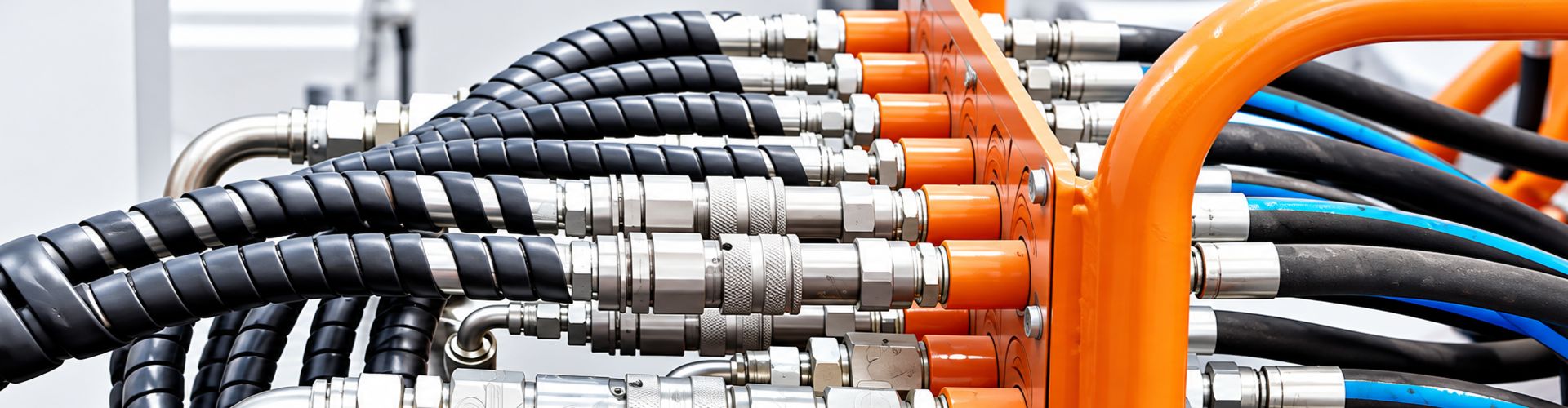
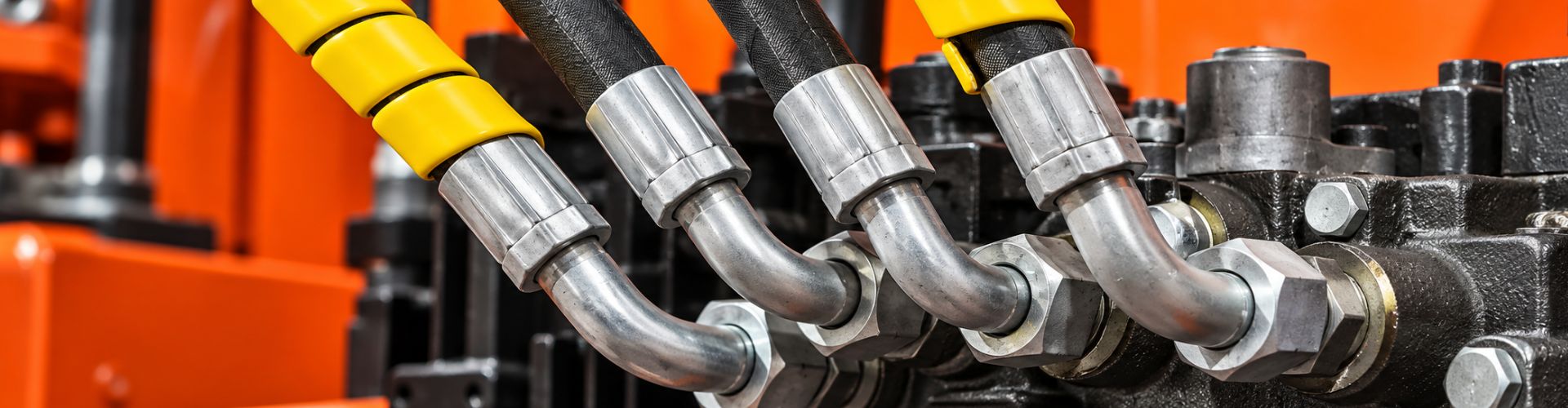
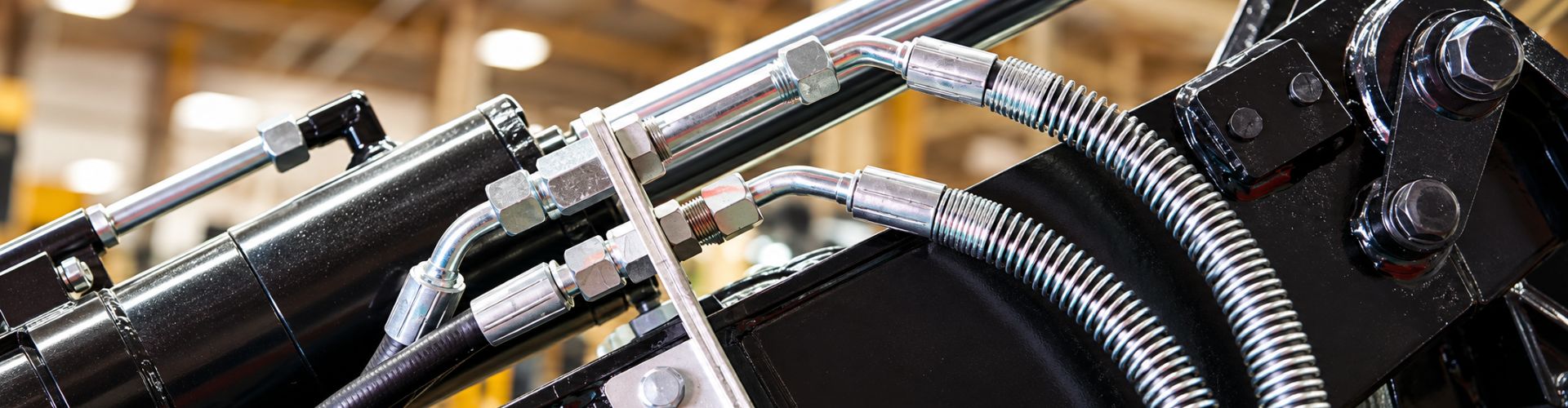
Pressure vs Suction Hoses banner

Pressure vs Suction Hoses: Key Differences Explained 

Pressure hoses are designed to handle high-pressure environments, allowing them to convey fluids or gases at elevated pressures. They are commonly used in applications where maintaining a constant flow under pressure is essential, such as in hydraulic systems or high-pressure cleaning equipment. On the other hand, suction hoses are engineered to handle negative pressure or vacuum conditions. They are typically used for drawing in liquids or gases, such as in vacuum systems, or for transferring materials in agricultural settings.

Understanding Pressure and Suction Hoses

Definition and Purpose

Pressure Hoses: Pressure hoses are specifically designed to withstand and convey fluids or gases at high pressures. These hoses are built with reinforced layers to handle the stress exerted by the pressurized contents. Their primary function is to ensure that the fluid or gas is delivered efficiently and safely from one point to another, even under intense pressure. They are crucial in applications where high pressure is essential for operation, such as hydraulic systems, high-pressure cleaning, and various industrial processes.

Suction Hoses: Suction hoses, in contrast, are designed to operate under negative pressure or vacuum conditions. These hoses are built to handle the forces of suction without collapsing or deforming. Their primary role is to draw fluids or gases into a system, making them essential for applications such as vacuum systems, material transfer in agriculture, and industrial suction applications. Suction hoses must be flexible yet strong enough to maintain their shape and functionality under the influence of suction forces.

Suction Hoses component

Typical Applications

Pressure Hoses: Commonly used in hydraulic systems for machinery and vehicles, high-pressure cleaning equipment, and industries requiring the transfer of fluids under pressure. Examples include hydraulic lifts, car wash systems, and high-pressure pumps.

Suction Hoses: Used in applications that involve drawing in fluids or gases, such as in agricultural irrigation systems, vacuum pumps, and industrial suction systems for dust and debris. Examples include agricultural irrigation setups, vacuum cleaners, and industrial material handling.

Basic Functionality

How Pressure Hoses Work: Pressure hoses are designed to operate effectively in environments where the internal pressure is significantly higher than the external pressure. They are constructed with multiple layers of reinforcement, including braided or spiral steel wires, to provide strength and prevent bursting. The inner lining of the hose is typically made from materials that can withstand high pressure, such as synthetic rubber or thermoplastic elastomers. When fluid or gas is pumped through the hose, the reinforced layers distribute the pressure evenly, allowing the hose to maintain its integrity and deliver the contents efficiently.

How Suction Hoses Work: Suction hoses function under conditions where the pressure inside the hose is lower than the atmospheric pressure outside. These hoses are constructed with flexible materials and often include a spiral reinforcement to prevent collapse under vacuum conditions. The hose’s design allows it to maintain its shape and resist deformation when suction forces are applied. The inner lining is typically made from materials that can handle the forces of suction and the type of fluid being conveyed. Suction hoses are essential for systems that need to draw in fluids or gases, ensuring smooth and efficient flow without compromising the hose’s structural integrity.

Construction and Design Differences

Material Composition

Common Materials Used for Pressure Hoses: Pressure hoses are engineered to withstand high internal pressures and are typically made from materials that offer durability and resistance to pressure. Common materials include:

Rubber: Natural or synthetic rubber (such as nitrile or neoprene) is often used due to its flexibility and ability to handle high pressures. Rubber hoses can be reinforced with additional layers for increased strength.

Thermoplastic: Thermoplastic elastomers (TPE) and thermoplastic polyurethane (TPU) are used for their resistance to pressure, abrasion, and chemicals. These materials offer good flexibility and strength, making them suitable for various high-pressure applications.

Common Materials Used for Suction Hoses: Suction hoses are designed to handle negative pressure and are constructed from materials that maintain their shape under vacuum conditions. Common materials include:

PVC (Polyvinyl Chloride): PVC is widely used due to its affordability, flexibility, and resistance to corrosion. It’s suitable for light to medium-duty suction applications.

Rubber: Rubber is also used in suction hoses for its flexibility and durability. It can handle a variety of fluids and is often reinforced to maintain structural integrity under suction conditions.

High pressure Hydraulic Fitting installation

Reinforcement and Structure

Reinforcement Layers in Pressure Hoses: Pressure hoses require robust reinforcement to handle intense internal pressures. Common reinforcement methods include:

Braided Reinforcement: Braided layers, often made of steel wire or synthetic fibers, are woven around the hose’s core to provide strength and flexibility. Braiding helps distribute pressure evenly and prevents the hose from expanding or bursting under high pressure.

Spiral Reinforcement: Spiral-wound reinforcement, typically made from steel wire, is used for hoses that experience very high pressures. This design offers superior strength and resistance to deformation, ensuring that the hose maintains its shape and functionality under extreme pressure.

Structure of Suction Hoses: Suction hoses are designed to resist collapse under vacuum conditions. Common structural features include:

Spiral Reinforcement: Many suction hoses incorporate a spiral wire or plastic reinforcement embedded in the hose wall. This spiral structure helps the hose maintain its shape and prevents it from collapsing or kinking when subjected to suction forces.

Flexible Construction: The flexibility of suction hoses is crucial for their performance. The hose’s design often includes a combination of flexible materials and reinforcement to ensure it can handle varying suction conditions without losing integrity.

Differences in Lining for Pressure and Suction Hoses

Pressure Hoses: The inner lining of pressure hoses is typically made from materials that can withstand high pressures and resist abrasion. Rubber linings, such as nitrile or EPDM, are common for their durability and resistance to the chemicals and temperatures associated with high-pressure applications.

Suction Hoses: The inner lining of suction hoses is designed to handle negative pressure and resist abrasion from the conveyed materials. PVC or rubber linings are often used, with a focus on flexibility and resistance to wear and tear. The lining needs to be robust enough to handle the stress of suction without compromising performance.

Outer Covering:

Pressure Hoses: The outer covering of pressure hoses is designed to protect against external damage, such as abrasion, UV exposure, and chemicals. Common materials include rubber or thermoplastic compounds that offer excellent durability and resistance to environmental factors. The outer cover also provides additional strength and flexibility.

Suction Hoses: The outer covering of suction hoses is typically designed to resist wear and tear from environmental conditions, such as abrasions and UV exposure. It may also be made from flexible materials like PVC or rubber, with additional reinforcement to protect against external damage while maintaining the hose’s ability to perform under suction conditions.

Performance Characteristics

Pressure Ratings

Pressure hoses are designed to handle different levels of pressure depending on their construction and application. Maximum pressure ratings vary widely, with some common benchmarks:

Low-Pressure Hoses: Typically handle pressures up to 3000 psi. These are often used in lighter-duty hydraulic systems and applications where extreme pressure is not required.

Medium-Pressure Hoses: Generally rated for pressures ranging from 3000 to 6000 psi. These hoses are used in more demanding hydraulic systems and industrial applications.

High-Pressure Hoses: Designed for pressures above 6000 psi, with some hoses rated for up to 10,000 psi or more. These are used in extreme environments, such as high-pressure cleaning and certain hydraulic systems.

Suction hoses are designed to operate under negative pressure conditions, but they have limitations in terms of how much vacuum they can handle. Key considerations include:

Maximum Vacuum Rating: Suction hoses can typically handle vacuums up to 29.9 inches of mercury (Hg), which is close to a full vacuum. Beyond this, the risk of collapse or deformation increases.

Limitations: Excessive suction pressure can cause the hose to collapse if it lacks adequate reinforcement. The hose must be chosen based on the specific vacuum conditions of the application to avoid operational issues.

use Suction Hoses

Temperature Tolerance

Temperature Ranges for Pressure Hoses: Pressure hoses must be able to withstand a range of temperatures depending on their intended use. Common temperature tolerances include:

Low-Temperature Tolerance: Some pressure hoses can operate effectively at temperatures as low as -40°F (-40°C), making them suitable for cold weather applications.

High-Temperature Tolerance: Many pressure hoses can handle temperatures up to 250°F (121°C) or higher. Specially designed hoses can withstand even more extreme temperatures, reaching up to 400°F (204°C) or more, depending on the material and construction.

Temperature Tolerance of Suction Hoses: Suction hoses also need to manage varying temperatures, although their tolerance may differ from pressure hoses:

Low-Temperature Tolerance: Suction hoses are generally effective at temperatures as low as -20°F (-29°C) to -40°F (-40°C), depending on the material.

High-Temperature Tolerance: Suction hoses usually handle temperatures up to 150°F (66°C) to 200°F (93°C). Higher temperatures may require specialized hoses with specific materials and construction to maintain performance and flexibility.

Flexibility and Bend Radius

Flexibility and Bend Radius Requirements for Pressure Hoses: Pressure hoses need to be flexible enough to accommodate various installation scenarios while maintaining their performance under pressure. Key considerations include:

Flexibility: Pressure hoses are designed with flexibility in mind, allowing them to be routed around obstacles and through tight spaces without kinking or collapsing. The degree of flexibility depends on the hose material and reinforcement.

Bend Radius: Each pressure hose has a minimum bend radius, which is the tightest curve the hose can make without damaging its structure. A typical minimum bend radius ranges from 2 to 4 times the hose diameter. Exceeding this bend radius can lead to reduced flow, increased wear, or hose failure.

Flexibility Considerations for Suction Hoses: Suction hoses must also be flexible to ensure smooth operation in various applications. Key factors include:

Flexibility: Suction hoses are generally more flexible than pressure hoses to facilitate ease of use and installation. This flexibility helps them conform to different layouts and routing paths.

Bend Radius: Suction hoses often have a larger minimum bend radius compared to pressure hoses, which helps prevent kinking under suction conditions. A typical minimum bend radius is about 1.5 to 3 times the hose diameter. A proper bend radius is essential to avoid collapse and ensure efficient suction performance.

Applications and Industry Uses

Pressure Hose Applications

Common Industries Using Pressure Hoses: Pressure hoses are integral to many industries where high pressure is necessary for operational efficiency. Key industries include:

Automotive Industry: Pressure hoses are used in various automotive applications, such as hydraulic systems for brakes and steering, as well as in high-pressure fuel lines. These hoses ensure the safe and efficient transfer of fluids under high pressure.

Construction Industry: In construction, pressure hoses are essential for hydraulic machinery, including excavators, bulldozers, and cranes. They are used to transfer hydraulic fluids that power these machines, providing the necessary force for heavy lifting and other tasks.

Manufacturing and Industrial Processes: Pressure hoses are utilized in manufacturing processes that require high-pressure fluid transfer, such as in the operation of hydraulic presses, pumps, and machinery. They also play a role in high-pressure cleaning systems used in industrial settings.

Specific Use Cases and Examples:

Automotive Braking Systems: Pressure hoses transfer brake fluid from the master cylinder to the brake calipers, ensuring the vehicle’s braking system operates effectively under high pressure.

Hydraulic Excavators: These machines use pressure hoses to transfer hydraulic fluid to various components, allowing for the movement and operation of the digger’s arm and bucket.

Pressure Washers: High-pressure hoses in pressure washers deliver water at high speeds for cleaning surfaces, and removing dirt, grime, and stains in both residential and commercial settings.

apply Suction Hoses

Suction Hose Applications

Industries Relying on Suction Hoses: Suction hoses are crucial in industries where drawing in materials or fluids is required. Key industries include:

Agriculture: Suction hoses are widely used in agriculture for irrigation systems, fertilizer applications, and the transfer of liquids and granular materials. They help in drawing water from sources and delivering it to fields and crops.

Marine Industry: In marine applications, suction hoses are used for bilge pumping and transferring fuel or other liquids on boats and ships. They are essential for maintaining the vessel’s operational efficiency and safety.

Construction and Waste Management: Suction hoses are used in construction for vacuuming up debris, dust, and materials. In waste management, they are employed for transferring sewage and other waste materials in vacuum trucks.

Specific Use Cases and Examples:

Irrigation Systems: Suction hoses are used to draw water from wells or reservoirs and deliver it to irrigation systems, ensuring efficient watering of crops and plants.

Bilge Pumps: On ships, suction hoses are employed in bilge pumps to remove water from the vessel’s bilge, preventing flooding and maintaining vessel stability.

Vacuum Trucks: In waste management, suction hoses are used in vacuum trucks to collect and transport sewage, sludge, and other waste materials, facilitating effective waste disposal and management.

Selection Criteria and Buying Guide

Pressure Ratings

Determine Required Pressure Capacity: Assess the maximum pressure the hose will be exposed to in your application. Pressure hoses must match or exceed this requirement to ensure safe and reliable operation.

Check Suction Pressure: For suction hoses, consider the maximum vacuum or negative pressure they need to handle. Ensure the hose can maintain its integrity and performance under these conditions.

Material

Pressure Hoses: Choose materials based on the fluid being conveyed and the operating environment. Common materials include rubber (for flexibility and durability), thermoplastics (for chemical resistance and strength), and reinforced composites (for high-pressure scenarios). Ensure the material can withstand both internal pressure and external environmental factors.

Suction Hoses: Select materials that offer flexibility and can resist collapse under vacuum conditions. PVC is suitable for light-duty applications, while reinforced rubber or thermoplastics may be needed for more demanding uses. Consider material compatibility with the substances being conveyed and the hose’s flexibility requirements.

Temperature Tolerance

Evaluate Temperature Requirements: Consider the operating temperature range of the hose. Ensure the hose material can handle the maximum and minimum temperatures without degrading or losing performance. Pressure hoses often need to tolerate a broader temperature range, while suction hoses might have more specific temperature constraints based on their construction.

Flexibility and Bend Radius

Flexibility Needs: Assess the flexibility required for your application. Pressure hoses need to be flexible enough for installation and movement without kinking, while suction hoses should be pliable to navigate around obstacles and maintain effective suction.

Bend Radius: Choose hoses with an appropriate minimum bend radius to prevent damage. Pressure hoses require a tighter bend radius to avoid constriction, while suction hoses must be flexible enough to avoid collapsing.

How to Match Hoses with Specific Applications

Identify the Application Requirements:

Pressure Applications: For hydraulic systems, high-pressure cleaning, or other high-pressure tasks, select hoses with high pressure ratings and durable materials. Consider factors such as fluid type, pressure conditions, and environmental exposure.

Suction Applications: For applications involving the drawing of fluids or materials, such as in agriculture or waste management, choose hoses designed to handle vacuum conditions with appropriate reinforcement to prevent collapse.

Consider the Environment:

Exposure to Chemicals and Abrasion: If the hose will be exposed to harsh chemicals or abrasive materials, select hoses with chemical-resistant linings and durable outer coverings to ensure longevity and performance.

Temperature Extremes: Match the hose’s temperature tolerance with the environmental conditions it will face. For extreme temperatures, ensure the hose is rated for those conditions to prevent failure.

Check for Compatibility:

Couplings and Fittings: Ensure that the hose is compatible with the couplings and fittings used in your system. Mismatched components can lead to leaks or failures.

Application-Specific Features: Some applications may require specialized hoses with additional features such as fire resistance, UV protection, or food-grade compliance. Choose hoses that meet these specific needs.

Conclusion

For best results, consulting with an industry expert or hose supplier can provide valuable insights tailored to your specific needs. Topa experts can help you navigate the complexities of hose selection, ensuring that you choose the product that best suits the needs of your application. With our knowledge, you can make informed decisions and get the best performance from your hose system.


FAQ

What is the main difference between pressure and suction hoses?

Pressure hoses are designed to handle high-pressure environments and deliver fluids under pressure, while suction hoses are built to operate under negative pressure or vacuum conditions to draw fluids in.

What materials are commonly used in pressure hoses?

Pressure hoses are typically made from materials like rubber, thermoplastics, and reinforced composites to withstand high pressure and provide durability.

Can suction hoses be used for high-pressure applications?

No, suction hoses are not designed for high-pressure applications. They are meant for drawing fluids under vacuum and have limitations regarding pressure handling.

How do I determine the right hose for my application?

Consider factors such as the required pressure rating, material compatibility, temperature tolerance, and flexibility needs.

What should I do if I’m unsure about which hose to choose?

Consult with hose suppliers or industry experts. They can provide guidance based on your application’s specific needs and help you select the most appropriate hose.

How often should hoses be inspected or replaced?

Hoses should be regularly inspected for signs of wear, damage, or degradation. The frequency of inspection depends on usage and environmental conditions, but it’s generally a good practice to check them periodically and replace them as needed to prevent failures.

Suction Hoses Guide banner

Suction Hoses Guide: Why Material Choice Matters

Suction hoses are essential components in various industrial and commercial applications, designed to transport liquids, slurries, and gases from one point to another under vacuum conditions. They play a crucial role in industries such as agriculture, construction, and manufacturing, where they handle materials like water, chemicals, and powders. Choosing the right material for suction hoses is vital because it directly impacts performance, durability, and safety. Different materials offer distinct advantages and limitations, affecting the hose’s resistance to temperature, pressure, and chemicals.

Types of Suction Hoses

Suction hoses are designed to handle various types of fluids and conditions, and their construction can vary widely based on the materials used. Here’s an expanded overview of the common types of suction hoses and their specific applications:

Rubber Suction Hoses

Description: Rubber suction hoses are made from natural or synthetic rubber compounds. They are known for their exceptional flexibility and ability to withstand physical wear and tear. These hoses are commonly used in industries that require durable and flexible hose solutions.

Properties:

Flexibility: Rubber hoses can bend and flex easily, which is advantageous in dynamic environments where hoses need to maneuver around obstacles.

Durability: The rubber material is resistant to abrasion, impacts, and cuts, making it suitable for rugged applications.

Temperature Resistance: Rubber hoses can handle a wide range of temperatures, from very low to very high, depending on the specific rubber compound used.

Applications:

Industrial Settings: Ideal for transferring materials like sand, gravel, and chemicals in construction, mining, and agricultural industries.

Heavy Machinery: Commonly used in hydraulic systems and machinery where flexibility and durability are critical.

High-Impact Environments: Suitable for environments where the hose is subjected to physical stress and abrasion.

Suction Hoses Topa

PVC Suction Hoses

Description: PVC (Polyvinyl Chloride) suction hoses are made from a type of plastic known for its versatility and cost-effectiveness. These hoses are generally lightweight and are used in applications where the hose is not subjected to extreme conditions.

Properties:

Cost-Effectiveness: PVC hoses are generally less expensive than rubber hoses, making them a budget-friendly option.

Lightweight: The plastic construction makes PVC hoses lighter, which simplifies handling and installation.

Chemical Resistance: PVC is resistant to many chemicals and solvents, making it suitable for various fluid transfer applications.

Applications:

Agricultural: Used for irrigation and drainage systems where flexibility and chemical resistance are needed.

Light Industrial: Common in less demanding industrial applications, such as light-duty suction and discharge tasks.

Water Transfer: Suitable for transferring water and mild chemical solutions in various settings.

Reinforced Suction Hoses

Description: Reinforced suction hoses are designed with additional layers of reinforcement materials such as polyester, steel, or other synthetic fibers. These layers enhance the hose’s strength and pressure resistance, making it suitable for more demanding applications.

Properties:

Strength: The reinforcement provides additional strength and prevents the hose from collapsing under suction pressure, ensuring reliable performance in high-pressure situations.

Durability: Reinforced hoses are less prone to kinking and abrasion, increasing their lifespan and reducing the likelihood of failure.

Pressure Resistance: Capable of handling higher pressures compared to non-reinforced hoses, making them suitable for demanding environments.

Applications:

High-Pressure Applications: Ideal for transferring materials under high suction or pressure conditions, such as in construction or mining operations.

Industrial and Commercial: Used in applications where durability and strength are paramount, including heavy-duty equipment and machinery.

Oil and Gas: Suitable for handling petroleum products and other substances that require robust, pressure-resistant hoses.

Material Options for Suction Hoses

Selecting the appropriate material for suction hoses is essential for ensuring optimal performance and durability. Here’s an in-depth look at the different material options available, including their benefits and drawbacks:

Rubber

Benefits:

Flexibility: Rubber hoses are highly flexible, allowing them to bend and maneuver easily around obstacles without kinking or collapsing. This flexibility is crucial in dynamic environments where the hose must move with equipment or machinery.

Temperature and Pressure Tolerance: Rubber can handle a broad range of temperatures, from very low to high extremes. It also withstands varying pressures, making it suitable for both high-pressure and vacuum applications.

Durability: Known for its resistance to abrasion, impacts, and cuts, rubber is durable and long-lasting, which is beneficial in rugged and demanding environments.

Drawbacks:

Cost: Rubber hoses generally come with a higher price tag compared to PVC hoses, which may not be ideal for budget-conscious projects.

Weight: Rubber is heavier than PVC, which can make handling and installation more cumbersome.

Environmental Concerns: Rubber hoses may have environmental impacts related to their production and disposal. Rubber is not always recyclable and can contribute to waste if not disposed of properly.

PVC

Benefits:

Affordability: PVC hoses are cost-effective, making them an economical choice for many applications. Their lower price point is ideal for projects with budget constraints.

Lightweight: PVC hoses are lighter than rubber, making them easier to handle, transport, and install. This can reduce labor costs and improve efficiency during installation.

Chemical Resistance: PVC has good resistance to a range of chemicals, making it suitable for transferring various fluids and chemicals without corroding.

Drawbacks:

Flexibility: PVC hoses are less flexible than rubber, which can limit their use in applications requiring tight bends or frequent movement.

Temperature Sensitivity: PVC can become brittle and prone to cracking under extreme temperatures, whether very high or very low, reducing its durability in harsh conditions.

Durability: Compared to rubber and reinforced hoses, PVC is less resistant to physical damage and wear, which can affect its performance over time.

Suction Hoses Topa

Composite Materials

Benefits:

Versatility: Composite hoses are made from a combination of materials, such as plastic, rubber, and reinforcing fibers, to provide a balance of flexibility, strength, and resistance to various conditions.

Enhanced Performance: The reinforcement within composite hoses improves their pressure and temperature resistance, making them suitable for demanding applications where both flexibility and durability are required.

Customizability: Composite materials can be tailored to specific needs by varying the composition and reinforcement layers, offering a bespoke solution for specialized applications.

Drawbacks:

Complex Manufacturing: The production process for composite hoses can be complex and costly due to the multiple materials and layers involved. This can lead to higher initial costs compared to simpler hose types.

Limitations in Extreme Conditions: While composite hoses offer many advantages, they may still have limitations in certain extreme environments or specific applications, depending on the materials used in the composite.

Metallic

Benefits:

Unmatched Durability: Metallic hoses are extremely durable and capable of handling high pressures and temperatures. They are ideal for applications where strength and longevity are paramount.

Extreme Condition Suitability: Metallic hoses can withstand extreme environmental conditions, including exposure to high temperatures, aggressive chemicals, and abrasive materials.

Fire Resistance: Metal hoses offer inherent fire resistance, making them suitable for applications where fire safety is a concern.

Drawbacks:

Weight: Metallic hoses are heavier than their rubber, PVC, or composite counterparts, which can make handling and installation more challenging.

Flexibility: The rigidity of metallic hoses limits their flexibility, which can be a disadvantage in applications requiring frequent movement or tight bends.

Cost: The cost of metallic hoses can be higher due to the materials and manufacturing processes involved, making them less suitable for budget-limited projects.

Factors Influencing Material Choice

Choosing the right material for suction hoses involves considering various factors to ensure the hose performs effectively and meets the demands of the application. Here’s a detailed exploration of the key factors:

Application Requirements

Description: The specific requirements of the application play a crucial role in determining the appropriate hose material. This includes understanding the environmental conditions and operational demands the hose will face.

Considerations:

Pressure and Temperature Conditions: Different materials have varying capacities for handling pressure and temperature. For instance, rubber hoses offer high flexibility and temperature tolerance, making them suitable for extreme conditions, while PVC hoses are best for moderate pressures and temperatures.

Chemical Exposure: Evaluate the types of chemicals the hose will encounter. PVC and composite materials often provide good chemical resistance, but specific requirements might necessitate a more specialized material.

Physical Stress: Consider if the hose will be subjected to physical stress, such as abrasion or impact. Reinforced and metallic hoses offer enhanced durability under such conditions.

Cost vs. Performance

Description: Balancing budget constraints with performance requirements is essential for making a cost-effective choice.

Initial Costs: Higher-quality materials often come with a higher price tag. Assess whether the initial investment in a more expensive material will be justified by its performance and longevity.

Long-Term Value: Consider the overall value of the hose over its entire service life. While cheaper options may reduce initial costs, they could lead to more frequent replacements or repairs, ultimately increasing the total cost of ownership.

Performance Needs: Match the material’s performance characteristics with the demands of the application. Investing in a higher-quality hose can result in better durability, reliability, and reduced downtime.

Suction Hoses component

Environmental Considerations

Description: The environmental impact of the hose material should be evaluated to ensure sustainability and compliance with environmental regulations.

Recyclability: Assess whether the material can be recycled at the end of its life cycle. Materials with higher recyclability reduce environmental impact and support sustainability efforts.

Ecological Footprint: Consider the environmental footprint associated with the production and disposal of the material. Some materials may involve more resource-intensive processes or have higher emissions during manufacturing.

Regulatory Compliance: Ensure that the material meets environmental regulations and standards, which may include restrictions on harmful substances and requirements for safe disposal.

Maintenance and Longevity

Description: The expected maintenance needs and lifespan of the hose are critical factors in determining its overall cost-effectiveness.

Maintenance Requirements: Different materials have varying maintenance needs. For example, rubber hoses may require regular inspections for wear, while metallic hoses might need less frequent but more specialized maintenance.

Lifespan: Evaluate the expected lifespan of the hose material based on the application and operating conditions. Materials with higher durability and resistance to wear can provide longer service life and lower overall costs.

Replacement Costs: Factor in the costs associated with replacing or repairing hoses. Durable materials may incur higher upfront costs but can reduce the frequency of replacements and maintenance, leading to cost savings in the long run.

Maintenance and Care Tips

Proper maintenance and care are crucial for ensuring the longevity and reliable performance of suction hoses. Following these tips will help prevent damage and maintain optimal functionality:

Proper Handling

Description: Handling hoses with care is essential to prevent damage that could affect their performance and lifespan.

Installation: During installation, ensure that the hose is correctly aligned and secured. Avoid sharp bends or kinks, as these can weaken the hose and lead to premature failure. Use proper fittings and clamps to prevent leaks and ensure a secure connection.

Avoiding Abrasions: Keep hoses away from sharp edges and abrasive surfaces that can cause physical damage. When routing hoses, ensure they do not come into contact with moving parts or other components that could cause wear.

Operational Care: Regularly check for any signs of strain or wear during operation. Ensure that the hose is not subjected to pressures or temperatures beyond its rated capacity.

Signs of Wear

Description: Routine inspections are vital to identify early signs of wear and prevent potential failures.

Cracks and Splits: Look for any cracks or splits along the hose’s surface. These can indicate material degradation and may lead to leaks or bursts if not addressed.

Abrasion and Fraying: Check for signs of abrasion or fraying, especially in areas where the hose may come into contact with surfaces or equipment. Abraded areas can weaken the hose and reduce its effectiveness.

Leaks: Inspect the hose connections and the entire length for any signs of leaks. Leaks can indicate issues with the hose material or connections and should be addressed immediately to prevent fluid loss and potential damage.

Storage Recommendations

Description: Proper storage extends the hose’s lifespan and ensures it remains in good condition for future use.

Environment: Store hoses in a cool, dry location away from direct sunlight. UV rays from sunlight can degrade the hose material over time, reducing its flexibility and strength.

Avoid Chemicals: Keep hoses away from chemicals or solvents that could react with the material and cause deterioration. Ensure that the storage area is free from harsh environmental conditions that could negatively impact the hose.

Proper Wrapping: If storing hoses for extended periods, wrap them loosely to avoid creating kinks or bends. Store them in a manner that avoids excessive tension or compression, which can affect their performance.

Conclusion

The material choice for suction hoses is pivotal in ensuring their effectiveness and longevity in various applications. By understanding the benefits and drawbacks of different materials, as well as considering application-specific requirements, you can make an informed decision. Evaluate all factors to select the most appropriate material for your needs, ensuring optimal performance and cost-efficiency.


FAQ

What is a suction hose?

A suction hose is a flexible tube used to transport fluids or gases through a vacuum or suction system. It is commonly used in various industries for moving liquids, slurries, and gases.

How do I choose the right suction hose?

Choose a suction hose based on the application’s requirements, such as pressure, temperature, chemical compatibility, and flexibility. Consider factors like material durability, cost, and environmental impact.

What are the common materials used for suction hoses?

Common materials include rubber, PVC, composite materials, and metallic options. Each material offers different benefits such as flexibility, chemical resistance, and durability.

How often should suction hoses be inspected?

Suction hoses should be inspected regularly, at least once a month or before each use, to check for signs of wear, such as cracks, leaks, or abrasions.

How should suction hoses be stored?

Store suction hoses in a cool, dry place away from direct sunlight and chemicals. Avoid storing them in extreme temperatures or under heavy weights to prevent damage.

What are the signs that a suction hose needs to be replaced?

Signs that a suction hose needs replacement include visible cracks or splits, severe abrasion, leaks, or loss of flexibility. If any of these issues are detected, it’s time to replace the hose to maintain safety and performance.

Neglecting Hose Maintenance banner

Neglecting Hose Maintenance: Hidden Financial Costs

Hydraulic hose maintenance is critical for ensuring the reliable operation and safety of hydraulic systems. Regular upkeep prevents unexpected failures, reduces downtime, and extends the lifespan of the equipment. Neglecting this essential maintenance, however, can lead to hidden financial costs that often go unnoticed until they escalate. These costs include expensive repairs, prolonged downtime, and potential safety hazards that can result in legal ramifications.

Understanding Hydraulic Hoses Maintenance

A. Definition and Purpose

1. What Hydraulic Hoses Do and Why They’re Crucial

Hydraulic hoses are vital components in hydraulic systems, designed to transfer hydraulic fluid between various parts of machinery. They enable the transmission of high-pressure fluid necessary for powering hydraulic actuators, motors, and other devices, allowing for precise control and operation of complex systems. The reliability of hydraulic hoses directly impacts the efficiency, safety, and performance of machinery across numerous industries, including manufacturing, construction, and automotive.

thermoplastic hose

2. Key Components and Functions

Hydraulic hoses are constructed from several key components, each serving a specific function:

Inner Tube: The innermost layer, made of synthetic rubber or thermoplastic, is designed to handle the hydraulic fluid and withstand high pressure.

Reinforcement Layers: These layers, typically made of steel wire or textile fibers, provide strength and flexibility to the hose, enabling it to withstand the pressure and pulsations of the hydraulic system.

Outer Cover: The outermost layer protects the hose from environmental factors such as abrasion, chemicals, and extreme temperatures, ensuring durability and longevity.

Together, these components ensure that hydraulic hoses can efficiently transfer fluid while withstanding the demanding conditions of industrial operations.

B. Regular Maintenance Practices

1. Routine Inspections and What to Look For

Regular inspections are essential for identifying potential issues before they lead to significant problems. Key aspects to check during inspections include:

Visual Inspection: Look for signs of wear and tear such as cracks, blisters, or fraying on the outer cover. Inspect for any bulging or deformation, which could indicate internal damage.

Leaks: Check for any fluid leakage around hose fittings and connections, as this can signal a compromised hose.

Hose Routing: Ensure hoses are routed correctly, avoiding sharp bends, kinks, or excessive vibration that could lead to premature failure.

Routine inspections help in the early detection of issues, allowing for timely repairs or replacements and minimizing the risk of unexpected failures.

2. Cleaning and Replacement Schedules

Maintaining a regular cleaning and replacement schedule is crucial for ensuring the longevity and performance of hydraulic hoses:

Cleaning: Regularly clean hoses to remove dirt, debris, and contaminants that could cause damage or interfere with the fluid flow. Use appropriate cleaning agents and methods recommended by the hose manufacturer.

Replacement: Establish a replacement schedule based on the manufacturer’s recommendations and the operating conditions. Replace hoses that show signs of significant wear or damage to prevent failures. Keep track of hose age and usage to determine the optimal replacement intervals.

Implementing a systematic approach to cleaning and replacement helps maintain the efficiency and safety of hydraulic systems, ultimately reducing the risk of costly failures and extending the life of the hoses.

Financial Costs of Neglect

A. Increased Repair Expenses

1. Case Studies or Examples of Costly Repairs Due to Neglect

Neglecting hydraulic hoses maintenance can lead to severe repair costs. For instance, a manufacturing plant experienced a major breakdown due to a burst hydraulic hose that had not been inspected for months. The resulting damage required the replacement of several critical components, costing the plant thousands of dollars in repairs and parts. Another example is a construction site where a neglected hydraulic hose caused the malfunction of heavy machinery, leading to extensive damage and costly repairs that significantly impacted the project’s budget.

2. Breakdown of Common Repair Costs

Hose Replacement: Replacing a damaged hydraulic hose can range from $100 to $500, depending on the hose’s size and type.

Component Repairs: Damaged hoses often affect other components, such as pumps and valves, which can add several hundred dollars to the repair bill.

Labor Costs: The cost of labor for diagnosing and fixing issues can be significant, often ranging from $75 to $150 per hour, depending on the complexity of the repair.

By addressing maintenance issues promptly, businesses can avoid these costly repairs and ensure more predictable maintenance expenses.

Hose Fail environment

B. Downtime and Productivity Loss

1. How Downtime Affects Overall Productivity

Downtime resulting from hydraulic hose failures can severely impact productivity. For example, if a hydraulic system fails due to a hose issue, the affected machinery must be shut down until repairs are completed. This stoppage not only halts production but can also delay project timelines, disrupt workflow, and affect overall operational efficiency. In industries where time is critical, such as automotive manufacturing or construction, even a short period of downtime can lead to significant financial losses.

2. Financial Impact of Lost Operational Hours

Cost per Hour: Depending on the industry and machinery, the cost of lost operational hours can vary widely. For instance, a construction site might lose $1,000 to $5,000 per hour of downtime, while a manufacturing facility could face losses of $10,000 or more per hour.

Production Delays: Extended downtime can lead to missed deadlines and delayed deliveries, resulting in lost revenue and potential penalties from clients.

Opportunity Costs: The inability to meet production quotas or fulfill orders can result in lost business opportunities and diminished market competitiveness.

Effective maintenance practices can help minimize downtime and its associated financial impact, ensuring smoother and more efficient operations.

C. Safety Risks and Legal Costs

1. Examples of Safety Incidents Due to Poor Maintenance

Neglecting hydraulic hoses maintenance can lead to dangerous safety incidents. For instance, a poorly maintained hydraulic hose on a construction site burst, causing a catastrophic failure that injured workers and damaged equipment. Similarly, in an industrial setting, a burst hose resulted in a hazardous fluid spill that created a dangerous environment and required emergency cleanup.

2. Potential Legal Fees and Penalties for Safety Violations

Legal Fees: Incidents resulting from poor maintenance can lead to lawsuits and legal fees. Companies may face significant costs for legal representation, court fees, and settlements.

Penalties: Regulatory agencies, such as OSHA, may impose fines for safety violations resulting from neglected maintenance. Penalties can range from a few thousand dollars to several hundred thousand dollars, depending on the severity of the violation and the company’s safety record.

Insurance Costs: Frequent incidents and claims can increase insurance premiums, adding to the overall financial burden.

Long-Term Financial Implications

A. Decreased Equipment Lifespan

1. How Neglecting Maintenance Shortens the Life of Hydraulic Systems

Neglecting hydraulic hoses maintenance can significantly reduce the lifespan of hydraulic systems. Hydraulic hoses are designed to endure high pressure and harsh conditions, but without regular inspections and timely replacements, they can deteriorate more quickly. For example, a hose that is allowed to wear out or become damaged can lead to increased stress on connected components, such as pumps, cylinders, and valves. This added stress accelerates the wear and tear on these components, leading to more frequent breakdowns and a shorter overall lifespan for the hydraulic system.

2. Replacement Costs Versus Maintenance Costs

Replacement Costs: The cost of replacing an entire hydraulic system due to neglect can be substantial, often running into tens or hundreds of thousands of dollars, depending on the complexity and scale of the system. This includes the cost of purchasing new equipment, installation, and downtime associated with the replacement.

Maintenance Costs: In contrast, regular maintenance, including inspections, minor repairs, and timely replacements of worn hoses, is significantly cheaper. Routine maintenance can prevent major failures and extend the lifespan of hydraulic systems, ultimately reducing the need for costly replacements.

Investing in regular maintenance helps avoid the high costs associated with premature equipment replacement and ensures that hydraulic systems operate efficiently for a longer period.

B. Increased Operational Costs

1. Impact on Energy Consumption and Operational Efficiency

Neglecting hydraulic hoses maintenance can lead to inefficiencies in hydraulic systems, affecting energy consumption and overall operational efficiency. For example, a worn or damaged hose can cause leaks or restrict fluid flow, forcing the system to work harder to achieve the same performance. This increased workload can lead to higher energy consumption and reduced efficiency.

Energy Consumption: Inefficient systems often require more power to operate, leading to higher energy bills. For instance, if a hydraulic pump must work harder to compensate for decreased efficiency due to a faulty hose, energy costs can increase significantly.

Operational Efficiency: Reduced efficiency can affect the performance of machinery, leading to slower production rates and decreased throughput. This inefficiency can also cause more frequent breakdowns, further impacting productivity and increasing operational costs.

2. Examples of Higher Running Costs Due to Inefficient Systems

Higher Fuel or Electricity Costs: Equipment that operates inefficiently due to neglected maintenance can lead to increased fuel or electricity costs. For instance, a hydraulic system with fluid leaks or pressure drops will consume more power to maintain performance.

Increased Wear and Tear: Poorly maintained systems may experience accelerated wear on components, leading to more frequent repairs and replacements. For example, a hydraulic pump operating under suboptimal conditions may require more frequent servicing or parts replacements, increasing overall running costs.

Implementing an Effective Maintenance Strategy

Steps to Create a Comprehensive Maintenance Schedule

Creating a robust maintenance plan involves several key steps to ensure that hydraulic systems are maintained effectively and efficiently. Here’s a structured approach to developing a comprehensive maintenance schedule:

Assess Equipment Needs: Begin by evaluating the specific requirements of your hydraulic equipment. Identify the types of maintenance needed based on equipment type, usage patterns, and manufacturer recommendations.

Define Maintenance Tasks: Outline all necessary maintenance tasks, including routine inspections, cleaning, lubrication, and parts replacement. Specify the frequency of each task based on equipment usage and condition.

Set Maintenance Intervals: Establish intervals for each maintenance task, such as daily, weekly, monthly, or quarterly. Ensure that the intervals align with the manufacturer’s recommendations and the equipment’s operating conditions.

Assign Responsibilities: Designate personnel responsible for carrying out each maintenance task. Ensure that staff members have the necessary skills and knowledge to perform the tasks effectively.

Create a Maintenance Calendar: Develop a calendar or schedule that outlines when each maintenance task is due. Include reminders for upcoming tasks to ensure timely execution.

Document Procedures: Maintain detailed records of maintenance procedures, including checklists and protocols. Documentation helps ensure consistency and provides a reference for future maintenance activities.

Review and Update: Regularly review and update the maintenance plan based on equipment performance, operational changes, and feedback from maintenance personnel. Adapt the plan as needed to address new challenges or improvements.

Tools and Resources for Tracking and Managing Maintenance

Maintenance Management Software: Utilize software solutions like CMMS (Computerized Maintenance Management Systems) to track maintenance schedules, manage work orders, and analyze maintenance data. Examples include Maintenance Connection, Hippo CMMS, and UpKeep.

Spreadsheets and Checklists: For smaller operations, spreadsheets or checklists can be effective tools for tracking maintenance tasks and schedules. Create templates to monitor task completion and upcoming maintenance.

Inspection Tools: Invest in tools such as pressure gauges, thermometers, and ultrasonic testers to aid in inspections and diagnostics. These tools help identify potential issues before they escalate.

Inventory Management: Implement inventory management systems to keep track of spare parts and maintenance supplies. Ensure that critical components are available when needed to minimize downtime.

Training and Resources

Training staff on maintenance best practices is crucial for the effective implementation of a maintenance strategy. Proper training ensures that personnel are knowledgeable about maintenance procedures, safety protocols, and the operation of hydraulic systems. Key aspects of staff training include:

Understanding Equipment: Educate staff on the components and functions of hydraulic systems, including common issues and maintenance needs. This knowledge helps them identify problems early and perform maintenance tasks correctly.

Safety Protocols: Emphasize safety procedures to prevent accidents and injuries during maintenance activities. Training should cover the proper use of personal protective equipment (PPE), safe handling of hydraulic fluids, and emergency response procedures.

Maintenance Techniques: Provide training on specific maintenance techniques, such as hose inspections, fluid replacement, and component lubrication. Hands-on training and demonstrations can enhance understanding and skill development.

Record-Keeping: Teach staff how to document maintenance activities accurately, including recording inspections, repairs, and parts replacements. Proper documentation helps track maintenance history and supports compliance with regulations.

Proactive maintenance not only prevents costly repairs and downtime but also ensures that your equipment operates safely and efficiently. By taking these steps, you can safeguard your investment, improve equipment performance, and ultimately enhance your business’s bottom line. Embrace a proactive approach to maintenance today to reap the benefits of cost savings, safety, and extended equipment life.


FAQ

What is hydraulic hose maintenance?

Hydraulic hose maintenance involves regular inspections, cleaning, and replacing components to ensure the proper functioning and safety of hydraulic systems.

Why is regular maintenance important?

Regular maintenance prevents equipment failures, reduces repair costs, and avoids downtime, ultimately saving money and ensuring operational efficiency.

What are the common signs of a failing hydraulic hose?

Signs include leaks, bulges, cracks, or reduced performance. If you notice these issues, the hose should be inspected or replaced immediately.

How often should hydraulic hoses be inspected?

Hoses should be inspected regularly according to the manufacturer’s recommendations.

What tools are needed for hydraulic hoses maintenance?

Common tools include pressure gauges, thermometers, ultrasonic testers, and maintenance management software for tracking and scheduling tasks.

What are the financial benefits of proactive maintenance?

Proactive maintenance helps avoid costly repairs, reduces downtime, and extends equipment life, leading to significant cost savings and improved operational efficiency.

Excavator Hydraulic Hose Failure banner

Excavator Hydraulic Hose Failure: The Hidden Dangers

Excavators are vital machinery in construction and heavy industry, relying on sophisticated hydraulic systems to perform their various functions. These systems use hydraulic hoses to transmit fluid power from the pump to different parts of the excavator, enabling operations such as digging, lifting, and rotating. Hydraulic hoses are critical components in this setup, as they ensure the efficient and safe delivery of hydraulic fluid under high pressure. However, the importance of these hoses often goes unnoticed until failure occurs, which can lead to significant operational disruptions and safety hazards. This post aims to shed light on the hidden dangers associated with hydraulic hose failure in excavators.  

Understanding Hydraulic Hoses

What Are Hydraulic Hoses?

Hydraulic hoses are flexible tubes designed to convey hydraulic fluid between various components of a hydraulic system. They play a crucial role in transmitting high-pressure fluid from the pump to the actuators, enabling precise control of machinery. Their primary function is to maintain the pressure of the hydraulic fluid while withstanding the mechanical stresses of operation.

Hydraulic Hose Reinforcement Types

Components of a Hydraulic Hose A hydraulic hose typically consists of three main components:

Inner Tube: The innermost layer that carries the hydraulic fluid, made from materials like synthetic rubber or thermoplastic.

Reinforcement Layer: A layer of woven or spiral wire mesh that provides strength and durability, allowing the hose to withstand high pressure and mechanical stress.

Outer Cover: The external layer that protects the hose from environmental damage, abrasion, and chemical exposure. It is usually made from rubber or synthetic materials.

Types of Hydraulic Hoses Used in Excavators

Different Types and Their Applications

Wire-Braid Hoses: Used for moderate to high-pressure applications; their flexible design allows for easier routing and installation.

Wire-Spiral Hoses: Designed for high-pressure and high-impulse applications, offering greater strength and resistance to high-pressure surges.

Thermoplastic Hoses: Known for their lightweight and corrosion-resistant properties, often used in applications where flexibility and resistance to chemicals are important.

Common Materials and Construction

Rubber Hoses: Often used for their flexibility and resistance to oil and temperature extremes; suitable for a wide range of excavator hydraulic systems.

Thermoplastic Hoses: Made from materials like polyester or nylon, providing excellent resistance to chemicals and pressure.

Metallic Hoses: Occasionally used in specialized applications where high temperatures or extreme conditions are present; typically made from stainless steel or other durable metals.

Causes of Hydraulic Hose Failure

Hydraulic hoses are crucial components in excavators, enabling the transfer of hydraulic fluid to power various functions. However, like any mechanical part, they are susceptible to failure. Understanding the causes of hydraulic hose failure can help in preventive maintenance and ensure reliable excavator performance.

Internal Damage

Contamination and Wear: Hydraulic hoses are vulnerable to internal damage from contaminants such as dirt, debris, and particles in the hydraulic fluid. These contaminants can erode the inner lining of the hose, leading to reduced efficiency and eventual failure. Additionally, the continuous flow of high-pressure fluid can cause wear and tear on the hose’s internal components, exacerbating the problem over time.

Chemical Reactions and Temperature Effects: Hydraulic fluids often contain chemicals that can react with hose materials, causing degradation. For instance, certain fluids may cause the hose material to swell, crack, or become brittle. Temperature fluctuations also play a significant role; excessive heat can soften the hose material, while extreme cold can make it more rigid and prone to cracking. These chemical and temperature effects can significantly compromise the integrity of hydraulic hoses.

External Damage

Abrasion and Impact: External damage to hydraulic hoses is a common issue, primarily caused by abrasion and impact. Hoses that come into contact with rough surfaces, sharp edges, or heavy objects can suffer from abrasive wear, leading to eventual failure. Impact from accidental knocks or collisions can also damage the hose, creating weak points that may lead to leaks or bursts.

Environmental Factors: Hydraulic hoses are exposed to various environmental conditions that can accelerate deterioration. Ultraviolet (UV) radiation from sunlight can cause the hose material to become brittle and crack. Similarly, ozone and other environmental factors can degrade the hose’s outer layer, making it more susceptible to damage and failure.

Installation Issues

Incorrect Routing and Clamping: Proper installation is essential for the longevity of hydraulic hoses. Incorrect routing, such as bending hoses too sharply or placing them in high-stress areas, can lead to premature wear and failure. Additionally, improper clamping can cause hoses to rub against surfaces or each other, increasing the risk of abrasion and damage.

Misalignment and Vibration: Hydraulic hoses must be aligned correctly to avoid undue stress. Misalignment can result in excessive bending or stretching, which may cause hoses to fail. Vibrations from the excavator’s operation can also contribute to hose failure if not properly managed, as they can cause fatigue and eventual rupture.

Signs of Hydraulic Hose Failure

Detecting hydraulic hose failure early is critical for preventing significant damage and ensuring safe, efficient operation of excavators. There are several visual indicators and performance symptoms that can signal a failing hose.

Visual Indicators

Cracking, Bulging, or Swelling: One of the most apparent signs of hydraulic hose failure is visible damage to the hose itself. Cracking is a common issue, often caused by aging or exposure to harsh environmental conditions. When a hose begins to crack, it compromises the integrity of the hydraulic system, potentially leading to leaks. Bulging or swelling of the hose is another warning sign, indicating internal pressure build-up or weakening of the hose material. This can occur due to excessive pressure, contamination, or material degradation. These visual changes should prompt an immediate inspection to assess the extent of the damage.

Leaks and Fluid Loss: Leaking hydraulic fluid is a clear and concerning sign of hose failure. Leaks can occur at various points along the hose, including connections and the hose itself. Fluid loss not only reduces the efficiency of the hydraulic system but also poses safety risks, such as slipping hazards or environmental contamination. If you notice puddles of hydraulic fluid around the excavator or spots of fluid along the hose, it is crucial to address the issue promptly.

Excavator Hydraulic Hose Failure Topa

Performance Symptoms

Reduced Efficiency and Power Loss: A failing hydraulic hose can lead to a noticeable drop in the efficiency of the excavator’s hydraulic system. If you experience reduced lifting capacity, slower response times, or diminished power in the excavator’s functions, it could be due to a compromised hose. The reduced efficiency can affect overall performance, leading to decreased productivity and potential operational delays.

Unusual Noises and Vibrations: Abnormal noises or vibrations during excavator operation can indicate a problem with the hydraulic system, including hose issues. For example, hissing or squealing noises may signal leaks or pressure irregularities within the hose. Excessive vibrations can result from a hose that is not properly secured or aligned, leading to additional stress on the hydraulic system. These symptoms should be investigated immediately to prevent further damage.

The Risks and Consequences of Failure

Hydraulic hose failure in excavators can have significant repercussions beyond the immediate mechanical issues. Understanding the broader risks and consequences can help in prioritizing maintenance and preventive measures to avoid costly and potentially dangerous situations.

Safety Risks

Potential for Accidents and Injuries: One of the most critical risks associated with hydraulic hose failure is the potential for accidents and injuries. A ruptured or leaking hose can lead to sudden hydraulic fluid spray, which poses serious dangers to operators and nearby personnel. High-pressure hydraulic fluid can cause severe burns or injuries if it comes into contact with skin. Additionally, unexpected equipment malfunctions or loss of control due to hydraulic system failure can lead to accidents, endangering both the operator and others on the job site.

Impact on Operator Safety: The safety of the operator is directly impacted by hydraulic hose failure. When a hose fails, it can cause erratic or uncontrolled movement of the excavator’s attachments, increasing the risk of collisions or unintended operations. Operators may also be exposed to hazardous conditions, such as fluid leaks or high-pressure bursts, which can compromise their safety and overall working environment. Ensuring the integrity of hydraulic hoses is essential for maintaining a safe operating environment.

Operational Impact

Downtime and Productivity Loss: Hydraulic hose failures can result in significant downtime for the excavator, affecting the overall productivity of operations. When a hose fails, the equipment may need to be taken out of service for repairs or replacements, leading to delays in project timelines. This downtime can be costly, especially in high-demand or time-sensitive projects where every minute of operational efficiency counts. Prolonged downtime can also affect the project schedule and incur additional costs.

Damage to Other Components: A failed hydraulic hose can cause damage to other components within the hydraulic system or the excavator itself. For example, a burst hose can create a surge of hydraulic fluid that may damage hydraulic pumps, valves, or cylinders. Additionally, the debris from a failed hose can potentially contaminate the hydraulic fluid, affecting the performance and longevity of other system parts. Addressing hose failures promptly is crucial to preventing cascading damage to the overall hydraulic system.

Financial Implications

Repair and Replacement Costs: The direct financial implications of hydraulic hose failure include the costs associated with repairs and replacements. Replacing damaged hoses and repairing any secondary damage can be expensive, particularly if the failure leads to significant disruption. Additionally, if specialized technicians or parts are required for the repair, costs can escalate further. Regular maintenance and timely replacement of worn hoses can help mitigate these expenses.

Long-Term Financial Impact on Operations: Beyond immediate repair costs, hydraulic hose failures can have long-term financial impacts on operations. Prolonged downtime, reduced productivity, and potential damage to other components contribute to higher operational costs. Inconsistent equipment performance can also affect the overall efficiency of operations, leading to potential financial losses over time. Investing in preventive measures and maintaining hydraulic hoses in good condition is essential for minimizing these long-term financial impacts and ensuring smooth, cost-effective operations.

Preventive Measures and Best Practices

Preventing hydraulic hose failure is key to maintaining excavator performance and safety. Implementing best practices in inspection, installation, and hose selection can significantly reduce the risk of failure and extend the lifespan of hydraulic hoses.

Regular Inspection and Maintenance

Routine Checks and Monitoring: Regular inspection of hydraulic hoses is essential for early detection of potential issues. Schedule routine checks to look for signs of wear, damage, or leaks. Monitoring the condition of hoses during operation can help identify any irregularities that may signal a problem. By keeping a close eye on the hoses, you can address minor issues before they escalate into major failures.

Proper Cleaning and Servicing: Keeping hydraulic hoses clean and well-maintained is crucial for preventing contamination and damage. Regularly clean the external surfaces of hoses to remove dirt, debris, and other contaminants that can cause abrasion or wear. Additionally, ensure that hydraulic systems are serviced according to manufacturer recommendations, including fluid changes and system flushes to maintain optimal performance and hose condition.

Topa Excavator Hydraulic Hose Failure

Correct Installation Practices

Guidelines for Proper Installation: Proper installation of hydraulic hoses is vital for ensuring their longevity and performance. Follow installation guidelines carefully, including correct routing, avoiding sharp bends, and securing hoses with appropriate clamps. Ensure that hoses are installed without undue stress or kinks that could compromise their integrity. Adhering to these guidelines helps prevent common issues such as abrasion and misalignment.

Training and Certification for Technicians: Well-trained technicians are essential for maintaining high standards in hydraulic hose installation and maintenance. Invest in training and certification programs for your maintenance staff to ensure they are knowledgeable about the latest best practices and technologies. Skilled technicians can perform installations correctly and diagnose potential issues accurately, contributing to the overall reliability of the hydraulic system.

Upgrading and Choosing the Right Hoses

Selecting Hoses Based on Application and Conditions: Choosing the right hydraulic hoses for specific applications and environmental conditions is crucial for preventing failure. Consider factors such as pressure ratings, temperature ranges, and chemical compatibility when selecting hoses. Ensure that the hoses are suitable for the intended use, whether it’s for high-pressure systems or environments with extreme temperatures.

Innovations in Hose Technology and Materials: Advances in hose technology and materials can enhance the durability and performance of hydraulic hoses. Stay informed about the latest innovations, such as improved materials that offer better resistance to abrasion, chemicals, and extreme temperatures. Upgrading to newer, more advanced hose technologies can provide greater reliability and extend the service life of hydraulic systems.

Make regular inspection and maintenance of hydraulic hoses a priority in your operational routine. Invest in training for your technicians, adhere to installation guidelines, and choose hoses that fit your specific needs. By taking these steps, you can enhance safety, improve performance, and protect your investment in excavator equipment.


FAQ

What are the common signs of hydraulic hose failure?

Common signs include visible cracks or bulges, leaks, reduced efficiency, and unusual noises or vibrations during operation.

How often should hydraulic hoses be inspected?

Hydraulic hoses should be inspected regularly, ideally at each maintenance interval or before significant operations to catch issues early.

What causes hydraulic hoses to fail?

Causes of failure include internal damage from contamination, external damage from abrasion or environmental factors, and improper installation.

What should I do if I notice a hydraulic hose leak?

Address the leak immediately by inspecting the hose for damage, replacing it if necessary, and checking the hydraulic system for contamination.

How can I prevent hydraulic hose failure?

Prevent failure by conducting regular inspections, ensuring proper installation, choosing the right hoses for your application, and maintaining clean and well-serviced hoses.

Are there specific hoses for different environmental conditions?

Yes, hoses should be selected based on their material and construction, tailored to withstand specific conditions such as high pressure, extreme temperatures, or exposure to chemicals.

Thermoplastic Hydraulic Hoses banner

Thermoplastic Hydraulic Hoses: Why Material Matters

Thermoplastic hydraulic hoses represent a significant advancement in hose technology, offering unique benefits over traditional rubber hoses. These hoses are constructed from thermoplastic materials, which are polymers that become pliable when heated and hardened upon cooling. Unlike rubber, which can degrade over time due to exposure to environmental factors, thermoplastic hoses are engineered to resist chemical corrosion, UV radiation, and extreme temperatures. The design and material properties of thermoplastic hoses make them particularly suited for applications where conventional rubber hoses might fail.

Understanding Thermoplastic Materials

A. What Are Thermoplastic Materials?

Thermoplastic materials are a unique class of polymers characterized by their ability to soften when heated and harden upon cooling. This process is entirely reversible, allowing these materials to be reshaped multiple times without significant degradation in their properties. This versatility makes thermoplastics ideal for a variety of manufacturing processes, particularly in the production of hydraulic hoses.

Common thermoplastic polymers used in hydraulic hoses include polyurethane (PU), nylon (PA), and polyester (PET). These materials are selected for their distinct advantages, such as excellent flexibility, high tensile strength, and robust resistance to environmental stressors like abrasion, chemicals, and ultraviolet (UV) radiation. For instance, polyurethane is known for its superior abrasion resistance, making it ideal for applications where the hose may be exposed to harsh physical environments. Nylon, on the other hand, offers excellent thermal stability and chemical resistance, which is critical in hydraulic systems exposed to various fluids and temperature fluctuations.

These materials also contribute to the lightweight nature of thermoplastic hoses, which is a significant advantage in applications requiring ease of handling and installation. The durability of thermoplastics, coupled with their ability to maintain performance in extreme conditions, underscores their growing popularity in demanding industrial applications.

Thermoplastic Hydraulic Hoses components

B. Manufacturing Process of Thermoplastic Hoses

The manufacturing process of thermoplastic hoses is a sophisticated procedure that ensures the production of high-performance hoses tailored to specific industrial needs. The process typically involves the following key steps:

Extrusion: The manufacturing begins with the extrusion of the thermoplastic material. In this step, the selected polymer is heated until it becomes pliable and is then forced through a specially designed-die to form the initial shape of the hose. The extrusion process allows for precise control over the hose’s dimensions and wall thickness, ensuring consistency and quality across the production batch.

Reinforcement Layer Addition: To enhance the hose’s mechanical properties, such as tensile strength and pressure resistance, reinforcement layers are added. These layers can consist of synthetic fibers like polyester or aramid, or in some cases, steel wire. The reinforcement is applied in a braided or spiral pattern around the extruded core, providing the hose with the necessary strength to withstand high internal pressures typical of hydraulic systems.

Outer Layer Extrusion: After the reinforcement is applied, a second extrusion process encases the reinforced structure in an outer layer of thermoplastic material. This outer layer acts as a protective barrier, shielding the hose from external factors such as abrasion, chemicals, and environmental conditions like moisture or UV exposure. This final layer is critical for ensuring the longevity and durability of the hose in challenging operating environments.

Cooling and Cutting: Once the hose has been fully formed, it is rapidly cooled to solidify its structure. After cooling, the hose is cut to the desired lengths and subjected to rigorous quality control tests to ensure it meets the required specifications for performance and safety.

C. Comparison with Rubber and Other Hose Materials

When comparing thermoplastic hoses with traditional rubber hoses, several critical differences emerge that influence the choice of material for specific applications.

Weight and Flexibility: Thermoplastic hoses are generally lighter and more flexible than their rubber counterparts. This difference is particularly advantageous in applications where ease of handling, installation, and routing through complex systems are crucial. The flexibility of thermoplastics also reduces the risk of kinking and allows for tighter bend radii, which is beneficial in confined spaces.

Chemical and UV Resistance: Thermoplastic materials excel in environments with high chemical exposure or UV radiation. Unlike rubber, which can degrade or harden over time when exposed to certain chemicals or sunlight, thermoplastics maintain their integrity, offering a longer service life. This makes thermoplastic hoses ideal for outdoor applications or environments where hoses are exposed to aggressive fluids.

Temperature Tolerance: While thermoplastics offer good thermal resistance, rubber hoses typically outperform them in extremely high-temperature applications. Rubber hoses, especially those made from materials like EPDM or nitrile, can withstand higher continuous operating temperatures, making them suitable for specific industrial processes or equipment that generates significant heat.

Permeability and Contamination Risk: Thermoplastic hoses generally have lower permeability compared to rubber, which reduces the risk of fluid leakage and contamination. This property is essential in applications where maintaining fluid purity is critical, such as in the food and pharmaceutical industries.

Environmental Impact: Thermoplastics are often more environmentally friendly due to their recyclability. Rubber, particularly vulcanized rubber, is more challenging to recycle due to its cross-linked molecular structure. The recyclability of thermoplastics not only contributes to sustainability efforts but also aligns with the increasing regulatory and industry focus on reducing environmental footprints.

Key Advantages of Thermoplastic Hoses

A. Superior Flexibility and Lightweight Design

One of the most significant advantages of thermoplastic hoses is their exceptional flexibility and lightweight construction. Compared to traditional rubber hoses, thermoplastic hoses are easier to handle, install, and maneuver, especially in applications where space is limited or where hoses need to be routed through complex systems. The reduced weight also decreases the overall load on the hydraulic system, which can lead to improved fuel efficiency in mobile equipment and ease of installation in stationary systems. The inherent flexibility of thermoplastic materials allows these hoses to bend without kinking, which is critical in ensuring uninterrupted fluid flow and avoiding potential hose damage.

B. Enhanced Chemical and UV Resistance

Thermoplastic hoses offer superior resistance to a wide range of chemicals and environmental factors, including UV radiation. This makes them particularly well-suited for use in harsh environments where rubber hoses might degrade over time. For example, in chemical processing plants or outdoor applications, thermoplastic hoses maintain their structural integrity and performance, even when exposed to aggressive substances or prolonged sunlight. This resistance is due to the molecular structure of the polymers used in these hoses, which are specifically engineered to withstand such conditions. As a result, thermoplastic hoses often outlast rubber hoses in environments with significant chemical exposure or UV radiation, leading to lower maintenance costs and reduced downtime.

Thermoplastic Hoses Topa

C. High Pressure and Temperature Tolerance

Thermoplastic hoses are designed to operate under high pressure and temperature conditions, making them suitable for demanding industrial applications. While rubber hoses also offer good pressure resistance, thermoplastics provide a more consistent performance over a broader temperature range. This is particularly important in hydraulic systems that experience frequent temperature fluctuations or that are exposed to extreme temperatures. The reinforcement layers within thermoplastic hoses, often made from synthetic fibers or steel, enhance their ability to withstand high internal pressures without compromising flexibility. This combination of pressure tolerance and thermal stability ensures reliable performance in high-stress environments, such as in heavy machinery, automotive systems, and aerospace applications.

D. Reduced Risk of Contamination

The non-permeable nature of thermoplastic materials significantly reduces the risk of contamination in hydraulic systems. Unlike some rubber hoses, which can allow small amounts of fluid or gas to permeate through the hose wall over time, thermoplastic hoses maintain a secure barrier against such leakage. This property is especially critical in industries where contamination control is paramount, such as food processing, pharmaceuticals, and medical device manufacturing. The non-permeable design helps ensure that the hydraulic fluid remains pure, preventing any potential impact on the quality of the end product or the performance of the hydraulic system. Additionally, this characteristic minimizes the environmental impact by preventing leaks that could contaminate the surrounding area.

How to Choose the Right Thermoplastic Hydraulic Hose

A. Assessing Your Application Needs

Selecting the appropriate thermoplastic hydraulic hose begins with a detailed assessment of the specific requirements of your application. This process involves evaluating several critical factors:

Operating Pressure: Determine the maximum operating pressure of your hydraulic system. Thermoplastic hoses are available in various pressure ratings, and selecting a hose that can comfortably handle the system’s peak pressure is crucial to prevent failures and ensure safety. It’s also essential to account for potential pressure surges that could exceed normal operating conditions.

Temperature Range: Consider both the minimum and maximum temperatures to which the hose will be exposed. Thermoplastic hoses are designed to operate efficiently across a range of temperatures, but certain polymers are better suited for extreme heat or cold. For instance, nylon-based hoses offer excellent high-temperature resistance, while polyurethane hoses may perform better in colder environments.

Chemical Exposure: Evaluate the types of fluids that will pass through the hose and any chemicals it may encounter externally. Thermoplastic hoses are generally more resistant to chemicals than rubber hoses, but different polymers offer varying degrees of resistance. Ensuring that the selected hose material is compatible with the hydraulic fluids and potential chemical exposures in your application will prevent premature degradation and extend hose life.

Environmental Conditions: Consider the external environment where the hose will be used. Factors such as UV exposure, humidity, and physical wear (abrasion) should influence your choice. For outdoor applications, hoses with enhanced UV resistance and robust outer layers are recommended to withstand environmental stressors.

Topa Thermoplastic Hydraulic Hoses

B. Consulting with Suppliers and Manufacturers

Engaging with experienced suppliers and manufacturers is a critical step in the selection process. These professionals can provide valuable insights into the most suitable hose options for your application based on their technical specifications and field performance data. When consulting with suppliers, consider the following:

Pressure and Temperature Ratings: Request detailed information about the hose’s pressure and temperature capabilities. This includes understanding the burst pressure, which is typically several times higher than the operating pressure, and the working temperature range to ensure compatibility with your system’s demands.

Compatibility with System Components: Discuss the compatibility of the hose with existing fittings, connectors, and other system components. Ensuring that the hose integrates seamlessly with your current system is essential to avoid leaks, inefficiencies, or potential failures. Suppliers can also advise on any necessary adapters or modifications.

Customization Options: If your application has unique requirements, inquire about the possibility of custom solutions. Many manufacturers offer customized hose configurations, including specific reinforcement types, outer coatings, or hose lengths tailored to your needs. Customization can optimize hose performance for specialized applications, ensuring a better fit and longer service life.

Supplier Reputation and Support: Consider the reputation of the supplier and the level of technical support they offer. A reliable supplier should provide comprehensive product information, technical assistance, and support services, such as hose assembly and testing. Long-term relationships with reputable suppliers can also facilitate easier procurement and consistent quality.

C. Testing and Validation

Before implementing thermoplastic hoses on a large scale, conducting thorough testing and validation is essential to ensure their performance in real-world conditions. This process should involve several key steps:

Lab Testing: Begin by testing the hose under controlled conditions to verify that it meets the specified performance criteria. This includes pressure tests, temperature exposure tests, and chemical compatibility assessments. Ensure that the hose conforms to relevant industry standards, such as ISO or SAE, which provide benchmarks for safety and performance.

Field Testing: After lab validation, perform field tests by installing the hose in a limited portion of your hydraulic system. Monitor its performance over a designated period, paying attention to any signs of wear, leakage, or failure. Field testing under actual operating conditions is crucial for identifying potential issues that may not be evident in laboratory settings.

Monitoring and Feedback: During the testing phase, continuously monitor the hose’s performance and gather feedback from operators or maintenance personnel. This feedback is invaluable for assessing the hose’s ease of installation, durability, and overall effectiveness in your specific application.

Adjustments and Final Selection: Based on the results of testing and feedback, make any necessary adjustments to the hose selection. This might involve choosing a different material, modifying the reinforcement type, or opting for a different hose size. Once the ideal hose is identified, proceed with full-scale implementation, confident in its ability to meet your application’s demands.

Conclusion

Thermoplastic hoses offer numerous advantages over traditional materials, including superior flexibility, chemical resistance, and recyclability. These benefits make them an excellent choice for a wide range of applications, from industrial machinery to specialized equipment. Given the critical role that hydraulic hoses play in system performance, the importance of material selection cannot be overstated. Thermoplastic hoses represent a significant advancement in hose technology, offering enhanced performance and sustainability.


FAQ

What are thermoplastic hoses made of?

Thermoplastic hoses are made from durable polymers such as polyurethane, nylon, and polyester, which offer flexibility, chemical resistance, and UV protection.

How do thermoplastic hoses compare to rubber hoses?

Thermoplastic hoses are generally lighter, more flexible, and more resistant to chemicals and UV radiation than rubber hoses, making them ideal for demanding environments.

Can thermoplastic hoses handle high pressure?

Yes, thermoplastic hoses are designed to handle high pressure, often with ratings comparable to or exceeding those of traditional rubber hoses, depending on the specific application.

Are thermoplastic hoses suitable for outdoor use?

Yes, thermoplastic hoses are highly resistant to UV radiation and harsh environmental conditions, making them well-suited for outdoor applications.

How do I choose the right thermoplastic hose for my application?

Consider factors such as operating pressure, temperature range, chemical exposure, and environmental conditions. Consulting with suppliers and conducting testing are also key steps in the selection process.

Are thermoplastic hoses recyclable?

Yes, thermoplastic hoses are generally recyclable, which makes them a more environmentally friendly option compared to traditional rubber hoses.

Essential for High-Pressure Hoses Blow-Out Protection banner

Essential for High-Pressure Hoses: Blow-Out Protection

Blow-out protection refers to safety mechanisms designed to prevent catastrophic failures in high-pressure hydraulic hoses. These failures, or “blow-outs,” can occur when a hose bursts or leaks under extreme pressure, potentially leading to hazardous situations, equipment damage, or production downtime. Blow-out protection is crucial for high-pressure hydraulic hoses because it ensures the integrity and reliability of hydraulic systems operating under intense conditions. Without adequate protection, a minor failure can escalate into a major incident, impacting both safety and operational efficiency.

Understanding High-Pressure Hydraulic Hoses

What are High-Pressure Hydraulic Hoses?

High-pressure hoses are specialized tubes designed to transport hydraulic fluids within a hydraulic system, which operates at elevated pressures. These hoses are built to withstand the high stresses and strains associated with hydraulic applications, ensuring that the fluid is delivered efficiently and safely from one component to another.

metal protection Hydraulic Hoses

Basic Definition and Applications:

Definition: High-pressure hydraulic hoses are flexible conduits made from durable materials such as reinforced rubber or synthetic compounds. They are reinforced with layers of textile or steel wire to handle the internal pressure exerted by the hydraulic fluid.

Applications

Construction Equipment: Used in excavators, bulldozers, and cranes to power hydraulic cylinders and motors.

Agricultural Machinery: Found in tractors combine harvesters, and other farming equipment for efficient fluid transfer.

Industrial Machinery: Employed in manufacturing systems, presses, and other equipment that require fluid power.

Automotive and Aerospace: Used in hydraulic systems for braking, steering, and other critical functions.

Typical Operating Conditions

Pressure Ranges: High-pressure hydraulic hoses are designed to handle various pressure ranges depending on the application and the requirements of the hydraulic system. These hoses can withstand pressures ranging from a few hundred psi (pounds per square inch) to several thousand psi. For instance:

Low to Medium Pressure Hoses: Typically handle pressures up to 1,000 psi and are used in less demanding applications.

High Pressure Hoses: Designed for pressures from 1,000 psi to over 6,000 psi, suitable for heavy-duty equipment and systems.

Environments: The operating environment plays a crucial role in the selection and performance of high-pressure hydraulic hoses. These environments can include:

Temperature Extremes: Hoses must endure high temperatures from the hydraulic fluid and external conditions. Some hoses are engineered to withstand temperatures ranging from -40°F to over 250°F.

Chemical Exposure: In industries where chemicals or corrosive substances are present, hoses need to be resistant to chemical degradation.

Physical Abrasion: Hoses used in rugged environments, such as construction sites, must resist abrasion and physical damage.

Typical Use Cases

High-pressure hydraulic hoses are employed in various scenarios that require reliable fluid transfer under intense conditions:

Hydraulic Lifting and Loading: Essential in cranes and forklifts to lift and move heavy loads.

Fluid Power Systems: Used in hydraulic pumps, motors, and cylinders to transfer power and control machinery.

Emergency Response Equipment: Utilized in fire trucks and other emergency vehicles where high-pressure fluid is required for operations.

The Risk of Blow-Outs

Causes of Blow-Outs

Material Failure

Material failure is one of the primary causes of blow-outs in high-pressure hydraulic hoses. This can occur due to several factors:

Fatigue and Aging: Over time, hydraulic hoses can degrade due to exposure to heat, pressure, and chemicals. This degradation weakens the hose material, making it more susceptible to failure.

Manufacturing Defects: Flaws in the hose’s construction, such as improper reinforcement or defective materials, can lead to premature blow-outs.

Chemical Corrosion: Exposure to corrosive substances or incompatible fluids can erode the hose material, compromising its strength.

Hydraulic hoses brust Topa

Pressure Surges:

Pressure surges, or “water hammer,” occur when there is a sudden increase in pressure within the hydraulic system. These surges can exceed the hose’s pressure rating and lead to:

Bursting: Sudden pressure spikes can cause the hose to burst if it cannot handle the increased load.

Weak Points: Surges can exploit existing weaknesses in the hose, leading to localized blow-outs.

Improper Installation

Incorrect Assembly: Using the wrong fittings or failing to secure the connections properly can lead to leaks and eventual blowouts.

Bending and Kinking: Hoses that are bent too sharply or kinked during installation can experience increased stress, leading to premature failure.

Over-tightening: Excessive tightening of hose fittings can damage the hose and cause leaks or blow-outs.

Signs of Potential Blow-Outs

Visual Indicators: Visual signs of potential blow-outs include:

Cracks and Bulges: Inspect hoses regularly for cracks, blisters, or bulges, which indicate that the hose is under stress or deteriorating.

Leaks: Any visible leakage from the hose or fittings is a red flag. Leaks often signal that the hose is failing and may soon burst.

Discoloration: Color changes, such as darkening or fading, can indicate chemical damage or exposure to extreme temperatures.

Performance Indicators

Reduced Fluid Flow: A noticeable decrease in fluid flow can indicate internal damage or blockages.

Unusual Noise: Hissing, whining, or banging noises often signal pressure issues or the presence of air in the system.

Inconsistent Pressure: Fluctuations in pressure readings can be a sign of hose wear or system imbalances.

Consequences of Blow-Outs

Safety Hazards

Injury to Personnel: The high-pressure fluid ejected during a blow-out can cause severe injuries to anyone nearby. This includes potential burns from hot fluid or physical injuries from flying debris.

Fire Risks: Hydraulic fluids are often flammable. A blow-out can lead to fluid spraying onto hot surfaces or ignition sources, resulting in fires or explosions.

Equipment Damage

Component Damage: The force of a blow-out can damage surrounding components, including hydraulic cylinders, pumps, and fittings. This can lead to costly repairs or replacements.

System Downtime: Equipment failure from a blow-out results in unexpected downtime. This disrupts operations and can lead to lost productivity and revenue.

Downtime Costs

Repair Costs: Repairing or replacing damaged hoses and components involves significant expenses. This includes both parts and labor.

Operational Disruption: Downtime affects productivity and can delay project timelines. In critical industries, such as construction or manufacturing, these delays can have far-reaching consequences.

Safety Investigations: After a blow-out, safety investigations, and compliance checks may be necessary, adding to the overall cost.

Blow-Out Protection Mechanisms

Types of Blow-Out Protection

Internal Reinforcements

Internal reinforcements are critical for enhancing the structural integrity of high-pressure hydraulic hoses. They provide the strength needed to withstand the intense forces exerted by hydraulic fluids. Various types of internal reinforcements include:

Steel Wire Braiding:

Description: This involves weaving steel wires around the hose’s inner core. The braiding provides excellent tensile strength and helps the hose resist pressure surges and external forces.

Effectiveness: Steel wire braided hoses are widely used in high-pressure applications due to their ability to handle pressures up to several thousand psi. They are effective in preventing blow-outs by distributing internal stresses evenly and reducing the risk of hose failure.

Spiral Wire Reinforcement:

Description: Spiral wire reinforcement consists of layers of high-tensile steel wires wound in a helical pattern around the hose. This design offers greater flexibility compared to braided reinforcements.

Effectiveness: Spiral-reinforced hoses are ideal for extremely high-pressure applications, capable of withstanding pressures beyond 6,000 psi. The spiral arrangement provides superior strength and flexibility, reducing the risk of blowouts even under fluctuating pressure conditions.

Textile Reinforcements:

Description: Textile reinforcements use fibers such as aramid or polyester woven into the hose structure. These reinforcements provide added strength and flexibility.

Effectiveness: While textile-reinforced hoses may not handle the highest pressures like steel wire reinforcements, they are effective for moderate pressure applications. They offer improved flexibility and resistance to abrasion, contributing to overall hose durability.

hose sleeve protection application in construction

External Protective Layers

External protective layers safeguard hydraulic hoses from environmental damage and contribute to blow-out protection. These layers are designed to enhance the hose’s resistance to external factors:

Rubber Covers:

Description: Rubber covers provide a protective outer layer that shields the hose from abrasion, weathering, and chemical exposure.

Effectiveness: Rubber covers help prevent external damage that could lead to hose failure. They also provide some resistance to temperature fluctuations and chemicals, extending the hose’s service life and reducing blow-out risks.

Thermoplastic Covers:

Description: Thermoplastic covers are made from materials like polyurethane or nylon. They offer excellent abrasion resistance and chemical compatibility.

Effectiveness: These covers are particularly effective in harsh environments where chemical resistance and abrasion are critical. They enhance the hose’s overall durability and contribute to preventing blow-outs by protecting the underlying reinforcements.

Metal Guards:

Description: Metal guards or spiral wraps are used to protect hoses from physical damage and extreme abrasion. They encase the hose in a metal coil or mesh.

Effectiveness: Metal guards provide robust protection against external mechanical damage, including impacts and abrasions. They are often used in applications with high mechanical stress or where the hose is exposed to sharp objects.

Integrated Safety Features

Integrated safety features are built into hydraulic systems to provide additional protection and prevent blow-outs. These mechanisms help manage pressure and enhance safety:

Pressure Relief Valves:

Description: Pressure relief valves automatically release excess pressure when it exceeds a preset limit, preventing overpressure conditions that could lead to hose blowouts.

Effectiveness: By regulating pressure within the hydraulic system, these valves prevent excessive stress on the hoses, reducing the likelihood of failure and blowouts.

Burst Discs:

Description: Burst discs are designed to rupture at a specific pressure, providing a fail-safe mechanism to release pressure and protect the hose from catastrophic failure.

Effectiveness: Burst discs act as a safety valve, ensuring that pressure does not exceed safe levels. They provide a controlled method for pressure relief, minimizing the risk of sudden blowouts.

Pressure Sensors and Monitoring Systems:

Description: Pressure sensors and monitoring systems continuously track the pressure within the hydraulic system. They provide real-time data and alerts for abnormal pressure conditions.

Effectiveness: These systems allow for early detection of pressure anomalies, enabling preventive measures before a blowout occurs. They contribute to proactive maintenance and enhanced safety.

Standards and Regulations

Industry Standards for Blow-Out Protection

Several industry standards govern the design, testing, and performance of hydraulic hoses and blow-out protection mechanisms. These standards ensure that hoses meet safety and performance requirements:

SAE Standards (Society of Automotive Engineers):

Overview: SAE standards, such as SAE J517, specify the performance and testing requirements for hydraulic hoses. They cover aspects like pressure ratings, construction, and testing methods.

Relevance: SAE standards provide guidelines for ensuring that hydraulic hoses are designed to withstand high-pressure conditions and include necessary blow-out protection features.

ISO Standards (International Organization for Standardization):

Overview: ISO standards, such as ISO 18752, outline specifications for hydraulic hoses, including their construction, performance, and safety requirements.

Relevance: ISO standards ensure global consistency and safety in hydraulic hose manufacturing, including the integration of blow-out protection mechanisms.

EN Standards (European Norms):

Overview: EN standards, such as EN 853 and EN 856, define the performance and testing criteria for hydraulic hoses in Europe.

Relevance: EN standards ensure that hydraulic hoses used in European markets meet stringent safety and performance requirements, including effective blow-out protection.

API Standards (American Petroleum Institute):

Overview: API standards, such as API 7K, cover the specifications for hoses used in the oil and gas industry, including those for high-pressure applications.

Relevance: API standards provide guidelines for hoses operating in extreme conditions, ensuring that blow-out protection mechanisms are robust and effective.

Selecting the Right Blow-Out Protection for Your Hoses

Assessing Your Needs

1. Evaluate Pressure Requirements:

Maximum Operating Pressure: Determine the highest pressure your hydraulic system will operate under. This includes both normal operating pressure and potential pressure surges. Hoses and blow-out protection mechanisms should be rated for pressures higher than your maximum operating pressure to ensure safety and durability.

Pressure Fluctuations: Assess whether your system experiences frequent or significant pressure fluctuations. Systems with high variability may require more robust blow-out protection features to handle sudden pressure spikes effectively.

excavator

2. Analyze Application Environment:

Environmental Conditions: Consider the environmental factors to which the hoses will be exposed. This includes temperature extremes, chemical exposure, and abrasive conditions. For example, hoses used in harsh, outdoor environments may need additional external protection layers.

Mechanical Stress: Evaluate the level of mechanical stress on the hoses, such as abrasion, impact, or vibration. Environments with high mechanical stress may require hoses with enhanced external protective layers or metal guards to prevent damage and blow-outs.

3. Identify Fluid Types and Compatibility:

Fluid Properties: Identify the types of fluids that will be transported through the hoses. The chemical composition, temperature, and viscosity of the fluids can affect the choice of hose material and blow-out protection features. Ensure that the protection mechanisms are compatible with the fluids used to prevent degradation or failure.

Choosing Suitable Products

Criteria for Selecting Blow-Out Protection Features:

Reinforcement Type: Choose the appropriate internal reinforcement based on your pressure requirements. For high-pressure applications, steel wire braided or spiral-reinforced hoses offer superior strength. For moderate pressures, textile reinforcements may suffice.

External Protection: Select external protective layers based on environmental conditions. Rubber covers provide general protection, while thermoplastic covers offer enhanced resistance to chemicals and abrasion. Metal guards are ideal for environments with high mechanical stress.

Integrated Safety Features: Ensure that your hydraulic system includes essential safety features such as pressure relief valves or burst discs. These components help manage excess pressure and prevent blowouts. Consider the integration of pressure sensors and monitoring systems for real-time pressure management.

Conclusion

We encourage you to assess your current hydraulic systems and review the blow-out protection mechanisms in place. Upgrading to higher-quality protection can prevent costly downtime, enhance safety, and improve overall system reliability. Don’t wait for a blow-out incident to prompt action—invest in robust blow-out protection today to safeguard your equipment and operations.


FAQ

What is blow-out protection in hydraulic hoses?

Blow-out protection refers to safety mechanisms designed to prevent hydraulic hoses from failing or bursting under high pressure. It includes features like internal reinforcements, external protective layers, and integrated safety devices.

Why is blow-out protection important for high-pressure hydraulic hoses?

Blow-out protection is crucial because it helps prevent dangerous failures that can lead to safety hazards, equipment damage, and costly downtime. It ensures the hose can handle high pressures and reduces the risk of sudden burst incidents.

What are the common causes of blow-outs in hydraulic hoses?

Common causes include material failure, pressure surges, improper installation, and environmental factors such as abrasion or chemical exposure.

How can I tell if my hydraulic hoses are at risk of blow-out?

Signs of potential blow-outs include visible wear or damage on the hose, sudden changes in performance, and unusual pressure fluctuations.

What types of blow-out protection mechanisms are available?

Protection mechanisms include internal reinforcements like steel wire braiding or spiral wire, external protective layers such as rubber or metal guards, and integrated safety features like pressure relief valves and burst discs.

How do I choose the right blow-out protection for my hoses?

Evaluate your system’s pressure requirements, environmental conditions, and fluid compatibility.

Hydraulic Hose Standards You Need to Know banner

Hydraulic Hose Standards You Need to Know

Hydraulic hose standards play a critical role in ensuring the safe and efficient operation of hydraulic systems across various industries. These standards define the requirements for hose construction, performance, pressure ratings, and safety, ensuring that systems operate reliably under demanding conditions. The adoption and adherence to these standards help to mitigate risks, such as hose failure or leaks, which could lead to downtime, equipment damage, or even safety hazards.

Importance of Hydraulic Hose Standards

Hydraulic hose standards are essential for ensuring both safety and performance across industries that rely heavily on hydraulic systems. These standards set specific criteria for hose construction, pressure capacity, temperature tolerance, and material integrity, which are crucial in maintaining the safety and efficiency of hydraulic systems. Adhering to these standards helps prevent catastrophic failures such as leaks, bursts, and malfunctions that can cause extensive downtime, costly repairs, and even pose significant safety hazards to personnel and equipment.

Ensuring Safety and Performance

Hydraulic hose standards serve as a protective measure, mitigating risks by ensuring that hoses are designed and manufactured to withstand the pressures and demands of specific applications. For example, standards like SAE J517 and ISO 18752 dictate the pressure ratings, temperature ranges, and flexibility required for different hose types, reducing the chances of failure due to overloading or extreme conditions. By following these guidelines, manufacturers and users can ensure that their hoses perform consistently, reducing the likelihood of leaks, bursts, or other malfunctions that could result in injuries or system downtime.

Compliance with Industry Regulations

Hydraulic hose standards also play a critical role in regulatory compliance across various industries such as construction, manufacturing, agriculture, and transportation. These industries often have stringent safety and operational regulations that must be followed to avoid penalties, legal issues, and reputational damage. For instance, the construction industry must comply with safety regulations that ensure hydraulic equipment can operate under high-stress conditions without failure. Meeting recognized standards like ISO, SAE, or EN ensures that companies remain compliant with regulatory requirements and that their hydraulic systems are fit for purpose.

Globalization of Standards

In an increasingly globalized market, the need for standardized hydraulic hoses is paramount. Manufacturers and suppliers that operate across borders face the challenge of ensuring their products meet the various national and international standards applicable in different regions. This standardization allows for smoother operations in global markets, enabling compatibility and consistency in hydraulic systems regardless of the geographical location. Whether manufacturing in Europe or supplying to North America, adherence to globally recognized standards like ISO and SAE ensures that hoses can be used universally, reducing complexity and the potential for compatibility issues.

Overview of Major Hydraulic Hose Standards

Hydraulic hose standards play a crucial role in ensuring that hoses meet the requirements for performance, safety, and durability across various industries. Different regions and organizations have developed specific standards to guide the manufacturing and application of hydraulic hoses.  

SAE r13 hose

SAE Standards

Description:

The Society of Automotive Engineers (SAE) is a globally recognized organization that sets standards for hydraulic hoses used across multiple industries. The most widely adopted set of standards within the hydraulic hose industry is SAE J517, which specifies the requirements for hydraulic hose construction, performance, and pressure ratings. SAE standards are crucial for ensuring that hydraulic systems operate safely and efficiently.

Key Aspects:

Classification by Pressure Rating:

SAE J517 classifies hoses into different pressure ratings, which include low, medium, high, and very high pressures. Each class is designed to meet specific needs depending on the operating environment and system requirements.

Specific Hose Types and Construction:

SAE standards cover a range of hose types, including SAE 100R1, 100R2, and others:

SAE 100R1: A single-wire braid hose designed for medium pressure hydraulic systems.

SAE 100R2: A double-wire braid hose designed for higher pressure applications.

These hoses are constructed with layers of rubber and steel braiding, ensuring strength and flexibility while adhering to strict performance specifications.

Durability and Testing:

SAE standards also define the testing protocols to ensure that hoses can withstand rigorous use, including impulse, burst, and temperature testing. The guidelines ensure that the hoses meet the required specifications for different operational conditions.

ISO Standards

Description:

The International Organization for Standardization (ISO) develops global standards that apply across industries and geographical boundaries. One of the most significant standards for hydraulic hoses is ISO 18752, which focuses on performance-based criteria, particularly pressure classes and durability.

Key Aspects:

Explanation of ISO 18752:

ISO 18752 categorizes hydraulic hoses into different pressure classes rather than focusing solely on construction types. These classes range from Class A to Class D, with each class representing different pressure capacities and impulse life requirements. This classification allows users to select hoses based on their service conditions, such as the pressure rating and environmental exposure.

Differences Between ISO and SAE Standards:

While SAE standards are predominantly construction-based, ISO standards are performance-based, with a stronger focus on pressure and durability in service conditions. ISO 18752 is often preferred in applications where pressure stability and impulse life are critical, whereas SAE standards may be more commonly used for region-specific construction specifications. The global reach of ISO standards makes them ideal for international applications, providing a unified system for hose selection across different countries and industries.

different types of hydraulic hoses Topa

EN Standards

Description:

European Standards (EN) provide the foundation for hydraulic hose specifications across Europe. These standards cover a broad range of hose types, each designed to meet the stringent requirements of European industries.

Key Aspects:

EN standards encompass several important hose specifications, including EN 853, EN 856, and EN 857.

EN 853: This standard covers medium-pressure hoses with single or double wire braid reinforcement. These hoses are suitable for general hydraulic applications in industries like manufacturing and construction.

EN 856: This standard addresses high-pressure hoses, such as 4SH and 4SP, which are designed for very high-pressure environments. These hoses are used in heavy-duty applications where the hydraulic system operates under extreme pressures and conditions.

EN 857: This standard is for compact wire braid reinforced hoses, which are more flexible than traditional hoses. These hoses are often used in applications where space is limited but high-pressure performance is still required.

EN standards are widely accepted in the European Union and provide a strong regulatory framework that ensures high quality and safety.

DIN Standards

Description:

The German Institute for Standardization (DIN) develops hydraulic hose standards primarily used in Germany and other parts of Europe. DIN standards are known for their precision and high-quality requirements, making them a benchmark in the hydraulic hose industry.

Key Aspects:

Popular DIN Specifications:

DIN 20022: This standard specifies hoses with single or double wire braids, similar to SAE 100R1 and 100R2 hoses, and is commonly used for medium-pressure applications. These hoses are often chosen for their flexibility and ease of installation.

DIN 20023: This standard covers very high-pressure hoses with multiple layers of steel wire reinforcement. These hoses are typically used in demanding environments such as heavy machinery and construction equipment, where high-pressure stability is crucial.

DIN 20024: This standard addresses ultra-high-pressure hoses, often used in specialized applications such as oil drilling or hydraulic presses. These hoses are constructed with extra reinforcement to handle extreme pressures and conditions.

DIN standards are widely respected for their attention to detail and focus on ensuring that hoses meet specific performance criteria, particularly in high-pressure and high-stress environments.

Comparison of Hydraulic Hose Standards

Understanding the differences and similarities between hydraulic hose standards is crucial for selecting the appropriate hoses for various applications. In this section, we will compare SAE vs. ISO standards and EN vs. DIN standards, highlighting key differences in pressure ratings, temperature tolerances, hose construction, and testing criteria.

SAE vs. ISO Standards

Pressure Ratings:

SAE Standards: SAE hydraulic hose standards, such as SAE J517, classify hoses based on their pressure ratings, including low, medium, high, and very high pressures. For example, SAE 100R1 hoses are designed for lower pressures, while SAE 100R2 and 100R12 are constructed for higher-pressure applications. The focus is on the construction of the hose, primarily on how reinforcement layers affect pressure-handling capabilities.

ISO Standards: ISO standards, particularly ISO 18752, categorize hoses into pressure classes (A-D) rather than focusing on construction types. This classification is performance-based, where Class A handles lower pressures, and Class D is designed for very high-pressure environments. The emphasis is on the hose’s ability to maintain performance under specific pressure and impulse life conditions.

Temperature Tolerances:

SAE Standards: SAE standards define temperature ranges for each hose type, specifying operational temperatures in both cold and hot environments. However, the focus tends to be on the construction material (e.g., rubber, thermoplastic) that dictates the allowable temperature ranges.

ISO Standards: ISO standards take a more performance-oriented approach to temperature tolerances, considering the hose’s ability to withstand extreme temperatures while maintaining its pressure rating and flexibility. ISO 18752 is designed to account for temperature variations across different environmental conditions and operating cycles.

Hose Construction:

SAE Standards: The construction of SAE hoses is primarily based on the number and type of reinforcement layers. Hoses like SAE 100R1 are single-wire braid hoses, while others like SAE 100R12 use multiple spiral layers for higher pressure capabilities.

ISO Standards: ISO standards, on the other hand, focus less on the exact construction (e.g., number of layers) and more on the overall performance of the hose in terms of pressure, impulse, and environmental resistance. While construction is important, the performance classification (A-D) serves as the primary reference for selection.

EN vs. DIN Standards

Scope and Applications:

EN Standards: EN standards cover a wide range of hose types with a focus on European markets and industries. Standards like EN 853, EN 856, and EN 857 define hoses for medium, high, and compact applications. EN standards are more focused on the application scope, detailing which industries and equipment types each hose is suited for, such as general hydraulic systems, construction machinery, or compact spaces.

DIN Standards: DIN standards, particularly DIN 20022, 20023, and 20024, are known for their precision and strict requirements. DIN standards are often applied to high-pressure systems and are widely used in German industries and beyond. They are known for defining extremely specific performance criteria, such as resistance to oil, chemicals, and environmental factors, making them ideal for high-performance applications like heavy machinery.

Testing Criteria:

EN Standards: EN standards emphasize durability and flexibility under European operating conditions. Testing criteria focus on the hose’s ability to handle specific pressure ranges, impulse life, and environmental resistance, with allowances for regional variations. These standards are often aligned with broader European safety regulations.

DIN Standards: DIN standards are more stringent when it comes to testing, with a focus on high pressure and demanding operating conditions. Hoses under DIN standards undergo rigorous testing for factors like resistance to abrasion, oil, and extreme temperatures. DIN standards are known for their high level of detail, ensuring hoses meet precise requirements in challenging environments.

How to Select the Right Hydraulic Hose Based on Standards

Selecting the appropriate hydraulic hose for your application is crucial to ensuring the efficiency, safety, and longevity of your hydraulic system. With the abundance of standards from SAE, ISO, EN, and DIN, understanding how to choose the right hose can seem overwhelming.

Step-by-Step Selection Process

Understanding Application Requirements:

Pressure: The first step is determining the operating pressure of your hydraulic system. This is vital because the hose you select must be able to handle the system’s pressure without failure. Check the system’s maximum operating pressure and ensure the hose has a pressure rating that meets or exceeds this requirement.

Temperature: Consider the temperature range of the environment where the hose will operate. Hydraulic hoses must be able to withstand both the ambient temperature and the temperature of the fluid passing through them. Ensure the hose meets the required temperature tolerances as specified by the relevant standard.

Fluid Type: The type of fluid used in the system (e.g., oil, water, chemicals) can affect the hose material’s durability and compatibility. Hydraulic hoses are typically made from materials such as synthetic rubber or thermoplastic, and selecting the right material depends on the fluid type to avoid corrosion or degradation over time.

Hydraulic Fittings in Freezing Temperatures

Selecting a Hose That Meets or Exceeds the Required Standard:

Once the application requirements are clear, the next step is to select a hose that meets or exceeds the standards for that specific application. For example, if your system operates under high pressure, choose a hose that complies with high-pressure standards like SAE 100R2 or ISO Class D. Always ensure the hose is rated for the maximum operating pressure, temperature, and fluid type your system will encounter.

Performance Standards: Choose a hose based on the relevant standard (SAE, ISO, EN, DIN) that is commonly used in your industry or region. For example, if you’re operating in Europe, you might select a hose compliant with EN standards, while North American applications might favor SAE standards.

Performance Ratings

Pressure Ratings:

Performance ratings, as dictated by SAE, ISO, EN, and DIN standards, indicate a hose’s ability to withstand specific pressures. Always check the hose’s pressure rating in the standard and ensure it aligns with your system’s maximum operating pressure. For example, SAE standards classify hoses by low, medium, and high pressure, while ISO focuses on performance classes (A-D) to determine pressure capabilities.

Temperature Tolerances:

Each standard will specify a range of temperatures that the hose can withstand while maintaining its integrity. It is important to ensure that the hose you select can handle both the fluid and ambient temperatures in your system without deteriorating.

Impulse Life: Standards like ISO 18752 also include an impulse life rating, which measures how many pressure cycles a hose can withstand before failure. This is particularly important in high-stress applications where the hose is subjected to frequent pressure changes.

Interpreting the Standards:

Standards provide detailed performance ratings for hoses, including burst pressure, working pressure, and temperature limits. These ratings are essential for ensuring that the hose can handle the system’s demands without failure. Make sure to cross-reference these ratings with your system’s requirements to ensure a suitable match.

Hose Construction and Materials

The Role of Materials:

The material of the hose plays a crucial role in meeting specific standards. For instance, hoses made of synthetic rubber are commonly used in hydraulic applications because of their flexibility and resistance to various fluids. However, thermoplastic hoses may be preferred in applications where high chemical resistance or low weight is required.

Selecting the right material also depends on the fluid type. For example, hoses in contact with aggressive chemicals require specific material compositions that prevent degradation. Ensure the material meets the fluid compatibility requirements outlined in the relevant standard.

Hydraulic Hose Reinforcement Types

Reinforcement Layers:

The reinforcement of a hydraulic hose typically consists of braided or spiral wire layers that provide strength and pressure resistance. SAE standards, for example, categorize hoses by the number of reinforcement layers (e.g., single or double wire braid for SAE 100R1 and SAE 100R2, respectively).

Impact on Performance: The reinforcement layer also affects the hose’s flexibility, weight, and ability to withstand high pressures. Heavier-duty applications require hoses with more robust reinforcement layers, such as multi-spiral wire designs, to prevent bursts under high-pressure conditions.

Meeting Different Standards:

Hoses must be constructed to meet the performance criteria established by the applicable standard, whether SAE, ISO, EN, or DIN. The construction requirements are often specific, including the type of material, the number of reinforcement layers, and the method of hose assembly.

Durability and Longevity: The right construction will ensure that the hose remains durable over time, even in harsh environments. A hose with proper materials and reinforcement will also meet or exceed the expected service life as outlined in the standard.

Conclusion

As technology and industrial needs evolve, hydraulic hose standards will continue to change and adapt. Therefore, it’s essential to stay informed and updated on the latest developments in hose specifications. By doing so, you can ensure that your systems remain compliant with current regulations and continue to perform optimally, keeping your operations running efficiently and safely for the long term.


FAQ

What are hydraulic hose standards?

Hydraulic hose standards are guidelines set by organizations like SAE, ISO, EN, and DIN that define the performance, construction, and safety requirements for hydraulic hoses used in various industries.

Why are hydraulic hose standards important?

These standards ensure that hydraulic hoses meet specific safety, performance, and compatibility requirements, reducing the risk of system failures, leaks, or bursts.

What is the difference between SAE and ISO standards?

SAE standards are typically construction-based, focusing on hose materials and layers, while ISO standards are performance-based, categorizing hoses by pressure classes and durability in different environments.

How do I select the right hydraulic hose for my system?

To select the right hose, consider your system’s pressure, temperature, and fluid requirements, and choose a hose that meets or exceeds the standards relevant to your application.

What happens if I use a hose that doesn’t meet the standard?

Using a hose that doesn’t meet the required standard could lead to system failures, such as leaks or bursts, resulting in safety hazards and costly downtime.

How often do hydraulic hose standards change?

Hydraulic hose standards are updated periodically to accommodate advancements in materials, technology, and industry needs. Staying informed on changes ensures compliance and optimal system performance.

Hydraulic hosebend radius banner

Hydraulic Hose Bend Radius: Key to Preventing Hose Failures

One crucial aspect that often goes unnoticed in hydraulic hose maintenance is the bend radius. The hydraulic hose bend radius refers to the smallest possible curve the hose can safely accommodate without being damaged or compromising its integrity. Adhering to the correct bend radius is essential because even a slight deviation can result in significant wear and tear, leading to hose failure, fluid leaks, and a potential halt in operations.

Understanding Hydraulic Hose Bend Radius

routing Topa

What is Bend Radius?

The bend radius of a hydraulic hose is a fundamental concept that refers to the minimum radius a hose can be bent without compromising its structural integrity or performance. In technical terms, bend radius is the smallest arc that a hose can curve around without kinking, collapsing, or incurring damage to its inner layers, which could ultimately lead to hose failure.

The importance of maintaining the correct bend radius lies in the physics of fluid dynamics and hose material behavior. Hydraulic hoses are designed to withstand high pressure while remaining flexible, but excessive bending puts stress on the hose’s internal structure. This stress can lead to a breakdown of the reinforcement layers or cause permanent deformation of the hose, resulting in reduced flow capacity or, worse, catastrophic failure.

Importance of Minimum Bend Radius

The minimum bend radius is the smallest permissible radius that a hose can be bent around during installation or operation without negatively impacting its performance. Staying within this limit is crucial for the longevity and reliability of hydraulic hoses. Bending a hose too tightly can weaken the hose’s internal components, such as the inner tube and reinforcement layers, leading to leaks, cracks, or even rupture. Moreover, tight bends can create flow restrictions, reducing the efficiency of the system and increasing pressure loss. This can place additional strain on pumps and other components, potentially shortening their lifespan.

Maintaining the minimum bend radius ensures that the hose operates within its designed limits, preventing excessive stress and promoting optimal flow conditions. Ignoring these guidelines can lead to frequent maintenance, unplanned downtime, and increased operating costs.

How the Bend Radius is Calculated

The bend radius of a hydraulic hose is calculated based on the diameter of the hose and the specifications set by the hose manufacturer. The typical formula for calculating the bend radius is:

Minimum Bend Radius=Factor×Outside Diameter of Hose

The factor is provided by the hose manufacturer and varies based on the hose construction and material. For example, a braided hose may have a different bend radius factor compared to a spiral hose due to differences in flexibility and reinforcement structure.

Manufacturers will specify the minimum bend radius for each hose model, and this value must be adhered to during installation and operation to ensure the hose remains functional and safe.

How Bend Radius Varies with Hose Type and Size

The allowable bend radius can vary significantly depending on the hose material, type, and size. Different hoses are constructed for specific applications, and their design plays a critical role in determining their flexibility and minimum bend radius.

Hose Materials and Constructions:

Hydraulic hoses are typically made from rubber, thermoplastic, or PTFE (Polytetrafluoroethylene). Rubber hoses tend to have a moderate bend radius, offering a balance between flexibility and durability. Thermoplastic hoses are generally more flexible, resulting in a tighter bend radius, while PTFE hoses, which are more rigid, require a larger bend radius to prevent kinking and damage.

braided vs spiral hoses

Braided vs. Spiral Hoses:

The construction of the hose also impacts its flexibility. Braided hoses, reinforced with wire or textile braids, are typically more flexible than spiral hoses, which are reinforced with multiple layers of steel wire spirals. Spiral hoses are often used in high-pressure applications but require a larger bend radius due to their rigidity. Braided hoses, on the other hand, can be bent more tightly, making them suitable for applications with space constraints.

Examples of How Size and Type Influence Allowable Bend Radius

Small Diameter Hoses: Smaller diameter hoses generally allow for a tighter bend radius. For example, a 1/4-inch braided hose might have a minimum bend radius of just a few inches, making it suitable for installations in confined spaces.

Large Diameter Hoses: Conversely, larger diameter hoses require a greater bend radius. For example, a 2-inch spiral hose used in high-pressure applications might have a minimum bend radius of several feet. Attempting to bend a large hose too tightly can cause severe internal damage or even complete failure.

Importance of Adhering to Minimum Bend Radius

Impact of Ignoring Minimum Bend Radius

Premature Hose Wear and Tear

When hydraulic hoses are bent beyond their recommended minimum radius, it places excessive stress on the hose’s internal layers. This strain can cause the hose’s reinforcement materials (such as wire braids or spirals) to weaken, stretch, or even break over time. The result is a significant reduction in the hose’s ability to maintain its integrity under pressure, leading to premature wear. Additionally, continuous over-bending can cause the outer cover of the hose to crack, exposing the inner layers to environmental elements that can accelerate deterioration.

In industrial environments where hydraulic hoses are subjected to frequent movement and pressure fluctuations, ignoring the minimum bend radius leads to faster hose degradation, requiring more frequent replacements and unplanned downtime for repairs.

Increased Risk of Fluid Leaks, Pressure Loss, and Efficiency Reduction

Bending hydraulic hoses too tightly can cause the inner tube to collapse or distort, leading to kinks or restrictions within the hose. These obstructions can severely impact the flow of hydraulic fluid, resulting in increased pressure loss within the system. Pressure loss reduces the overall efficiency of the hydraulic system, as the pump must work harder to maintain the desired pressure levels. Over time, this added stress on the system can lead to further equipment failures and higher energy consumption.

Moreover, extreme bending increases the likelihood of fluid leaks at critical connection points or along the hose itself. Leaking hydraulic fluid not only reduces system performance but also introduces the risk of contamination, slip hazards, and environmental damage, particularly in sensitive industries such as food processing, healthcare, or aerospace.

Potential Safety Hazards Due to Hose Failures

Perhaps the most concerning consequence of ignoring the minimum bend radius is the risk of catastrophic hose failure. Hydraulic systems operate under high pressure, and a compromised hose can lead to violent ruptures, spraying high-pressure fluids into the surrounding area. This presents a significant safety hazard to nearby personnel, potentially causing injuries such as burns, bruises, or cuts from the sudden release of pressure.

In more severe cases, hose failures can result in the malfunction of critical machinery or equipment, leading to accidents or damage to expensive components. Safety is paramount in industries that rely on hydraulic systems, and adhering to bend radius guidelines is a simple but effective way to mitigate these risks.

Hydraulic Hose Assembly install Routing

Benefits of Maintaining Proper Bend Radius

Improved Longevity of Hoses

Ensuring that hydraulic hoses are installed and operated within their specified minimum bend radius promotes longer hose life. By avoiding excessive bending, the internal components of the hose are protected from undue stress and wear, allowing the hose to perform effectively over a more extended period. This longevity not only reduces the frequency of hose replacements but also minimizes disruptions to operations, contributing to greater system uptime and productivity.

Enhanced System Performance and Efficiency

Hydraulic systems function most efficiently when the flow of hydraulic fluid is uninterrupted and maintained at the desired pressure levels. By adhering to the minimum bend radius, hoses are kept free of obstructions that could restrict fluid flow, ensuring that the system operates at peak performance. Efficient flow within the system means that the pump and other components do not have to compensate for pressure losses or other inefficiencies, resulting in lower energy consumption and less strain on the system as a whole.

Furthermore, maintaining proper bend radius prevents fluid leaks and pressure drops, which can significantly reduce the performance of the system. With well-maintained hoses, machinery operates smoothly, and the risk of unexpected breakdowns is minimized.

Reduced Maintenance and Replacement Costs

Properly installed hoses that adhere to the minimum bend radius experience less wear and tear, meaning fewer breakdowns and less frequent maintenance. This reduction in maintenance needs translates to cost savings in both parts and labor. Regular hose replacements and repairs can be costly, especially in large industrial systems that require specialized hoses and fittings. By reducing the rate of hose failure, companies can lower their overall operating expenses and allocate resources more efficiently.

Factors Influencing Hydraulic Hose Bend Radius

The flexibility and bend radius of hydraulic hoses are influenced by several key factors, including pressure ratings, hose reinforcement, construction materials, environmental conditions, and flow rates.  

Pressure Ratings and Hose Reinforcement

How Pressure Affects Flexibility and Bend Radius

Pressure is one of the primary factors that affect the flexibility and bend radius of hydraulic hoses. Hoses are designed to withstand certain levels of internal pressure, measured in psi (pounds per square inch). As pressure increases, the internal forces acting on the hose walls grow, reducing the hose’s overall flexibility. High-pressure hoses tend to be stiffer and have a larger minimum bend radius, while low-pressure hoses are more flexible and can accommodate tighter bends.

When a hydraulic hose is subjected to high pressure, bending it too sharply can cause stress on the hose’s internal reinforcement layers, leading to kinks, cracks, or rupture. This is why high-pressure hoses generally require a larger bend radius. In contrast, hoses that operate under lower pressures are more forgiving and can bend more easily without compromising their structural integrity.

The Role of Reinforcement (Braided vs. Spiral Hoses)

Hydraulic hoses are typically reinforced with layers of braided or spiral wire to provide additional strength and resistance to internal pressure. The type of reinforcement plays a significant role in determining the allowable bend radius.

Braided Hoses: These hoses are reinforced with wire or textile braids, which allow for greater flexibility. Braided hoses can handle moderate to high pressure while maintaining a relatively tight bend radius. This makes them suitable for applications where space is limited and frequent bending is required.

Spiral Hoses: Spiral-reinforced hoses, on the other hand, consist of multiple layers of steel wire spirals, making them more rigid and capable of withstanding extremely high pressure. However, this added strength comes at the cost of flexibility, meaning spiral hoses require a larger minimum bend radius. They are commonly used in heavy-duty applications, such as construction or mining, where high-pressure conditions demand reinforced durability.

Hose Construction Materials

Impact of Different Hose Materials on Bend Radius

The materials used to construct hydraulic hoses also significantly affect their flexibility and bend radius. Different materials have varying levels of elasticity, resistance to stress, and durability, all of which play into how tightly the hose can be bent.

Rubber Hoses: Rubber is the most common material used in hydraulic hoses. It offers a good balance between flexibility and durability, allowing for moderate bend radii. Rubber hoses are suitable for a wide range of applications and can handle various pressure levels without compromising their bend radius too much.

Thermoplastic Hoses: Thermoplastic hoses are lighter and more flexible than rubber hoses, which allows them to bend more easily and achieve tighter radii. These hoses are often used in applications where space constraints are a significant concern, and flexibility is paramount. However, thermoplastic hoses are generally less durable than rubber, especially in abrasive environments.

PTFE (Polytetrafluoroethylene) Hoses: PTFE hoses are known for their resistance to high temperatures, chemicals, and abrasion. However, they tend to be more rigid than rubber or thermoplastic hoses, which means they require a larger bend radius. PTFE hoses are commonly used in environments where chemical resistance is critical, but flexibility is less of a concern.

Environmental Conditions

How Temperature, Chemicals, and UV Radiation Affect Hose Flexibility

Environmental conditions such as temperature, chemical exposure, and UV radiation can also influence the bend radius of hydraulic hoses.

Temperature: Extreme temperatures, whether hot or cold, can affect the flexibility of a hose. High temperatures tend to make hoses softer and more flexible, which could potentially allow for tighter bends. However, this increased flexibility can also weaken the hose structure over time. Cold temperatures, on the other hand, make hoses more rigid, increasing the minimum bend radius and making the hose more susceptible to cracking if bent too sharply.

Chemical Exposure: Exposure to certain chemicals can cause hoses to degrade over time, leading to reduced flexibility. In particular, chemicals that affect the hose’s outer cover or reinforcement layers can make the hose more brittle and prone to cracking when bent. Hoses used in chemically harsh environments must be selected carefully to ensure compatibility and resistance.

UV Radiation: Prolonged exposure to UV radiation can degrade the outer cover of the hose, making it more rigid and prone to cracking when bent. UV resistance is a key consideration for hoses used in outdoor applications, where sun exposure is constant.

Flow Rates and Hose Bend Radius

The Relationship Between Flow Rate and Bend Radius

The flow rate of hydraulic fluid through a hose can also impact the bend radius. When a hose is bent too tightly, it can create restrictions that affect the fluid’s flow dynamics. As the hose is bent beyond its minimum radius, the internal diameter of the hose may become constricted, leading to a reduction in flow rate.

Potential Effects on Fluid Dynamics: Reduced flow rates can increase pressure within the system, potentially leading to pressure spikes or surges that may damage equipment. Additionally, improper bend radius can cause turbulent flow, which increases energy loss and reduces system efficiency.

Maintaining the correct bend radius ensures that the flow rate remains consistent and that the fluid moves smoothly through the system. This helps to avoid pressure losses and ensures that the hydraulic system operates efficiently.

Common Hydraulic Hose Failures Due to Incorrect Bend Radius

Maintaining the correct bend radius in hydraulic hoses is essential for preventing various types of failures that can negatively impact system performance and safety. When the bend radius is disregarded, it can lead to serious issues such as kinking, external abrasion, and internal damage to the hose walls.

Kinking and Hose Collapse

How Incorrect Bend Radius Leads to Kinking and Flow Obstruction

One of the most common failures associated with an improper bend radius is kinking. Kinking occurs when a hose is bent too tightly, causing the hose to fold or crimp in a way that disrupts the flow of hydraulic fluid. When a hose kinks, the inner tube of the hose collapses partially or entirely, creating a blockage or significant restriction in the flow path.

This flow obstruction leads to several operational problems:

Reduced Flow Rate: A kinked hose can dramatically reduce the hydraulic fluid’s flow rate, compromising the performance of the entire system. In hydraulic systems, the fluid must flow efficiently to maintain pressure, and any restriction can reduce the system’s ability to perform at optimal levels.

Increased Pressure: With the flow obstructed, pressure can build up at the point of the kink, placing additional strain on the hose and fittings. This excess pressure can lead to hose rupture, especially in high-pressure systems, causing leaks or a complete failure of the hydraulic line.

Permanent Deformation: In some cases, the hose may experience permanent deformation at the point of the kink, weakening the hose structure and making it more susceptible to future failures, even if the hose is straightened out afterward.

Kinking is especially dangerous because it often leads to a domino effect within the system, resulting in more severe issues like hose rupture or equipment malfunction.

Worn and tear hoses

Abrasion and External Damage

Hose Damage Caused by External Abrasion When Bent Beyond Its Limits

Another frequent consequence of incorrect bend radius is external abrasion and damage. When a hydraulic hose is bent too sharply, it may come into contact with other components of the system, such as machinery, other hoses, or sharp edges within the installation environment. Continuous rubbing or chafing against these surfaces can wear down the outer cover of the hose, exposing the reinforcement layers beneath.

This abrasion leads to several key issues:

Compromised Outer Cover: The outer cover of the hose is designed to protect the internal layers from environmental factors and physical damage. When the cover is worn away due to constant rubbing, the hose becomes more vulnerable to external forces like heat, chemicals, and mechanical impacts. This can further degrade the hose’s integrity.

Reinforcement Exposure: If the outer layer is sufficiently damaged, the hose’s reinforcement layers can become exposed. Once these layers are compromised, the hose is much more likely to fail under pressure. Exposure to the elements can also lead to corrosion or weakening of the reinforcement, particularly in environments with harsh chemicals or moisture.

Shortened Hose Lifespan: Continuous external abrasion significantly reduces the overall lifespan of the hose. Even if the hose does not fail immediately, the constant wear and tear will eventually lead to failure, requiring premature replacement.

Preventing abrasion-related failures requires proper installation practices that ensure the hose is not bent too tightly and is routed in a way that avoids contact with other surfaces.

Internal Damage

Internal Weakening of the Hose Walls Due to Excessive Bending

The internal layers of a hydraulic hose are equally at risk when the bend radius is exceeded. Repeated or extreme bending causes fatigue within the hose’s internal structure, which can lead to fractures and cracks over time. This internal damage is often more insidious than external damage because it is not immediately visible, yet it can have equally catastrophic consequences.

Fatigue: Excessive bending puts stress on the hose’s inner tube, which is responsible for containing and directing the flow of hydraulic fluid. Over time, this stress leads to material fatigue, weakening the hose’s ability to contain high-pressure fluids. Fatigue-induced damage often manifests as small cracks or splits in the inner tube, which can progressively worsen with continued use.

Fractures: In extreme cases, internal fractures can develop within the hose. These fractures occur when the material is overstressed to the point of breaking. Once fractures appear, the hose becomes highly susceptible to leaks and failure under pressure. Fractures can also spread, causing entire sections of the hose to lose their structural integrity.

Internal damage is particularly dangerous because it can lead to sudden and unexpected hose failure. In high-pressure applications, even a small fracture can quickly turn into a rupture, resulting in the loss of hydraulic fluid, system failure, and potential safety hazards for workers.

Conclusion

To protect hydraulic systems and extend the life of hoses, best practices for hose maintenance and system design should always be followed. These practices include proper installation techniques, regular inspections for signs of wear, and selecting hoses that are suitable for the environmental and operational conditions. Taking the time to ensure that hoses are installed with the correct bend radius will significantly reduce the likelihood of failures and help maintain the overall efficiency of the system.


FAQ

What is a hydraulic hose bend radius?

The bend radius is the smallest curve a hose can form without causing damage. Adhering to the minimum bend radius prevents kinking, flow obstruction, and hose failure.

Why is maintaining the minimum bend radius important?

Maintaining the correct bend radius prevents premature wear, leaks, and safety hazards, ensuring the hose performs efficiently and lasts longer.

What happens if the bend radius is too small?

If the bend radius is too small, the hose may kink, leading to flow restrictions, pressure buildup, and potential hose rupture.

How is the bend radius calculated?

The minimum bend radius is determined by the hose diameter and construction. Hose manufacturers provide specific bend radius guidelines for each hose type.

Does hose material affect the bend radius?

Yes, different materials (rubber, thermoplastic, PTFE) have varying flexibility, which impacts the allowable bend radius. More rigid materials require a larger bend radius.

How can I avoid exceeding the bend radius?

Ensure proper hose installation and use accessories like clamps or bend restrictors to maintain the correct bend radius and prevent damage. Regular inspections are also key to preventing issues.

Hydraulic hose Cutting blade banner

How to Select the Right Blade for Hydraulic Hose Cutting

The right blade choice directly impacts the quality of the cut, which in turn affects the performance and longevity of the hydraulic system. By selecting the appropriate blade for each type of hose, operators can significantly improve their cutting process, reducing downtime and enhancing the overall safety of the work environment. This post will guide you through the key factors to consider when choosing the right blade, ensuring optimal performance for your hydraulic hose cutting needs.

Understanding Hydraulic Hoses

Types of Hydraulic Hoses

Hydraulic hoses are essential components in hydraulic systems, allowing for the transfer of pressurized fluids to power machinery, industrial equipment, and vehicles. These hoses are constructed from different materials, each tailored to specific applications and environmental conditions.

Rubber Hydraulic Hoses:

Rubber hoses are among the most common and versatile types used in hydraulic systems. They are typically constructed with an inner rubber core, reinforcement layers (usually made of braided steel wire), and an outer rubber cover. Rubber hoses offer flexibility, high-pressure resistance, and good performance in various temperature ranges. They are often used in applications requiring high levels of vibration absorption and movement.

Thermoplastic Hydraulic Hoses:

Thermoplastic hoses consist of a polymer-based core, which is surrounded by layers of synthetic fiber or steel wire reinforcement. Thermoplastic hoses are lighter and more resistant to abrasion compared to rubber hoses. They also offer excellent chemical resistance, making them ideal for applications involving corrosive substances or in environments where weight is a concern, such as mobile equipment.

Teflon (PTFE) Hydraulic Hoses:

Teflon hoses, made from polytetrafluoroethylene (PTFE), are highly resistant to heat, chemicals, and wear. PTFE hoses are commonly used in high-temperature applications or where extreme chemical exposure is expected. Their smooth interior reduces friction and helps maintain fluid flow efficiency. However, they are generally stiffer than rubber or thermoplastic hoses, which can make cutting and handling more challenging.

Hydraulic Hose Reinforcement Types

Variations in Hose Construction

Hydraulic hoses are built to withstand the pressures and conditions of their specific applications. The construction of these hoses varies in complexity and strength based on their reinforcement.

Single-Wire Braided Hoses: These hoses feature a single layer of braided steel wire reinforcement between the inner tube and outer cover. They are flexible, lightweight, and used in lower-pressure applications.

Multi-Wire Braided Hoses: Constructed with multiple layers of steel wire reinforcement, these hoses provide increased strength and durability. They are suitable for high-pressure applications and are common in mobile and industrial machinery.

Spiral-Wound Hoses: These hoses feature spiral-wound steel reinforcement, offering superior strength and resistance to high pressure. Spiral-wound hoses are less flexible than braided hoses but are capable of withstanding the highest pressures and are commonly used in heavy-duty industrial settings.

Challenges in Cutting Hydraulic Hoses

Cutting hydraulic hoses is not a straightforward task due to the complexity of the hose materials and the variety of their reinforcement structures. Each hose material poses unique challenges that require specific tools and techniques for efficient and safe cutting.

Impact of Hose Material and Thickness on Cutting Difficulty:

The thickness and toughness of hydraulic hoses, particularly those reinforced with multiple layers of steel wire or spiral-wound reinforcement, make cutting them difficult. Rubber hoses, while more flexible, can still present challenges because of their thickness and the potential for deformation during cutting. Thermoplastic and PTFE hoses are often more rigid, adding to the difficulty of making clean cuts without specialized blades.

The presence of metal reinforcement layers complicates cutting further. Single-wire and multi-wire braided hoses require more robust cutting tools to slice through the steel without damaging the hose’s inner tube. Spiral-wound hoses, with their increased strength, demand even stronger blades that can penetrate the multiple layers of reinforcement without fraying the edges or compromising the structural integrity of the hose.

Common Problems with Improper Cutting

Selecting the wrong blade or using improper cutting techniques can lead to a variety of issues that negatively impact the performance and safety of hydraulic systems.

Frayed Edges: One of the most common problems with improper hose cutting is frayed edges. Fraying occurs when the blade is not sharp enough or not suited to the hose material, causing uneven cuts. Frayed edges can make it difficult to attach fittings securely and increase the risk of leaks.

Hose Degradation: Cutting with dull or inappropriate blades can damage the internal structure of the hose. This degradation weakens the hose and can lead to premature failure, especially in high-pressure applications.

Leaks: Poor cuts can also lead to improperly seated fittings, which increases the likelihood of fluid leaks. In hydraulic systems, leaks can cause inefficiencies, downtime, and potential hazards for workers.

Types of Blades for Hydraulic Hose Cutting

Cutting hydraulic hoses requires precision, and the choice of blade plays a crucial role in ensuring clean, accurate cuts without damaging the hose’s internal structure. There are several types of blades available for hydraulic hose cutting, each designed to tackle specific materials and conditions.

Hydraulic hose Cutting blade

Cold Cutting Blades

Characteristics of Cold Cutting Blades:

Cold cutting blades are constructed from high-strength materials like steel or carbide tips. Unlike blades that generate heat during cutting, cold cutting blades work without causing significant heat buildup, which makes them ideal for applications where thermal damage could degrade the hose material. Steel blades are durable and effective for slicing through a range of materials, while carbide-tipped blades offer enhanced longevity and sharper cutting edges.

Best Uses for Cold Cutting Blades:

Cold cutting blades excel at cutting tough or thick hydraulic hoses, especially those with multiple layers of reinforcement. They are often used in cutting rubber and thermoplastic hoses, as well as hoses with steel-wire or spiral-wound reinforcements. Because these blades don’t produce excess heat, they minimize the risk of hose degradation due to temperature changes during the cutting process.

Pros and Cons:

Precision: Cold cutting blades are known for their precise cuts, making them ideal for high-pressure hydraulic hoses where clean edges are essential to ensuring secure fittings and preventing leaks.

Speed: While cold cutting blades provide precision, they tend to cut more slowly than other blade types, particularly when dealing with heavily reinforced hoses.

Cost: Cold cutting blades, especially carbide-tipped ones, can be more expensive than other blades. However, their durability and the reduction in damage to the hose often justify the initial investment.

Shear Blades

Description of Shear Blades:

Shear blades operate similarly to scissors, with two blades working in tandem to slice through the hose. These blades apply shearing force to cut the hose material, which is particularly effective for softer, more flexible hoses. The scissor-like action ensures that the hose is cut cleanly, with minimal deformation or damage to the internal structure.

Applications in Cutting Softer, Flexible Hoses:

Shear blades are ideal for cutting softer hydraulic hoses, such as those made of rubber or thermoplastic materials. These hoses do not have the same level of reinforcement as their steel-wired counterparts, allowing the shear blades to make clean cuts without exerting excessive force.

Advantages and Disadvantages:

Clean Cuts: Shear blades are excellent for producing smooth, clean cuts, particularly in hoses that do not require a great deal of force to slice through. This reduces the risk of fraying and ensures that the hose can be securely fitted afterward.

Blade Wear: Shear blades can wear down more quickly when used on tougher materials, especially hoses with metal reinforcements. This can lead to uneven cuts if the blades are not maintained properly or replaced regularly.

While shear blades are effective for softer hoses, their tendency to wear down quickly when used on tougher materials makes them less versatile than other blade types.

Toothed Blades

Definition and Types of Toothed Blades:

Toothed blades, such as circular saw blades, are characterized by sharp, jagged teeth that are designed to cut through hard materials quickly. These blades are available in different sizes and tooth configurations, with finer teeth for delicate materials and coarser teeth for tougher, reinforced hoses.

Appropriate Applications for Toothed Blades:

Toothed blades are best suited for cutting hard, reinforced hydraulic hoses, such as those with multiple layers of steel-wire or spiral-wound reinforcement. The rapid cutting action of the teeth allows these blades to slice through the hose material quickly, making them ideal for high-volume cutting environments where speed is a priority.

Pros and Cons:

Quick Cuts: Toothed blades excel in speed, allowing operators to cut through reinforced hoses rapidly, which is beneficial in large-scale operations.

Potential for Fraying: While toothed blades are efficient, they can sometimes cause frayed edges, especially if the teeth are too coarse for the hose material. Frayed edges may affect the ability to secure fittings properly and can increase the risk of leaks.

Overall, toothed blades offer fast cutting speeds but may require additional finishing to smooth out frayed edges, especially when used on softer hose materials.

Abrasive Blades

Introduction to Abrasive Blades:

Abrasive blades are designed to cut through materials using a grinding action rather than slicing. These blades are typically composed of composite materials embedded with abrasive particles, such as silicon carbide or aluminum oxide. When cutting, abrasive blades generate friction, which grinds away the material, producing a smooth edge.

Usage in Cutting Rubber or Softer Materials:

Abrasive blades are primarily used for cutting rubber hydraulic hoses or other softer materials. Their ability to grind away material makes them suitable for applications where a smooth edge is critical, such as when the hose is fitted with high-pressure connectors. Abrasive blades can also handle materials with embedded fibers or light reinforcement.

Advantages of Smooth Edges vs. Drawbacks Of Dust Production:

Smooth Edges: Abrasive blades provide extremely smooth edges, which is a significant advantage when the hose needs to maintain a high level of integrity at the cut ends. This ensures a proper seal when fittings are installed.

Dust Production: One of the drawbacks of using abrasive blades is the production of fine dust particles during the cutting process. This dust can accumulate and pose safety hazards if inhaled or if it contaminates the work area. Additionally, abrasive blades can wear down more quickly than other blade types due to their grinding action.

Factors to Consider When Selecting the Right Blade  

Selecting the correct blade for hydraulic hose cutting involves understanding the hose’s material, diameter, and the specific needs of the application. Each factor plays a critical role in determining which blade will yield the best performance, efficiency, and safety.  

Hose Material and Construction

Material Composition and Blade Choice

Rubber Hoses: Rubber hoses are flexible but tough, often requiring sharp blades to ensure a clean cut without fraying or deformation. Cold cutting blades and toothed blades are generally best suited for rubber hoses, depending on the thickness and reinforcement levels.

Thermoplastic Hoses: Thermoplastic hoses are lighter and more resistant to abrasion compared to rubber hoses. They tend to require shear blades or cold cutting blades that can cleanly slice through the polymer material without causing damage to the hose’s internal structure.

Teflon (PTFE) Hoses: PTFE hoses are highly heat and chemical-resistant but are more rigid than rubber or thermoplastic hoses. Abrasive blades or carbide-tipped cold cutting blades are often needed to handle the rigidity of PTFE while ensuring smooth, clean cuts.

Hose Layering and Blade Requirements:

The construction of hydraulic hoses involves multiple layers, each of which must be taken into account when selecting the appropriate blade. Hydraulic hoses typically consist of:

Inner Tube: The core layer that carries the hydraulic fluid.

Reinforcement Layer: This could be a single or multi-layer braided steel wire or spiral-wound steel, which provides strength and resistance to pressure.

Outer Cover: The protective layer that shields the hose from environmental damage, such as abrasion or weathering.

For Single-Wire Braided Hoses: Cold cutting blades or toothed blades are usually ideal due to their ability to cut through the steel reinforcement while maintaining the integrity of the inner and outer layers.

For Multi-Wire or Spiral-Wound Hoses: Toothed blades are often the best choice because they can quickly cut through heavy steel reinforcements without damaging the inner tube. However, for added precision, cold cutting blades may be preferable.

Hose Diameter and Thickness

Blade Selection Based on Hose Size:

The diameter and thickness of the hydraulic hose are significant factors that influence blade choice. Larger diameter hoses with multiple reinforcement layers require more robust blades, while smaller hoses can often be cut with lighter-duty blades.

Small Diameter Hoses: For hoses with smaller diameters, such as those used in low-pressure or compact hydraulic systems, shear blades or cold cutting blades may suffice. These hoses typically have less reinforcement and require precision over power when cutting.

Large Diameter Hoses: Larger hoses with thick walls and heavy reinforcement, such as spiral-wound hoses, need powerful toothed blades or abrasive blades to slice through the layers effectively. The increased diameter and thickness demand blades that can handle the force required to cut through multiple layers without compromising the hose structure.

By matching the blade to the hose’s size and thickness, operators can ensure efficient cutting and minimize the risk of damaging the hose.

Required Cut Precision

Precision Needs and Blade Selection:

The level of precision required in cutting hydraulic hoses varies depending on the application. High-pressure hoses and hoses used in critical systems often require smooth, precise cuts to ensure that fittings can be securely attached and that the hose remains leak-free.

For High-Precision Cuts: Cold cutting blades are ideal for applications where smooth, clean cuts are necessary, such as in high-pressure hydraulic systems. These blades ensure that the hose ends are free of burrs or frayed edges, which is crucial for forming a proper seal with fittings.

Trade-Offs Between Precision and Speed: While cold cutting blades offer high precision, they are slower than toothed or abrasive blades. In high-volume environments, operators may need to balance the need for precision with the need for speed. Toothed blades, for example, can offer faster cuts, but the edges may require additional finishing to ensure a secure connection.

Understanding the trade-offs between precision and cutting speed allows operators to choose the blade that best fits their application while minimizing rework or finishing efforts.

Cutting Speed and Efficiency

Balancing Speed and Accuracy:

In high-volume cutting environments, speed and efficiency are critical factors. Operators need blades that can handle the workload while maintaining acceptable levels of precision. The right blade can reduce downtime, minimize wear and tear on cutting tools, and increase overall productivity.

Fast-Cutting Blades: Toothed blades are often the go-to choice for fast cuts, especially in environments where hoses need to be cut quickly and in large quantities. These blades excel in speed but may require additional finishing steps to ensure the hose ends are suitable for use.

Maximizing Efficiency: Cold cutting blades, while slower, offer greater durability and produce cleaner cuts, which can reduce the need for rework. By selecting blades that balance speed with accuracy, operators can maximize efficiency without sacrificing quality.

Selecting a blade that balances speed and precision helps maintain productivity while ensuring that each cut meets the necessary standards for hydraulic hose assembly.

Safety Considerations

Safety Precautions by Blade Type:

Safety should always be a top priority when selecting a blade for hydraulic hose cutting. Different blades present unique hazards, and proper safety protocols must be followed to protect operators.

Cold Cutting Blades: These blades generate little heat, reducing the risk of burns or overheating during the cutting process. However, they are sharp and require careful handling to avoid accidents.

Shear Blades: Shear blades operate similarly to scissors and present minimal risk of debris or sparks. However, they still pose a risk of injury if not handled correctly.

Toothed Blades: Toothed blades, particularly those used in saws, can create debris and sharp fragments during the cutting process. Operators should wear protective eyewear and gloves to prevent injuries.

Abrasive Blades: Abrasive blades generate dust and can cause respiratory hazards if proper ventilation and protective masks are not used. Additionally, the friction they produce can create sparks, which can be dangerous in certain environments.

Blades with the Best Safety Profiles:

Cold cutting blades generally offer the best safety profile due to their precision and minimal heat generation. Abrasive blades and toothed blades, while efficient, require stricter safety protocols to mitigate risks such as dust, debris, and sparks.

Conclusion

In summary, each blade type offers distinct advantages and is suited to specific applications. Cold cutting blades excel in precision, shear blades are ideal for softer hoses, toothed blades handle tougher materials effectively, and abrasive blades provide versatility for a range of hose types. The right blade not only improves cutting accuracy but also contributes to overall safety and operational efficiency.


FAQ

What type of blade is best for cutting rubber hydraulic hoses?

Cold cutting blades or toothed blades are generally best for cutting rubber hydraulic hoses. Cold cutting blades provide clean cuts without fraying, while toothed blades are effective for tougher, thicker rubber hoses.

Can shear blades be used for cutting all types of hydraulic hoses?

Shear blades are suitable for cutting softer, flexible hoses. However, they may not be the best choice for hoses with heavy reinforcement or rigid materials, where cold cutting or toothed blades might be more effective.

How does the diameter of the hose affect blade selection?

Larger diameter hoses, especially those with multiple reinforcement layers, require more robust blades like toothed or abrasive blades to handle the thickness. Smaller diameter hoses can often be cut with lighter-duty blades such as shear or cold cutting blades.

What are the advantages of using abrasive blades for hydraulic hose cutting?

Abrasive blades are useful for cutting through tough materials, including rubber and reinforced hoses. They provide smooth edges but can produce dust and may require additional safety measures.

How important is precision in hydraulic hose cutting, and how does it affect blade choice?

Precision is crucial, especially for high-pressure hoses where clean, smooth cuts are necessary to ensure proper sealing with fittings. Cold cutting blades are preferred for precision cuts, while toothed blades might be used in applications where speed is prioritized over precision.

What safety precautions should be taken when using hydraulic hose cutting blades?

Always wear appropriate personal protective equipment (PPE) such as gloves, safety glasses, and masks. Follow the manufacturer’s guidelines for the specific blade type, and ensure proper ventilation when using abrasive blades to avoid dust inhalation.

How Long Should Hydraulic Hoses Last banner

How Long Should Hydraulic Hoses Last?

Hydraulic hoses play an essential role in powering critical industrial applications. Whether it’s in heavy machinery for construction, agricultural equipment, or automotive systems, these hoses are responsible for transferring fluids under high pressure, enabling efficient operation and functionality. However, as vital as they are to smooth operations, hydraulic hoses are often overlooked until they fail.

Understanding the Basics of Hydraulic Hoses

Hydraulic hoses are essential components in various industries, serving as flexible tubes that convey hydraulic fluids under high pressure. These hoses are critical for enabling the movement of machinery and equipment in sectors like construction, agriculture, automotive, and manufacturing. To understand their importance, it’s crucial to explore the different types of hydraulic hoses, their functions, and the wide range of applications they support.

Hydraulic Hose Reinforcement Types

Types of Hydraulic Hoses

Hydraulic hoses come in different varieties, each designed to suit specific applications and environmental conditions. One of the most common types is reinforced rubber hoses, which feature multiple layers of braided wire and rubber to withstand high pressure and resist abrasion. These hoses are highly durable and flexible, making them suitable for a broad range of applications.

Another type is thermoplastic hoses, which are lighter and more resistant to chemicals than rubber hoses. They offer excellent flexibility and are ideal for environments where exposure to harsh chemicals or extreme temperatures is common. PTFE hoses, made from polytetrafluoroethylene, are known for their resistance to extreme temperatures and aggressive chemicals. These hoses are often used in high-temperature and high-pressure applications, making them a popular choice in industries such as chemical processing and food production.

Functions of Hydraulic Hoses

The primary function of hydraulic hoses is to transfer fluids—usually oils or water-based liquids—throughout hydraulic systems to generate mechanical force. These hoses are designed to handle extremely high pressures, enabling the movement of parts in machinery such as lifts, cranes, and excavators. The hoses must be flexible enough to move with the machinery while maintaining their structural integrity under pressure. This allows for precise control of hydraulic systems, which is essential for operations ranging from steering in vehicles to lifting heavy loads in industrial equipment.

Common Applications

Hydraulic hoses are used across a broad spectrum of industries, each with its own unique set of demands. In construction, for example, hydraulic hoses are found in excavators, loaders, and other heavy machinery that rely on hydraulics to move and operate efficiently. Agriculture also heavily depends on hydraulic hoses, with equipment like tractors, harvesters, and irrigation systems utilizing hydraulic power for various tasks. The automotive industry employs hydraulic hoses in systems like braking, steering, and power transmission, ensuring smooth and reliable vehicle operations. Additionally, hydraulic hoses are essential in manufacturing for operating machinery that requires precise movements, such as robotic arms and assembly lines.

Average Lifespan of Hydraulic Hoses Last

Typical Lifespan Range

The lifespan of a hydraulic hose can vary greatly depending on the application, environment, and maintenance practices. In general, hydraulic hoses are expected to last anywhere from one to five years. However, this is not a hard-and-fast rule, and the actual lifespan can differ depending on usage conditions. For example, hoses operating in a relatively clean and stable environment may last towards the higher end of this range, while those subjected to harsh conditions, such as extreme temperatures or frequent bending, may degrade more quickly.

Hydraulic hoses in non-continuous applications, such as agricultural equipment that may only be used during certain seasons, can have a longer service life if properly maintained. On the other hand, hoses in industrial or construction environments that operate continuously under high pressures and loads tend to wear out faster. Therefore, understanding the specific conditions in which your hydraulic hoses are used is critical to estimating their longevity accurately.

Variables Affecting Longevity

Environmental Exposure: Hydraulic hoses can be exposed to harsh environments that contribute to wear and tear. External factors such as UV exposure, chemicals, moisture, and extreme temperatures can cause hoses to degrade prematurely. For example, hoses exposed to direct sunlight without protective covers can become brittle due to UV radiation, while hoses used in chemical environments may suffer from corrosion if not made from resistant materials.

Hose Materials: The type of materials used to manufacture the hose significantly impacts its lifespan. Rubber hoses are prone to wear due to friction and environmental factors, whereas hoses made of thermoplastic or PTFE offer better resistance to chemicals and extreme temperatures. Choosing the correct material for the specific application is essential for ensuring a longer lifespan.

Operating Pressures: The internal pressure a hose is subjected to plays a critical role in its longevity. Hoses operating at or near their maximum pressure rating are more likely to suffer from fatigue and burst under the strain. Operating at pressures below the hose’s rated capacity can help extend its life.

Temperatures: Extreme temperatures, both high and low, can have a profound effect on hydraulic hose life. High temperatures can cause the hose material to soften or degrade, leading to failure, while cold temperatures can make hoses brittle and prone to cracking. Hoses designed for specific temperature ranges should be used to ensure longevity in these conditions.

Mechanical Stress: Bending, twisting, and kinking of hoses during operation can shorten their lifespan. Installing hoses with the appropriate bend radius and ensuring that they are routed in a way that minimizes mechanical stress can help prevent premature failure. Additionally, hoses that are regularly moved or flexed should be monitored more closely for signs of wear.

Industry Standards

Industry standards and guidelines exist to help manufacturers and users ensure the reliability and durability of hydraulic hoses. Two of the most widely recognized standards are set by the Society of Automotive Engineers (SAE) and the International Organization for Standardization (ISO).

SAE Standards: SAE sets the benchmark for hydraulic hose performance in terms of pressure ratings, temperature ranges, and material specifications. For instance, SAE J517 is a standard that specifies the dimensions, performance requirements, and testing procedures for hydraulic hoses. These standards help manufacturers produce hoses that meet consistent safety and performance criteria, allowing users to select hoses that match their specific operational needs.

ISO Standards: ISO also provides guidelines for hydraulic hose design and performance. ISO 18752, for example, focuses on high-pressure hydraulic hoses and includes classification criteria for hoses based on their maximum working pressure and temperature range. ISO standards are designed to promote quality and safety in hydraulic applications globally.

Factors That Impact Hydraulic Hose Lifespan

The lifespan of hydraulic hoses is influenced by a combination of factors, ranging from environmental exposure to the way hoses are installed and maintained. By understanding these factors and addressing them proactively, operators can significantly extend the life of their hydraulic hoses, reduce the likelihood of unexpected failures, and ensure optimal performance of hydraulic systems.

Environmental Factors

Environmental conditions play a significant role in the degradation of hydraulic hoses. For example, exposure to heat can cause the hose material to soften, swell, or degrade, especially in applications where hoses are subjected to elevated temperatures. Over time, this can result in the hose becoming brittle and prone to cracking. Conversely, hoses exposed to extreme cold can stiffen, leading to a loss of flexibility and an increased likelihood of failure during operation.

Freezing Temperatures

Chemicals are another environmental factor that can severely impact hydraulic hose longevity. In applications where hoses come into contact with corrosive fluids, the hose material can break down more rapidly if it is not specifically designed for chemical resistance. Over time, the interaction between the hose and the chemicals can weaken the hose walls, leading to leaks or bursts.

UV light is another culprit that can damage hoses, particularly in outdoor applications. Prolonged exposure to sunlight can cause hoses to degrade through a process known as photo-oxidation, which weakens the hose material and leads to cracking and fading. This is particularly problematic for hoses made of rubber or other light-sensitive materials.

Lastly, abrasion can occur when hoses rub against surfaces, machinery, or other hoses. Continuous friction can wear away the hose’s outer layer, leaving the inner layers vulnerable to damage. Abrasion can be particularly problematic in confined spaces or high-movement applications where hoses are frequently in motion.

Installation Practices

Importance of Correct Installation Techniques

Proper installation is critical to extending the lifespan of hydraulic hoses. One of the most common installation mistakes is allowing hoses to become twisted or kinked during installation. These stress points can weaken the hose, leading to cracks, leaks, or premature failure. Twisting, in particular, puts undue stress on the hose’s internal structure, reducing its ability to withstand pressure and movement over time.

Avoiding sharp bends is another key installation consideration. Hydraulic hoses are designed with a specific minimum bend radius, which refers to the tightest curve that the hose can be bent without compromising its integrity. When hoses are bent beyond this limit, the internal reinforcement may buckle, leading to reduced flow capacity and potential damage. Ensuring that hoses are installed with gentle curves and that they have enough slack to move with the machinery helps prevent bending stress.

Proper Fitting and Routing of Hoses

Correct fitting is essential for hydraulic hose performance. Improperly fitted hoses can lead to leaks, pressure drops, and even dangerous blowouts. Ensuring that the fittings are appropriate for the hose diameter, pressure rating, and fluid type is crucial for maintaining a secure and reliable connection.

Routing the hose properly can also reduce the risk of premature wear. Hoses should be routed in a way that minimizes contact with sharp edges, abrasive surfaces, and moving parts. Clamps and protective sleeves can be used to secure hoses in place, reducing movement and friction. Additionally, hoses should be routed to avoid excessive tension or stretching, which can weaken the hose over time.

Hose Selection

Ensuring the Right Hose is Chosen for the Specific Application

Selecting the correct hydraulic hose for the application is one of the most important factors in ensuring its longevity. The hose must be chosen based on the system’s pressure requirements, temperature range, and the type of fluid being used. For instance, a hose designed for low-pressure systems will not perform well in high-pressure environments and will fail prematurely.

Temperature compatibility is also essential. Hoses that are not rated for the system’s temperature range can suffer from thermal degradation, reducing their ability to handle pressure. Similarly, the fluid compatibility of the hose material must be considered. Certain hydraulic fluids can be corrosive to some hose materials, leading to internal degradation and leaks. Ensuring that the hose is chemically compatible with the fluid it will carry is key to preventing early failure.

Consequences of Using the Wrong Hose

Using the wrong hose for an application can have disastrous consequences. For example, a hose that is not rated for the system’s operating pressure can burst, leading to equipment damage, fluid spills, and even injury to personnel. Incorrect material selection can lead to chemical reactions between the fluid and hose, causing internal erosion and reducing the hose’s ability to maintain pressure. Over time, the wrong hose selection can lead to increased maintenance costs, unplanned downtime, and a shorter overall system lifespan.

Regular Wear and Tear

How Normal Usage and High-Cycle Operations Contribute to Hose Fatigue Over Time

Over time, normal usage of hydraulic hoses leads to wear and tear, which contributes to hose fatigue. In systems with high-cycle operations, where the hose is constantly moving, flexing, or pressurized, the hose’s internal and external layers gradually weaken. High-frequency movement can cause microcracks to develop in the hose material, which can spread and eventually lead to hose failure.

Continuous vs. Intermittent Use

The frequency of use also affects hose life. Continuous use of hydraulic hoses, particularly in high-pressure environments, can accelerate the aging process due to constant strain on the hose material. Hoses used continuously may need to be replaced more frequently due to the persistent forces acting on them.

On the other hand, intermittent use can give the hose time to “recover” between cycles, which can extend its lifespan. However, hoses that remain idle for long periods can also degrade due to environmental exposure or chemical interactions. Therefore, regardless of whether a hose is used continuously or intermittently, regular inspections.

Warning Signs of Hydraulic Hose Failure

Hydraulic hoses are a critical part of many industrial systems, and their failure can lead to costly downtime, safety hazards, and even complete system shutdowns. Recognizing the early warning signs of hydraulic hose failure is essential for preventing these issues. Whether it’s visual, performance-based, auditory, or tactile indicators, understanding what to look for can help operators determine when it’s time to repair or replace a hose.

Visual Indicators of Wear

Cracks: Cracks are one of the most obvious signs of a deteriorating hydraulic hose. Cracks may appear on the outer cover due to aging, excessive exposure to environmental elements, or the hose’s inability to flex as it once did. Cracks often occur when hoses are exposed to extreme temperatures or UV light for extended periods. These fissures weaken the hose’s structure and make it more vulnerable to leaks and bursts.

Blisters: Blisters on a hydraulic hose can indicate internal damage. This usually happens when the inner layers of the hose start to degrade, allowing fluid to seep between the layers and create bubbles or bulges on the outer surface. Blisters are a serious sign of impending failure and should be addressed immediately, as they often signal that the hose’s internal structure has been compromised.

Hydraulic Hoses Fail Types

Cuts and Abrasions: Hydraulic hoses are often subjected to friction, which can lead to cuts and abrasions on the outer layer. If the hose is rubbing against metal parts, machinery, or even other hoses, the outer cover can wear away over time. While small cuts or abrasions might seem harmless initially, they can expose the inner layers of the hose to environmental damage and increase the risk of leaks or ruptures. Addressing this wear early is key to preventing larger failures.

Corrosion or Rust: If the hose’s fittings are corroding or showing signs of rust, it could indicate that moisture is making its way into the hose assembly. Corrosion weakens the connection points and can lead to fluid leakage or complete detachment from the fittings.

Flattening or Deformation: Hoses that appear flattened, kinked, or deformed may have been subjected to improper installation or routing. Such deformation can restrict fluid flow, increase pressure in the system, and weaken the hose structure over time.

Performance Indicators

In addition to visual signs, performance-related issues often indicate that a hydraulic hose is nearing the end of its service life. Here are several key performance indicators that should raise red flags:

Fluid Leakage: One of the most obvious indicators of hose failure is fluid leakage. This can happen when the hose’s walls or fittings become damaged, causing hydraulic fluid to escape. Leaks may start as small drips but can quickly escalate into larger problems if left unchecked. In some cases, a small pinhole leak may be difficult to detect visually but can still reduce system performance.

Pressure Drops: Hydraulic systems rely on precise pressure to function properly. If a hose is compromised, you may notice a sudden or gradual drop in pressure throughout the system. This could indicate that the hose is leaking internally or that its structure has weakened to the point where it can no longer maintain the required pressure. When pressure drops occur, system performance is diminished, which can impact the effectiveness of machinery and processes.

Loss of System Efficiency: A failing hydraulic hose can cause a noticeable decrease in the overall efficiency of the system. This could manifest as slower response times, reduced power output, or inconsistent operation of machinery. If the system seems to be working harder to achieve the same results, or if certain components are underperforming, it may be a sign that one or more hoses are compromised and need to be inspected or replaced.

Auditory and Tactile Indicators

Sometimes, hose failure can be detected through auditory or tactile clues. These signs are often overlooked, but they can provide critical insights into the health of your hydraulic hoses.

Unusual Noises: Hydraulic systems are typically noisy, but certain sounds can indicate trouble. For example, a whistling or hissing noise may suggest that air is being sucked into the system through a small leak or crack in the hose. Similarly, a “popping” or “snapping” sound could indicate that the hose is under too much stress and is starting to fail. These sounds are often precursors to more serious problems, and they should be investigated immediately.

Changes in Hose Flexibility: Over time, hydraulic hoses can lose their flexibility, making them stiffer and harder to manipulate. This change in flexibility can be felt when handling the hose and may be a sign that the hose material has degraded. Excessive stiffness can lead to cracking or kinking during operation, further weakening the hose. If a hose that was once supple and flexible becomes rigid, it’s time to consider replacement.

When to Replace vs. Repair

One of the most important decisions operators face is whether to repair a damaged hose or replace it altogether. In general, it’s better to err on the side of caution when dealing with hydraulic hoses, as the consequences of failure can be severe.

Repair

In some cases, minor issues such as superficial abrasions or small leaks near fittings may be repaired if they are caught early. Temporary repairs, such as patching or re-clamping, may allow the hose to function until a replacement can be installed. However, repairs should never be considered a long-term solution, as they only address the symptoms of a problem rather than the root cause.

Replace

Severe Damage: If a hose has significant cracks, blisters, or deformations, it is no longer safe to use and should be replaced immediately.

Frequent Leaks: If the hose develops multiple leaks, this indicates that the material is degrading and should be replaced rather than patched.

Age: Hydraulic hoses should be replaced after they reach the end of their recommended lifespan, regardless of visible wear. Even if a hose appears to be in good condition, materials can weaken over time, making failure more likely.

Performance Issues: Persistent performance problems such as pressure drops, fluid leaks, or system inefficiencies should prompt a full inspection and possible replacement of the affected hoses.

Conclusion

Don’t wait for your hydraulic hoses to fail before addressing potential issues. Proactively maintaining your hydraulic hoses can save time, reduce costs, and prevent dangerous equipment malfunctions. Regularly scheduled inspections can help you identify visual, performance-based, and even subtle auditory signs that a hose may be nearing the end of its life. By taking a proactive approach, you can replace hoses before they become a liability, ensuring your hydraulic systems continue to operate smoothly and efficiently.


FAQ

How long do hydraulic hoses typically last?

Hydraulic hoses usually last between one to five years, depending on usage, environmental factors, and maintenance.

What are the signs that a hydraulic hose needs to be replaced?

Common signs include cracks, leaks, blisters, reduced flexibility, and pressure drops in the system.

Can hydraulic hoses be repaired, or should they always be replaced?

Minor issues like small leaks can sometimes be repaired temporarily, but it is generally safer to replace damaged hoses to prevent future failures.

What factors can shorten the lifespan of a hydraulic hose?

Exposure to extreme temperatures, chemicals, UV light, improper installation, and continuous high-pressure usage can all reduce hose lifespan.

How often should hydraulic hoses be inspected?

Hydraulic hoses should be inspected regularly, with more frequent checks in harsh environments or high-use applications—ideally every few months.

What should I do if I notice a leak in a hydraulic hose?

If you notice a leak, shut down the system immediately and inspect the hose. Replace the hose if it shows significant damage or wear.

Contact Topa

Save 30% on maintenance costs with our easy-install hydraulic fittings. Contact Now!