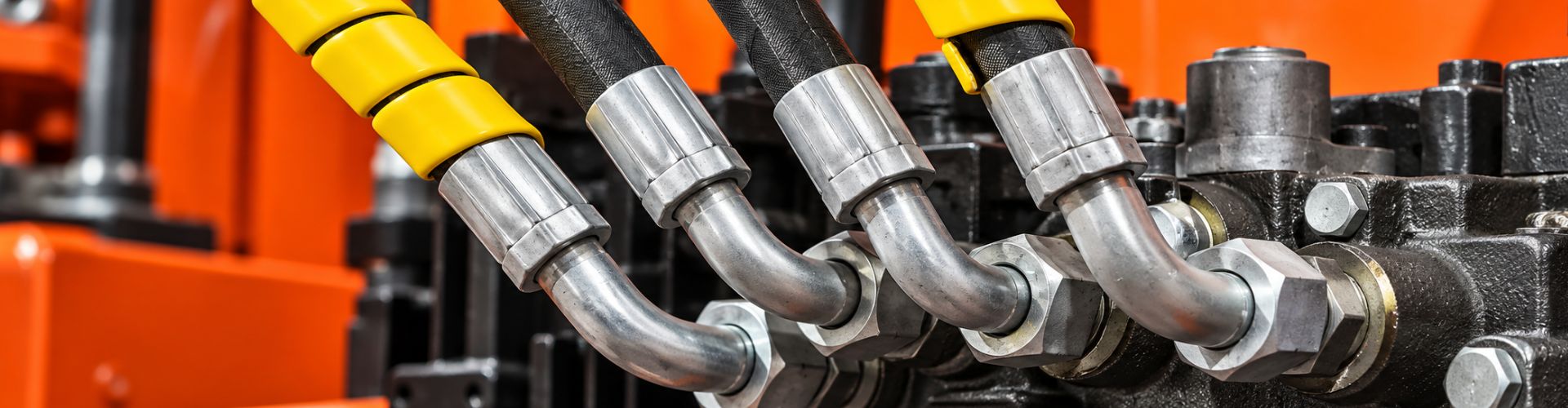
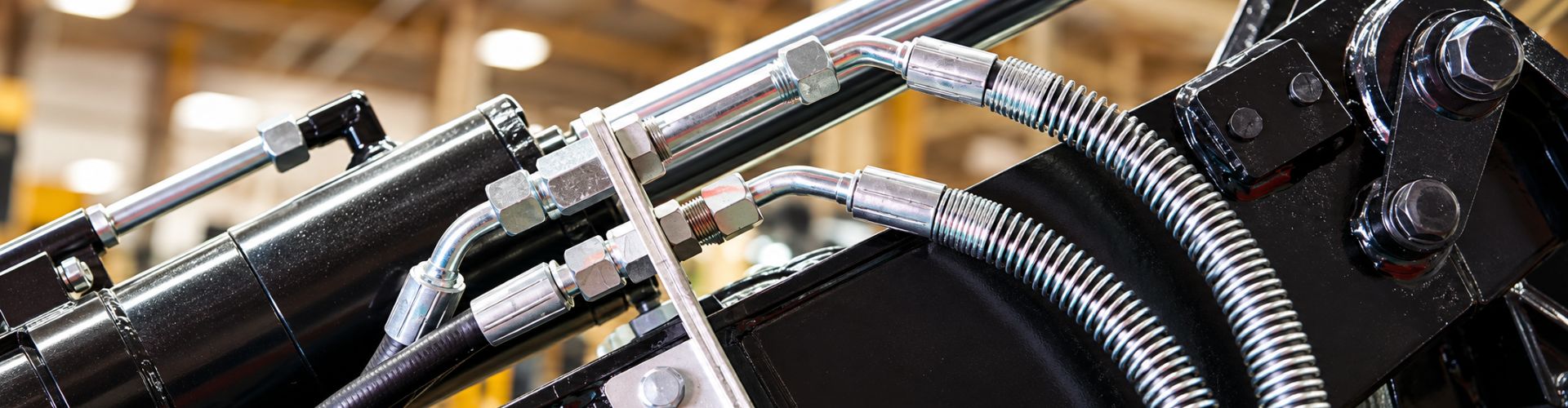
What are NPSM threads banner

What are NPSM threads? Everything You Need to Know

Understanding the types of threads used in pipes and fittings is crucial for ensuring the efficiency, safety, and reliability of hydraulic and plumbing systems. NPSM threads, also known as National Pipe Straight Mechanical threads, are particularly essential in these industries because they offer a unique approach to pipe fitting that differs from the more common tapered threads like NPT (National Pipe Tapered).

What Are NPSM Threads?

Definition

NPSM (National Pipe Straight Mechanical) threads are a type of pipe thread used primarily in hydraulic and plumbing applications. Unlike other thread types that may be tapered, NPSM threads are designed as straight threads, meaning they maintain a consistent diameter along their entire length. This standardization is defined by the ANSI (American National Standards Institute) and focuses on mechanical connections rather than creating pressure-tight seals. The purpose of NPSM threads is to provide a secure fit that relies on additional sealing components, such as O-rings or gaskets when needed to prevent leaks.

Thread Characteristics

Straight (Non-Tapered) Nature: NPSM threads are parallel, meaning they do not taper inward or outward along the length of the thread. This is in contrast to NPT (National Pipe Tapered) threads, which gradually narrow, creating a wedging effect when tightened.

Mechanical Functionality: Since NPSM threads do not taper, they are primarily designed for mechanical connections rather than for sealing on their own. They are ideal for applications where a tight mechanical fit is necessary, and the seal is achieved using additional components like sealing washers or O-rings.

Compatibility with NPTF Threads: NPSM threads are often compatible with NPTF (National Pipe Tapered Fuel) threads. While NPSM threads themselves are not tapered, they can work with NPTF counterparts, which are specifically designed to create a dry seal. This compatibility allows NPSM and NPTF components to be used together, particularly when a non-leak seal is necessary for hydraulic or pneumatic systems.

MNPTF to FNPSM

NPSM Technical Specifications

NPSM (National Pipe Straight Mechanical) threads are defined by the ASME B1.20.1 standard. They feature a 60-degree thread angle and a straight (parallel) thread profile. Unlike tapered threads such as NPT, NPSM threads do not provide a seal through thread deformation and therefore require a compatible sealing surface, typically a 30° internal chamfer on the female fitting for metal-to-metal sealing.

NPTF and NPSM

Comparison with NPT Threads

Tapered vs. Straight Design: The primary distinction between NPSM and NPT threads lies in their structure. NPT threads are tapered, meaning they decrease in diameter as they extend, creating a tight, wedging seal when two NPT components are threaded together. This self-sealing characteristic makes NPT threads suitable for pressure-tight applications, often eliminating the need for additional sealing components.

Application Differences: NPSM threads, being straight, do not create this pressure-tight seal on their own. Therefore, they are used in situations where the primary requirement is mechanical strength rather than sealing capability. NPT threads are commonly used for high-pressure systems where a reliable, leak-proof connection is essential without additional seals.

Sealing Mechanics: In NPT systems, the taper creates a metal-to-metal seal as the threads compress against one another. In contrast, NPSM threads depend on supplementary components like O-rings or washers to ensure a leak-free connection. This makes NPSM threads advantageous for applications where maintaining a consistent diameter is important, and flexibility in sealing options is required.

History and Development of NPSM Threads

Origins

NPSM threads originated in the early 20th century as industries began to standardize various pipe threading practices in North America. As the demand for reliable and efficient connections in hydraulic, plumbing, and mechanical systems grew, it became clear that a consistent and standardized thread type was needed to ensure compatibility across different manufacturers and applications. The introduction of NPSM threads filled this gap by providing a non-tapered, straight thread option that could be used in various mechanical applications without the need for a self-sealing mechanism.

Development

The evolution of pipe threading standards has been heavily influenced by organizations such as the ANSI (American National Standards Institute). ANSI played a pivotal role in establishing guidelines for various types of threaded connections, including NPSM. In the mid-20th century, as industrial standards began to be more formalized, ANSI developed specifications that outlined the dimensions, tolerances, and performance requirements for NPSM threads. This standardization was crucial for manufacturers and engineers, allowing for interchangeable components that could ensure safety and performance across different systems and applications.

Why NPSM Threads Were Created

NPSM threads were created to address specific challenges associated with traditional tapered threads, particularly in applications where a mechanical fit was necessary without the complexities of a sealing system. The straight design of NPSM threads allows for easier alignment and assembly, making them ideal for scenarios where components must fit together without altering their structural integrity.

Moreover, NPSM threads provide flexibility by allowing users to select appropriate sealing materials based on their specific application needs. This adaptability makes NPSM threads suitable for various industries, including hydraulic systems and plumbing, where different environmental conditions and pressures must be accounted for. The ability to use NPSM threads in conjunction with other sealing mechanisms enhances their usability, ensuring a reliable connection while maintaining the mechanical advantages of a straight thread design.

Technical Specifications of NPSM Threads

Thread Dimensions

NPSM (National Pipe Straight Mechanical) threads are designed according to specific dimensional standards to ensure consistency and compatibility. The key dimensions for NPSM threads include:

NPSM threads

Thread Tolerance Classes

NPSM threads adhere to specific tolerance classes that determine the allowable variance in thread dimensions. Tolerances are crucial for ensuring a reliable and secure fit between male and female components. The standard tolerance classes for NPSM threads are defined by ANSI and include:

These tolerance classes help ensure that NPSM threads achieve the required balance between ease of installation and reliability in the fit, minimizing the risk of thread damage or poor alignment during assembly.

Standard Sizes

NPSM threads come in a variety of standard sizes, accommodating different applications and system requirements. The most common sizes include:

NPSM Thread Size Chart

Each size corresponds to a specific set of dimensional and pitch standards, ensuring that components can be easily matched and interchanged within and across systems. The use of these standardized sizes allows for broad compatibility, making it easier to source and replace parts in various applications.

Limitations and Considerations

Pressure Limitations

One of the primary limitations of NPSM (National Pipe Straight Mechanical) threads is their performance in high-pressure environments. Due to their straight (non-tapered) design, NPSM threads do not create a pressure-tight seal on their own. Unlike tapered threads like NPT (National Pipe Tapered), which wedge together as they are tightened, creating a seal that can withstand higher pressure, NPSM threads rely solely on mechanical engagement without this wedging effect. As a result:

Pressure Restrictions: NPSM threads are generally limited to low- and medium-pressure applications where the mechanical strength of the connection is sufficient, but a pressure-tight seal is not critical. In hydraulic or pneumatic systems operating under higher pressures, using NPSM threads without additional sealing measures can lead to leaks or even system failure.

Sealing Requirements

Given their non-sealing nature, NPSM threads often require the use of additional sealing components, especially in applications where maintaining pressure integrity is critical. The most common sealing methods include:

These additional sealing measures are necessary because, without them, NPSM threads alone cannot maintain a leak-free connection in high-pressure or fluid-handling systems. Engineers must ensure that the appropriate sealing method is chosen based on the system’s requirements to prevent fluid or gas escape.

Temperature Tolerance

While NPSM threads can be used across a broad range of temperatures, their performance is also influenced by the sealing components used:

How to Identify and Measure NPSM Threads

Identification Tips

Identifying NPSM threads accurately is crucial for ensuring compatibility in mechanical systems. Here are some visual and measurement techniques:

Thread Gauges

Using thread gauges is a reliable method for measuring thread pitch and diameter:

Usage Warnings and Common Mistakes

Common Mistakes in Identification

When identifying NPSM threads, several common errors can occur:

NPSM vs. Other Thread Types

NPSM vs. NPT

NPSM vs NPTF vs BSPT Threads

NPSM vs. BSPP (British Standard Pipe Parallel)

NPSM vs. NPTF (Dryseal)

Conclusion

For professionals in hydraulic, plumbing, and related fields, it is crucial to remember that NPSM threads provide reliable mechanical connections but require additional sealing components for effective performance in high-pressure situations. Understanding how to identify and measure NPSM threads accurately will help ensure compatibility with other components, reducing the risk of leaks and enhancing system reliability. Familiarity with the differences between NPSM and other thread types will facilitate better decision-making when selecting fittings for various applications.


FAQ

What does NPSM stand for?

NPSM stands for National Pipe Straight Mechanical, which refers to a standard for straight pipe threads used in various mechanical applications.

How do NPSM threads differ from NPT threads?

NPSM threads are straight and do not create a self-sealing effect, while NPT (National Pipe Tapered) threads are tapered and form a seal through compression as they are tightened.

What applications are suitable for NPSM threads?

NPSM threads are commonly used in plumbing and hydraulic systems, particularly where mechanical connections are needed without the requirement for a pressure-tight seal.

Do NPSM threads require additional sealing materials?

Yes, NPSM threads typically require additional sealing components, such as O-rings or sealants, to ensure leak resistance, especially in high-pressure applications.

What are the standard sizes available for NPSM threads?

Common standard sizes for NPSM threads include ¼ inch, ½ inch, and ¾ inch, among others, each used for different applications based on flow rates and mechanical requirements.

How can I identify NPSM threads?

To identify NPSM threads, look for straight, parallel threads and measure the pitch and diameter. Using thread gauges can help ensure accurate identification.

NPT vs NPS Threads banner

NPT vs NPS Threads: Are They Compatible?

NPT (National Pipe Tapered) and NPS (National Pipe Straight) threads are two of the most commonly used thread standards in various industries. NPT threads, known for their tapered design, are widely used in applications where a secure, leak-proof seal is necessary. On the other hand, NPS threads feature a straight design and are often used in situations where a tight seal is achieved through other means, such as gaskets or O-rings. Both thread types are essential in many sectors, but their differences can lead to significant challenges if not properly understood.

Understanding NPT Threads

A. Definition and Characteristics

NPT threads are one of the most widely used thread standards in North America. They are defined by their tapered thread design, where the diameter of the threads decreases along the length of the fitting. This taper creates a wedging action when the male and female threads are tightened together, allowing for a secure and leak-resistant connection. NPT threads are typically used in applications where a tight seal is critical, such as in fluid and gas systems. The sealing is primarily achieved through the metal-to-metal contact between the threads, which is further enhanced by the use of sealing compounds like Teflon tape or pipe dope to prevent leaks.

B. Applications of NPT Threads

NPT threads are commonly found in a wide range of applications due to their reliability and effectiveness in creating leak-proof connections. Some of the most common uses include:

Plumbing Systems: NPT threads are extensively used in residential, commercial, and industrial plumbing for connecting pipes and fittings that carry water, sewage, and other fluids.

Gas Lines: The secure sealing properties of NPT threads make them ideal for gas lines, where preventing leaks is paramount for safety.

Hydraulic Systems: In hydraulic applications, NPT threads are often used to connect hoses, pipes, and valves, ensuring that high-pressure fluids are contained within the system.

Oil and Gas Industry: NPT threads are prevalent in the oil and gas industry, where they are used in pipelines, drilling equipment, and various other components that require durable and leak-resistant connections.

NPT Fitting drawing Topa

C. Advantages of NPT Threads

NPT threads offer several advantages that contribute to their widespread use:

Reliable Sealing: The tapered design of NPT threads creates a mechanical seal that is effective in preventing leaks, especially when combined with appropriate sealing compounds.

Ease of Use: NPT threads are relatively easy to install and do not require complex tools or techniques, making them a convenient choice for various applications.

Versatility: NPT threads are compatible with a wide range of materials, including steel, brass, copper, and plastic, allowing them to be used in diverse environments and systems.

Cost-Effective: NPT threads are a cost-effective solution for creating secure connections in many industrial and plumbing applications, reducing the need for more expensive alternatives.

D. Limitations of NPT Threads

Despite their many benefits, NPT threads have some limitations that must be considered:

Need for Sealing Compounds: While the tapered design provides a good mechanical seal, NPT threads often require additional sealing compounds, such as Teflon tape or pipe dope, to ensure a completely leak-proof connection. This adds an extra step in the installation process and can be a potential source of error if not applied correctly.

Risk of Over-Tightening: Over-tightening NPT threads can lead to deformation of the threads, compromising the seal and potentially causing leaks. It also increases the risk of damaging the fittings, which can lead to costly repairs or replacements.

Thread Wear: With repeated use, NPT threads can wear down, reducing their effectiveness in creating a seal. This wear and tear can lead to leaks over time, especially in high-pressure or high-vibration environments.

Limited Reusability: Due to the taper and the need for sealing compounds, NPT threads may not be easily reusable after disassembly, as the threads can be damaged or the sealing compound may not be effective when reapplied.

Understanding NPS Threads

A. Definition and Characteristics

NPS threads are a type of thread standard characterized by a straight thread design, meaning the diameter of the threads remains constant along the length of the fitting. Unlike NPT (National Pipe Tapered) threads, NPS threads do not taper and therefore do not create a seal through thread wedging. Because of this, NPS threads do not inherently provide a leak-proof seal when used alone. Instead, they rely on the use of gaskets, O-rings, or other sealing mechanisms to create a secure and leak-resistant connection. NPS threads are often chosen for applications where precise alignment is necessary or where the connection does not require a pressure-tight seal.

B. Applications of NPS Threads

NPS threads are commonly used in a variety of applications where the primary concern is not creating a pressure-tight seal, but rather ensuring proper alignment and connection between components. Some typical applications include:

Mechanical Joints: In situations where components need to be securely joined without the requirement for a leak-proof seal, NPS threads are often used. These threads allow for the accurate alignment of parts, which is critical in many mechanical assemblies.

Electrical Conduits: NPS threads are frequently used in electrical conduit systems, where the primary function is to provide a secure connection for the conduits rather than to seal against fluid or gas leaks.

Pipe Hangers and Supports: NPS threads are used in pipe hangers and supports, where the emphasis is on holding pipes in place rather than preventing leaks.

Low-Pressure Fluid Systems: In applications where the fluid pressure is low and the risk of leakage is minimal, NPS threads may be used with additional sealing methods like gaskets.

measure NPS Threads

C. Advantages of NPS Threads

NPS threads offer several advantages, particularly in situations where precise alignment and ease of assembly are important:

Ease of Alignment: The straight design of NPS threads allows for easy and precise alignment of components, making them ideal for applications where the accurate positioning of parts is critical.

Simplicity in Non-Pressure Applications: NPS threads are well-suited for non-pressure applications where sealing is not the primary concern, reducing the need for complex sealing techniques.

Compatibility with Sealing Mechanisms: While NPS threads do not seal on their own, they are compatible with a variety of sealing mechanisms, such as gaskets or O-rings, which can be easily added to create a leak-proof connection.

Less Susceptibility to Over-Tightening: Because NPS threads do not rely on tapering to create a seal, there is less risk of over-tightening, which can lead to thread deformation and connection failure in tapered threads.

D. Limitations of NPS Threads

Despite their advantages, NPS threads also have certain limitations that must be considered in their use:

Need for Additional Sealing Methods: Unlike NPT threads, NPS threads do not create a seal through the threads themselves. This means that additional sealing methods, such as gaskets or O-rings, are required to achieve a leak-proof connection. This can complicate the installation process and increase the potential for leaks if the sealing components are not properly installed.

Limited Use in High-Pressure Applications: Due to their reliance on external sealing methods, NPS threads are generally not suitable for high-pressure applications where a strong, self-sealing connection is necessary.

Potential for Misapplication: If NPS threads are mistakenly used in situations requiring a pressure-tight seal without the proper sealing methods, the result could be leaks, system failures, or safety hazards.

Incompatibility with Some Threaded Fittings: NPS threads are not always compatible with other types of threaded fittings, particularly those that are tapered, which can limit their use in certain applications.

Key Differences Between NPT and NPS Threads

A. Tapered vs Straight Threads

One of the most fundamental differences between NPT and NPS threads is their design:

Tapered Threads (NPT): NPT threads have a tapered design, meaning the thread diameter decreases gradually along the length of the fitting. This taper creates a wedging effect when the male and female threads are tightened together, which helps to form a tight seal. The taper allows the threads to bind together, creating pressure that enhances the sealing capability without the need for additional sealing materials in many cases. This design is particularly beneficial in high-pressure applications where maintaining a leak-proof connection is critical.

Straight Threads (NPS): NPS threads, on the other hand, have a straight design, where the thread diameter remains constant throughout the fitting’s length. Unlike tapered threads, NPS threads do not create a natural seal when tightened. Instead, they rely on other means, such as gaskets, O-rings, or thread sealants, to create a leak-proof connection. This makes NPS threads more suitable for applications where the precise alignment of components is essential, rather than sealing against high pressure.

NPTF vs NPSM

B. Sealing Mechanism

The difference in thread design between NPT and NPS threads leads to distinct sealing mechanisms:

NPT Threads (Sealing Through Wedging): NPT threads achieve a seal through the mechanical wedging of the threads as they are tightened. The tapered design causes the threads to bind together more tightly as they are screwed in, which compresses the material and creates a seal. In many cases, this mechanical seal is sufficient to prevent leaks, although sealants such as Teflon tape or pipe dope are often used to enhance the seal, especially in high-pressure or critical applications.

NPS Threads (Requiring Additional Sealing Methods): NPS threads do not create a seal through the threads alone because of their straight design. To achieve a leak-proof connection, NPS threads require the use of additional sealing methods. Common sealing methods include:

Gaskets or O-rings: These are placed between the mating surfaces to prevent leaks.

Thread Sealants: Such as Teflon tape or pipe dope, are applied to the threads to fill any gaps and ensure a tight seal.

Mechanical Seals: In some cases, the seal is achieved through a mechanical face-to-face connection, where the threads only serve to hold the components in place.

C. Thread Specifications and Standards

NPT and NPS threads are governed by different technical specifications and standards, which define their dimensions, tolerances, and applications:

NPT Threads (ANSI/ASME B1.20.1): The standards for NPT threads are outlined in the ANSI/ASME B1.20.1 specification. This standard defines the dimensions, thread angle, pitch, and taper rate for NPT threads, ensuring consistency and compatibility across different fittings and applications. The taper rate for NPT threads is 1/16 inch per inch, which is crucial for achieving the wedging action that creates the seal.

NPS Threads (ANSI/ASME B1.20.1): While NPS threads share the same standard as NPT threads (ANSI/ASME B1.20.1), they differ in the lack of taper. NPS threads are straight and follow the same pitch and thread angle specifications as NPT but without the taper. This means that while they may appear similar, NPS threads will not create a seal on their own and must adhere to specific sealing practices outlined in industry standards.

Compatibility of NPT and NPS Threads

A. Thread Engagement

NPT and NPS threads can physically engage with each other due to their shared thread pitch and diameter, which allows the threads to be screwed together. However, the key difference lies in the taper of NPT threads versus the straight design of NPS threads:

Engagement Process: When an NPT male fitting is threaded into an NPS female fitting, the threads will engage initially, as the pitch and thread angle are compatible. However, as the NPT threads taper, they will only contact the NPS threads at a few points rather than along the entire length of the thread, leading to a less secure and uneven fit.

Partial Engagement: The engagement between NPT and NPS threads is often partial and inconsistent, resulting in gaps that can compromise the connection’s integrity. This partial engagement can lead to misalignment and difficulty in achieving the desired torque, further complicating the connection.

B. Sealing Issues

The most significant challenge when using NPT and NPS threads together is achieving a proper seal:

Lack of Wedging Effect: NPT threads rely on their tapered design to create a mechanical seal through wedging, while NPS threads do not taper. When combined, the NPT threads cannot fully wedge into the NPS threads, leading to an incomplete seal. The mismatch between the taper and straight design creates gaps that are difficult to seal, especially in high-pressure applications.

Dependence on Sealants: While thread sealants like Teflon tape or pipe dope can be used to fill the gaps and prevent leaks, they are often not sufficient to overcome the fundamental differences in thread design. The reliance on sealants increases the likelihood of improper installation, where insufficient or uneven application can result in leaks.

Inconsistent Sealing: Even with the use of sealing compounds, inconsistent thread engagement can lead to areas where the sealant is not fully effective. This inconsistency increases the risk of leaks over time, especially under conditions of vibration, temperature fluctuations, or pressure changes.

C. Risks of Using NPT and NPS Together

Using NPT and NPS threads together without fully understanding the implications can lead to several significant risks:

Leaks: The most immediate risk is fluid or gas leakage due to the inability to create a proper seal between the NPT and NPS threads. Leaks can occur gradually or suddenly, depending on the application’s pressure and environmental conditions, potentially leading to hazardous situations.

Safety Hazards: In systems that handle flammable, toxic, or high-pressure fluids and gases, leaks caused by improper thread compatibility can result in severe safety hazards, including fire, explosion, or exposure to harmful substances. These risks are particularly high in industrial settings where the consequences of a leak can be catastrophic.

System Failures: Over time, the incomplete seal and uneven engagement can cause stress on the threaded connection, leading to fatigue and eventual failure. In critical systems, such as hydraulic lines or gas pipelines, a failure can result in significant operational disruptions, costly repairs, and potential environmental damage.

How to Choose the Right Thread Type?

Selecting the appropriate thread type is essential to ensuring system integrity, performance, and safety. Misapplication can lead to leaks, equipment failure, and even hazardous incidents in high-pressure environments. Below are practical guidelines based on common application scenarios:

A. For High-Pressure Sealing Systems → Choose NPT

If your system involves high-pressure fluids or gases—such as in hydraulic systems, fuel pipelines, or gas lines—NPT (National Pipe Tapered) threads are the preferred choice.

Why NPT Works: Its tapered design allows for a mechanical seal as the male and female threads wedge tightly together.

Sealing Enhancements: Use Teflon tape or pipe dope (thread sealant) to fill micro gaps and ensure a leak-proof connection.

Recommended For:

Oil & gas pipelines

Compressed air systems

Water supply lines under pressure

⚠️ Be cautious not to over-tighten, as it may deform the threads and compromise the seal.

NPS to NPT

B. For Precise Alignment Without Sealing Needs → Choose NPS

In applications where a leak-proof seal is not essential, but precise orientation or alignment of components is critical—NPS (National Pipe Straight) threads are better suited.

Why NPS Works: The straight thread design allows components to align accurately without binding, which is beneficial for certain mechanical or structural connections.

Sealing Required: Always use gaskets, O-rings, or flange face seals to achieve any level of fluid or gas containment.

Recommended For:

Electrical conduit fittings

Structural pipe supports

Decorative or architectural piping

⚠️Use thread sealants only if sealing is required and appropriate for the connection design.

C. Avoid Mixing NPT and NPS Threads

Although NPT and NPS threads may share the same pitch and thread angle, they are not functionally compatible due to their difference in shape (tapered vs. straight).

Risks of Mixing:

Incomplete thread engagement

Poor sealing and potential for leaks

Increased likelihood of thread damage

Only Mix If:

Specifically engineered and approved by the manufacturer

Successfully pressure-tested under operating conditions

⚠️ Never assume compatibility based on visual similarity. Thread mismatches are a common cause of failure in pressure systems.

Conclusion

As you move forward with your projects, take the time to carefully consider the compatibility of the threads you choose. Whether you’re working on a small plumbing repair or managing a large industrial system, selecting the right thread type is essential for ensuring a safe and effective connection. If you’re unsure about which threads to use, or if you’re dealing with a critical application, don’t hesitate to seek professional advice. Proper thread selection and installation can prevent costly mistakes, enhance system performance, and most importantly, ensure the safety and reliability of your operations.


FAQ

What is the main difference between NPT vs NPS threads?

NPT threads are tapered, creating a seal through wedging, while NPS threads are straight and require additional sealing methods like gaskets or O-rings.

Can NPT and NPS threads be used together?

While NPT and NPS threads can physically engage, they are not recommended to be used together for sealing purposes, as they cannot create a reliable seal on their own.

What applications are NPT threads best suited for?

NPT threads are ideal for applications requiring leak-proof seals, such as plumbing, gas lines, and hydraulic systems.

In what situations should I use NPS threads?

NPS threads are best for applications where precise alignment is necessary, or where sealing is achieved through other means, such as in mechanical joints or electrical conduits.

What are the risks of mixing NPT and NPS threads?

Mixing NPT and NPS threads can lead to leaks, safety hazards, and potential system failures due to their inability to form a proper seal together.

Do NPS threads require sealant?

Yes, NPS threads typically require sealants or gaskets to achieve a leak-proof connection, as they do not seal on their own.

NPSM Thread vs NPT Thread What’s the Difference banner

NPSM Thread vs NPT Thread: What’s the Difference?

NPSM Thread vs NPT Thread: What’s the Difference?

Table of Contents

Introduction

Improperly threaded connections can lead to serious system failures, resulting in costly downtime and repairs. Understanding the difference between NPSM and NPT threads can help you select the correct thread type. Choosing the right thread ensures proper sealing, prevents leakage, and optimizes system performance.

Detailed Overview of NPSM Threads

NPSM threads, or National Pipe Straight Mechanical threads, are a type of straight pipe thread that does not taper. Unlike tapered threads, NPSM threads maintain a consistent diameter throughout their length, which allows for a mechanical fit rather than a pressure-tight seal by thread deformation.

Discuss the Key Characteristics

Straight Threads: The primary characteristic of NPSM threads is their straight, parallel threading. This design facilitates a snug fit that relies on an additional sealing method, such as an O-ring or a gasket, to create a leak-proof seal.

Sealing Method: Because NPSM threads are not inherently self-sealing, they typically use O-rings or gaskets to achieve a tight, leak-free connection. This sealing method is beneficial in applications where a reliable, reusable seal is needed.

Thread Design: NPSM threads are designed to match the same thread pitch and diameter as NPT threads, but they do not provide a seal through the threads themselves. Instead, the mechanical strength of the connection is supplemented by the external sealing mechanism.

Applications of NPSM Threads

NPSM threads are widely used in various industries due to their reliable sealing capabilities and ease of maintenance. Common applications include:

Hydraulic Systems: NPSM threads are frequently used in hydraulic systems where precise and reliable connections are crucial for maintaining system pressure and preventing leaks.

Pneumatic Systems: These threads are also popular in pneumatic systems where air-tight seals are necessary to ensure efficient operation.

Automotive Industry: In automotive applications, NPSM threads are used in fuel lines, brake systems, and other critical components that require reliable, leak-free connections.

Examples of Equipment and Systems Utilizing NPSM Threads:

Hydraulic Pumps and Cylinders: NPSM threads are commonly found in hydraulic pumps and cylinders, ensuring secure connections that withstand high pressures.

Pneumatic Tools and Equipment: In pneumatic systems, NPSM threads provide dependable connections for air hoses and tools.

Industrial Machinery: Many types of industrial machinery rely on NPSM threads for various fluid and air connections, ensuring optimal performance and safety.

Advantages of NPSM Threads

Easy Assembly: NPSM threads are straightforward to assemble, requiring only basic tools and minimal effort. This ease of assembly reduces installation time and labor costs.

Reliable Sealing: When used with appropriate O-rings or gaskets, NPSM threads provide highly reliable, leak-free connections. This is particularly beneficial in systems where frequent disassembly and reassembly are required.

Reusability: The use of external seals means that NPSM threaded connections can be disassembled and reassembled multiple times without compromising the integrity of the seal.

Versatility: NPSM threads are compatible with a wide range of sealing materials and can be used in various applications, from high-pressure hydraulic systems to low-pressure pneumatic systems.

Limitations of NPSM Threads

Need for External Seals: One of the primary limitations of NPSM threads is their reliance on external sealing mechanisms. Without an O-ring or gasket, NPSM threads cannot form a leak-proof connection, which can be a disadvantage in some applications.

Not Suitable for All Environments: The effectiveness of the seal in NPSM threads depends on the material and condition of the O-ring or gasket. In environments with extreme temperatures or aggressive chemicals, these sealing materials may degrade, leading to potential leaks.

Maintenance Requirements: Regular inspection and maintenance of the sealing elements (O-rings or gaskets) are necessary to ensure ongoing leak-free performance. This can increase the overall maintenance burden compared to self-sealing thread types like NPT.

Pressure Limitations: While NPSM threads are suitable for many high-pressure applications, they may not be the best choice for the highest-pressure systems where the integrity of the seal is paramount.

Define NPT Threads

NPT threads, or National Pipe Tapered threads, are a type of pipe thread used widely in North America. They have a taper of 1° 47′ 24″ (1.7899°) resulting in a 1/16 taper over one inch of length. This tapering design helps create a tight seal through the interference fit between the male and female threads.

Discuss the Key Characteristics

Tapered Threads: The key characteristic of NPT threads is their taper. As the threads advance, they become tighter, creating a seal through the deformation of the threads.

Sealing Method: The primary sealing method for NPT threads involves the interference fit and deformation of the threads. This often requires the use of a thread sealant, such as Teflon tape or pipe dope, to ensure a leak-proof connection.

Thread Design: NPT threads are designed to tighten as they are screwed together, with the tapered nature of the threads increasing friction and creating a seal that holds pressure effectively.

NPT Fitting drawing Topa

Applications of NPT Threads

NPT threads are used extensively across a variety of industries due to their robust sealing capabilities. Common applications include:

Oil and Gas Industry: NPT threads are widely used in pipelines, drilling equipment, and other high-pressure applications in the oil and gas sector.

Water Supply Systems: They are frequently employed in plumbing and water supply systems for their reliable sealing properties.

HVAC Systems: NPT threads are utilized in heating, ventilation, and air conditioning systems to ensure secure connections in various components.

Examples of Equipment and Systems Utilizing NPT Threads:

Piping Systems: NPT threads are commonly used in piping systems for both liquid and gas transport.

Pressure Vessels: In pressure vessels and tanks, NPT threads provide secure connections for gauges, valves, and other fittings.

Hydraulic Equipment: NPT threads are also used in hydraulic equipment where reliable sealing under high pressure is critical.

Advantages of NPT Threads

Strong Sealing: The tapered design of NPT threads creates a strong, pressure-tight seal through the deformation of the threads, which is effective for high-pressure applications.

Widespread Use: NPT threads are standardized and widely recognized, making them easily available and understood by professionals across various industries.

No Need for External Seals: Unlike NPSM threads, NPT threads do not necessarily require O-rings or gaskets, relying instead on thread deformation and sealant for leak-proof connections.

Cost-Effective: The simplicity of NPT threads often makes them a cost-effective solution for many applications, reducing the need for additional sealing components.

Limitations of NPT Threads

Thread Deformation: The primary sealing method for NPT threads involves thread deformation, which can make the fittings difficult to disassemble and reassemble. Over time, repeated assembly and disassembly can wear down the threads, leading to potential leaks.

Installation Challenges: Proper installation of NPT threads requires experience and skill to ensure a tight seal without over-tightening, which can damage the threads. The use of sealants like Teflon tape must be done correctly to prevent leaks.

Compatibility Issues: NPT threads are not compatible with other types of threads, such as NPSM, without the use of adapters. This can limit their use in systems where different thread types are required.

Sealant Dependency: While NPT threads do not require external seals, they often depend on thread sealants to achieve a leak-proof connection. Incorrect application of sealants can compromise the integrity of the seal.

Other Threads Related to NPT

NPTF (National Pipe Tapered Fuel) Threads

NPTF Threads: Also known as Dryseal threads, NPTF threads are designed to create a pressure-tight seal without the use of sealants.

Key Characteristics: NPTF threads have the same taper as NPT threads but are manufactured to stricter tolerances. The threads deform slightly to create a seal when tightened, eliminating the need for additional sealing materials.

Applications of NPTF Threads:

  • Fuel Systems: Commonly used in fuel systems where leak prevention is critical.
  • Hydraulic and Pneumatic Systems: Used in high-pressure hydraulic and pneumatic applications.
  • Industrial Equipment: Utilized in industrial machinery requiring reliable, leak-free connections without sealants.

NPS (National Pipe Straight) Threads

NPS Threads: NPS, or National Pipe Straight threads, are straight threads that do not taper. They are designed for mechanical joining rather than for sealing fluids.

Key Characteristics: NPS threads maintain a constant diameter throughout their length. They rely on a gasket or O-ring for sealing rather than the threads themselves.

Applications of NPS Threads:

  • Fire Protection Systems: Used in fire hydrants and sprinkler systems where a mechanical fit is sufficient, and sealing is provided by gaskets.
  • Plumbing Fixtures: Common in plumbing applications where fittings need to be easily assembled and disassembled.
  • Industrial Equipment: Utilized in various industrial applications where reliable mechanical connections are needed.

Practical Considerations

NPTF vs NPSM

Application Requirements

Pressure Levels: Consider the pressure levels of the application. NPT threads are often preferred for high-pressure applications due to their tapered design that creates a strong, pressure-tight seal.

Sealing Needs: If the application requires a robust, leak-free connection without additional sealants, NPT threads might be more suitable. Conversely, if the system can accommodate an external sealing method like an O-ring or gasket, NPSM threads can be a good choice.

Mechanical Connections: For applications where frequent disassembly and reassembly are required, NPSM threads are preferable due to their straight design and ease of reuse.

Environmental Conditions

Temperature and Chemical Exposure: Evaluate the operating environment, including temperature fluctuations and exposure to chemicals. NPT threads may provide better sealing in harsh environments, whereas NPSM threads with appropriate seals can offer flexibility.

Corrosion Resistance: Consider the material of the fittings and the potential for corrosion. Both NPT and NPSM threads are available in various materials, so choose one that offers the best resistance to environmental conditions.

Ease of Installation and Maintenance

Assembly Complexity: If ease of installation is a priority, NPSM threads might be preferred due to their straight threading, which simplifies alignment and assembly.

Maintenance Requirements: Consider the long-term maintenance needs. NPSM threads, with their external seals, might require regular inspection and replacement of O-rings or gaskets, whereas NPT threads may have less frequent maintenance needs if properly installed.

Installation Tips

NPSM Threads:

Use of Seals: Ensure that appropriate O-rings or gaskets are used to achieve a leak-free connection. Verify that the seals are compatible with the fluid and the operating conditions.

Proper Alignment: Align the threads carefully to avoid cross-threading, which can damage the threads and compromise the seal.

Tightening: Do not overtighten NPSM connections. Tighten until the O-ring or gasket makes contact and forms a seal, then apply a final torque to ensure the connection is secure.

NPT Threads:

Thread Sealant: Apply a suitable thread sealant, such as Teflon tape or pipe dope, to the male threads. Ensure even coverage without excess sealant that could contaminate the system.

Correct Tightening: Tighten the connection until hand-tight, then use a wrench to apply additional turns as recommended (usually 2-3 turns). Avoid over-tightening to prevent thread deformation.

Inspection: After assembly, inspect for any signs of leakage and make adjustments as needed. Ensure that the sealant is properly applied and the threads are not damaged.

Discuss Common Pitfalls and How to Avoid Them:

  • Cross-Threading: To avoid cross-threading, always start threading connections by hand and ensure proper alignment before using tools.
  • Over-Tightening: Over-tightening can lead to thread deformation and potential leaks. Follow manufacturer recommendations for torque specifications.
  • Inadequate Sealing: Ensure that the correct type and amount of sealant is used. Inadequate sealing can result in leaks, while excess sealant can cause blockages.

Conclusion

NPSM and NPT threads serve different purposes. NPSM threads provide easy assembly and reliable sealing through external seals, while NPT threads provide a strong pressure-tight connection through thread deformation. Choosing the correct thread type is critical to ensuring system reliability, safety and performance. For further reading and detailed specifications, please browse our other articles on the subject, or contact Topa directly.

FAQ

NPSM threads are straight threads used primarily for mechanical connections, often requiring O-rings or gaskets to achieve a leak-proof seal.

NPT threads are tapered threads that create a tight seal through thread deformation, commonly used in high-pressure applications.

Use NPSM threads when you need easy assembly and disassembly, especially in applications that require external sealing elements like O-rings or gaskets.

NPT threads are ideal for applications requiring strong, pressure-tight seals without additional sealing materials, such as in high-pressure piping systems.

Generally, NPSM and NPT threads are not compatible without adapters, as NPSM threads are straight and NPT threads are tapered.

NPT threads offer strong sealing through thread deformation, are widely recognized and standardized, and often do not require external seals for leak-proof connections.

male NPTF to NPSM swivel fitting Topa

Hydraulic Live Swivels

Best China Hydraulic Swivel Fittings Manufacturer

❖ Suitable for narrow spaces
❖ Withstand high pressure
❖ Adopt pressure balance design
❖ The maximum speed is 10 rpm
 

Product List

Upgrade your hydraulic system with our 90° Live Swivel Fittings, engineered for performance, reliability, and flexibility in even the most demanding applications. Designed to handle pressures up to 3,000 PSI, these precision-forged fittings allow for 360° rotation under pressure, preventing hose twisting, reducing wear, and extending service life. With a compact elbow design and a variety of thread options (BSP, NPT, JIC, ORFS, Metric), installation is quick, secure, and compatible with most hydraulic setups. Available in carbon steel or stainless steel, with high-quality surface treatments like zinc plating, silver plating, or nitriding, these swivels are built to perform in harsh environments. Whether you need a durable solution for mobile equipment, construction machinery, or industrial systems—our live swivels deliver unmatched reliability and value.

Male NPTF to Female NPSM

Hydraulic Live Swivel Fitting 90° Elbow, Male NPTF/Female NPSM, made of Carbon Steel.

Male NPTF to Female NPTF swivel hydraulic fitting

Male NPTF to Female NPTF

Hydraulic Swivel Fitting 90° Elbow, Male NPT, to Female NPT (including NPSM) .

Female NPTF to Female NPTF swivel hydraulic fitting

Female NPTF to Female NPTF

90° Elbow, Female NPTF to Female NPTF, made of carbon steel.

Male NPTF to Male JIC swivel hydraulic fitting

Male NPTF to Male JIC

DIN Metric Light hydraulic Fittings is available in mining, industrial, and construction.

Male JIC to Female NPSM swivel hydraulic fitting

Male JIC to Female NPSM

Swivel fittings 90-degree elbow, Male JIC to Female NPSM Swivel

Male JIC to Male JIC swivel hyaraulic fitting

Male JIC to Male JIC

Hydraulic fittings elbow live swivels, Male JIC to Male JIC

Male SAE to Female NPSM Swivel hydraulic fitting

Male SAE to Female NPSM

Hydraulic live swivel fittings, Male SAE to Female NPSM Swivel

Male SAE to Male JIC swivel hydraullic fitting

Male SAE to Male JIC

Live swivel fitting 90° Elbow, Male SAE to Female JIC

Male SAE to Female SAE Swivel hydraulic fitting

Male SAE to Female SAE

Hydraulic 90-degree elbow swivel fittings, Male SAE to Female SAE

Metric thread ferrule swivel fittings

Metric Thread Ferrule Swivel Fittings

Metric threaded ferrules, transition fittings, for all kinds of hydraulic connections.

Metric banjo swivel hydraulic fitting

Metric Banjo Swivel Hydraulic Fitting

Metric banjo live swivel fitting, hydraulic transition fittings, for the machinery, transportation and industries.

BSP banjo swivel hydraulic fitting

BSP Banjo Swivel Hydraulic Fitting

BSP elbow swivel fitting , with excellent structure and advanced design, are widely used in hydraulic and fluid transfer systems.

BSP thread ferrule swivel fittings

BSP Thread Ferrule Swivel Fittings

BSP hydraulic swivel fittings, hollow fittings , Suitable for hydraulic equipment, construction machinery.

Right Angle High Pressure Swivel Fitting

Right Angle High Pressure Swivel Fitting

Right Angle High Pressure Swivel Fitting, Elbow Swivel Fitting. Hydraulic Oil Pipe Right Angle Swivel Fitting.

High pressure right angle swivel fitting

High Pressure Right Angle Swivel Fitting

High-pressure hydraulic right-angle swivel fitting. Hydraulic Live swivel fitting.

Hydraulic oil pipe swivel hydraulic fitting

Hydraulic Oil Pipe Swivel Hydraulic Fitting

Hydraulic swivel fitting universal fitting, 360 degree high pressure rotary fitting.

High speed right angle high pressure swivel fitting

High Speed Right Angle High Pressure Swivel Fitting

High speed right angle, high pressure swivel fitting. Carbon steel swivel fitting. Hydraulic oil pipe right angle swivel fitting.

Products Video

This short video gives you a detailed look at Topa’s 90° hydraulic live swivel fittings. It clearly shows the compact elbow design, precise machining, and thread specifications of the product.

At Topa, we combine precision machining, high-grade materials, and strict quality control to deliver fittings that perform under pressure—literally. With years of experience in hydraulic solutions, our team understands your industry’s needs and delivers products that meet ISO standards, support custom branding, and ensure on-time global delivery.

If you’re looking for a reliable 90° live swivel fitting solution, you’re in the right place. Whether you need a sample for testing, bulk orders, or a fully customized version with your logo, Topa is ready to deliver.

Application

Our 90° hydraulic live swivel fittings are widely used across industries where fluid lines require movement, flexibility, and durability under pressure. These fittings reduce hose stress and twisting by allowing 360° rotation, making them an essential solution for dynamic hydraulic systems.

Construction Hydraulic hose Topa

Construction Equipment

Our 90° live swivel fittings are ideal for use in excavators, wheel loaders, cranes, and rotary booms, where hydraulic hoses are frequently exposed to continuous movement, vibration, and harsh environmental conditions. By allowing 360-degree rotation, these swivels significantly reduce hose torsion and minimize the risk of cracking, abrasion, and pressure-related failures.

Agriculture Hydraulics Topa

Agricultural Machinery

Farm equipment operates in some of the toughest outdoor environments, often under heavy load and uneven terrain. Swivel fittings are especially beneficial for harvesters, seeders, sprayers, and tractors, where moving arms and lifting components constantly shift and bend hydraulic lines.

Material handle system

Material Handling Systems

In warehouse and factory environments, forklifts, hydraulic lift tables, scissor lifts, and articulating arms rely heavily on hydraulic systems for repetitive motion. Our 90° swivel fittings solve this problem by offering free rotation in confined spaces, reducing stress on hydraulic lines, and ensuring consistent fluid flow.

Ready to upgrade your hydraulic system?

Request a quote today and get fast, reliable support from Topa.

Our Factory

90° Hydraulic Live Swivel Fittings – Key Features

Live Swivel Fittings Types

Appearance Features

90-Degree Elbow Design: The fitting has an L-shaped structure, perfect for tight spaces or situations where fluid direction needs to be changed.

Perpendicular Rotation Axis: The swivel mechanism is typically located at one end of the elbow, offering a compact design ideal for moving or dynamic equipment.

Smooth Surface Finish: Usually treated with zinc plating, chrome plating, or left in stainless steel finish to provide corrosion resistance and a clean, industrial appearance.

Visible Sealing Structure: Equipped with sealing washers or O-rings at the connection points to ensure leak-free performance under high pressure.

Thread Features

Available with a variety of standard thread types, including:

BSP (British Standard Pipe)

NPT (National Pipe Tapered)

JIC 37° Flare

ORFS (O-Ring Face Seal)

Metric Threads

Often designed with different thread types on inlet and outlet, allowing for flexible connections across various hydraulic systems.

Precision-machined threads with smooth finishes to ensure tight sealing and prevent leaks.

Options for male, female, or mixed-thread designs, making them compatible with different machine and equipment configurations.

Metric banjo swivel hydraulic fitting
live swivel fitting Technical Characteristics

Working Principle

The live swivel mechanism allows the hydraulic line to rotate 360 degrees or pivot under pressure, preventing hose twisting or stress.

The rotating section includes precision bearings or sliding components to ensure smooth motion, with internal O-rings or seals to block hydraulic fluid leakage.

Fluid enters through the fixed end, passes through the internal swivel channel, and exits via the 90-degree outlet—maintaining pressure and flow without compromising mobility.

Especially suitable for applications with frequent movement or vibration, such as rotating booms, hydraulic cylinders, and agricultural machinery connections.

Surface Treatment Options

Stainless Steel

Silver Plating

Function:

Enhances surface conductivity (suitable for specific technical applications)

Improves anti-galling properties, especially for threaded connections under high temperature and pressure

Advantages:

Low friction coefficient, allowing smoother assembly and disassembly

Increases resistance to corrosion and heat

Applications:

Aerospace, military equipment, and high-end hydraulic systems

Nitriding Treatment

Function:

Increases surface hardness and wear resistance

Retains the inherent corrosion resistance of stainless steel

Advantages:

Enhances fatigue resistance and extends service life

Causes minimal dimensional change, preserving precision

Applications:

High-frequency or high-wear applications such as construction machinery and rotary fittings with continuous motion

Carbon Steel

Zinc Plating

Types: Blue-white zinc, yellow zinc, black zinc

Function:

Basic anti-rust treatment to protect carbon steel in humid or mildly corrosive environments

Advantages:

Cost-effective with a clean, finished appearance

Improves corrosion resistance and extends product lifespan

Applications:

General industrial use, standard hydraulic systems, agricultural machinery, construction equipment

Swivel fitting Technical Characteristics

How to Customize 90° Hydraulic Live Swivel Fittings

Application Requirements

 Where will the swivel be installed?

Is it subject to continuous rotation, vibration, or pressure surges?

Working Pressure Range

 Specify normal and maximum operating pressure (e.g., 2500 PSI, 3000 PSI, 5000 PSI)

Do you require pressure testing or certification (e.g., ISO, CE)?

Thread Type and Size

BSP, NPT, JIC, ORFS, Metric, etc.

Are the inlet and outlet different thread types? Male or female threads?

Port Size / Hose Size

Common sizes: 1/4″, 3/8″, 1/2″, 3/4″, 1″

Any special sizing or fitting requirements?

Material Selection

Carbon steel

Stainless steel (304/316)

Brass (less common)

Is it for food-grade, chemical, or marine use?

Surface Treatment

Zinc plating (blue-white, yellow, black)

Silver plating

Nitriding

Natural stainless steel finish or sandblasting

Seal Material

NBR (nitrile), Viton (FKM), PTFE (Teflon), etc.

Requirements for high temperature, oil resistance, or chemical resistance

Swivel Rotation Speed

Will it rotate continuously?

Required speed (e.g., up to 10 RPM or more)

Flow Capacity

Maximum flow rate required (in L/min or GPM)

Operating Environment

Indoor or outdoor use

Exposure to heat, cold, saltwater, chemicals, etc.

Order Quantity and Lead Time

Sample and bulk quantity

Expected delivery timeline (urgent orders?)

Custom Branding or Packaging

Laser logo, custom packaging, private label stickers, etc.


Have questions or custom specs?

Contact our team now—we’ll help you find the perfect swivel solution.

Our Factory

Topa-The Best Hydraulic Swivel Fittings Factory

Precision Engineering

Each swivel fitting features accurately machined threaded ends for a secure, leak-free connection, even under demanding conditions.

High-Quality Materials

Crafted from premium-grade steel or stainless steel, these fittings offer strong resistance to corrosion, wear, and hydraulic stress, ensuring a longer service life.

Broad Compatibility

Threaded ends are engineered to be fully compatible with a variety of hose and fitting standards, allowing for easy integration into most hydraulic systems.

Pressure Rated to 3,000 PSI

Built to withstand demanding hydraulic environments, these swivel joints are rated up to 3,000 PSI, making them suitable for high-pressure, heavy-duty applications.

Forged for Strength

Each unit is hot-forged to deliver enhanced durability, rigidity, and resistance to mechanical shock, ideal for use in rough or outdoor environments.

hydraulic swivel fittings manufacturer Topa process
Hydraulic Swivel Fitting wholesale process China

Integrated Safety Features

Internal safeguards help minimize pressure surges, protect system components, and support consistent hydraulic performance.

360° Full Swivel Motion

The built-in swivel mechanism allows for full rotation, preventing hose strain, reducing connection fatigue, and enhancing system flexibility.

Anti-Tangle Functionality

Designed to prevent hose kinking and twisting, which significantly lowers the risk of premature failure and reduces maintenance efforts.

Quick Installation

The rotating design simplifies assembly, reduces setup time, and makes it easier to adjust hose positions without disconnecting the system.

10 RPM Operating Speed

Designed to operate at up to 10 RPM without increasing resistance, ensuring smooth, efficient movement even in dynamic systems.

Why Choose Topa

Reliable Manufacturing Partner

With strict production standards, 100% inspection, and reliable partner factories, we ensure every product meets your expectations—whether standard or customized.

One-Stop Hydraulic Solution

From hydraulic fittings, hoses, quick couplings to valves, we offer a complete product line. Save time and cost by sourcing everything from one supplier. Need special threads, non-standard sizes, or private labeling? We’ve got you covered.

Global Export Experience

We proudly serve customers in Europe, Southeast Asia, Africa, North & South America, and beyond. Our multilingual team understands international standards, shipping logistics, and the urgency of your timelines.

Fast Response & Professional Service

With a mature marketing and sales team, we provide fast quotes, detailed drawings, and prompt support. Whether you’re a distributor, maintenance provider, or equipment manufacturer—we respond quickly and work around your schedule.

Custom Solutions, Flexible MOQ

Need a custom logo, special packaging, or a trial order before a big purchase? Topa offers flexible MOQ and supports your business growth with scalable options and stable supply.

On-Time Delivery

We maintain well-organized inventory systems, work with long-term partner factories, and closely monitor every order from production to shipping. Whether it’s a small sample or a large container load, we deliver on schedule—every time.

FAQ

What is the main function of a 90° live swivel fitting?

A 90° live swivel fitting allows hoses to rotate under pressure while changing the flow direction at a 90-degree angle. It helps prevent hose twisting, reduces wear, and improves the lifespan of the hydraulic system.

Can these swivels rotate under pressure continuously?

Yes, Topa’s swivel fittings are designed for 360° rotation while under pressure. However, they are optimized for low to moderate rotational speed, typically up to 10 RPM.

What thread types are available?

We offer a wide range of thread options including BSP, NPT, JIC, ORFS, and Metric threads. You can choose from male, female, or mixed-end configurations depending on your system requirements.

What materials are these swivel fittings made from?

Topa manufactures 90° swivel fittings in carbon steel (with zinc plating) and stainless steel (with optional silver plating or nitriding). Material choice depends on your environment and pressure rating needs.

What is the maximum speed at which these fittings can operate?

These fittings can operate at a maximum speed of 10 RPM without any significant increase in torque as the pressure escalates.

Can I use this swivel with any hydraulic hose?

Yes, as long as the thread and size match, and the pressure rating is compatible. Always confirm the thread compatibility and hose fitting type before installation.

Is the swivel joint leak-proof?

Yes. Each fitting includes high-quality seals such as NBR, Viton, or PTFE, depending on the application. All products are tested for leakage before shipment.

How should I install the 90° swivel fitting?

Installation is simple—just thread the fitting securely into place using proper torque specifications. Avoid overtightening and ensure seals are seated correctly to avoid leaks.

Can this 90° swivel fitting be used in high-vibration environments?

Yes. Topa’s swivel fittings are engineered with precision bearings and durable seals, making them suitable for high-vibration applications such as construction equipment, mining machines, and agricultural implements. They maintain smooth rotation and leak-free performance even under tough conditions.

Is this fitting suitable for both hydraulic oil and other fluids?

Yes. Our swivel joints are compatible with a wide range of media including hydraulic oil, water-glycol, synthetic fluids, and some chemicals, depending on the seal material used. Let us know your fluid type when ordering so we can recommend the right sealing solution.

Get More Information About Products

your name
E-mail
With Country Code
what can we do for you?
Hydraulic live swivel fittings catalog Topa

Brass Push-On Hose Barb Adapter

Brass Push-On Hose Barb Adapter

The brass push-on hose barb adapter is a type of hose barb fitting that is used to create a connection with pipes and tubes. Brass push-on hose barb fitting can be supplied in many industrial applications, plumbing, and automotive system.

We have a large selection of high-quality brass push-on fittings; please contact us if you have any brass push-on adapter needs.

Brass Push on Male Adapter

Brass Male Swivel Adapter

Brass Hose Splicer

Brass Rigid Female Adapter

Brass Male Elbow

Brass Rigid Tube Adapter

Brass Male SAE Adapter

Bras Male JIC Adapter

Brass SAE Female Swivel Adapter

Brass JIC Female Swivel Adapter

Brass Dual JIC/SAE Flare Adapter

Brass Male Inverted Flare Adapter

Brass Inverted Female Flare Adapter

Brass Ballseat Swivel Adapter

Brass Female Gasket Swivel Adapter

Brass Push-On Hose Barb Adapter Video

This video features various Topa brass push-on hose barb adapter types.

Brass push-on hose barb adapters are often used in plumbing and automotive systems, as well as in industrial applications where a watertight seal is required.

If you have any questions about brass push-on hose barb adapter fittings or other products, please contact us.

Brass Fitting Catalog

Topa offers various types of brass fittings, and this catalog includes all of them.

Please contact us if you need more information on brass fittings or would like some free samples.

your name
E-mail
With Country Code
what can we do for you?

Brass Hose Barb Fitting

Brass Hose Barb Fitting

The brass hose barb fitting is a kind of barb fitting that is used to connect plumbing and pipes. There are several different types of brass hose barb fittings, including straight fittings, elbow fittings, and tee fittings.

We have a large selection of high-quality brass hose barb fittings; please contact us if you have any brass hose barb fitting needs.

Brass Hose Barb Fitting

Brass Rigid Male Adapter

Brass Rigid Female Adapter

Brass Rigid BSPT Male Adapter

Brass Swivel Male Adapter

Brass Swivel Female Adapter

Brass Swivel Female Adapter With Gasket

Brass Splicer

Bras Forged Hose Barb

Brass Female 90° Elbow Hose Barb

Brass Male 90° Elbow Hose Barb

Brass 45° Elbow Hose Barb

Brass Hose Barb Tee

Brass Cross

Brass Ball End Swivel

Brass Ballseat Union

Brass Ballseat Male Adapter

Brass 45° Flare Adapter

Brass Dual 37°/45° Flare Fitting

Brass Swivel Female 37° Fitting

Brass Swivel 45° Female Adapter

Brass Male Connection

Brass Inverted Flare Male Connector

Brass Bubble Barb Adapter

Brass 90° Elbow Swivel Inverted Flare Adapter

Brass Welding Hose Connection

Brass Left Headwelding Hose Connector

Brass Right Headwelding Hose Connector

Brass Bubble Barb 90° Elbow

Brass Hose Nut

Brass Hose Barb Fitting Video

This video features various Topa brass hose barb fitting types.

Brass hose barb fittings are often used in plumbing, automotive, and industrial applications because they are strong, durable, and resistant to corrosion. 

If you have any questions about brass hose barb fittings or other products, please contact us.

Brass Fitting Catalog

Topa offers various types of brass fittings, and this catalog includes all of them.

Please contact us if you need more information on brass fittings or would like some free samples.

your name
E-mail
With Country Code
what can we do for you?

Contact Topa

Save 30% on maintenance costs with our easy-install hydraulic fittings. Contact Now!