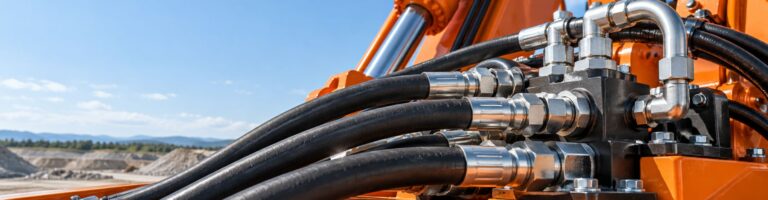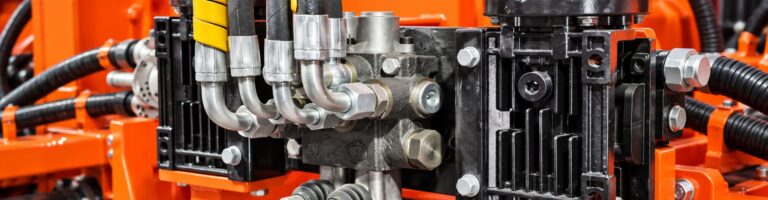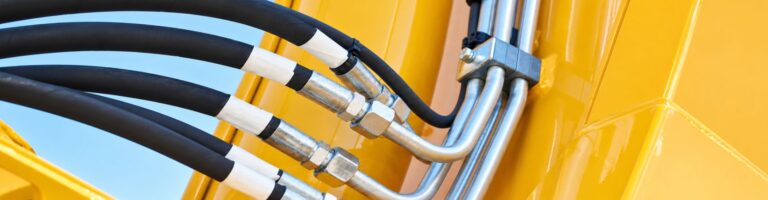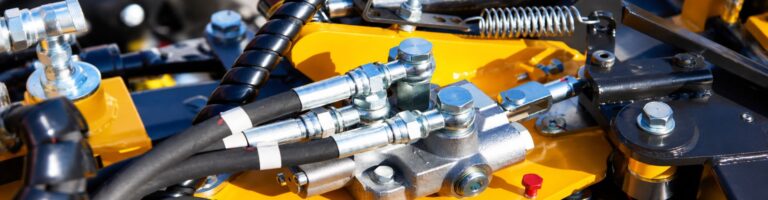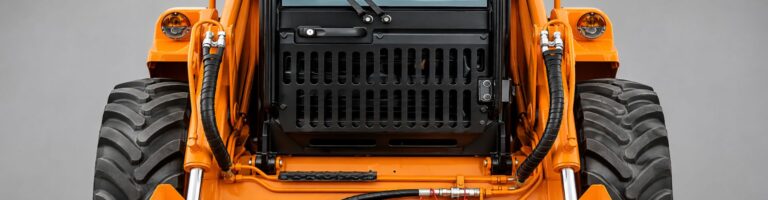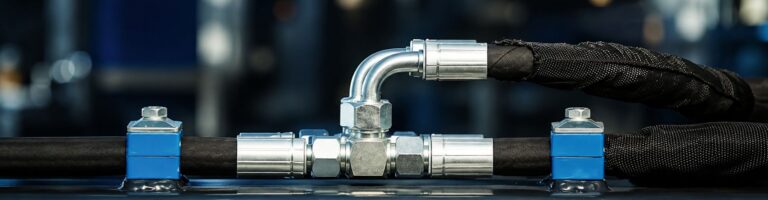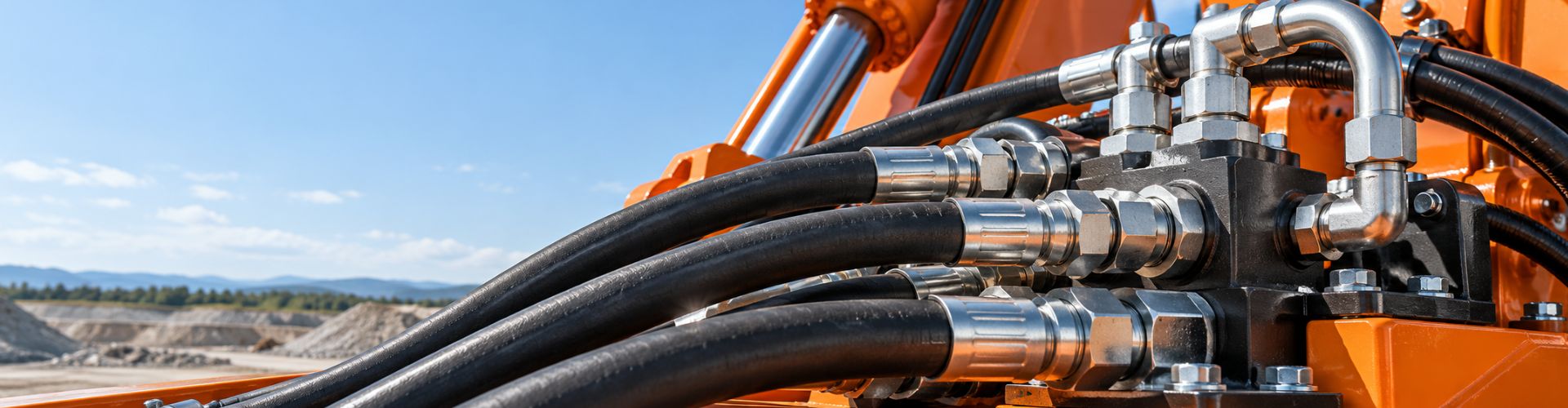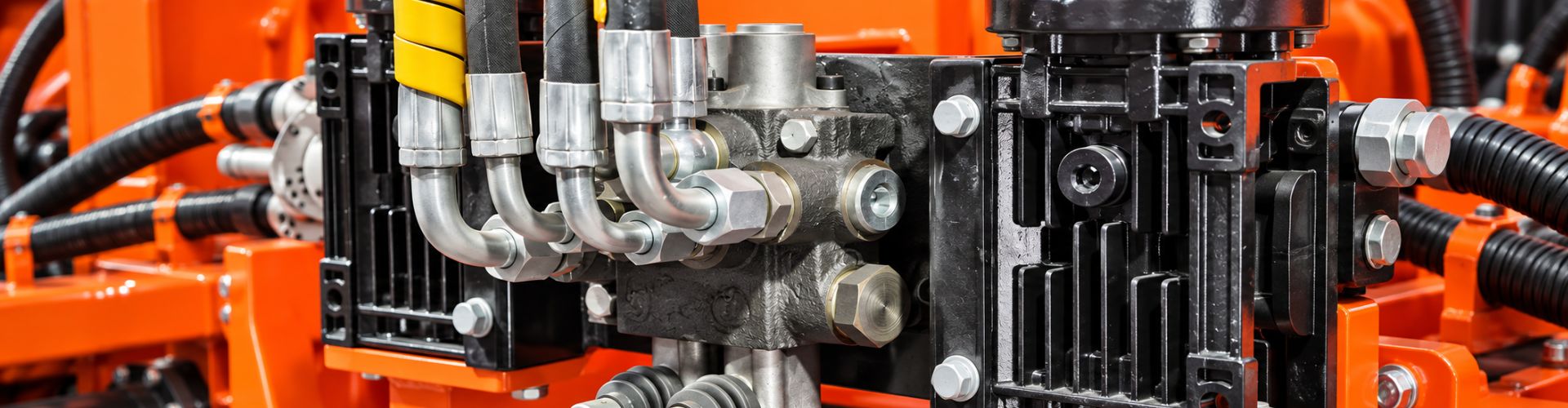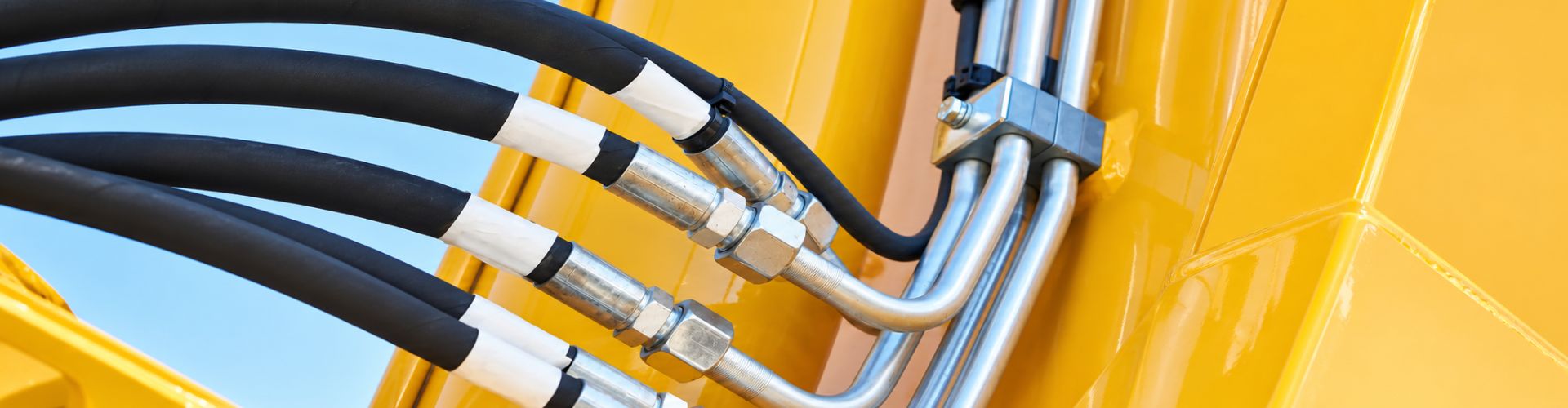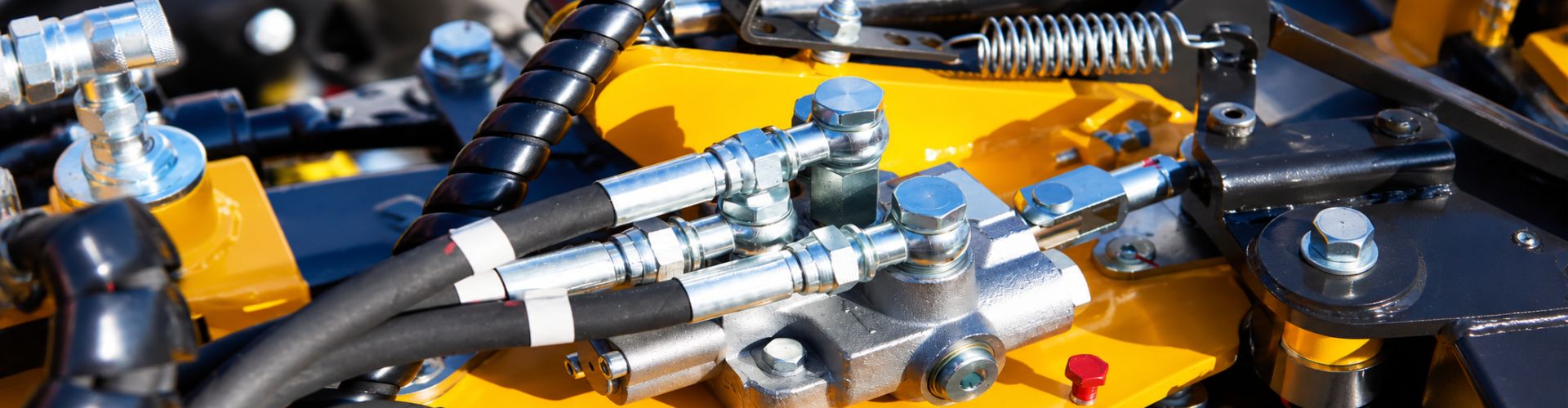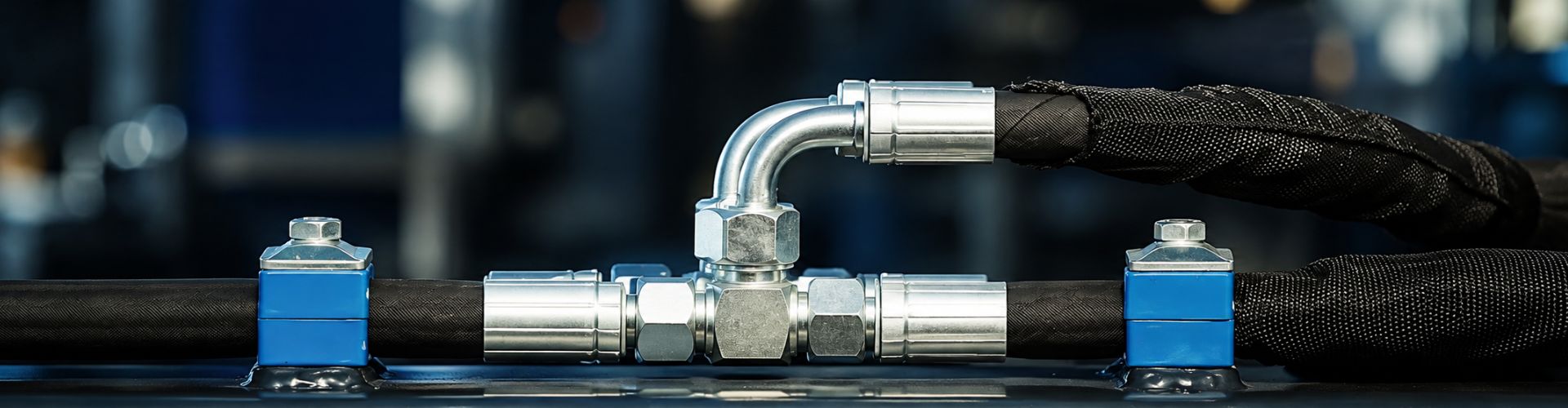
Hydraulic systems are integral to modern machinery, and the role of DIN hydraulic fittings in these systems is crucial. These fittings, standardized by the German Institute for Standardization (Deutsches Institut für Normung), are not just components; they are the backbone of countless hydraulic applications, ensuring efficiency and safety. In this exploration, we will delve into the origins, types, and applications of DIN hydraulic fittings. Understanding their significance and versatility is key to leveraging their full potential in various industrial contexts.
The DIN standard originated from the German Institute for Standardization, known in German as “Deutsches Institut für Normung.” This organization established the DIN standard to facilitate consistency and standardization across various industrial components, including hydraulic fittings. This standard has been instrumental in unifying design specifications, dimensions, and quality benchmarks. The acronym DIN itself stands for “Deutsches Institut für Normung,” indicating its origin and primary purpose in standardizing products and components. The implementation of the DIN standard across industries is pivotal for ensuring interoperability, quality, and reliability of products, including hydraulic fittings, on a global scale.
DIN hydraulic fittings cover a wide range of designs, each built for specific pressure levels and working conditions. They are used to connect hoses, tubes, and pipes in hydraulic systems, keeping the connection tight and stable during operation.
These fittings follow strict DIN standards. This keeps dimensions, threads, and sealing surfaces consistent. As a result, components from different batches or suppliers can match correctly and reduce installation errors.
Different DIN fitting types are designed for different working situations:
The sealing method depends on the fitting structure:
Each design focuses on one goal: stable connection, low leakage risk, and consistent performance under pressure.
Characterized by their cutting ring design, DIN 2353 tube fittings are widely utilized in high-pressure hydraulic systems. The cutting ring acts as a biting mechanism, creating a secure and leak-proof connection when tightened onto a tube. This unique feature enables them to handle high-pressure conditions effectively, making them a popular choice for robust hydraulic applications.
These fittings are distinguished by their 24-degree cone, commonly employed with metric tubes. The cone angle is specifically designed to offer a tight and efficient seal, which is critical in medium to high-pressure systems. The 24° cone fittings’ design ensures reliable performance in a range of hydraulic applications, providing a solid connection that can withstand significant pressure variations.

Similar to 24° cone fittings, DIN flare fittings are designed for use in high-pressure applications. They typically feature a flared tube end, which mates with a corresponding tapered seat in the fitting body. This flaring allows for a larger contact area, enhancing the strength and reliability of the connection.
These fittings are recognized for their distinct banjo-shaped body, allowing for a compact and efficient hose connection. DIN banjo fittings are especially useful in tight spaces where traditional fittings may not fit. They provide a secure, leak-proof connection, making them suitable for moderate pressure applications.
Designed for ease of installation, these fittings feature a screw-in mechanism that allows for quick and simple assembly. DIN screw-in fittings are versatile and can be used in a variety of hydraulic systems, offering a reliable connection that is both easy to install and maintain.
Swivel DIN Fittings
These fittings are designed for applications where rotational or oscillating movements are present. The swivel feature allows for free movement of the connected hose or tube, reducing stress and preventing kinking or twisting. DIN swivel fittings are ideal for dynamic hydraulic systems where movement flexibility is crucial.
Fitting Type | Key Structure | Best For | Pressure Level | Main Advantage |
DIN 2353 Tube Fittings | Cutting ring (bite into tube) | Steel tube systems | High pressure | Strong grip, very low leakage |
24° Cone Fittings | 24° cone + metric thread | General hydraulic systems | Medium–High | Stable sealing, widely used |
DIN Flare Fittings | Flared tube end + tapered seat | Repeated assembly systems | High pressure | Larger contact area, reliable sealing |
DIN Banjo Fittings | Hollow bolt + banjo body | Tight installation space | Medium | Compact design, easy routing |
DIN Screw-in Fittings | Threaded screw-in structure | Fast installation systems | Medium | Quick install, easy maintenance |
DIN Swivel Fittings | Rotating connection | Moving / dynamic systems | Medium–High | Prevent hose twist and stress |
DIN Fittings: These fittings generally adhere to a metric design specification. A common feature in DIN fittings is the 24° cone used for sealing purposes. This design is tailored to ensure a tight and effective seal, particularly suited for high-pressure environments.
SAE Fittings: In contrast, SAE (Society of Automotive Engineers) fittings frequently employ a 37° flared or an O-ring face seal design. The 37° flared design provides a robust seal and is often used in applications where high pressure is a factor. The O-ring face seal offers a high degree of leak resistance and is suitable for a variety of hydraulic applications.
The preference for either DIN or SAE standards is largely influenced by regional manufacturing and engineering practices. In Europe and Asia, DIN standards are more prevalent due to their alignment with the metric system and regional engineering norms. These regions have a long-standing tradition of using DIN standards, which are deeply integrated into their industrial and manufacturing sectors.
Conversely, North American industries show a strong preference for SAE standards. This preference is rooted in the historical development of engineering practices in the region, where the Imperial system and SAE standards have been the norm.
Yes, DIN fittings are indeed metric. This is a fundamental aspect of their design and specification. The adherence to the metric system is a key distinguishing feature of DIN (Deutsches Institut für Normung) fittings. The metric system, which uses units such as millimeters (mm) for length and dimensions, and the Pascal (Pa) or bar for pressure measurements, is the basis for all dimensions, threads, and specifications of DIN fittings.
DIN hydraulic fittings are predominantly made from two types of materials: stainless steel and carbon steel. Each material is chosen based on specific application requirements.
Stainless Steel: Stainless steel is highly favored for its corrosion resistance, making it ideal for hydraulic systems exposed to corrosive environments or those handling corrosive fluids. It maintains its integrity even under harsh conditions, ensuring longevity and reliability. Stainless steel fittings are often used in food processing, marine applications, and chemical industries.
Carbon Steel: Carbon steel is commonly used due to its high strength and durability. It is suitable for high-pressure applications and where robustness is a primary concern. Carbon steel fittings are cost-effective and widely used in general industrial, automotive, and construction applications. However, they are more susceptible to corrosion compared to stainless steel and may require protective coatings or treatments for certain applications.
DIN hydraulic fittings offer several advantages over other types of fittings, making them a preferred choice in many hydraulic applications.
Superior Reliability: DIN fittings are known for their exceptional reliability. Their design and manufacturing standards ensure a consistent and dependable performance, which is crucial in hydraulic systems where failures can be costly and dangerous.
Enhanced Durability: The materials used in DIN fittings, typically stainless and carbon steel, provide robustness and longevity. These materials are chosen for their ability to withstand harsh conditions, including high pressures, extreme temperatures, and corrosive environments.
High Efficiency: The precision engineering of DIN fittings contributes to their efficiency. They ensure a tight and secure connection, minimizing the risk of leaks, which is essential for maintaining the efficiency of hydraulic systems.
DIN hydraulic fittings also offer unique benefits that add value to their application in various systems.
Leak-Proof Designs: One of the most significant advantages of DIN fittings is their leak-proof design. The precision with which these fittings are made ensures that connections are secure, reducing the likelihood of leaks, which can lead to system inefficiencies and safety hazards.
Ease of Maintenance: DIN fittings are designed for ease of assembly and disassembly, making maintenance tasks simpler and more efficient. Their standardized dimensions also mean that replacement parts are easier to source and fit.
Versatility: DIN fittings are versatile in their application. They are suitable for a wide range of pressures and temperatures, and their standardized design makes them compatible with a variety of hydraulic systems and components. This versatility makes them an ideal choice for a broad spectrum of industries, including automotive, manufacturing, aerospace, and more.
Choosing the right DIN fitting is not only about matching thread size. It directly affects sealing performance, system safety, and long-term reliability. A wrong selection can lead to leakage, downtime, or repeated replacement.
Start with your system pressure.
Different DIN fittings are designed for different pressure levels. If the pressure rating is too low, the connection may fail under load.
Always allow a safety margin above your working pressure.
DIN fittings are mainly used with metric tubes, but structure still matters.
Wrong matching can lead to poor sealing or installation problems.
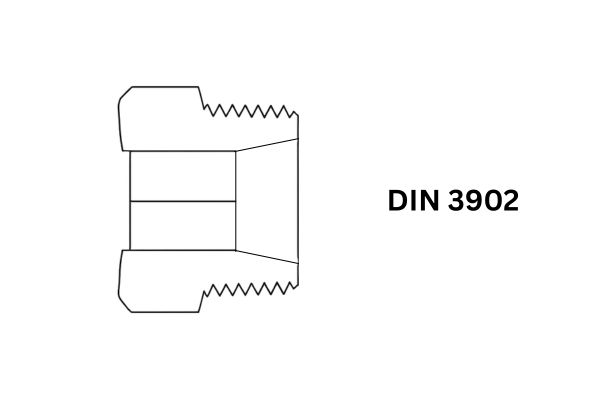
Sealing method determines leakage risk.
Common options include:
If your system has vibration or pressure spikes, O-ring or cutting ring types perform better.
Space limitation often decides fitting type.
Choosing the wrong structure can make installation difficult or impossible.
If your system has movement, this step is critical.
This helps prevent loosening, leakage, or hose damage.
Installing DIN hydraulic fittings correctly is crucial for the safety and functionality of the hydraulic system. Here’s a step-by-step guide and measurement tips:

Preparation: Ensure that the tube or hose ends are clean, free from debris, and cut squarely. Any burrs should be removed to prevent damage to the fitting and sealing surfaces.
Inspection: Before installation, inspect the fittings for any damage or imperfections. Check the threads and sealing surfaces for cleanliness and integrity.
Lubrication: Lightly lubricate the threads and any moving parts of the fitting, such as the nut or cutting ring. Use a lubricant that is compatible with the system’s hydraulic fluid.
Assembly: For threaded fittings, start by hand-threading to avoid cross-threading. Once hand-tight, use the appropriate tools to tighten the fitting to the manufacturer’s specifications. For compression-type fittings (like DIN 2353), insert the tube into the fitting, ensuring it is seated properly, then tighten the nut by hand until resistance is felt.
Final Tightening: Use two wrenches to tighten the fitting – one to hold the fitting body and the other to turn the nut. Tighten to the manufacturer’s recommended torque setting, usually provided in their specifications or installation guide.
Inspection: After installation, inspect the assembly to ensure it is secure and properly aligned. There should be no gaps between the fitting components.
Determining Size: To replace or install new fittings, you need to know the correct size. Measure the outer diameter of the tube or hose for tube fittings. For thread size, measure the diameter of the male thread or the inside diameter of the female thread.
Thread Identification: If the fitting is threaded, identify the thread type (metric, BSP, etc.). Use a thread gauge or compare with a known thread type to ensure compatibility.
Length Measurement: When measuring the length of a hose assembly, include the fitting end connections. Measure from the end of one fitting to the end of the other.
Angle and Orientation: For fittings like elbows or tees, note the orientation of the fitting ends. Accurate measurement of angles ensures that the new fitting will align correctly in the system.
In conclusion, understanding and implementing the correct use of DIN hydraulic fittings is essential for the efficiency, safety, and reliability of hydraulic systems. From the historical origins of the DIN standard to the intricate details of fitting types, materials, and manufacturing processes, each aspect plays a vital role in ensuring optimal system performance. Understanding these nuances not only ensures the functional integrity of hydraulic systems but also enhances their safety and effectiveness in demanding environments.
DIN stands for Deutsches Institut für Normung, which is the German Institute for Standardization that defines the standards for hydraulic fittings.
DIN hydraulic fittings have a parallel thread design and are typically sealed with an O-ring or metal-to-metal contact, offering a secure connection in hydraulic systems.
The main advantage is their ability to provide a leak-proof seal and a reliable connection, even under high-pressure conditions.
DIN hydraulic fittings are commonly used in European industrial, automotive, and machinery systems for fluid and gas transfer.
DIN hydraulic fittings are typically made from materials like steel, stainless steel, or brass for strength, corrosion resistance, and durability.
Choose the correct DIN fitting by ensuring compatibility with the size, pressure rating, and sealing method required for your specific hydraulic system.
Find out more about Topa Blog and learn more about specialized hydraulic fittings.