
Cheap hydraulic hoses cost more because their lower upfront price is offset by frequent failures, equipment downtime, and higher maintenance labor. While a budget hose might save you a few dollars today, it acts as a ticking time bomb in your machine’s hydraulic system.
Imagine you are in the middle of a high-stakes construction project with a tight deadline. Suddenly, a $40 budget hose bursts on your primary excavator, spraying hot oil across the site and bringing the entire operation to a grinding halt. You aren’t just losing the cost of the hose; you are losing thousands of dollars in operator wages, project delay penalties, and environmental cleanup fees. This is the reality of focusing solely on the initial hydraulic hoses cost, where “savings” quickly turn into a financial nightmare. By choosing premium, high-quality hoses, you ensure the reliability needed to keep your projects on track and your profit margins secure.
Are Cheap Hoses Really Saving You Money?
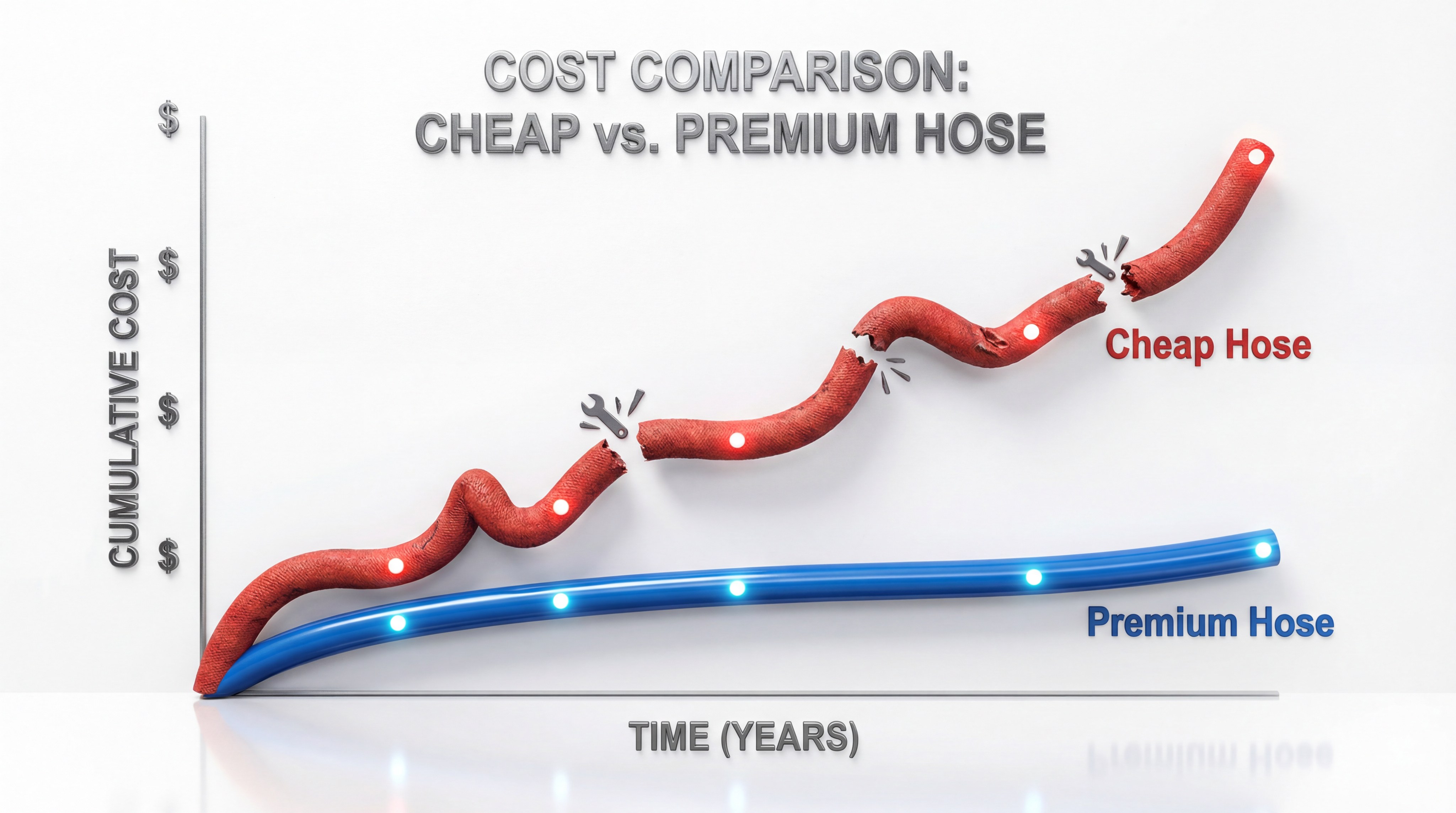
Cheap hoses are almost never a true bargain when you evaluate the service life expectancy of the product. The initial hydraulic hoses cost is only the tip of the iceberg, as replacement frequency often doubles or triples with budget materials. You must look at the total expenditure over a two-year period to see the real price difference.
What Are the Hidden Long-term Expenses?
When you buy a low-grade hose, you are committing to a cycle of recurring costs that exceed the original purchase price. Beyond the part itself, you are paying for shipping, handling, and the lost efficiency of a machine that isn’t running at 100%.
- Administrative overhead for re-ordering parts.
- Emergency shipping fees to get a broken machine back online.
- The cost of top-off hydraulic fluid lost during a burst.
Here is the kicker: the cheaper the hose, the more you pay the shipping company.
How Often Do Budget Options Fail?
Budget hoses often lack the rigorous testing required for heavy-duty applications, leading to failures in as little as six months. High-quality alternatives are designed to withstand millions of impulse cycles, whereas cheap versions may fail after only a fraction of that life.
Think about it. If you have to replace a budget hose three times in the life span of one premium hose, you have spent more on the “cheap” option before even accounting for labor.
How Does Low-Quality Rubber Impact Life?
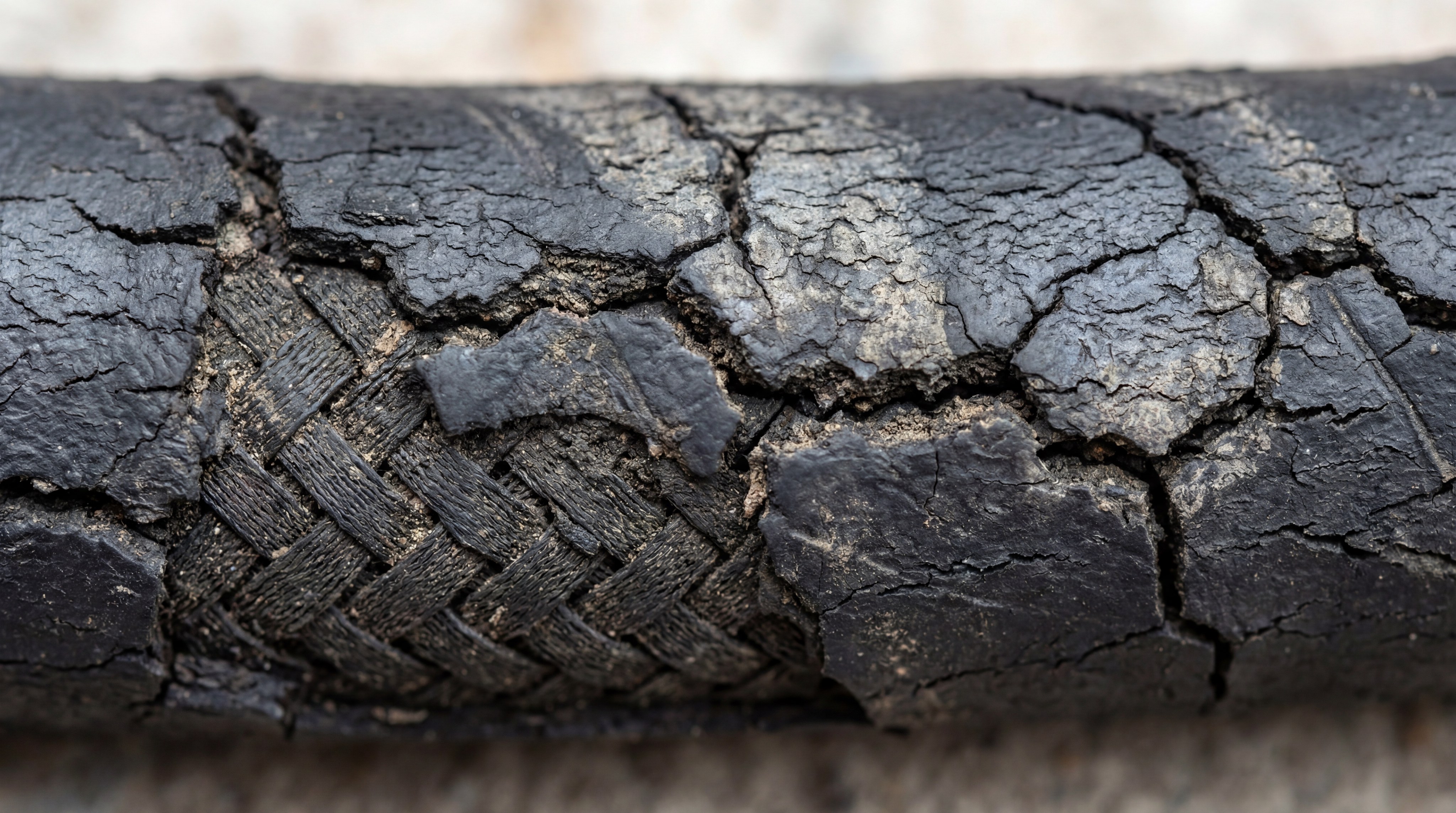
Low-quality rubber compounds significantly increase the hydraulic hoses cost by degrading prematurely when exposed to the elements. Inferior polymers dry out and lose their elasticity, making them prone to cracking under the standard flexing required of a hydraulic system.
Will Heat Degrade Inferior Compounds?
Hydraulic systems generate significant internal heat, which causes poor-quality rubber to “cook” and become brittle. Once the rubber hardens, it loses its ability to seal against the fitting, leading to weepage and dangerous leaks.
- Loss of flexibility at high operating temperatures.
- Internal tube erosion from fluid friction.
But here is the catch: once the rubber is compromised, a total burst is imminent.
Is Ozone Cracking A Constant Threat?
Cheap rubber often lacks the UV and ozone inhibitors necessary for outdoor work environments. Sunlight and atmospheric ozone attack the molecular bonds of the hose cover, creating deep fissures that allow moisture to reach the internal wire reinforcement.
Why Do Improper Fittings Cause Failures?
Using sub-standard hydraulic hose fittings significantly raises the hydraulic hoses cost by introducing weak points where leaks occur. When a fitting is manufactured with loose tolerances, it cannot maintain a perfect seal under high-pressure spikes.
Do Mismatched Threads Lead To Leaks?
Inexpensive fittings often suffer from poor thread machining, which prevents them from seating correctly against the mating component. Even a minor misalignment can result in a slow drip that wastes expensive hydraulic oil and creates a safety hazard on your floor.
- Cross-threading during installation.
- Inability to withstand vibration without loosening.
Think about it. A tiny leak is just a big burst waiting to happen.
Is Precision Machining Worth The Price?
Precision machining ensures that every fitting meets exact specifications, providing a metal-to-metal seal that remains tight under vibration. While these fittings cost more at checkout, they eliminate the need for rework and secondary repairs that plague cheap installations.
What Is the Real Price of System Downtime?
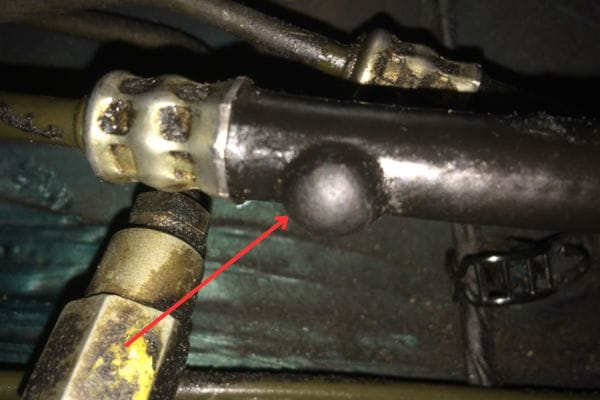
System downtime is the largest hidden contributor to the hydraulic hoses cost in industrial and construction sectors. When a critical machine stops working, the financial loss is measured in hundreds or even thousands of dollars per hour.
How Much Revenue Is Lost Per Hour?
The calculation of downtime includes the idle time of the machine, the wages of the operator who cannot work, and the delay in the overall project timeline. For many companies, a single hour of downtime for a primary machine can cost more than $1,000.
- Wasted labor hours for the entire crew.
- Potential penalties for late project completion.
- Rented replacement equipment costs.
Is The Damage Beyond Just The Hose?
When a hose fails under pressure, the sudden drop can cause physical damage to other system components like pumps and valves. These secondary failures can turn a simple hose replacement into a massive system overhaul.
Does Poor Braiding Lead to Early Bursts?
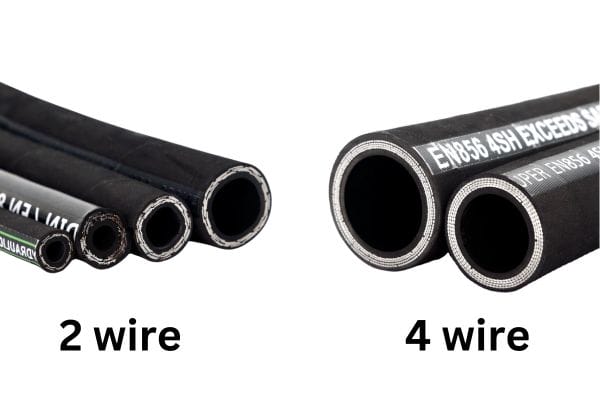
Poor reinforcement braiding is a primary reason why the hydraulic hoses cost increases through catastrophic failures. If the wire tensile strength is low or the braiding pattern is uneven, the hose cannot handle the pressure surges common in hydraulic systems.
Are Budget Wires Prone To Corrosion?
In cheap hoses, the steel reinforcement is often not properly treated to resist corrosion if moisture penetrates the outer cover. Once the wires rust, they lose their structural integrity and snap under pressure, leading to a sudden, dangerous burst.
- Internal wire fatigue from repetitive pulsing.
- Oxidation that weakens the “skeleton” of the hose.
But here is the catch: you can’t see the rust until the hose actually explodes.
How Does Braid Density Affect Pressure?
A high-quality hose features a dense, consistent braid or spiral pattern that distributes pressure evenly across the entire surface. Cheap hoses often have “gaps” in the braiding to save on material, which creates weak spots that balloon and fail under load.
A consistent reinforcement layer is the only thing standing between your fluid and a catastrophic leak.
How Do Labor Costs Inflate Total Spend?
Frequent replacement cycles exponentially increase the hydraulic hoses cost because skilled technicians must be paid for every repair. In many cases, the labor to install a hose is significantly more expensive than the hose itself.
Is Constant Maintenance Draining Profits?
Every time a hose fails, you must dispatch a technician, which involves travel time, diagnostic time, and the actual assembly work. If you are replacing cheap hoses twice as often, you are paying for twice as much specialized labor.
- Emergency call-out fees for field repairs.
- Hours spent bleeding the system of air after a change.
- Disposal costs for contaminated rags and oil.
Think about it. Your mechanic’s time is too valuable to be spent replacing the same $50 part every few months.
Can Frequent Changes Lead to Human Error?
The more often you have to open a hydraulic system for repairs, the higher the risk of introducing contaminants like dirt and metal shavings. These contaminants can destroy expensive pumps, making the true cost of cheap hoses even higher.
Reducing the frequency of maintenance is the best way to keep your system clean and your costs low.
Can Reusable Fittings Reduce Your Expenses?
You can lower the recurring hydraulic hoses cost by utilizing reusable hydraulic hose fittings . These components allow you to salvage the expensive metal hardware even if the rubber hose section is damaged or worn out.
Are These Solutions Better For Field Repairs?
Reusable fittings are a game-changer for remote job sites where a crimping machine isn’t available. You only need standard wrenches to assemble a new hose in the field, saving you from having to wait for a mobile repair truck to arrive.
- No need for expensive hydraulic crimping equipment.
- Fast turnaround for emergency situations.
But here is the catch: you must start with a high-quality reusable fitting for it to actually be reused safely.
Is The Initial Investment Worth It?
While a reusable fitting costs more upfront than a permanent crimp fitting, it pays for itself by the second or third hose change. Over the life of a machine, this strategy can save hundreds of dollars in hardware costs alone.
Investing in smart hardware today prevents wasteful spending tomorrow.
Why Are Manufacturing Standards Essential?

Adherence to international standards like SAE or ISO is what guarantees the hydraulic hoses cost reflects actual performance. Cheap, unbranded hoses often skip these certifications to lower prices, but they provide no guarantee of safety or durability.
Do SAE Standards Guarantee Performance?
SAE standards ensure that a hose has been tested for impulse pressure, bend radius, and temperature resistance. When you buy a certified hose, you are buying a documented level of safety that prevents “mystery failures” in the field.
- Rigorous burst pressure testing.
- Verified compatibility with various hydraulic fluids.
Think about it. Is your safety worth the $20 you saved on an uncertified hose?
What Does ISO Certification Actually Mean?
ISO certification indicates that the manufacturing facility follows strict quality control processes. This means every foot of hose you buy will perform the same as the last, eliminating the variability and “bad batches” common with budget suppliers.
What Are the Hidden Risks of Hose Leaks?
Environmental fines and safety hazards can raise the hydraulic hoses cost into the tens of thousands of dollars. A single burst on a sensitive job site can lead to an environmental disaster that far outweighs the cost of the hose.
Could Oil Spills Lead To Large Fines?
If a hose bursts near a waterway or on public land, regulatory agencies can levy massive fines for the resulting oil spill. The cost of environmental remediation specialists and soil disposal is astronomical compared to the price of a premium hose.
- Mandatory reporting to environmental agencies.
- Extensive site cleanup and decontamination.
Is Operator Safety Compromised By Cheap Hoses?
Hydraulic injection injuries occur when high-pressure fluid penetrates the skin, often leading to amputation or permanent disability. Cheap hoses with low-quality covers are more likely to develop “pinhole leaks” that are nearly invisible but incredibly deadly.
You have a moral and financial obligation to provide your team with the safest possible equipment.
Is Customization Worth the Initial Price?
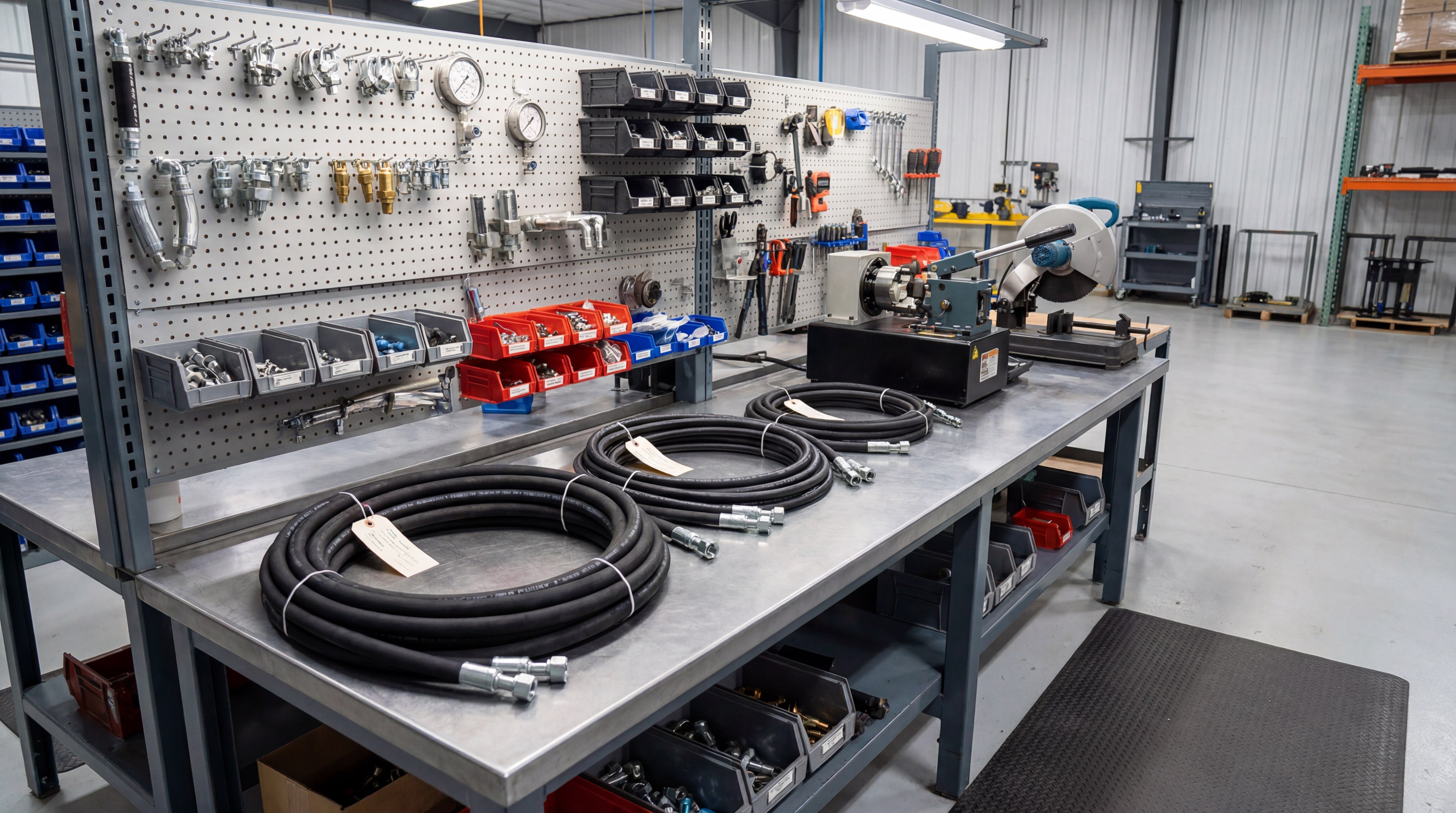
Custom-tailored hose assemblies help reduce long-term hydraulic hoses cost by ensuring a perfect fit for the specific machine. Off-the-shelf budget hoses are often the wrong length, leading to excessive wear from rubbing and kinking.
Will Specific Lengths Reduce Fluid Friction?
Hoses that are too long create extra fluid friction and heat, while hoses that are too short are stressed at the fittings during machine movement. A custom-cut hose ensures optimal flow and eliminates the mechanical stress that causes early failure.
- Reduction in heat buildup within the system.
- Elimination of “slack” that catches on debris.
Think about it. A hose that fits perfectly is a hose that lasts longer.
Can Proper Routing Save Your Equipment?
Using custom-angled fittings allows for better routing of hoses through tight spaces. This prevents the hose from rubbing against sharp metal edges, which is a leading cause of cover failure and subsequent bursting.
Routing is an art that pays off in years of trouble-free service.
Conclusion
Selecting hydraulic components is a balance between initial expenditure and lifetime reliability. While the lure of lower prices is tempting, the evidence clearly shows that premium hoses pay for themselves through reduced downtime, lower labor costs, and enhanced safety. By shifting your focus from the “invoice price” to the “total cost of ownership,” you protect your business from the hidden drains on your profitability.
Experience the peace of mind that comes with professional-grade hydraulic solutions. From precision fittings to high-tensile hoses, we provide the components you need to stay running. For expert advice and a quote on durable hydraulic systems, contact us today.
Frequently Asked Questions
Can I use any hose if the pressure rating matches?
No, because you must also consider chemical compatibility, temperature range, and impulse life, which vary significantly between cheap and premium brands.
What’s the best way to prevent hose bursts?
Implementing a scheduled replacement program and using higher-quality, ISO-certified hoses is the most effective way to prevent catastrophic failure.
Can I save money by only buying premium fittings?
While quality fittings help, they cannot compensate for a low-grade hose that is prone to cracking or reinforcement fatigue.
What is the most common cause of premature hose failure?
External abrasion and poor routing are the leading causes, which are often exacerbated by the thin, low-quality covers found on budget hoses.
How do I know if a hose is truly “high quality”?
You should verify that the hose has clean, legible layline markings showing compliance with major international standards like SAE or ISO.