High-pressure braided or spiral hydraulic hoses are best for excavators and loaders, depending on specific application needs like flexibility and surge protection. You are in the middle of a critical excavation project when suddenly a line bursts, spraying oil across the site and bringing your machine to a dead halt. This unexpected downtime is more than just an inconvenience; it is a drain on your profits and a risk to your project deadlines. The most effective way to prevent these costly interruptions is by selecting high-quality hydraulic hoses designed to withstand the extreme pressures and constant movement of heavy machinery.
Why Are Spiral Hydraulic Hoses Best for Heavy Excavators?
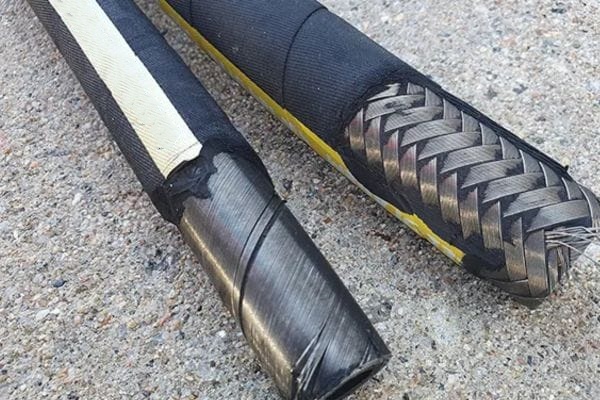
Spiral reinforcement is the superior choice for high-pressure excavator systems that face frequent pressure surges. These hydraulic hoses consist of steel wires wrapped in parallel layers, providing incredible strength against internal impulses. Because the wires do not cross as they do in braided designs, they resist the “sawing” effect that leads to wire fatigue.
What Makes Spiral Construction So Strong?
The parallel winding allows the hose to handle massive pressure spikes without expanding or losing its shape. You will find that these hoses are standard for main pump lines and heavy lifting cylinders.
But that’s not all.
- Parallel wire winding for maximum strength.
- Handles 4-wire or 6-wire configurations.
- Resistant to extreme pressure impulses.
Spiral hoses provide the necessary rigidity and impulse resistance required for the most demanding hydraulic circuits on heavy machinery.
When Should You Choose Braided Hydraulic Hoses for Loaders?
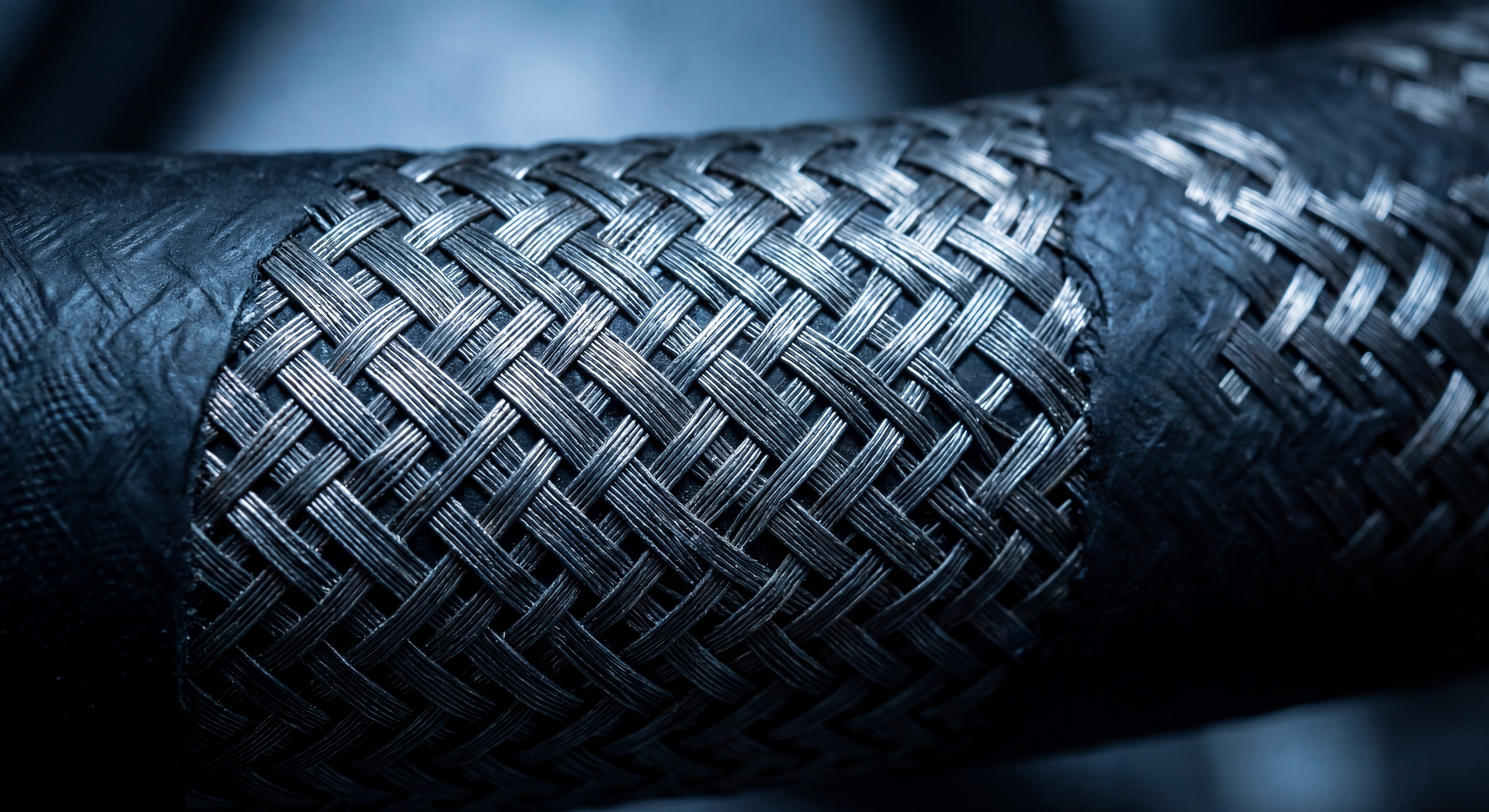
Braided construction is the go-to solution when your loader requires agility and flexibility in tight spaces. These hydraulic hoses feature a crisscross pattern of high-tensile steel wire that allows the hose to bend more easily. While they may not handle the same impulse levels as spiral hoses, their versatility is unmatched for auxiliary lines.
Is Flexibility the Main Advantage?
You often deal with compact engine compartments or moving joints on a loader’s bucket where space is limited. Braided hoses allow for tighter routing without kinking the line.
Here is the kicker:
- Excellent bend radius for compact routing.
- Available in 1-wire and 2-wire configurations.
- Lighter weight than spiral alternatives.
Braided hoses offer a perfect balance of pressure resistance and maneuverability for the steering and control systems of modern wheel loaders.
How Does Pressure Rating Affect Your Hydraulic Hoses?
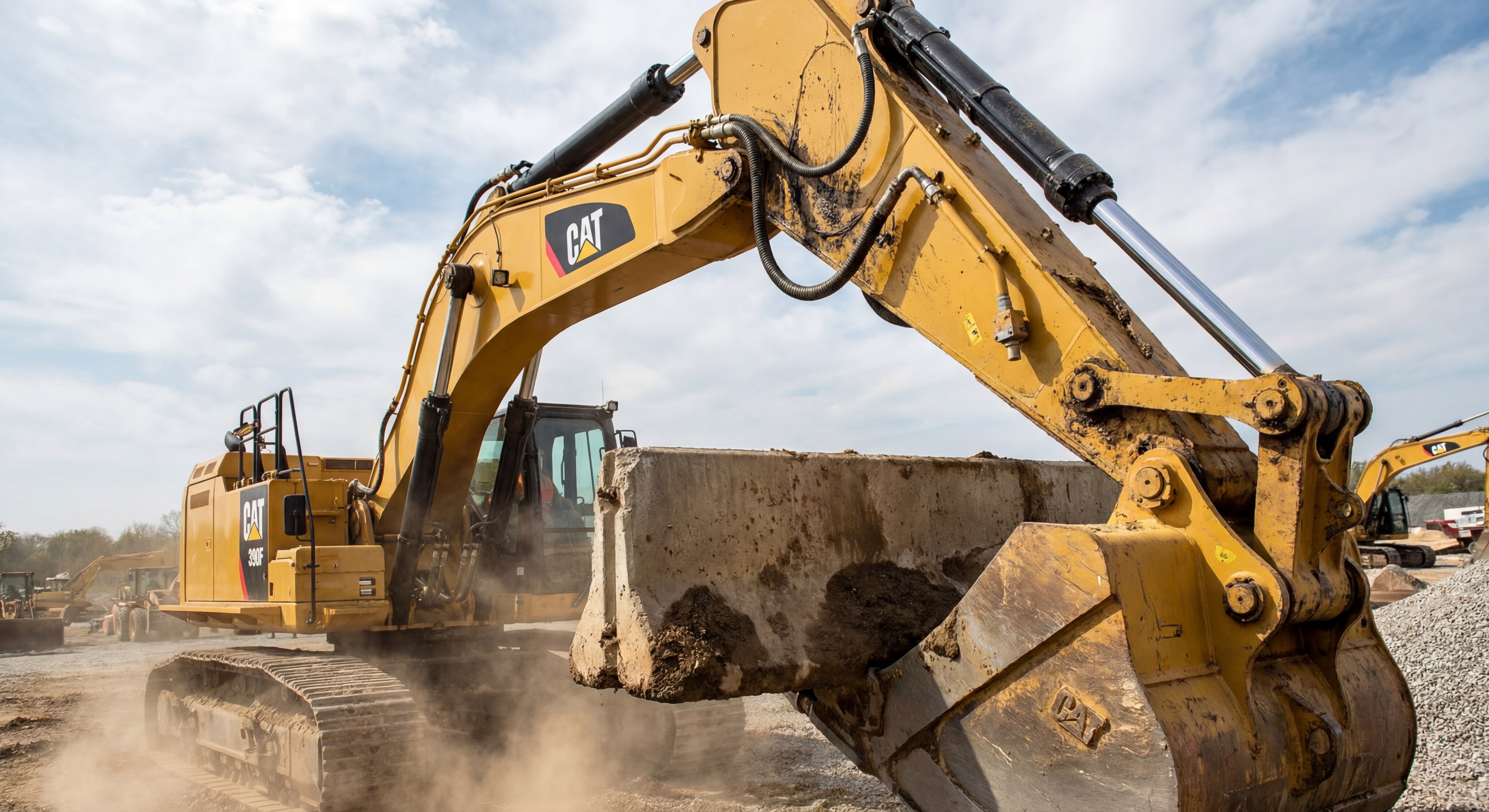
Pressure ratings define the safe operating limits for your equipment to prevent catastrophic bursts. Using the correct hydraulic hoses ensures that your excavator can lift its maximum load without compromising the integrity of the fluid conveyance system. You must always match or exceed the maximum system pressure provided by your machine’s pump.
How are Ratings Classified?
Hydraulic systems are generally split into low, medium, and high-pressure categories. Most excavators and loaders operate in the high-pressure range, requiring specialized reinforcement to stay safe.
But that’s not all.
- Low Pressure: Below 250 PSI.
- Medium Pressure: Up to 3,000 PSI.
- High Pressure: 3,000 to 6,000+ PSI.
Selecting a hose with a working pressure that matches your machine’s peak output is the most critical step in maintaining a safe worksite.
What Materials Make Excavator Hydraulic Hoses More Durable?
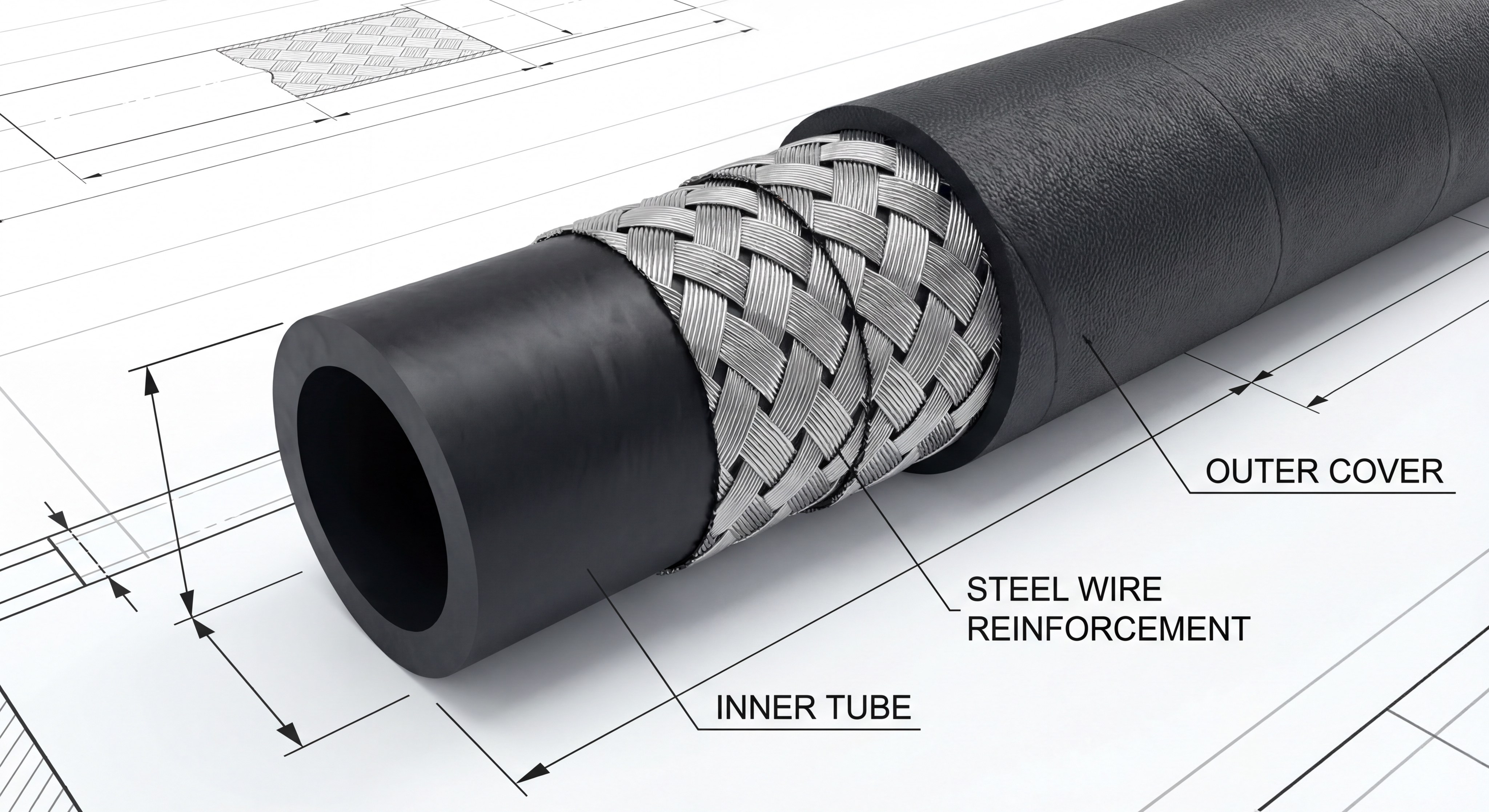
The internal and external materials of hydraulic hoses determine how well they resist chemicals and environmental wear. High-quality synthetic rubbers are the foundation of a hose that lasts through thousands of cycles in the dirt and mud. You need a hose that remains pliable in the winter while resisting the heat of boiling hydraulic oil in the summer.
Why Use Synthetic Rubber?
Synthetic rubber compounds like Nitrile are chosen for the inner tube because they are highly compatible with petroleum-based oils. This prevents the tube from degrading and sending debris into your expensive valves.
Here is the kicker:
- Nitrile (NBR) inner tubes for oil resistance.
- Neoprene or EPDM outer covers for weather protection.
- High-tensile steel for structural reinforcement.
The combination of oil-resistant internal tubes and rugged external covers creates a hose that can survive the punishing environment of a construction site.
| Material Component | Primary Purpose | Benefit |
| Inner Tube | Fluid Containment | Chemical Compatibility |
| Reinforcement | Pressure Handling | Burst Resistance |
| Outer Cover | Environmental Shield | Abrasion Protection |
High-quality materials serve as the primary defense against internal chemical degradation and external environmental hazards.
Why Is Flexibility Crucial in Loader Hydraulic Hoses?
Flexibility allows hydraulic hoses to move with the articulating joints of a loader without straining the connections. If a hose is too rigid, the constant motion of the bucket will cause the fittings to leak or the hose wall to crack. You must consider the minimum bend radius whenever you are replacing a line.
Does Bend Radius Impact Performance?
A tighter bend radius means the hose can turn in a shorter distance without losing its structural integrity. This is vital for the intricate paths found in loader lift arms and steering pivots.
But that’s not all.
- Reduces stress on end fittings.
- Prevents hose kinking and flow restriction.
- Simplifies installation in cramped spaces.
Ensuring your hoses have the appropriate flexibility prevents mechanical strain on the system and extends the life of your hydraulic components.
How Do You Identify the Right Size for Hydraulic Hoses?
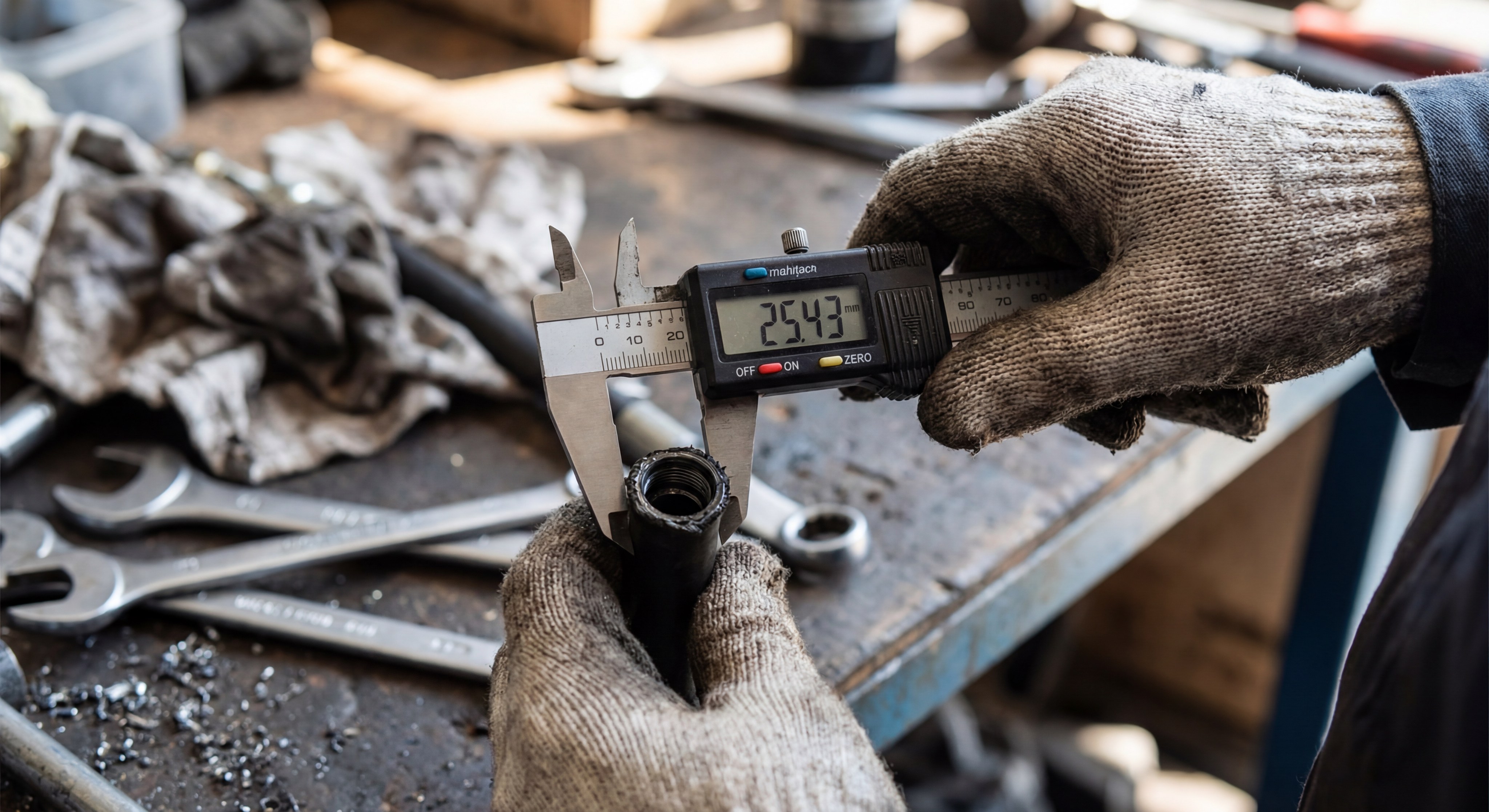
Sizing your hydraulic hoses correctly is essential for maintaining the proper flow rate and speed of your excavator’s attachments. If the hose is too small, you will experience high friction and heat, leading to power loss. You measure the size based on the Internal Diameter (I.D.), typically referred to in “dash sizes” which represent sixteenths of an inch.
What Is I.D. vs O.D.?
The Internal Diameter determines the volume of fluid that can pass through, while the Outside Diameter (O.D.) tells you if the hose will fit through existing clamps or brackets. You must get both right to ensure a successful replacement.
Here is the kicker:
- I.D. (Inside Diameter) for flow capacity.
- O.D. (Outside Diameter) for mounting clearance.
- Dash sizes (e.g., -8 equals 8/16″ or 1/2″).
Selecting the correct internal diameter prevents fluid turbulence and overheating, ensuring your excavator maintains peak digging power throughout the day.
What Role Do Hose Covers Play in Protecting Hydraulic Hoses?
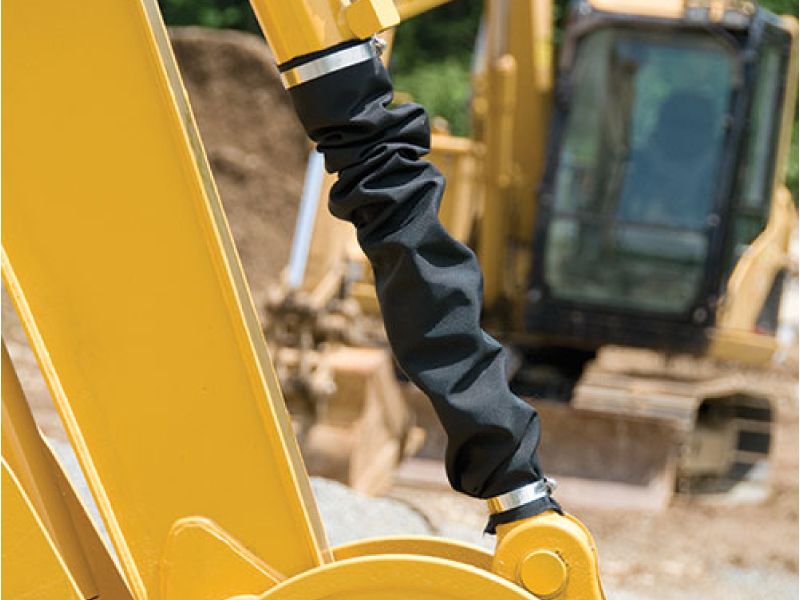
The outer cover is the first line of defense for your hydraulic hoses against external damage. On a loader, hoses are constantly exposed to flying debris, abrasive dust, and harsh sunlight. Without a tough cover, the steel reinforcement will rust or fray, leading to a sudden failure.
Are Standard Covers Enough?
Standard covers work for general use, but heavy-duty excavators often require “Tough Cover” or “Super Tough” options made from high-density polyethylene. These specialized covers can last hundreds of times longer in high-abrasion areas.
But that’s not all.
- UV resistance prevents cover cracking.
- Abrasion-resistant layers protect steel wires.
- Flame-resistant covers for high-heat environments.
Investing in high-abrasion covers for exposed lines significantly reduces the frequency of hose replacements caused by external rubbing or impacts.
Specialized covers extend the service life of hoses working in environments where mechanical wear and UV degradation are high.
How Can You Prevent Premature Failure of Hydraulic Hoses?
Preventing failure starts with a proactive inspection routine of all your hydraulic hoses. You should look for signs of “weeping” at the fittings, cover blisters, or exposed reinforcement wires. Most failures occur because of poor routing, where the hose rubs against a sharp edge or is pulled too tight during a full machine extension.
How Does Heat Affect Hoses?
Excessive heat can make the rubber brittle over time, leading to cracks that eventually allow oil to leak. You should ensure your cooling system is working correctly and that hoses are not routed too close to exhaust manifolds.
Here is the kicker:
- Check for rubbing and chafing points.
- Inspect for leaks at every shift start.
- Replace hoses that show visible wire reinforcement.
Regularly scheduled inspections and smart routing are the most effective ways to avoid the headache of an unexpected hose burst during work hours.
Why Are Standards Like SAE J517 Vital for Hydraulic Hoses?
Industry standards like SAE J517 ensure that the hydraulic hoses you buy meet strict performance and safety criteria. When you see a “100R” rating on a hose, it tells you exactly what pressure and temperature it can handle. This consistency allows you to mix and match components from different reputable manufacturers with confidence.
What Does SAE 100R Mean?
The SAE 100R series defines different construction types, ranging from 100R1 (single-wire braid) to 100R15 (heavy-duty multi-spiral). You should refer to your excavator’s manual to see which R-standard is required for each circuit.
But that’s not all.
- 100R2: Standard 2-wire braided hose.
- 100R12: 4-wire spiral hose for high pressure.
- 100R13: Heavy-duty spiral for extreme impulse.
Following international standards like SAE or ISO ensures that your replacement parts are safe, reliable, and perfectly compatible with your machine’s original design.
How Do You Select the Best Fittings for Hydraulic Hoses?
The connection between your hose and the machine is just as important as the hose itself. You must choose between permanent crimped fittings or field-attachable reusable fittings based on your repair needs. Most modern loaders and excavators use crimped fittings because they provide the most secure, leak-free seal under high pressure.
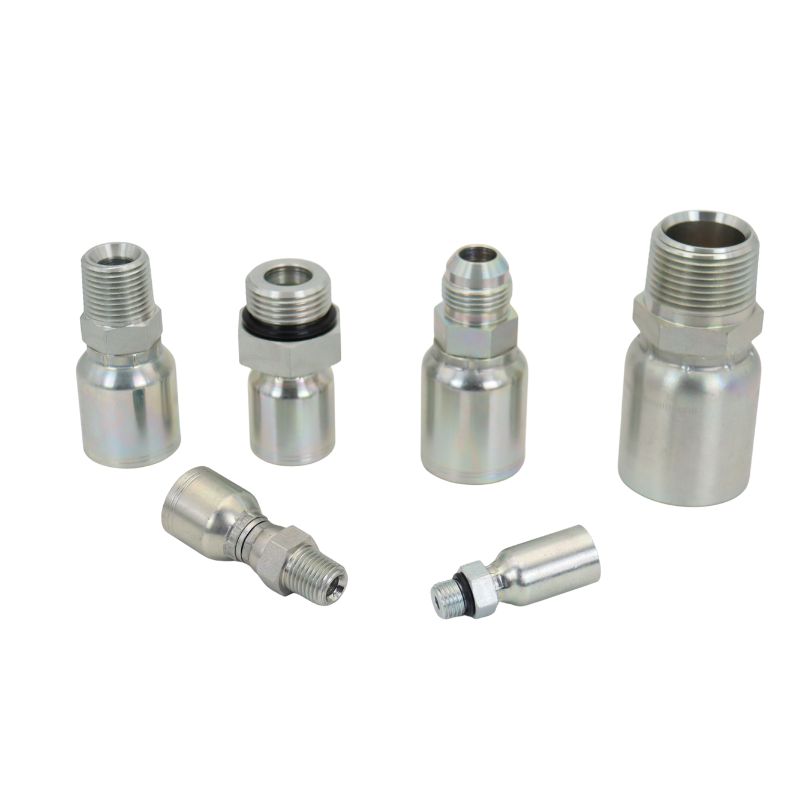
Should You Use Crimped or Reusable?
Crimped fittings are factory-style connections that require a machine to squeeze the collar onto the hose. Reusable fittings are great for emergency field repairs but generally have lower pressure ratings and a higher risk of leaking over time.
Here is the kicker:
- JIC and ORFS threads for leak-free seals.
- One-piece vs. two-piece crimp designs.
- Stainless steel options for corrosive environments.
Selecting high-quality fittings that match your hose’s pressure rating is the final step in building a hydraulic system that stands up to the toughest jobs.
Conclusion
Selecting the right hydraulic components is the difference between a productive day and a costly disaster. By choosing high-performance hoses and fittings tailored to your specific machine, you solve the chronic problems of leaks and bursts that plague the construction industry. At Topa, our vision is to provide the world with the most reliable fluid conveyance solutions to keep your heavy machinery moving. Whether you are operating a fleet of excavators or a single loader, we are dedicated to your success. To find the perfect match for your equipment, contact us today.
FAQ
Can I use a braided hose where a spiral hose was originally installed?
Generally, no, because spiral hoses are usually required for high-impulse applications that braided hoses cannot handle. Always match the original manufacturer’s specifications to prevent a burst.
What’s the best way to determine my hose’s pressure rating?
Look at the layline printed along the length of the hose; it will list the maximum working pressure in PSI or Bar.
How do I know if my hydraulic hose is about to fail?
Watch for signs of external damage like cover cracks, visible wire reinforcement, or “sweating” where oil begins to seep through the hose wall or at the fitting connection.
Can I mix different brands of hoses and fittings?
While standards like SAE make components compatible, it is always safest to use hoses and fittings from the same manufacturer to ensure the crimp specifications are perfectly matched.
What’s the best way to protect hoses from abrasion?
Using a high-abrasion resistant cover or adding a protective sleeve, such as a plastic spiral wrap or nylon sleeve, can significantly extend the life of hoses in high-friction areas.